






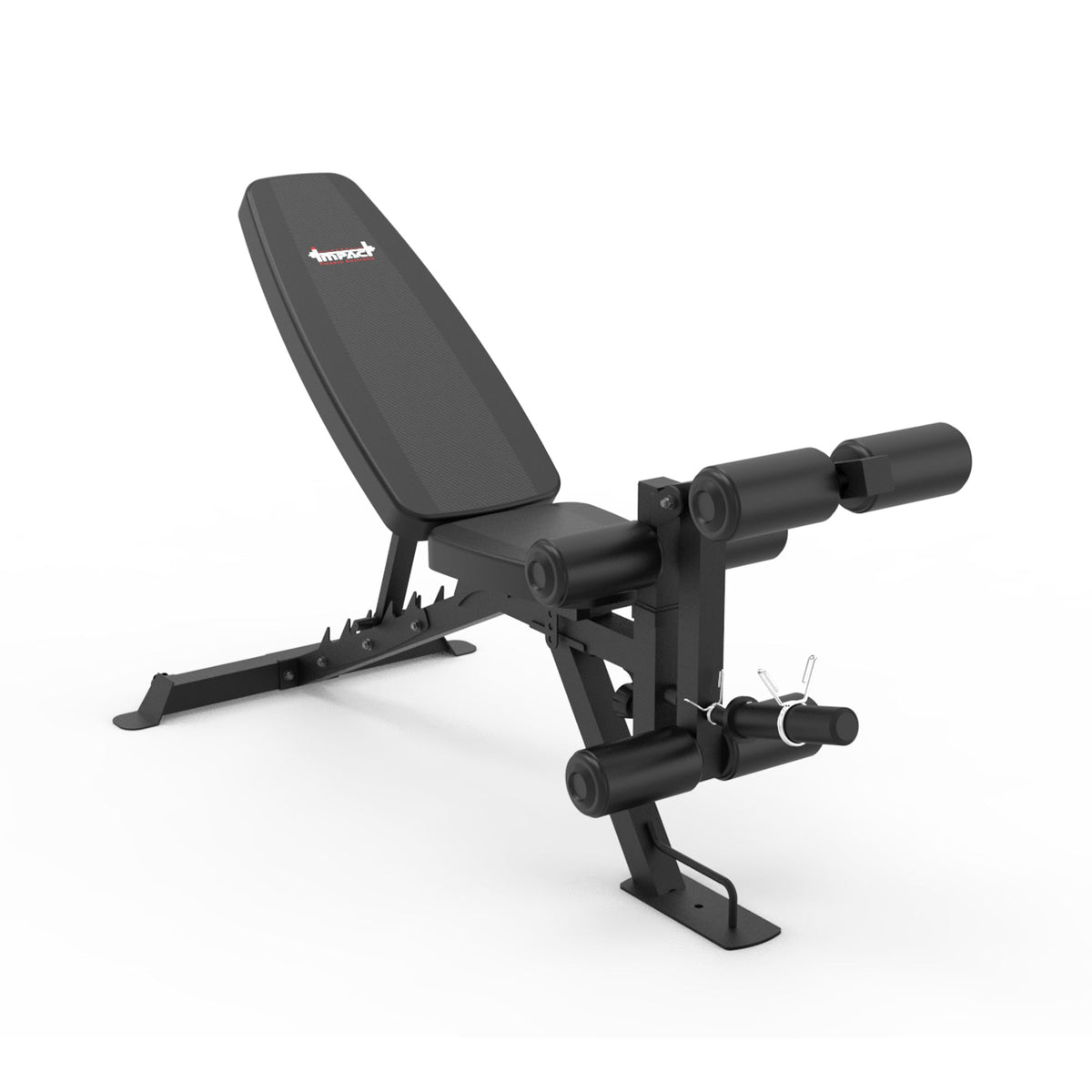
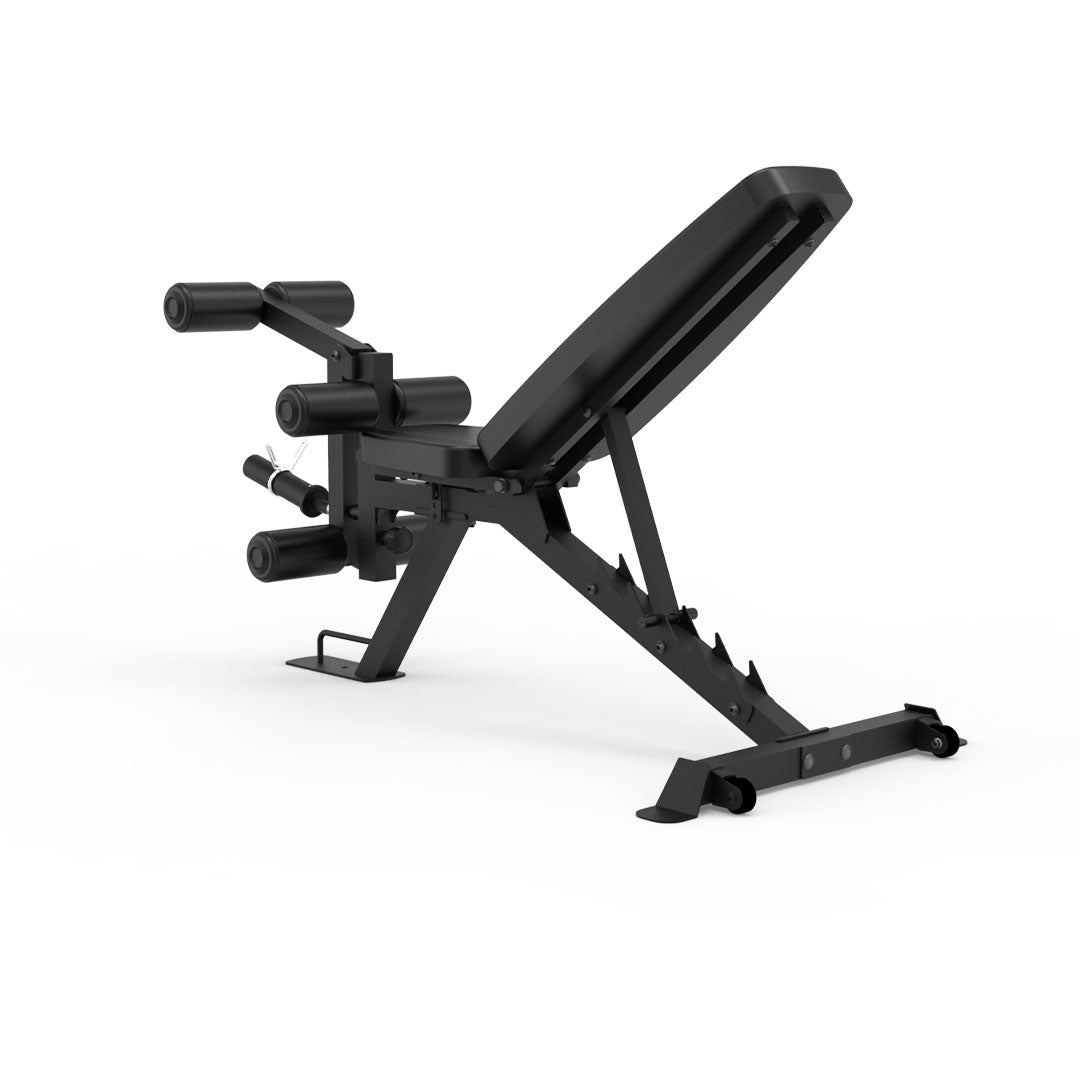
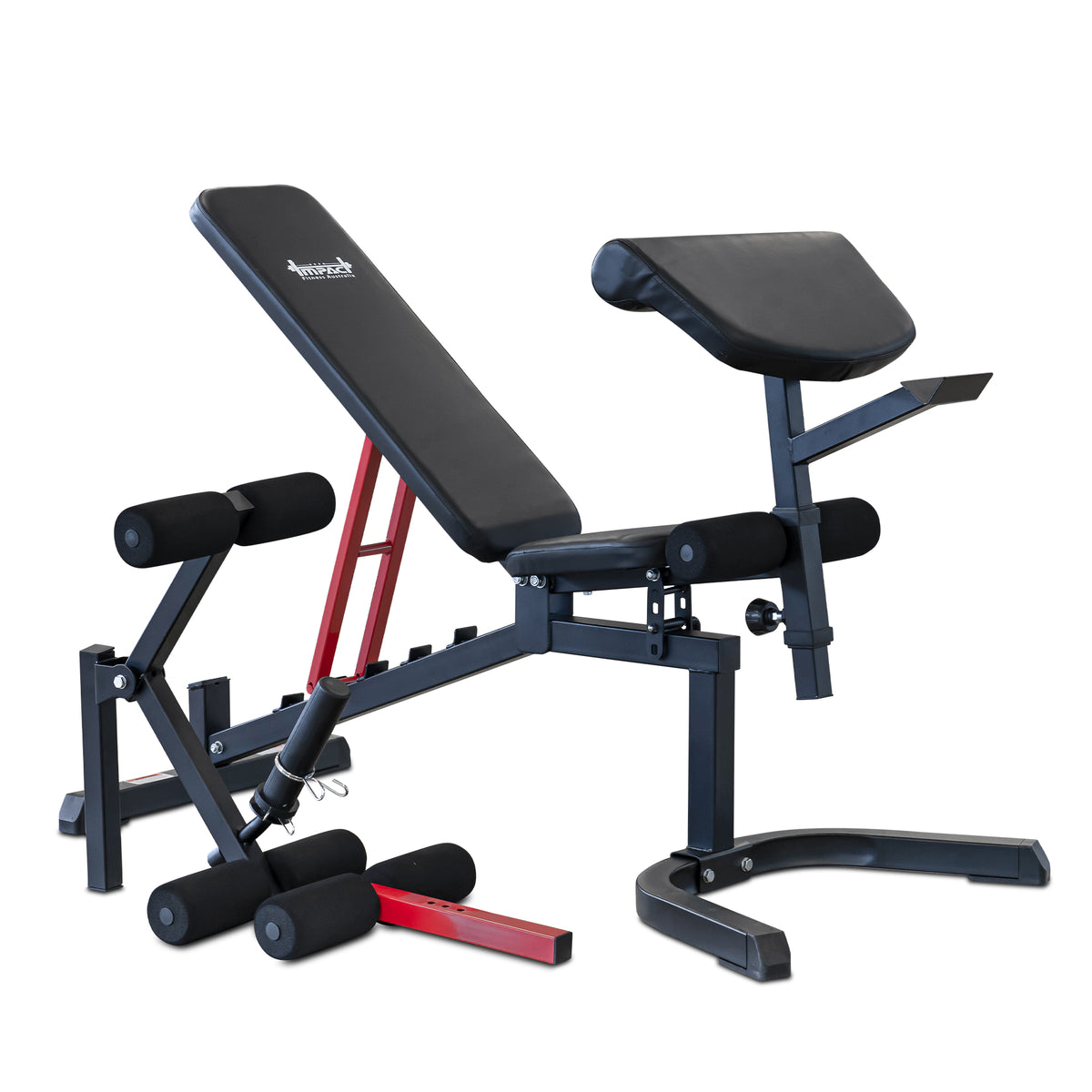
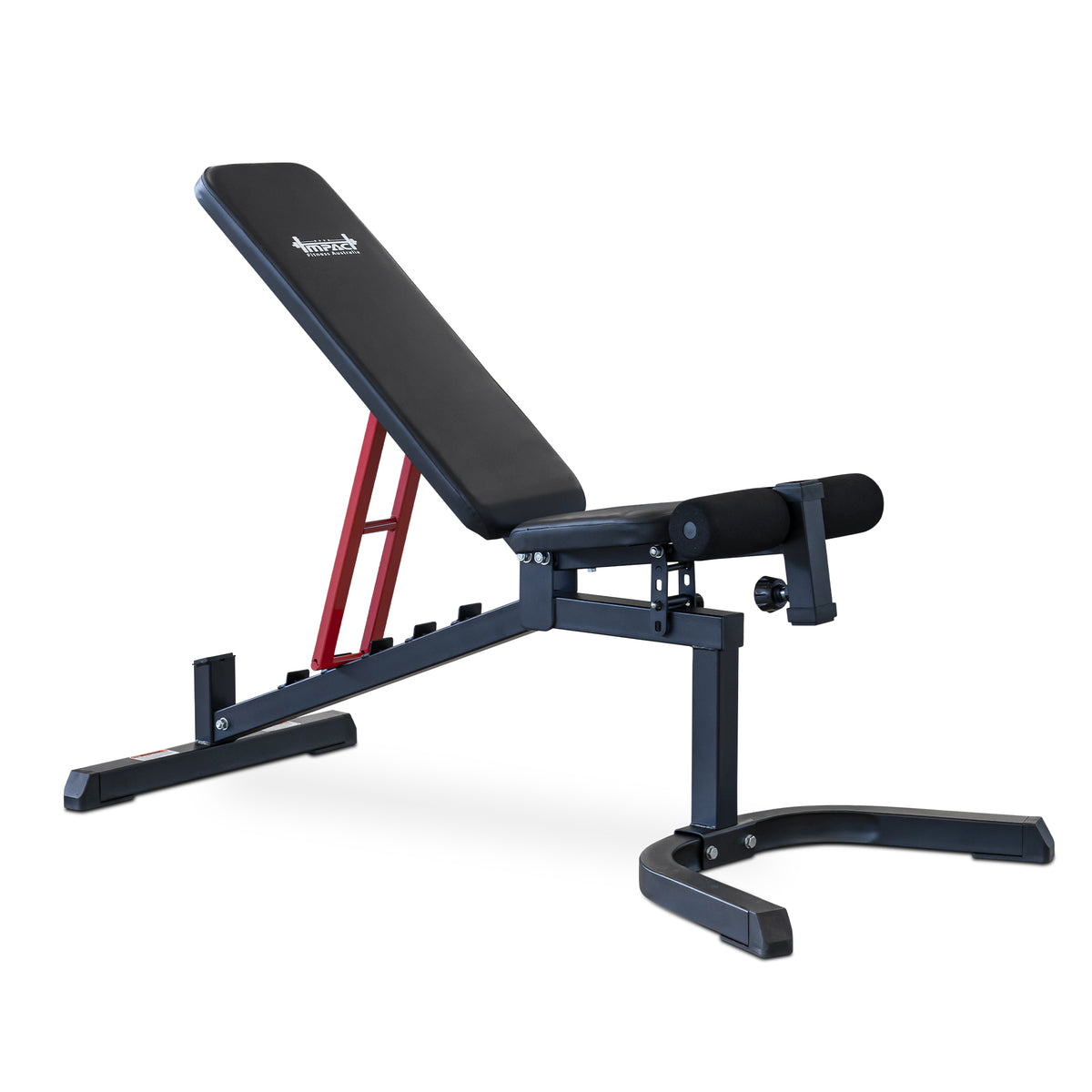
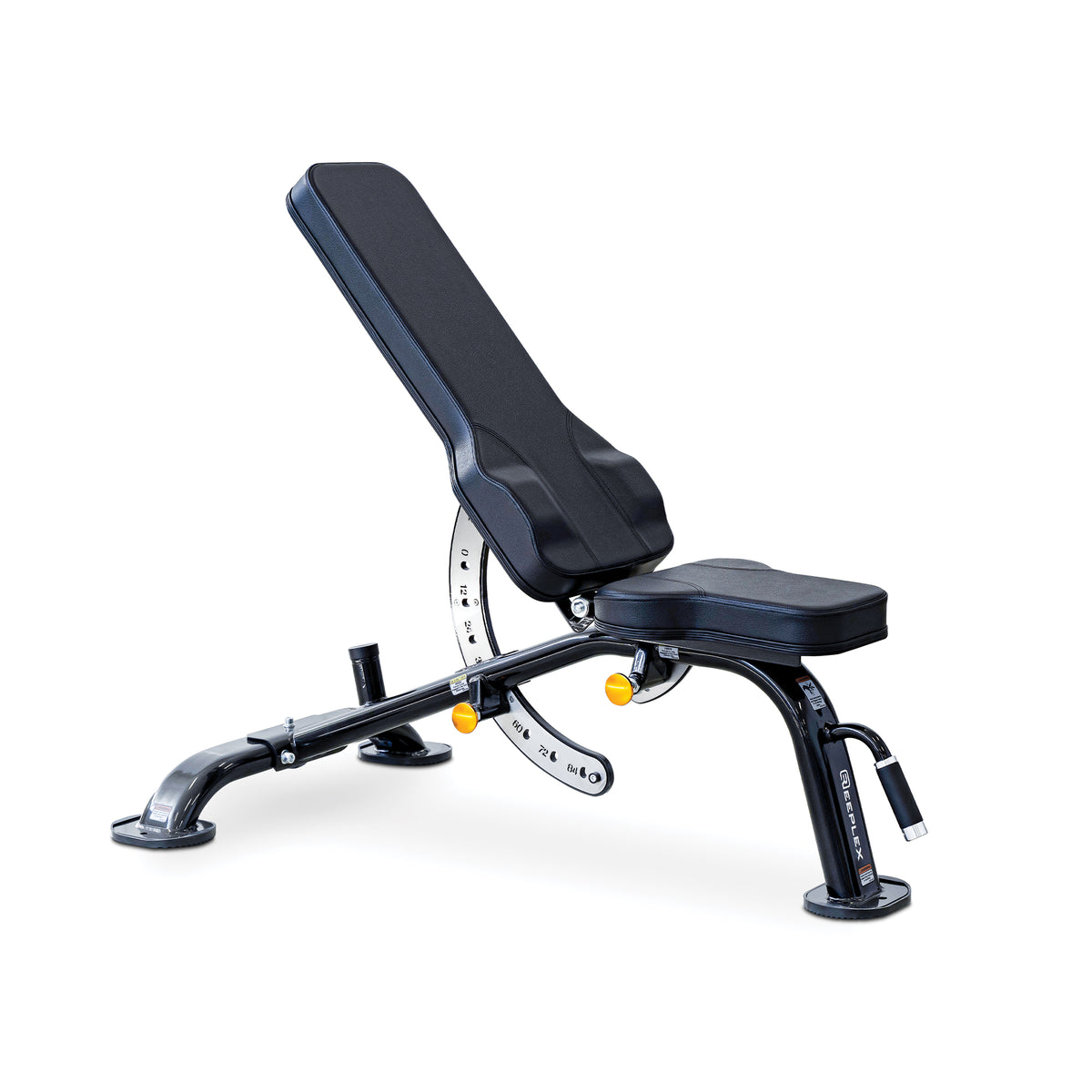
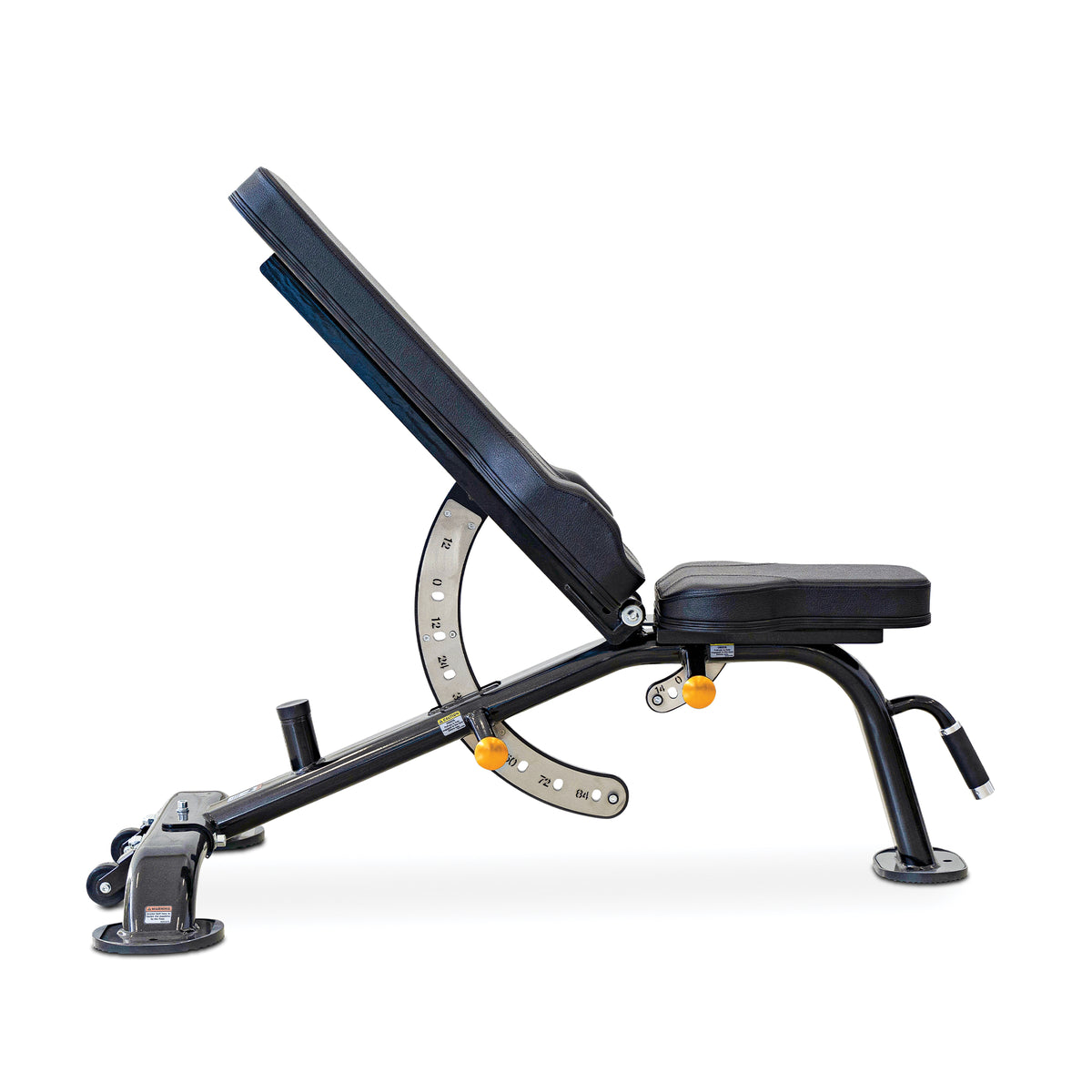
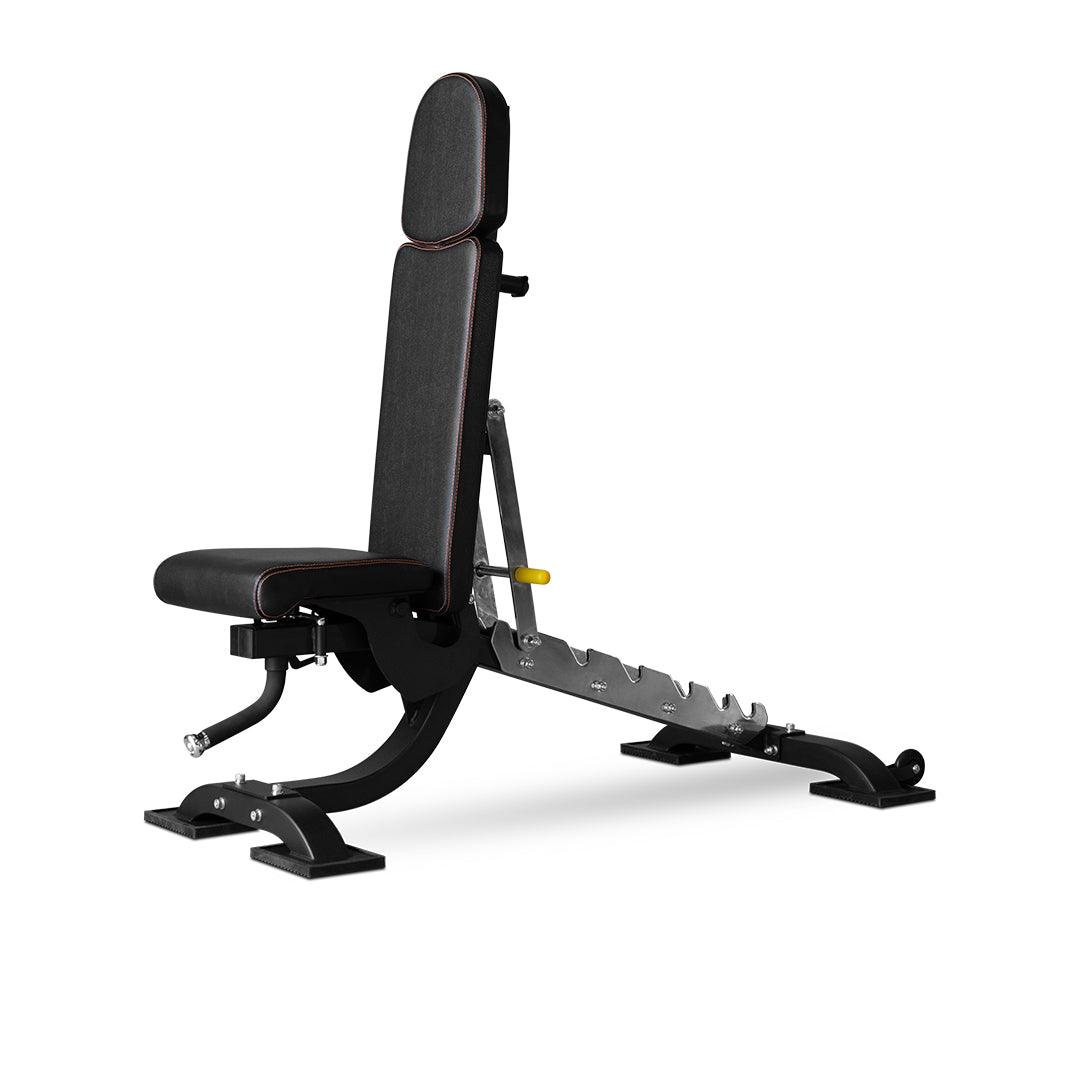
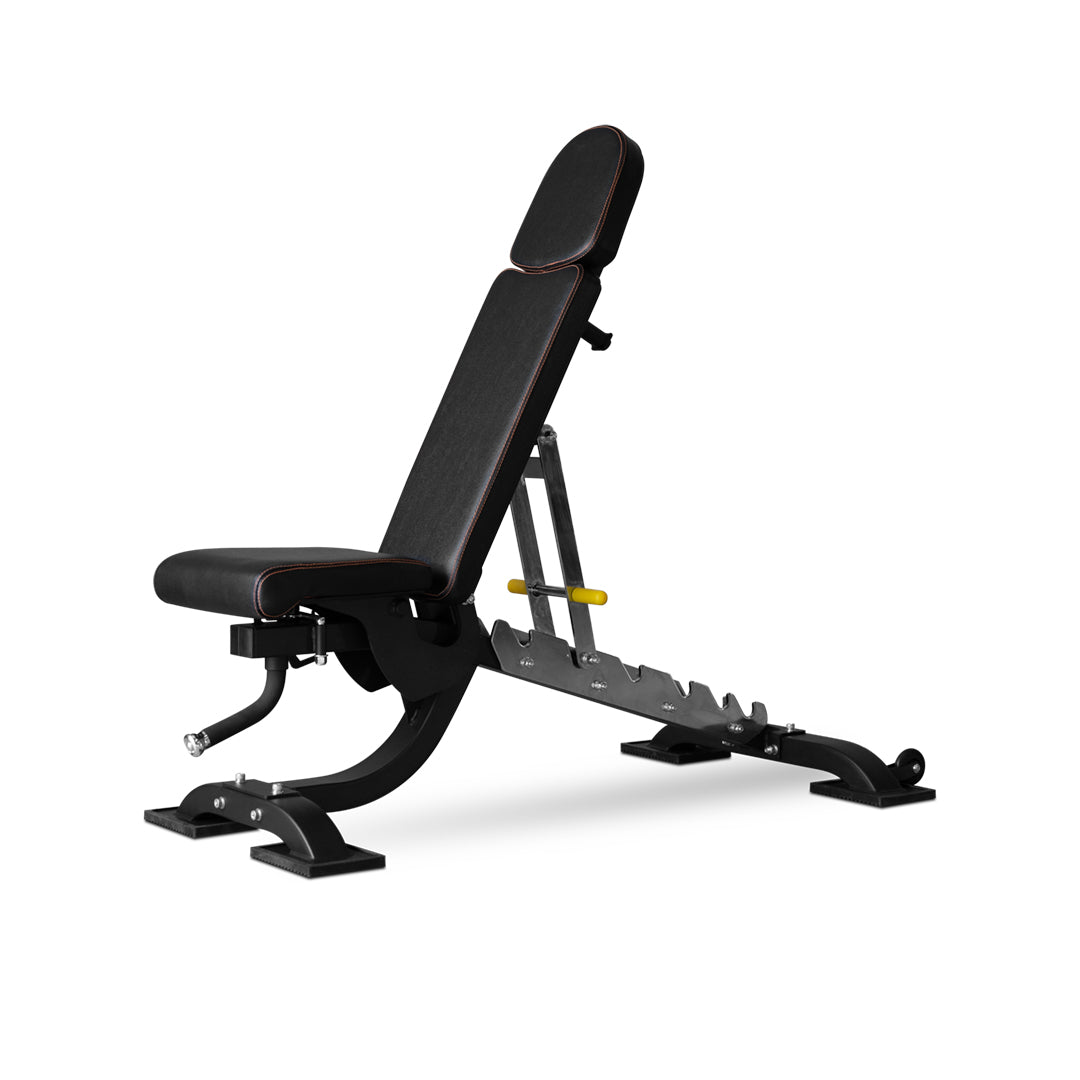


Adjustable Weight Benches for Sale in Australia
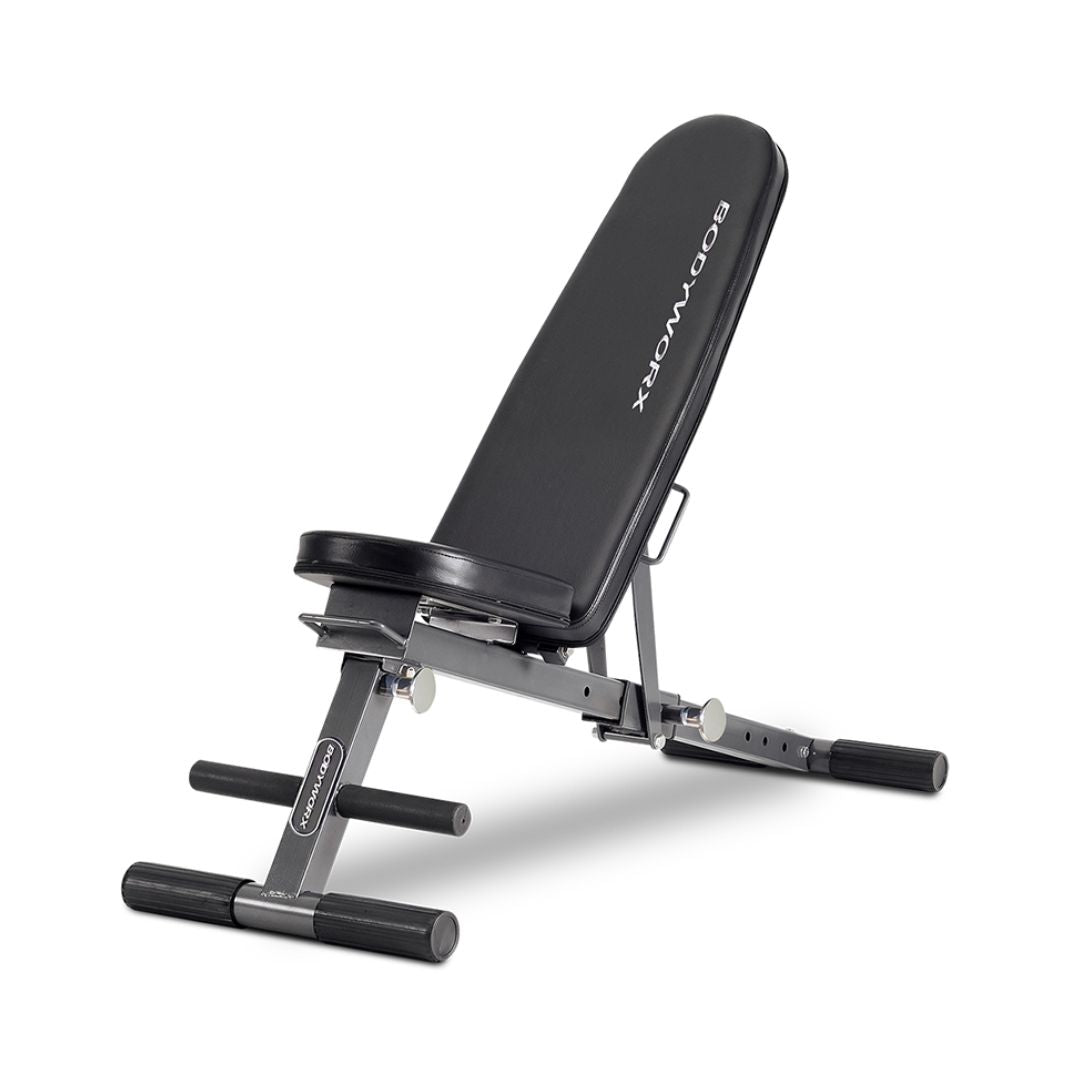
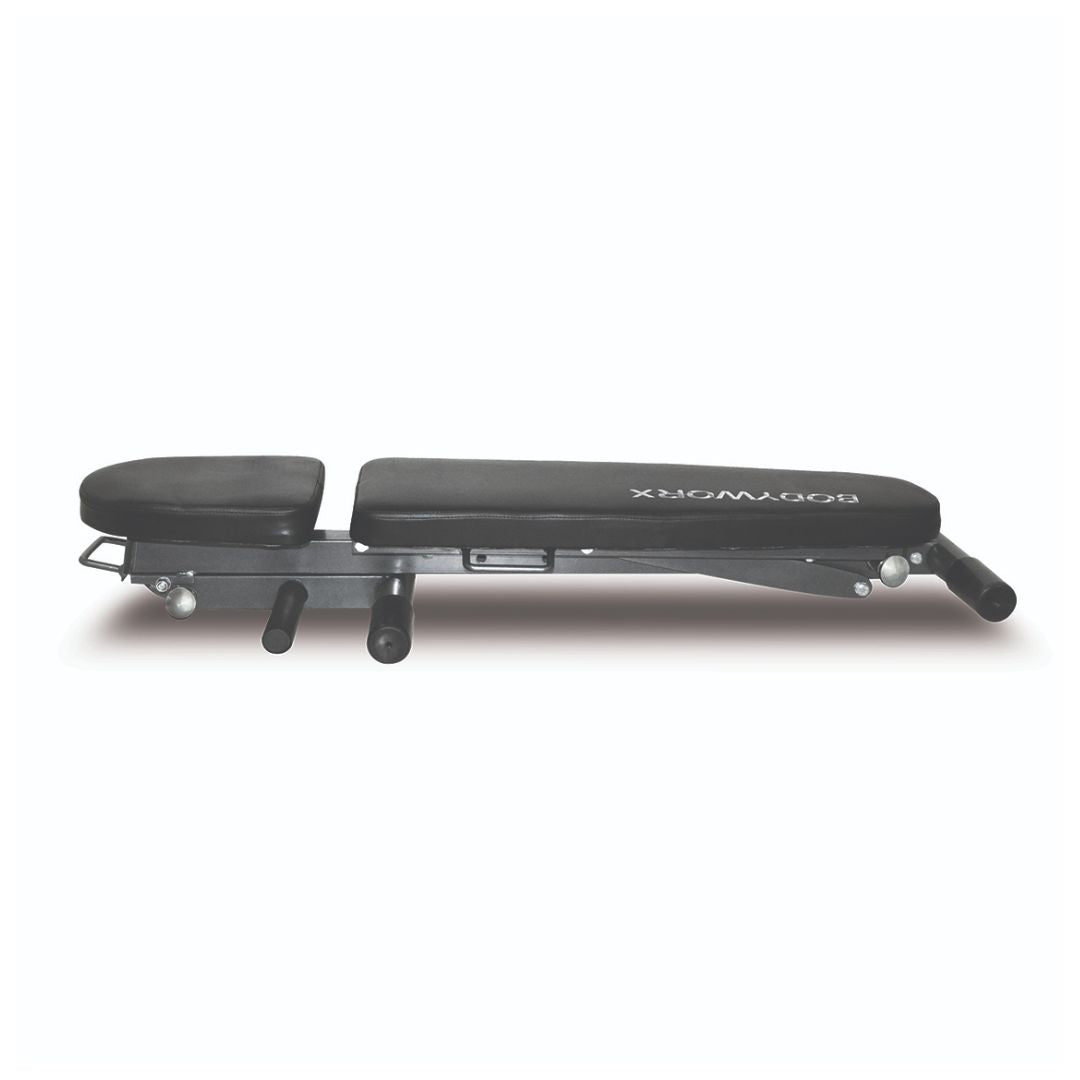
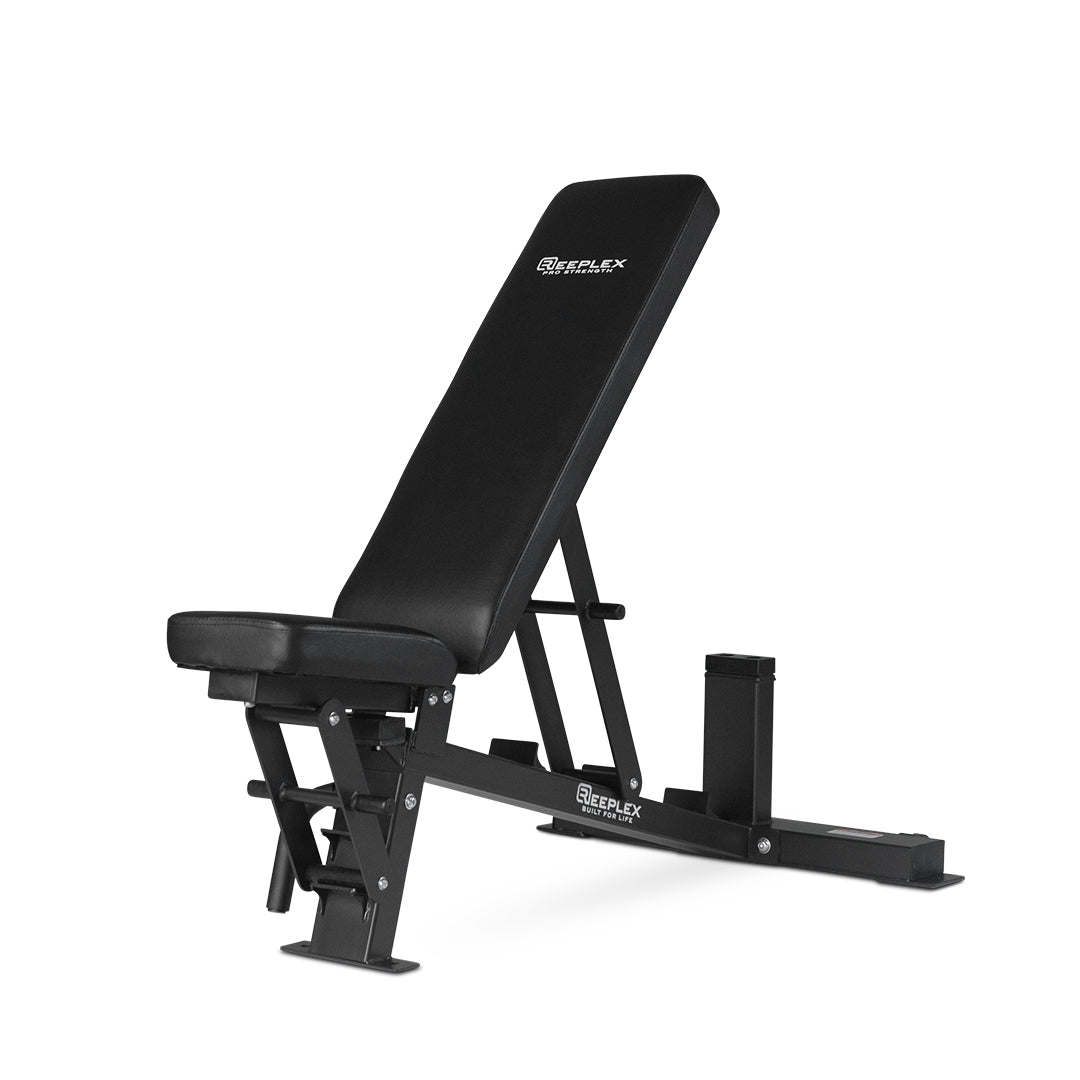
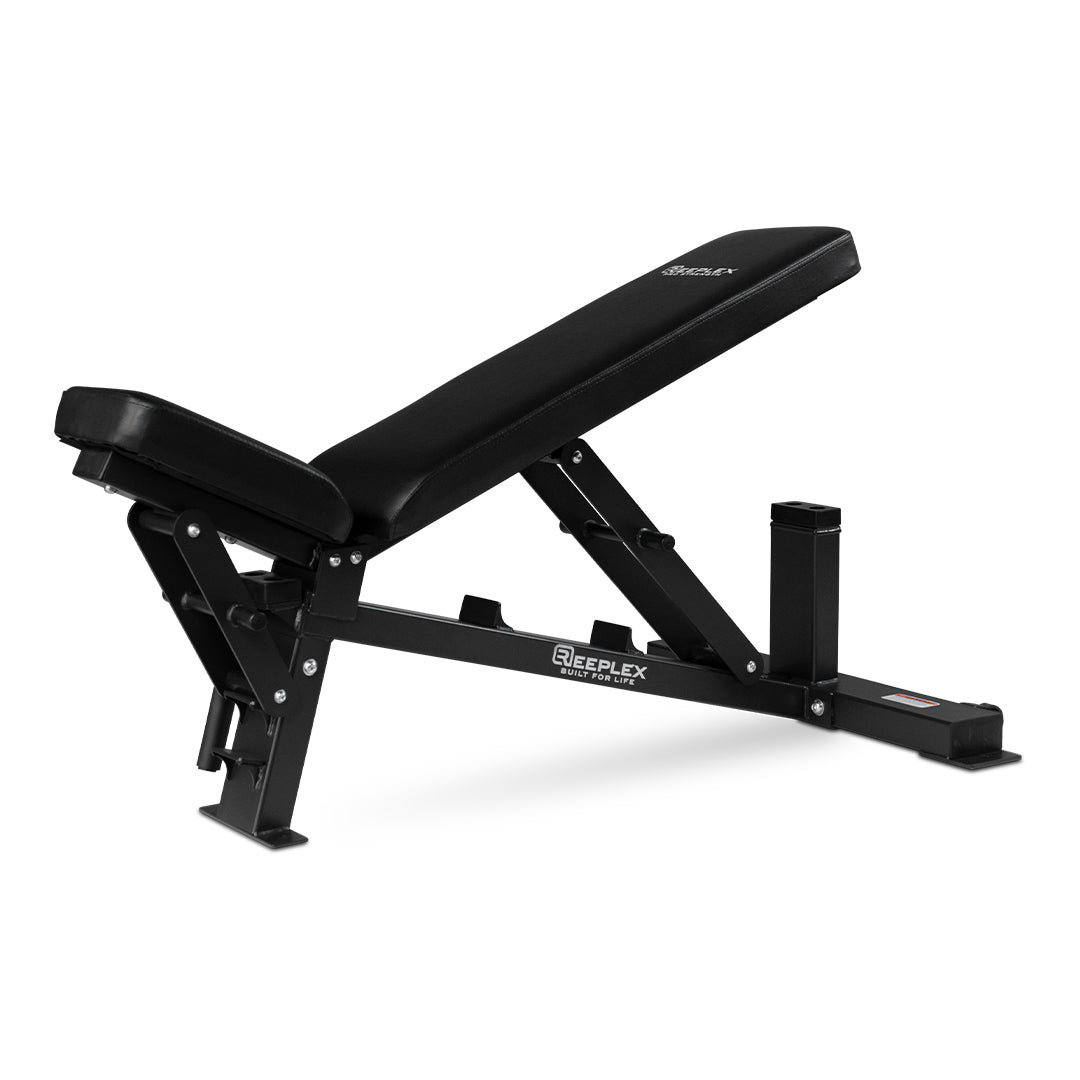
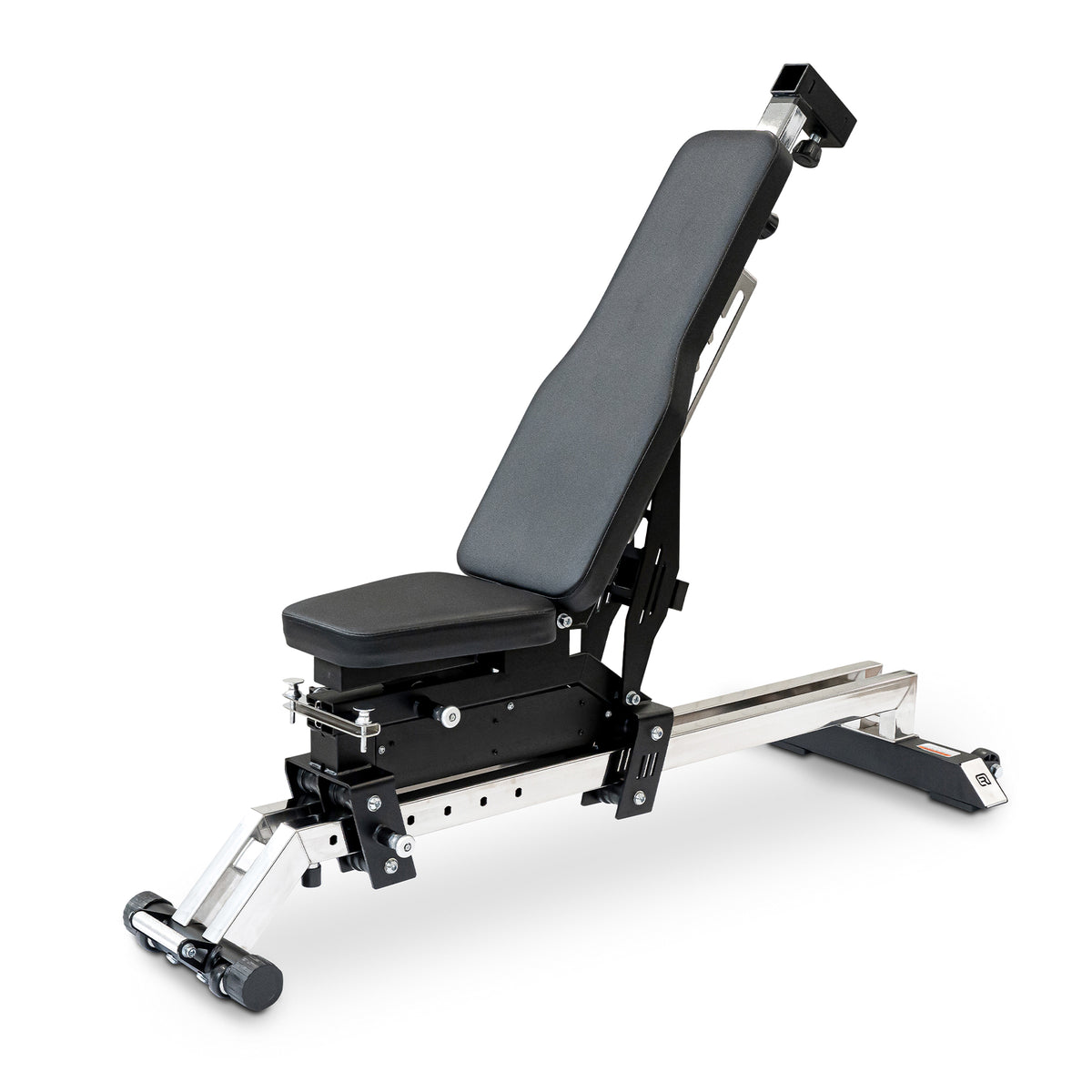
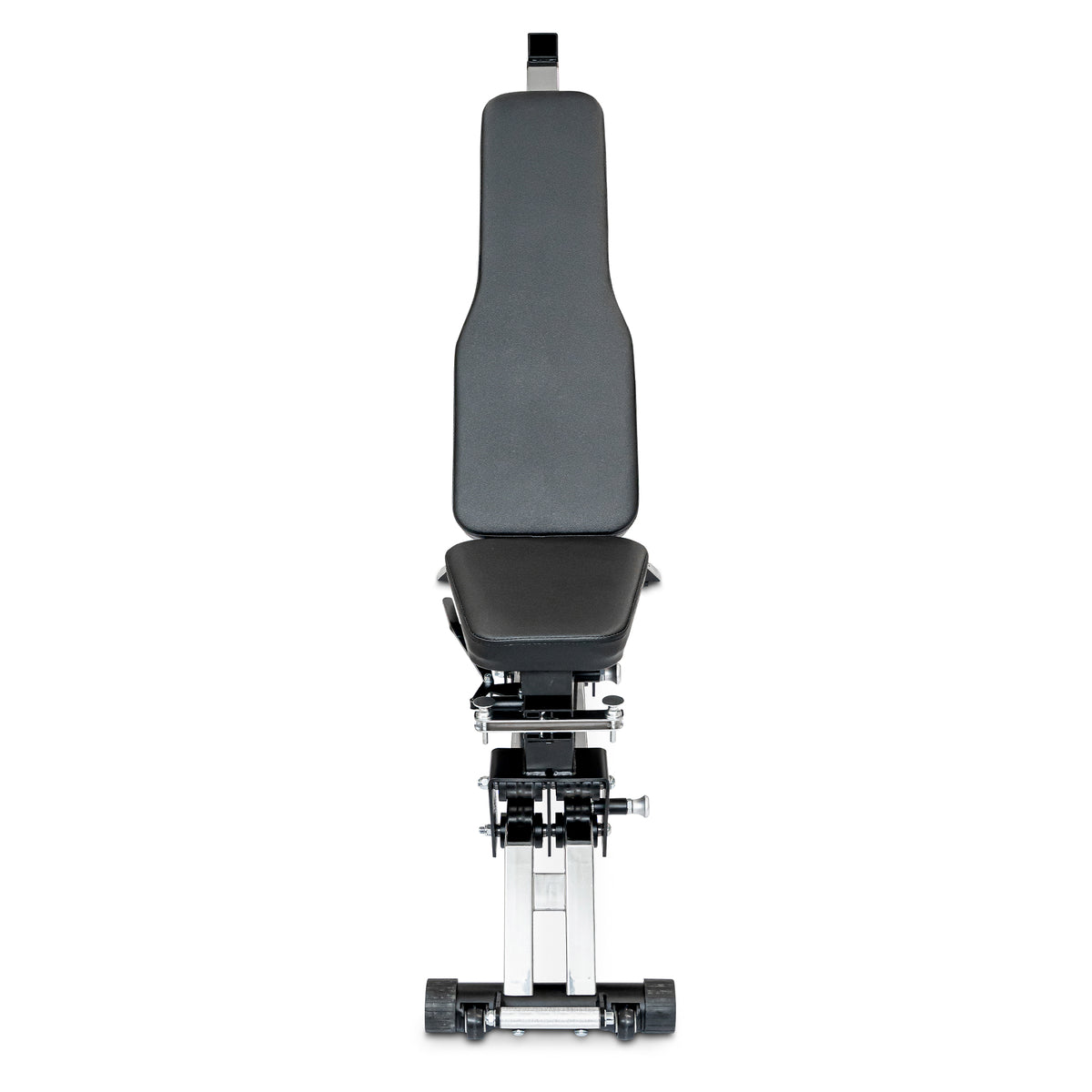
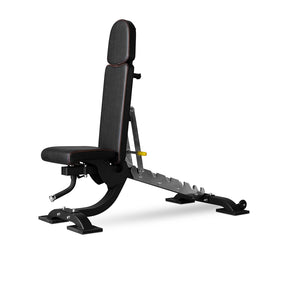
An adjustable weight bench is the most versatile single piece of strength equipment for any gym setup. By moving between flat, incline, and decline positions, one bench covers the full range of pressing, rowing, and isolation exercises — replacing several fixed-position pieces. Dynamo Fitness stocks adjustable benches and FID benches for home and commercial use, available across 14 showrooms in Perth, Melbourne, Sydney, Brisbane, Gold Coast, and Adelaide.
Types of Adjustable Benches
FID Benches (Flat, Incline, Decline)
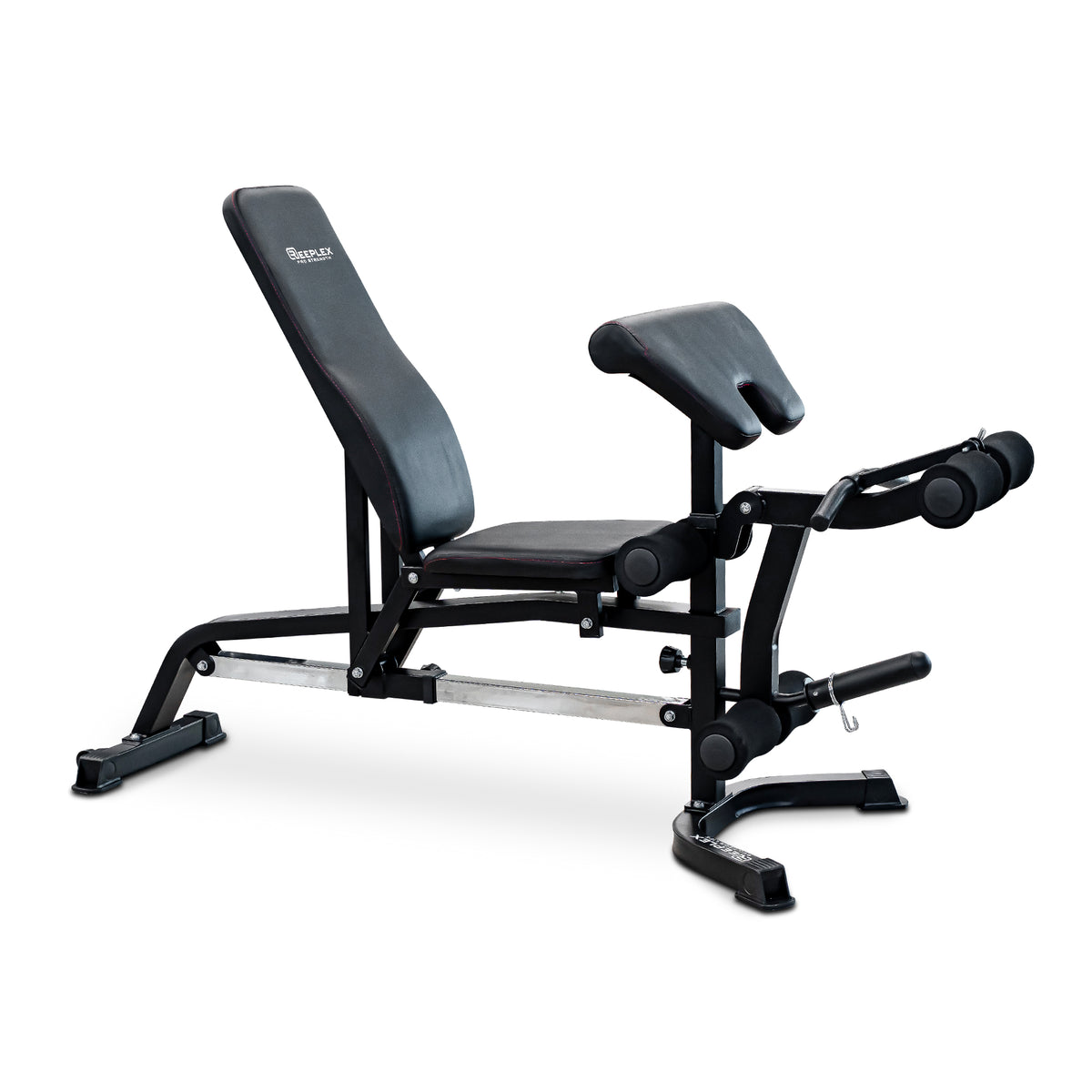
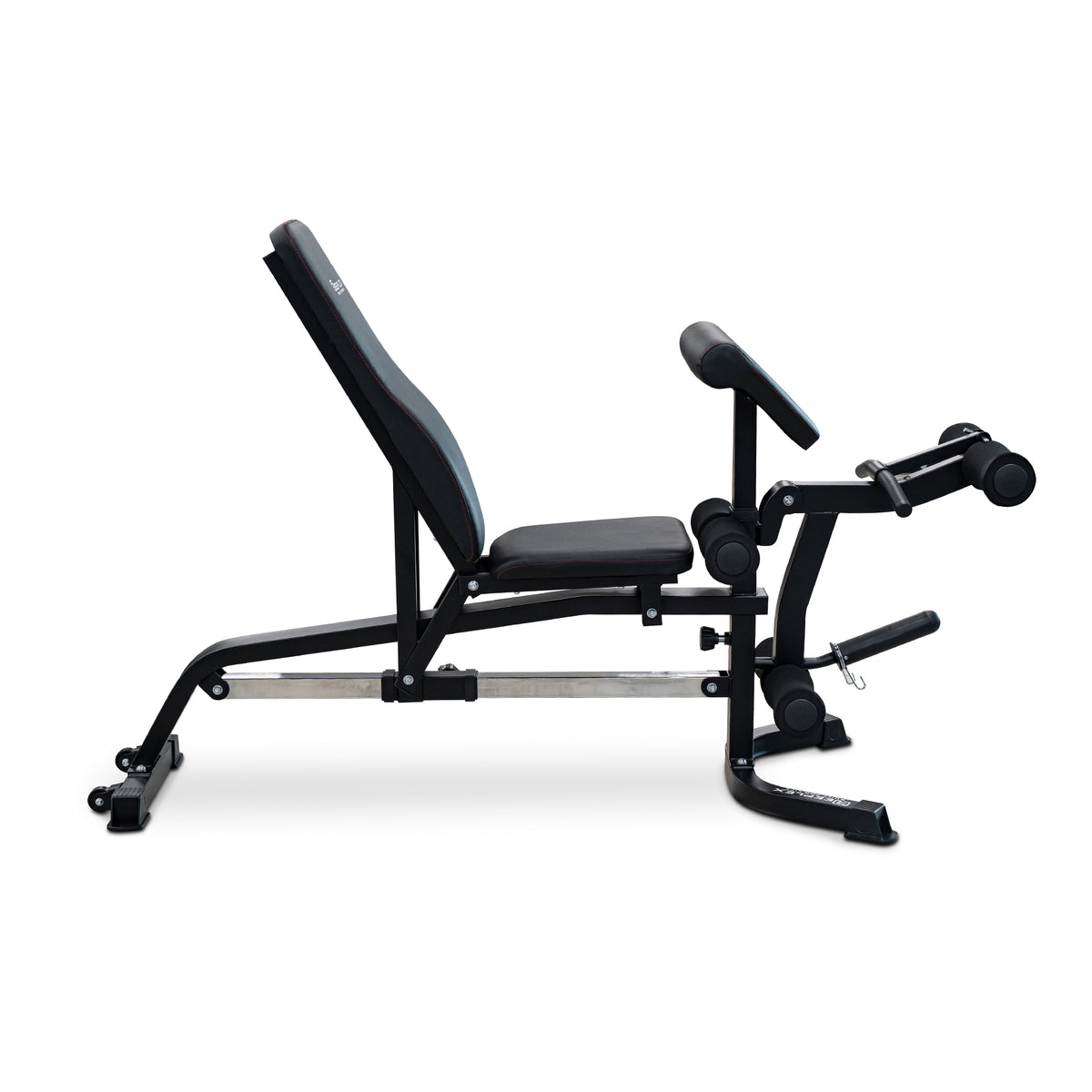
FID benches adjust to flat, multiple incline angles, and decline — the most versatile adjustable bench configuration. Ideal for home gyms where one bench needs to cover the full range of exercises. Key exercises: flat dumbbell press, incline press, decline crunches, seated curls, and shoulder press.
Incline-Only Adjustable Benches
Adjustable benches without a decline function — typically more compact and lower in profile. Suitable for most pressing and rowing exercises. A practical choice where decline work is not a priority.
Commercial FID Benches
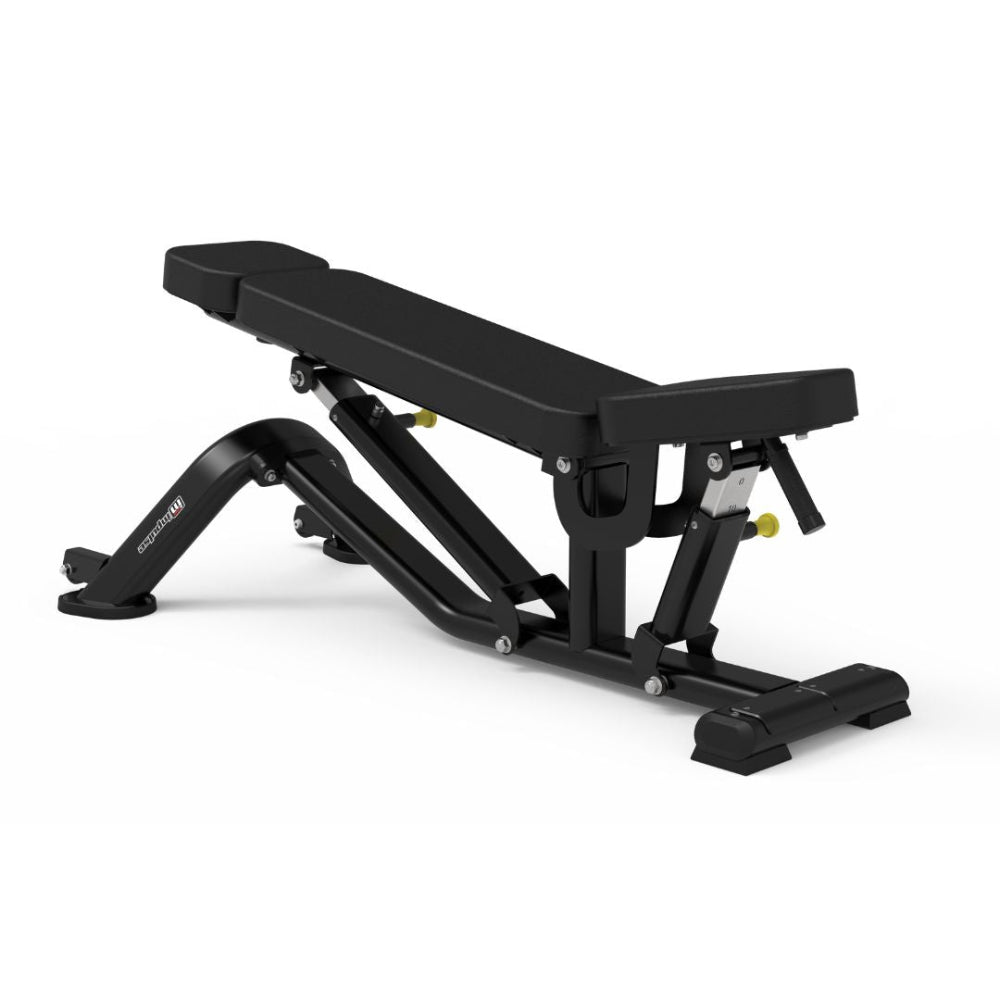
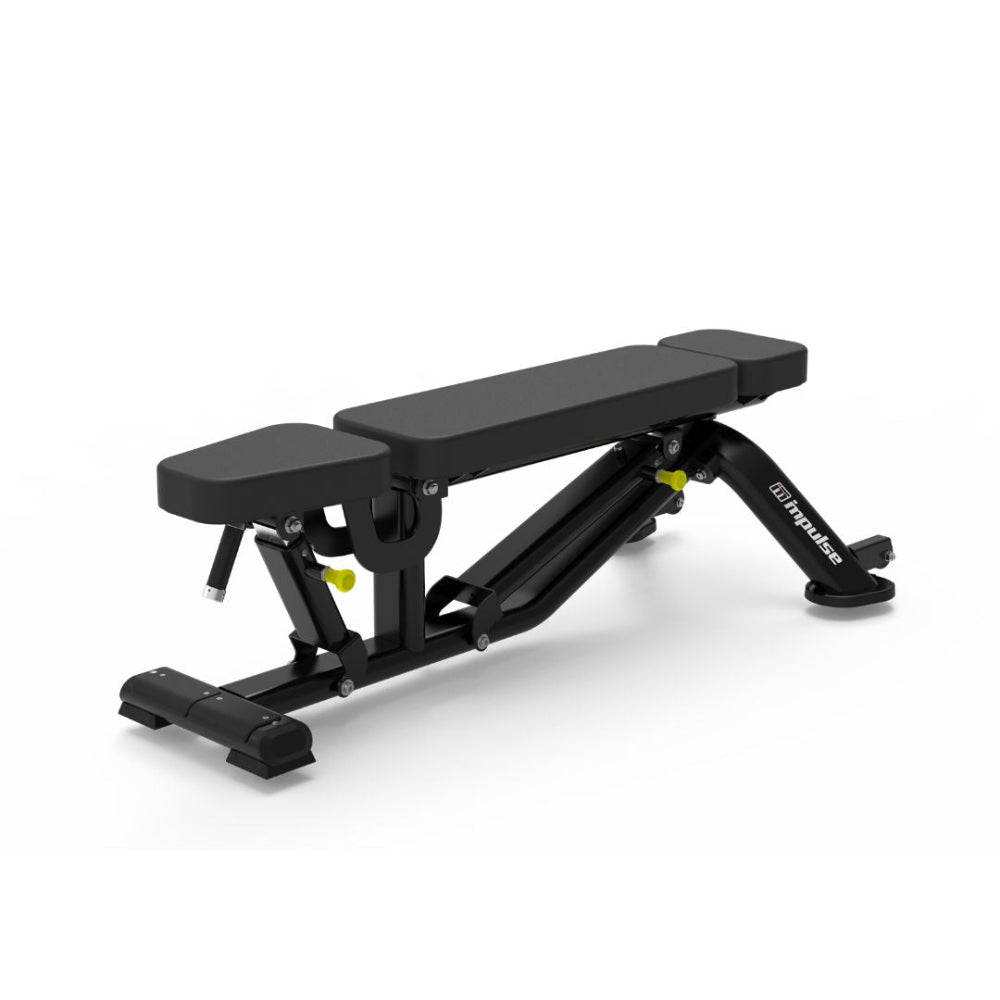
Heavy-duty FID benches designed for commercial gym environments — higher weight ratings, commercial upholstery, and heavier frames for multi-user, high-frequency use. View our commercial range.
What to Look For in an Adjustable Bench
Stability at Every Angle
An adjustable bench should feel completely stable at every incline setting — not just at flat. Test by sitting at the highest incline and pressing with moderate weight. Any wobble or flex indicates a lower-quality frame.
Number of Adjustment Positions
More positions give you more exercise variety. A quality FID bench typically offers 5–8 back positions. Ladder-style adjustment (pull-pin or pop-pin) is generally more reliable than ratchet mechanisms under heavy load.
Weight Rating
Check the total weight rating — it needs to support your bodyweight plus the dumbbells or barbell you are pressing. Home gym adjustable benches typically support 150–200kg. Commercial FID benches support 250–350kg+.
Looking for a Complete Setup?
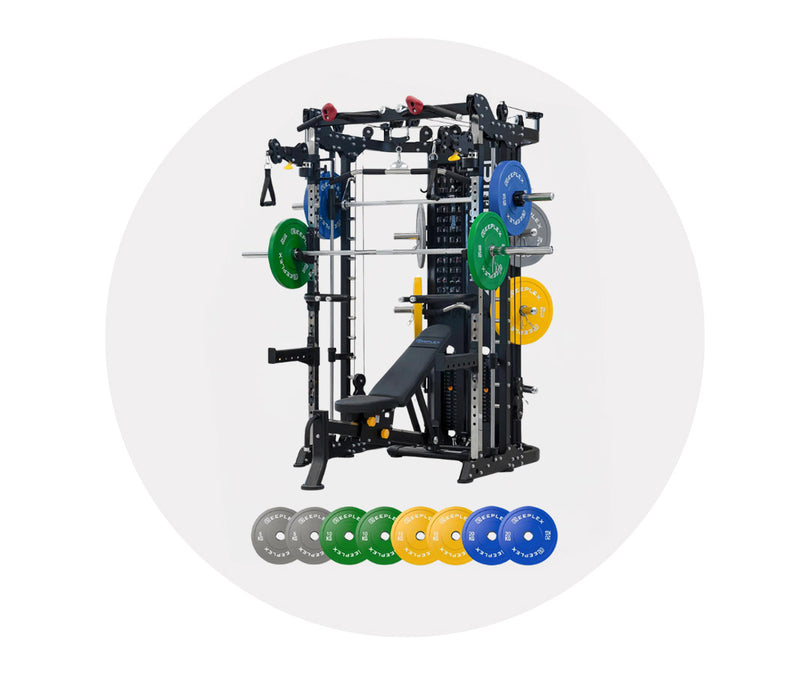
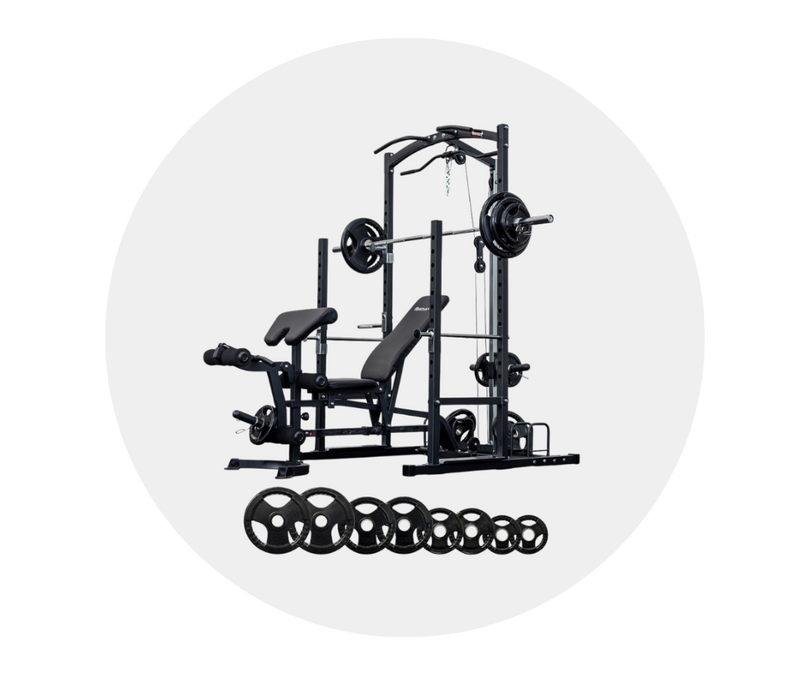
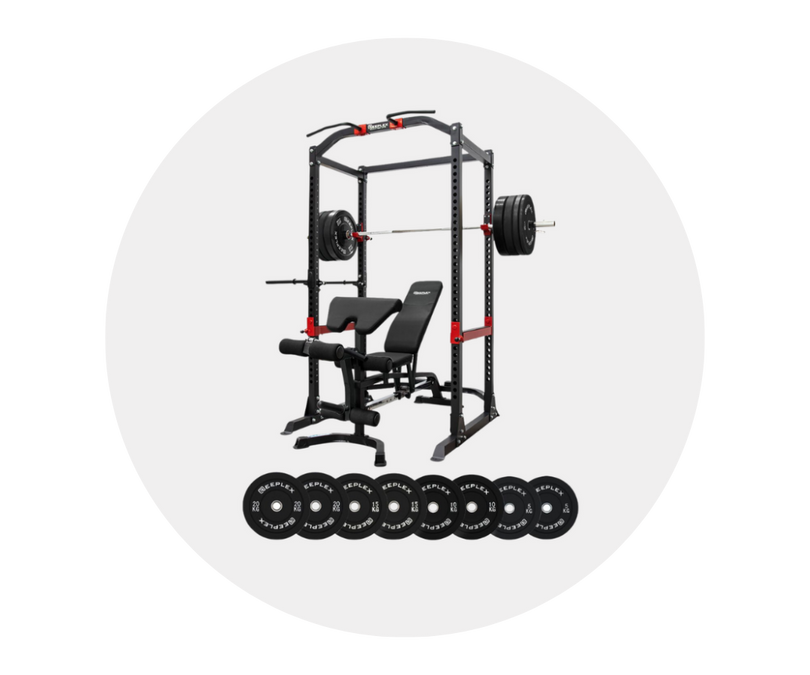
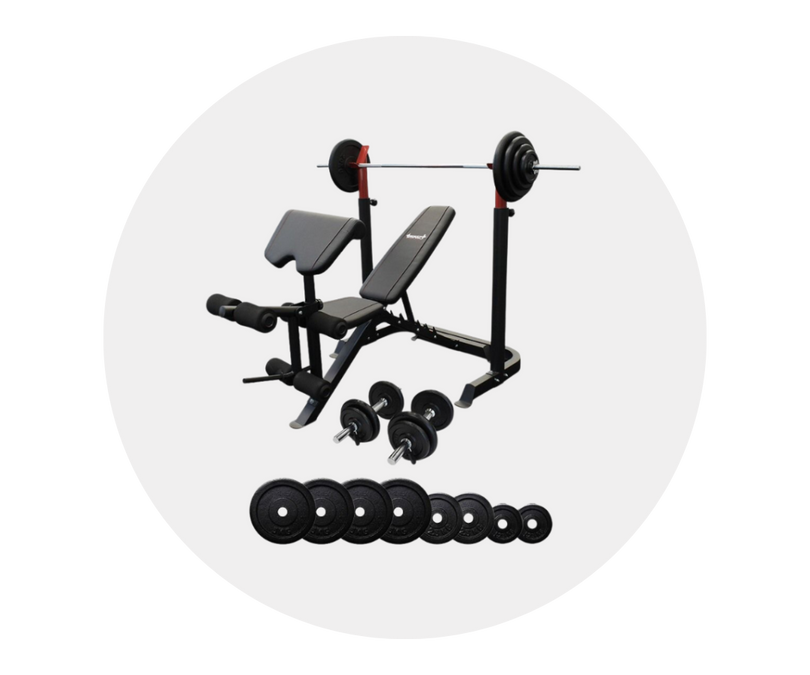
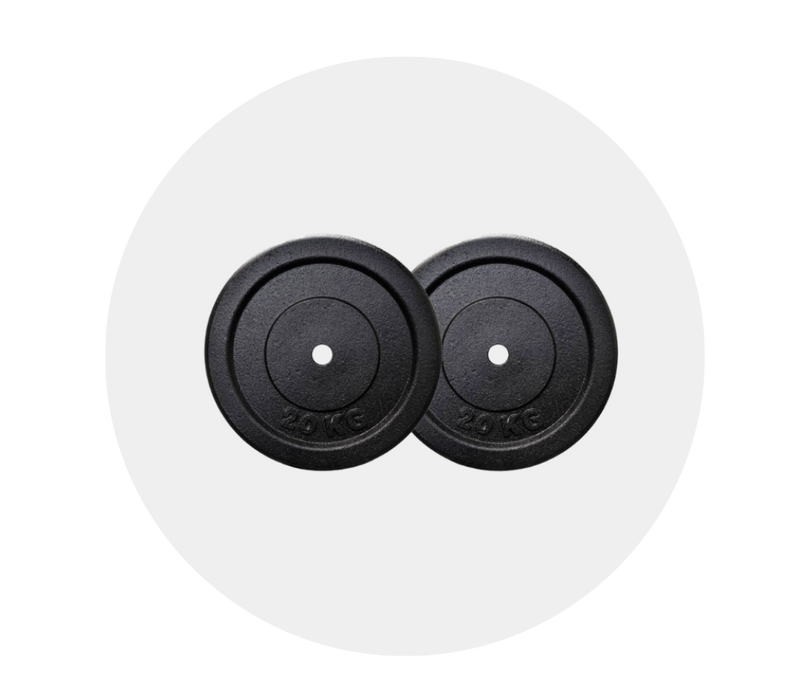
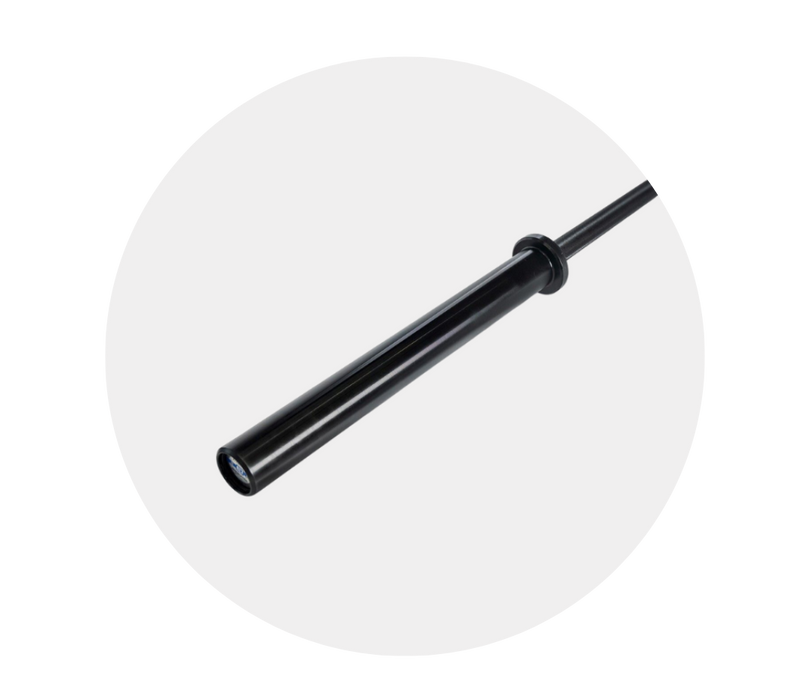
If you want a bench paired with a barbell and weight plates, view our bench packages.
Try Adjustable Benches In-Store
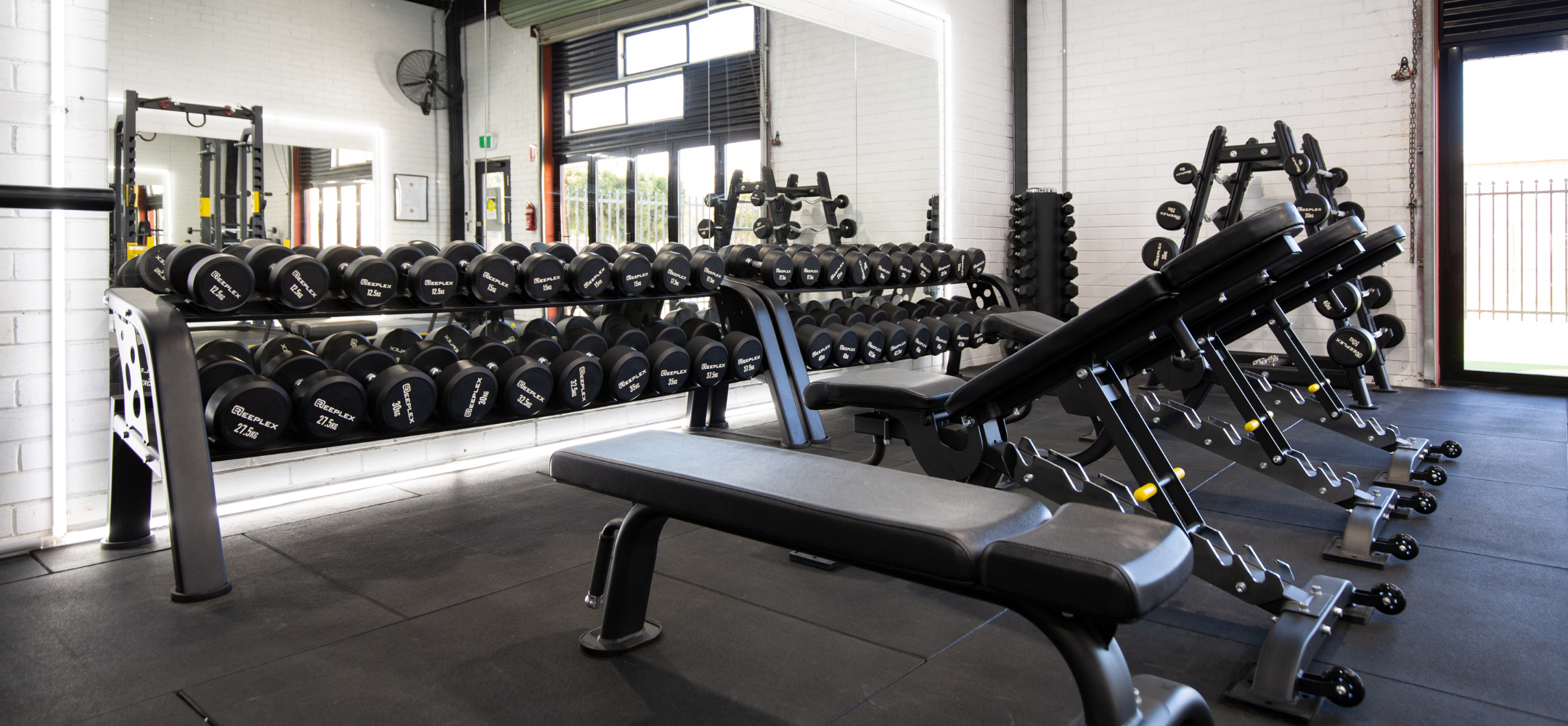
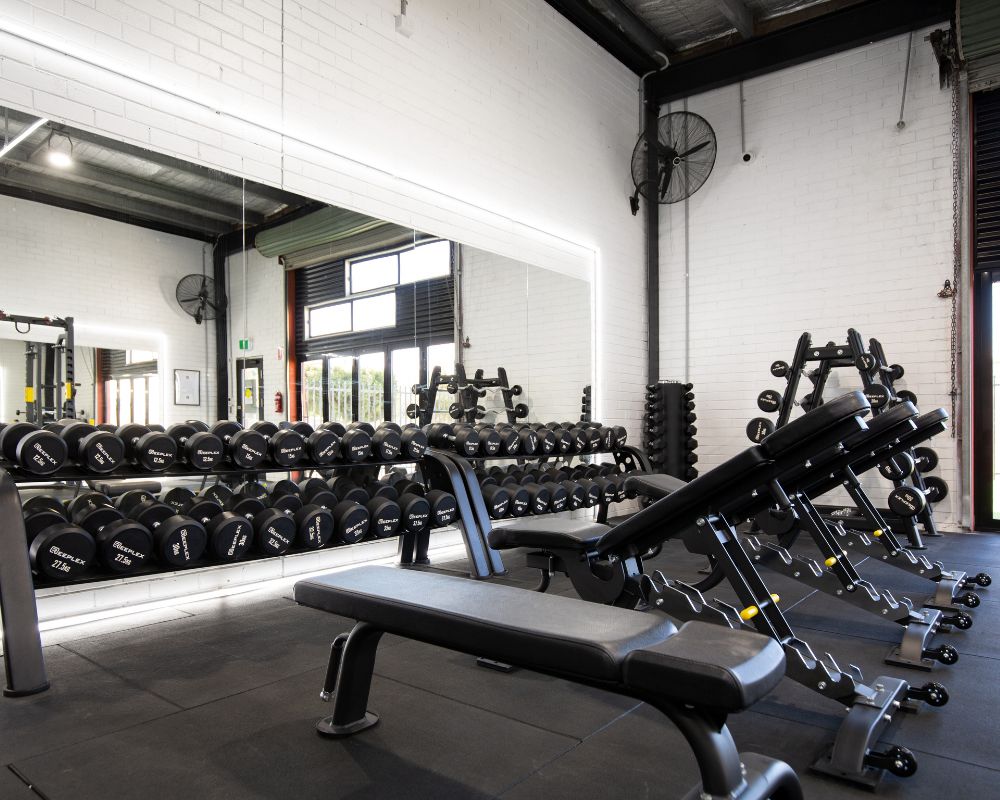
Every Dynamo showroom has adjustable benches set up and available to try at all incline settings. No appointment needed.
- Perth — Osborne Park, Success & Malaga
- Melbourne — Keysborough, Somerton, Truganina & Preston
- Sydney — Seven Hills & Yagoona
- Brisbane — Brendale & MacGregor
- Adelaide — St Marys & Holden Hill
- Gold Coast — Labrador
Delivery & Payment
Shop online or in-store. Delivery available Australia-wide, with assembly services in metro areas. Buy now, pay later with Afterpay, Zip, and Humm — available on all adjustable benches.
Adjustable Weight Benches - FAQs
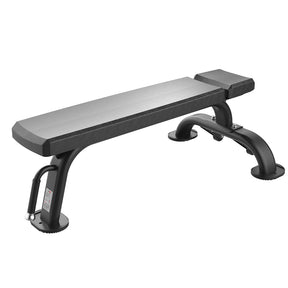
A flat bench is fixed in a single horizontal position. An adjustable bench features a movable backrest that can be set to multiple angles, including incline, flat, and often decline. The flat bench is simpler and often more affordable, but it limits you to exercises performed at a single angle. An adjustable bench, particularly an FID (Flat, Incline, Decline) model, dramatically expands your exercise options by allowing you to shift the angle of the bench to target different muscle groups, making it a far more versatile choice for most home gym setups.
FID stands for Flat, Incline, and Decline. An FID bench is an adjustable weight bench that can be set to a flat horizontal position, multiple incline angles (typically from 15 degrees up to 85 or 90 degrees), and a decline position below flat. FID benches are the most versatile type of adjustable bench available and are the standard recommendation for home gym users who want one bench that covers the full range of training positions and exercises.
Weight capacity varies by model. Entry-level adjustable benches are typically rated for 150 to 200kg, which is adequate for most dumbbell work. Mid-range models handle 200 to 300kg, suitable for intermediate lifters using both dumbbells and lighter barbell work. Commercial-grade benches are rated for 350 to 500kg or higher, covering heavy barbell pressing for even the strongest home gym users. Always check the stated weight capacity of any bench before purchasing and ensure your body weight plus planned load falls comfortably within that rating with some margin to spare.
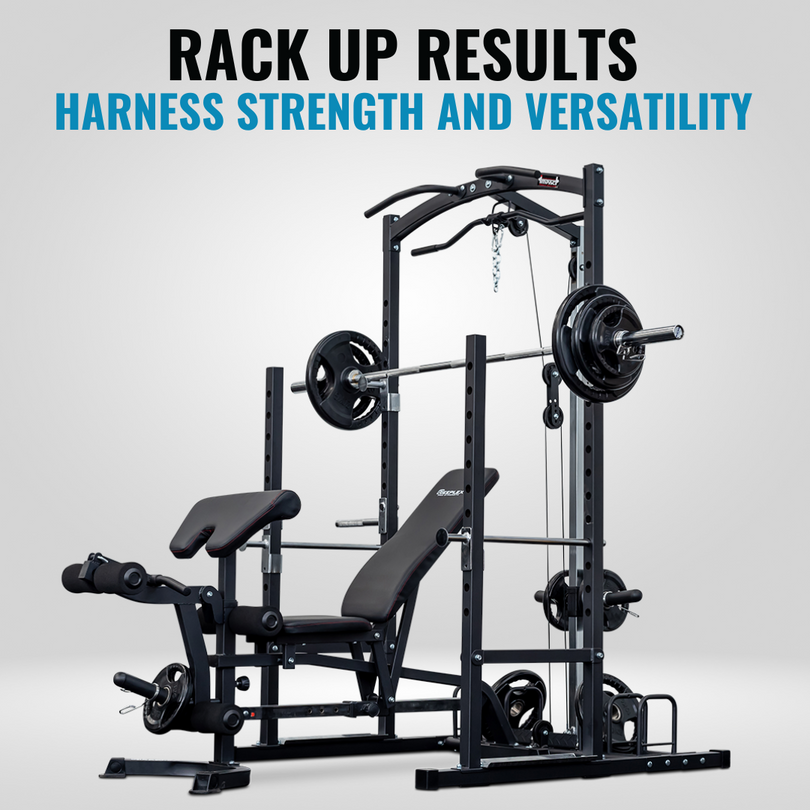
Yes, but you will need a compatible power rack, squat rack, or bench press rack with safety catches to perform barbell pressing safely. The bench slides inside the rack frame, and the safety bars catch the barbell if you fail a rep. When pairing a bench with a rack, check that the bench dimensions fit inside your rack's footprint. Some Olympic benches come with an integrated barbell rack already built in, which is a purpose-built option for users focused primarily on barbell bench pressing.
The most commonly used incline angle is 30 to 45 degrees, which targets the upper chest and front deltoids while keeping the load manageable. A 30-degree incline places slightly more emphasis on the upper chest compared to a 45-degree angle, which shifts more of the load onto the front deltoids. Higher incline angles above 60 degrees start to resemble an overhead press movement rather than a chest exercise. For standard incline pressing, start at 30 to 45 degrees and experiment from there based on your training goals.
Yes, for most home gym setups an adjustable bench is one of the highest-value purchases you can make. It multiplies the utility of dumbbells, barbells, and cable machines by opening up incline, decline, and seated exercise variations from a single piece of equipment. Compared to buying separate benches for each function, a single quality FID bench covers every major free weight position at a fraction of the cost and space. If you are building a home gym and can only buy one bench, make it an adjustable one.
Add your body weight to the maximum dumbbell or barbell load you plan to lift, then choose a bench rated at least 20 to 30 percent above that combined figure for a safety margin. For example, if you weigh 90kg and plan to press up to 80kg total load, you are looking for a bench rated at around 200 to 250kg minimum. Beginners who are starting with lighter loads can often get by with a 150 to 200kg bench, but it is worth buying with future progression in mind. Moving up in strength and having to replace a bench that cannot handle the load is an avoidable expense.
Regular maintenance is straightforward and takes only a few minutes. Wipe down the pads after each session to remove sweat and prevent material degradation. Check and tighten all bolts monthly, as regular use vibration gradually loosens fasteners over time. Inspect the pad covering periodically for wear, particularly at seams and adjustment pivot points. Lubricate the adjustment pins and moving parts as recommended by the manufacturer, and store the bench in a dry environment away from direct sunlight when not in use. These habits extend the working life of the bench significantly and keep it safe to use under load.