

Adjustable Benches - Weight Lifting Benches
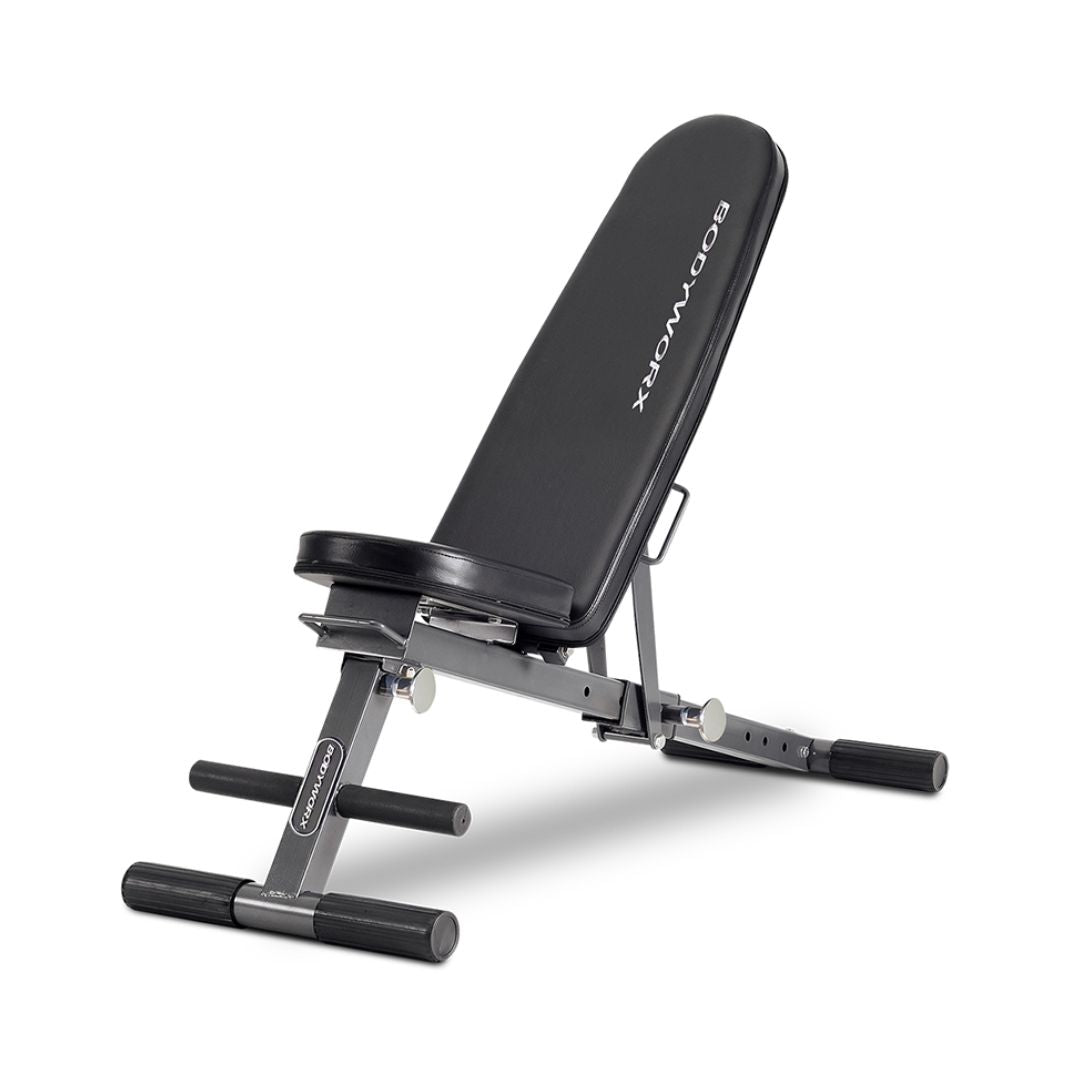
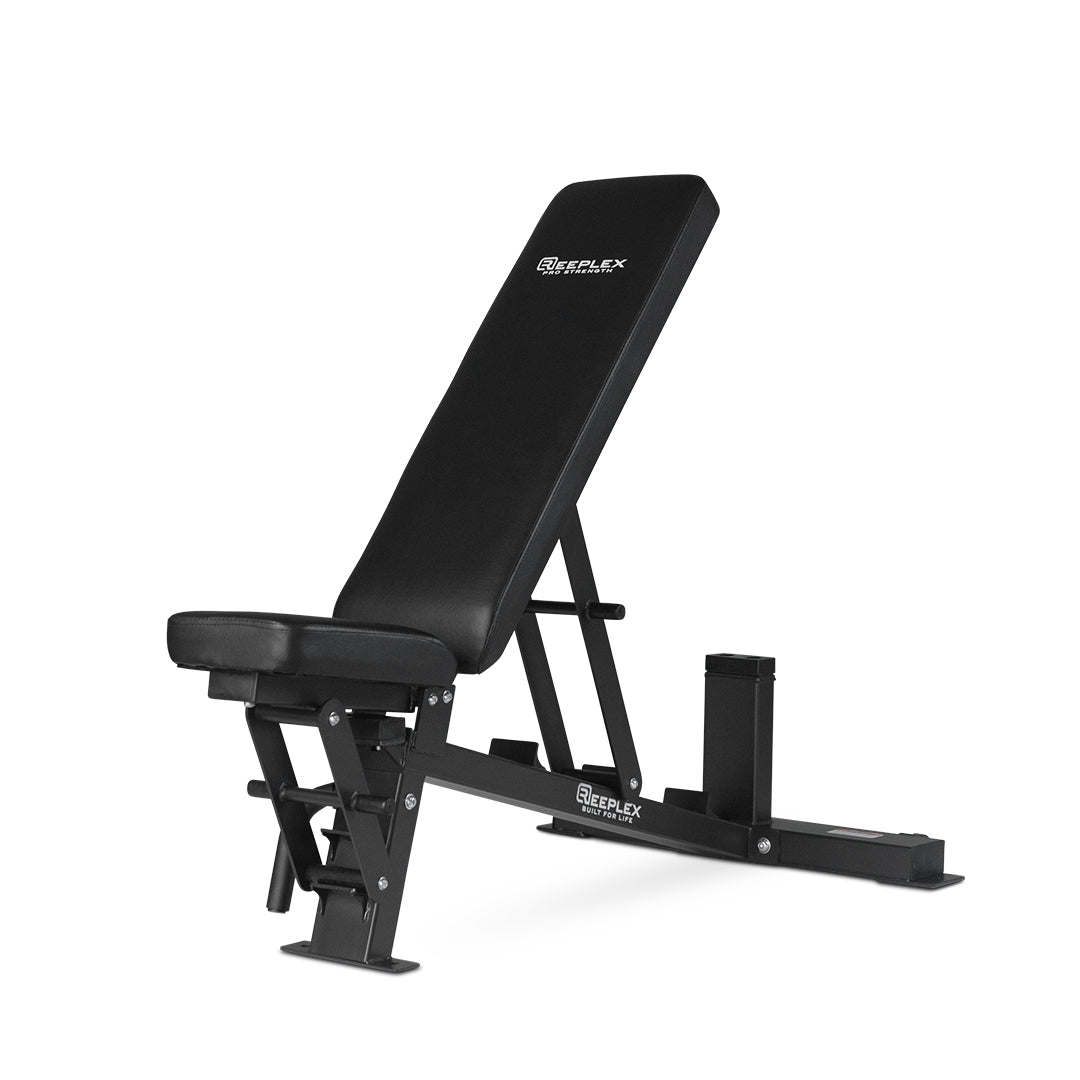
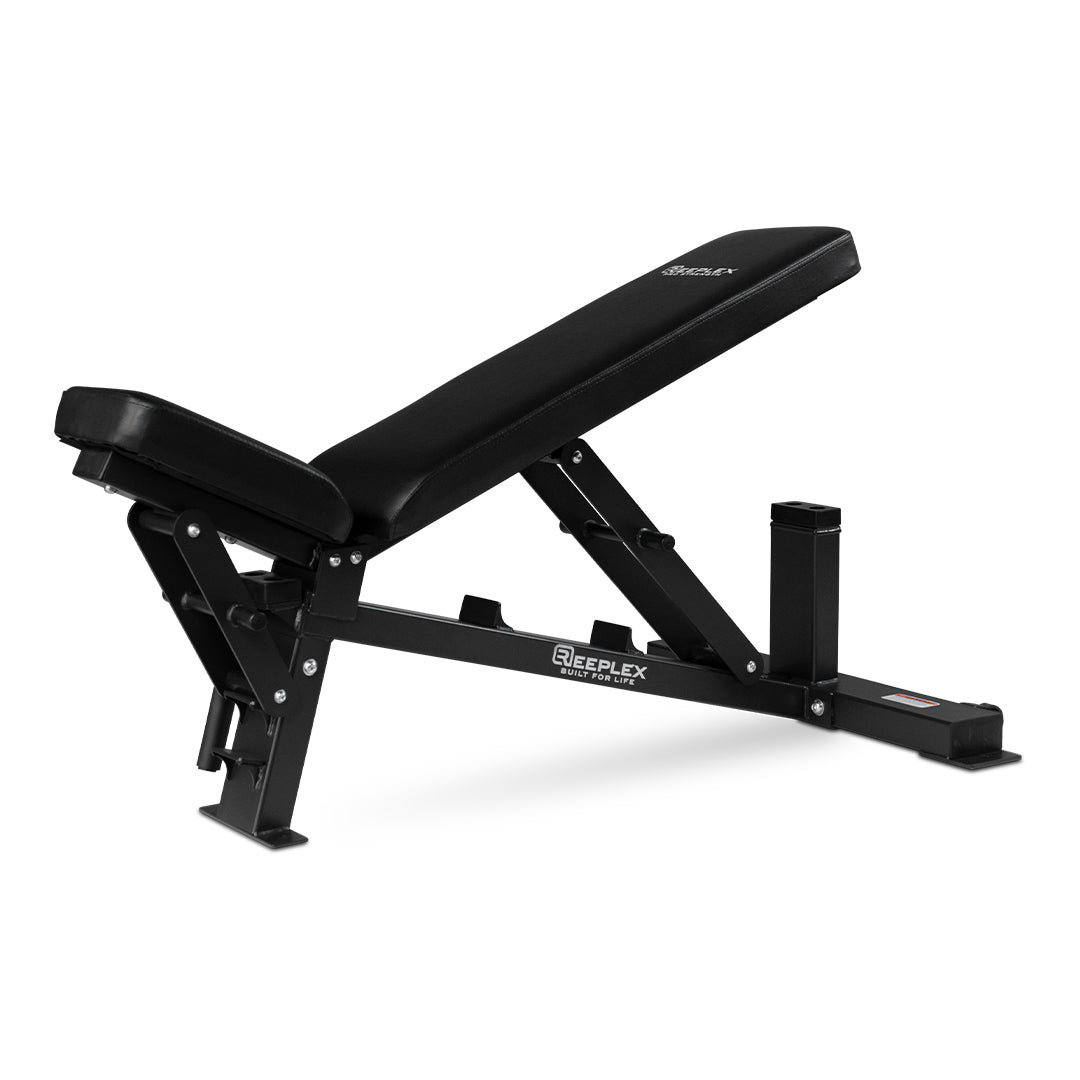
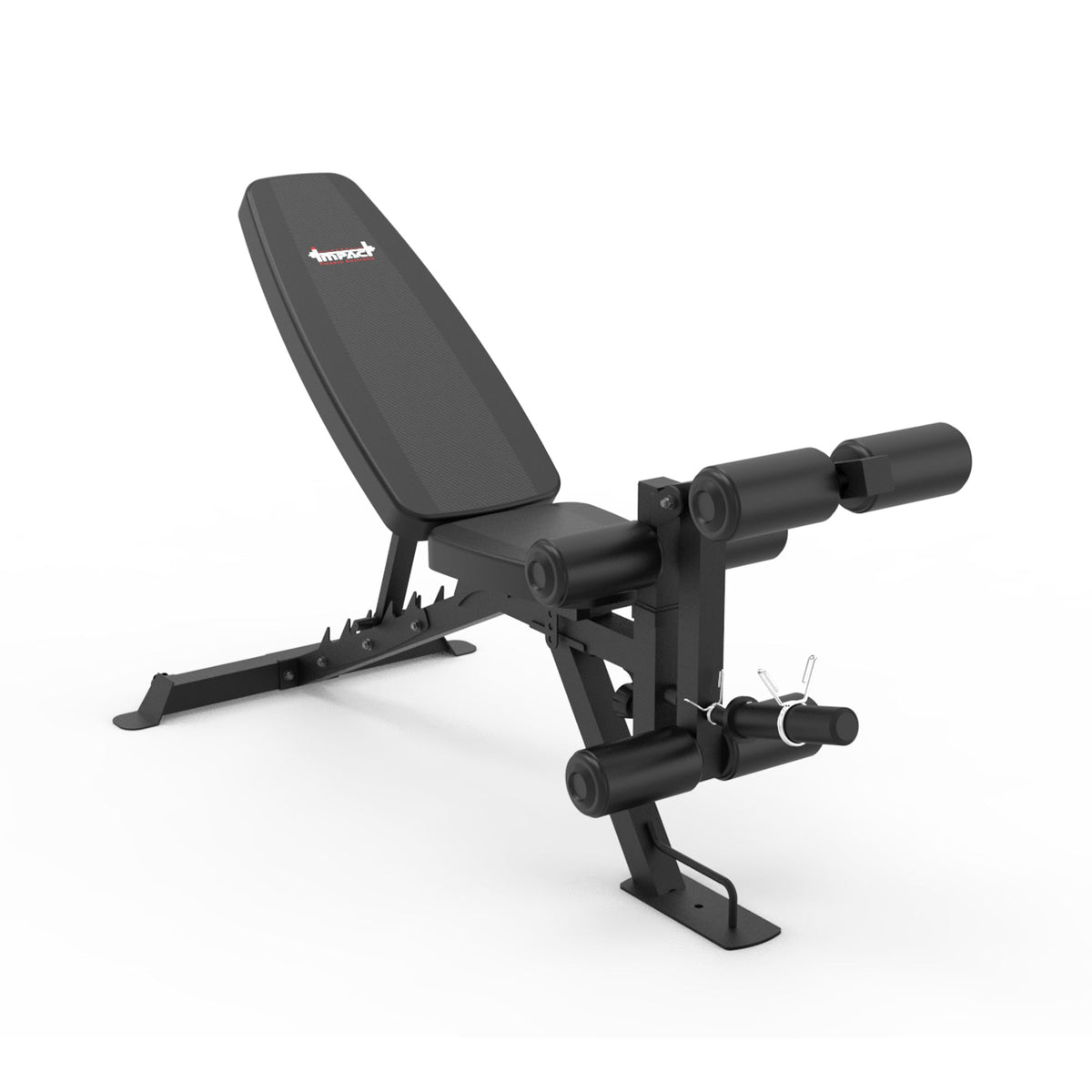
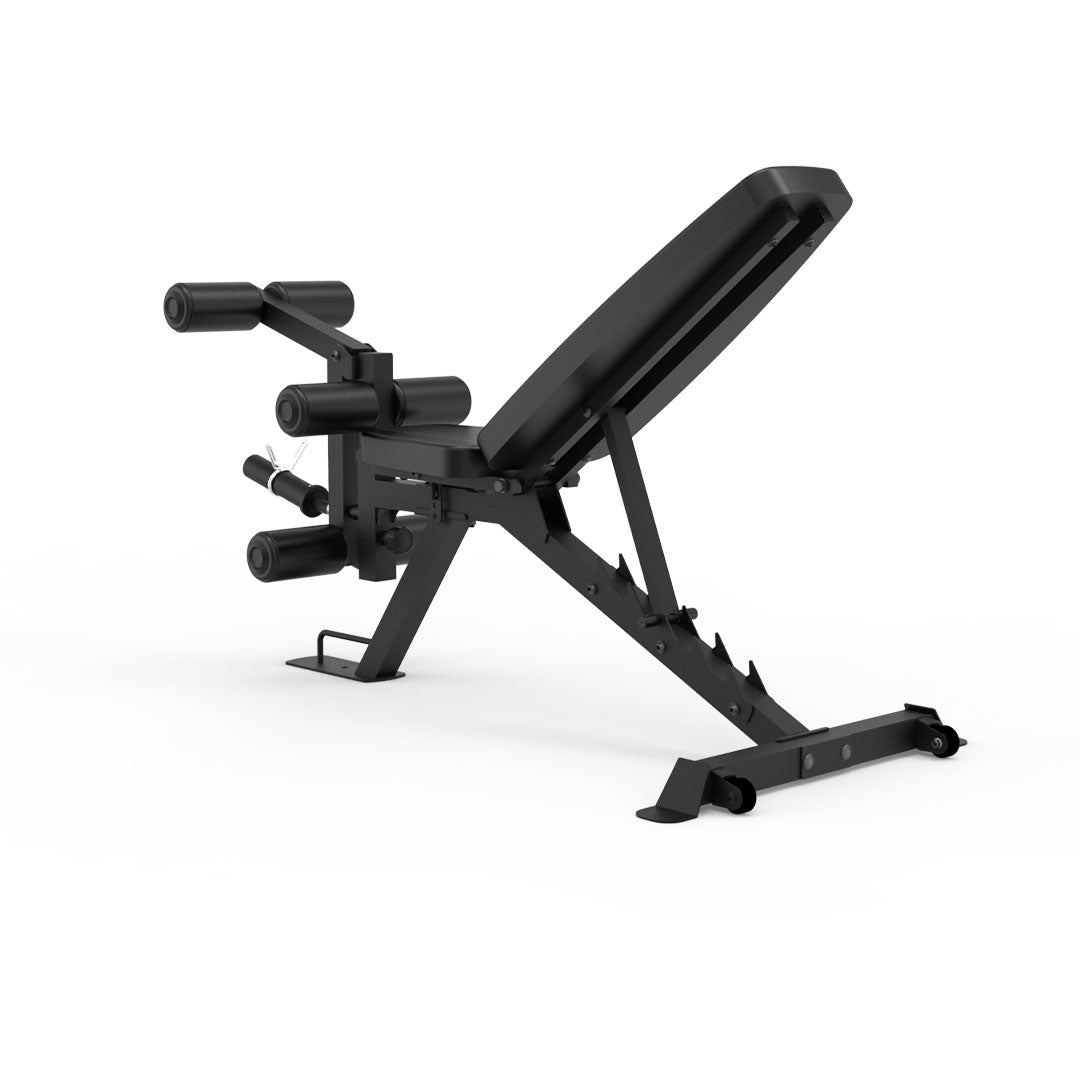
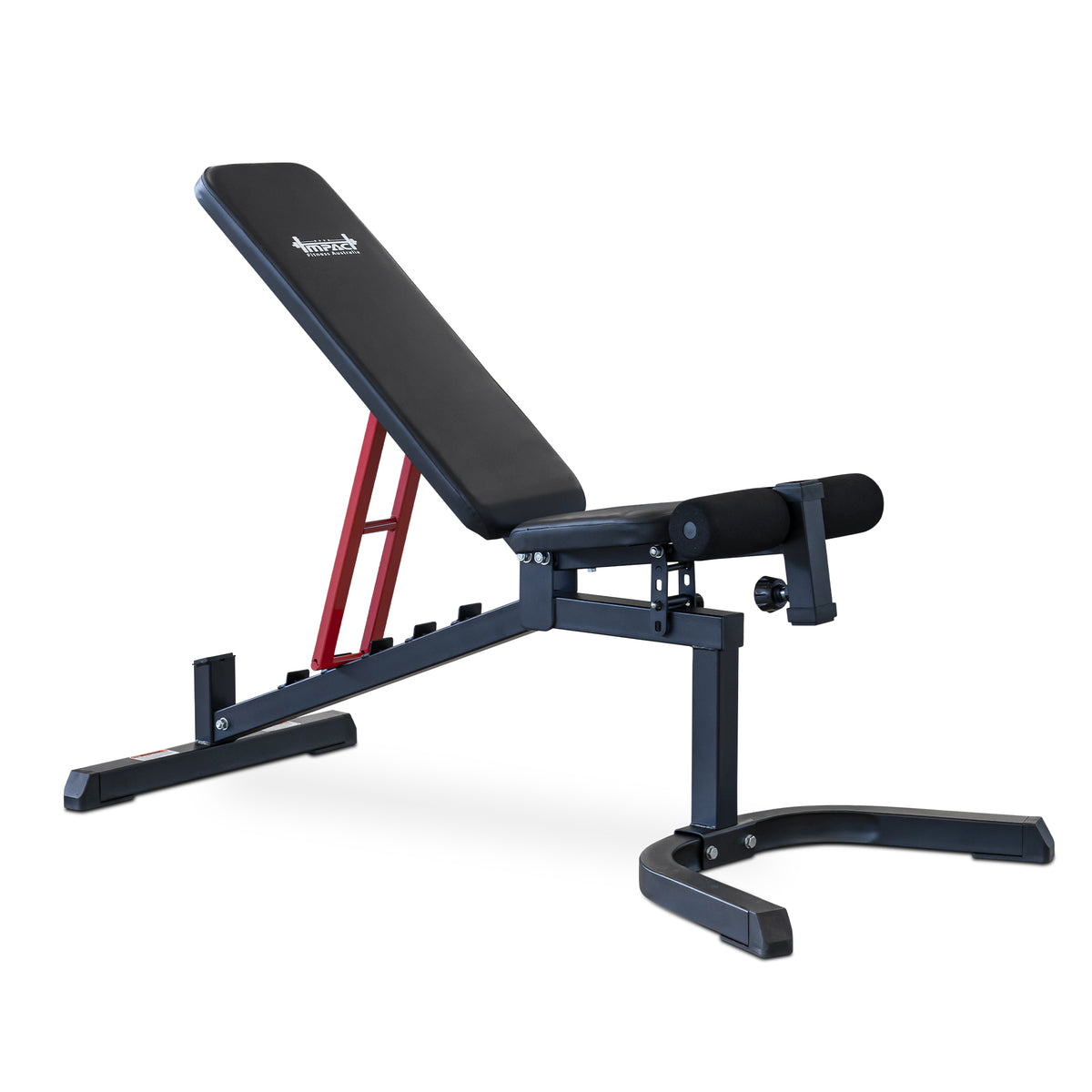
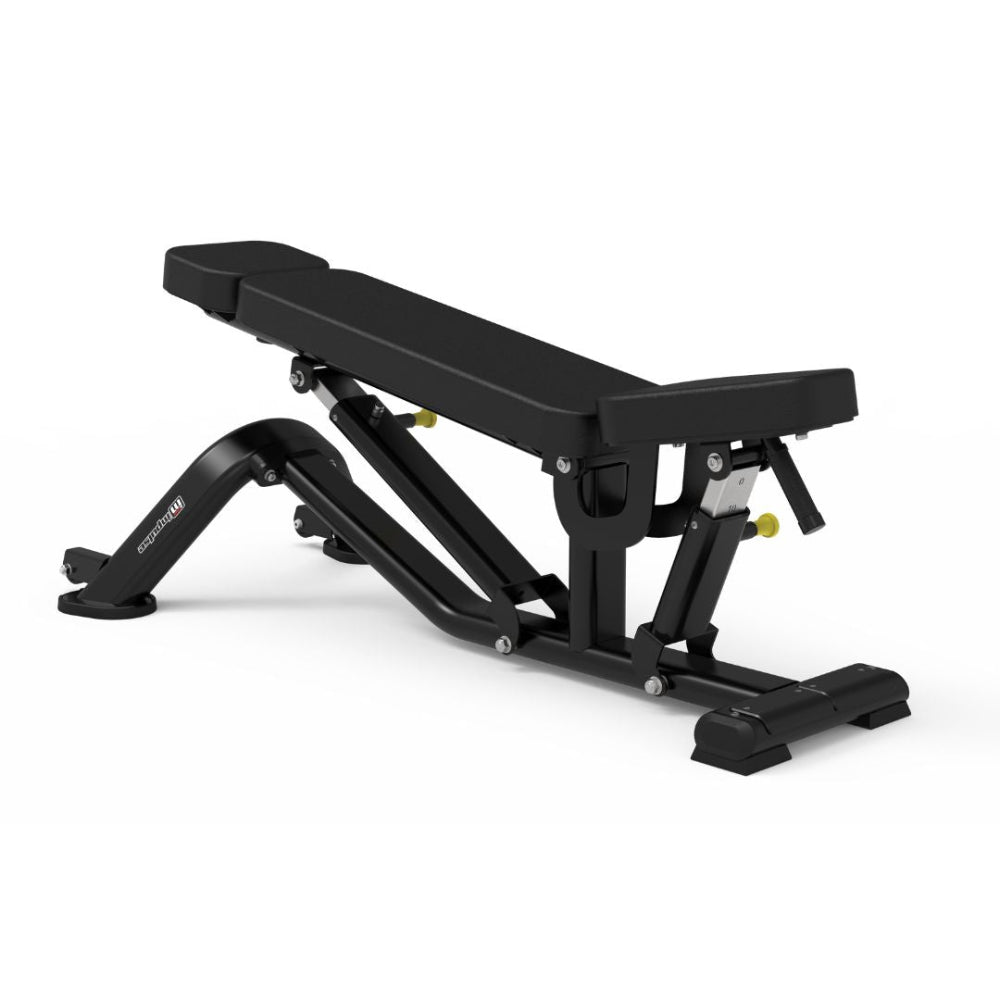
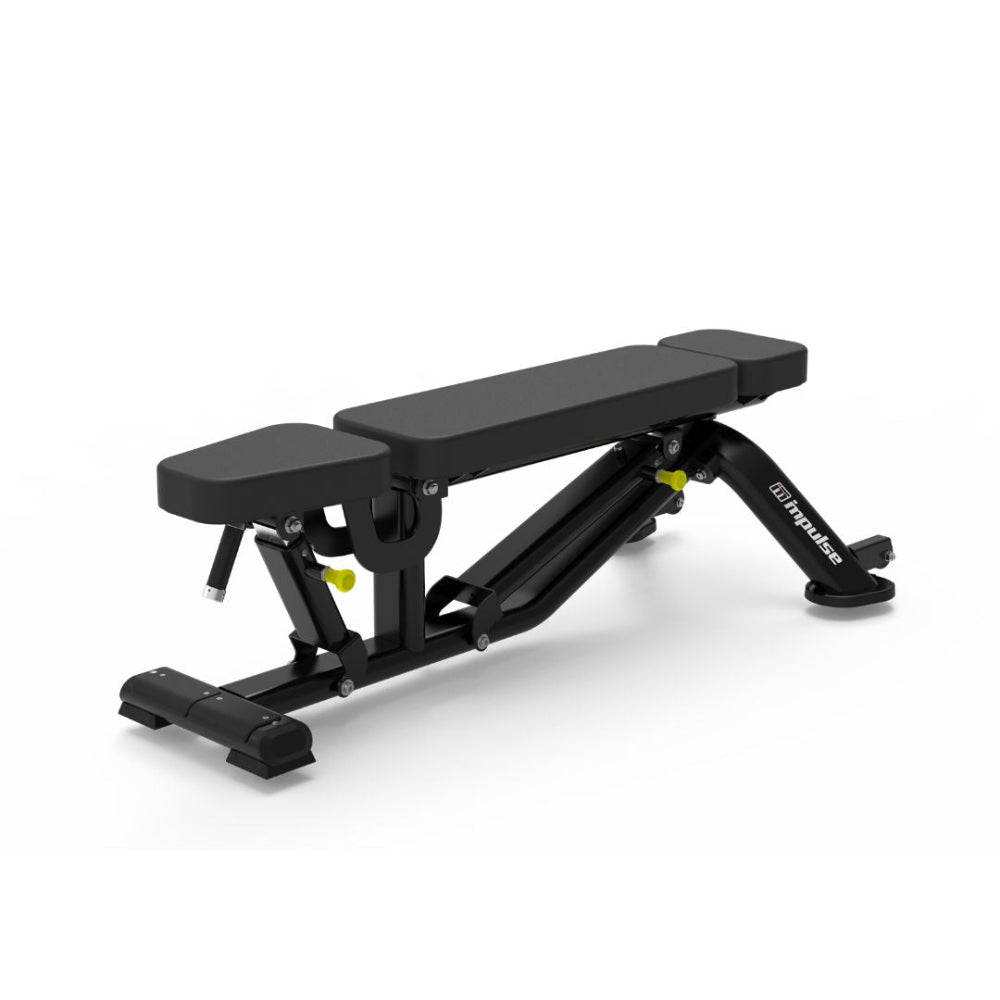
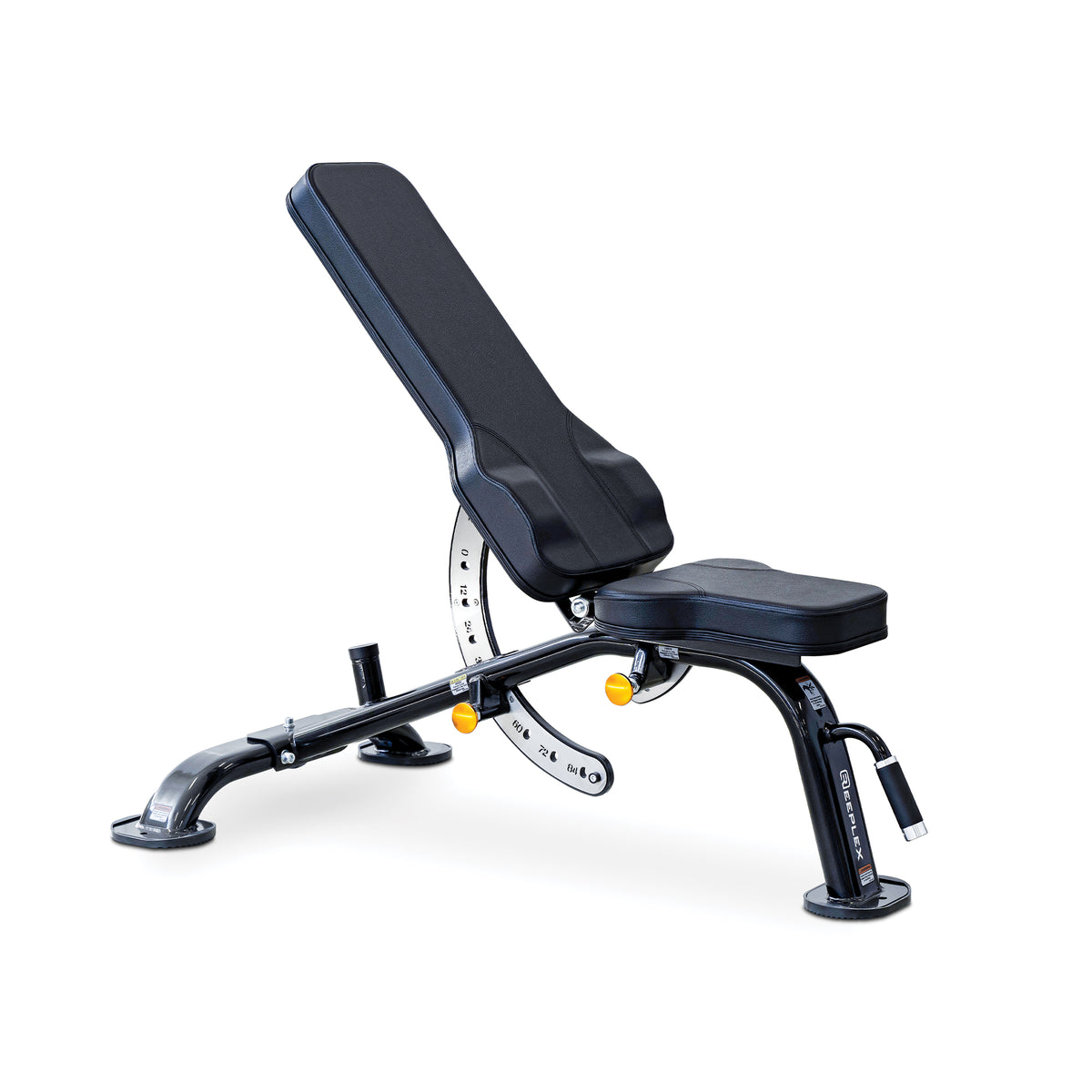
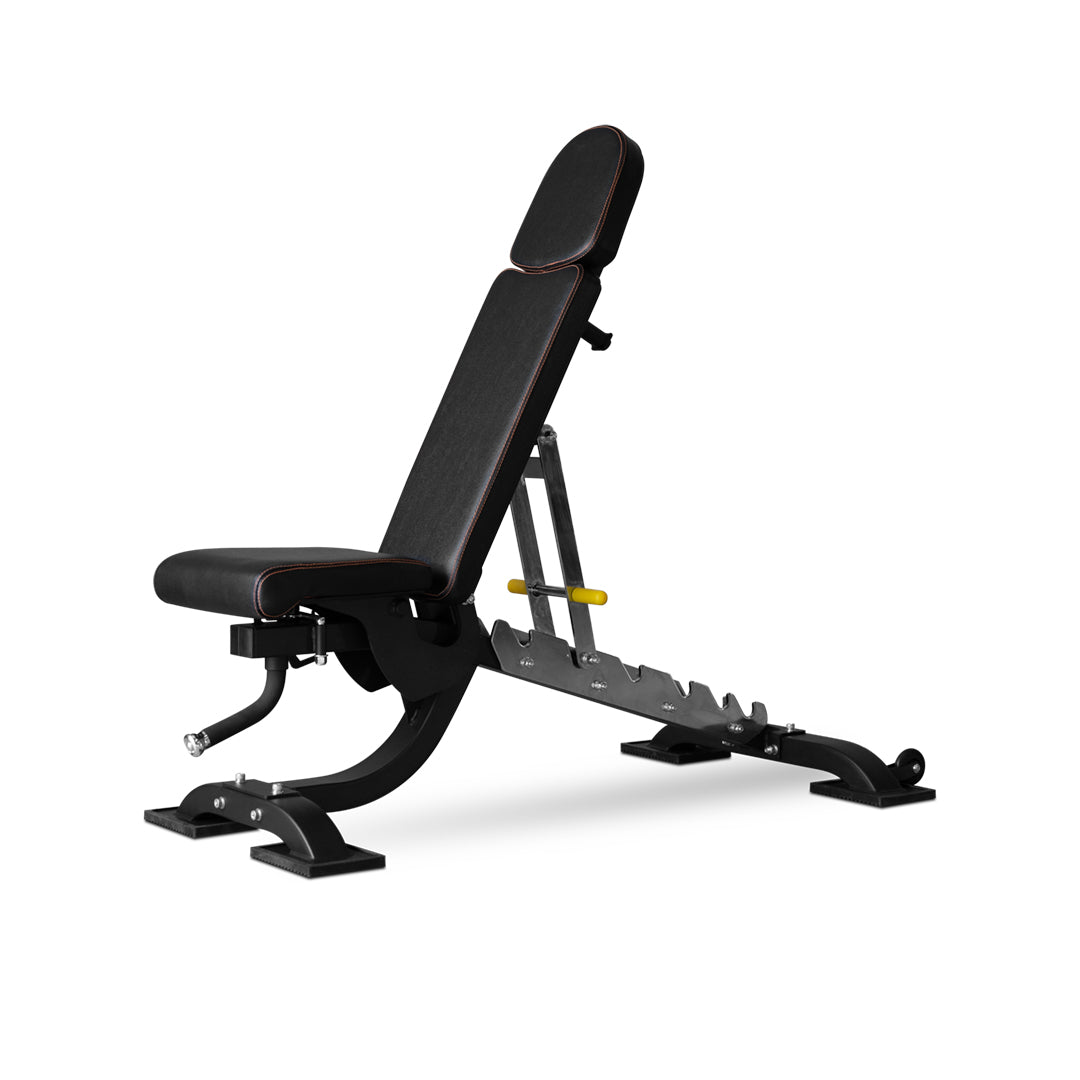
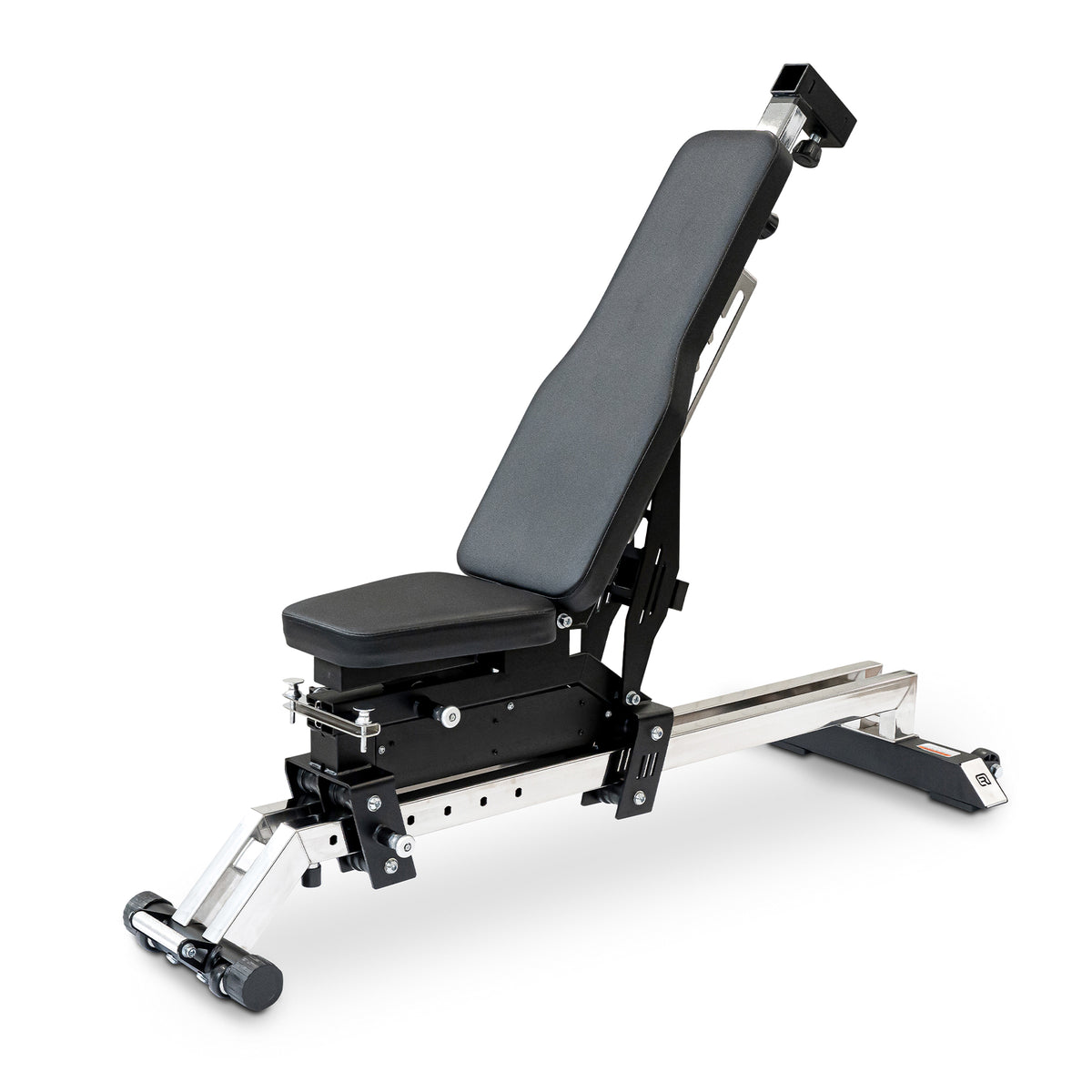
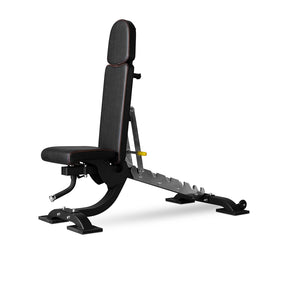
An adjustable weight bench is a padded training bench with a backrest that moves between flat, incline, and decline positions. FID (Flat, Incline, Decline) benches are the most versatile type and work with dumbbells, barbells, resistance bands, and cable machines.
Most models offer 5 to 9 back pad settings and a seat pad that adjusts independently to prevent you from sliding during incline exercises. They’re an essential piece of equipment in a free weight training setup, allowing full-body workouts from a single compact piece of equipment.
Key facts:
- Types: flat bench, FID bench (most versatile), Olympic bench, preacher curl bench
- Position settings: most FID benches offer 5 to 9 back pad angles plus flat and decline
- Weight capacity: 150kg for entry-level models up to 500kg+ for commercial-grade benches
- Dimensions: approximately 120 to 140cm long by 30 to 35cm wide
- Works with: dumbbells, barbells, resistance bands, and cable machine attachments
- Storage-friendly designs available: vertical storage, foldable frames, compact footprints
- Price range: $150 for basic flat benches to $600+ for premium FID models
- Suitable for: beginners through to experienced lifters
What Is an Adjustable Weight Bench?
An adjustable weight bench is a padded training bench designed to support the body during resistance exercises. Unlike a flat bench, which sits at a fixed horizontal angle, an adjustable bench features a movable backrest that can be set to multiple positions: flat, various incline angles, and often decline.
The most versatile type is the FID bench, which stands for Flat, Incline, and Decline. FID benches offer the full range of positions in a single unit, giving you access to every major pressing, rowing, and isolation variation without needing separate benches for each angle. Most quality FID benches include an independently adjustable seat pad that prevents the body from sliding forward during incline exercises.
The practical value of an adjustable bench comes from its ability to change the angle of force on the target muscle. A flat bench press emphasizes the mid-chest. Moving to a 30 or 45-degree incline shifts the focus to the upper chest and front deltoids. Declining below flat targets the lower chest. That single adjustment mechanism gives you three distinct exercise categories from one piece of equipment.
Primary muscles targeted:
- Chest: upper, mid, and lower pec fibers through incline, flat, and decline variations
- Shoulders: front and side deltoids through pressing, fly, and lateral raise movements
- Back: mid and upper back through dumbbell rows and cable pulls
- Triceps: all three heads through extensions, kickbacks, and close-grip pressing
- Biceps: through curls and hammer variations in seated positions
- Legs and glutes: step-ups, Bulgarian split squats, and glute bridges using the bench as a support
- Core: weighted sit-ups, oblique crunches, and anti-rotation exercises
Adjustable Weight Benches: Versatile + Durable
If you work out with free weights, then you already know one of your main pieces of gym equipment is a weight bench. Durable, high-quality benches are a must-have for any gym. Dynamo benches are made from heavy duty materials and feature solid construction and a sturdy design, ensuring long-lasting durability and stability during intense workouts. With so many options on the market, it’s important to choose wisely.
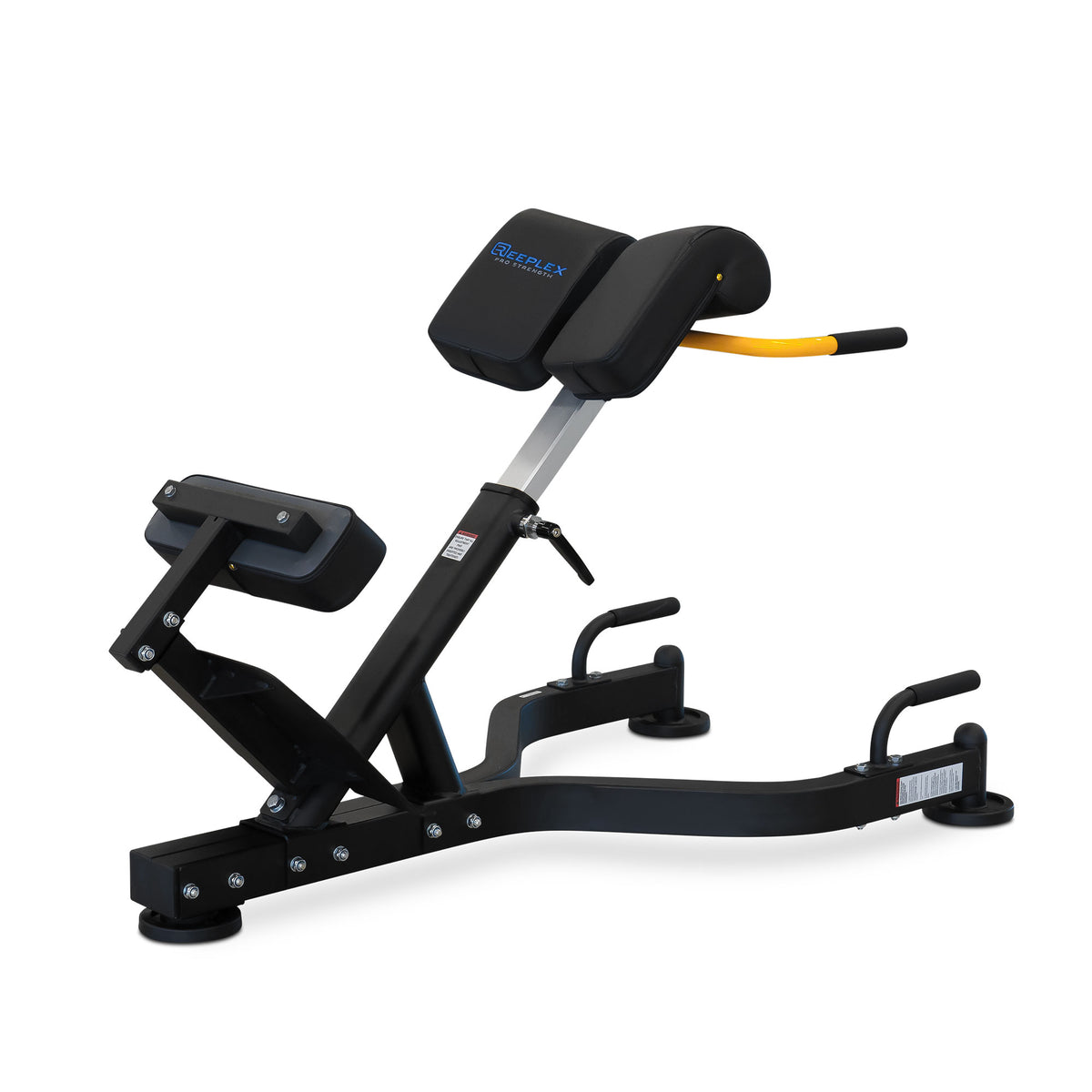
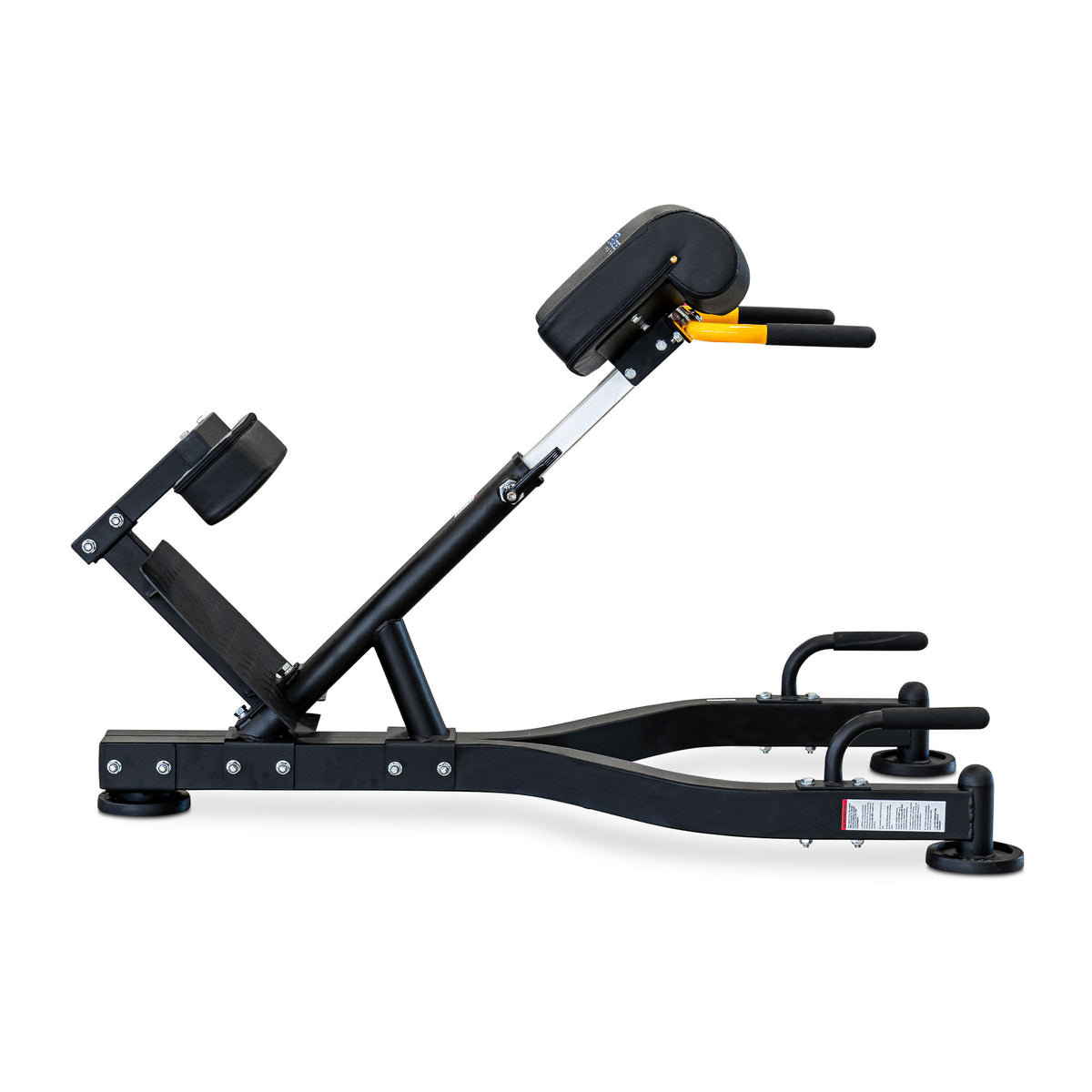
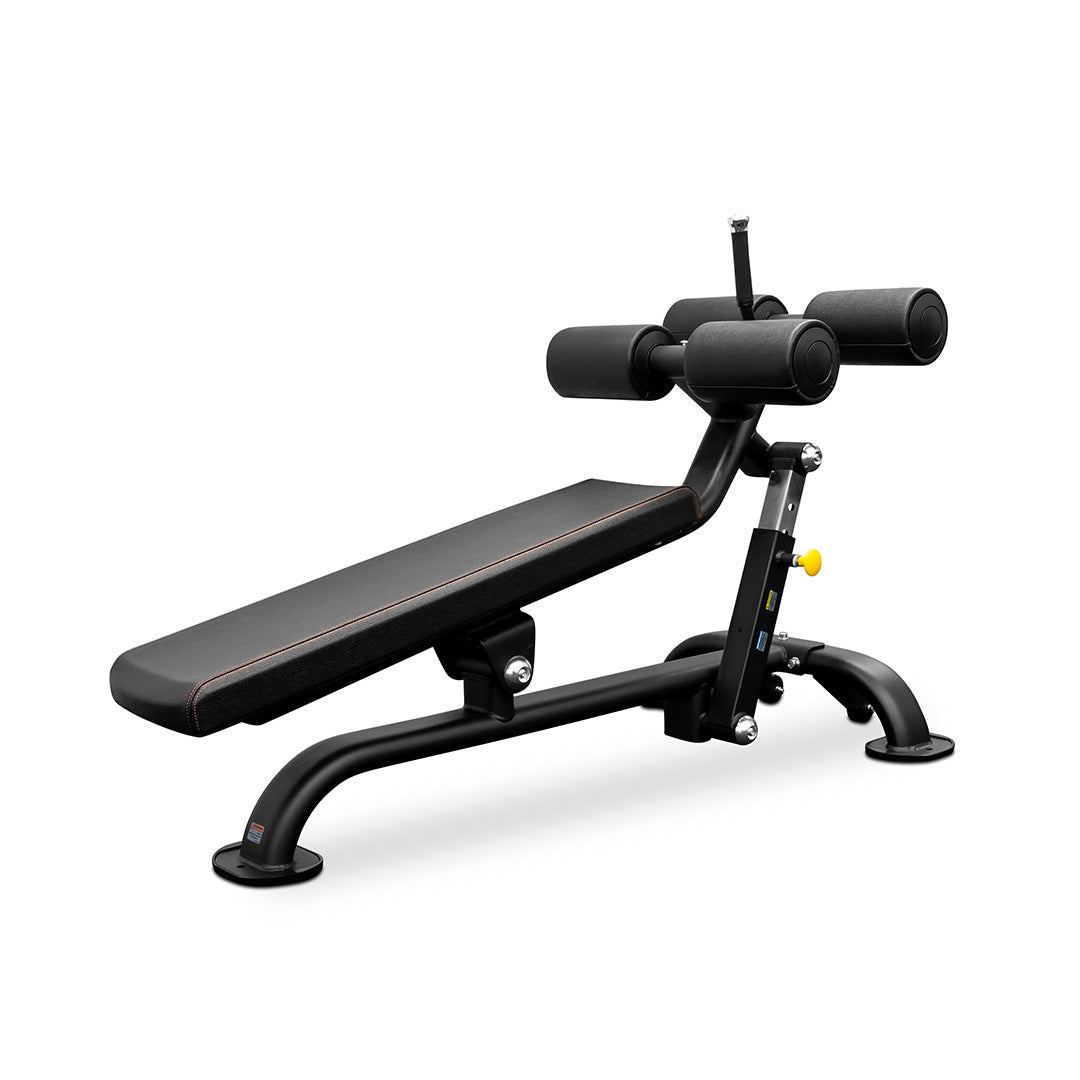
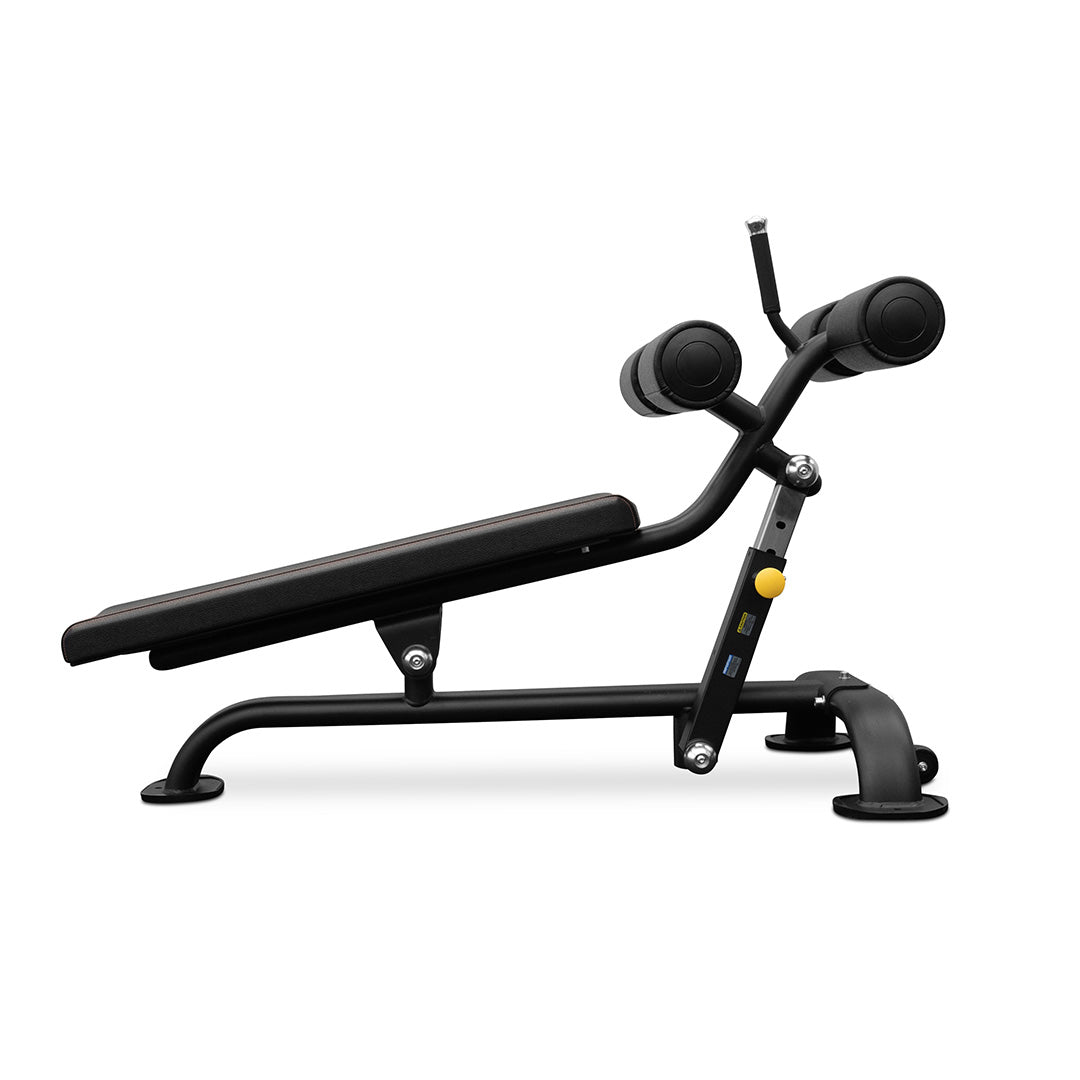
At Dynamo Fitness, we carry only the best benches on the market and backs our products with a great warranty. We stock standard benches such as flat, utility, preacher curl, and abdominal-style benches. Most are adjustable, but flat benches are an excellent selection for those needing a single-function bench.
Our adjustable flat benches are perfect for both home gym and fitness gym settings, enhancing your strength training routine with a wide range of exercises. Compared to most benches on the market, Dynamo's options offer superior versatility and durability.
We have a selection of colors to allow you to match your existing gym equipment. So your equipment can be on key just as much as you are. Dynamo benches also offer a great price and good price compared to competitors, making them a cost-effective choice for quality and performance when you’re shopping weight benches online. If you’re looking for the perfect bench that combines versatility, comfort, and durability, Dynamo’s adjustable benches are an ideal choice.
Space-Saving Adjustable Benches for Home Gyms
Unlike the rigid nature of flat benches, the adaptability of adjustable benches offers a multitude of exercise variations by adjusting its angle. Adjustable benches are designed to accommodate different training styles, making them suitable for a variety of fitness goals.
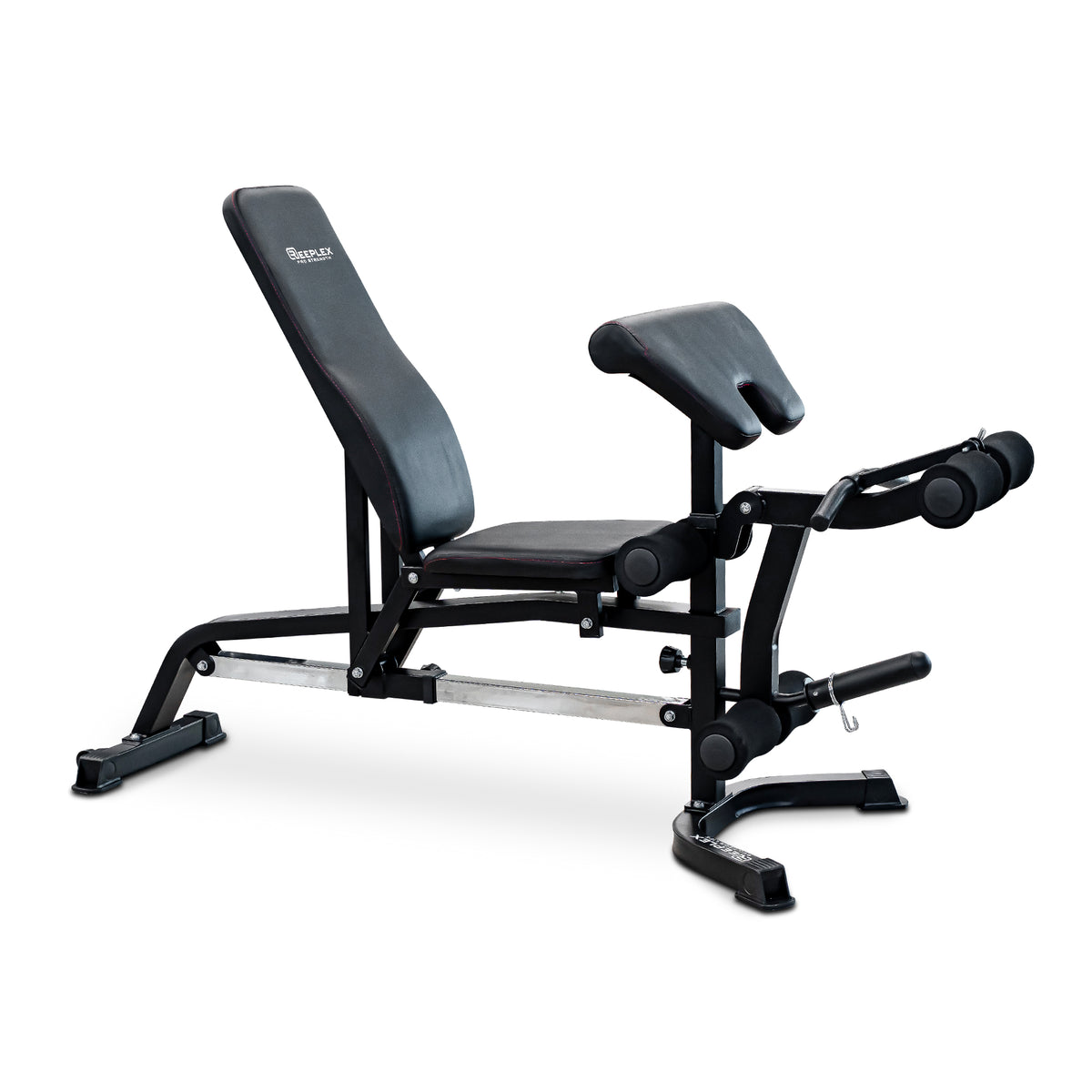
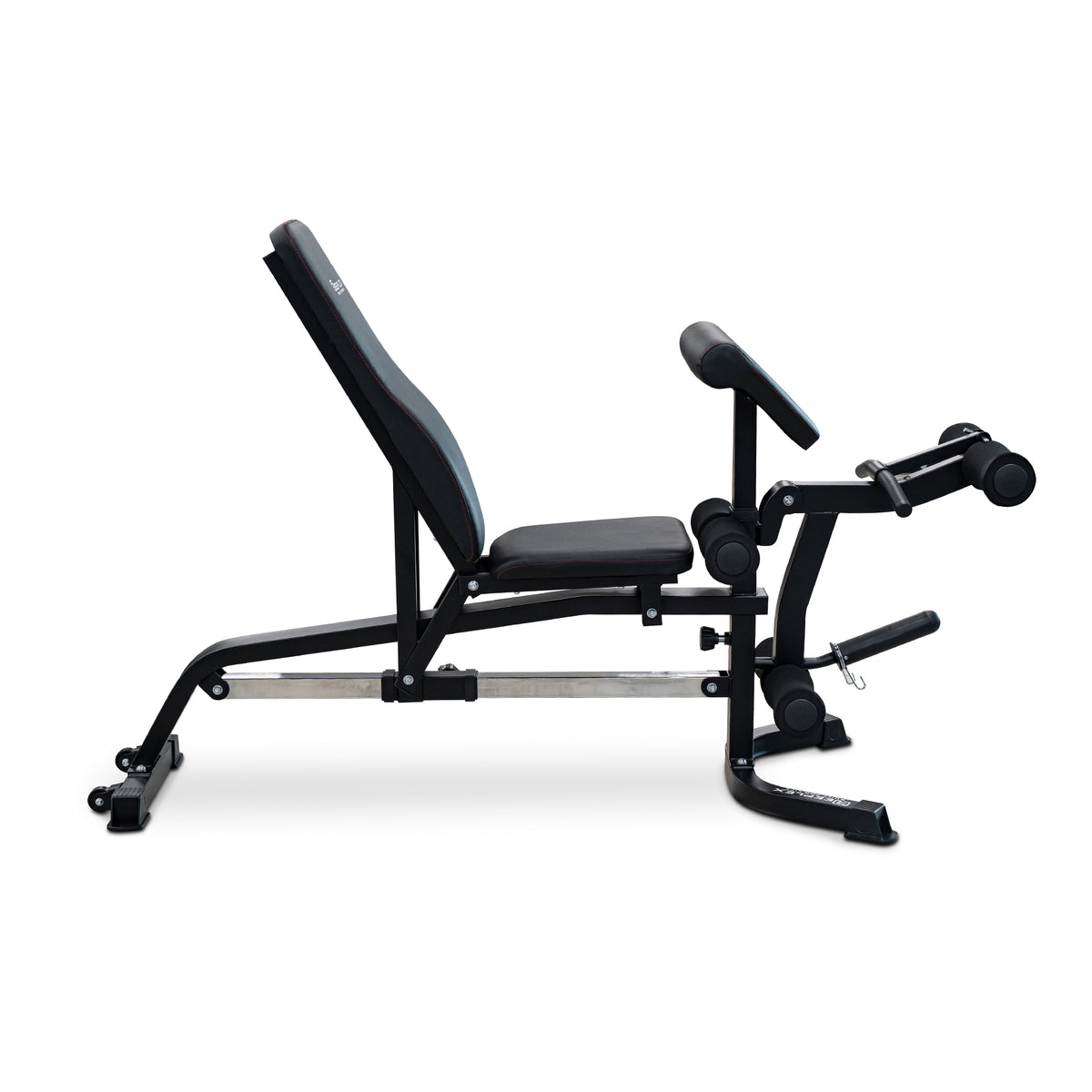
With features like an adjustable backrest and seat, these benches provide ergonomic support and comfort during incline, decline, or flat exercises. This enables you to zone in on different muscle groups and perform full body workouts efficiently, targeting multiple muscle groups using a diverse range of equipment, from dumbbells to resistance bands and even multi-function options like the DFID500 adjustable bench with leg developer, making it the right weight bench for achieving your fitness goals.
- Unlocks dozens of exercises: An adjustable bench expands your exercise library far beyond what a flat bench allows, adding incline and decline variations that target different areas of the chest, shoulders, and back.
- Works with all free weight equipment: Compatible with dumbbells, barbells, resistance bands, and cable machine attachments, making it the most versatile surface in your training space.
- Allows precision muscle targeting: Adjusting the angle shifts the emphasis between upper, mid, and lower chest, front and rear deltoids, and different areas of the back, all from the same piece of equipment.
- Supports full-body training: Beyond pressing movements, adjustable benches support lower body exercises like step-ups and Bulgarian split squats, plus core work like weighted sit-ups and glute bridges.
- Compact and storage-friendly: Many models store vertically or fold flat, making them practical for home gyms where space is shared with everyday living areas.
- Durable long-term investment: A well-built adjustable bench is built to last years of consistent heavy use. It's a one-time investment that pays dividends through every training session.
- Suits all experience levels: From beginner dumbbell work to advanced barbell pressing, an adjustable bench supports your training as you progress.
Types of Adjustable Weight Benches
Not all adjustable benches are the same. Here is how the main types compare and which setup they suit best.
FID Bench (Flat, Incline, Decline)
The FID bench is the most versatile option and the best choice for most home gym setups. It adjusts across the full range of positions: flat, multiple incline angles, and decline. Most FID benches offer 5 to 9 back pad positions and include an independent seat adjustment. This is the bench to buy if you want maximum exercise variety from a single purchase.
Flat Utility Bench
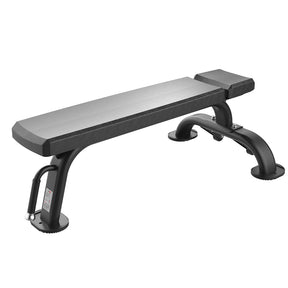
A flat utility bench is fixed at a horizontal position with no angle adjustment. It provides a solid, stable surface for flat pressing, dumbbell rows, and tricep dips. Flat benches are typically more affordable, lighter, and easier to store than FID models. They are a good choice for users who primarily train with barbells at a fixed angle, or as a secondary bench alongside an adjustable model.
Olympic Bench
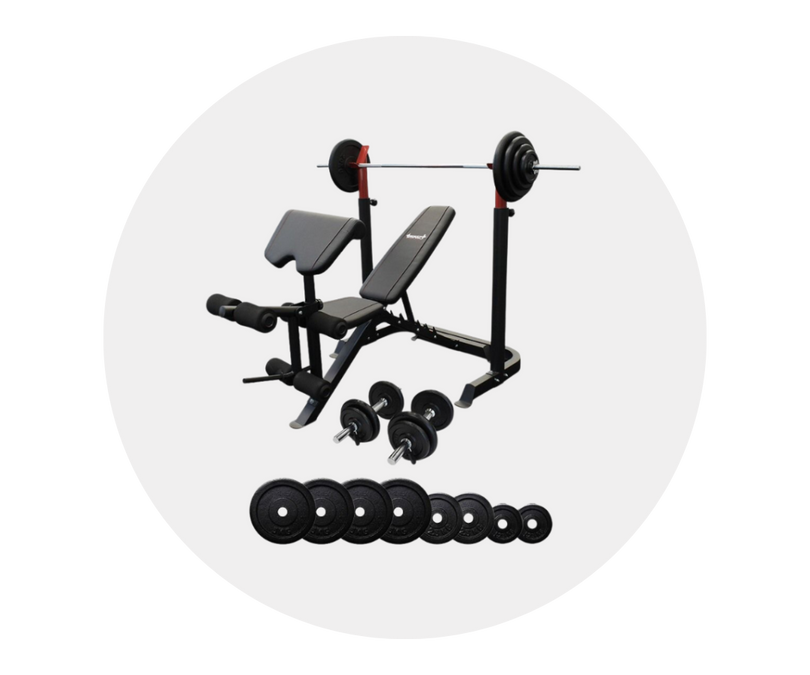
An Olympic bench is a combined unit featuring a flat or adjustable pad integrated with a barbell rack and safety catches. These are purpose-built for barbell bench pressing with heavier loads. They provide a fixed pressing station with built-in safety infrastructure, making them the right choice for users focused on barbell strength work. They require more floor space and are less portable than standalone adjustable benches.
Preacher Curl Bench
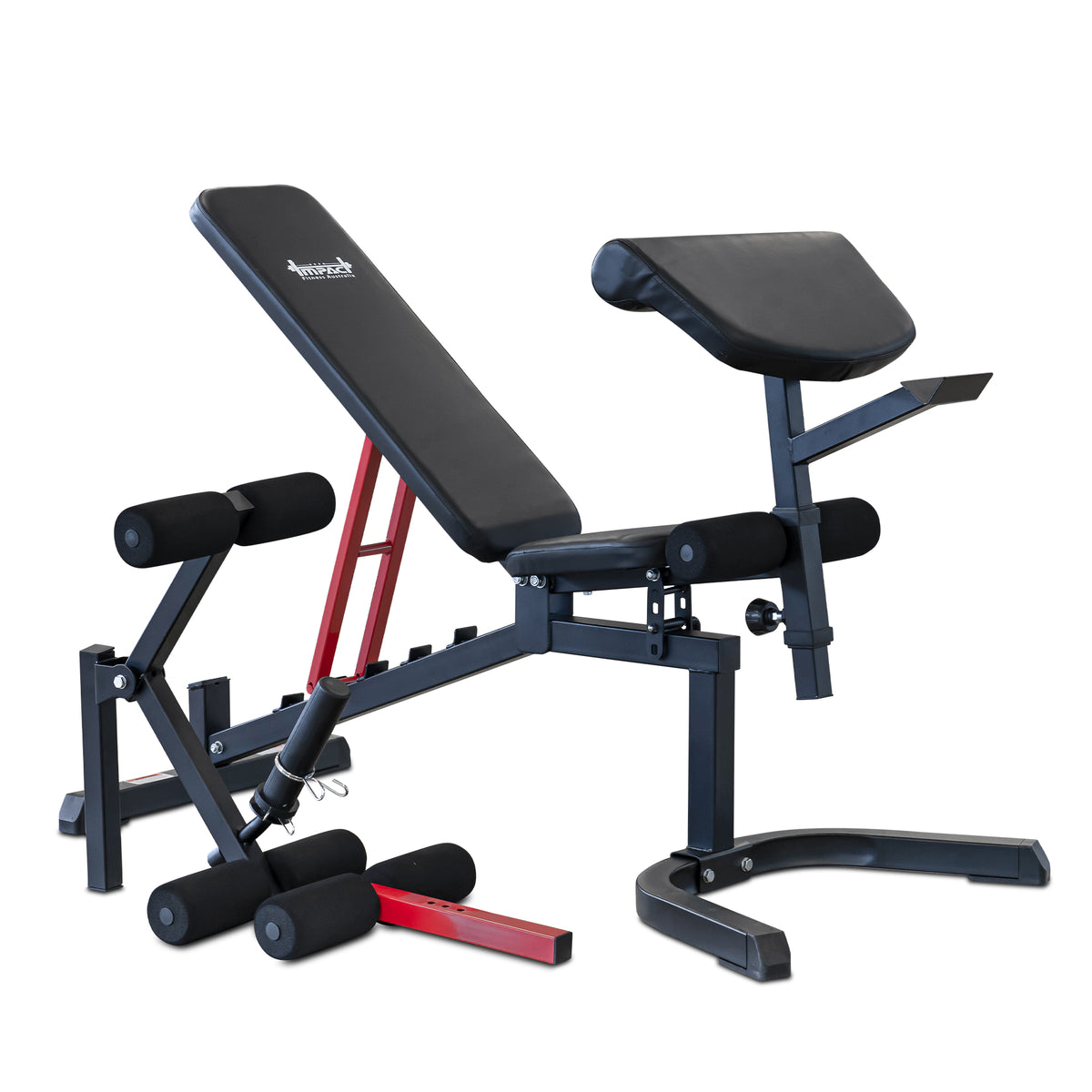
A preacher curl bench is a specialized piece designed specifically for bicep curl variations using the angled arm pad for support. Some adjustable benches include a preacher curl attachment, giving you both functions in one unit. Standalone preacher curl benches are a targeted addition to a home gym rather than a primary piece of equipment.
Bench Types Compared: Which One Is Right for You?
Choosing the right bench depends on your training goals, the exercises you plan to perform, and your available space.
Here’s how the four main bench types compare.
| Feature | FID Bench | Flat Bench | Olympic Bench | Preacher Curl |
|---|---|---|---|---|
| Positions | Flat, incline, decline | Flat only | Flat (fixed) | Fixed angle |
| Exercise variety | Very high | Moderate | Moderate | Low (specialized) |
| Weight capacity | 150 to 350kg | 150 to 500kg+ | 300 to 600kg+ | 100 to 200kg |
| Barbell compatible | Yes (with rack) | Yes (with rack) | Yes (integrated rack) | No |
| Space required | Small to medium | Small | Large | Small to medium |
| Storage friendly | Yes (vertical storage) | Yes (lightweight) | No (fixed structure) | Moderate |
| Best for | Most home gyms | Barbell-focused training | Dedicated pressing station | Bicep isolation work |
| Price range | $200 to $600+ | $150 to $400 | $600 to $2,000+ | $150 to $350 |
For the majority of home gym users, an FID bench is the clear choice. It covers the widest range of exercises, stores efficiently, and works with every piece of free weight equipment. If your training is focused specifically on heavy barbell work, an Olympic bench or flat bench paired with a power rack is worth considering.
Adjustable Weight Benches: Key Features
Not all adjustable benches are built to the same standard. Here is what separates a bench that lasts from one that wobbles, slips, or lets you down mid-set.
1. Weight Capacity
Weight capacity is one of the most important specs to check. It must cover your body weight plus the total load you plan to lift. For most home gym users, a bench rated for 200 to 300kg provides ample headroom. Serious lifters or users planning heavy barbell work should look for benches rated at 350kg or above. Higher weight ratings also correlate with better overall construction quality, which means heavier-rated benches tend to feel more stable even at lighter loads.
2. Back Pad Adjustment Range
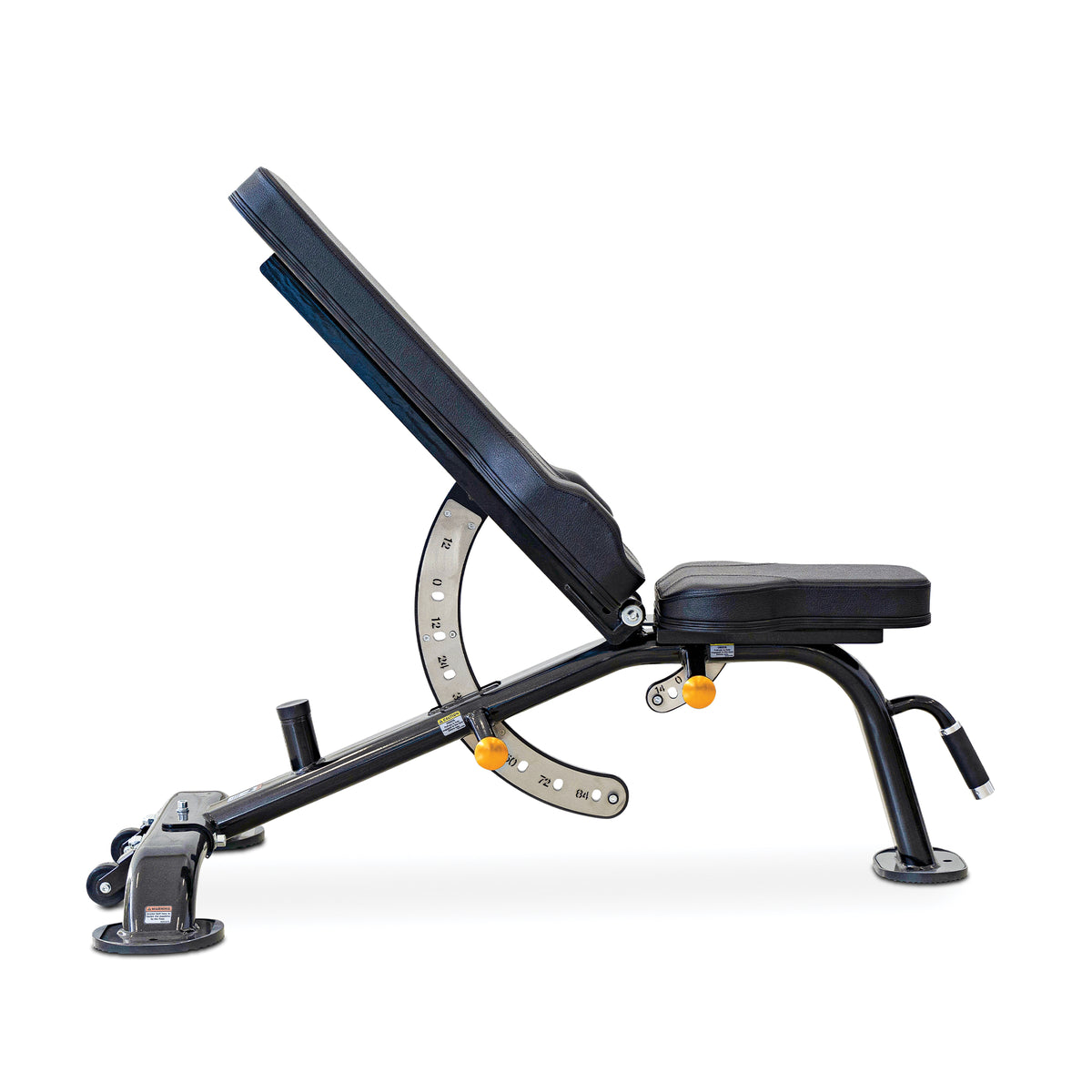
A quality FID bench should offer at least 5 distinct back pad positions: flat, 30 degrees, 45 degrees, 60 degrees, and 85 degrees are the most commonly used angles. More positions give you finer control over muscle targeting. Look for a step adjustment system that locks firmly at each position and does not shift under load. A bench that shifts angle during a heavy set is both frustrating and unsafe.
Most useful angle settings:
- Flat (0 degrees): bench press, dumbbell fly, tricep extensions, rows
- Low incline (15 to 30 degrees): lower incline pressing for upper-mid chest emphasis
- Standard incline (45 degrees): incline press and fly, the most commonly used incline position
- High incline (60 to 75 degrees): shoulder press and anterior deltoid work
- Upright (85 to 90 degrees): seated shoulder press, seated curls, concentration movements
- Decline: lower chest press, decline sit-ups
3. Seat Pad Adjustment
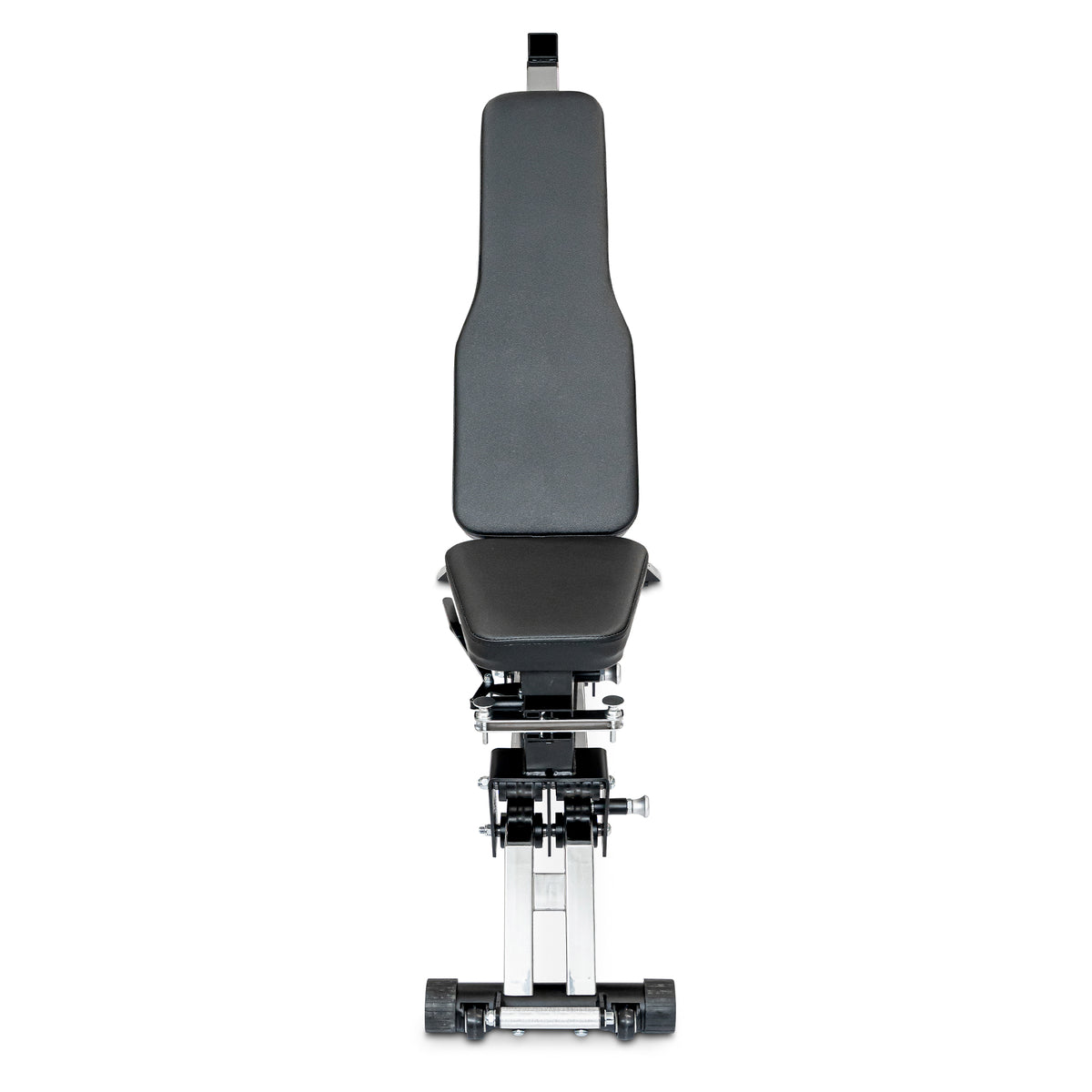
An independently adjustable seat pad is a feature worth paying for. When the back pad is set to an incline, a fixed flat seat causes the body to slide forward, shifting your position mid-set and compromising form. An adjustable seat tilts upward to match the back pad angle, keeping your hips locked in place so you can focus entirely on the lift.
4. Pad Quality and Thickness
The quality of the upholstery and foam directly affects both comfort and longevity. Look for stitched seams rather than glued edges, high-density foam that does not compress flat under load, and a vinyl or leather covering that is easy to clean and resistant to tearing. Pad thickness of at least 6 to 8cm provides adequate comfort for longer sessions and heavy pressing without bottoming out against the frame.
5. Frame Construction
A stable, well-welded steel frame is non-negotiable. Check the welds at stress points: where the legs meet the main frame and where the back pad attachment connects to the body. Powder-coated finishes resist rust and maintain appearance under regular gym use. The base width matters too: a wider stance resists tipping during lateral movements and when mounting or dismounting the bench under load.
6. Footprint + Storage Options
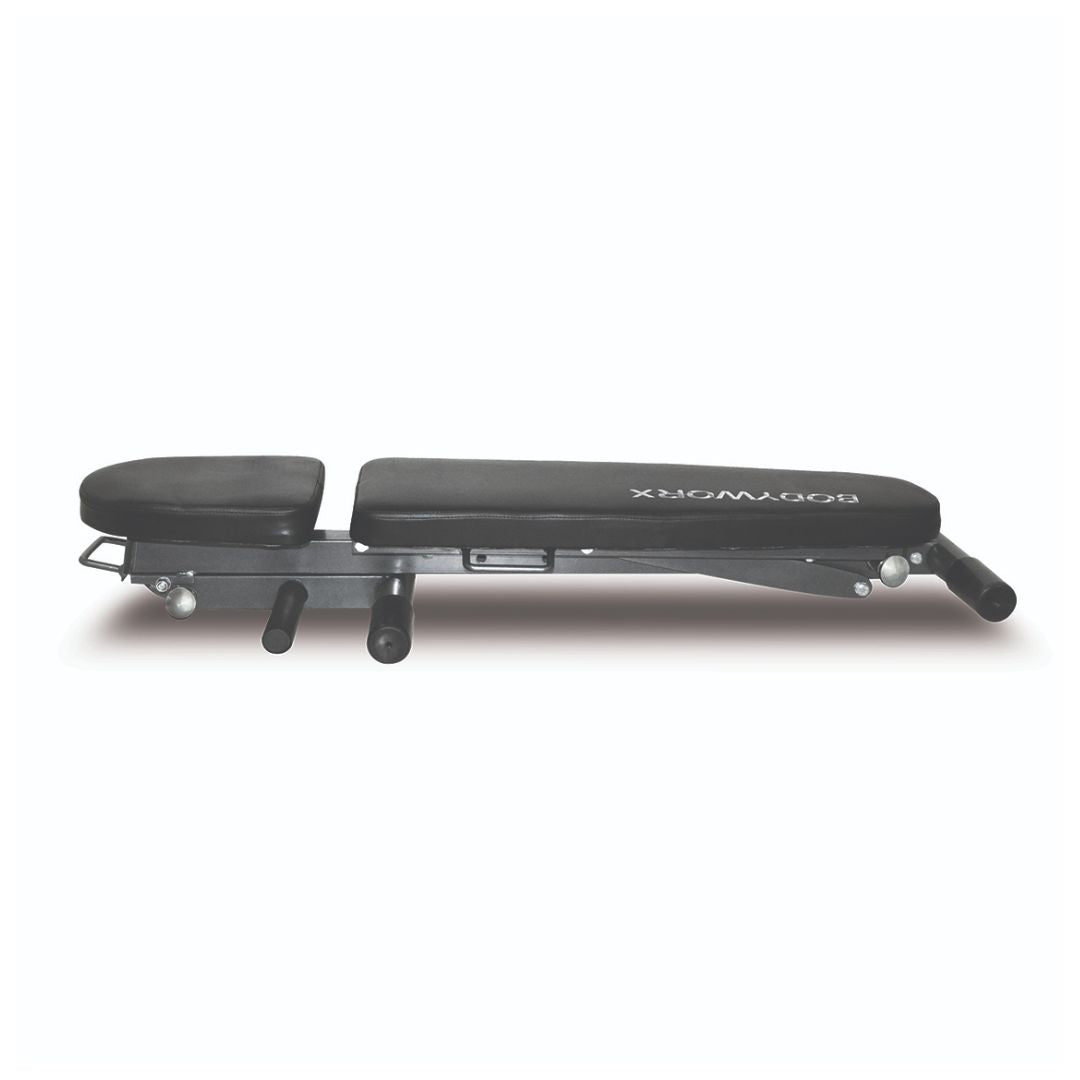
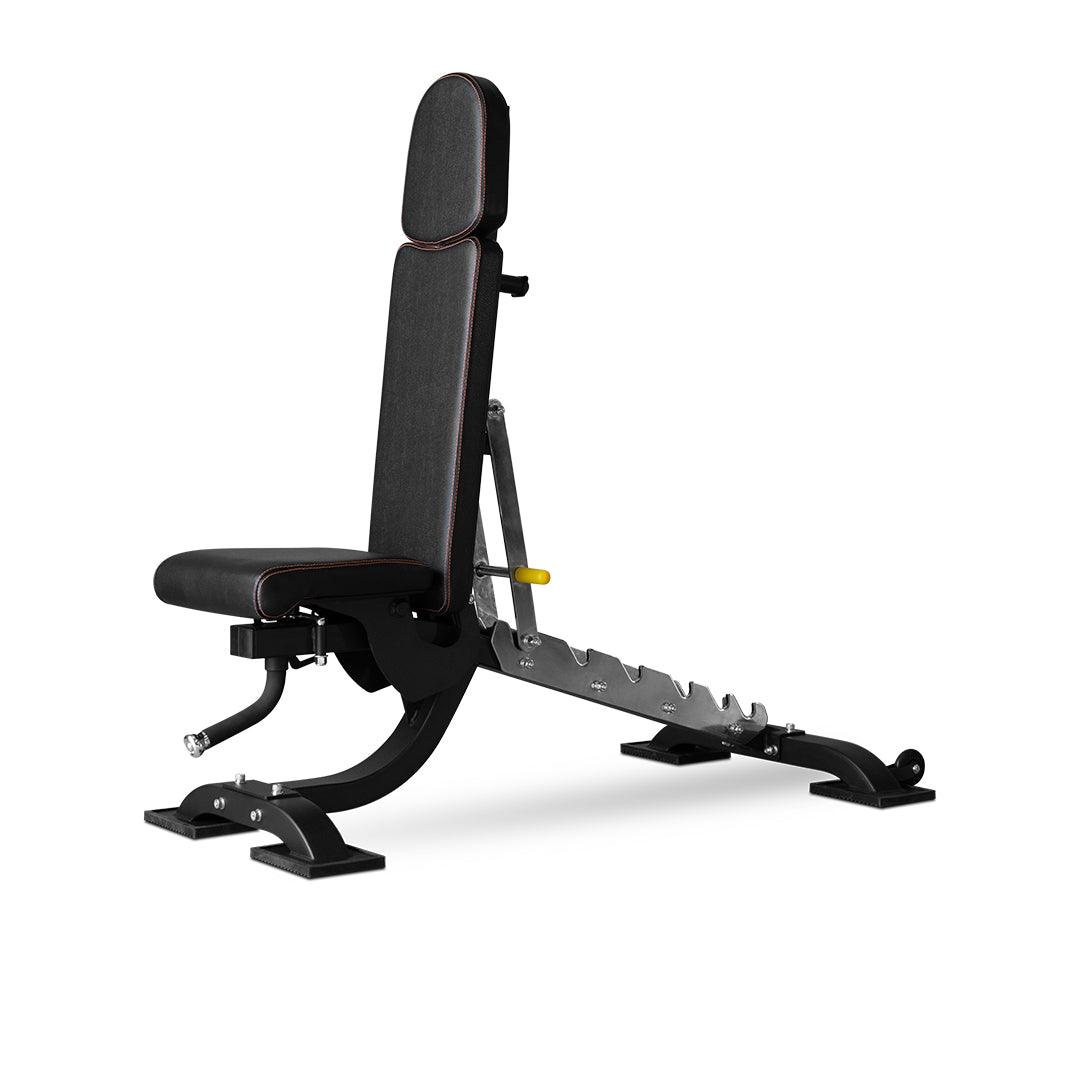
Many FID benches can be stored vertically when not in use, reducing the floor footprint to around 35 x 50cm. This is a practical feature for home gyms where training space doubles as living space. Some models fold completely flat for storage under a bed or in a closet. If space is a priority, look for benches that explicitly list a vertical or compact storage option.
Space-Saving Designs for Home Gyms
For home gym owners who want to maximize their workout space, adjustable weight benches with space-saving designs are an excellent choice, especially when sourced from a comprehensive gym equipment provider in Australia. These benches are engineered to deliver a full spectrum of exercise options while occupying minimal floor space. Features like foldable frames, compact footprints, and even wall-mounted designs make it easy to save space without sacrificing the functionality or versatility you need for a complete workout.
Brands like Titan Fitness are known for offering adjustable weight benches that combine sturdy construction with innovative, space-saving features. These benches are built to be both durable and adaptable, making them a great option for anyone looking to create an efficient home gym. With the right adjustable weight bench, you can enjoy all the benefits of a professional gym setup while keeping your space organized and clutter-free.
Adjustable Bench Workouts
Adjustable weight benches are a cornerstone of gym and weight benches, enabling you to perform a wide variety of strength training exercises and complement a broader weight bench and bench press range.
Whether you’re outfitting a bench for your home gym or incorporating this piece of training equipment into your gym or fitness routine, the adaptability of a flat bench or an adjustable bench (also referred to as a stable workout table that supports different angles and exercises) enhances your ability to target specific muscle groups.
Below are tailored workouts to get the most out of this adaptable equipment, ensuring your home workouts and gym sessions are as effective as possible, especially when paired with complementary weight bench and bench press packages.
One of the biggest advantages of an adjustable bench is how many distinct exercise categories it opens up. Here is a breakdown organized by bench position.
Flat Position
Upper Body:
- Dumbbell bench press: primary mid-chest movement for mass and strength
- Barbell bench press: compound pressing with heavier loads (requires rack)
- Dumbbell fly: chest isolation through a wide arc of motion
- Skull crushers: lying tricep extensions targeting all three tricep heads
- Dumbbell pullover: chest and lat stretch exercise
Lower Body + Core:
- Glute bridge with feet elevated: targets glutes and hamstrings with added hip height
- Single-leg glute bridge: unilateral glute and hamstring activation
- Tricep dips: bodyweight tricep exercise using the bench edge
- Box step-ups: glutes, quads, and hamstrings using the bench as a platform
Incline Position (30 to 75 Degrees)
Upper Body:
- Incline dumbbell press: shifts emphasis to the upper chest and front deltoids
- Incline dumbbell fly: upper chest isolation with a focus on the stretch
- Incline dumbbell row: targets the mid-back with the torso supported
- Incline hammer curl: bicep variation with wrist in neutral grip
At High Incline (75 to 85 degrees):
- Seated shoulder press: primary overhead pressing movement
- Seated lateral raises: side deltoid isolation
- Seated bicep curls: supported curls for strict form
- Seated concentration curls: peak bicep contraction with elbow braced
Decline Position
- Decline press: targets the lower chest through a downward pressing angle
- Decline dumbbell fly: lower chest isolation
- Decline sit-ups: weighted core exercise with feet anchored
- Decline push-ups with feet on bench: bodyweight lower chest exercise
Bulgarian Split Squats
With the bench in its flat position, Bulgarian split squats place the rear foot on the pad while the front leg drives the movement. This targets the quads, hamstrings, and glutes through a deep range of motion. It is one of the most effective lower body exercises you can do without a barbell, and the adjustable bench makes it possible in any home gym.
Adjustable Bench: Maintenance + Safety
A well-maintained bench performs better and lasts longer. These habits take minutes and protect your investment.
Before Every Session
- Check that the back pad is locked securely at your chosen angle before loading
- Verify the seat pad adjustment is firm and does not shift under bodyweight
- Inspect the frame for any visible looseness, wobble, or unusual movement
- Make sure the bench is on a stable, level surface before beginning
Routine Maintenance
- Wipe down the pads after each session to remove sweat and moisture, preventing pad degradation and maintaining grip
- Inspect and tighten bolts monthly, vibration from regular use gradually loosens fasteners
- Check the pad covering periodically for cracks or tears, especially at seams and edges
- Lubricate adjustment pins and pivot points as recommended by the manufacturer
- Store the bench away from direct sunlight and moisture to prevent pad fading and frame corrosion
Safe Use Guidelines
Always use a weight that allows you to complete the set with proper form. Proper form on a bench includes keeping your feet flat on the floor during pressing movements for maximum stability, maintaining a slight natural arch in the lower back without excessive hyperextension, and controlling the weight on the way down rather than dropping it onto the pad. For heavy barbell pressing, always use safety catches or a spotter, even on a well-constructed bench.
The Right Bench for Your Home Gym
An adjustable weight bench is the foundation of any serious free weight training setup. It multiplies the value of every dumbbell, barbell, and cable attachment you own. A bench that is solid, stable, and properly adjustable does not just make your workouts better. It makes them possible.
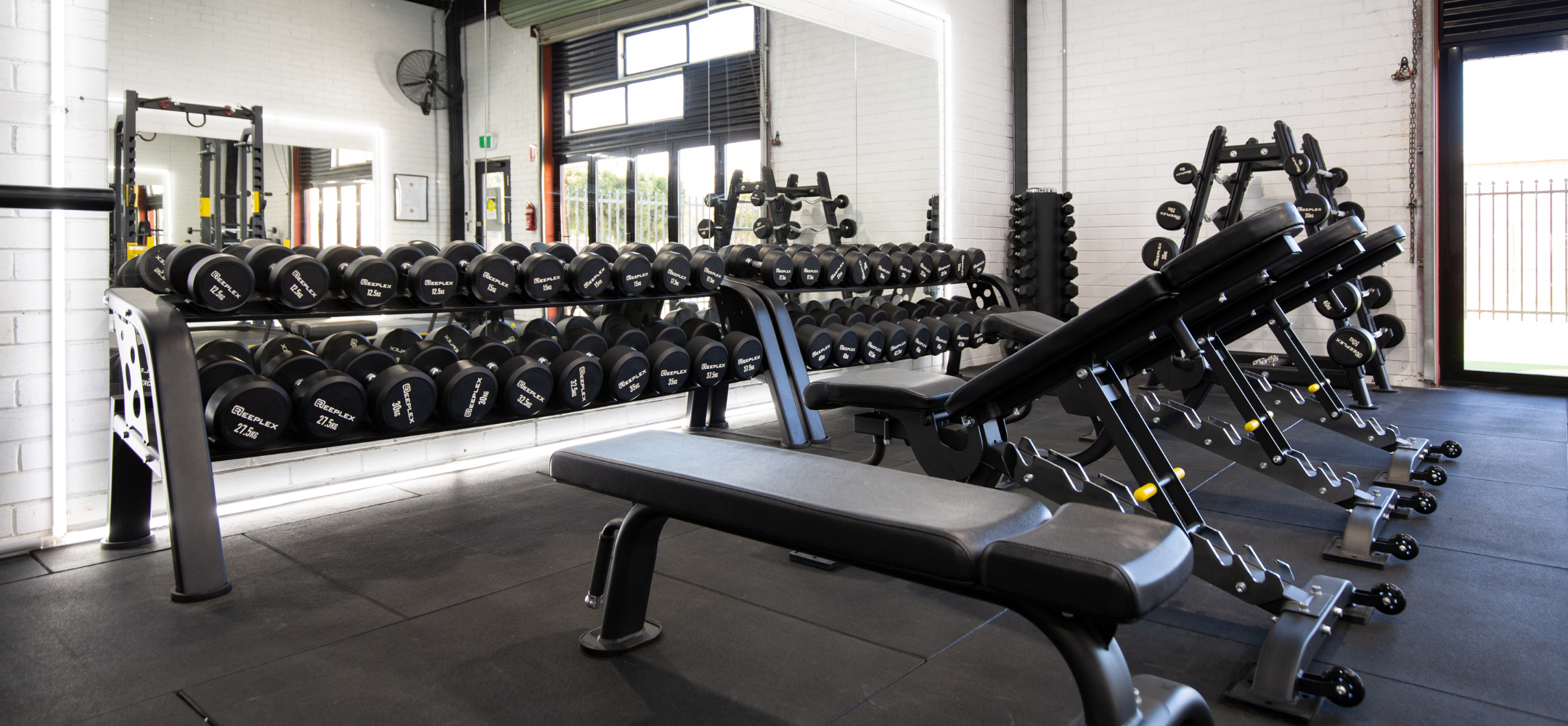
At Dynamo Fitness, our adjustable bench range is built to last and backed by genuine expertise. We stock options for every training level and budget, from compact home gym FID benches through to commercial-grade units designed for heavy daily use.
- Flexible delivery available on qualifying orders across Australia.
- Buy Now, Pay Later options at checkout so you can get set up without the upfront cost.
- Expert team available in-store and online seven days a week.
- Showrooms across Australia where you can try benches in person before you buy.
- Full range available with detailed specs, weight capacities, and dimensions for every model.
Shop our full range of adjustable weight benches online or visit your nearest Dynamo Fitness showroom today.
>Adjustable Weight Benches - FAQs
A flat bench is fixed in a single horizontal position. An adjustable bench features a movable backrest that can be set to multiple angles, including incline, flat, and often decline. The flat bench is simpler and often more affordable, but it limits you to exercises performed at a single angle. An adjustable bench, particularly an FID (Flat, Incline, Decline) model, dramatically expands your exercise options by allowing you to shift the angle of the bench to target different muscle groups, making it a far more versatile choice for most home gym setups.
FID stands for Flat, Incline, and Decline. An FID bench is an adjustable weight bench that can be set to a flat horizontal position, multiple incline angles (typically from 15 degrees up to 85 or 90 degrees), and a decline position below flat. FID benches are the most versatile type of adjustable bench available and are the standard recommendation for home gym users who want one bench that covers the full range of training positions and exercises.
Weight capacity varies by model. Entry-level adjustable benches are typically rated for 150 to 200kg, which is adequate for most dumbbell work. Mid-range models handle 200 to 300kg, suitable for intermediate lifters using both dumbbells and lighter barbell work. Commercial-grade benches are rated for 350 to 500kg or higher, covering heavy barbell pressing for even the strongest home gym users. Always check the stated weight capacity of any bench before purchasing and ensure your body weight plus planned load falls comfortably within that rating with some margin to spare.
Yes, but you will need a compatible power rack, squat rack, or bench press rack with safety catches to perform barbell pressing safely. The bench slides inside the rack frame, and the safety bars catch the barbell if you fail a rep. When pairing a bench with a rack, check that the bench dimensions fit inside your rack's footprint. Some Olympic benches come with an integrated barbell rack already built in, which is a purpose-built option for users focused primarily on barbell bench pressing.
The most commonly used incline angle is 30 to 45 degrees, which targets the upper chest and front deltoids while keeping the load manageable. A 30-degree incline places slightly more emphasis on the upper chest compared to a 45-degree angle, which shifts more of the load onto the front deltoids. Higher incline angles above 60 degrees start to resemble an overhead press movement rather than a chest exercise. For standard incline pressing, start at 30 to 45 degrees and experiment from there based on your training goals.
Yes, for most home gym setups an adjustable bench is one of the highest-value purchases you can make. It multiplies the utility of dumbbells, barbells, and cable machines by opening up incline, decline, and seated exercise variations from a single piece of equipment. Compared to buying separate benches for each function, a single quality FID bench covers every major free weight position at a fraction of the cost and space. If you are building a home gym and can only buy one bench, make it an adjustable one.
Add your body weight to the maximum dumbbell or barbell load you plan to lift, then choose a bench rated at least 20 to 30 percent above that combined figure for a safety margin. For example, if you weigh 90kg and plan to press up to 80kg total load, you are looking for a bench rated at around 200 to 250kg minimum. Beginners who are starting with lighter loads can often get by with a 150 to 200kg bench, but it is worth buying with future progression in mind. Moving up in strength and having to replace a bench that cannot handle the load is an avoidable expense.
Regular maintenance is straightforward and takes only a few minutes. Wipe down the pads after each session to remove sweat and prevent material degradation. Check and tighten all bolts monthly, as regular use vibration gradually loosens fasteners over time. Inspect the pad covering periodically for wear, particularly at seams and adjustment pivot points. Lubricate the adjustment pins and moving parts as recommended by the manufacturer, and store the bench in a dry environment away from direct sunlight when not in use. These habits extend the working life of the bench significantly and keep it safe to use under load.


