



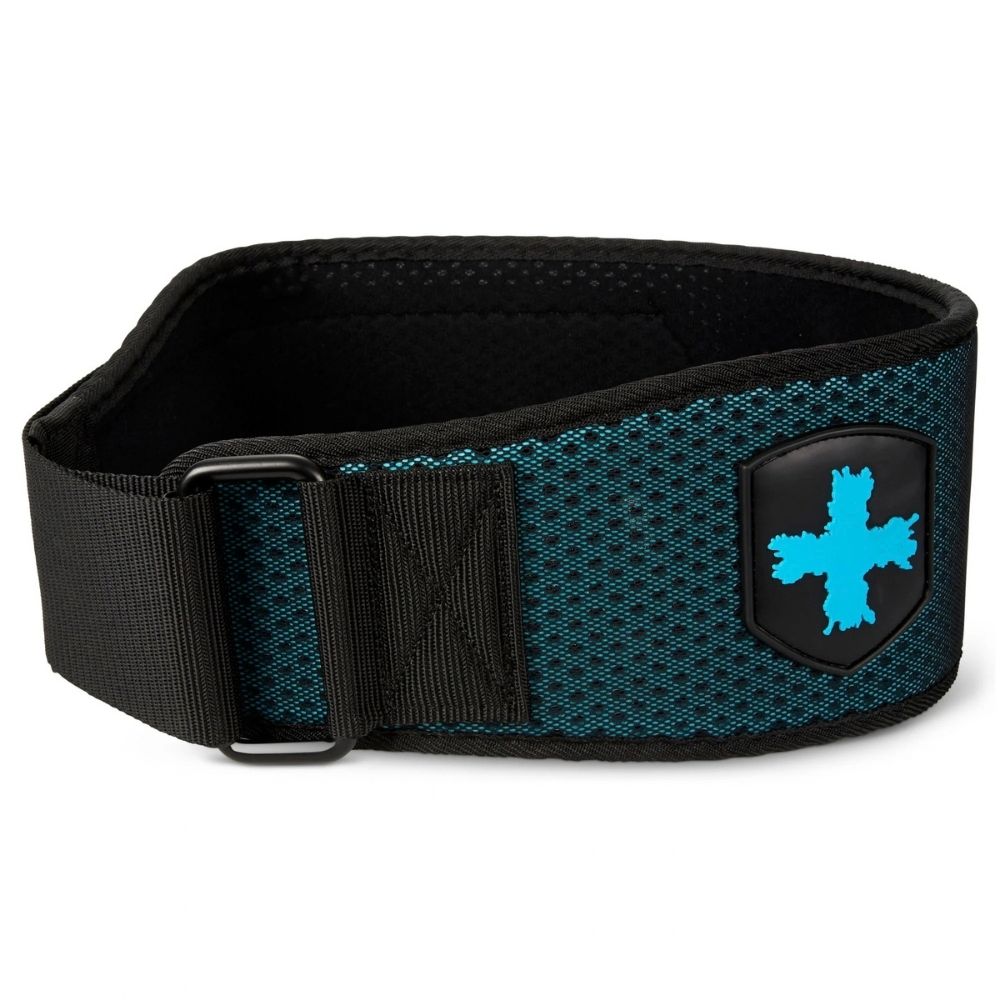
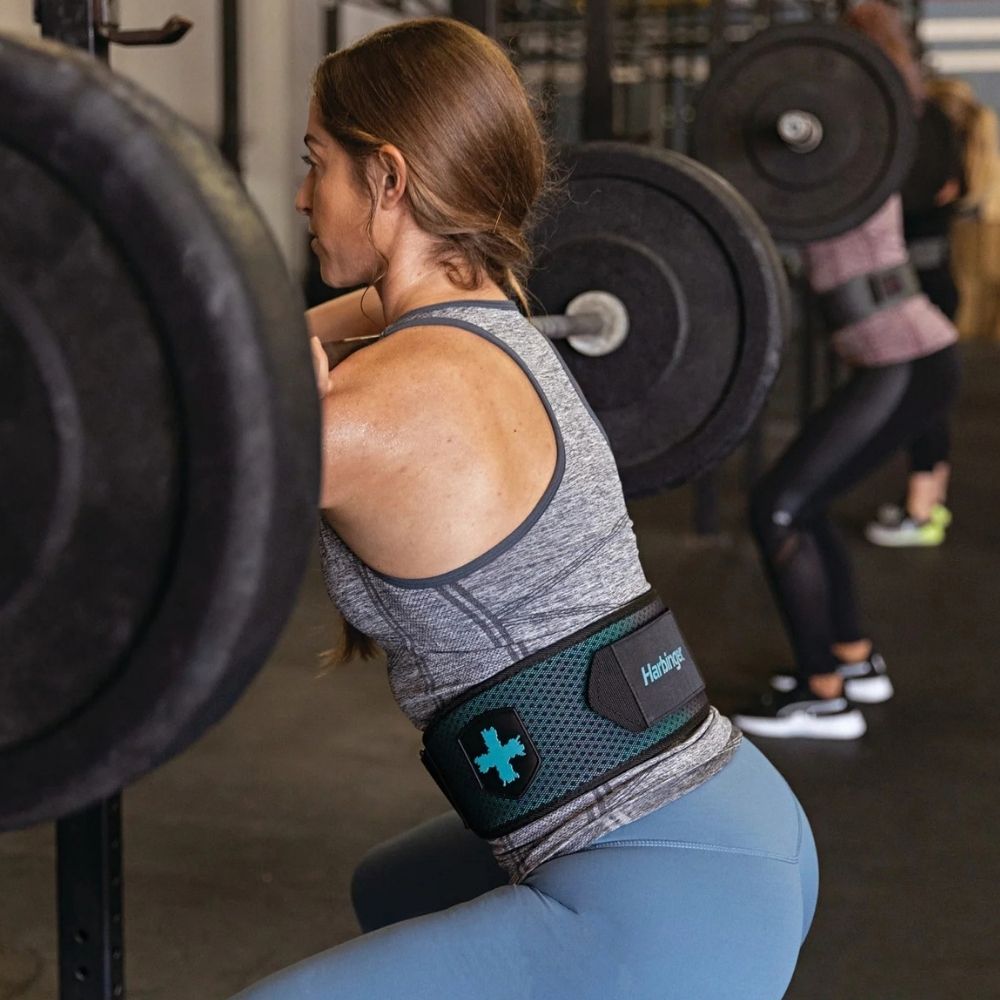


A weightlifting belt helps you brace harder on heavy squats, deadlifts and overhead presses. Our range covers 10mm lever and prong powerlifting belts, leather training belts, quick-release velcro belts, belts designed for women and dip belts for weighted pull-ups and dips, so there is a belt for every lifter and every budget.
Types of Weightlifting Belts
Lever Belts
A lever buckle snaps shut at the same tightness every time and releases in a second between sets. Paired with 10mm thick leather, a lever belt is the go-to choice for powerlifters and anyone squatting or deadlifting heavy.
Prong Belts
A prong belt uses a traditional single-prong buckle with the same stiff 10mm construction as a lever belt. It is easier to adjust on the fly if your waist size changes or you want it slightly looser for some lifts, making it a versatile pick for strength training.
Leather Training Belts
Classic leather belts in 4 inch and 6 inch widths give solid lower back support for general gym training and bodybuilding. Padded versions add a softer lining for comfort on longer sessions. A 4 inch belt suits most lifters, while a 6 inch back panel gives extra coverage across the lower back.
Velcro and Foam Core Belts
Lightweight foam core belts with a hook-and-loop closure are quick to adjust and flexible enough for Olympic lifting, CrossFit-style workouts and circuits where you move between exercises fast.
Weightlifting Belts for Women
Belts designed for women have a contoured shape and smaller sizing for a better fit at the natural waist, so the belt supports your brace without digging into the hips or ribs.
Dip Belts
A dip belt lets you hang a weight plate or kettlebell from a chain for weighted dips, pull-ups and chin-ups. Choose leather for durability or a lighter webbing belt for comfort.
How to Choose a Weightlifting Belt
Pick a Stiff Belt for Heavy Lifting
For heavy squats and deadlifts, a stiff 10mm belt with an even width all the way around gives your core the most to push against. Tapered and padded belts are more comfortable for general training and lighter work.
Get the Right Size
Measure around your waist where the belt will sit, usually at or just above the belly button, rather than going by your pants size. Then compare it with the size chart on the product page. Lever belts adjust less easily than prong or velcro belts, so getting the size right matters most there. If you're between sizes, our team can help.
Complete Your Lifting Kit
Most lifters pair a belt with lifting straps for grip on heavy pulls and wrist wraps for pressing. Browse our lifting straps and wrist wraps, or see the full range of lifting accessories.
Try a Belt On In Store
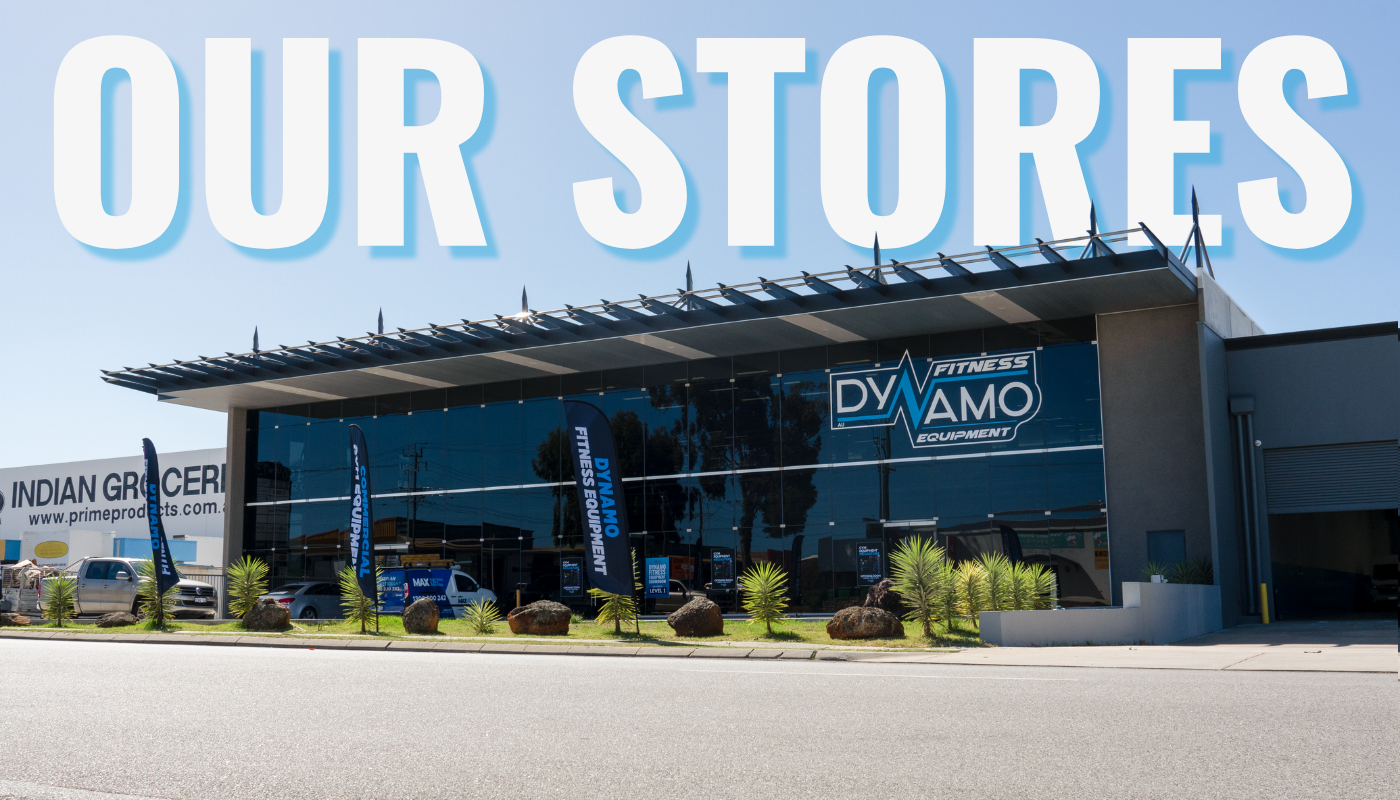
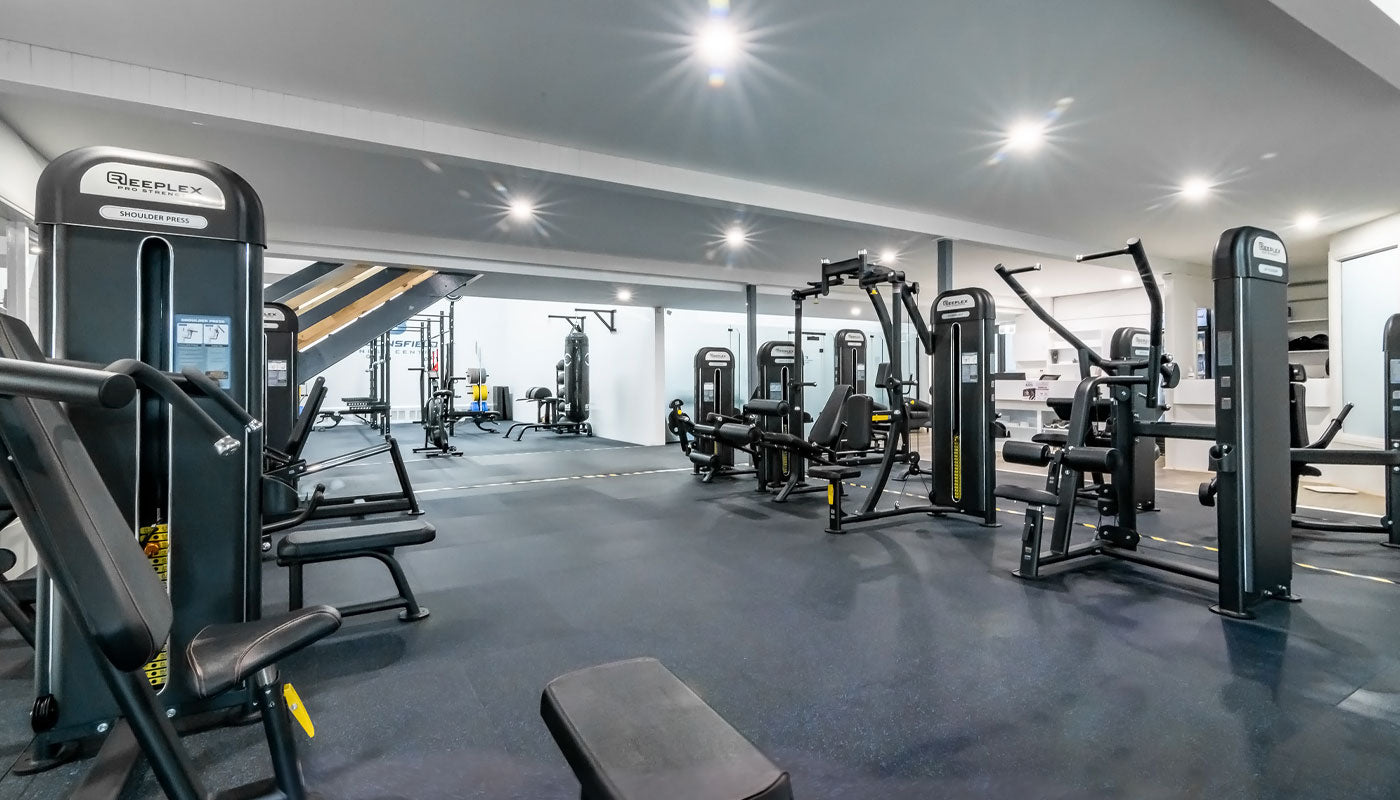
The best way to get the fit right is to try a belt on. Visit any of our 14 showrooms across Australia:
- Perth — Osborne Park, Success & Malaga
- Melbourne — Keysborough, Somerton, Truganina & Preston
- Sydney — Seven Hills & Yagoona
- Brisbane — Brendale & MacGregor
- Adelaide — St Marys & Holden Hill
- Gold Coast — Labrador
Can't make it in? We deliver Australia-wide. See shipping details or contact our team for sizing help.
Weightlifting Belt FAQs
You don't need a belt to start lifting, but it helps once you are squatting, deadlifting or pressing heavy loads. A belt gives your core something to brace against, which increases pressure in your abdomen and helps keep your spine stable. Build good bracing technique first, then add a belt for your heaviest sets.
Measure around your waist where the belt will sit, usually at or just above the belly button, with a soft tape measure. Don't use your pants size, as most people wear pants lower on the hips. Match that measurement to the product's size chart, or try one on at a showroom.
Both give the same support when they are the same thickness. A lever belt locks at the same tightness every time and is faster to take on and off between sets. A prong belt is easier to adjust if your waist size changes or you want different tightness for different lifts.
A 10mm belt suits most lifters, from beginners getting into heavy training through to competitive powerlifters. It is stiff enough for maximum support but still comfortable to wear and quick to break in. Thinner leather or foam belts work well for general training, bodybuilding and faster-paced workouts.
Tight enough that you can just slide a flat hand between the belt and your stomach. You should be able to take a big breath and push your stomach out into the belt. If you can't breathe into it, it's too tight; if it doesn't press back when you brace, it's too loose.
Yes. Women's weightlifting belts have a contoured shape and smaller sizing so they sit comfortably at the natural waist without pressing into the hips or ribs. Many women also wear a standard 4 inch belt in a small size, so it's worth checking the size chart for both styles.
A dip belt adds load to bodyweight exercises. You loop a chain through a weight plate or kettlebell and clip it to the belt, then perform dips, pull-ups or chin-ups. It is a simple way to keep progressing once you can do sets of 10 or more with bodyweight alone.