




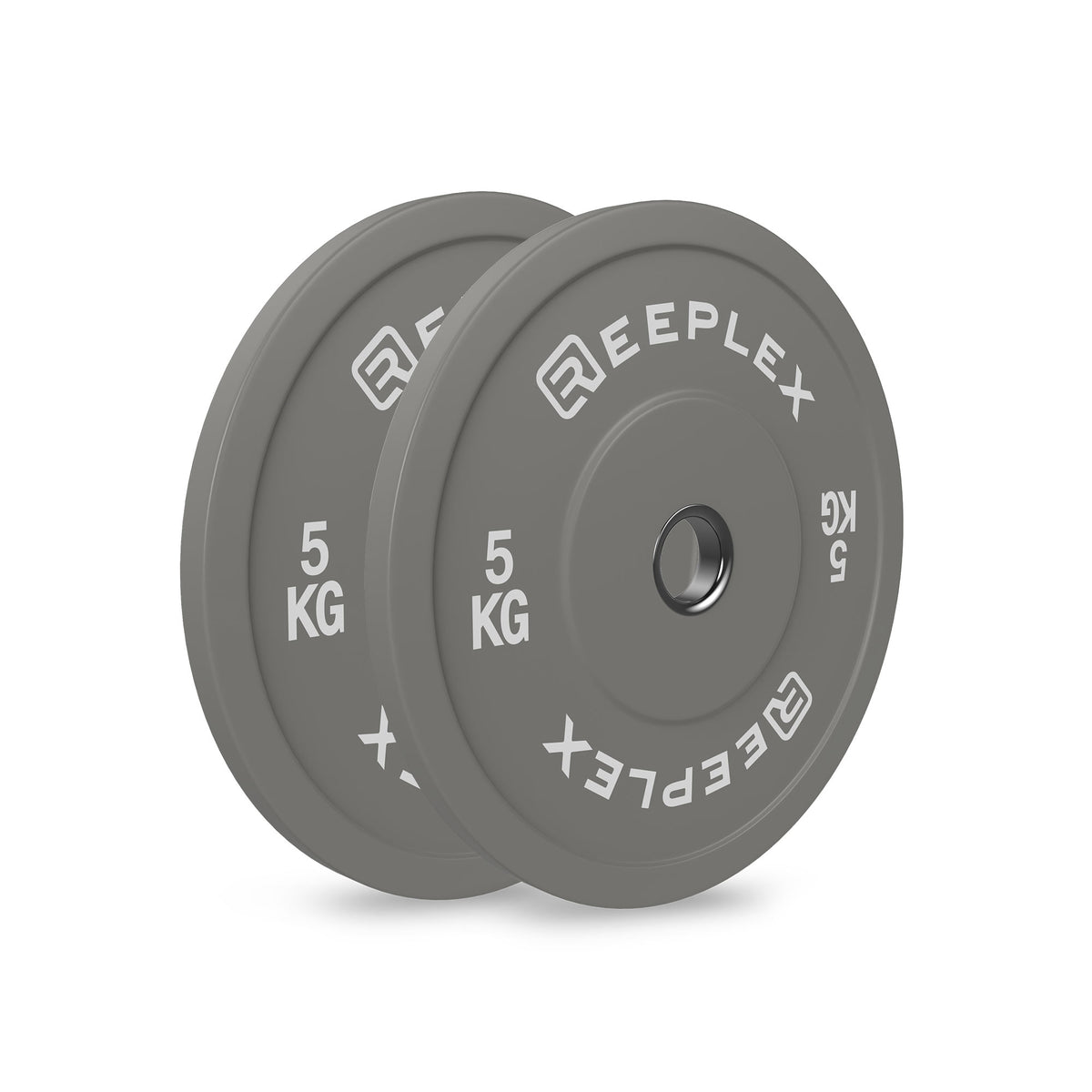
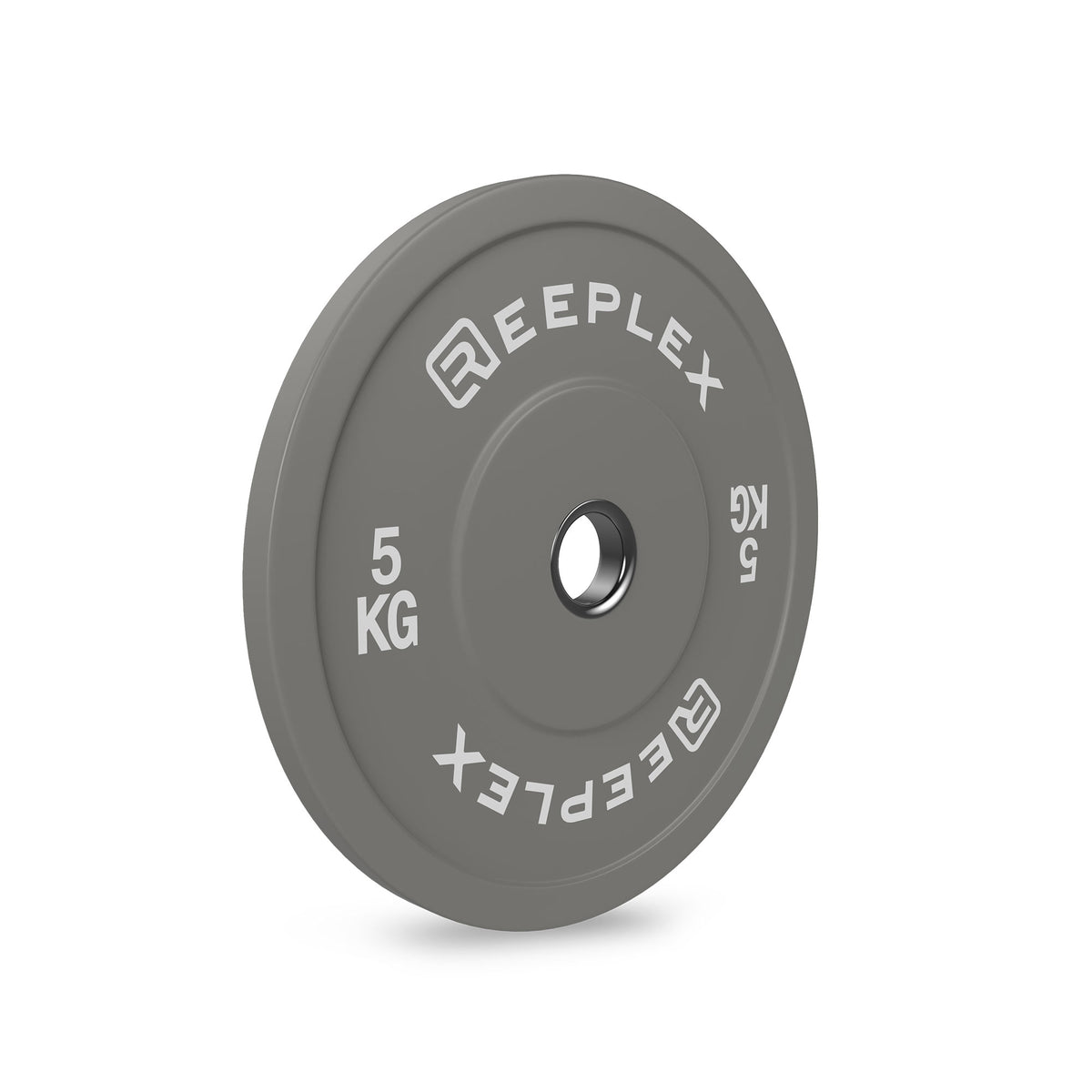
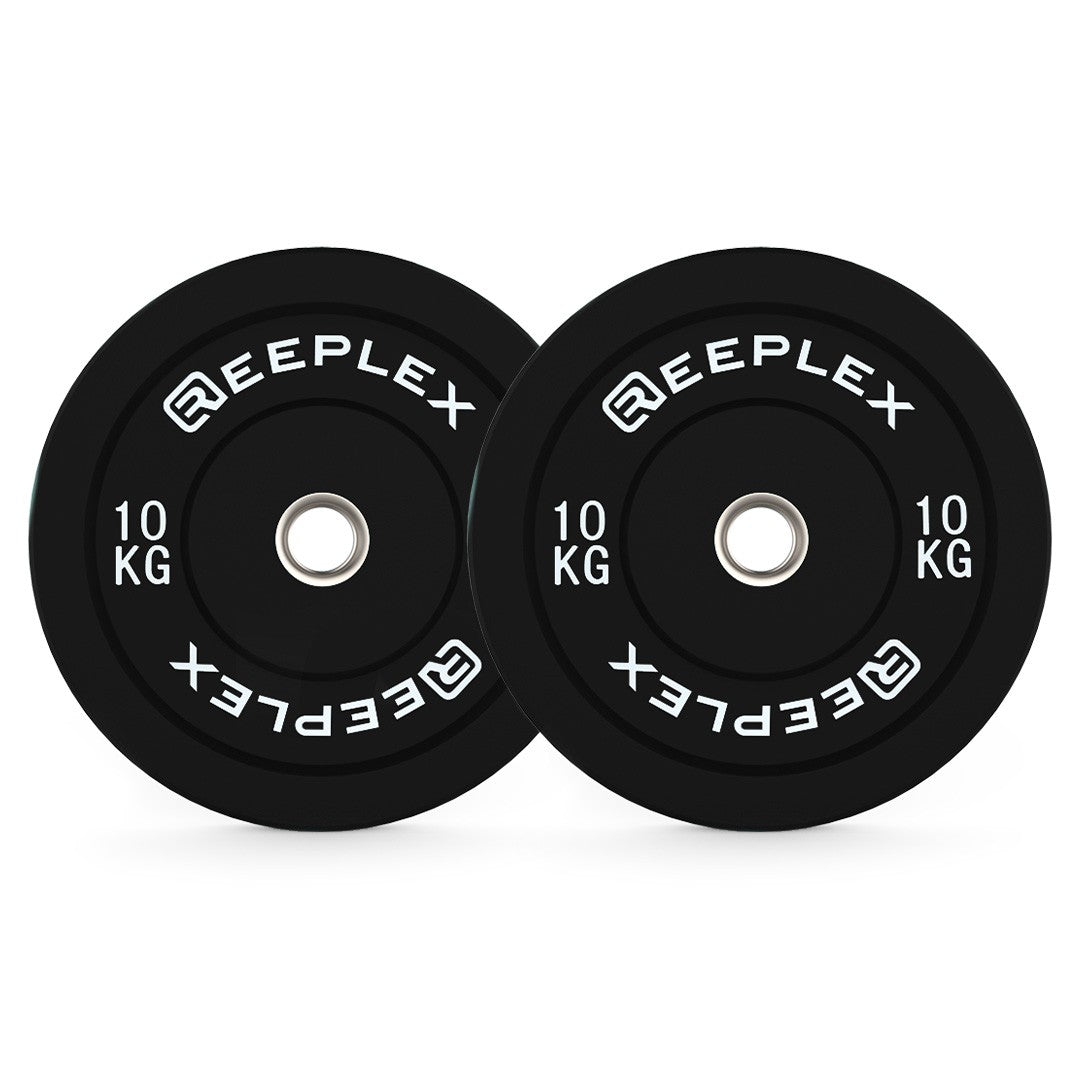
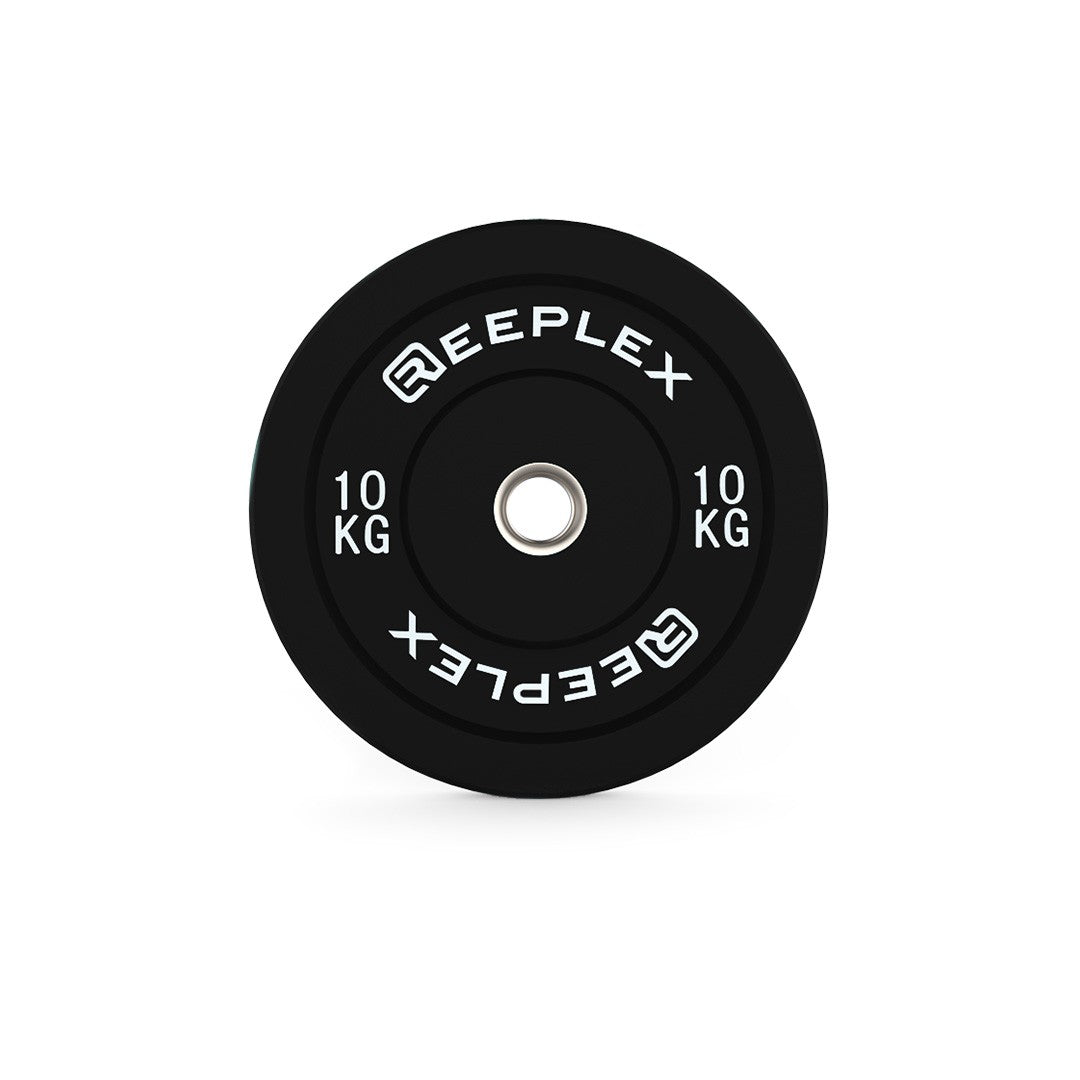
Bumper Plates: The Drop-Safe Plate Designed for Olympic Lifting
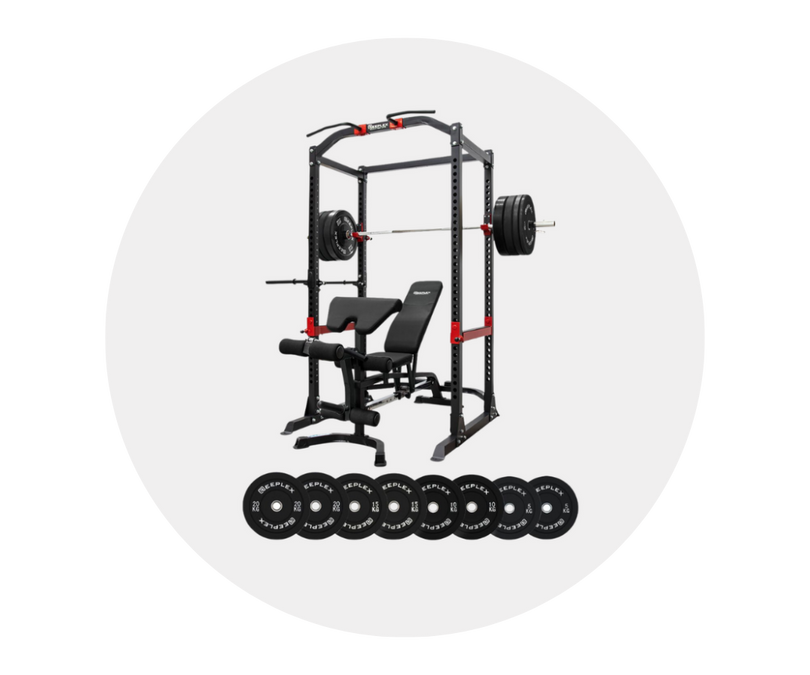
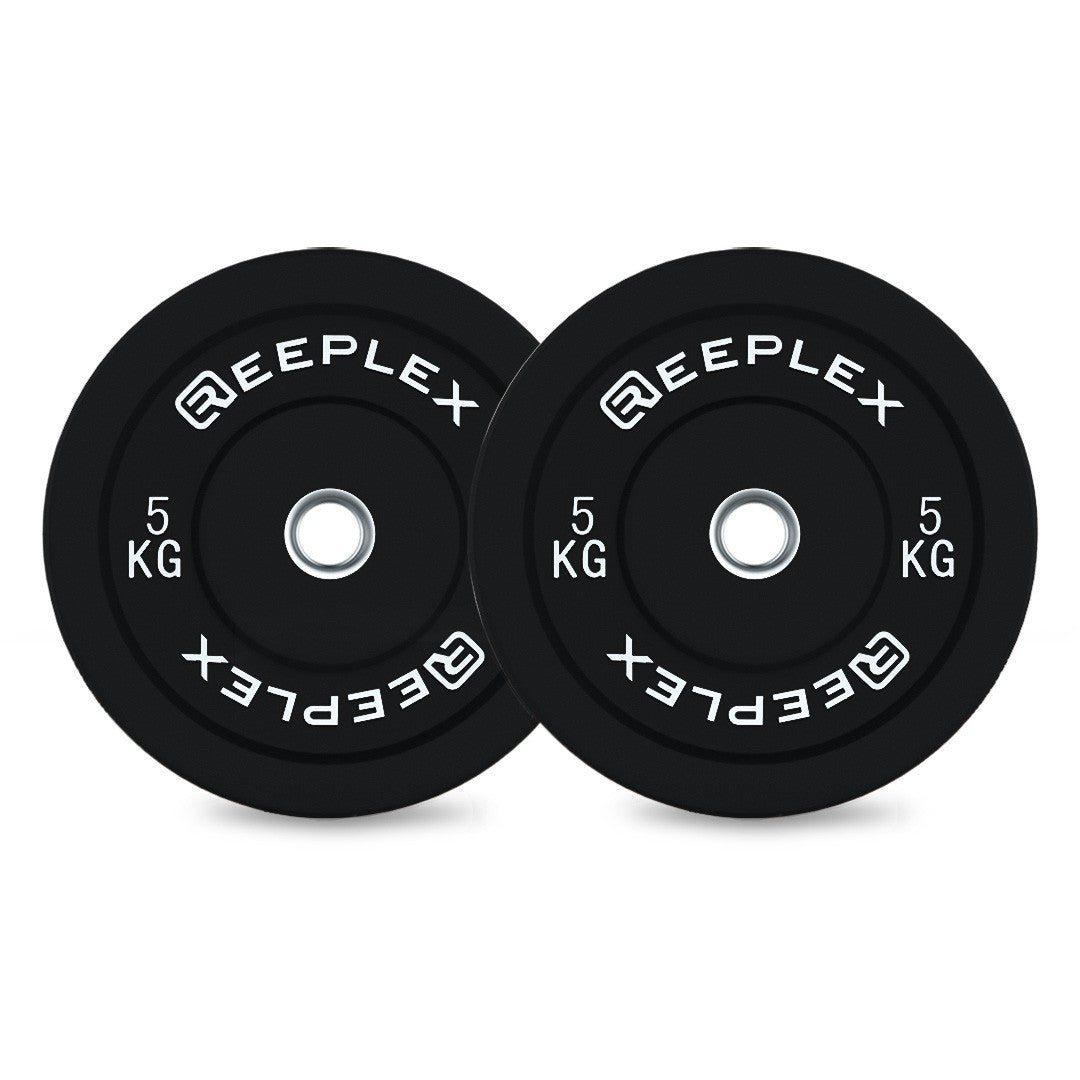
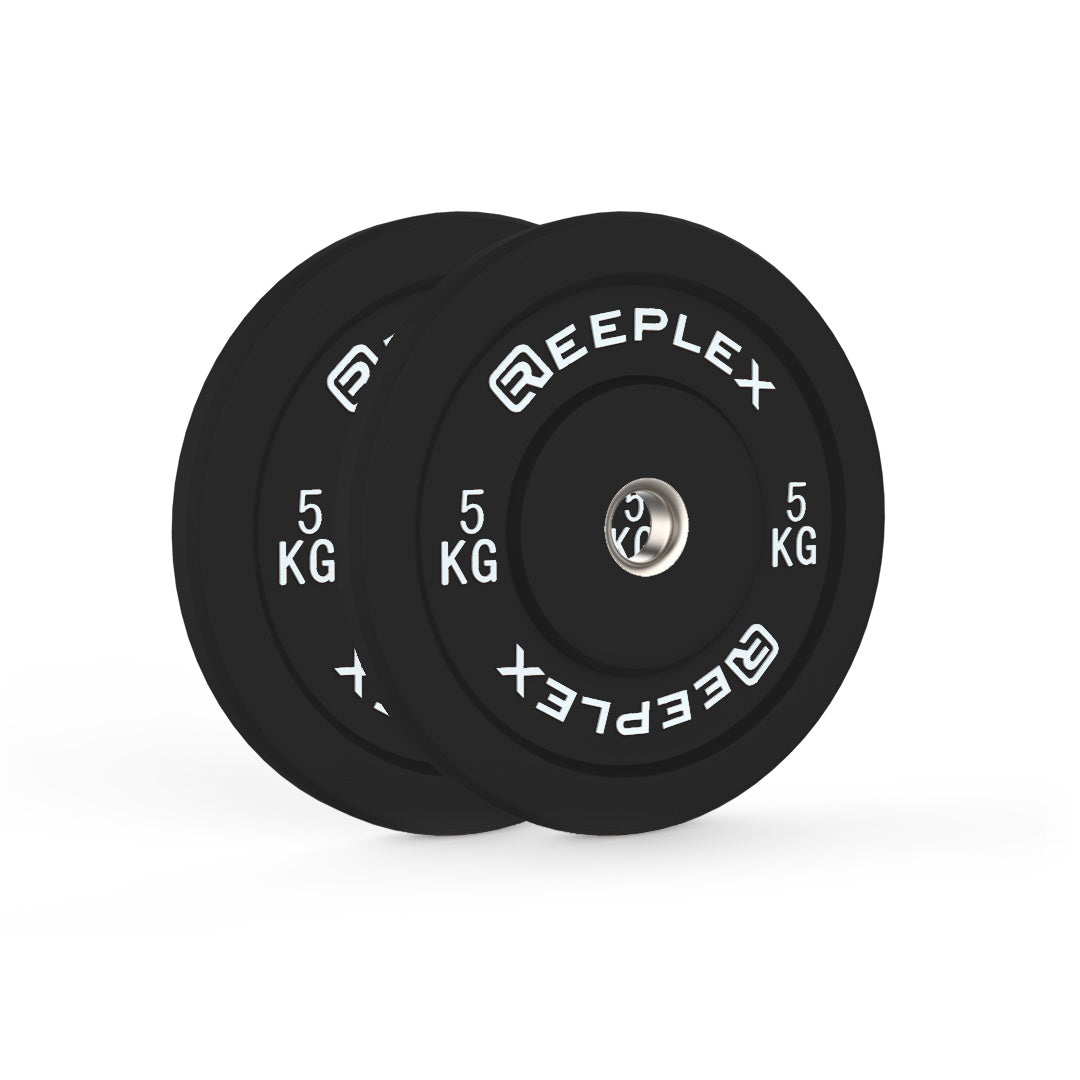
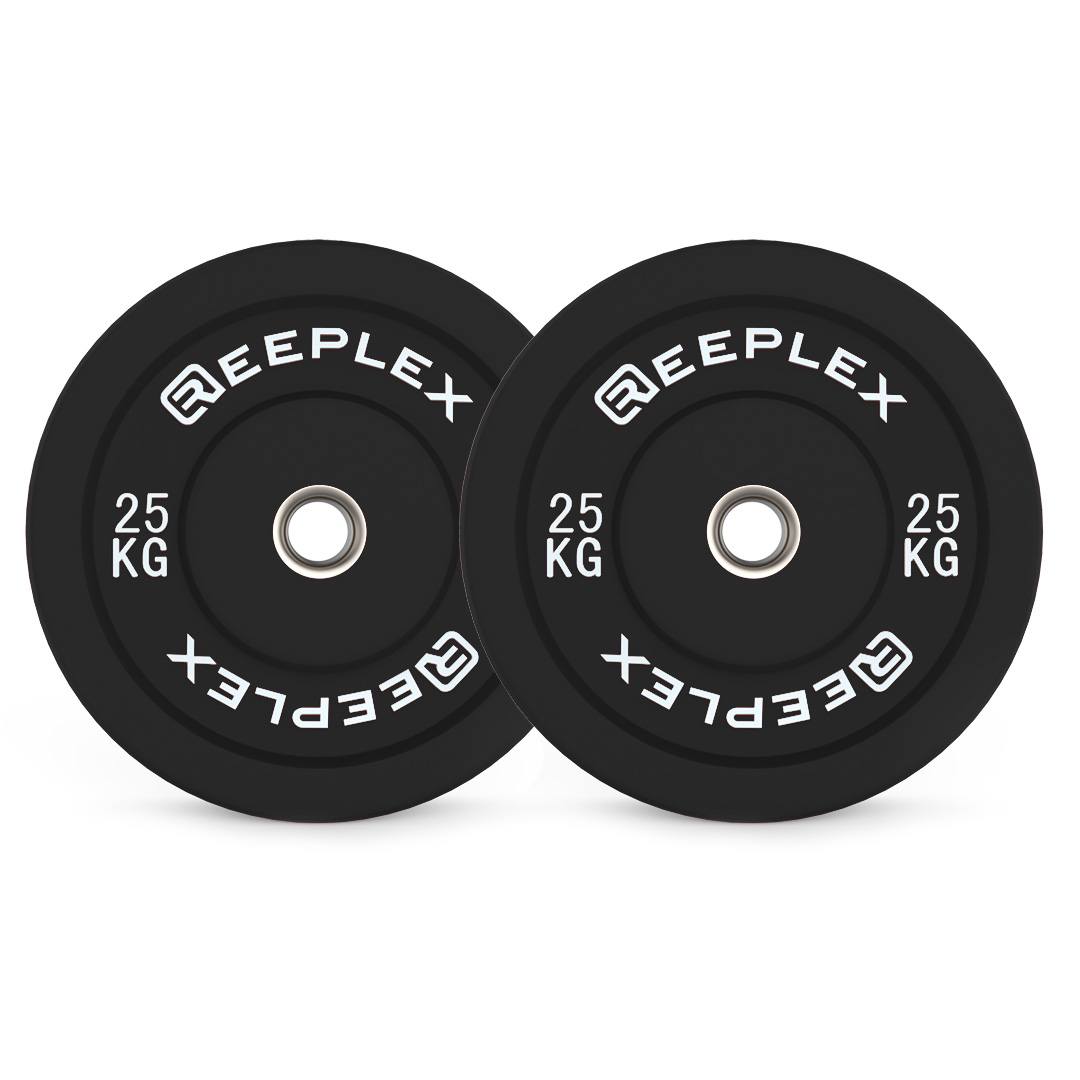
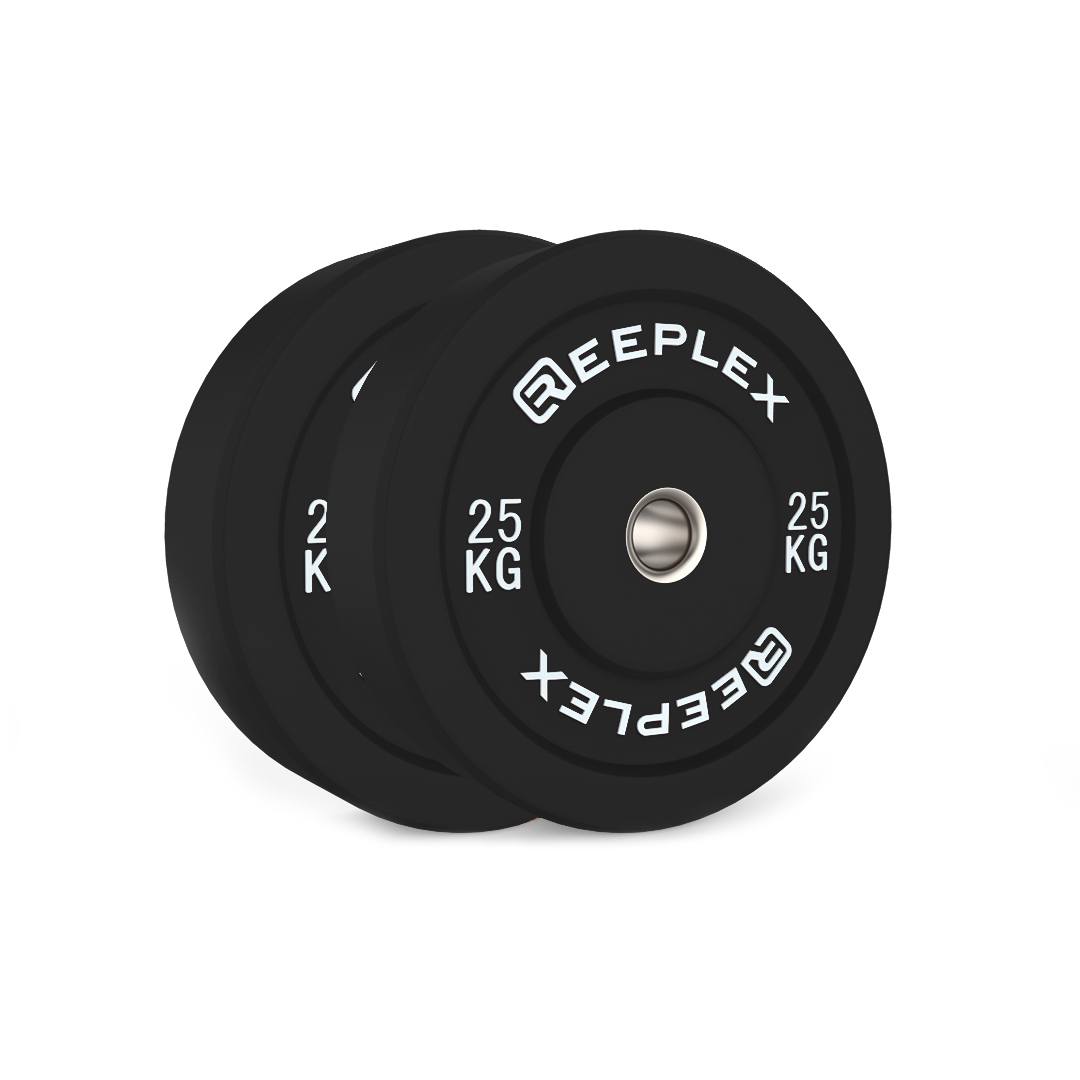
- What they are: Bumper plates are rubber-covered steel plates designed to be safely dropped from overhead without damage.
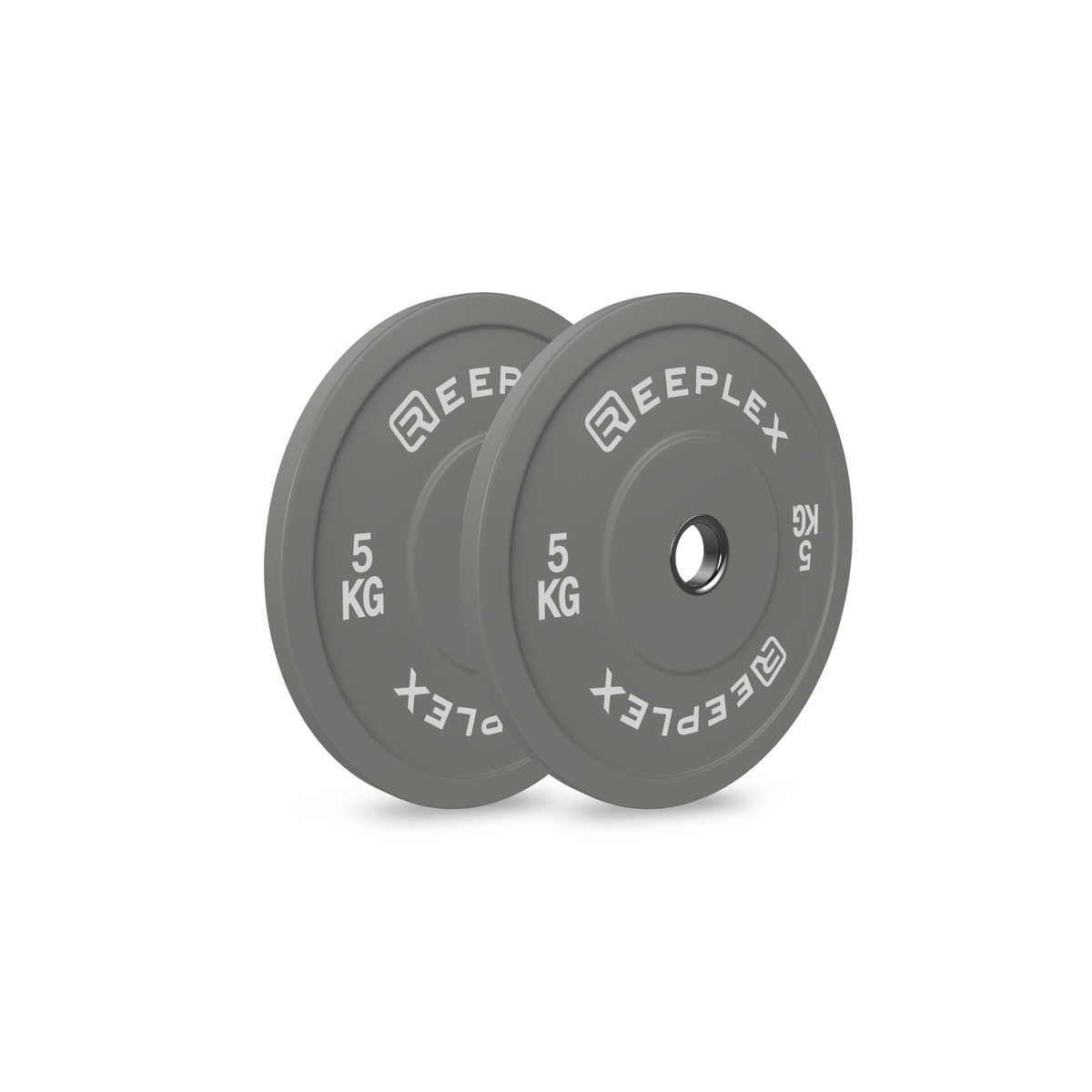
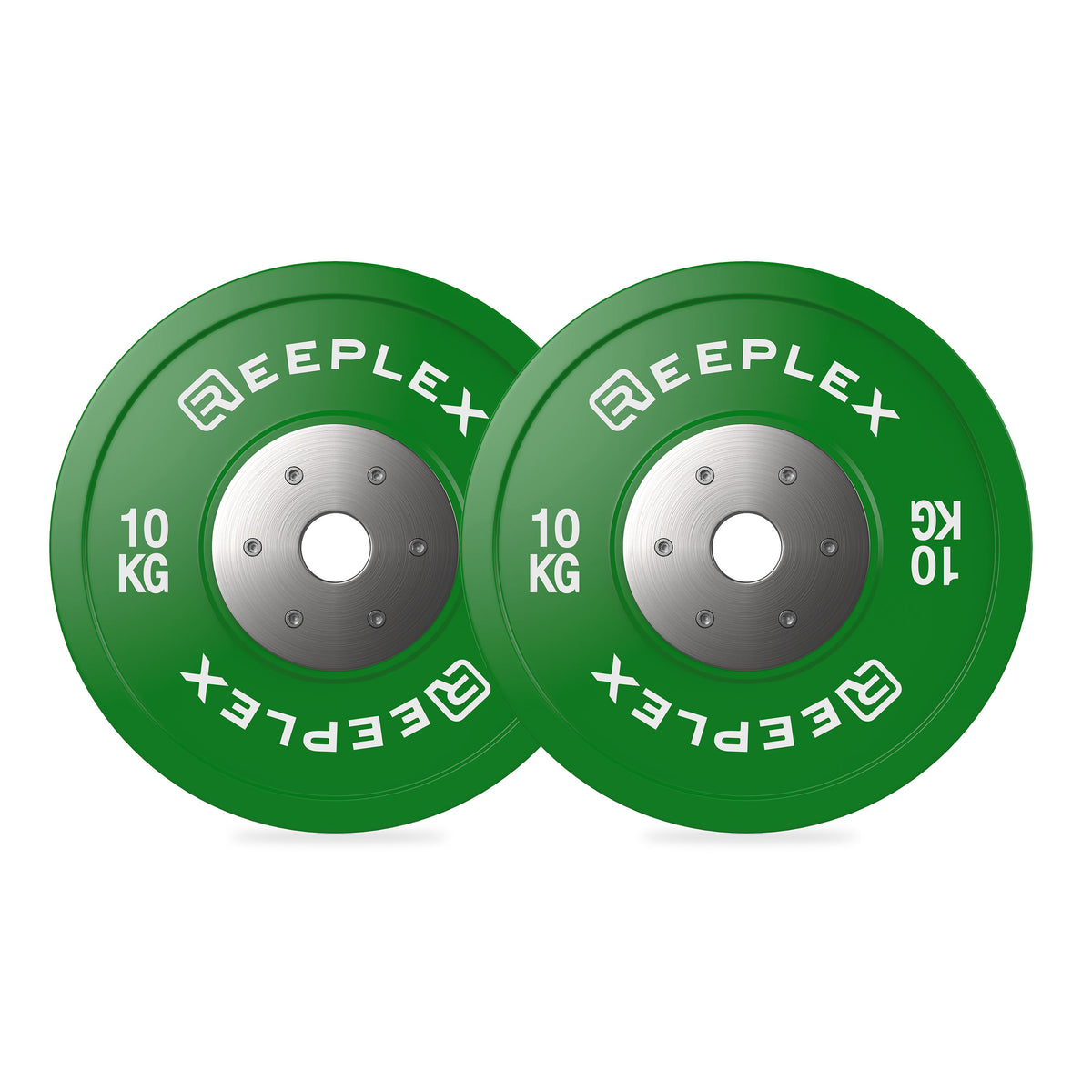
- Standard 50mm hole: All bumper plates feature a standard 50mm hole to fit Olympic barbells and barbell packages.
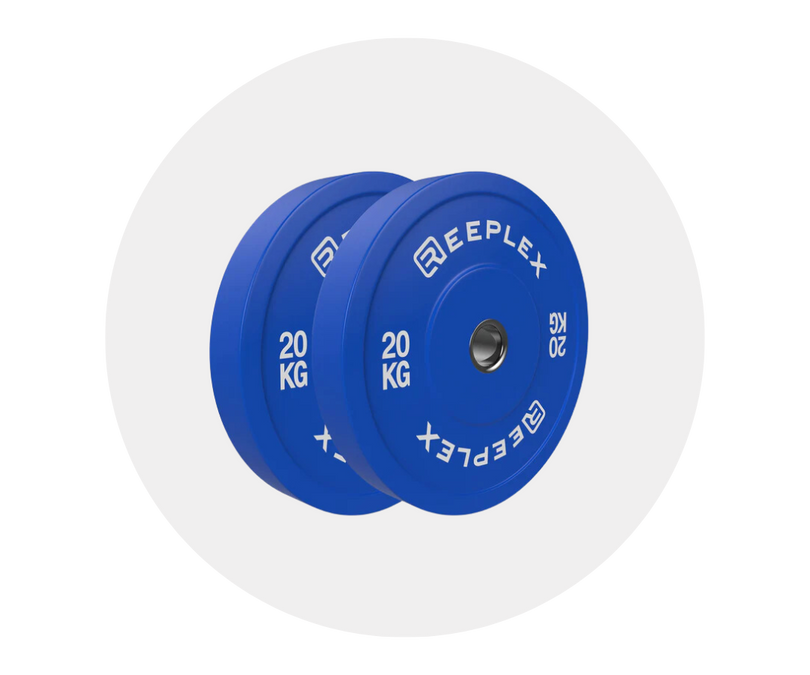
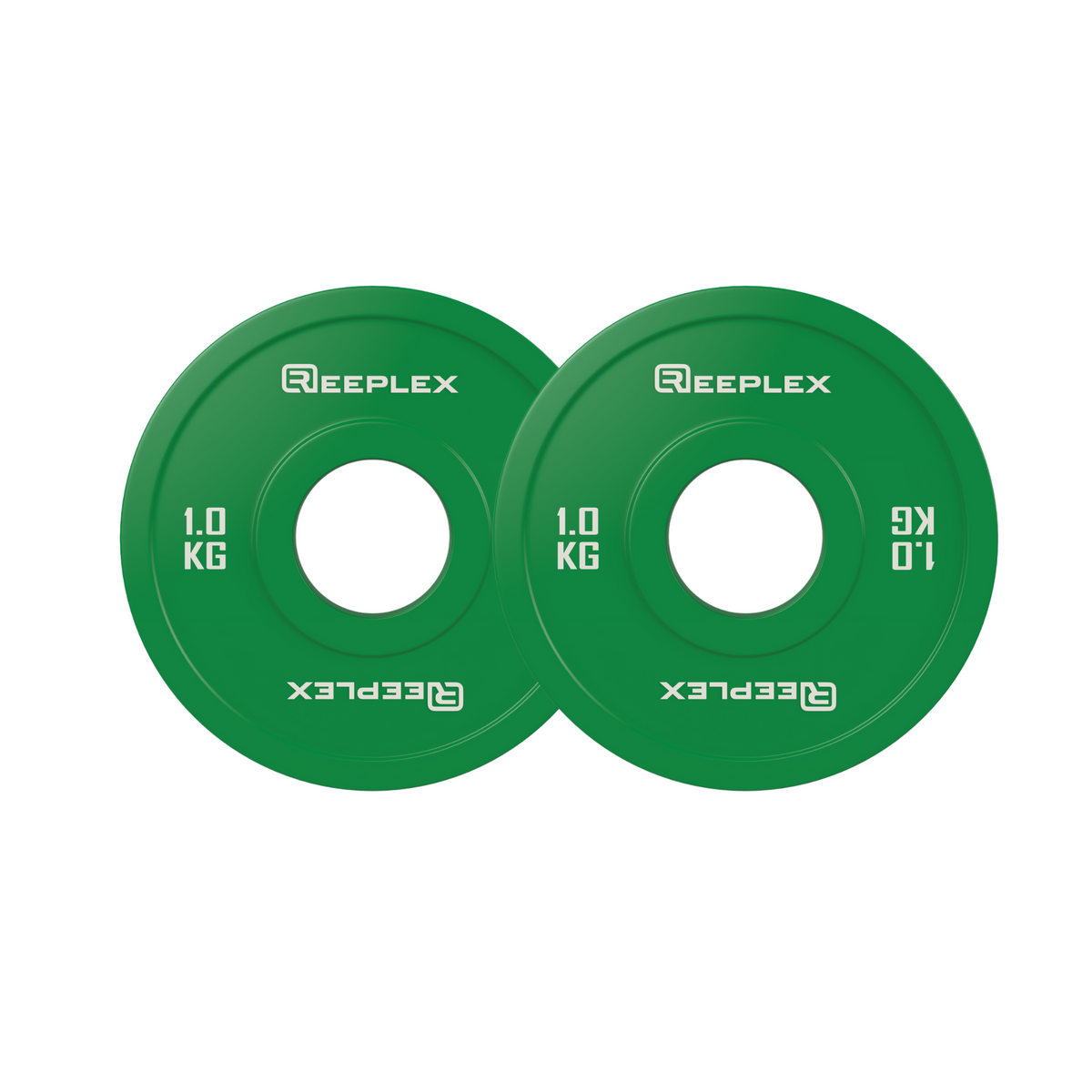
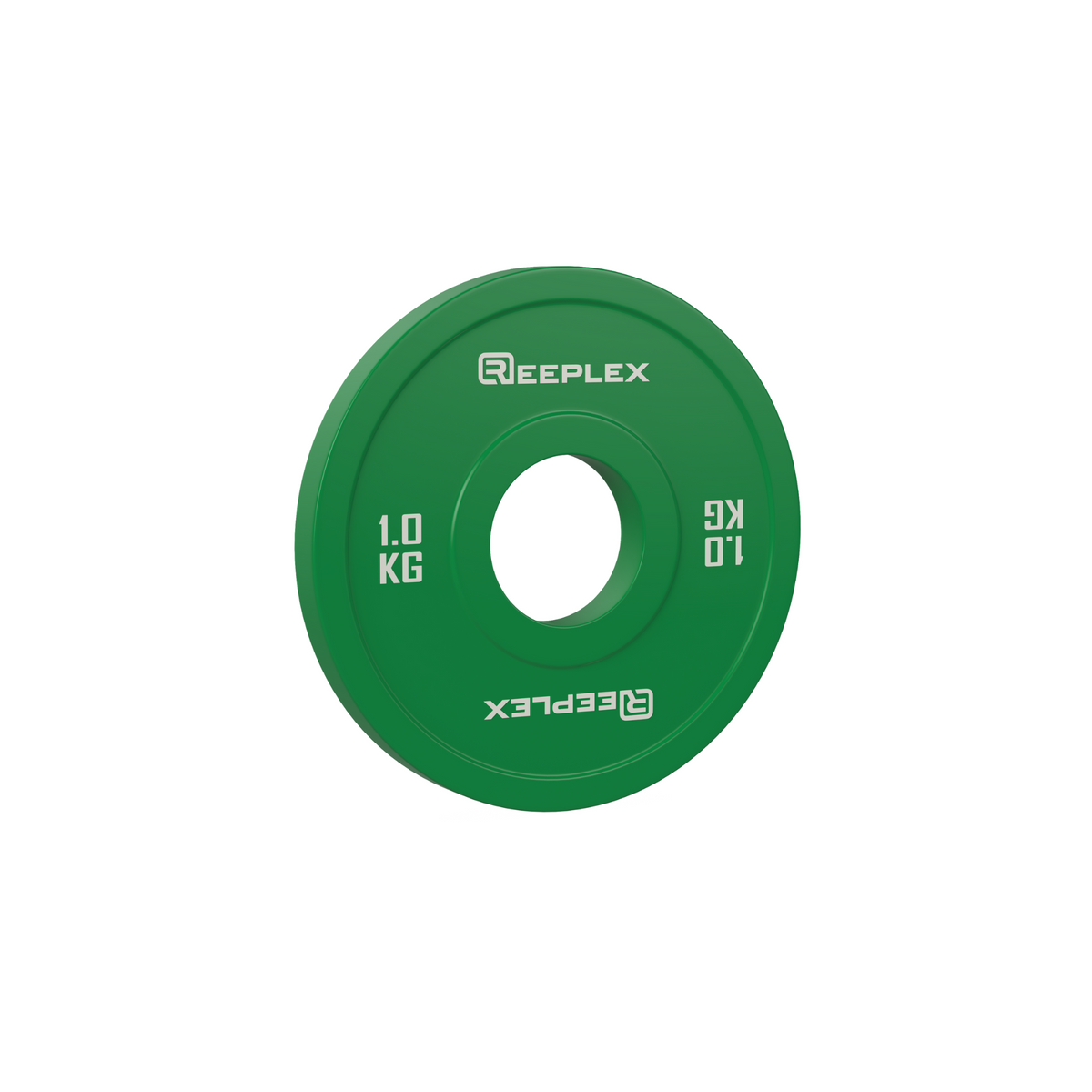
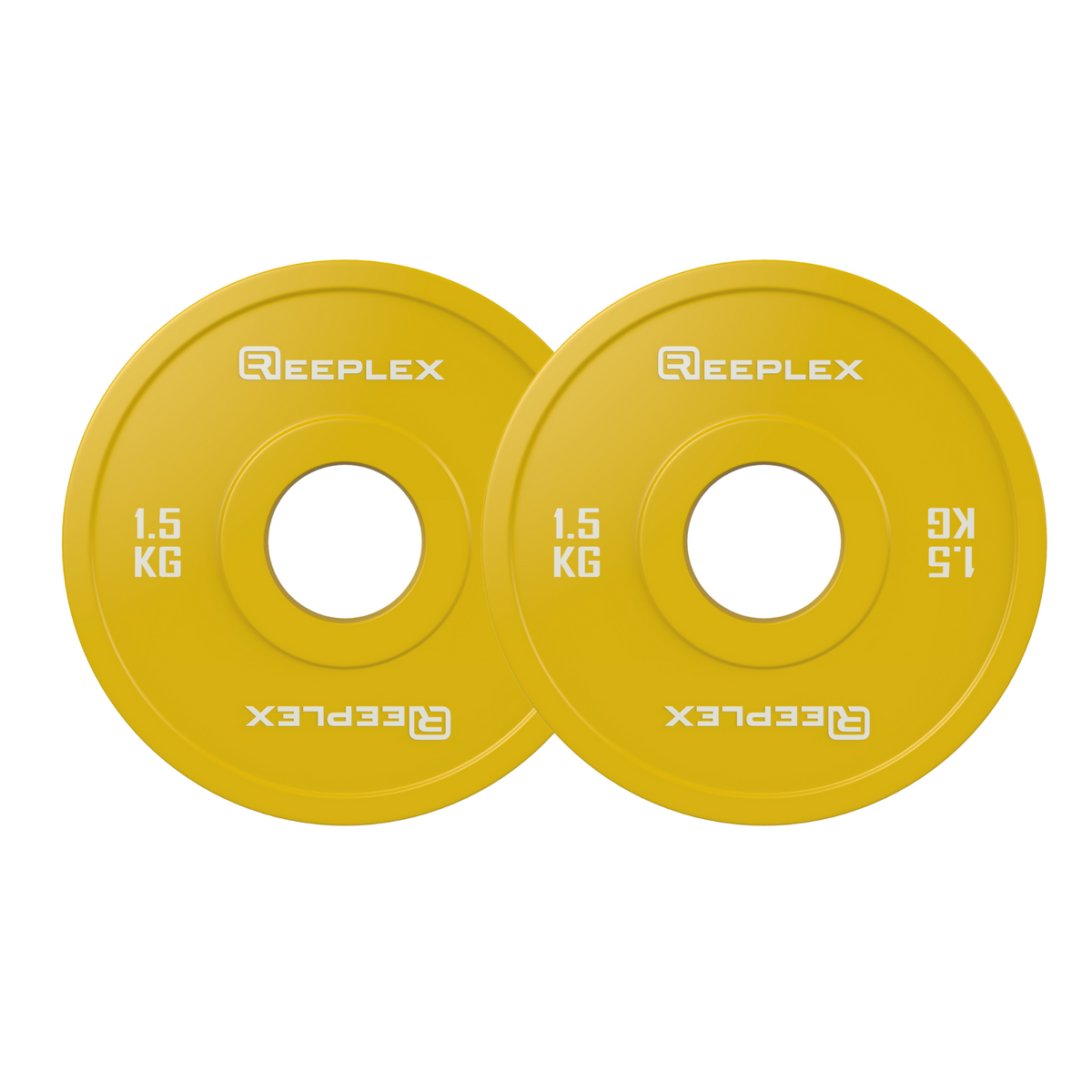
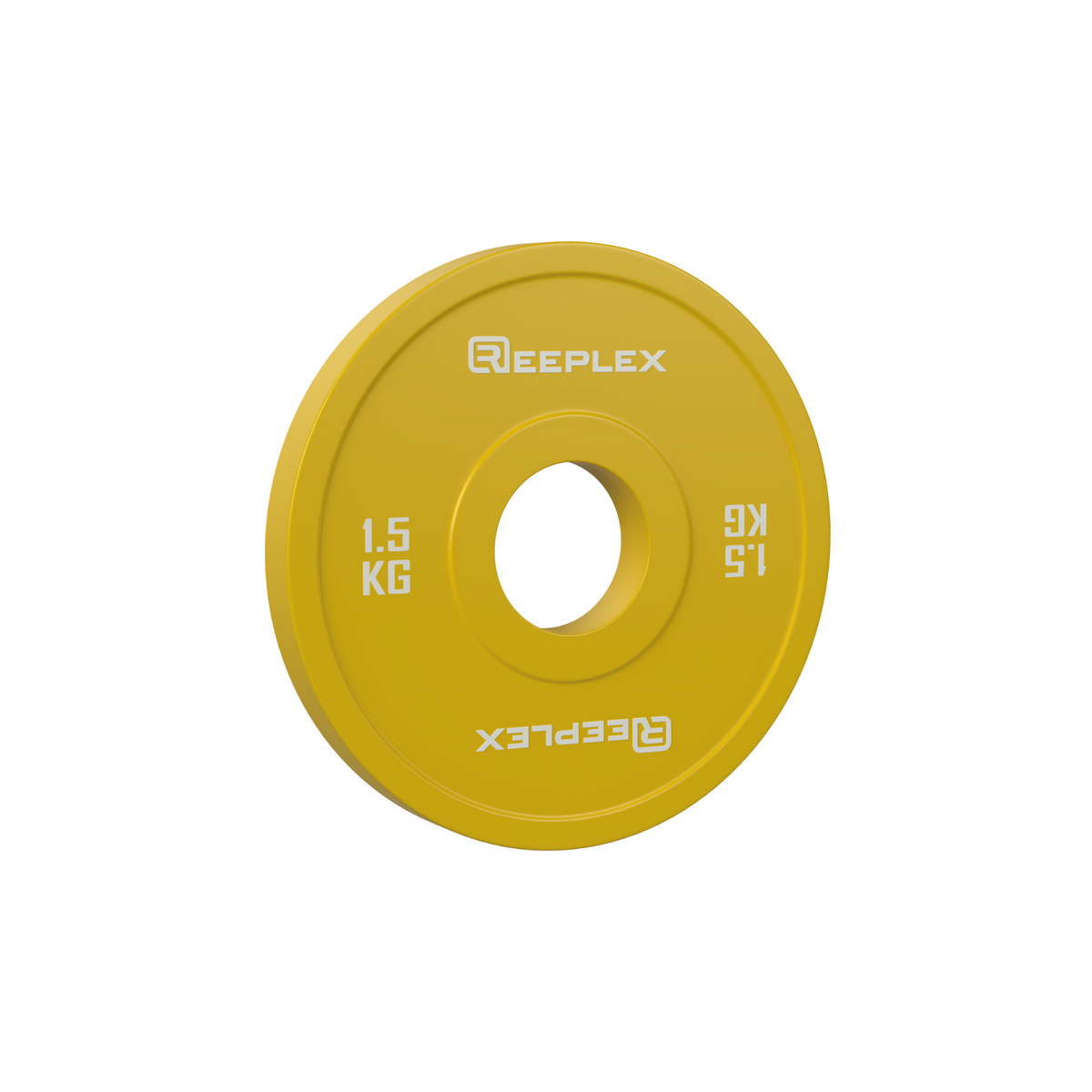
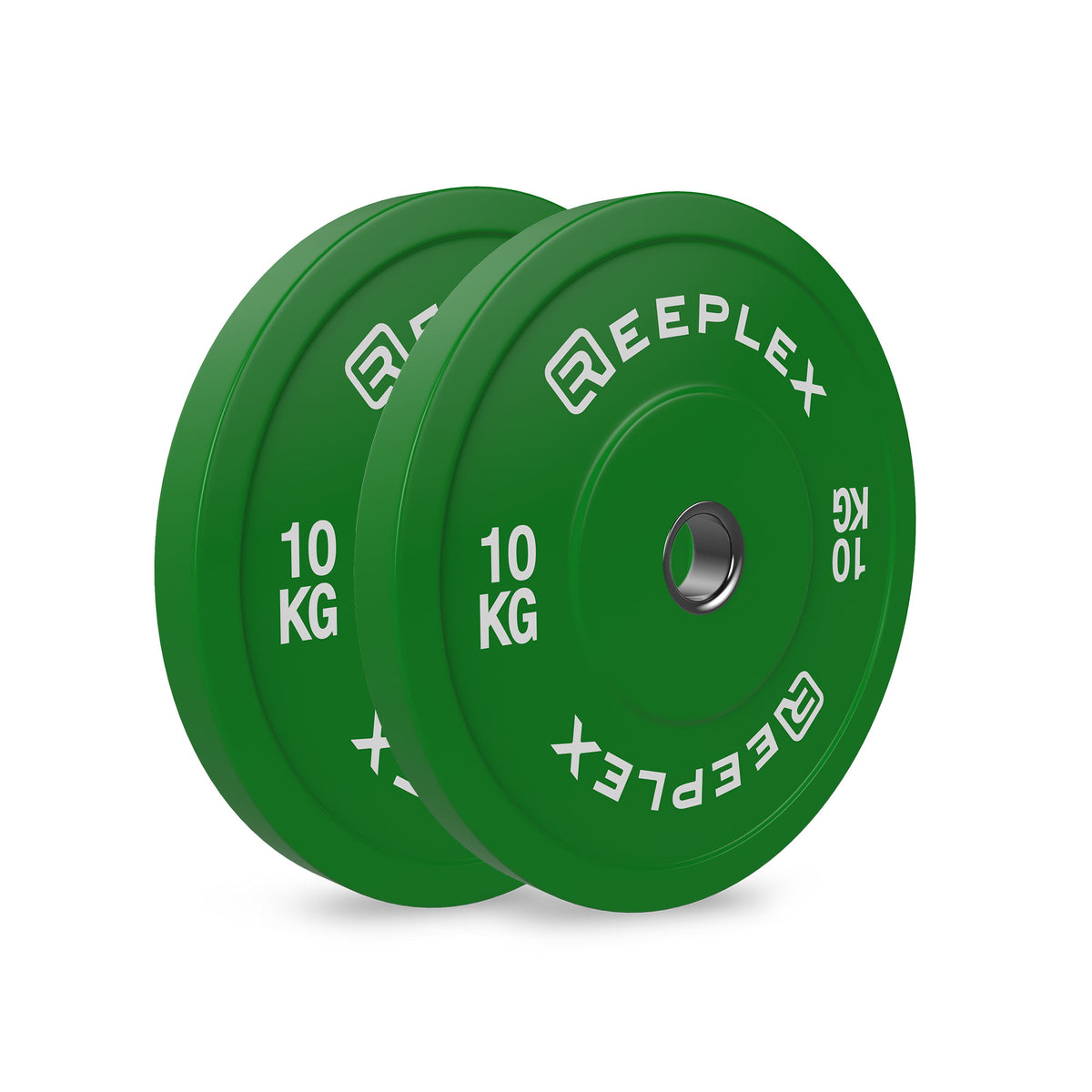
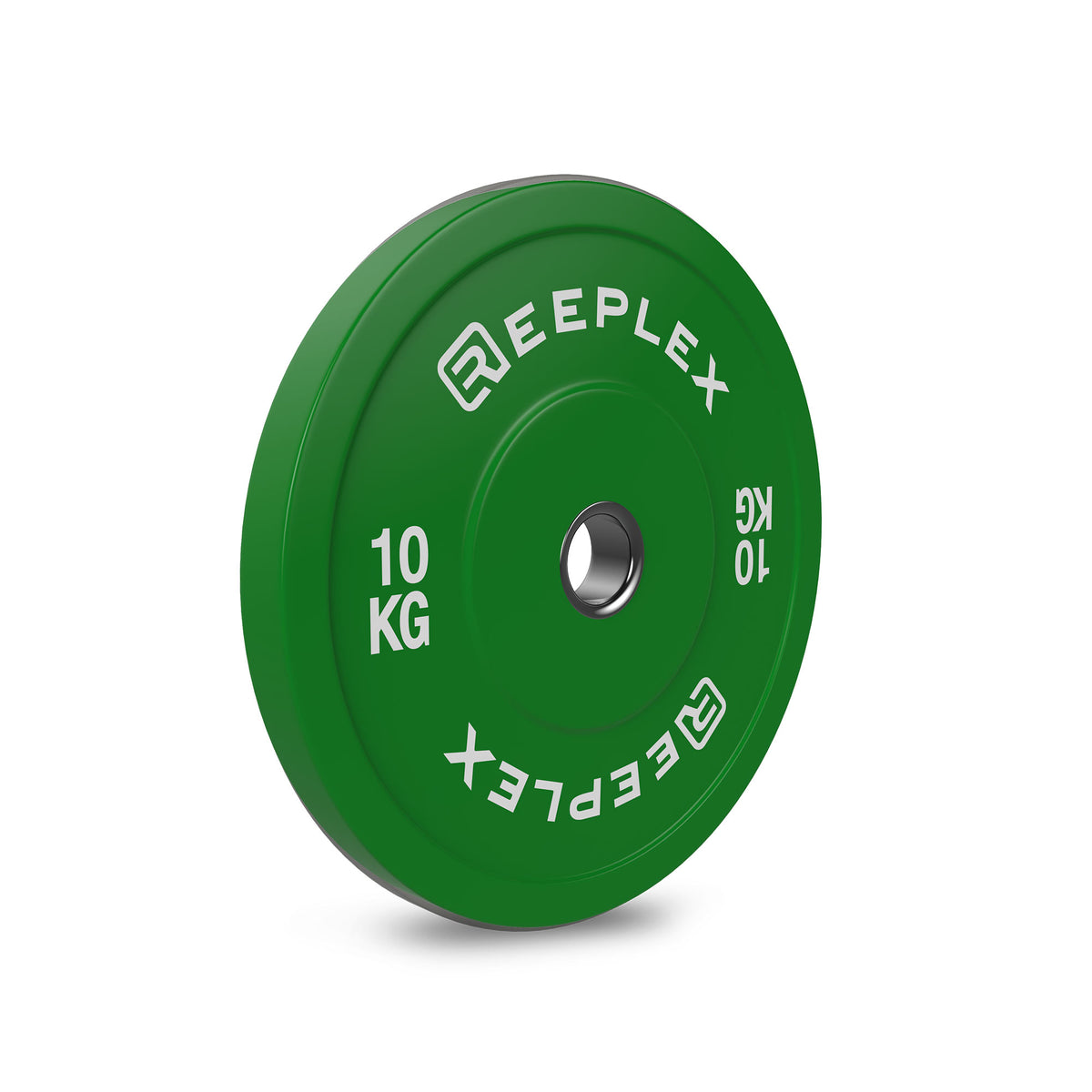
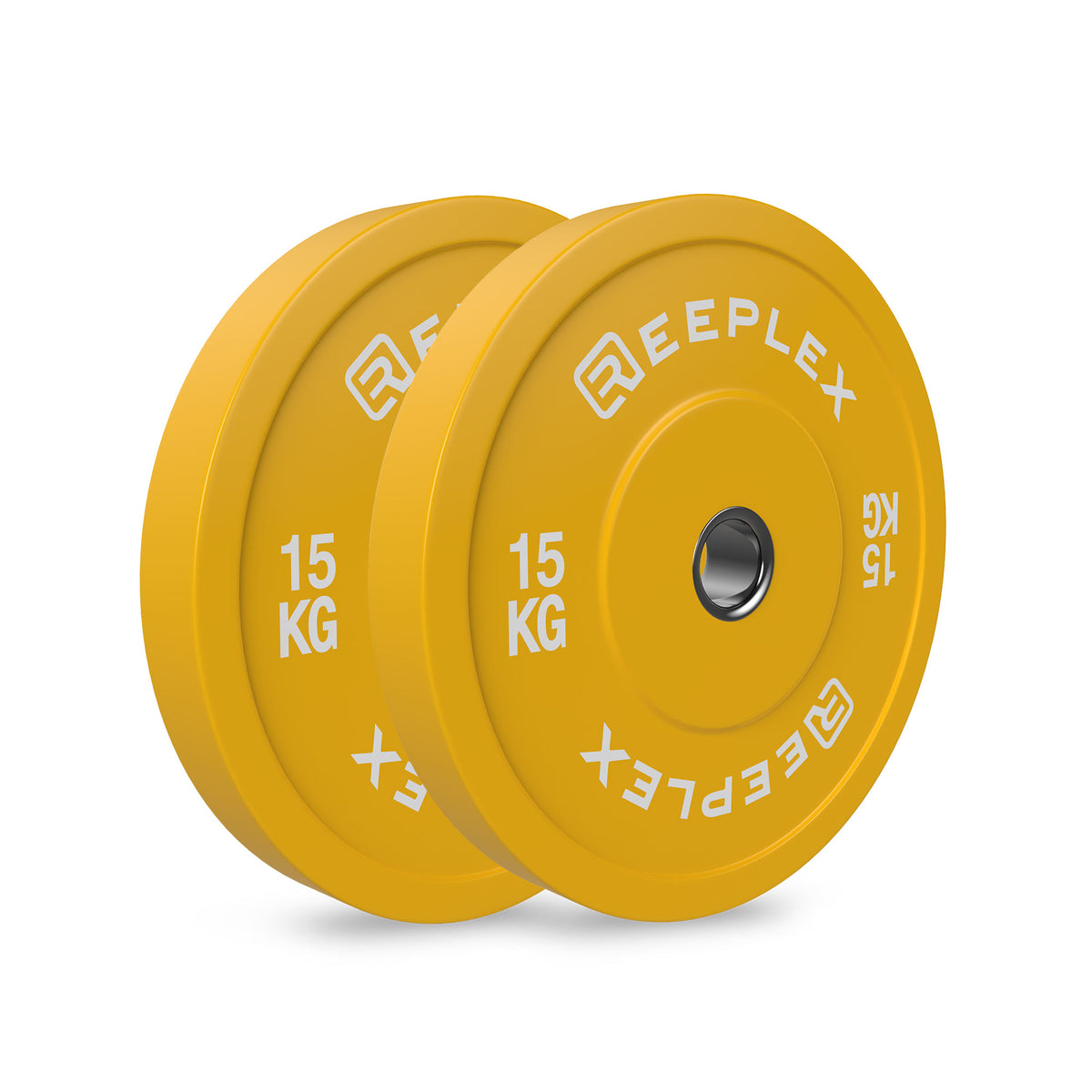
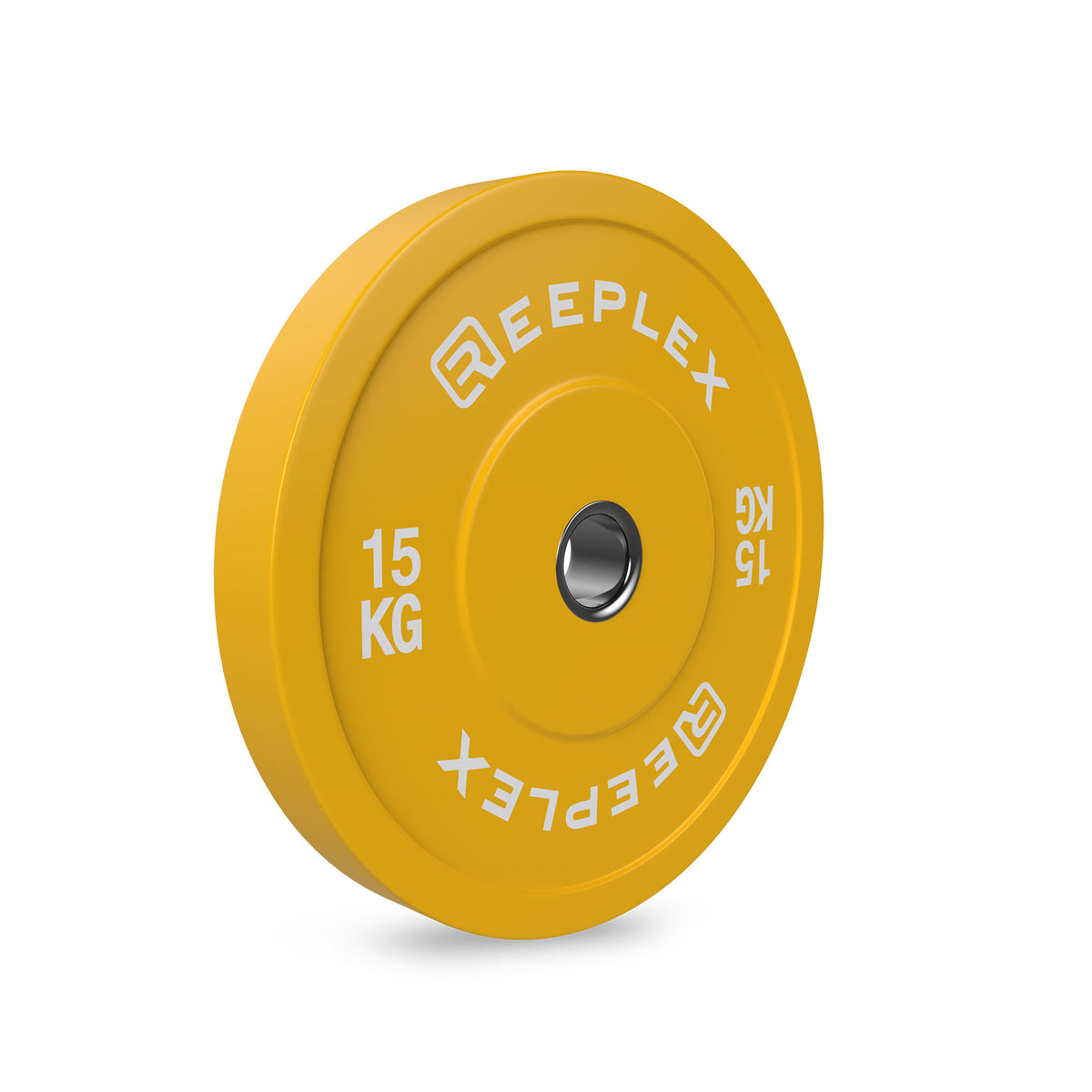
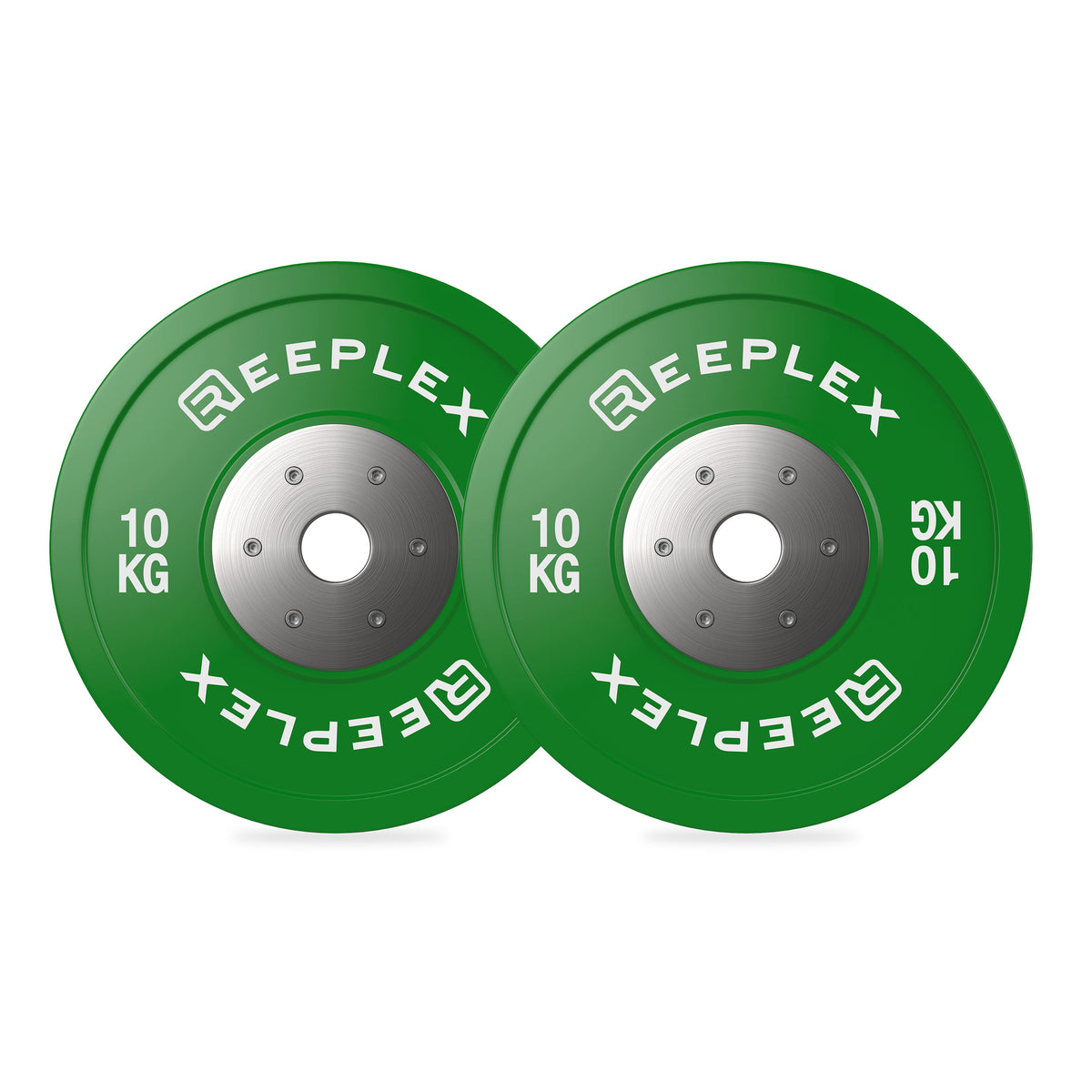
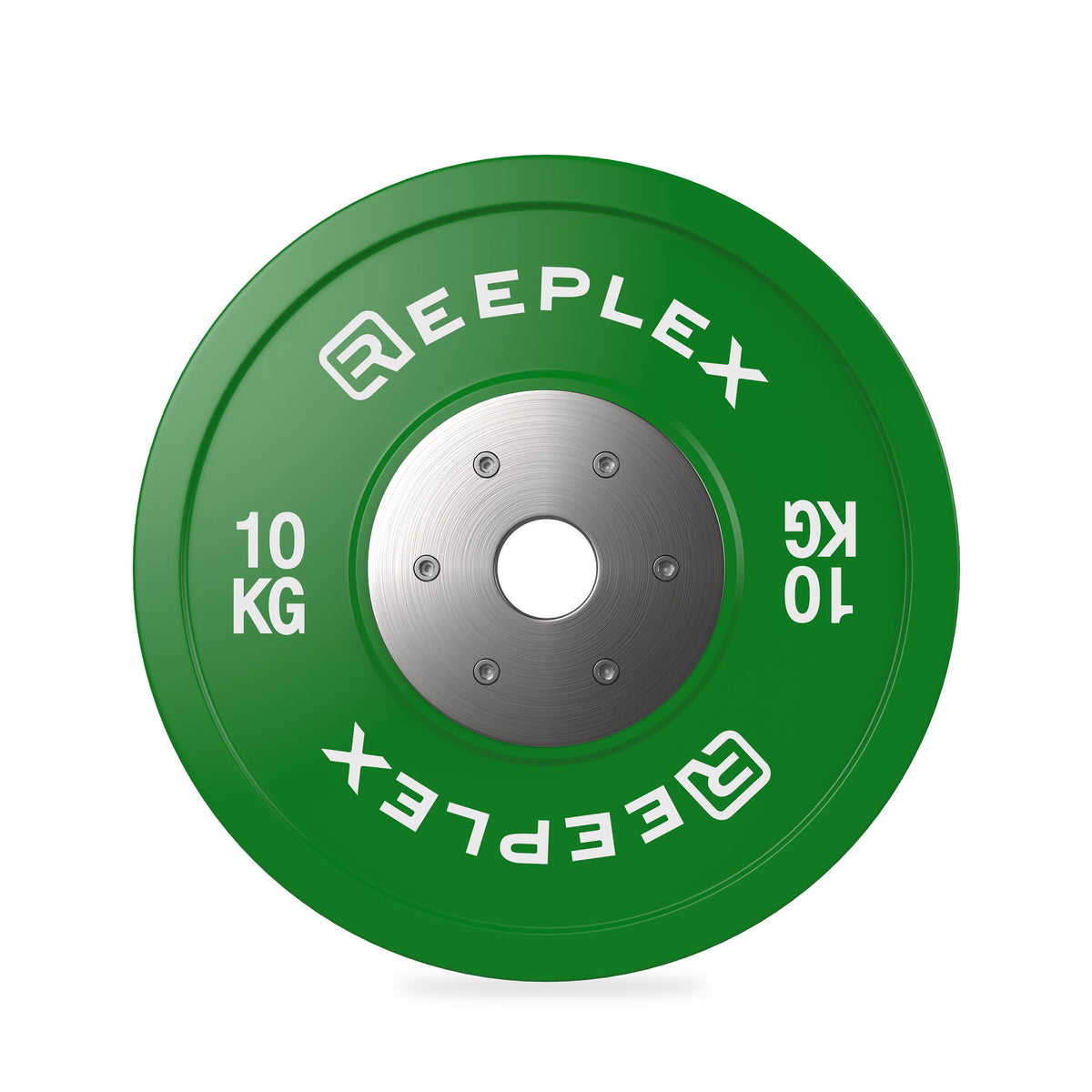
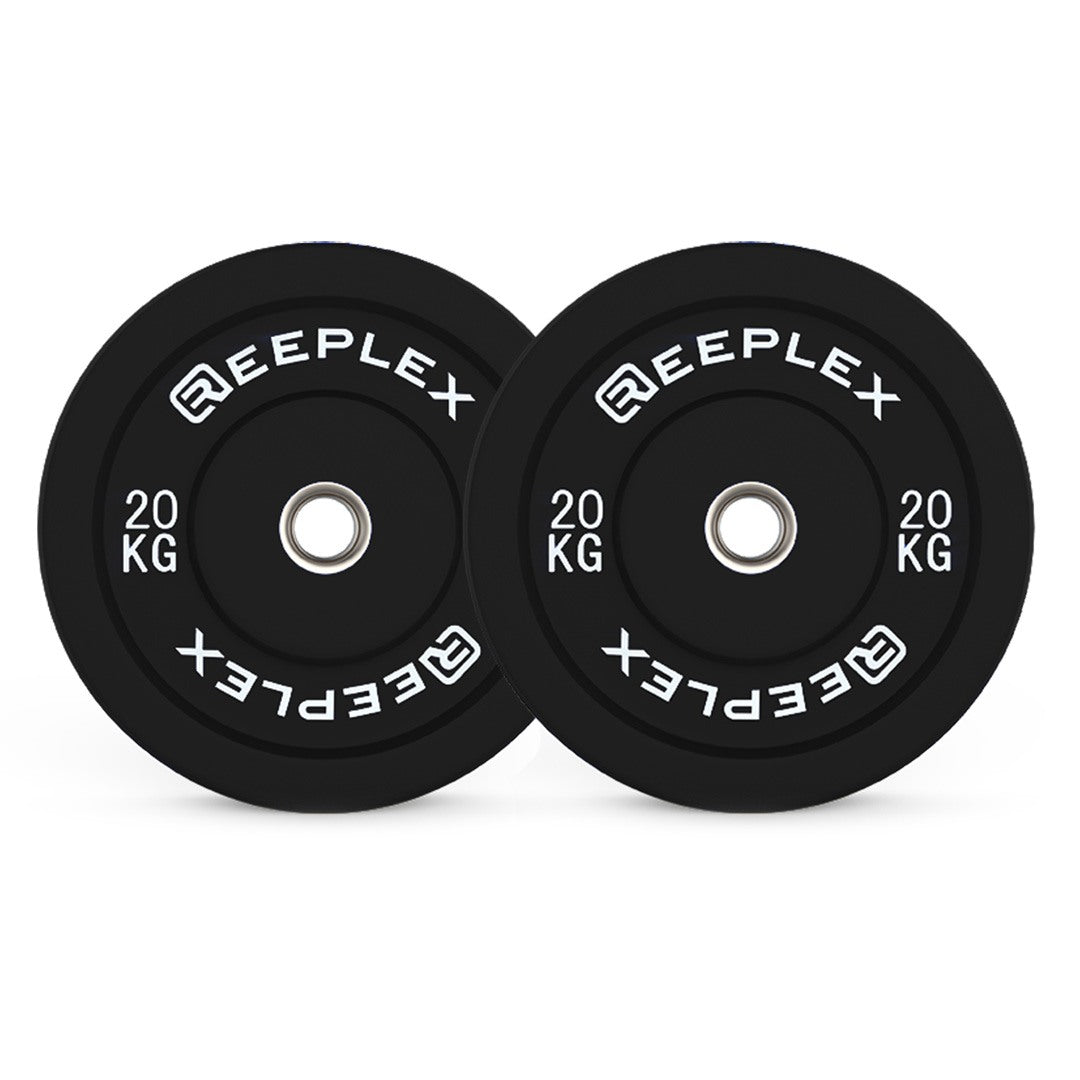
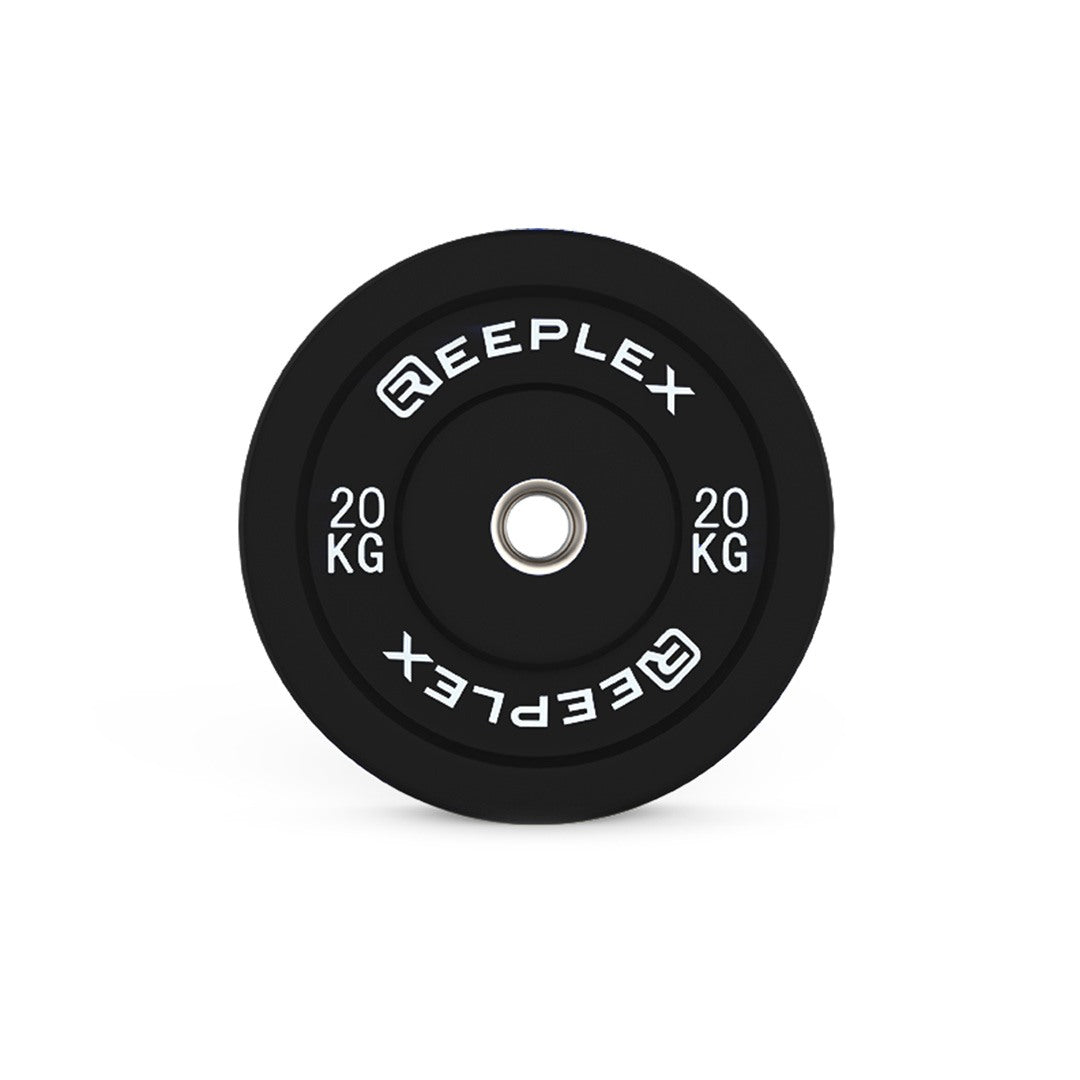
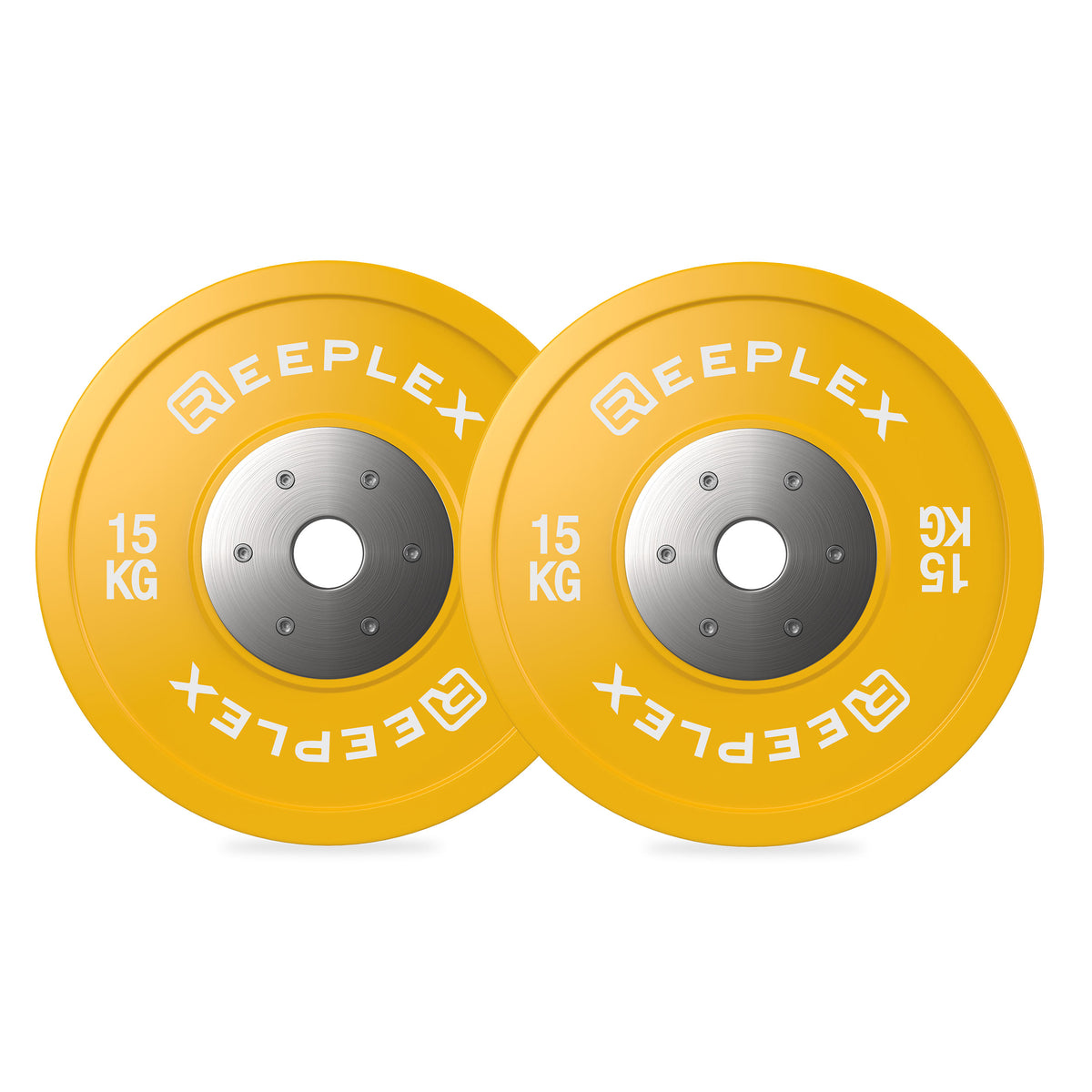
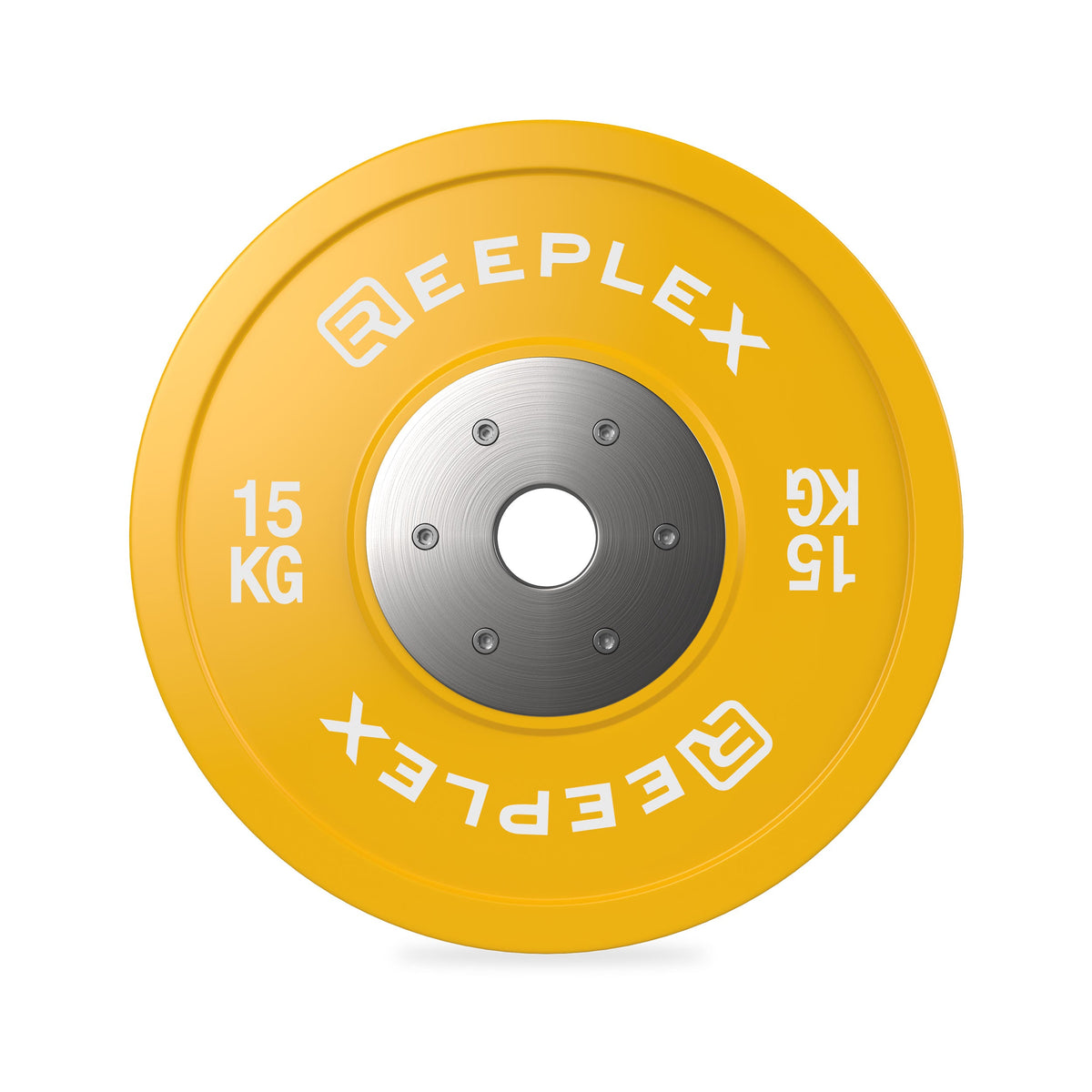
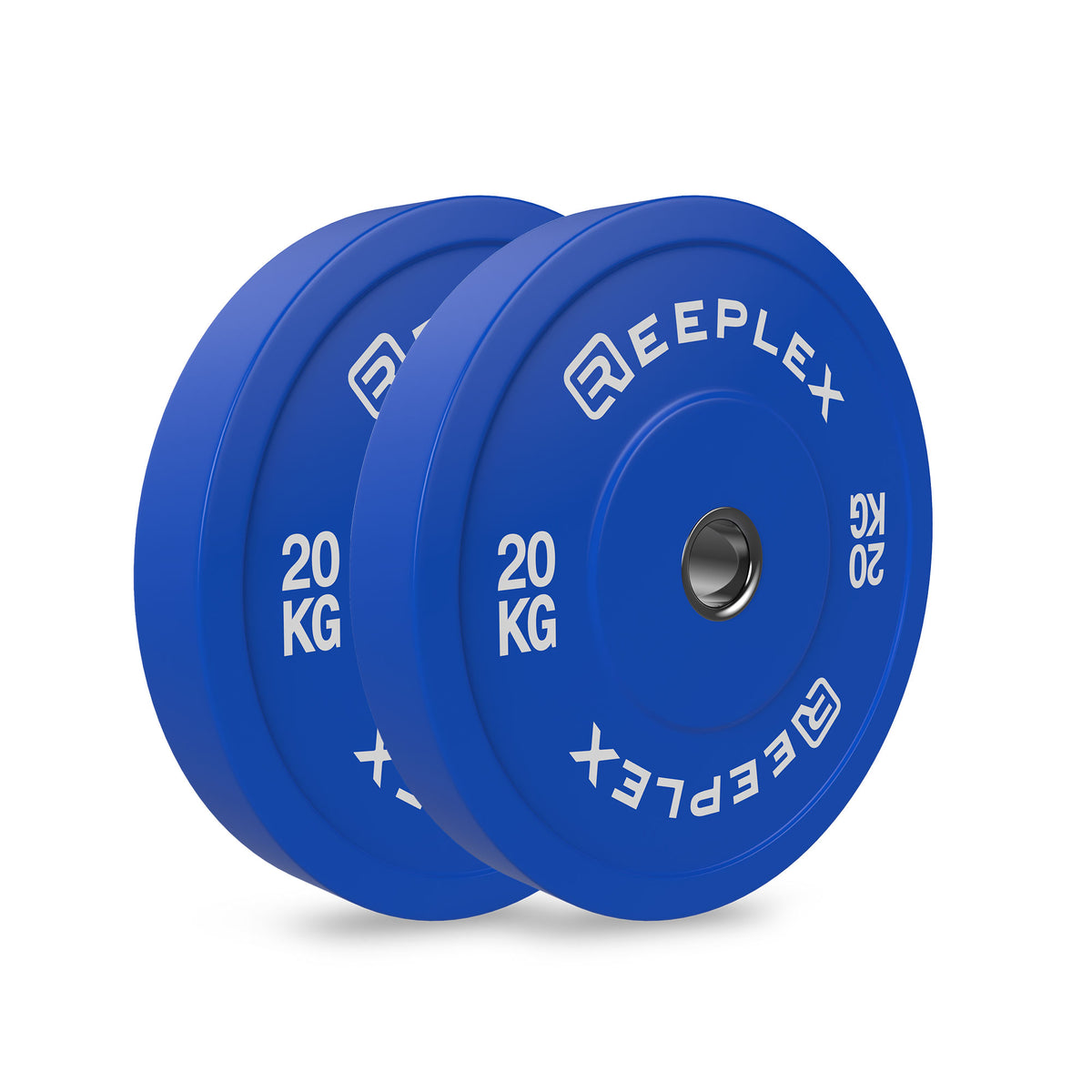
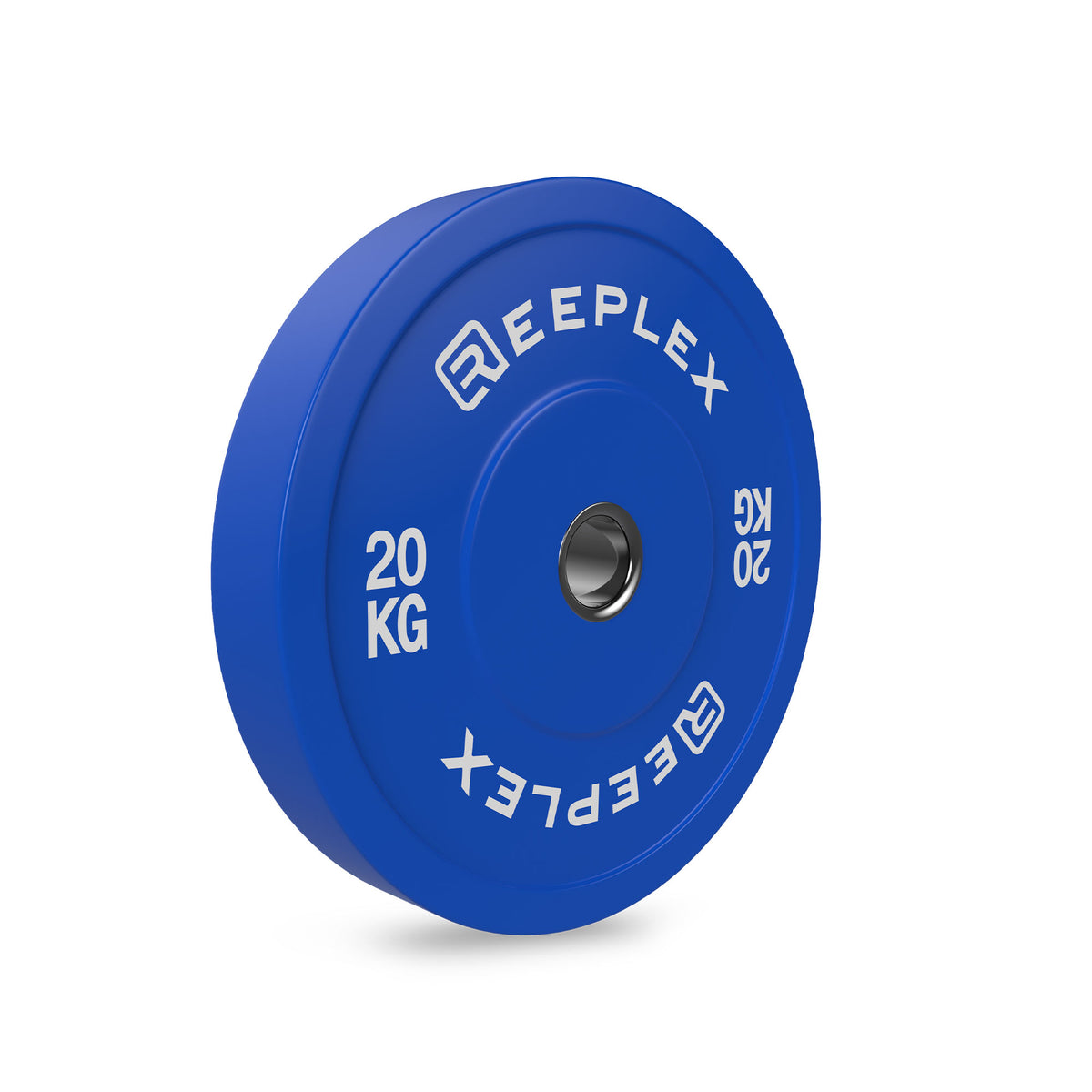
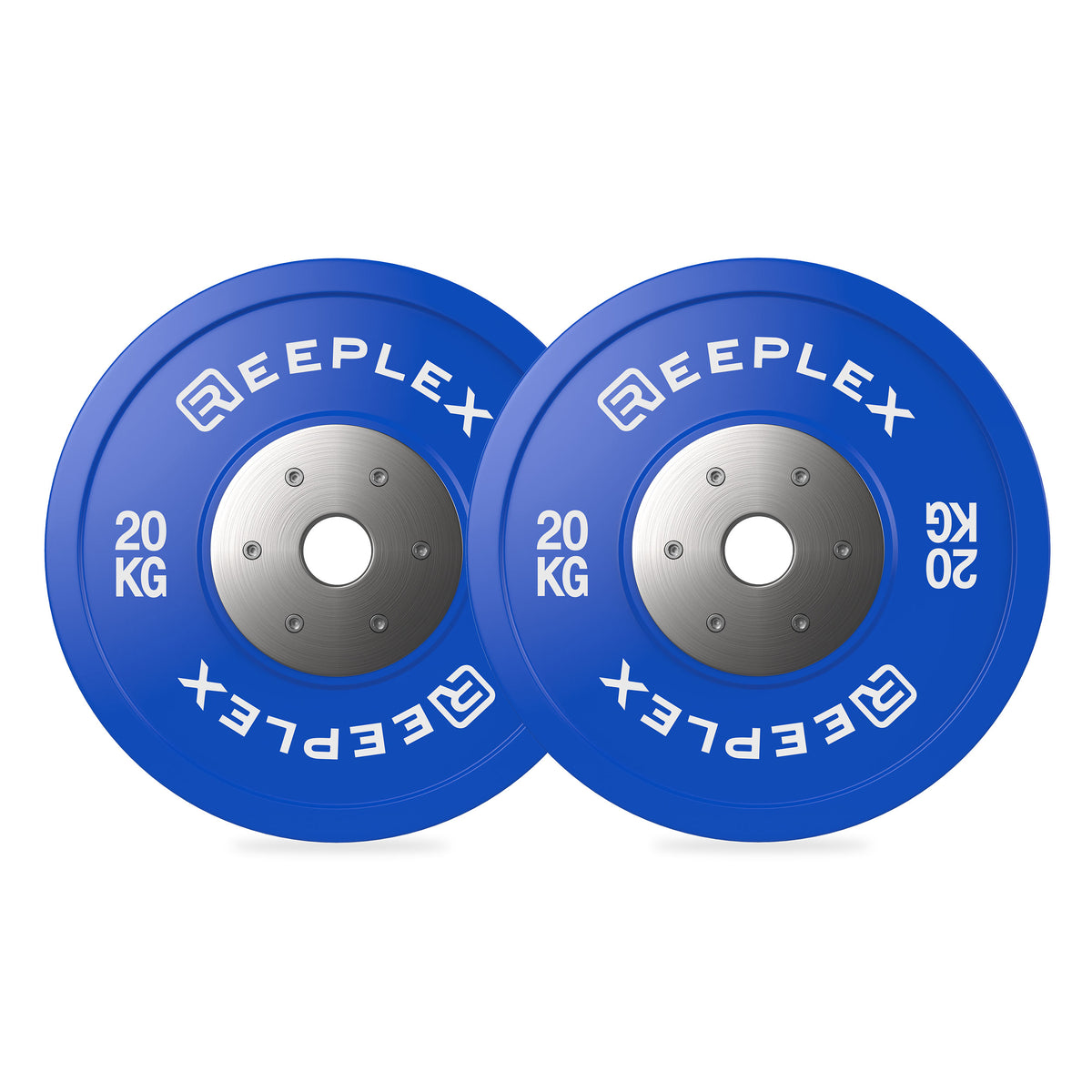
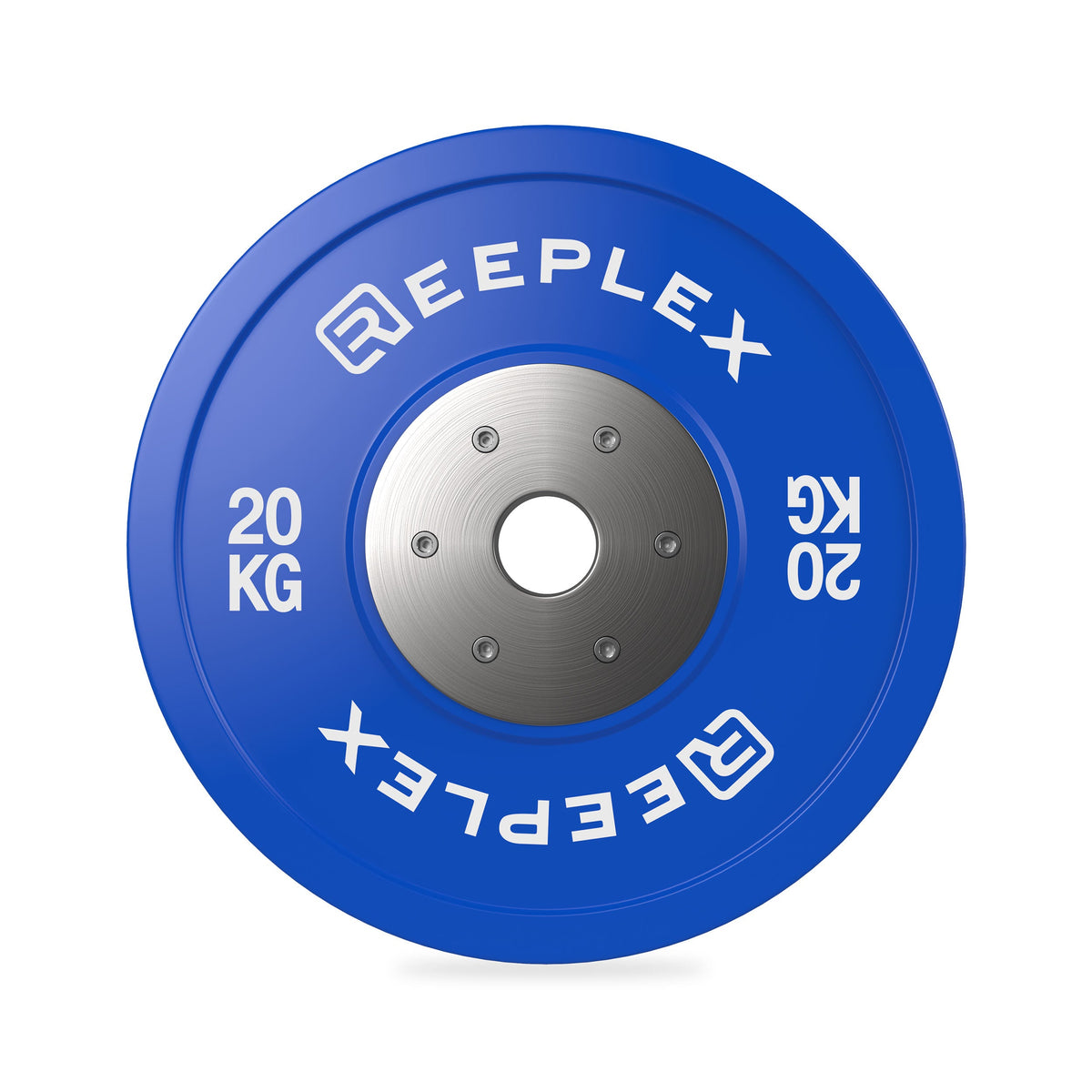
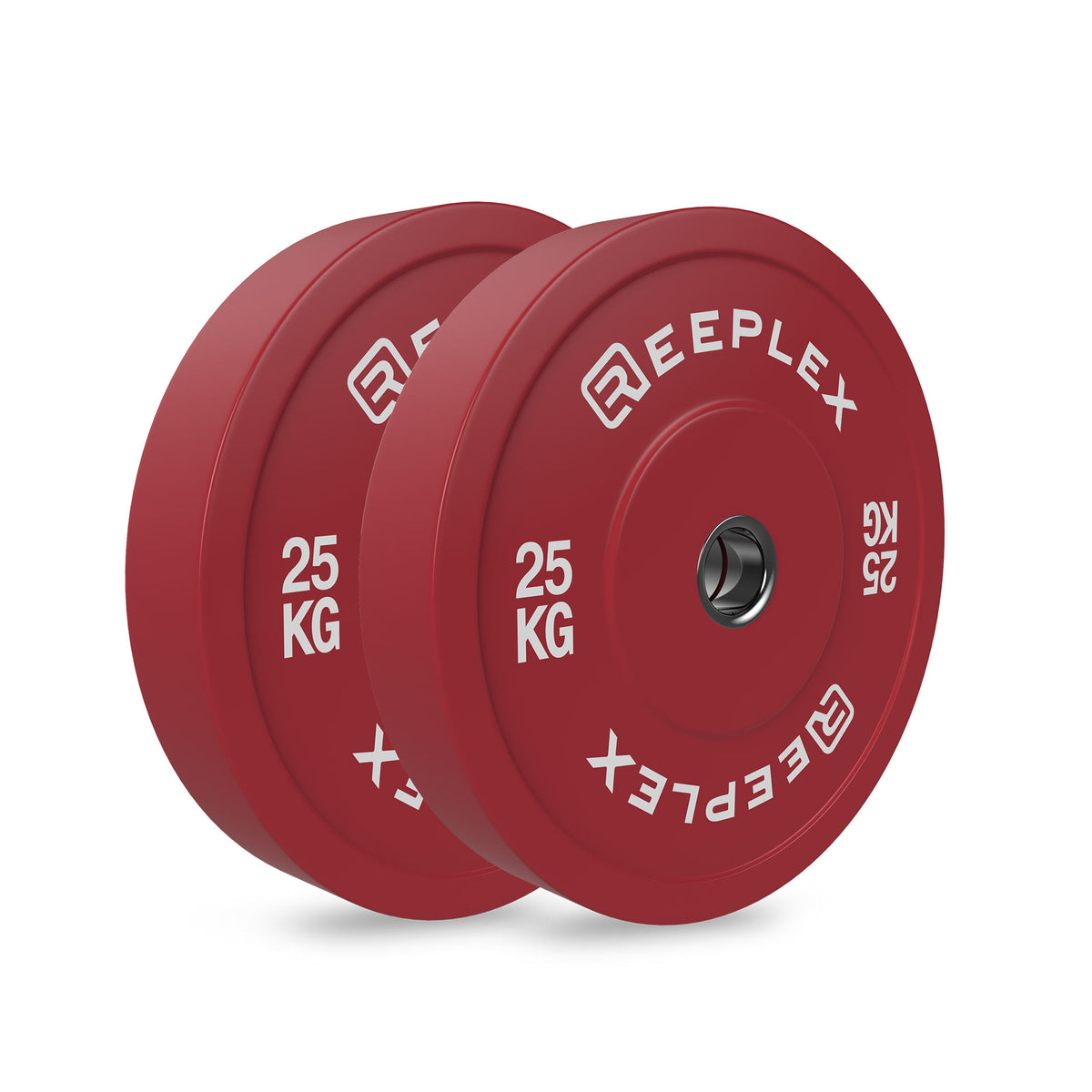
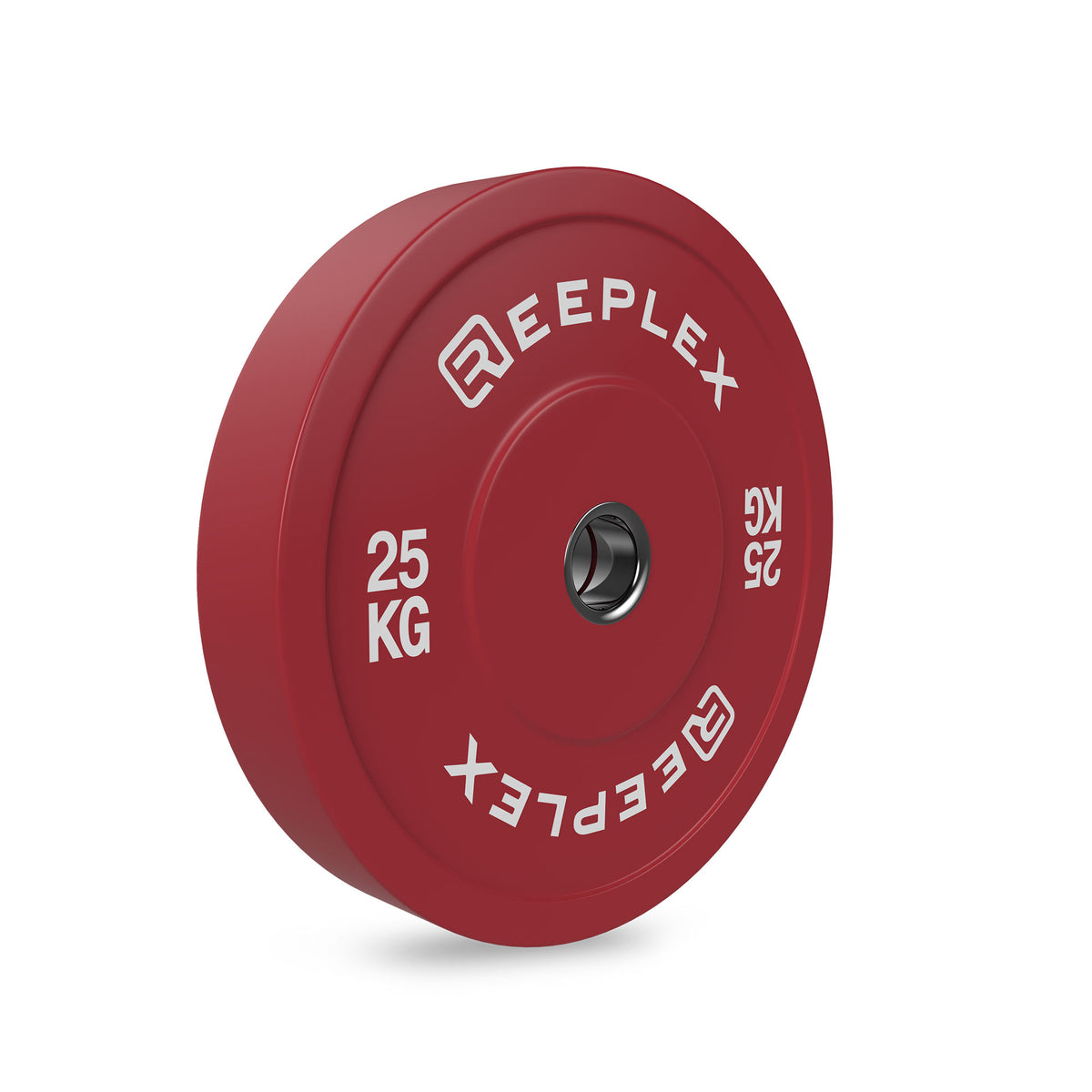
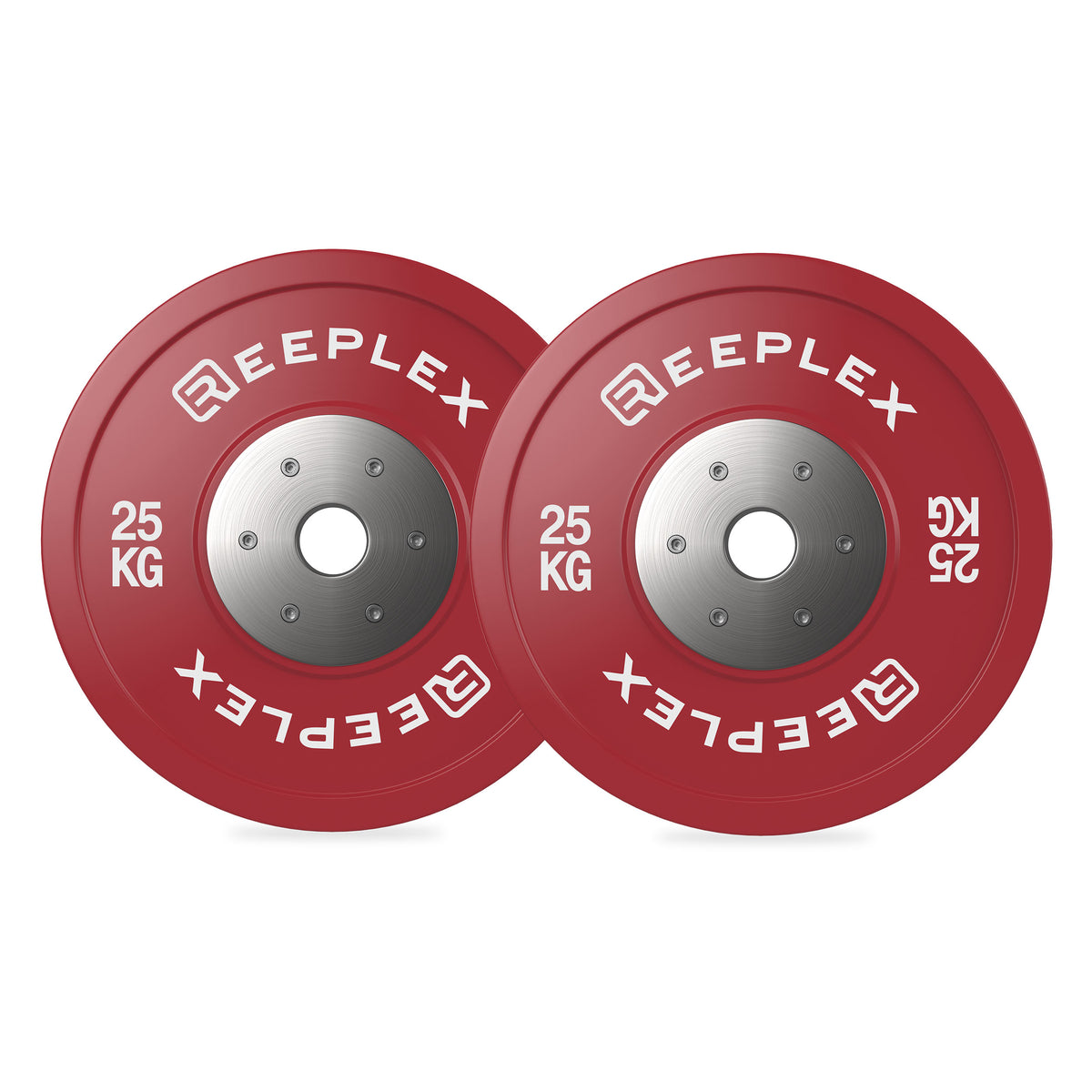
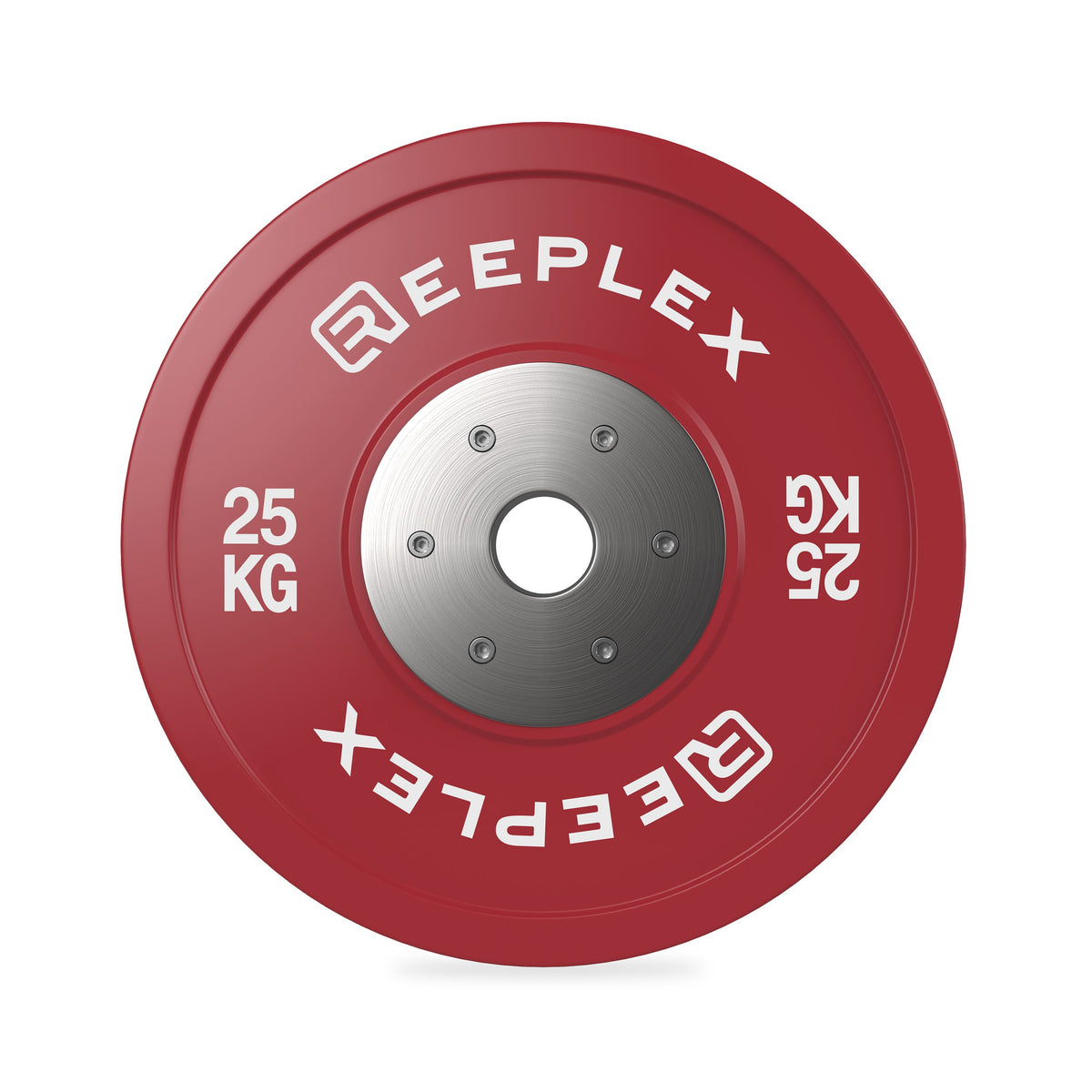
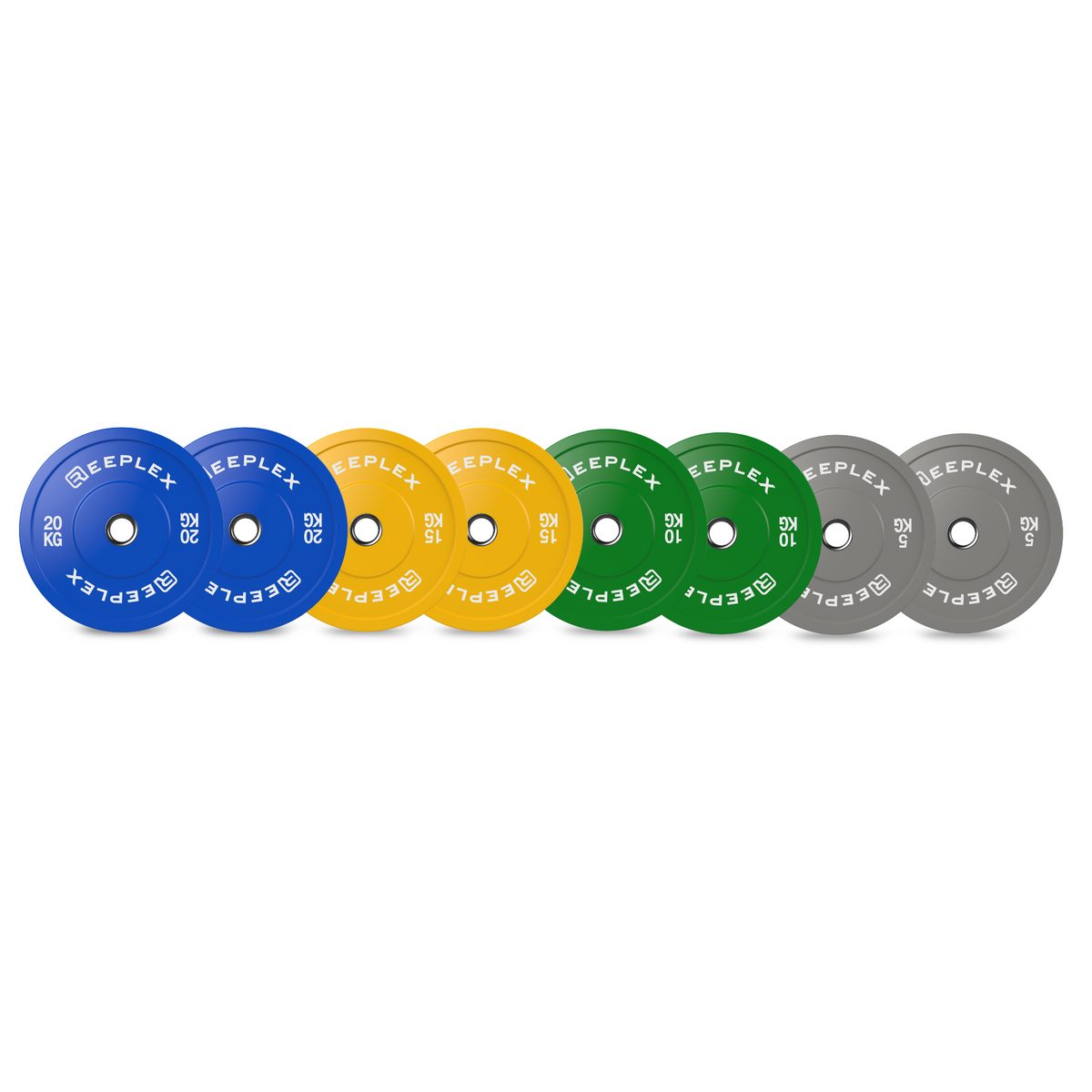
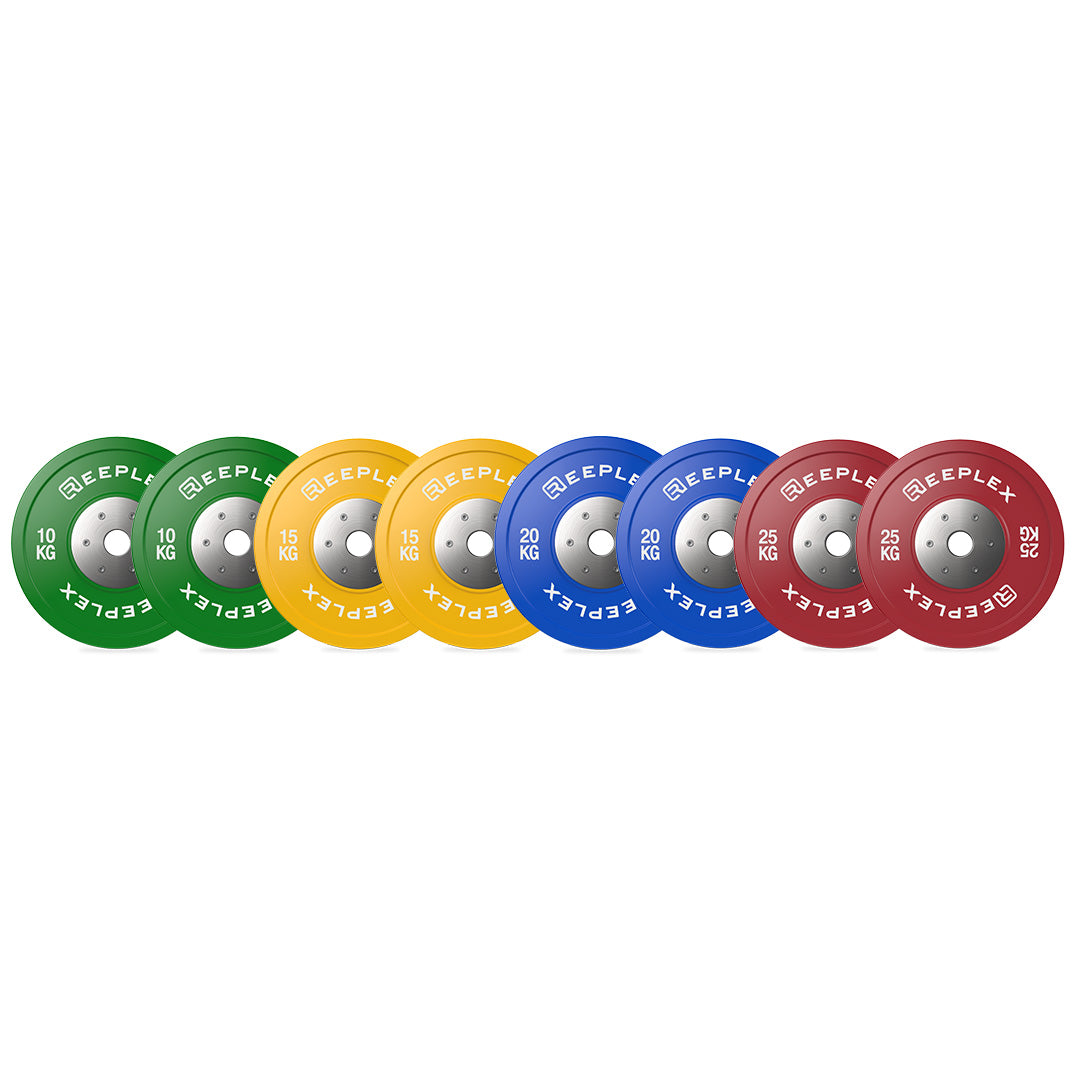
- Color-coded: IWF standard colors make weight identification instant: red=25kg, blue=20kg, yellow=15kg, green=10kg, white=5kg.
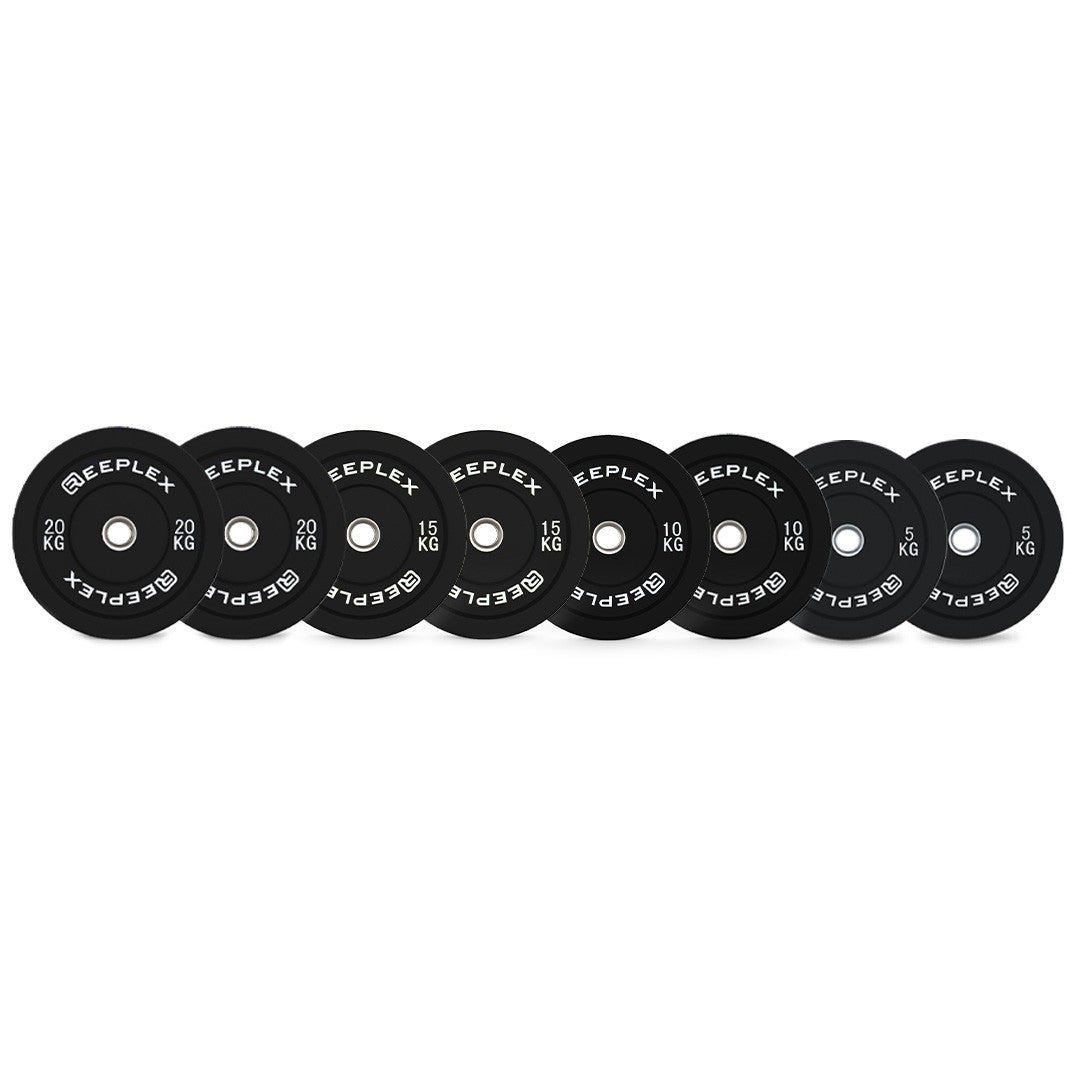
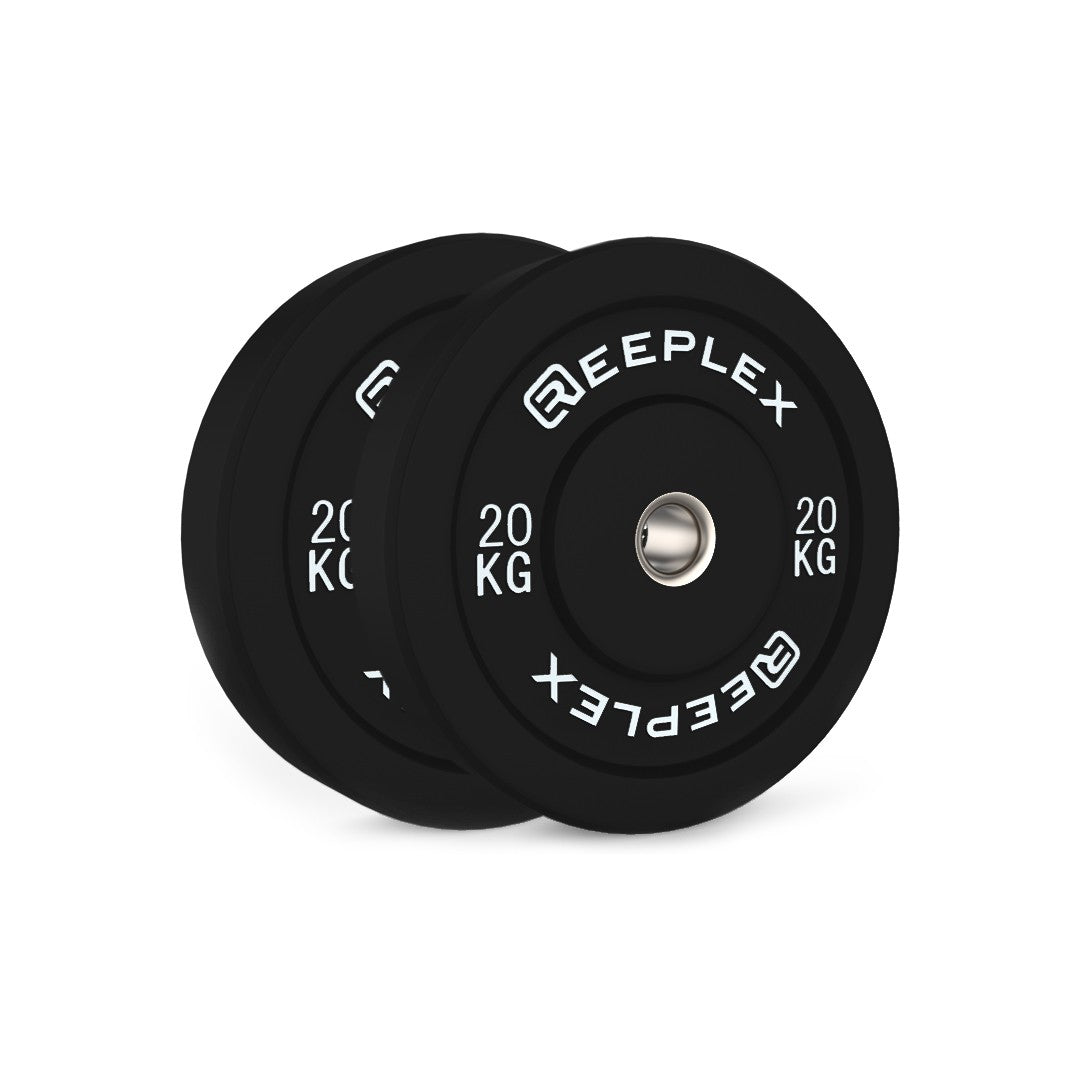
- Types available: Training bumpers (economy) and competition bumpers (precise tolerance, IWF-spec). Both available in individual pairs or full sets.
- Best for: Olympic weightlifting, CrossFit, functional fitness, and any overhead lifting requiring safe drop capability.
- Australia-wide shipping: Fast delivery across Australia on all bumper plate orders from Dynamo Fitness.
- Premium investment: Bumper plates protect your floor, bar, and surroundings while enabling confident Olympic lifting technique development.
What Are Bumper Plates?
Bumper plates are specialty weight plates constructed from dense rubber layered over a steel hub. Unlike standard plates, bumper plates are engineered to absorb impact and safely handle being dropped from overhead. This unique construction makes them indispensable for anyone serious about Olympic weightlifting, CrossFit, or functional fitness training.
The core advantage of bumper plates lies in their durability and safety profile. When you're performing snatches, clean and jerks, or any overhead movements, the ability to safely lower and drop the bar is critical. Standard cast iron plates crack concrete floors, damage barbells, and create dangerous conditions. Bumper plates eliminate these concerns while providing the confidence to push your limits.
Every bumper plate manufactured to standard specifications features a 50mm (2-inch) center hole. This universal sizing ensures perfect compatibility with Olympic barbells. Whether you're building a home gym or outfitting a commercial facility, this standardization simplifies equipment selection and mixing across different brands and plate weights.
Why Choose Bumper Plates Over Standard Plates?
1. Safety First: Designed for Drops
The primary reason to invest in bumper plates is safety. Olympic lifting inherently involves dropping weight from above shoulder height. Standard plates weren't designed for this application and will crack, shatter, or create safety hazards when dropped. Bumper plates absorb the impact energy, protecting your equipment, your floor, and your safety.
2. Floor Protection
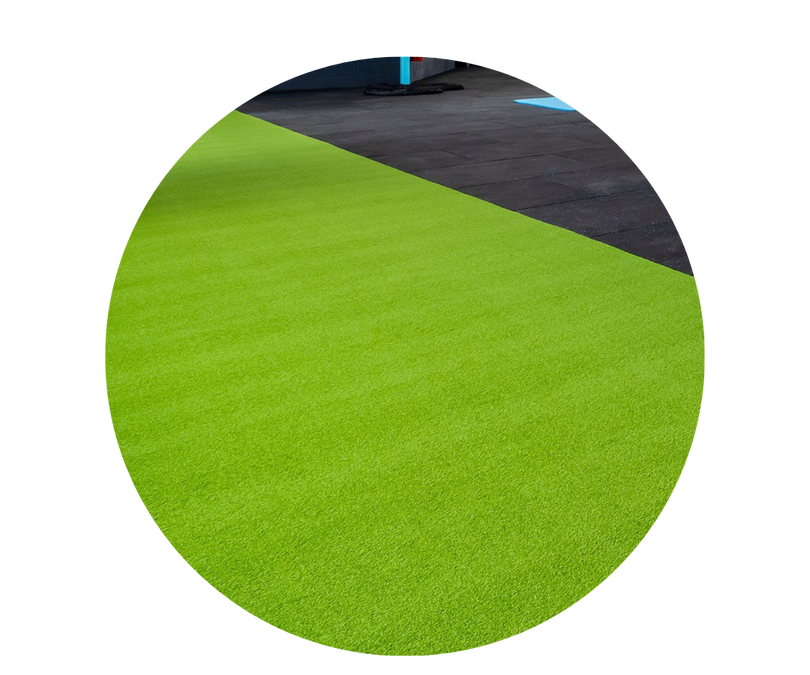
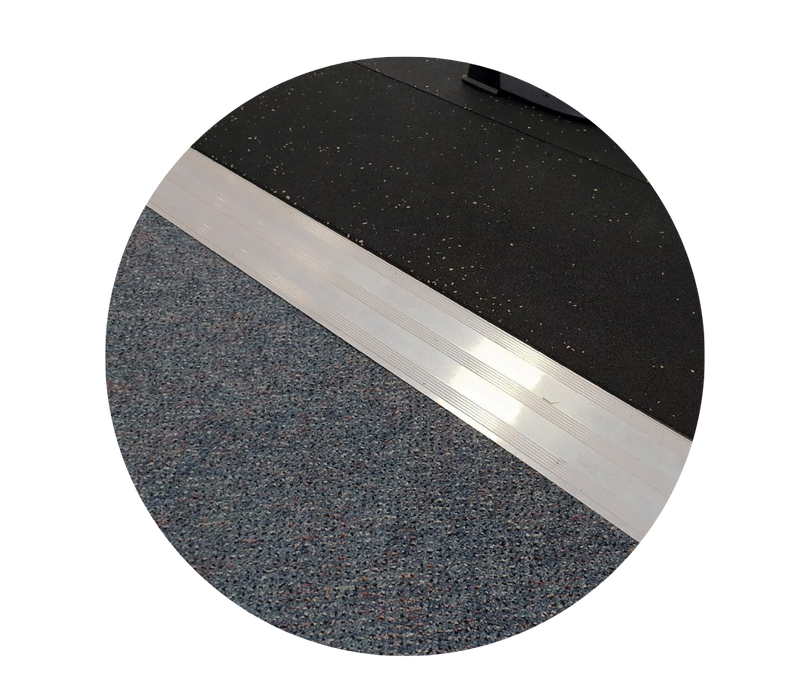
Dropping cast iron repeatedly damages concrete floors and can cause serious injuries if plates roll unexpectedly. Bumper plates distribute impact energy across their rubber surface, minimizing floor damage. Many athletes pair bumper plates with quality gym flooring for maximum protection. Dynamo Fitness offers premium gym flooring options designed specifically to work alongside bumper plate training.
3. Bar Protection
Your Olympic barbell is a significant investment. When standard iron plates land, the sudden load shock can bend the bar or damage collars. Bumper plates' forgiving surface protects your barbell from damage, extending its lifespan and maintaining its structural integrity for precise lifts.
4. Noise Reduction
Training in a home gym or shared facility becomes more neighbor-friendly with bumper plates. The rubber construction absorbs sound on impact, making your workouts considerably quieter than the sharp clang of cast iron hitting concrete or metal racks.
Different Types of Bumper Plates
Training Bumpers (Economy)
Training bumpers offer excellent value for athletes developing technique and building strength. These plates are typically thicker with less precise weight tolerance (plus or minus 5%) and are constructed from virgin rubber.
They're perfect for athletes who don't compete, want to minimize investment, or are building their first collection. Training bumpers bounce more noticeably than competition versions, but their durability for heavy drops is excellent.
Competition Bumpers (Premium)
Competition bumpers meet International Weightlifting Federation (IWF) specifications with strict weight tolerance (plus or minus 2%), precisely calibrated dimensions, and thinner profiles. These plates produce less bounce than training versions due to their composition and design.
They're the choice for competitive athletes, serious lifters, and facilities running official competitions. Competition bumpers are more expensive but offer the precision that serious training demands.
Bumper Plate Type Comparison
|
Type |
Best For |
Durability |
Price Range |
|
Training Bumpers |
Technique work, home gyms, beginners |
Excellent for regular training |
Most affordable |
|
Competition Bumpers |
Competitive lifting, precise training |
Excellent, very durable |
Premium pricing |
IWF Color Coding: Quick Weight ID
The International Weightlifting Federation established color standards to instantly identify plate weights. This system is used worldwide and helps prevent loading mistakes during training.
Here are the standard colors:
- Red: 25kg (55 lbs) - most common for advanced lifters
- Blue: 20kg (44 lbs) - popular intermediate weight
- Yellow: 15kg (33 lbs) - intermediate progression
- Green: 10kg (22 lbs) - foundational light weight
- White: 5kg (11 lbs) - smallest standard IWF colour
Serious lifters quickly develop muscle memory for these colors, allowing rapid bar loading without constant weight verification. Using standardized colors across your collection ensures quick, safe loading during high-intensity sessions.
Choosing Your Bumper Plate by Training Style
|
Training Goal |
Ideal Plate Type |
Weight Range to Start |
Key Benefit |
|
Olympic Lifting |
Competition bumpers |
15kg, 20kg, 25kg pairs |
Precision for technique refinement |
|
CrossFit Training |
Training bumpers |
10kg, 15kg, 20kg |
Versatility and durability for mixed workouts |
|
Strength & Power |
Training or competition |
20kg, 25kg emphasis |
Safe overhead work and floor protection |
|
Home Gym Setup |
Training bumpers |
10kg through 20kg |
Budget-friendly, full range capability |
|
Commercial Gym |
Competition bumpers |
Full range, multiple pairs |
Durability under heavy use |
|
Competitive Athlete |
Competition bumpers (IWF approved) |
Complete set 10kg through 25kg |
Meets competition standards exactly |
Budget Planning for Bumper Plates
|
Budget Tier |
Recommended Set |
Plates Included |
Best For |
|
Starter ($600-900) |
Training bumper pairs |
10kg, 15kg, 20kg pairs |
New lifters, home gyms |
|
Standard ($1000-1600) |
Training bumper full set |
10kg through 25kg complete |
Serious home gym athletes |
|
Premium ($2000+) |
Competition or crumb rubber |
Complete competitive set |
Competing athletes, commercial use |
Setting Up Your Olympic Lifting Platform
Building a complete Olympic lifting setup requires more than just bumper plates. You'll want a dedicated space with proper support equipment to maximize your training safety and effectiveness.
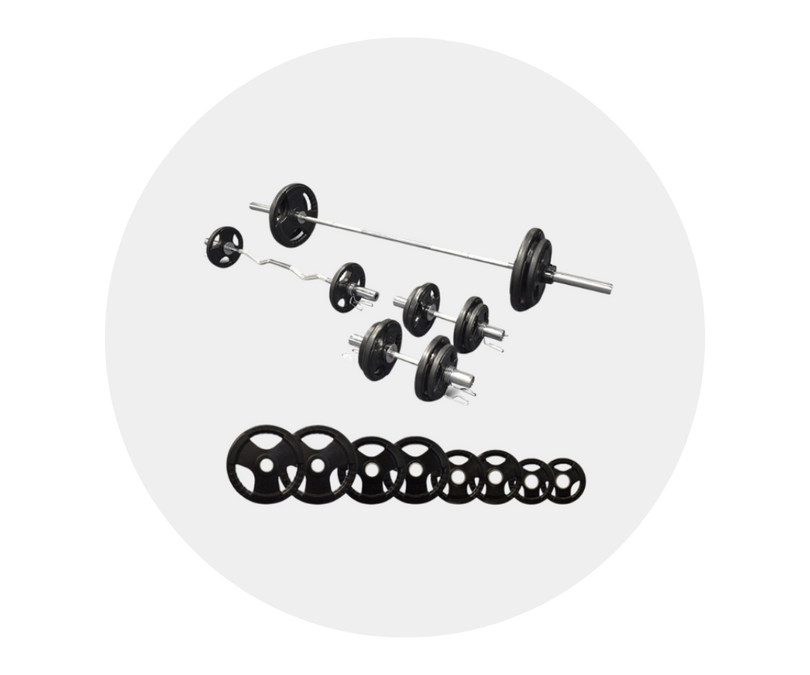
Olympic barbell packages from Dynamo Fitness provide the perfect complement to your bumper plates. These packages include everything needed for complete Olympic lifting sessions. Check out our Olympic barbell packages to find the ideal match for your training level.
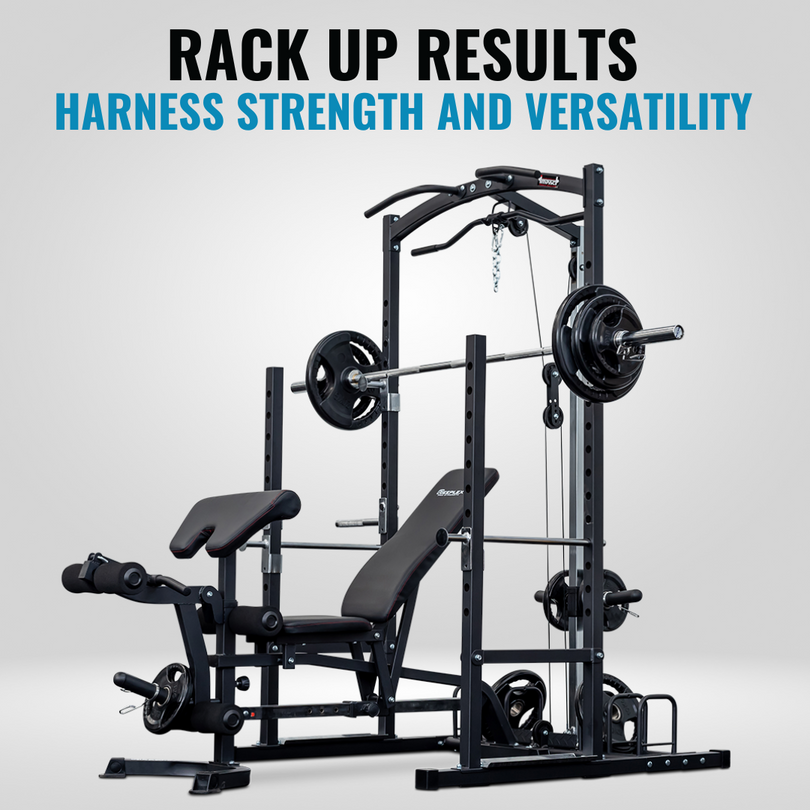
A sturdy squat rack or power rack provides safety and support for heavy Olympic lifting sessions.
Invest in quality gym flooring to protect your underlying surfaces and create a professional training environment. Proper flooring also reduces noise significantly.
An Olympic weight bench extends your training options beyond just Olympic lifts to include bench press and other pressing movements.
This integrated approach ensures your facility can handle serious strength and power training safely and effectively.
What to Look For When Buying Bumper Plates
1. Weight Tolerance
Check manufacturer specifications for weight tolerance. Competition plates should have plus or minus 2% tolerance (0.5kg variance on a 25kg plate). Training plates typically allow plus or minus 5%. Tighter tolerance means more consistent loading across your bar.
2. Hole Accuracy
The 50mm center hole must be precise for smooth loading on Olympic bars. Poor hole tolerances cause loose fit on the bar, creating wobbling and safety concerns during lifts.
3. Collar Diameter
Bumper plates should have a consistent outer diameter, typically around 450mm regardless of weight. This consistency matters when performing Olympic lifts because you expect consistent range of motion and positioning.
4. Rubber Quality
Virgin rubber offers better appearance and consistent performance. Crumb rubber provides superior durability. Both are excellent choices, but your selection depends on your training environment and budget. Inspect for cracks, uneven surfaces, or delamination.
5. Thickness Profile
Thinner competition plates have less bounce than thick training bumpers. Consider whether dead bounce (minimal bounce) or live bounce (more responsive) suits your lifting style and facility.
Building Your Bumper Plate Set-up
Starting your bumper plate collection doesn't require buying everything at once. A smart approach begins with understanding what a beginner actually needs to train safely and effectively. Most beginners start with a barbell alone (typically 15-20kg depending on design) plus two pairs of 10kg bumper plates.
This combination gives you 40kg total on the bar, which is light enough for learning proper Olympic lifting technique while being substantial enough to develop initial strength. This starter setup costs significantly less than a complete collection but provides the foundation for excellent technical development.
The International Weightlifting Federation progression pattern provides an excellent roadmap for expanding your collection progressively. After mastering the 10kg plates, the next logical addition is a pair of 15kg bumper plates. This gives you more loading flexibility and bridges the gap between 10kg and 20kg jumps.
Next comes a pair of 20kg plates, which is where most serious Olympic lifters spend significant training time. Finally, adding 25kg pairs completes the standard IWF competition range. This progression matches how barbell weights increase during skill development, ensuring you're always challenged without overwhelming yourself with weight you're not ready for.
When deciding between buying individual plate pairs versus complete sets, consider your specific situation carefully. Buying pairs one at a time offers maximum flexibility, and it spreads costs over time, allowing you to integrate new plates into training gradually.
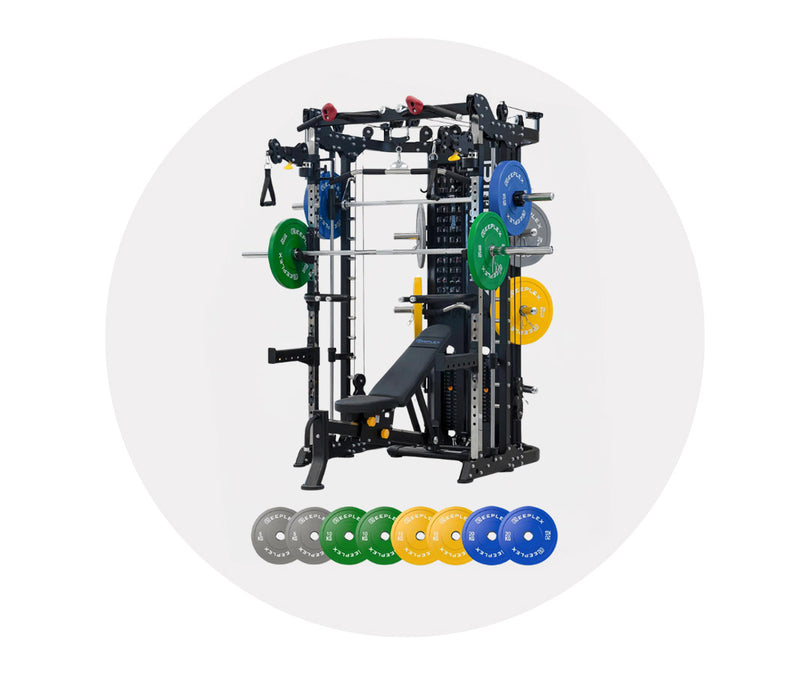
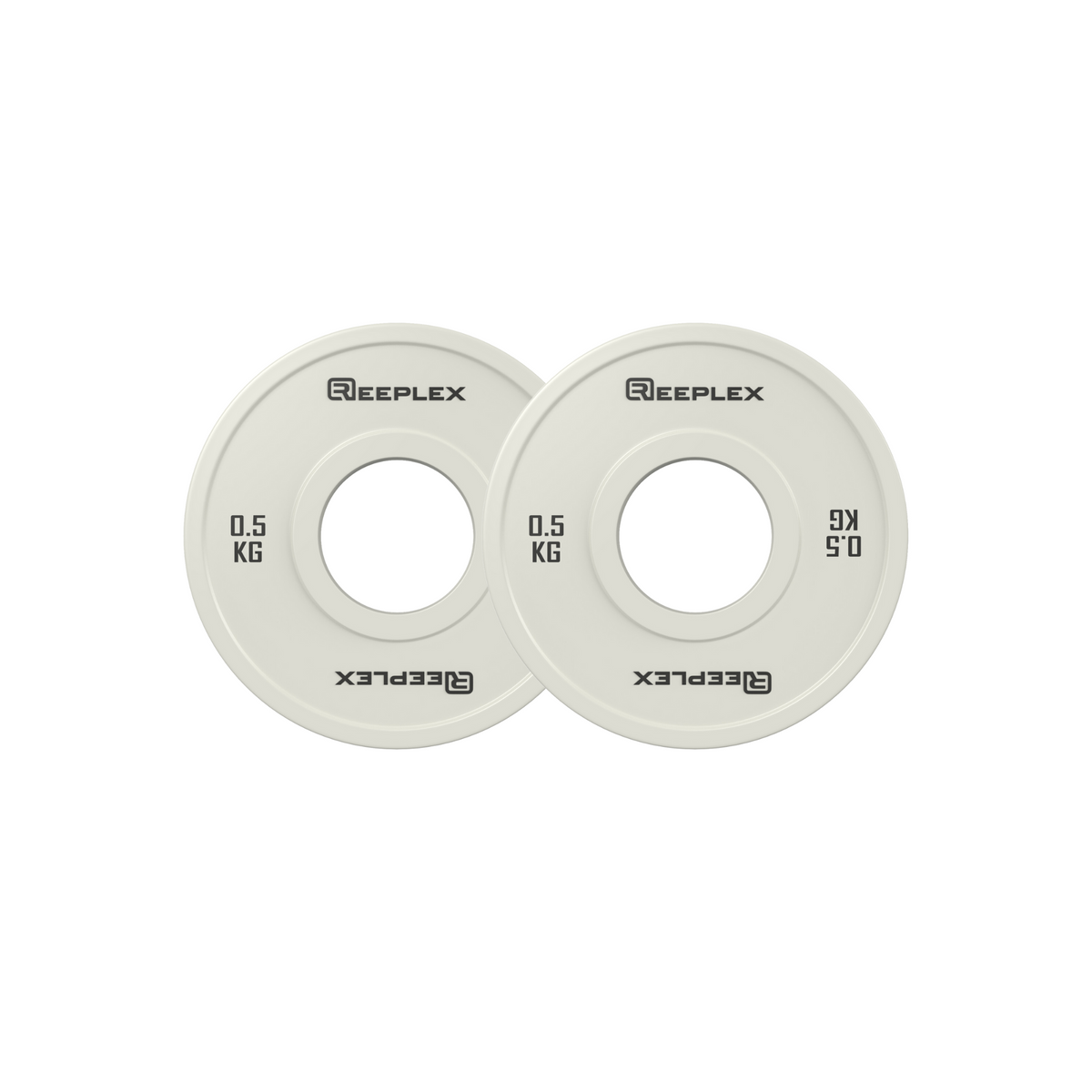
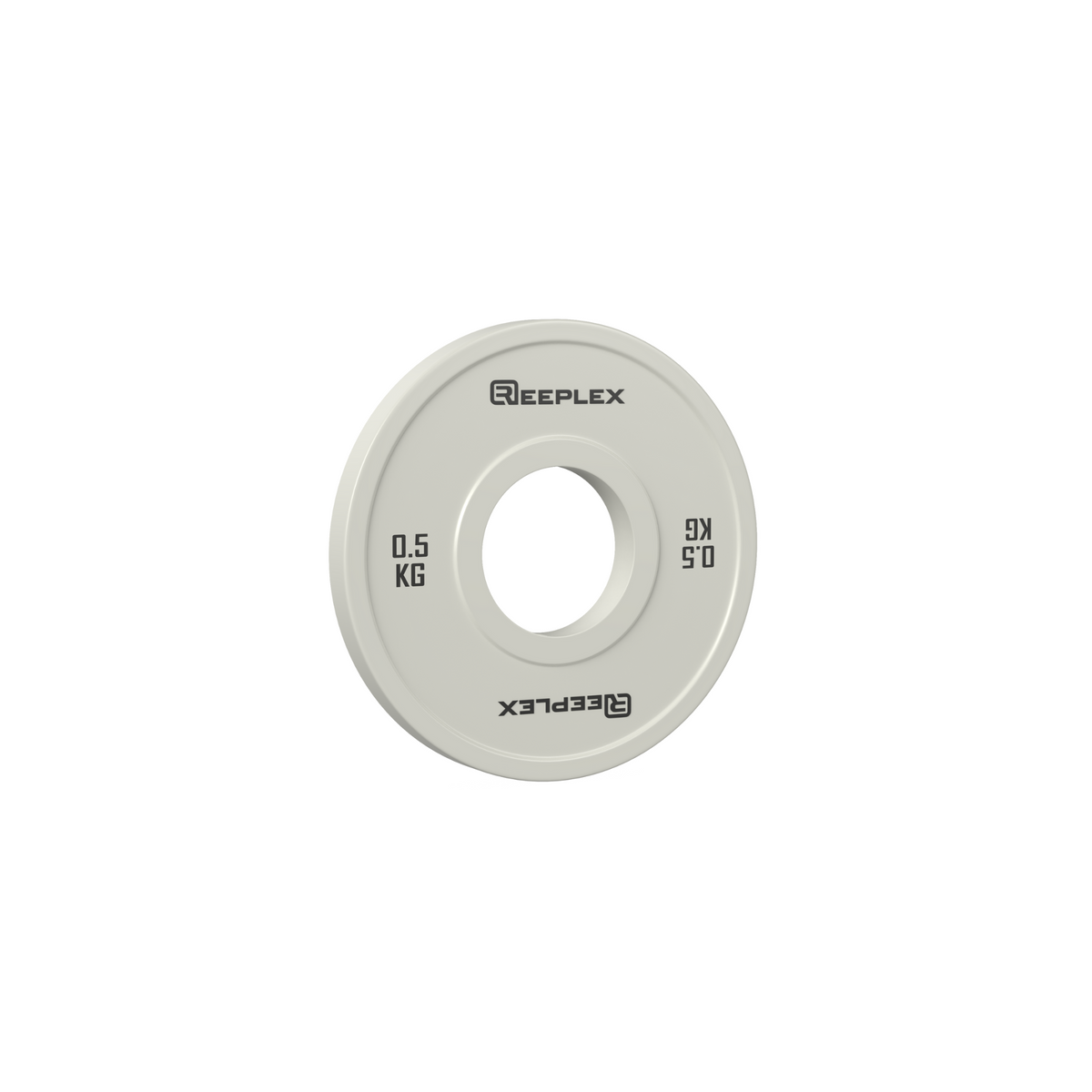
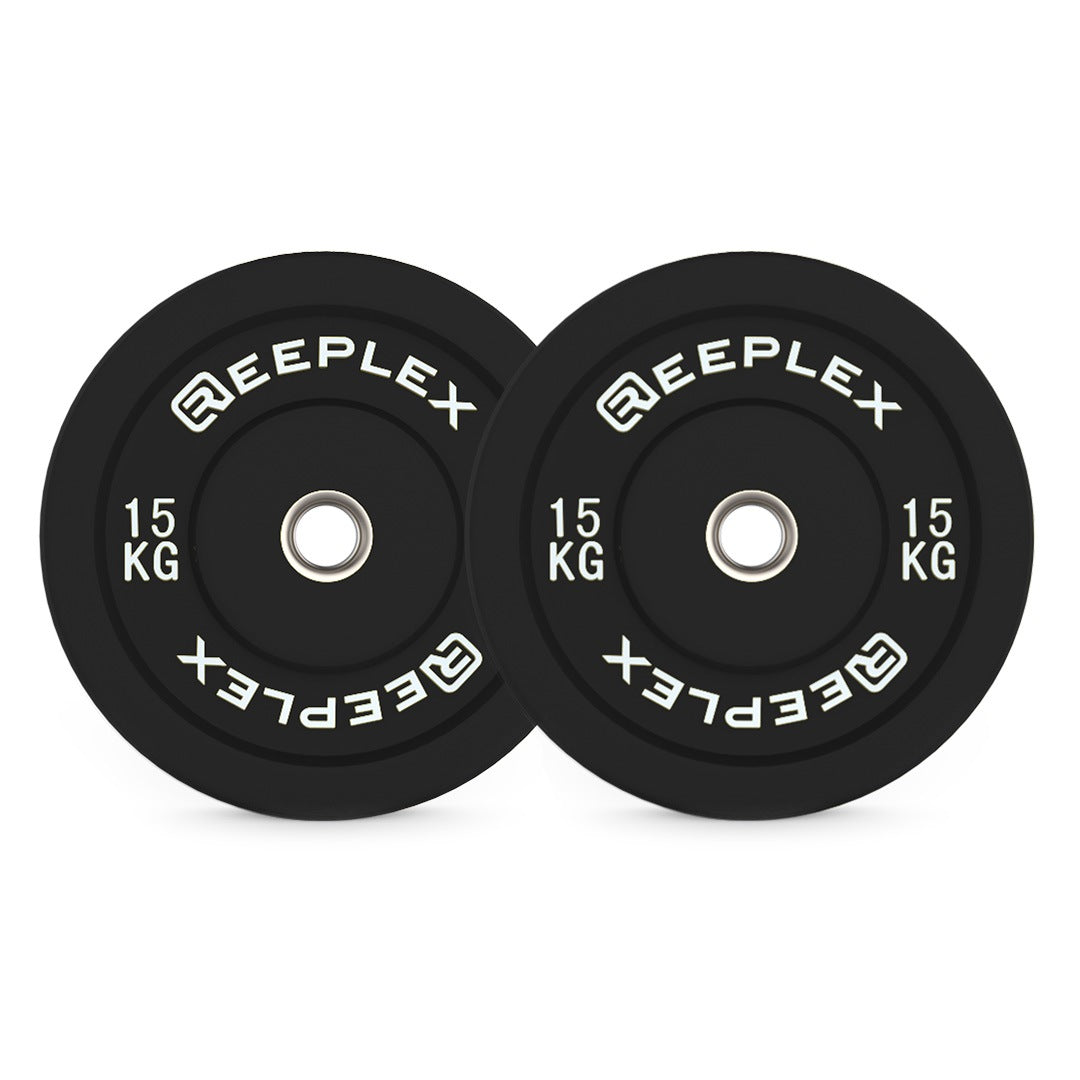
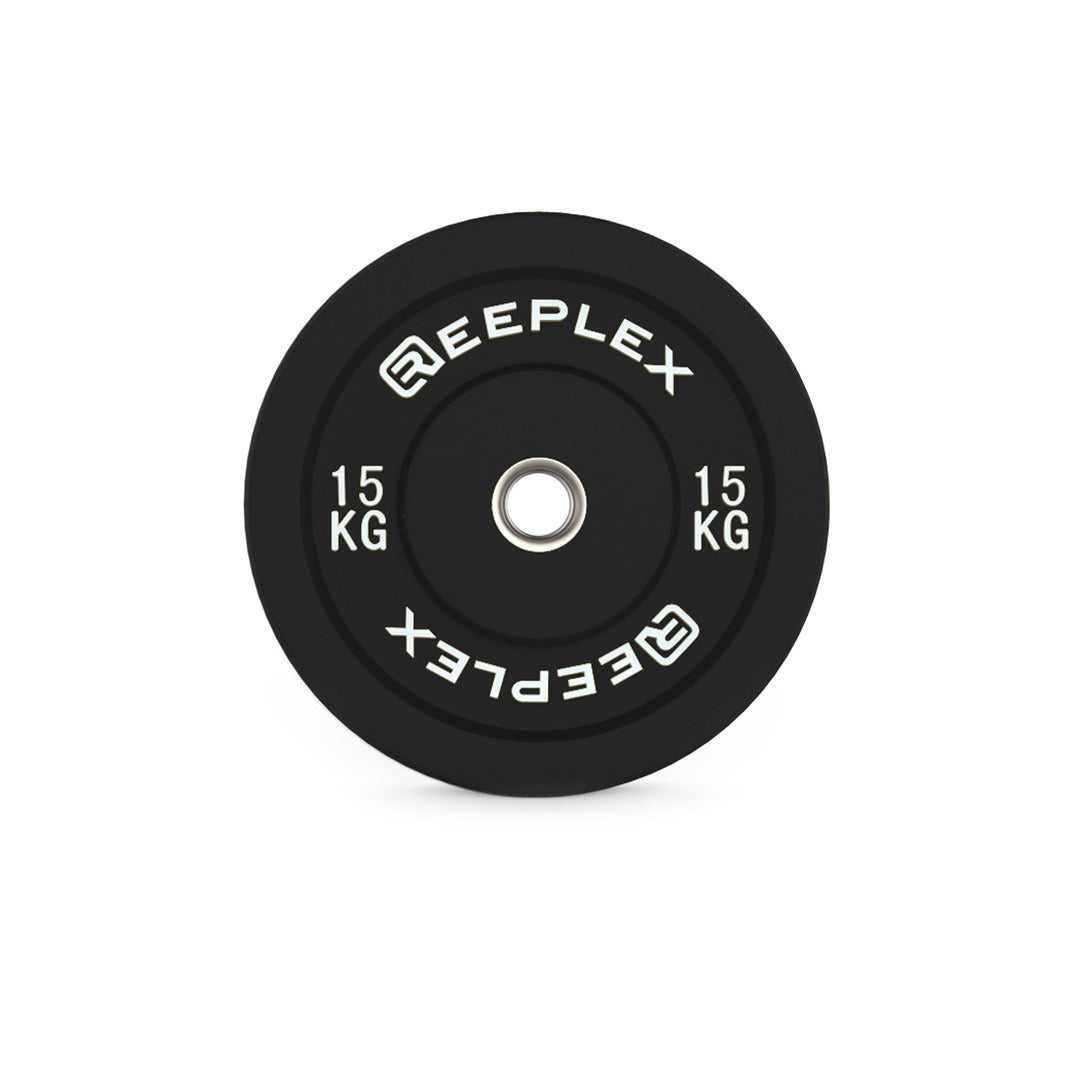
However, if you're certain you'll eventually want the complete range and have the budget available, full sets offer better per-kilogram value. Dynamo Fitness stocks Reeplex bumper plates in both approaches: individual pairs starting at 10kg through to 25kg pairs, plus full 100kg colored sets that provide complete competition-standard collections at excellent value.
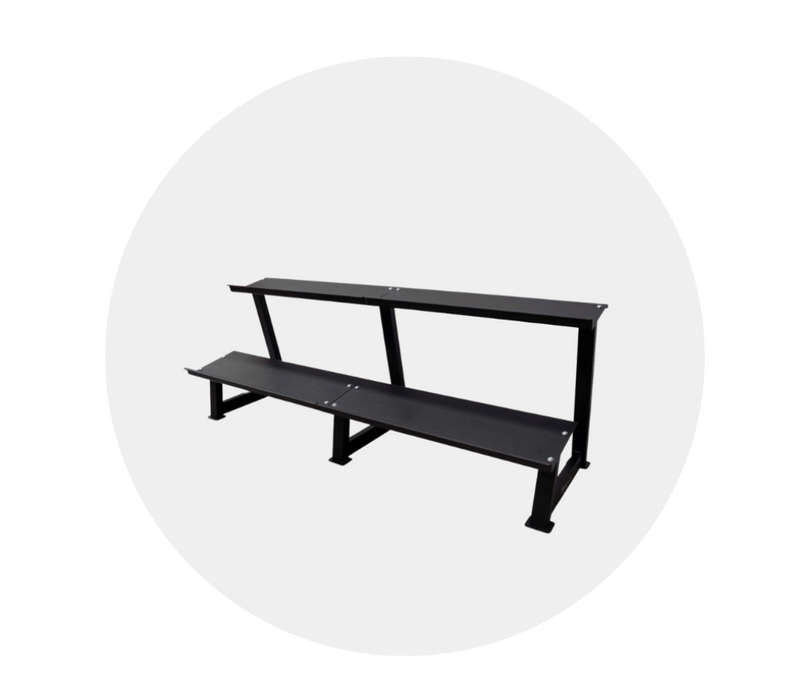
Storage becomes increasingly important as your plate collection grows. Vertical plate storage trees designed for bumper plates work exceptionally well, keeping your collection organized and off the floor while maximizing space efficiency.
Wall-mounted racks provide another excellent solution, particularly in space-constrained home gyms. Due to bumper plates' larger diameter compared to standard plates, dedicated storage solutions prevent damage and create a professional training environment. Ensure whatever storage you choose can support the weight safely and leaves room for loading and unloading plates easily during workouts.
Bumper Plates + Your Home Gym: Flooring + Safety
Even though bumper plates are specifically engineered to handle being dropped from overhead, proper flooring is absolutely essential for any serious home gym setup. Many people mistakenly think that bumper plates eliminate the need for protection because they're designed for drops.
However, concrete floors and wooden subfloors suffer significant damage from repeated dropping without protection. The issue isn't whether the floor is damaged instantly, but rather that unprotected surfaces accumulate micro-damage with every session until they become uneven, cracked, or unsafe. Investing in quality gym flooring transforms your training environment and protects your property investment long-term.
The industry standard recommendation is rubber gym flooring at least 20mm thick in your designated dropping zone or under your lifting platform. This thickness provides adequate shock absorption while remaining stable and non-slip during loaded movements.
Serious lifters build a complete Olympic lifting platform using 20mm rubber flooring in the drop zone, extending several feet in front of and behind the bar to accommodate misloads and teaching attempts. For home gyms with space constraints, even partial flooring under the primary loading area provides substantial protection while keeping costs manageable. The rubber absorbs impact energy that would otherwise transfer to concrete or wood, significantly extending both floor lifespan and the lifespan of your bumper plates themselves.
Safe dropping technique is equally important as equipment selection. While bumper plates are designed to handle drops, this doesn't mean intentionally throwing weight from overhead as a casual training habit. Best practice involves controlling the bar down whenever possible, allowing the plates to settle gently rather than crashing.
Reserve hard drops for failed lifts where maintaining control is impossible, or during specific plyometric training where the drop is the intended movement. This approach minimizes noise, reduces impact stress on the plates themselves, and creates better neighbors if you're training in an apartment or shared living situation. Controlled descents also reinforce body awareness and lifting technique better than constant hard drops.
Training bumper plates bounce more noticeably than competition bumper plates due to their thicker construction and virgin rubber composition. This isn't a flaw; it's simply a characteristic you need to account for when planning your training space and technique. If your training bumpers have substantial bounce, ensure your drop zone extends sufficiently in front of and behind where the bar will land, so it has safe space to bounce without rolling away or hitting obstacles.
Some lifters appreciate the lively bounce because it replicates the feel of competitions, while others find it disconcerting. Regardless of preference, understanding your specific plates' bounce characteristics allows you to train safely and confidently.
Noise considerations matter significantly for home gym training, particularly if you share space with family members, neighbors, or roommates. While bumper plates inherently produce less noise than cast iron on concrete, adding quality rubber gym flooring dramatically reduces impact noise. Rubber on rubber flooring contact produces far less sound than rubber on concrete, and vibration-dampening mats added under your platform absorb additional sound transmission through floors to rooms below.
Some lifters report that a properly floored platform with bumper plates produces minimal disturbance compared to traditional standard plate setups. If noise is a concern for your situation, combining bumper plates with quality flooring creates a surprisingly quiet training environment.
Ready to Get Started with Bumper Plates?
Shop Dynamo Fitness's complete bumper plate range to find the perfect plates for your training goals. With fast Australia-wide shipping and competitive pricing, starting your Olympic lifting journey has never been easier.
Invest in quality bumper plates today and experience the confidence that comes from training on equipment built for serious athletes.