




No Gym is Complete Without
Gym Mats
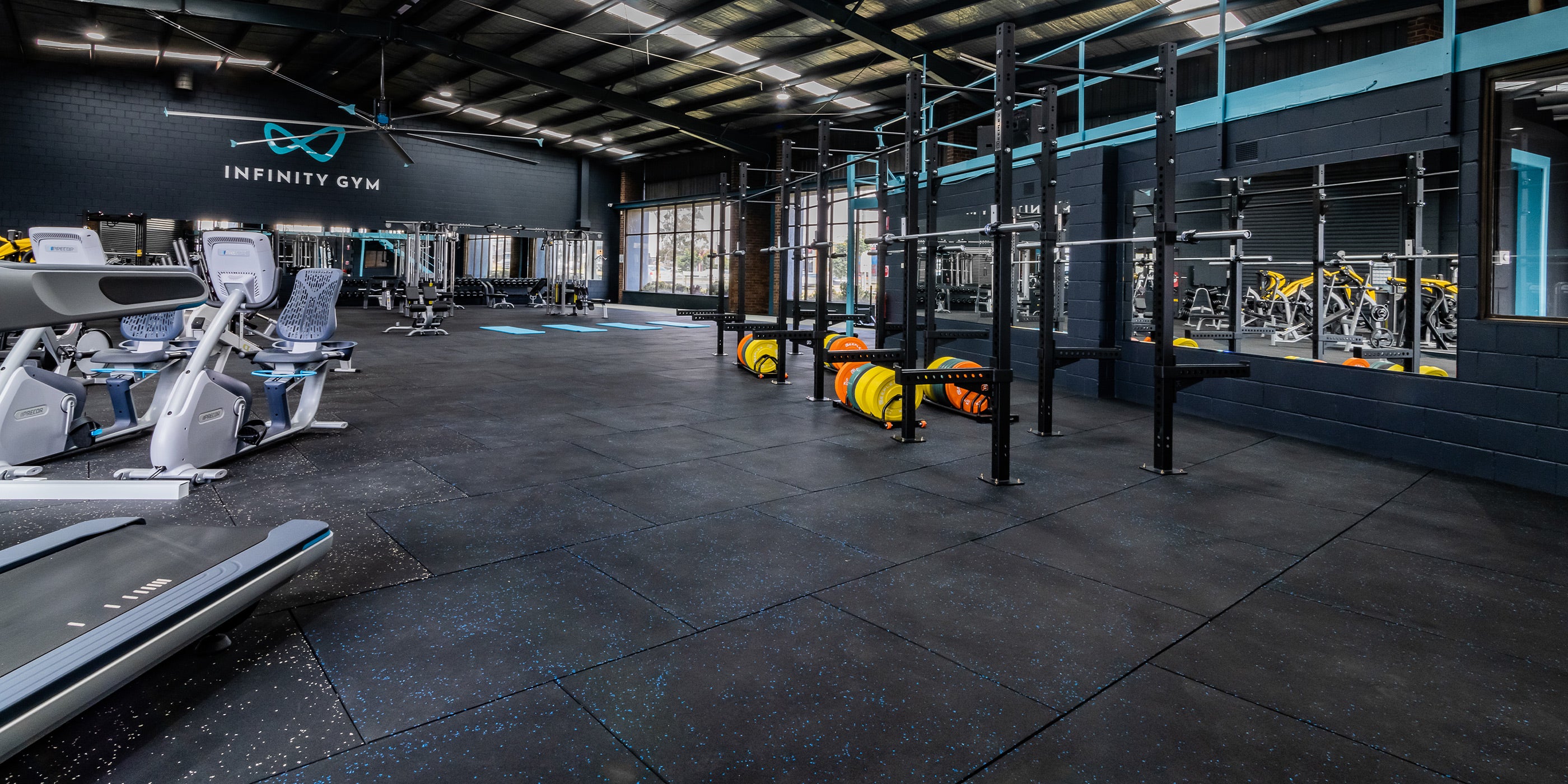
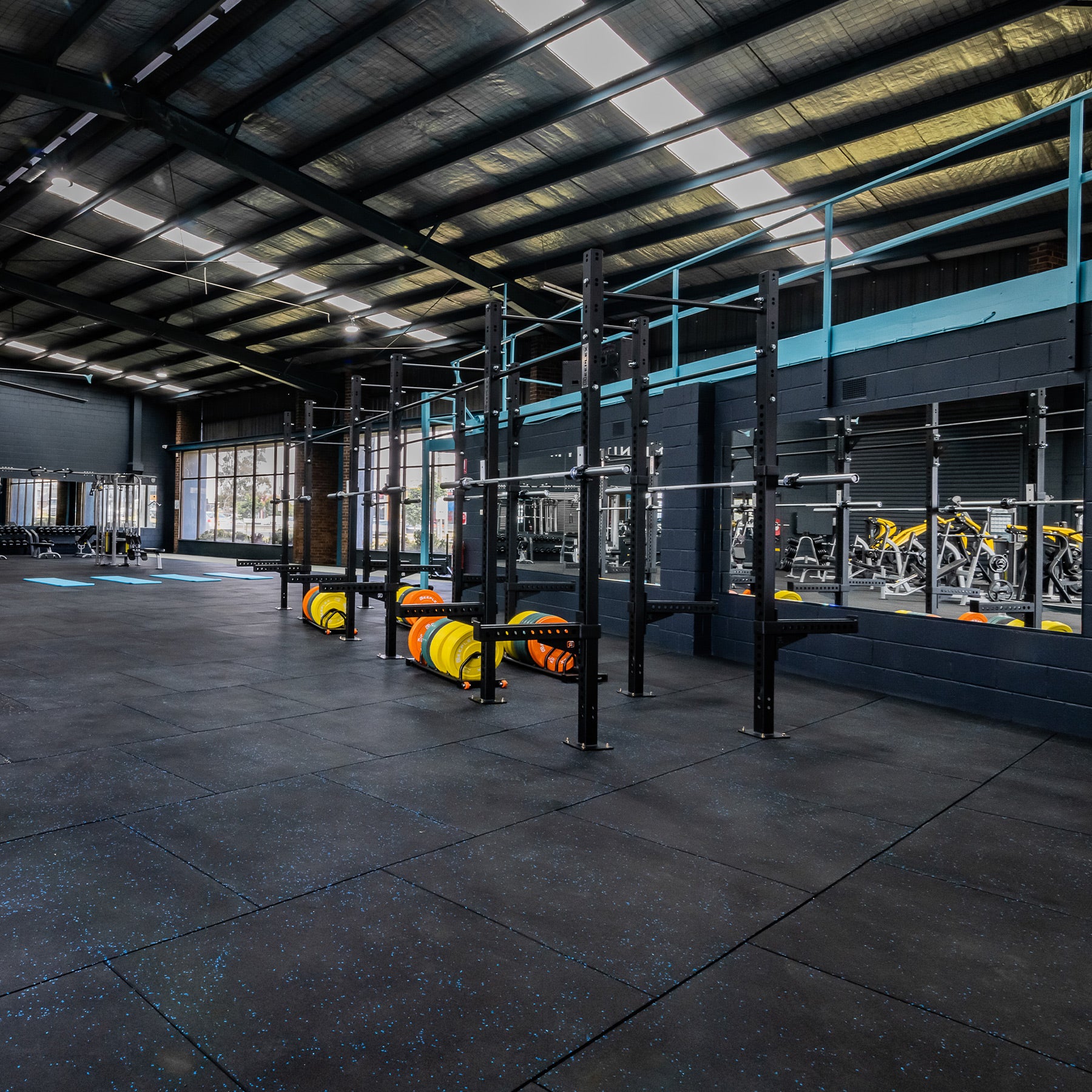
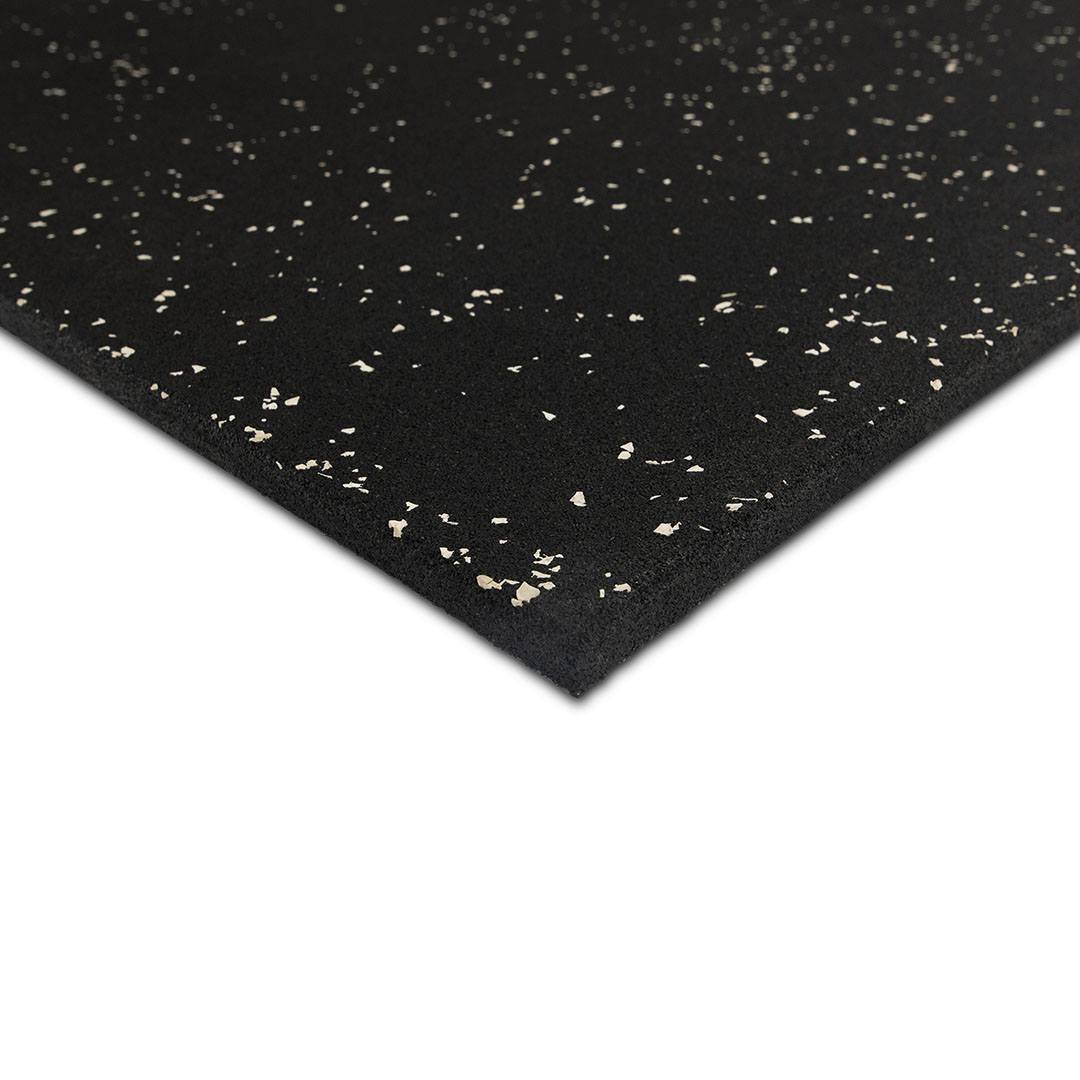
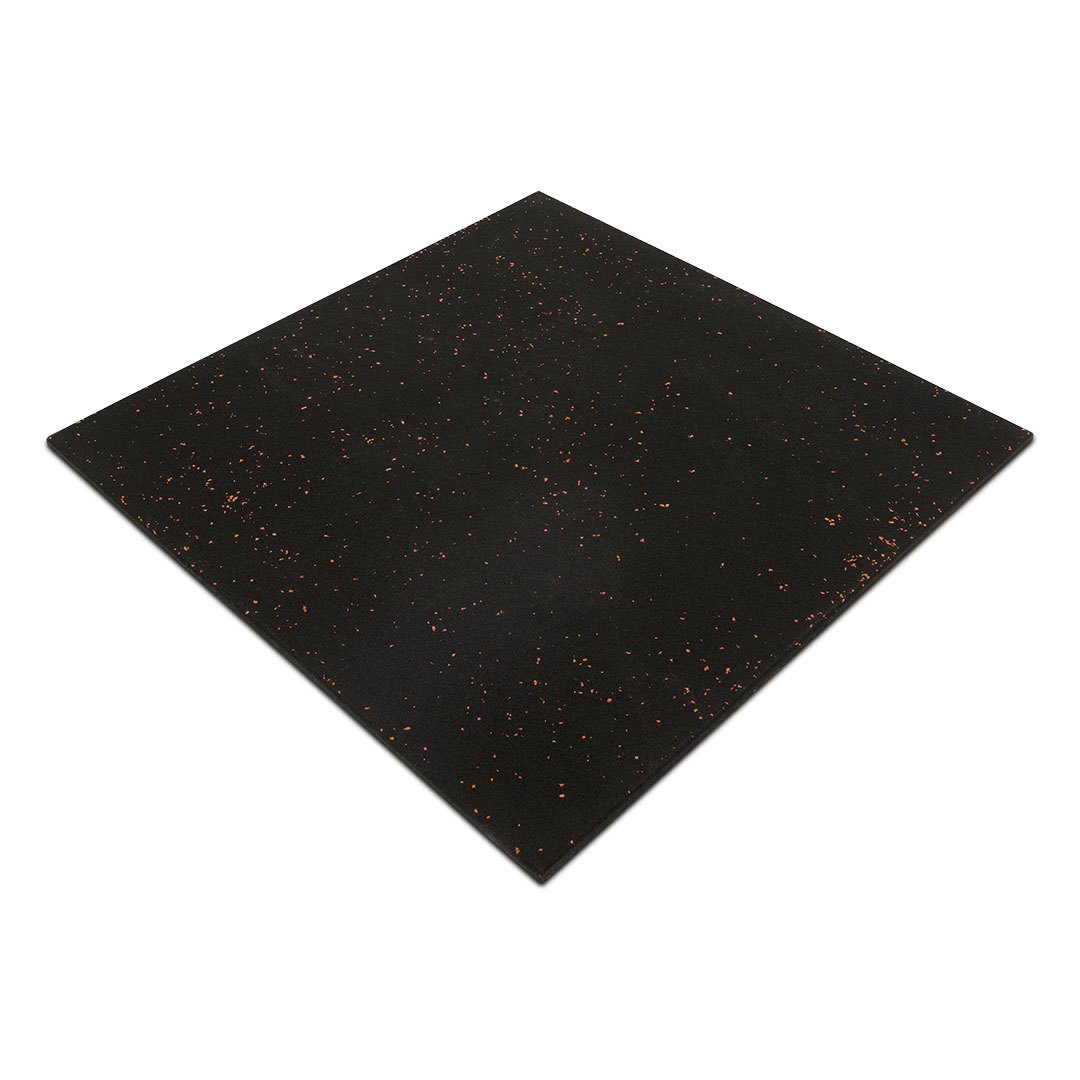
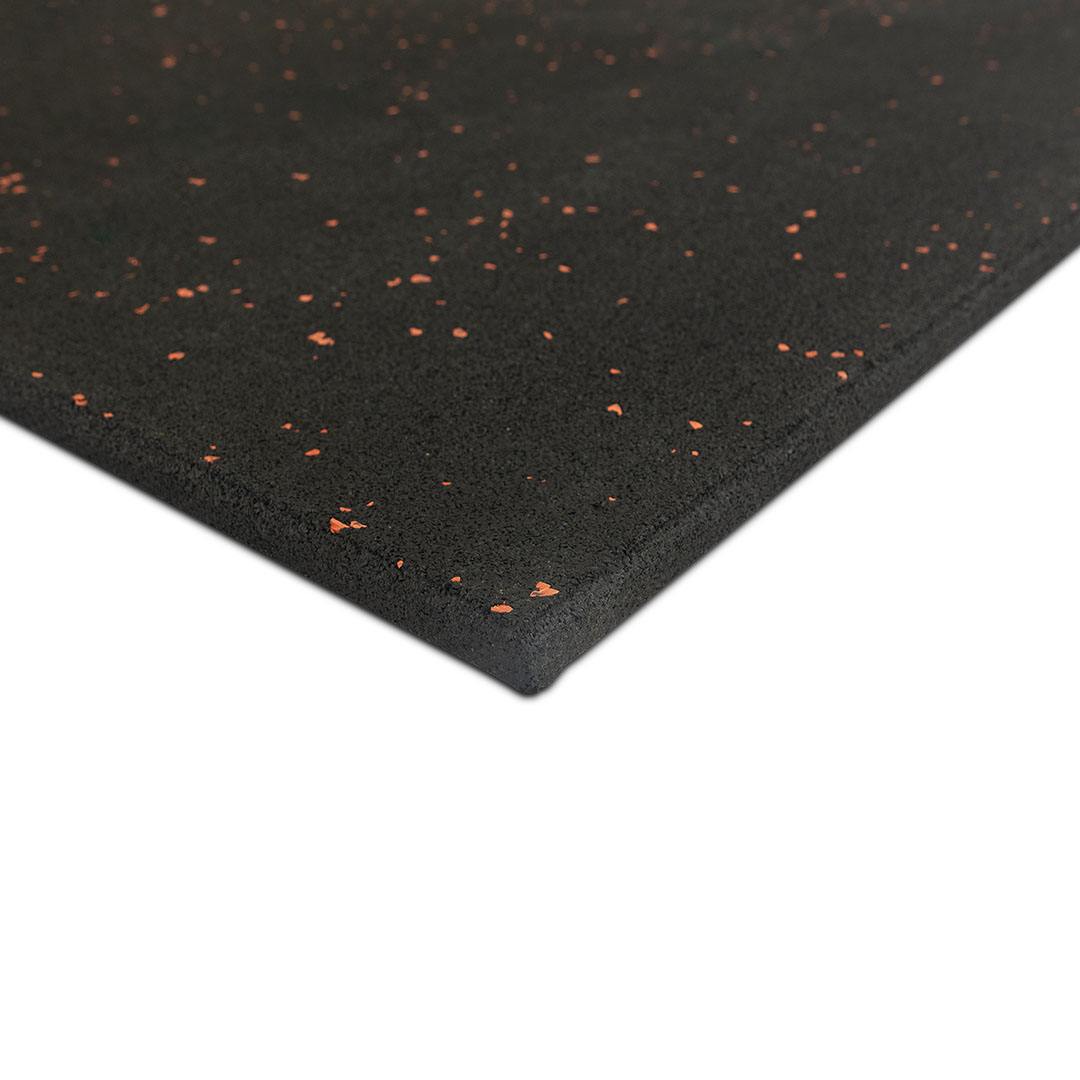
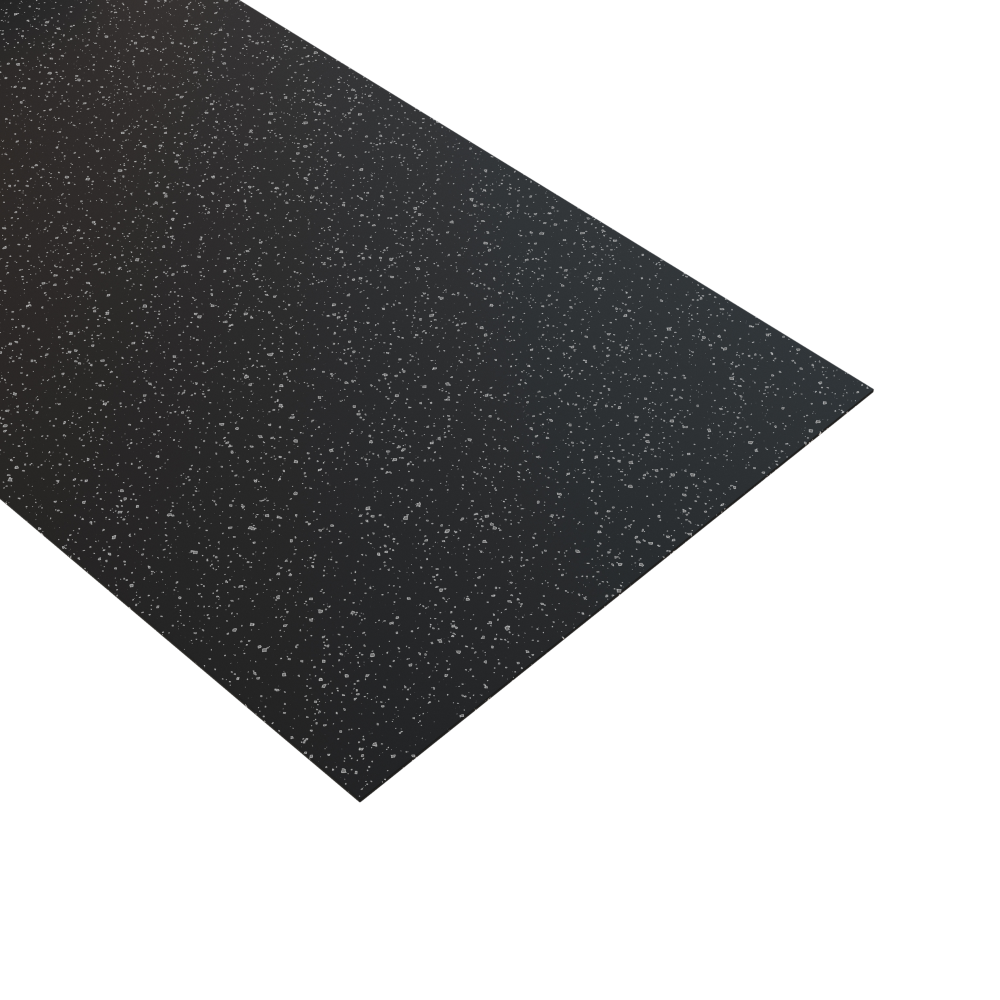
Explore our range of Commercial Rubber gym tiles supplied to amazing gyms around Australia.
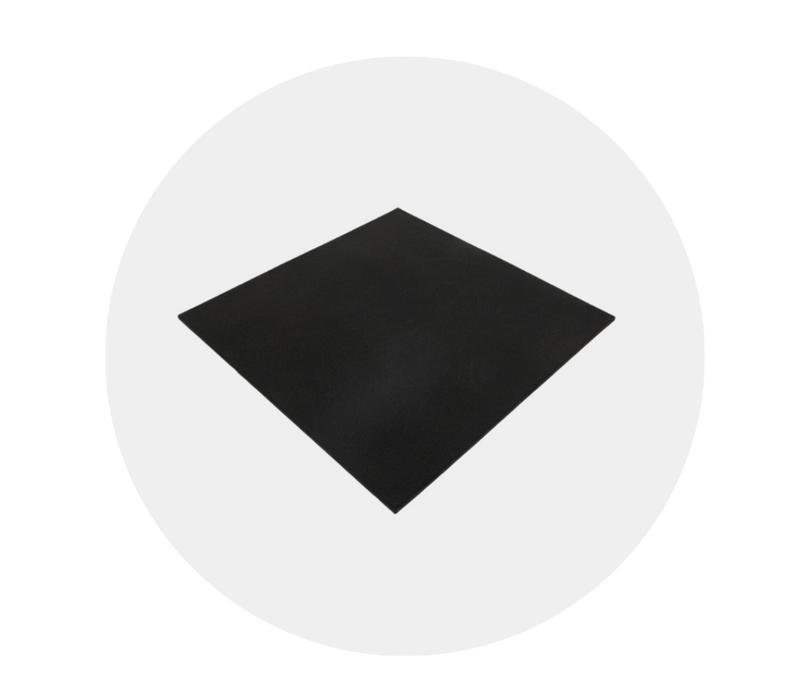
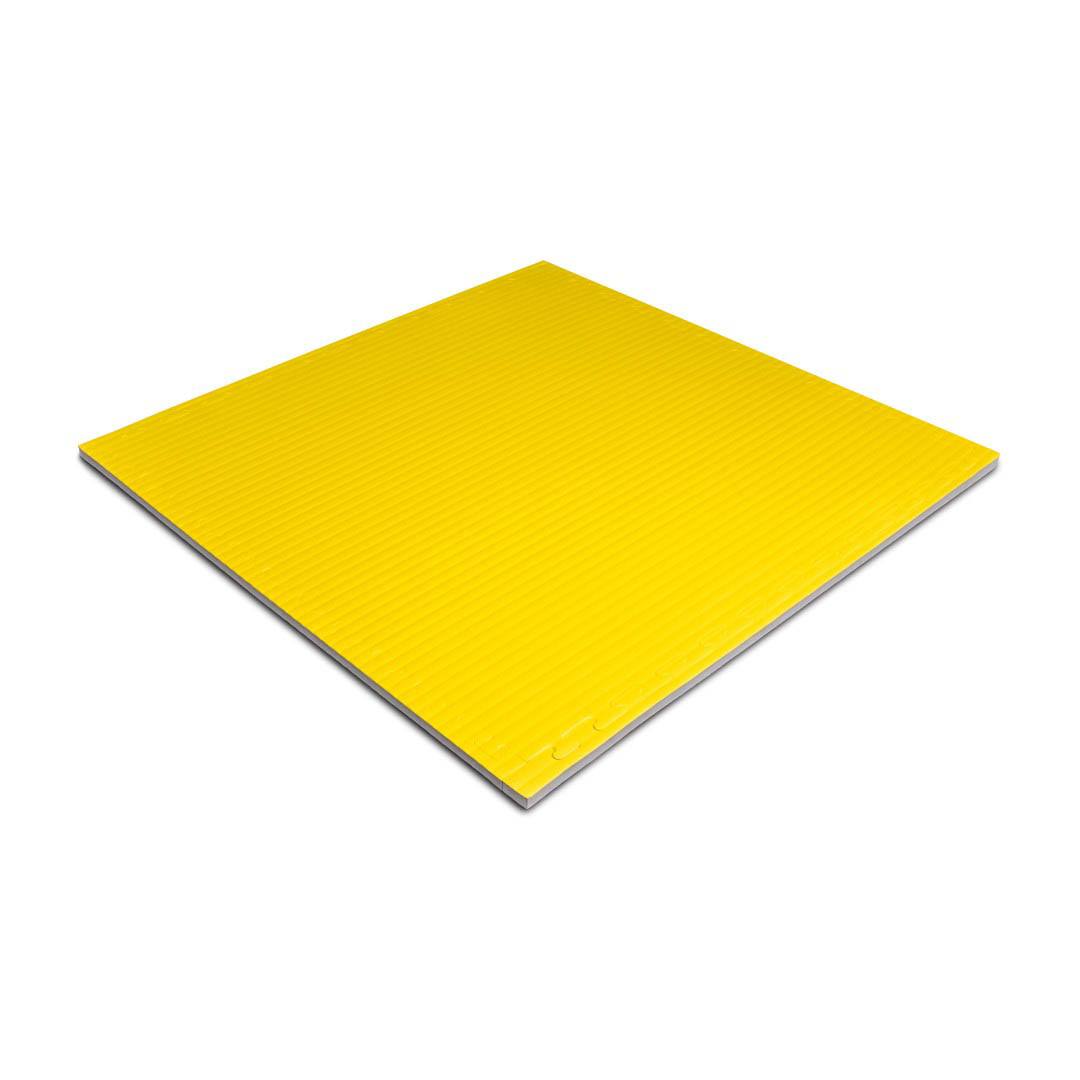
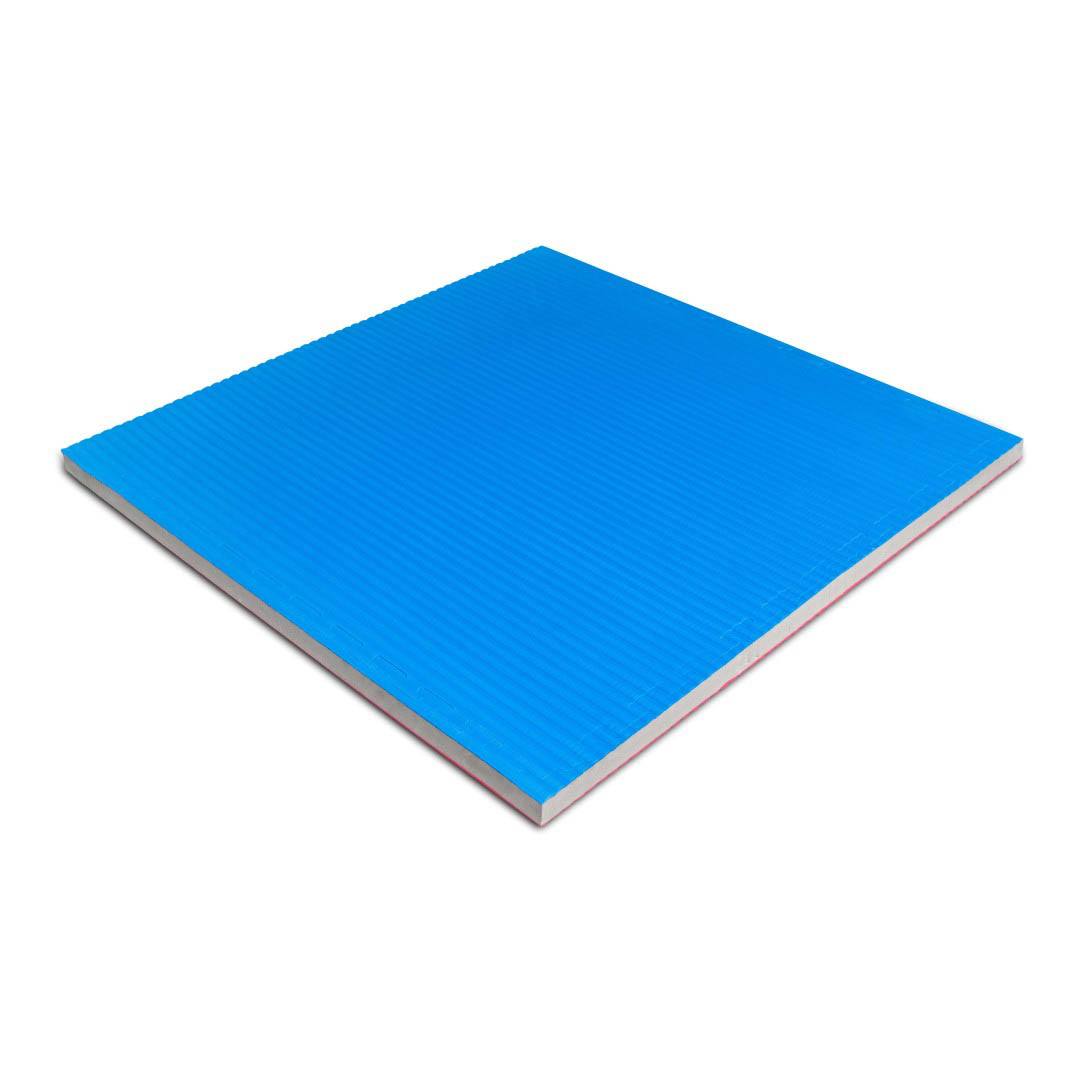
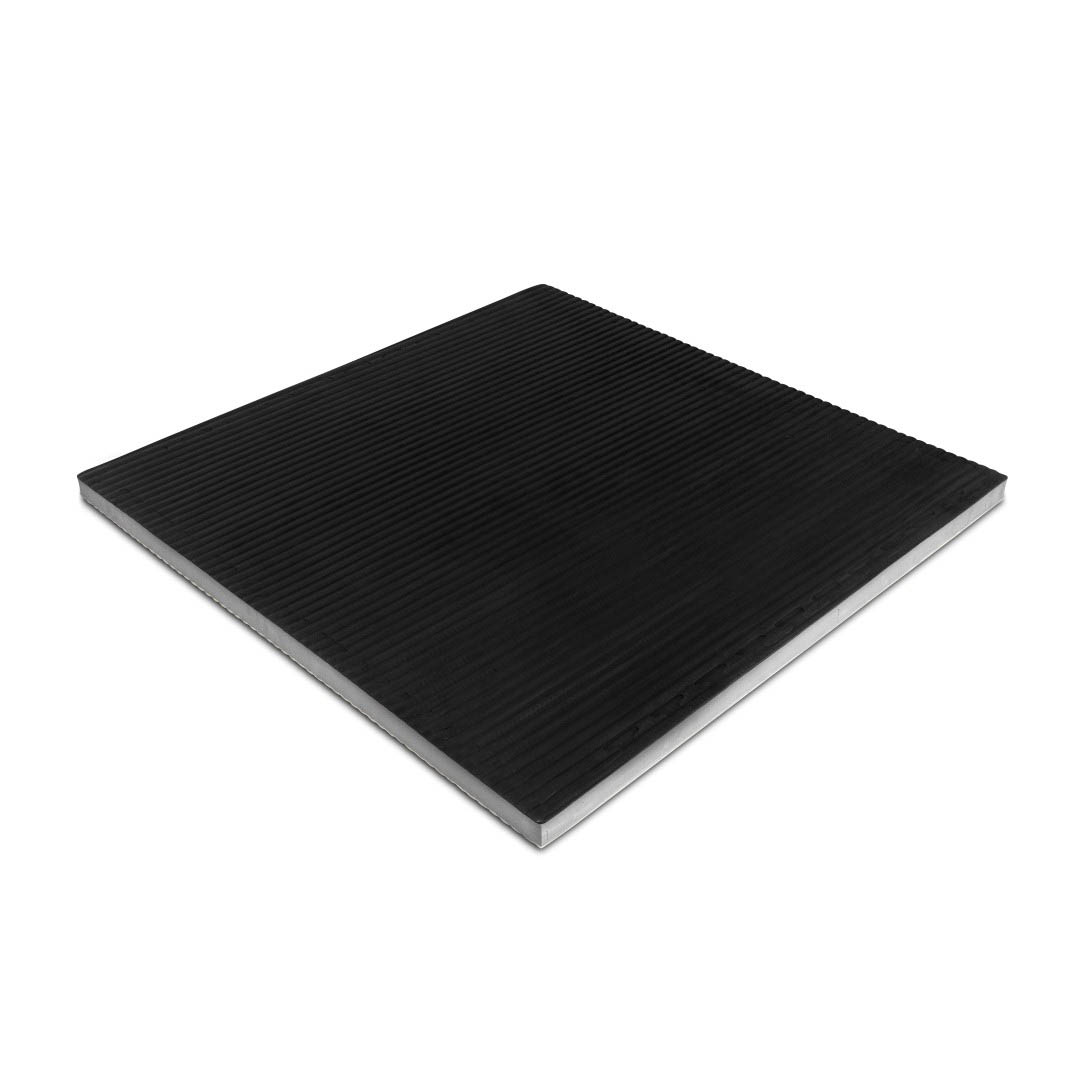
1m x 1m
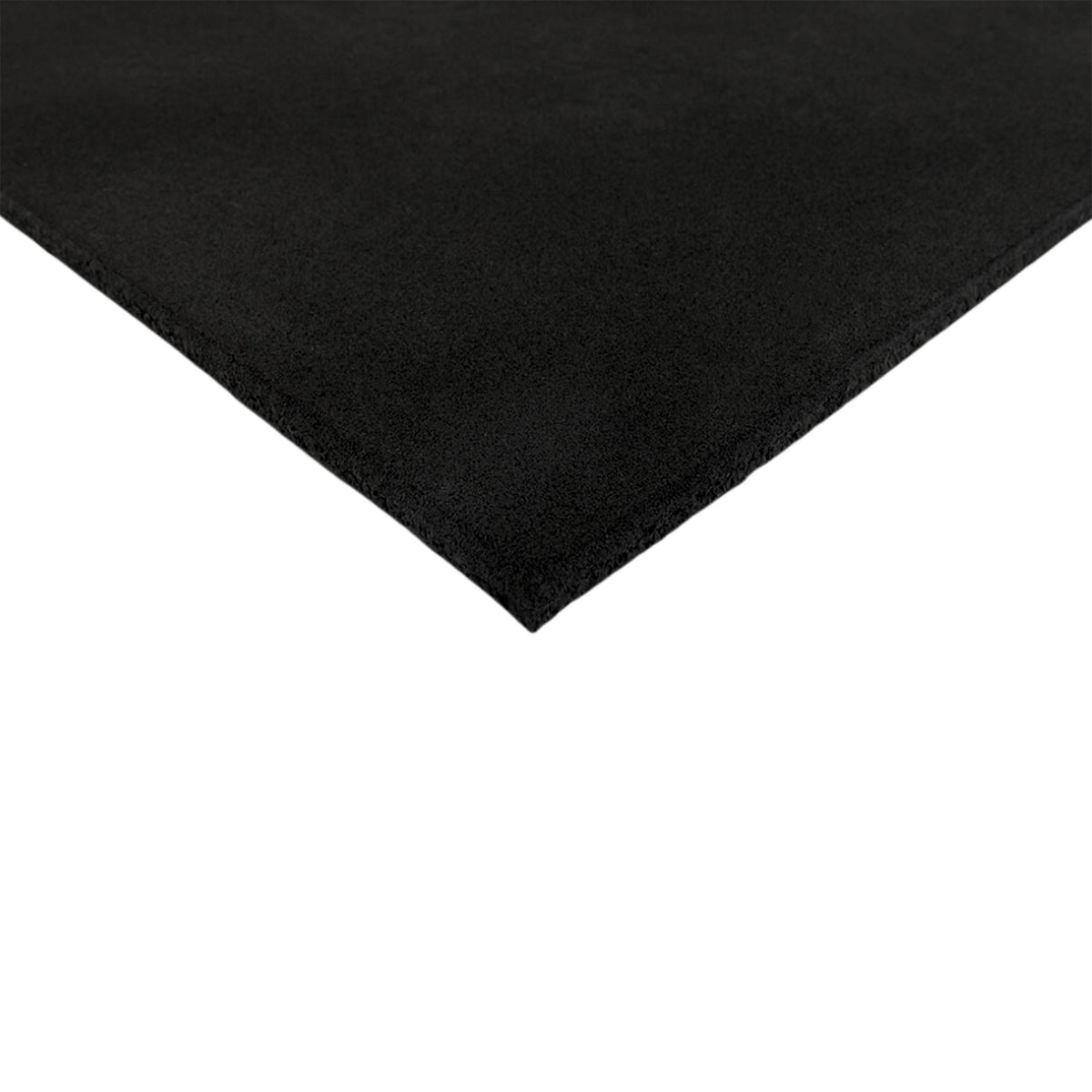
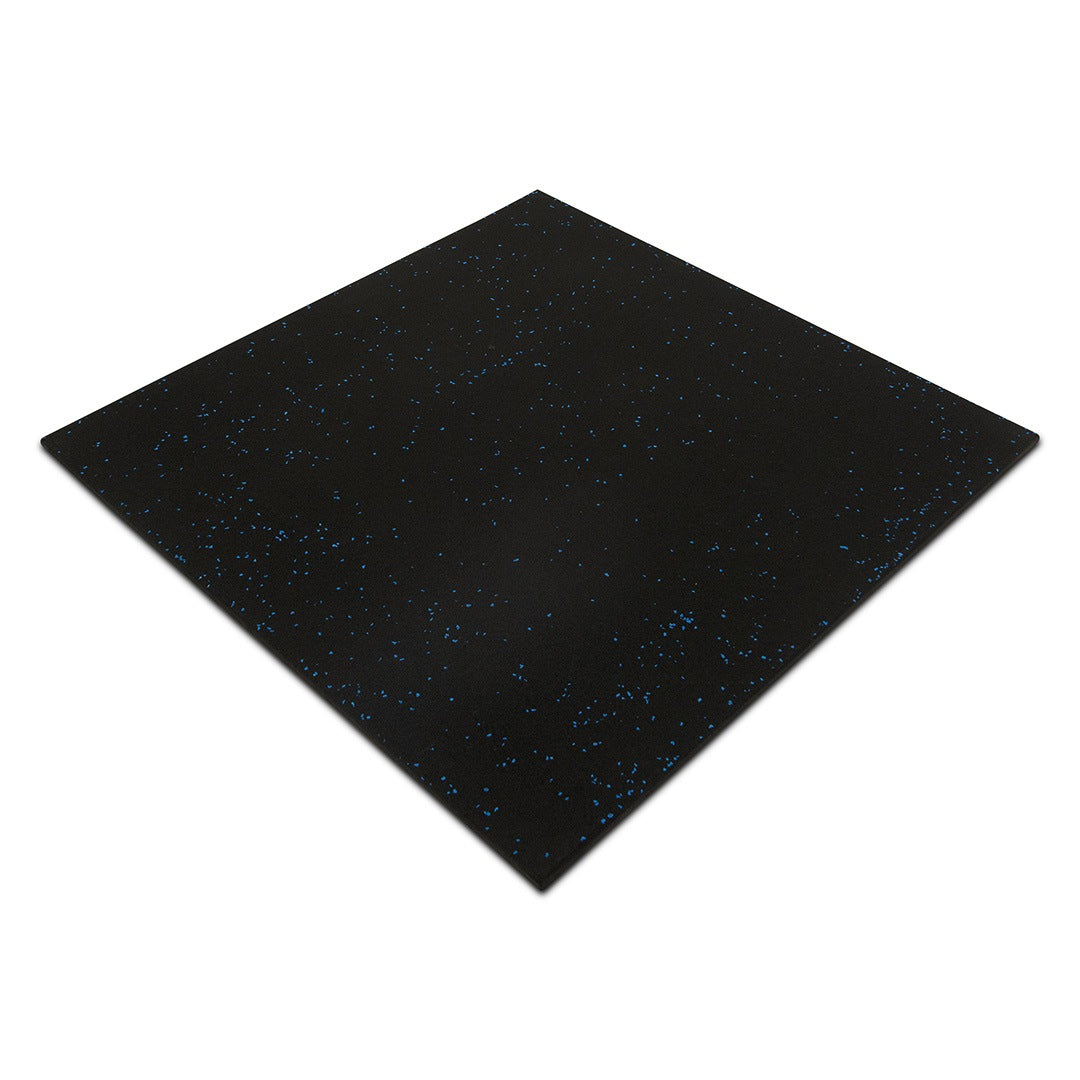
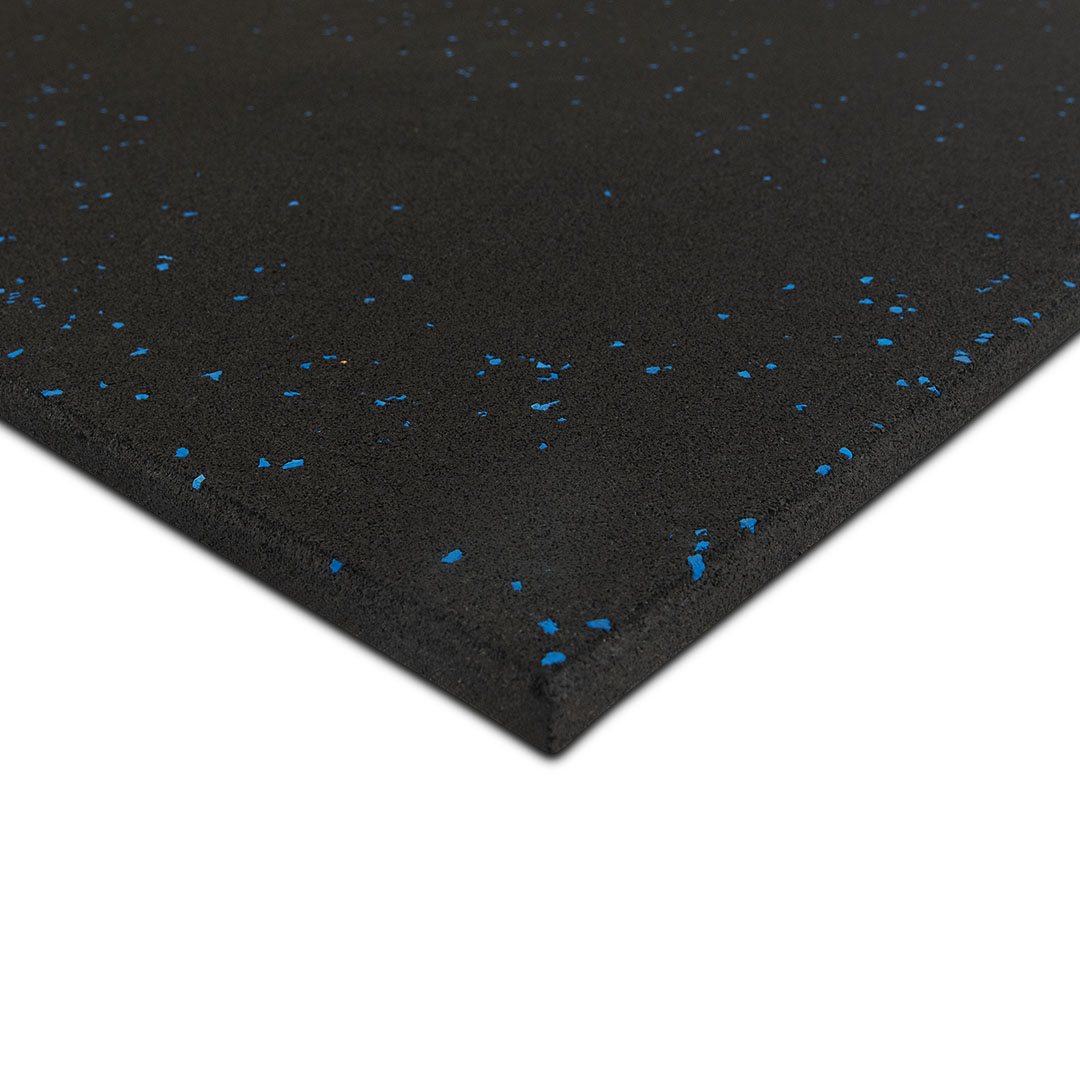
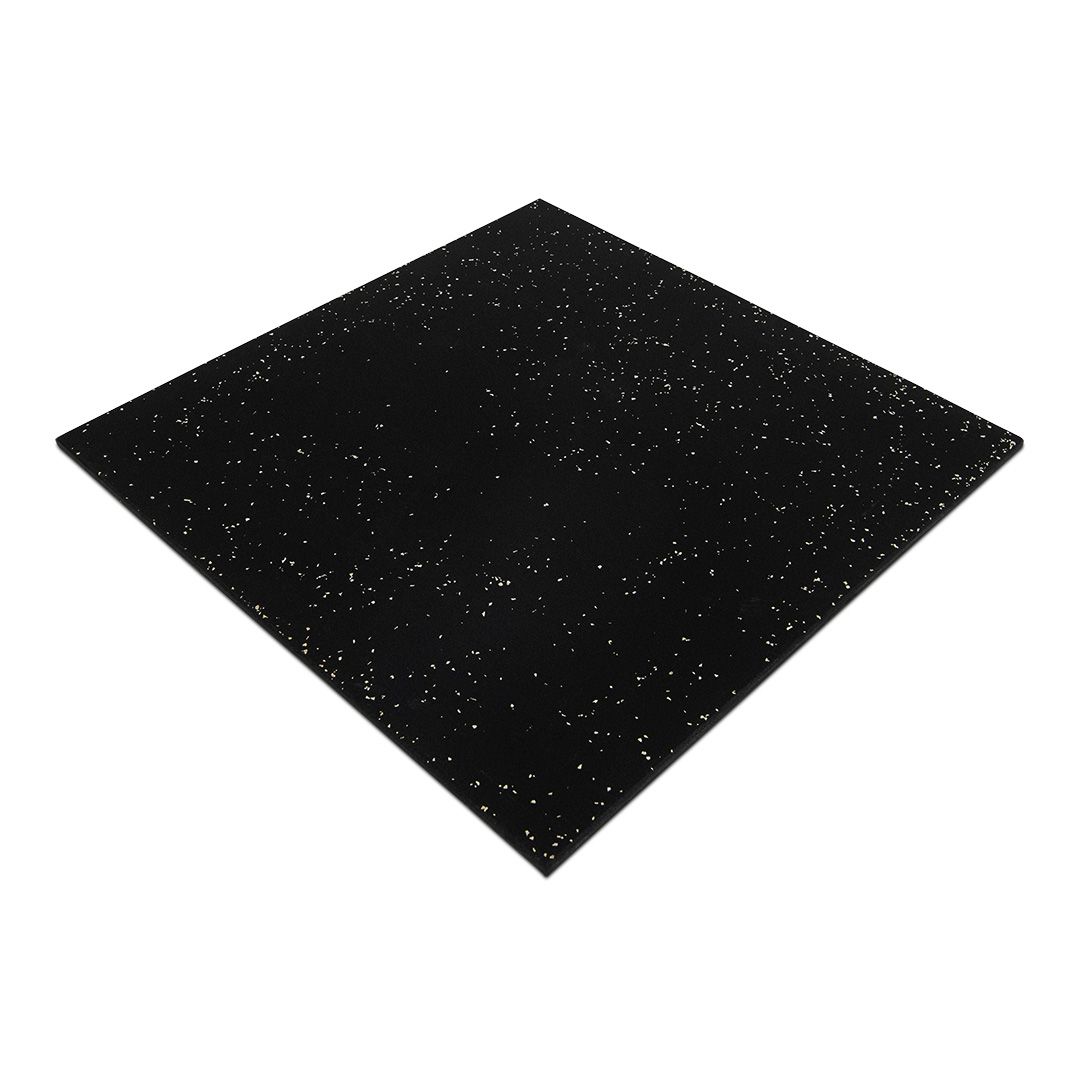
Commercial Gym Mats
15mm Thickness
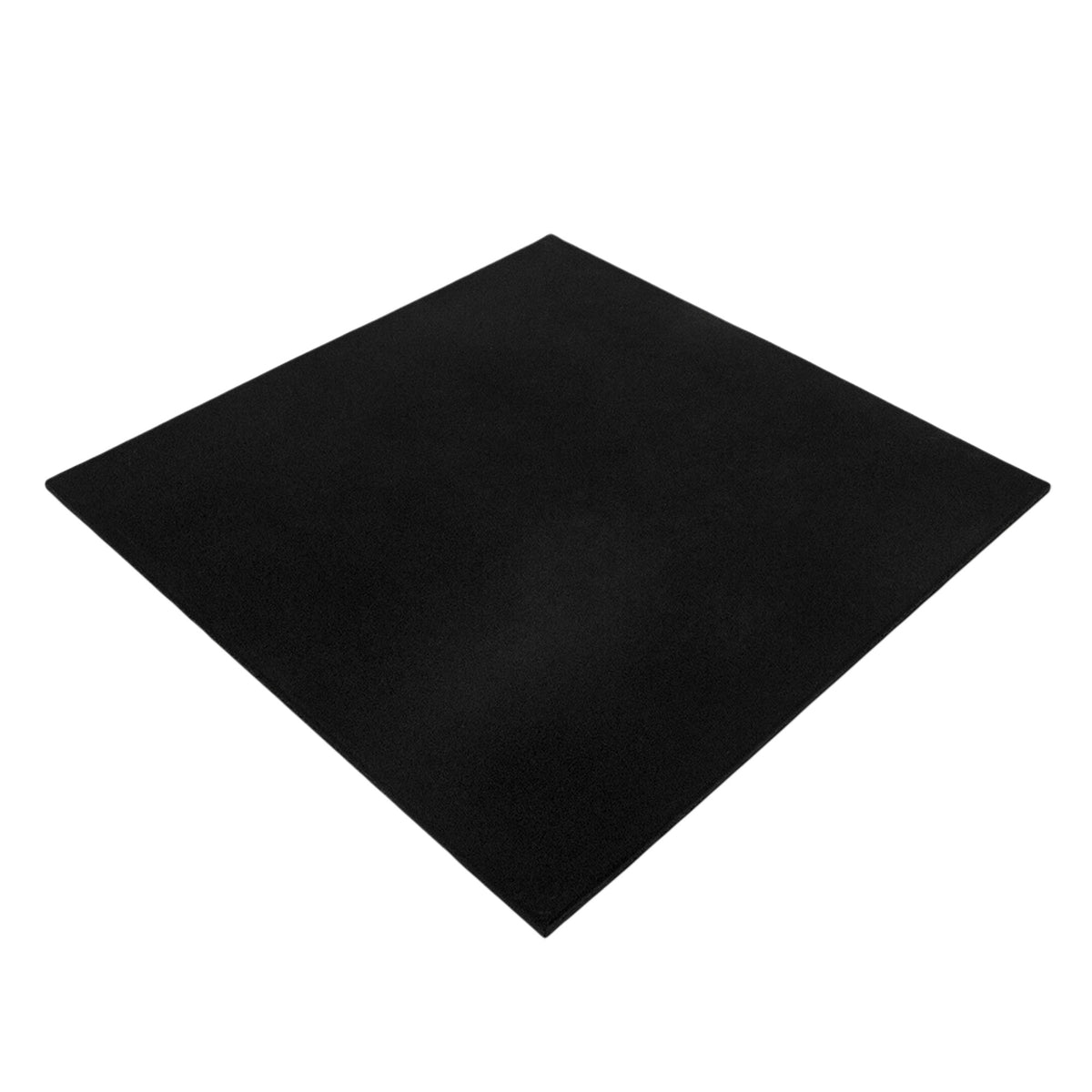
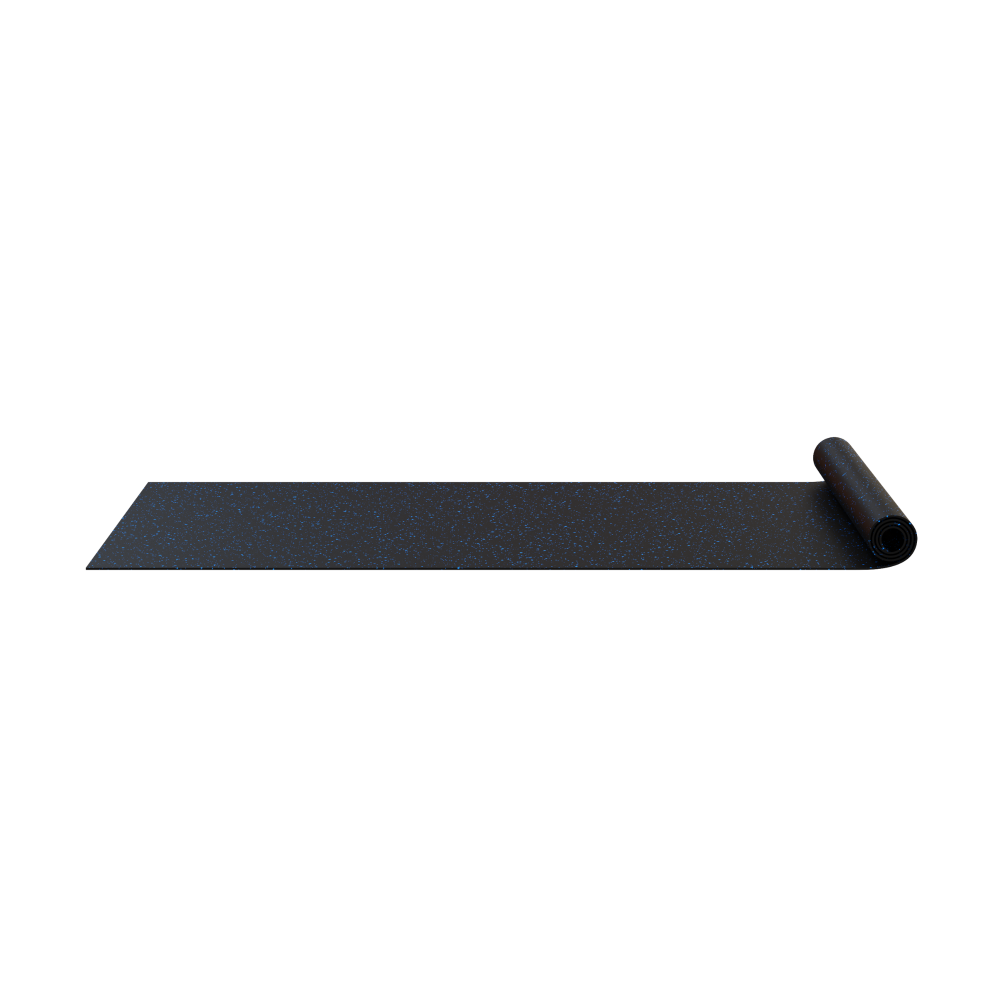
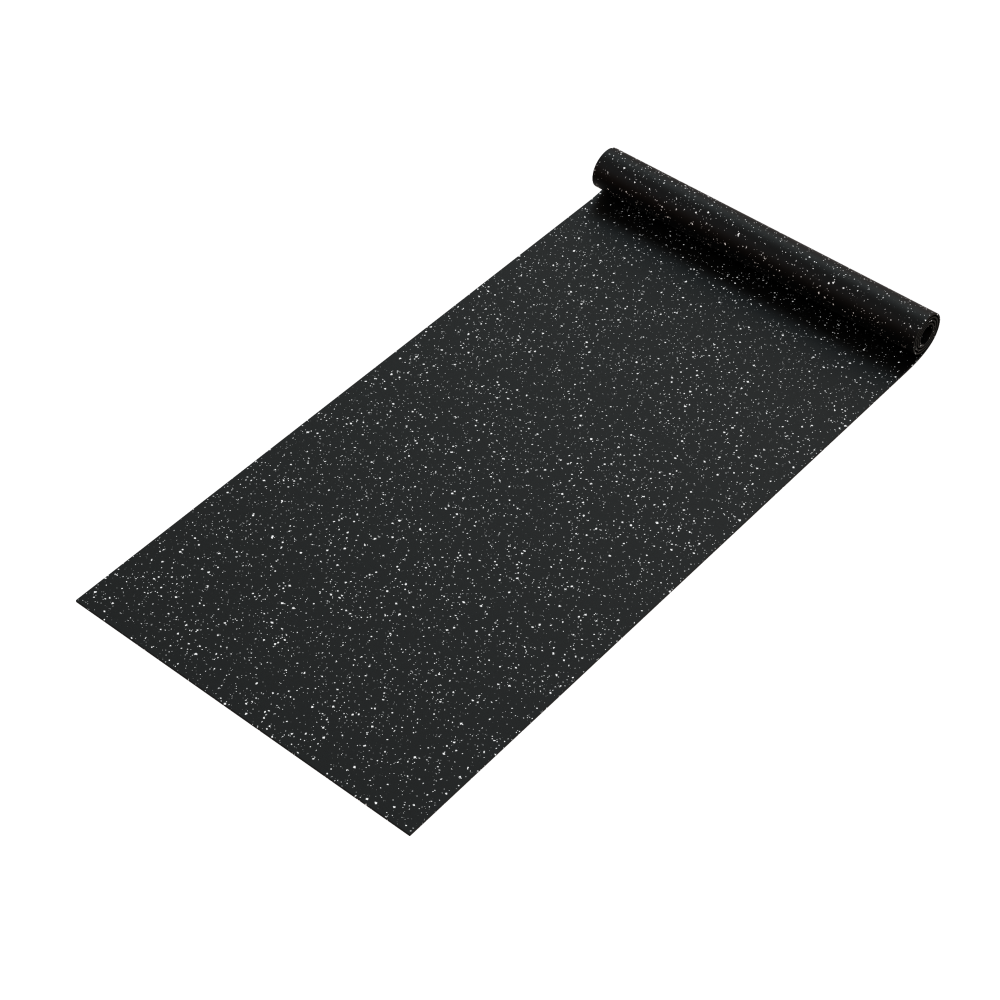
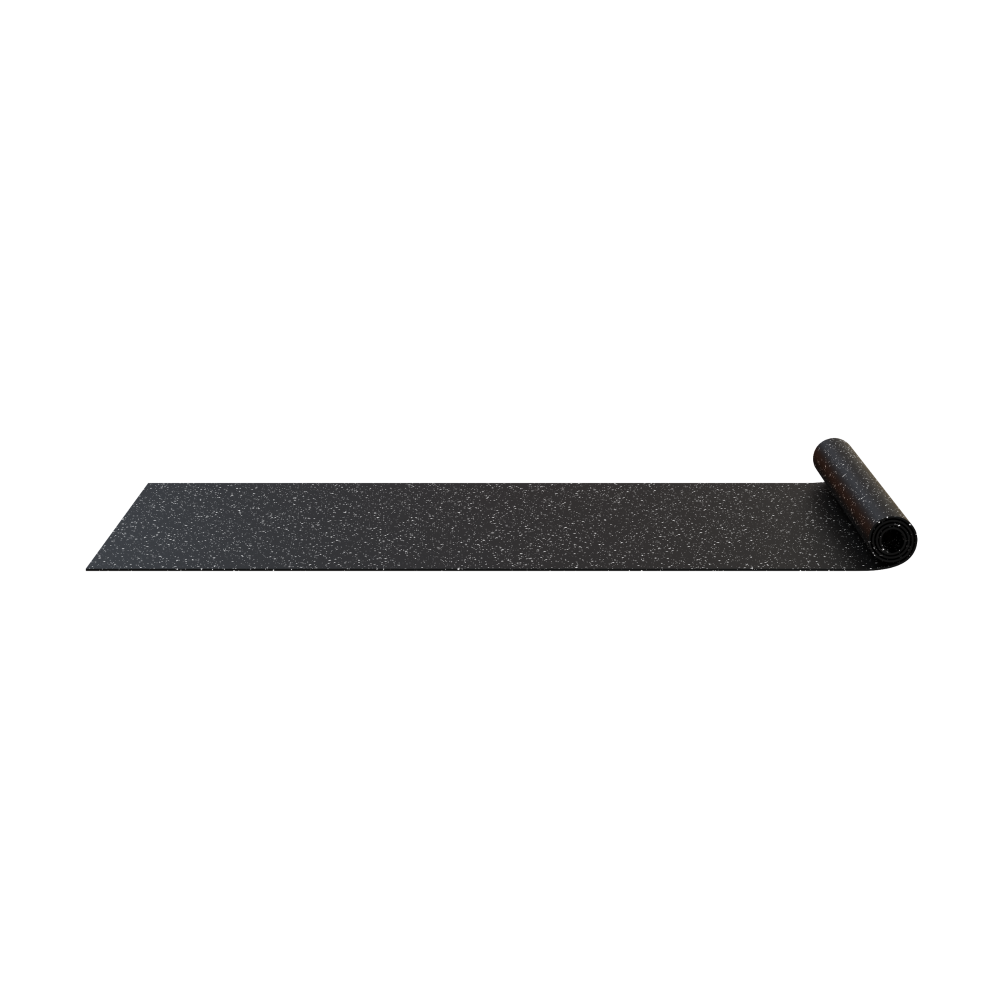
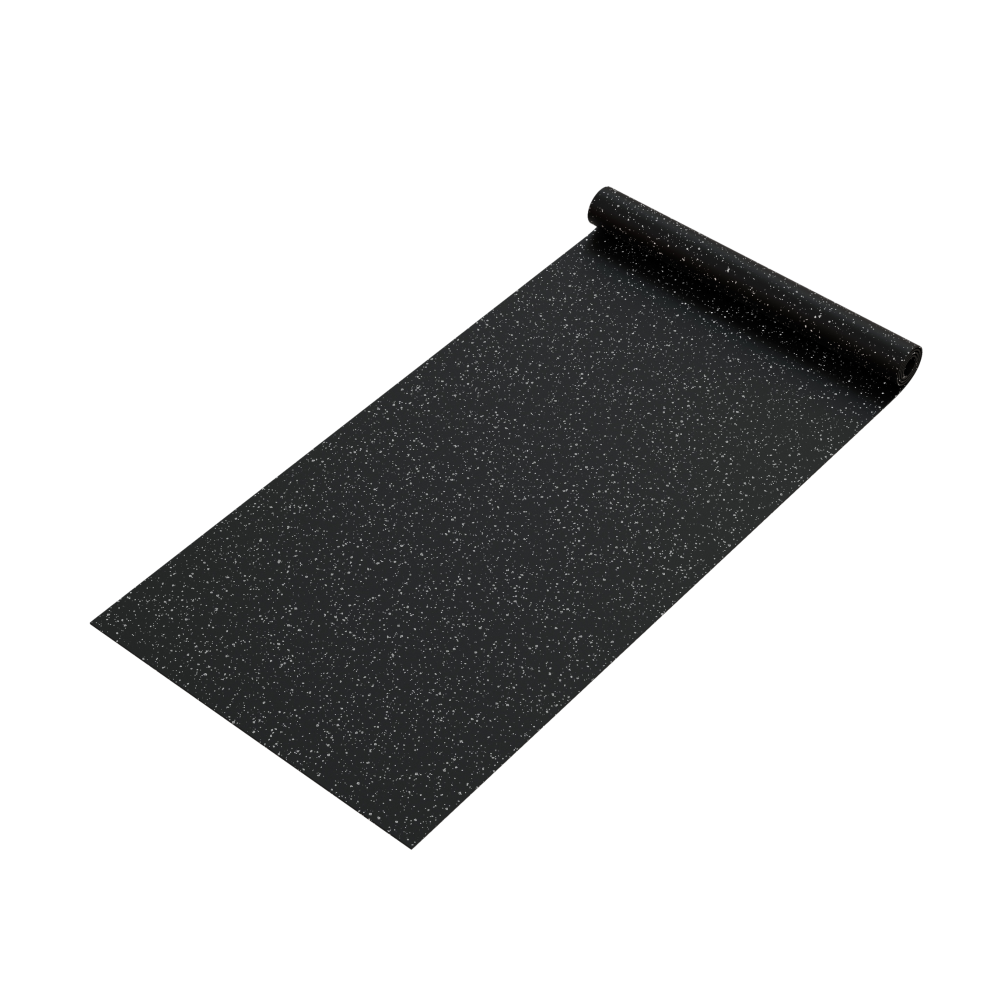
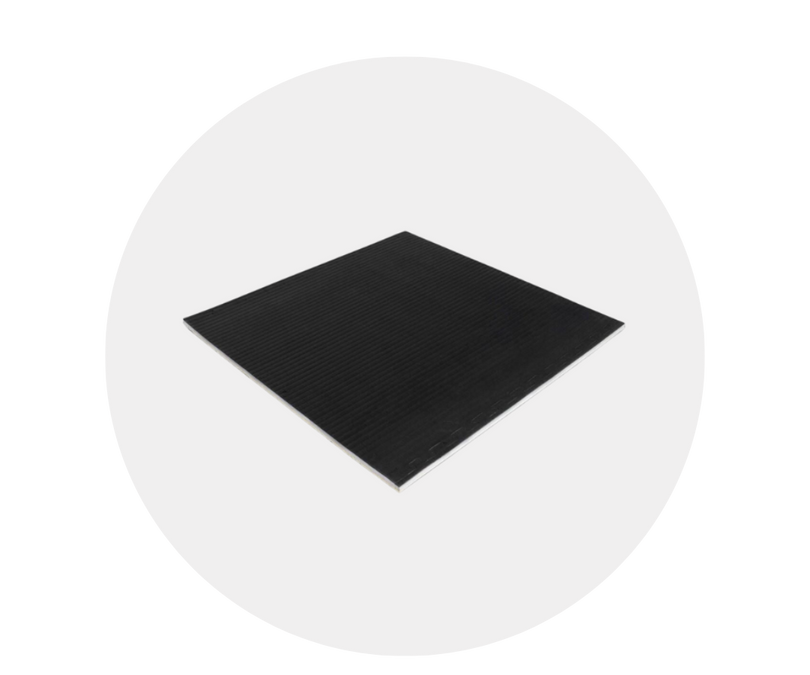
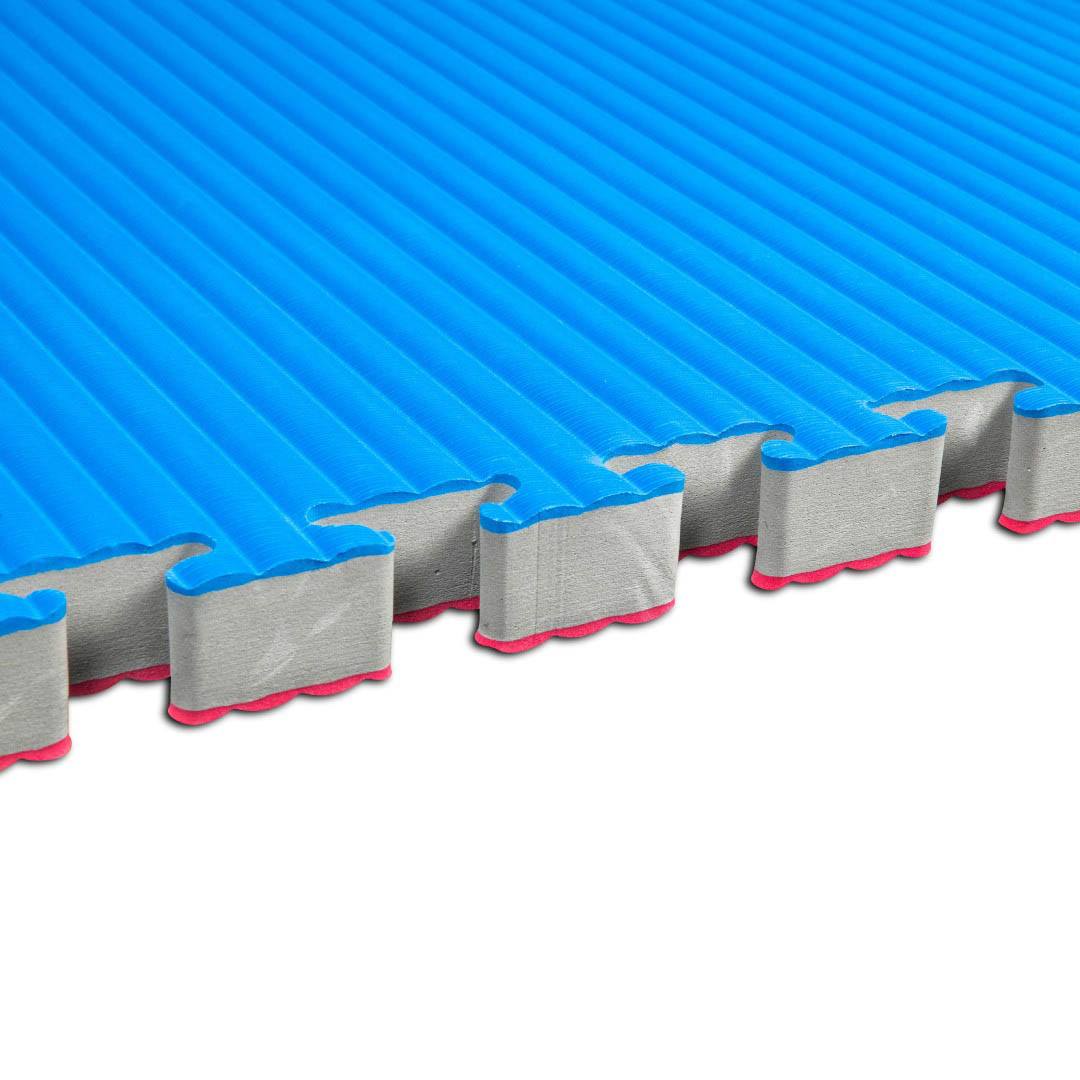
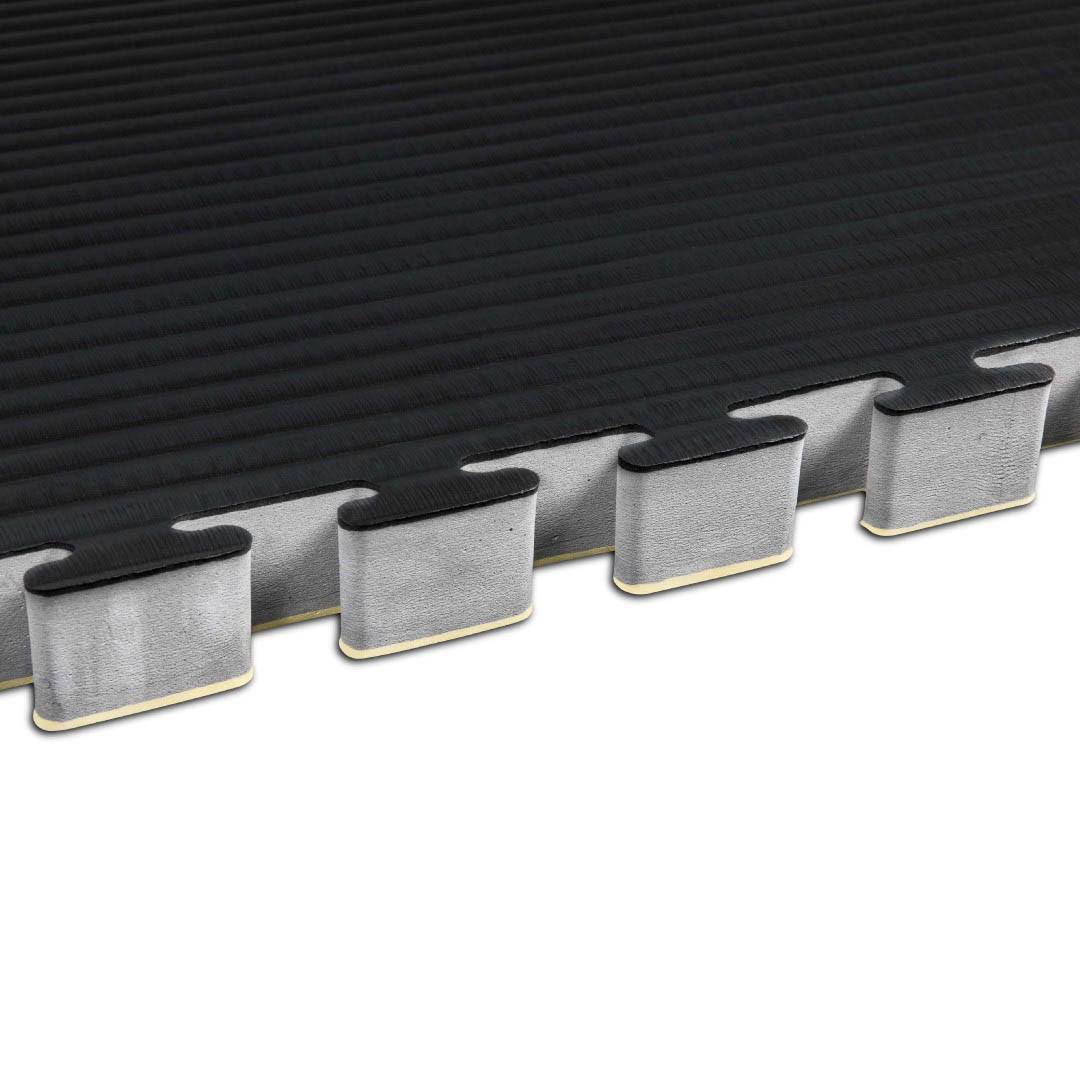
Interlocking Foam
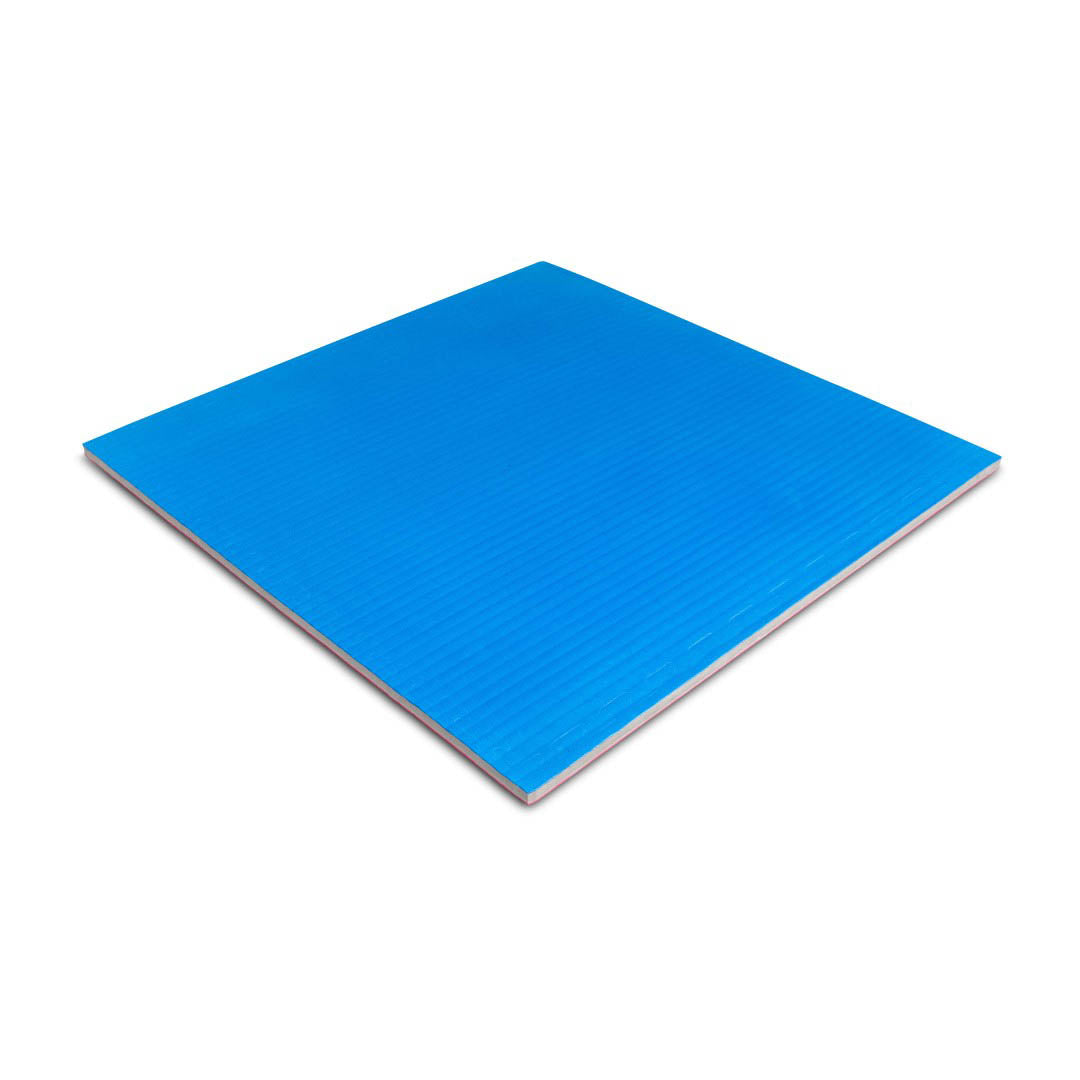
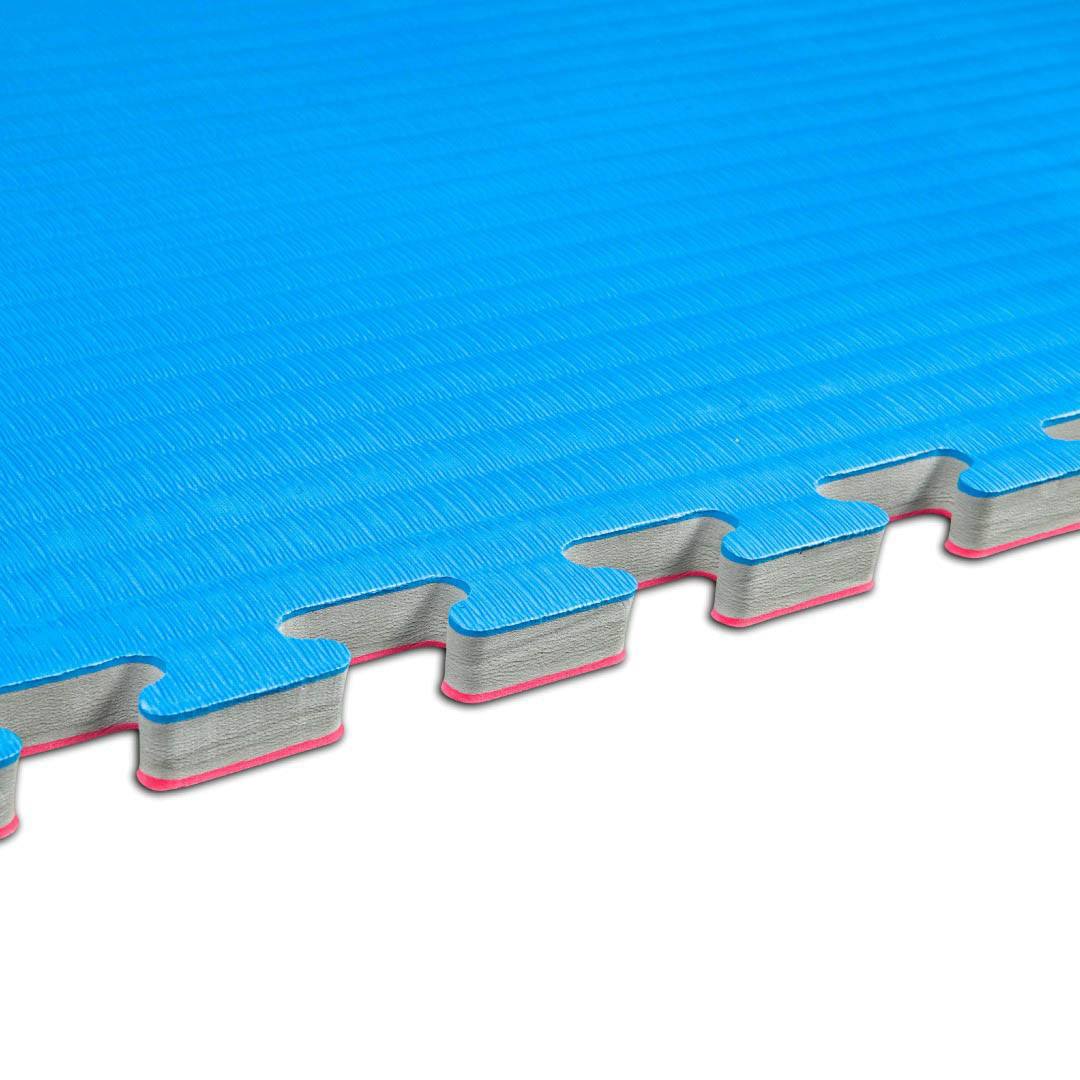
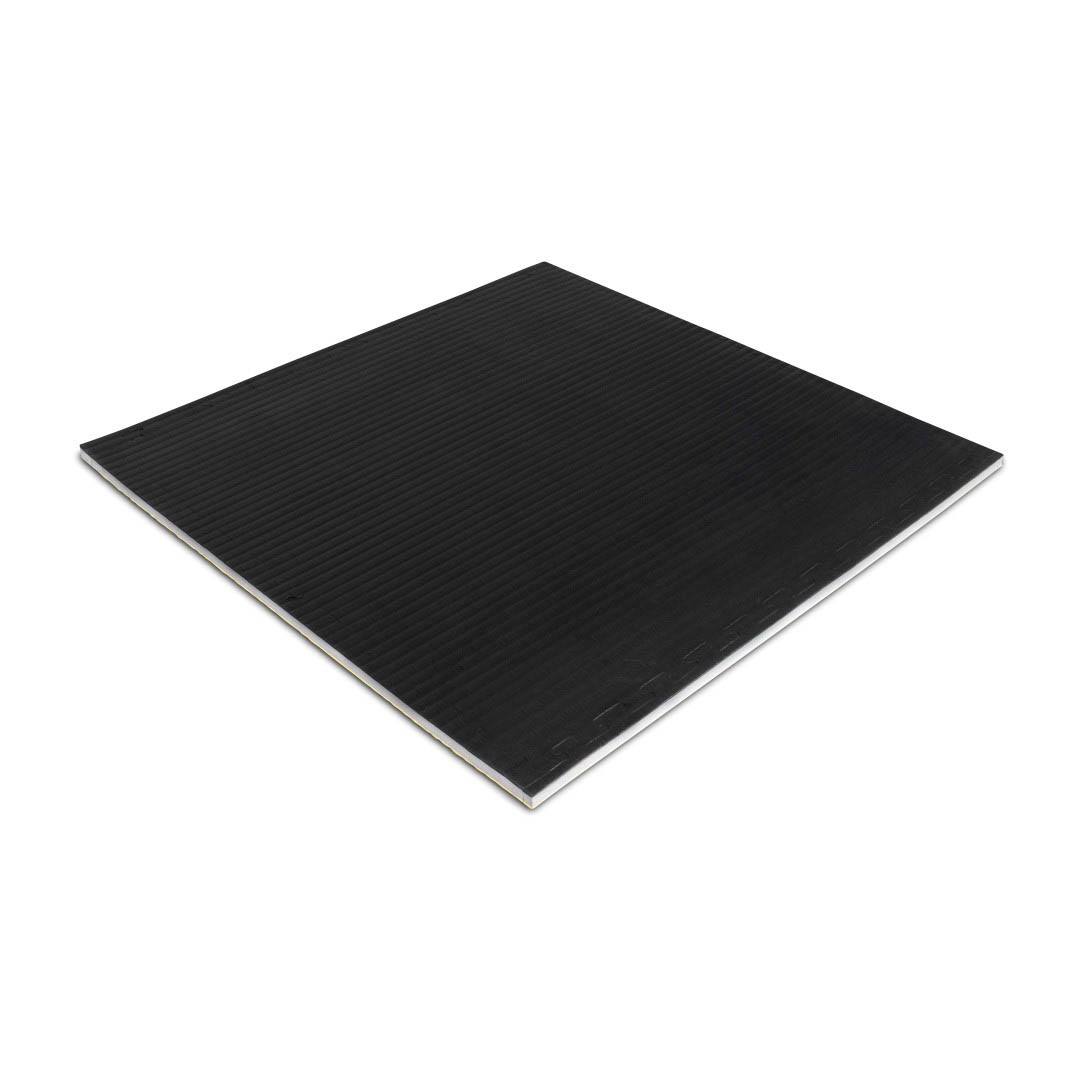
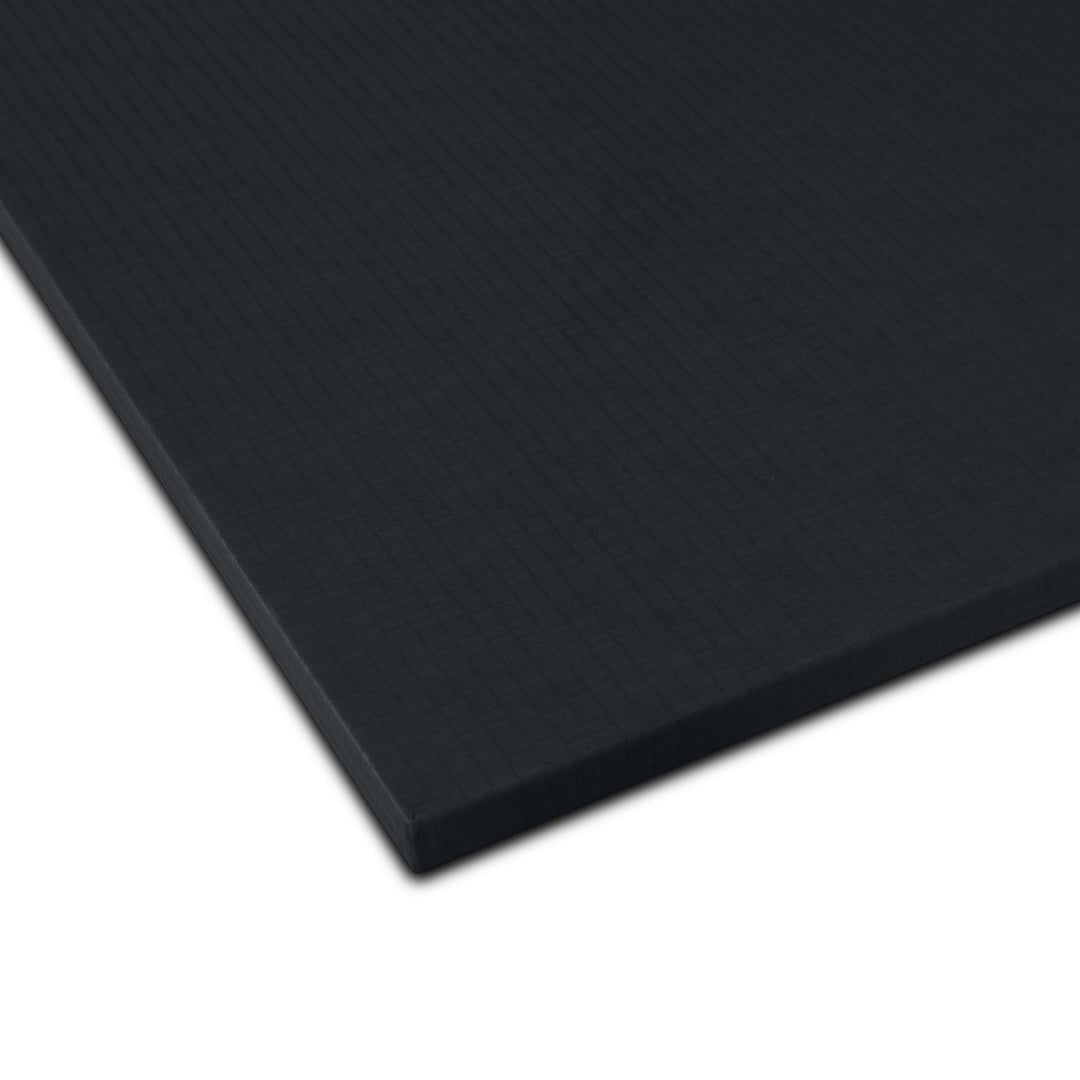
Jigsaw Mats & Judo Mats
Clever Interlocking Design
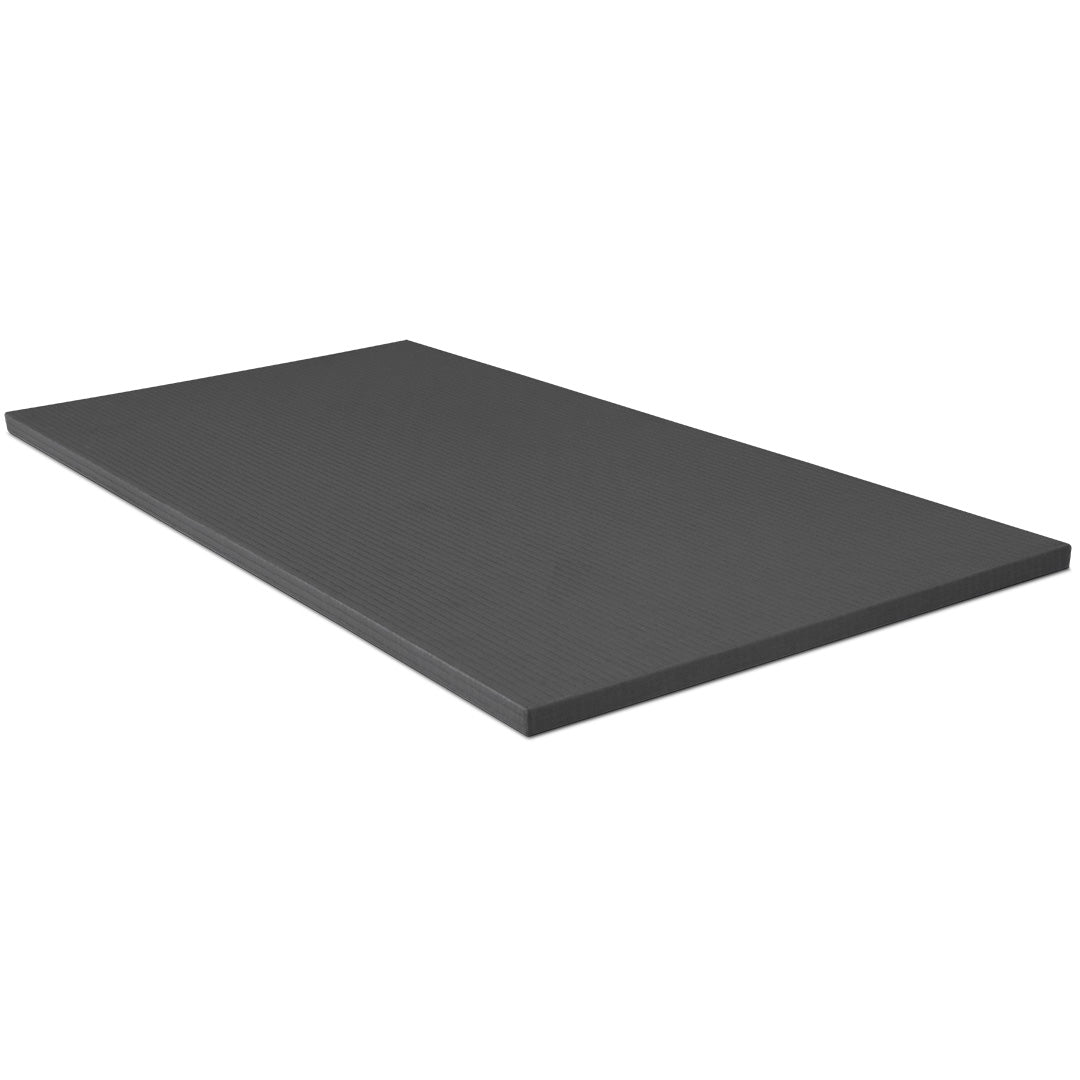
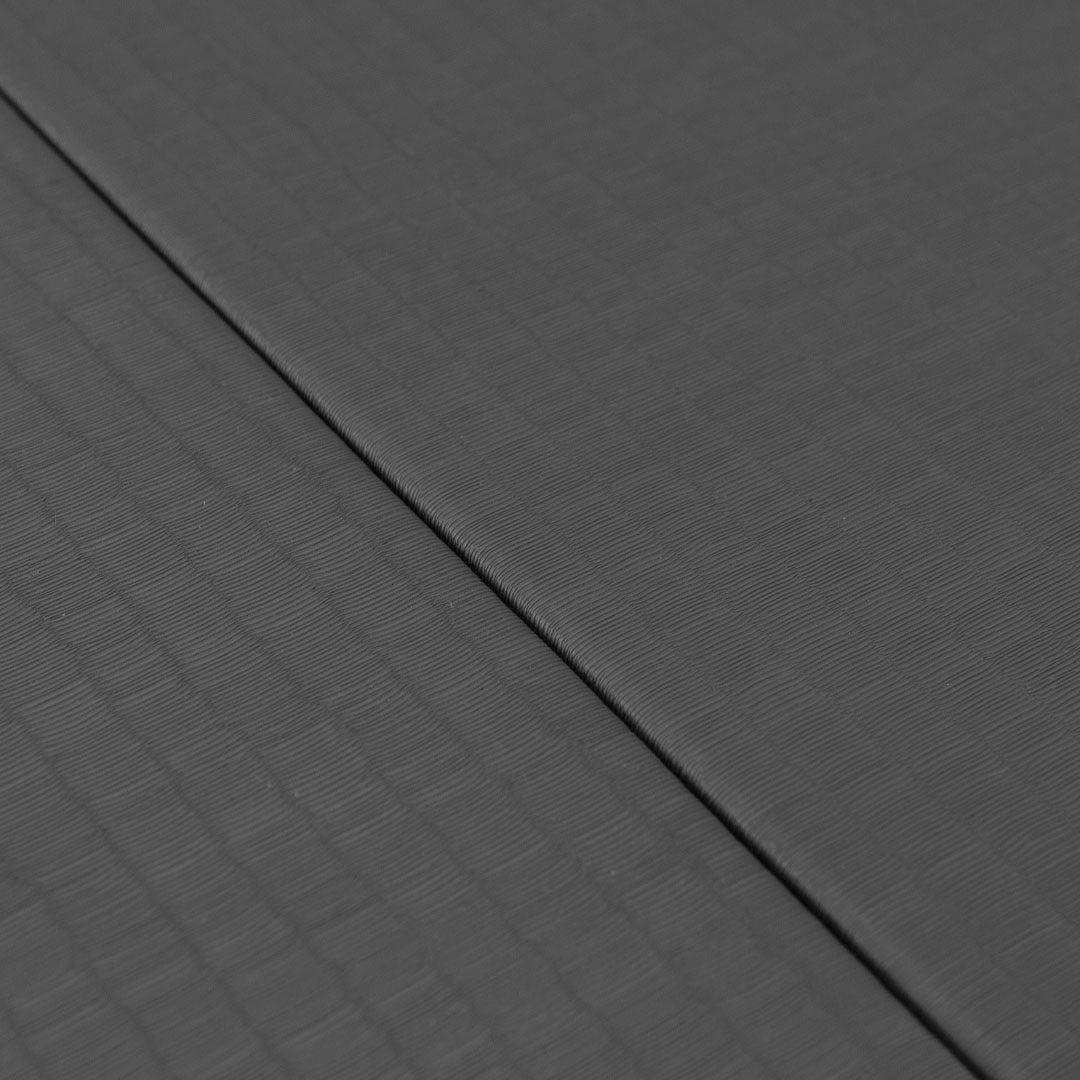
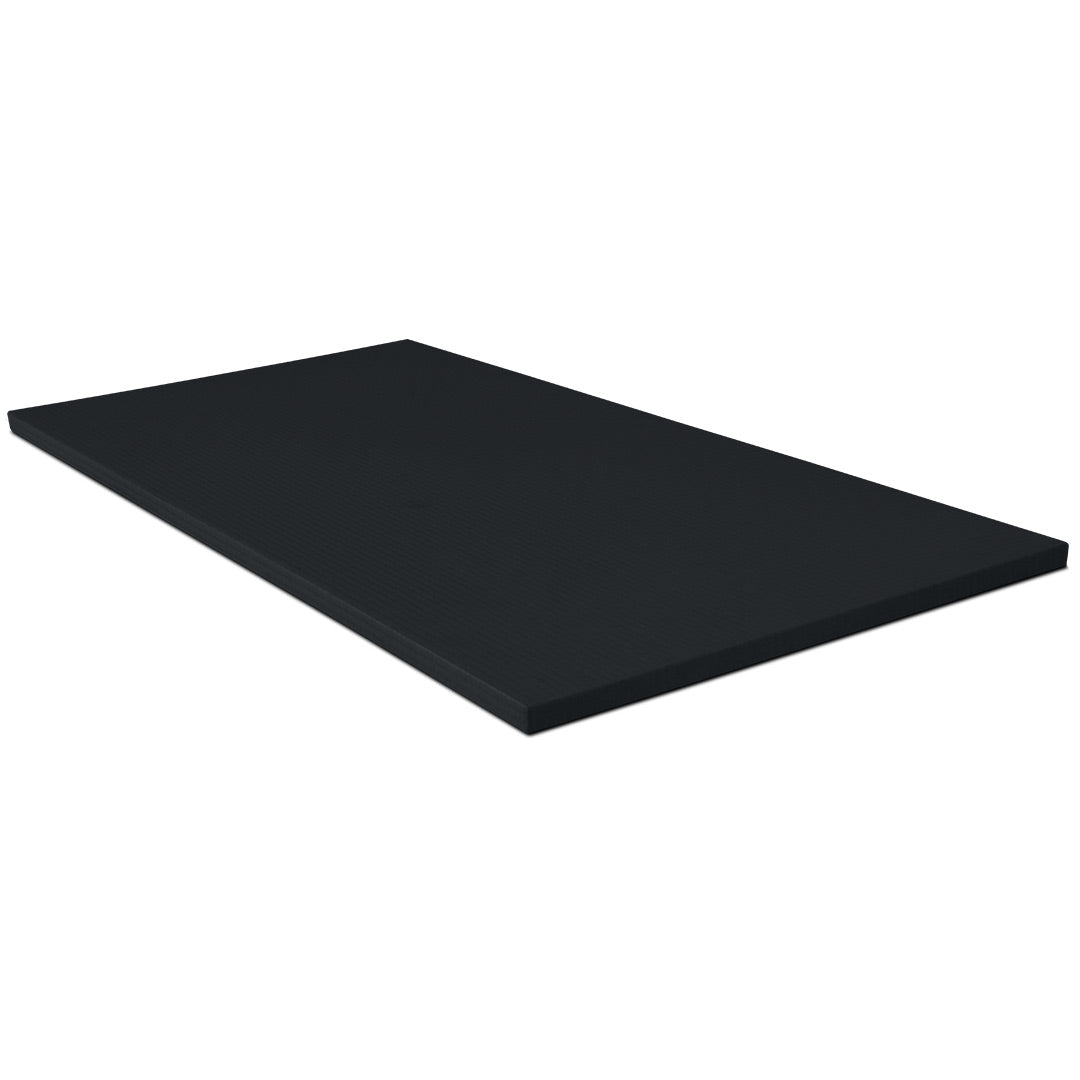
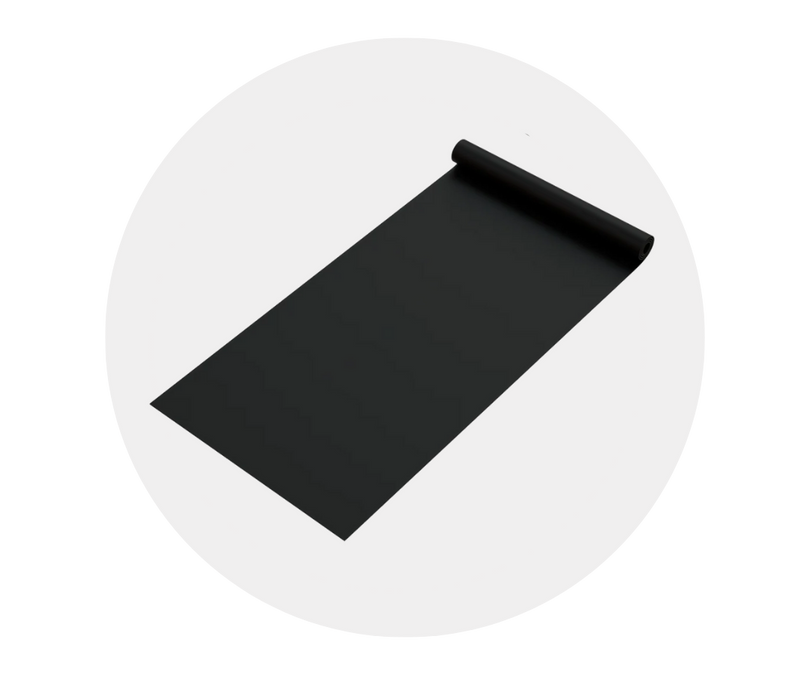
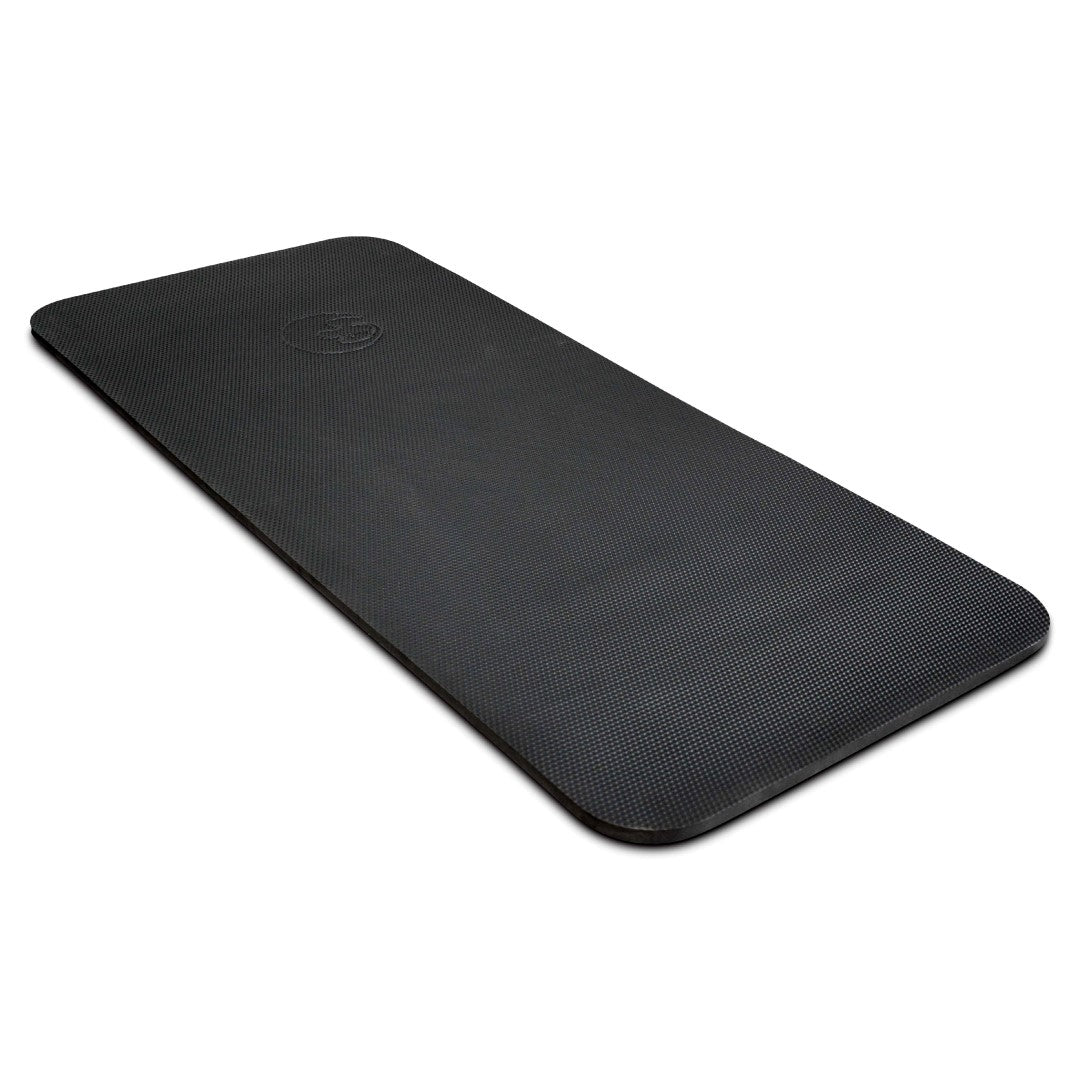
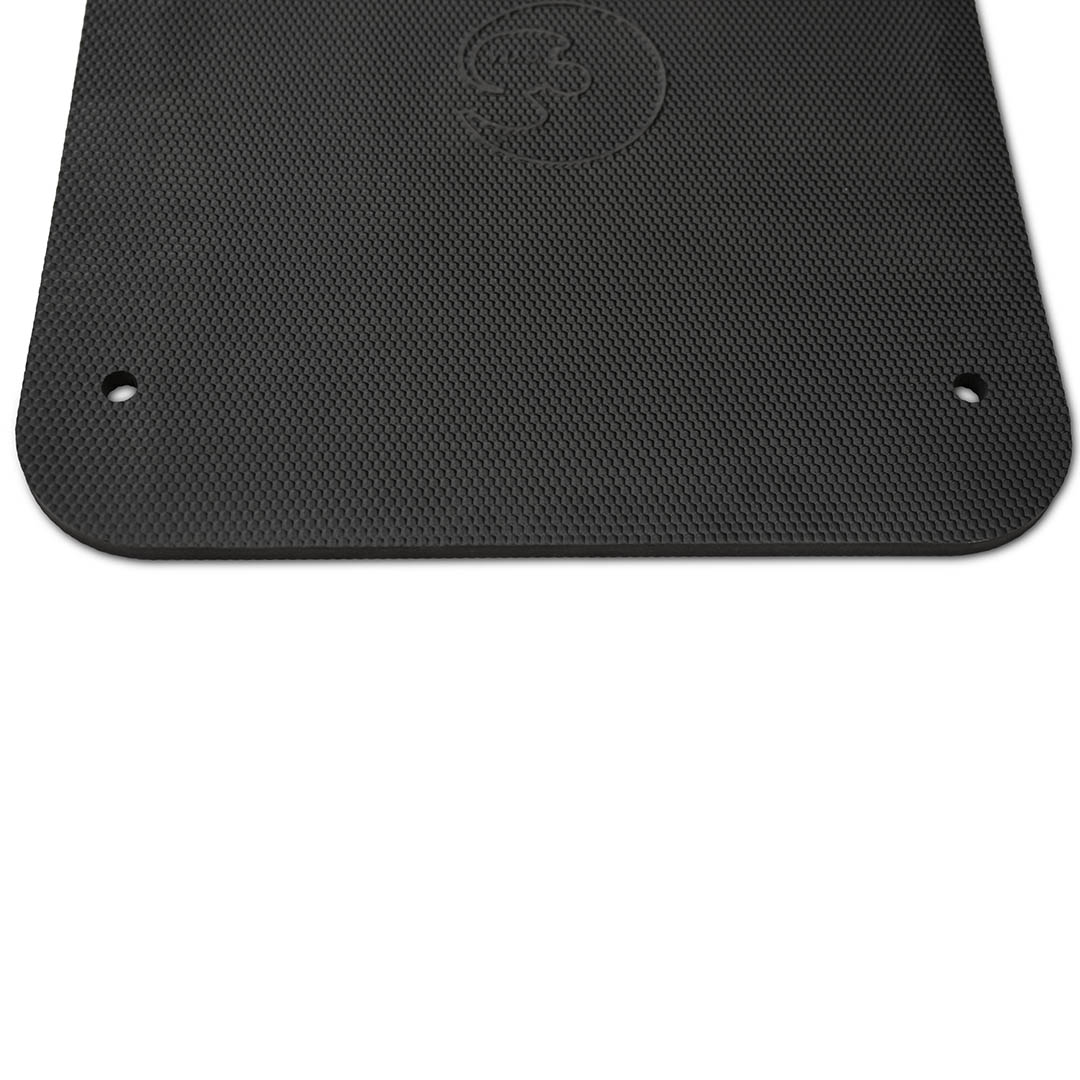
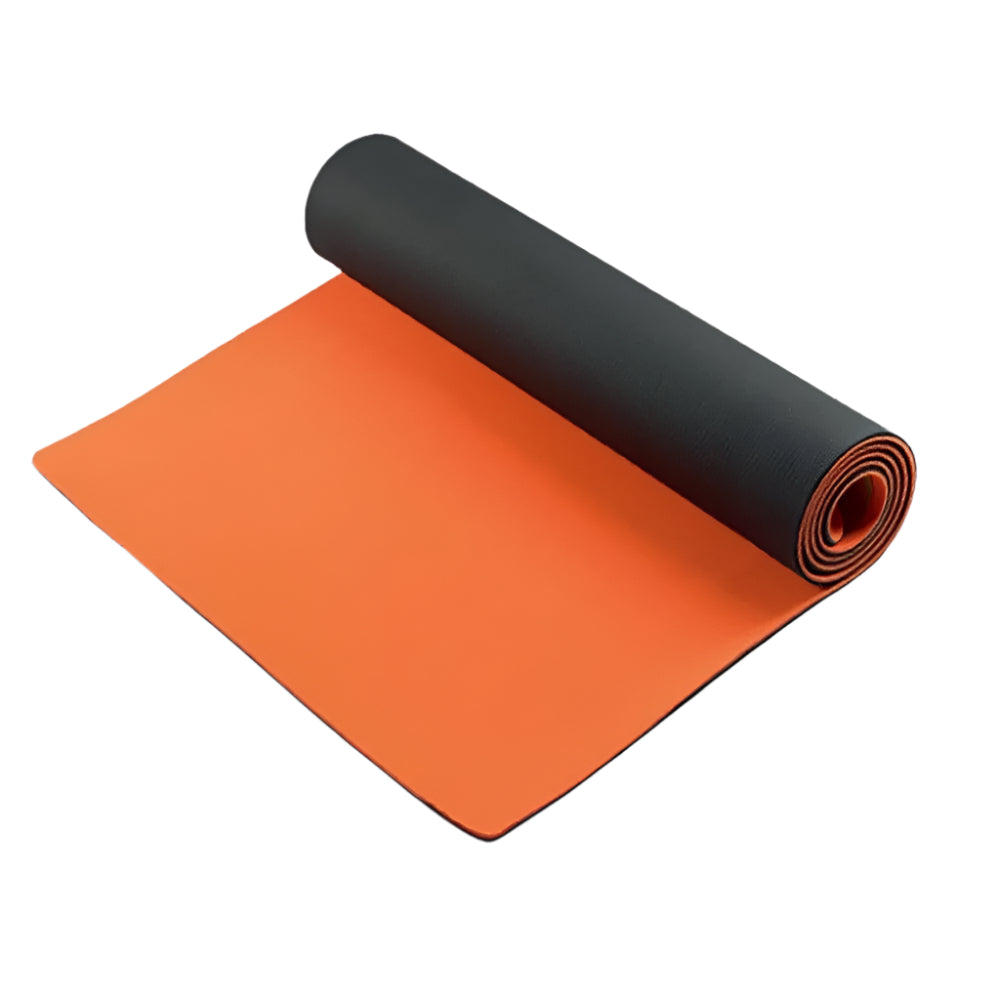
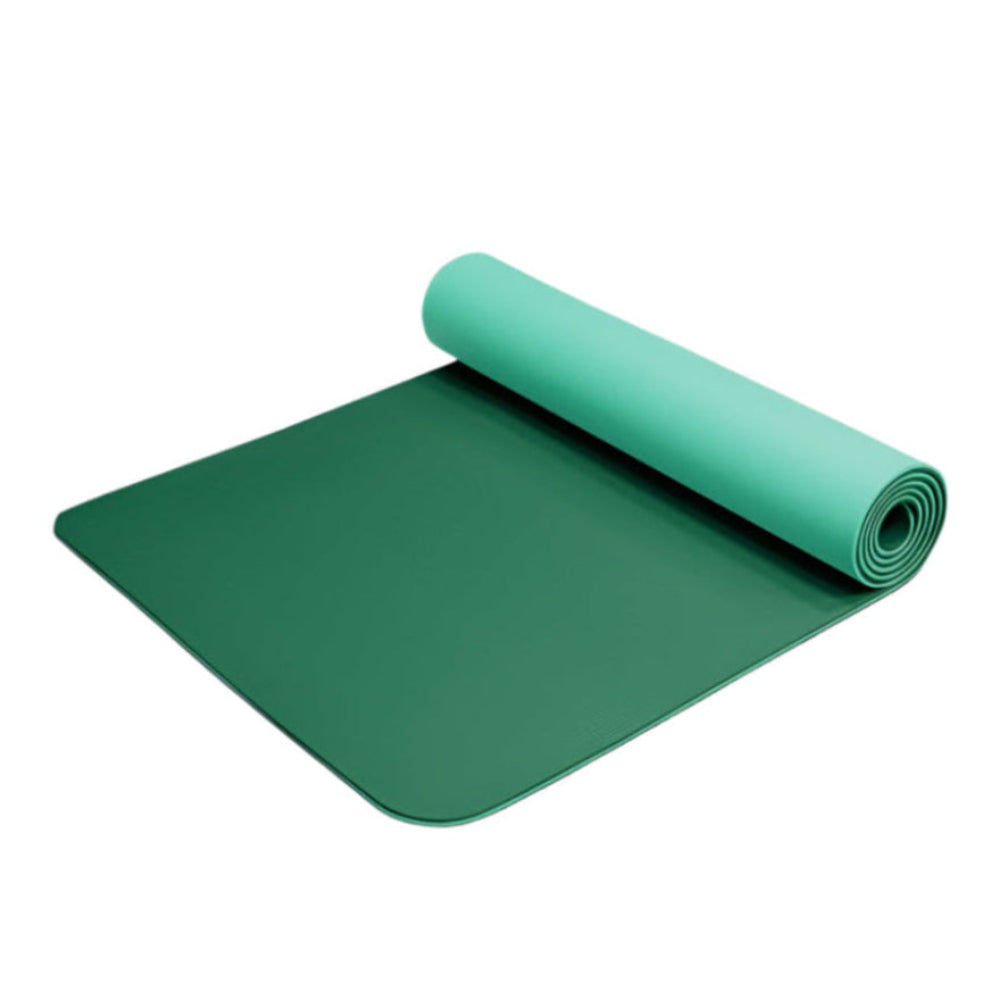
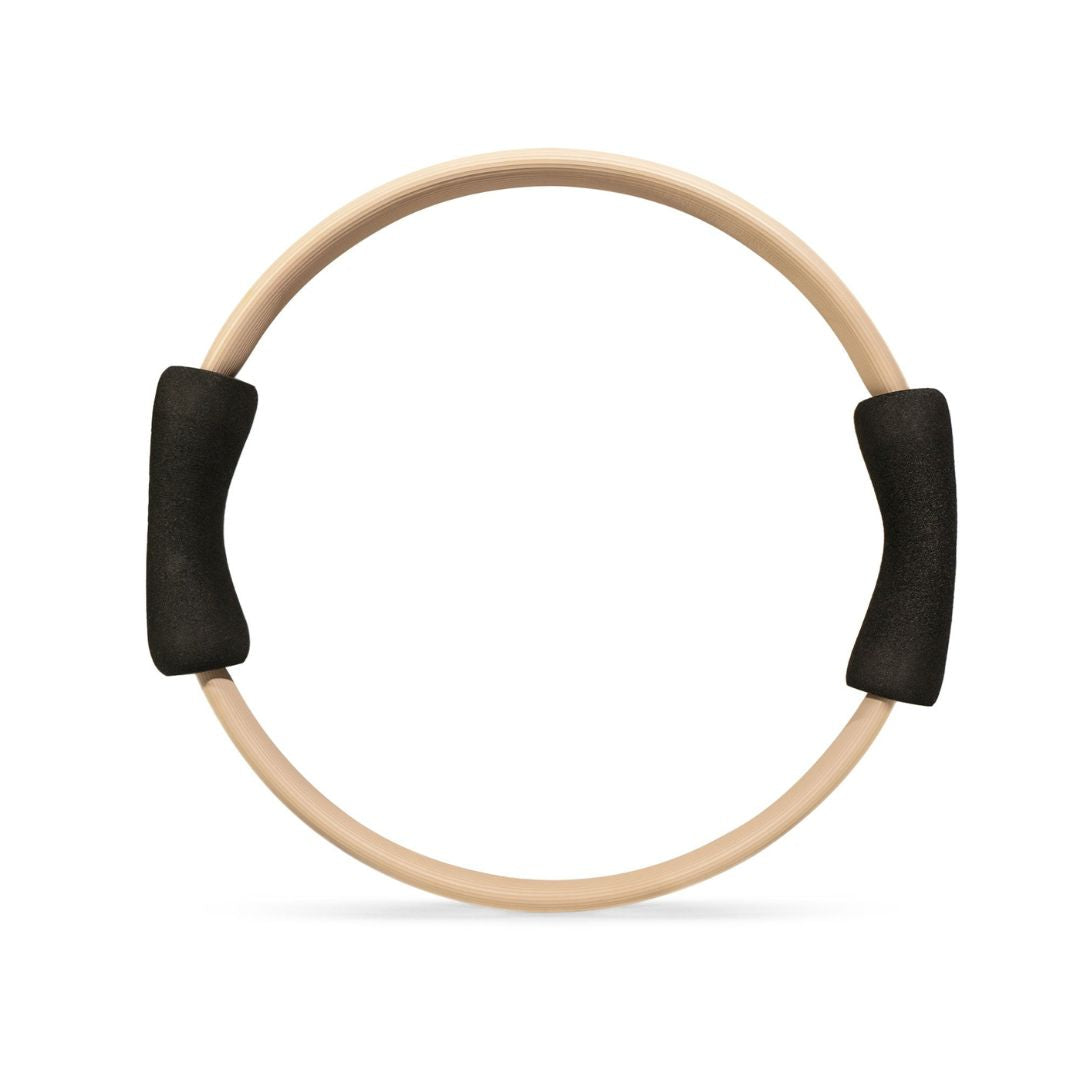
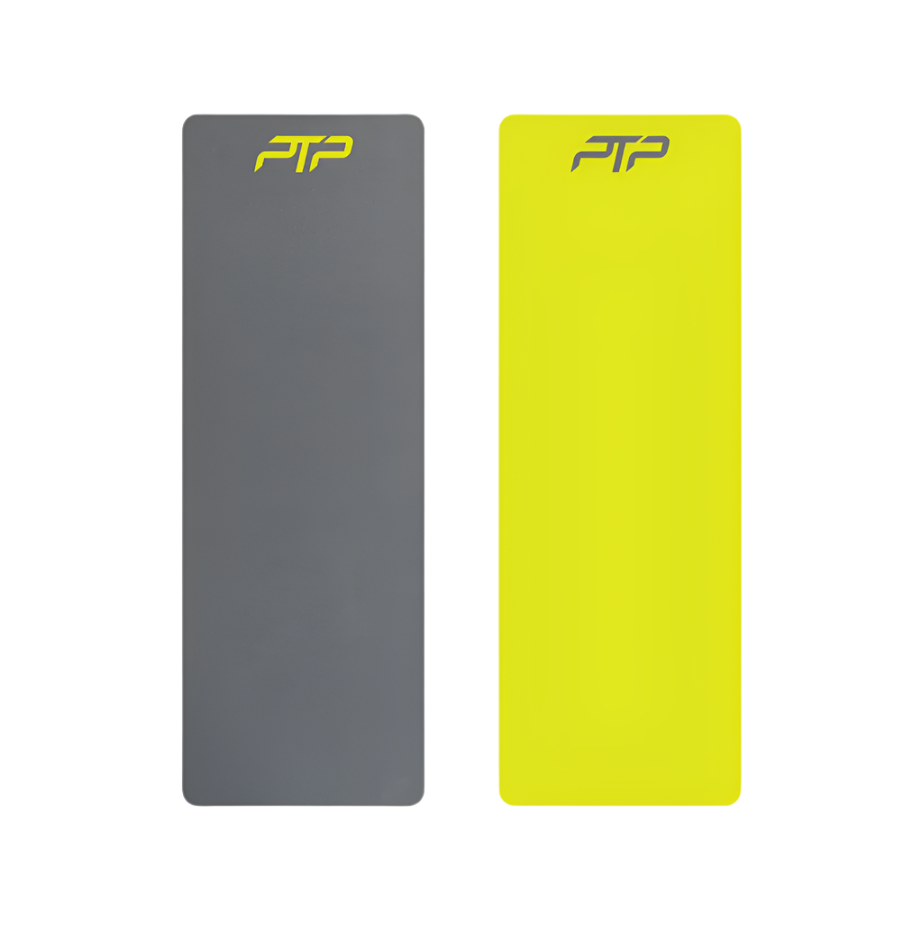
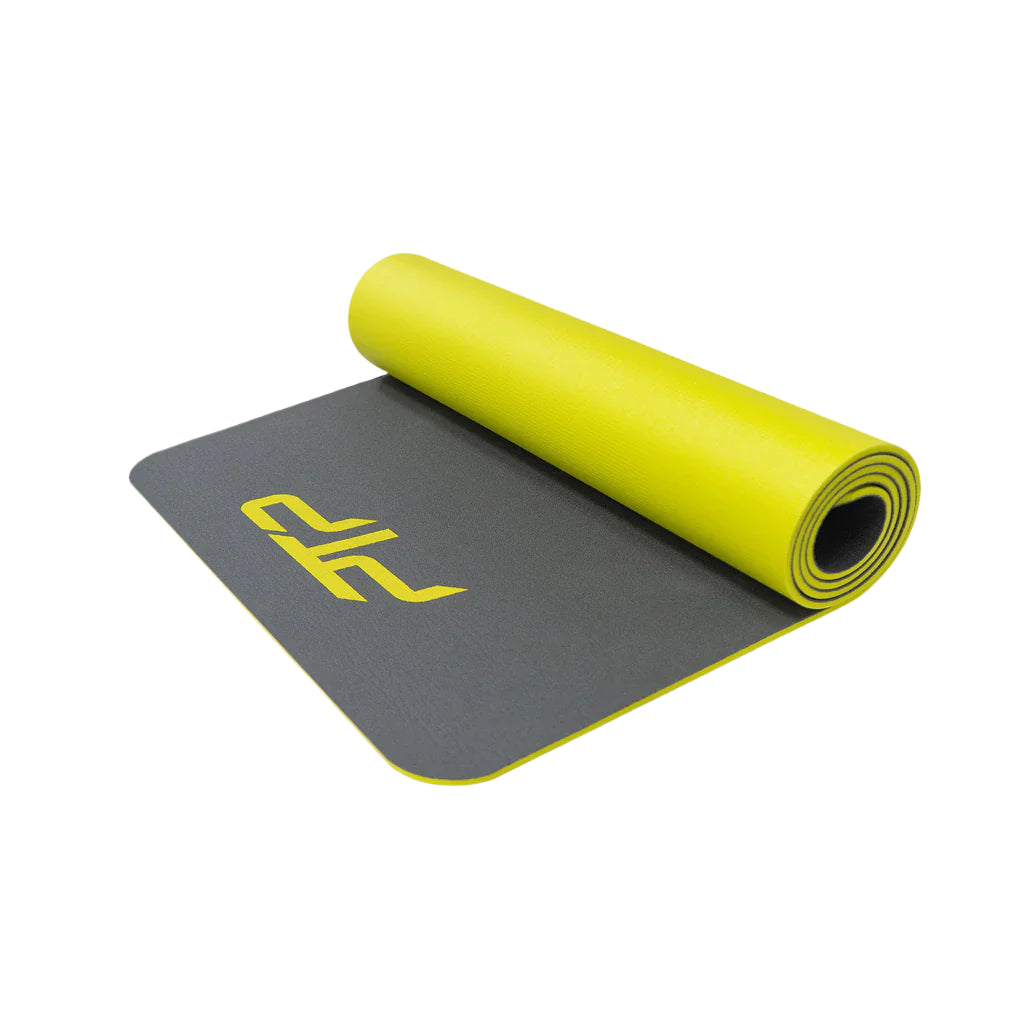
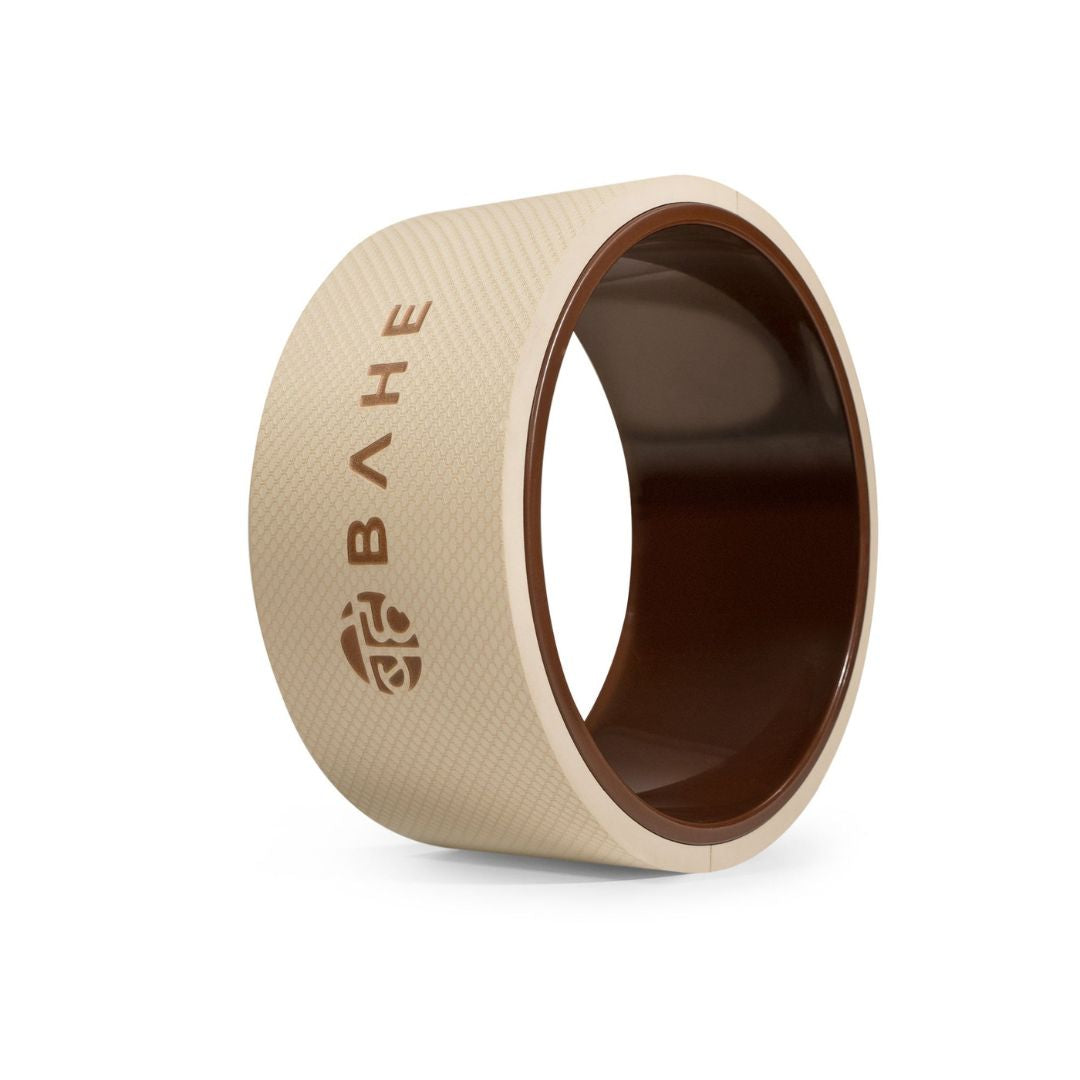
Yoga Pilates & Exercise Mats
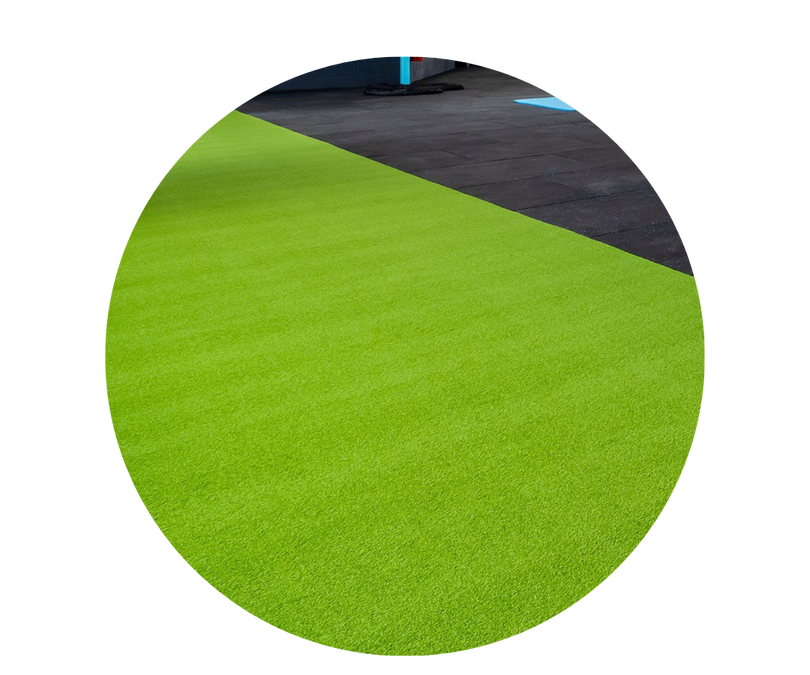
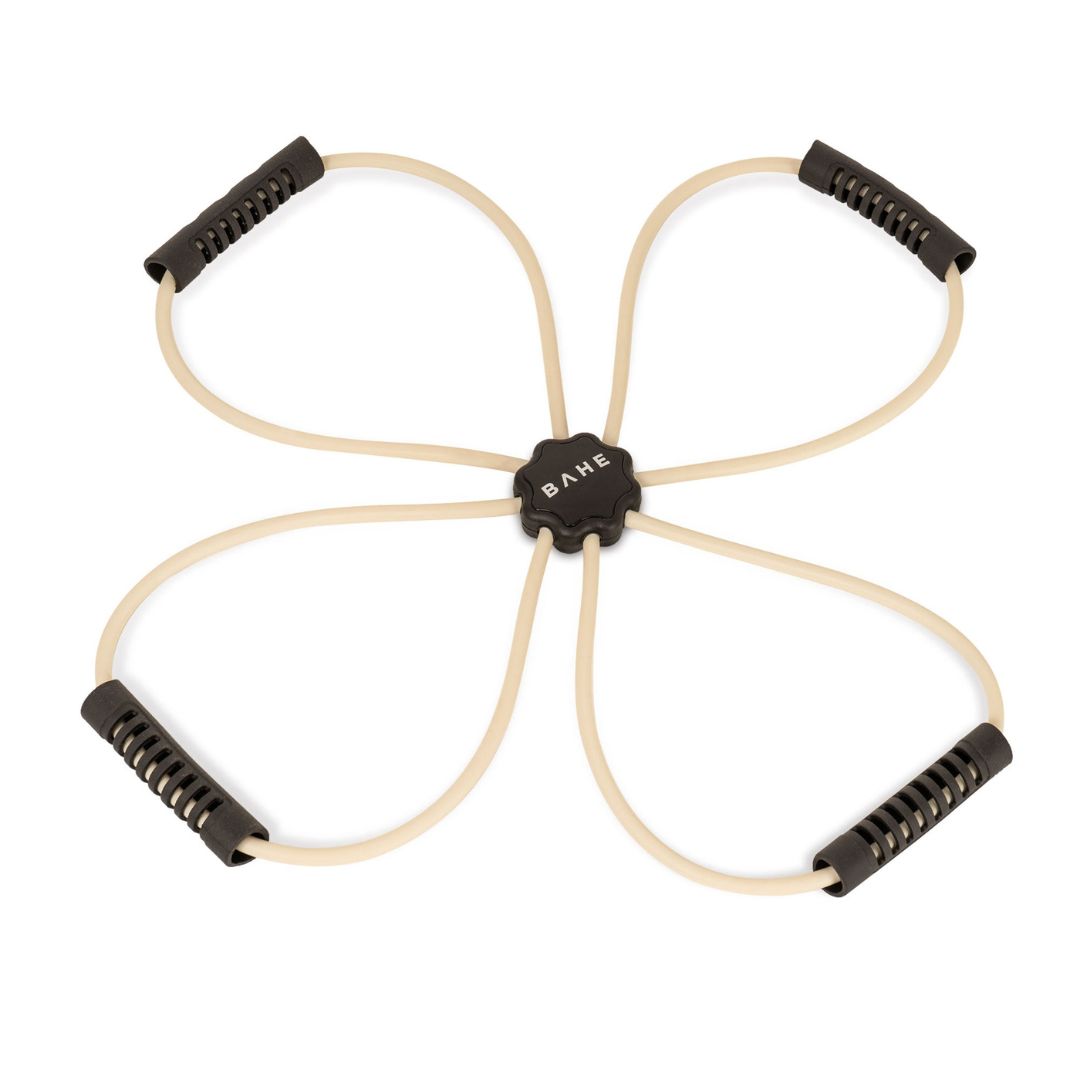
Other Gym Mats
Perfect for all bodyweight exercises these mats are tough, comfortable and lightweight
Gym Mats: The Foundation of Every Home Gym
Gym mats are protective floor coverings used in home gyms, commercial gyms, and training facilities to protect floors, reduce noise, provide grip, and create a safer training surface. Dynamo Fitness stocks a full range of gym mats including jigsaw mats, rubber flooring rolls, and synthetic turf. Key facts:
- Main types: Jigsaw/interlocking mats, rubber flooring rolls, gym flooring tiles, and synthetic turf.
- Thickness: Thicker mats (15-40 mm) absorb more impact. Thinner mats (8-12 mm) suit cardio and light training.
- Best for heavy weights: Thick rubber mats or interlocking tiles rated for weight drop and heavy equipment.
- Best for cardio zones: Thinner rubber rolls or jigsaw mats provide grip and floor protection without unnecessary bulk.
- Synthetic turf: Ideal for sled pushes, agility drills, and functional training zones.
- Coverage: Measure your space before ordering. Rolls cover large areas; jigsaw mats are easier to cut and fit.
- Shipping: Fast Australia-wide shipping available on all orders.
Why Gym Mats Are Not Optional
Most home gym builders focus their budget on equipment and leave flooring as an afterthought. That's a mistake. Without proper gym mats, you risk damaging your floor, voiding warranty on heavy equipment, and creating a less safe training environment. The right gym mat also reduces noise and vibration, which matters if you're in an apartment, above a living space, or training early in the morning.
Gym mats also protect your equipment. Squat racks, home gym machines, and treadmills all generate vibration and movement that can scratch or crack an unprotected hard floor. A quality rubber mat underneath your equipment prevents floor damage, reduces movement, and provides a stable base.
Types of Gym Mats at Dynamo Fitness
Different areas of your gym need different flooring solutions. Here's a breakdown of the main types available.
Gym Flooring
The core gym flooring range covers rubber tiles and heavy-duty mats designed for weight training areas. These are typically 15-40 mm thick, made from dense recycled rubber, and built to withstand the impact of dropped weights, heavy equipment, and high-traffic use.
Jigsaw Mats
Jigsaw mats are interlocking foam tiles that click together to cover any floor area. They're easy to cut, easy to install without adhesive, and easy to reconfigure or move if your gym layout changes. They're a popular choice for home gyms, martial arts spaces, and stretching zones where impact absorption and comfort underfoot are priorities.
Gym Flooring Rolls
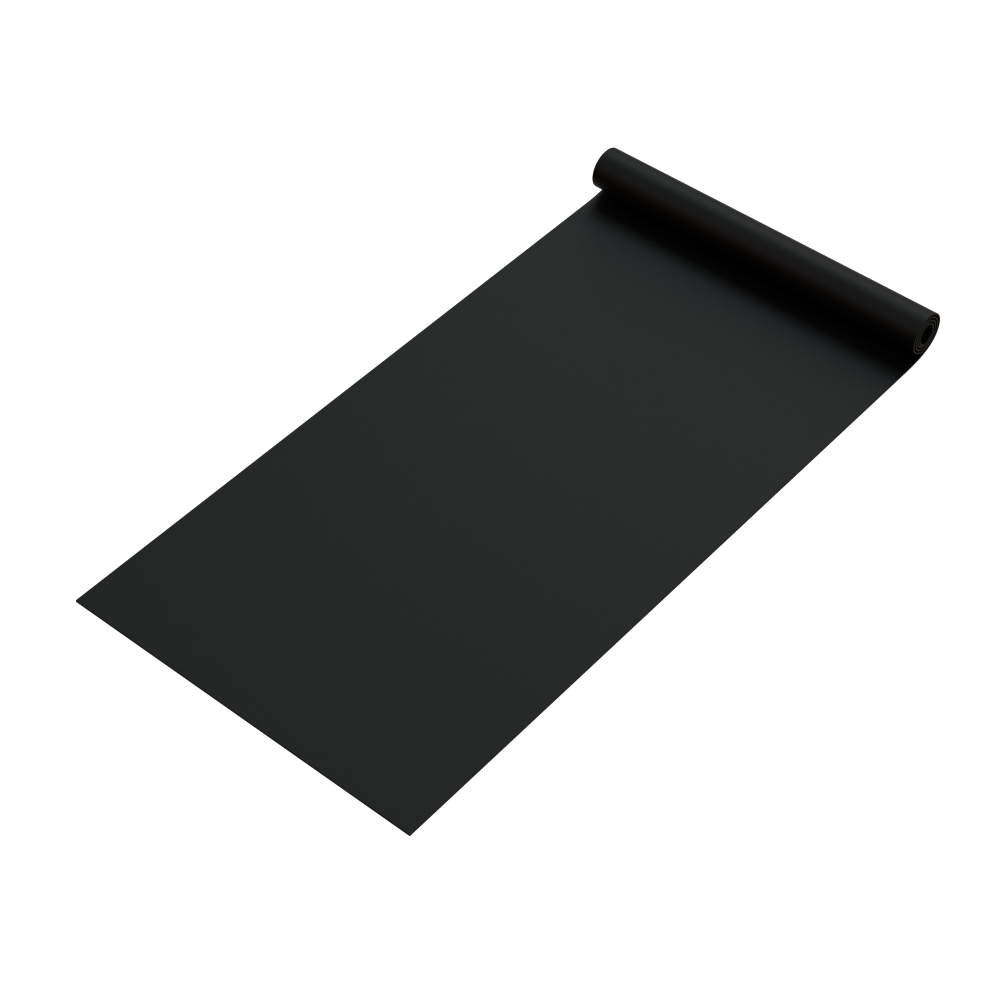
Gym flooring rolls are continuous sheets of rubber that unroll to cover large areas without seams. They're ideal for covering an entire garage or studio floor in one go and are more durable under heavy equipment than foam tiles. Rolls are typically sold by the metre and can be cut to fit.
Synthetic Turf
Synthetic turf creates a dedicated functional training lane or sled track within your gym. It's the best surface for sled pushes and pulls, agility ladder drills, prowler work, and sport-specific conditioning. Turf also works well as a low-impact surface for bodyweight training and stretching.
Gym Mats: A Comparison
Use this table to match the right flooring type to each zone in your gym.
Mat Type
Best For
Thickness Range
Key Advantage
Rubber Tiles
Weight zones, heavy equipment
15-40 mm
Dense, durable, handles weight drop
Jigsaw Mats
Home gyms, martial arts, stretching
20-40 mm
Easy to install, cut, and reconfigure
Rubber Rolls
Full floor coverage, large spaces
6-12 mm
Seamless coverage, tough and low-profile
Synthetic Turf
Sled training, agility, functional zones
15-20 mm pile height
Sport-specific surface, low-impact feel
Gym Mats by Training Zone
Different areas of your gym have different flooring needs. This table maps training zones to the best mat option.
Training Zone
Recommended Mat
Minimum Thickness
Why It Works
Free Weights Area
Rubber tiles or thick rubber roll
20-40 mm
Absorbs weight drop, protects floor and equipment
Cardio Equipment
Rubber roll or equipment mat
6-12 mm
Reduces vibration and movement, protects floor
Stretching / Warm-Up
Jigsaw mats
20-30 mm
Comfortable underfoot, easy to clean and reconfigure
Functional Training Lane
Synthetic turf
15-20 mm pile
Ideal surface for sleds, agility, and loaded carries
Martial Arts / Boxing
Jigsaw mats
30-40 mm
Impact absorption for falls and ground work
Full Garage Gym
Rubber rolls or rubber tiles
15-20 mm
Covers large area efficiently, durable long-term
What to Look for When Buying Gym Mats
Not all gym mats are equal. Here are the key specs to check before you buy:
- Thickness: Thicker is better for weight training zones. 20-40 mm handles most home gym applications. If you're dropping Olympic barbells from height, go with 40 mm or add a dedicated deadlift platform.
- Density: High-density rubber compresses less under load, meaning heavier equipment stays stable and the floor beneath is better protected. Low-density foam compresses more, which is fine for stretching but poor for heavy equipment.
- Surface texture: A textured top surface provides grip for both equipment feet and training shoes. Smooth surfaces can be slippery, especially in areas prone to sweat.
- Material: Recycled rubber is the most common and practical gym flooring material. It's durable, odor-resistant over time, and available in various densities. Foam (EVA) is lighter and cheaper but less durable under heavy load.
- Size and coverage: Measure your floor space before ordering. Account for equipment footprints plus clearance zones around each piece. Rolls require fewer cuts; tiles are easier to fit around irregular shapes.
- Ease of installation: Interlocking tiles and rolls don't require adhesive. Full permanent installations may use adhesive or double-sided tape at the edges to prevent movement.
Gym Mats: Budget Planner
Here's what to expect at each budget level when fitting out your gym floor.
Budget Tier
Mat Type
Coverage
Best For
Entry ($50-$200)
Jigsaw mats or thin rubber tiles
4-10 sqm
Small home gym, single equipment zone
Mid ($200-$600)
Rubber roll or interlocking tiles
10-25 sqm
Garage gym, multi-zone home setup
Premium ($600+)
Thick rubber tiles + synthetic turf
25+ sqm
Full gym fit-out, PT studio, commercial space
How to Plan Your Gym Flooring Layout
Getting the flooring right before you bring in equipment saves a lot of effort. Here's how to approach it:
1. Measure first: Record the full floor dimensions of your gym space, including any alcoves, columns, or obstacles. Note which areas will have heavy equipment and which will be used for open training.
2. Zone your space: Divide your floor plan into zones: weight training, cardio, functional training, and stretching. Each zone has different flooring requirements.
3. Plan for equipment weight: Heavy equipment like squat racks and power racks needs thicker, denser flooring underneath. Mark these positions on your floor plan before ordering.
4. Account for door clearance: Make sure your mat thickness doesn't prevent doors from opening. A 20 mm mat under a door can be a problem; use a tapered edge strip or trim the mat at the door threshold.
5. Start from the center: When laying interlocking tiles, start from the center of the room and work outward. This keeps the pattern symmetrical and means any cut tiles are at the edges where they're less visible.
Gym Mats Across Your Whole Setup
Every piece of equipment in your gym benefits from appropriate flooring underneath it. Spin bikes and treadmills need vibration-dampening mats to reduce noise. Free weight areas with dumbbells and kettlebells need thick rubber for floor protection. And functional zones benefit from synthetic turf for low-impact movement and loaded carries.
Installing Your Gym Flooring: A Step-by-Step Guide
Installing gym flooring correctly takes planning but is achievable for most home gym builders. The key is preparing your subfloor properly before laying any mats. Start by clearing your gym space completely of equipment, furniture, and debris. Sweep thoroughly to remove dust, dirt, and any loose materials. Your subfloor must be clean, dry, and level. If you have any obvious low spots or high points, address them before laying mats.
For concrete floors, check for moisture by placing plastic sheeting over the floor overnight. If condensation appears underneath, allow the floor to dry or apply a concrete moisture barrier before laying mats. For wooden floors, ensure they are solid and don't flex excessively when you walk on them.
For interlocking jigsaw mats, start laying from the center of your room or from a corner, depending on your space layout. Starting from the center creates a symmetrical appearance with cut tiles at the edges where they're less visible. Line up your first row of mats, working outward in both directions.
Jigsaw mats click together along their interlocking edges with very little force required. If edges don't click together smoothly, don't force them as this can crack the tabs. Inspect the edges carefully to ensure they're aligned properly before moving to the next row. Work systematically, row by row, pressing down lightly on each mat as you go to ensure it's seated properly.
When cutting jigsaw mats or rubber rolls to fit around edges, obstacles, or doorways, use a sharp Stanley knife or utility knife with a fresh blade and a straight edge or metal ruler. Place a piece of scrap wood underneath the mat to prevent the blade from catching on the floor. Measure twice and cut once.
For straight cuts along walls, lay a straight edge along your cut line and make a single firm cut through the thickness of the mat. For curved cuts around doorframes or columns, mark your line with a marker or chalk, then carefully cut freehand with the knife. Sand any rough edges after cutting to prevent tripping hazards and ensure adjacent mats fit snugly.
For rubber flooring rolls, unroll the material across your floor in the direction that requires the fewest seams. Most rolls are 1 to 2 metres wide, so you'll likely need to place multiple roll widths side by side. Align the edges carefully so that adjacent rolls butt together without gaps or overlaps.
Use double-sided tape or rubber adhesive along the seams to hold rolls in place, but only if your floor plan requires it. For most home gym applications, the weight of the mats and the friction against the floor provide sufficient hold. Smooth out any wrinkles or air pockets by pressing firmly and working from the center of the roll outward toward the edges.
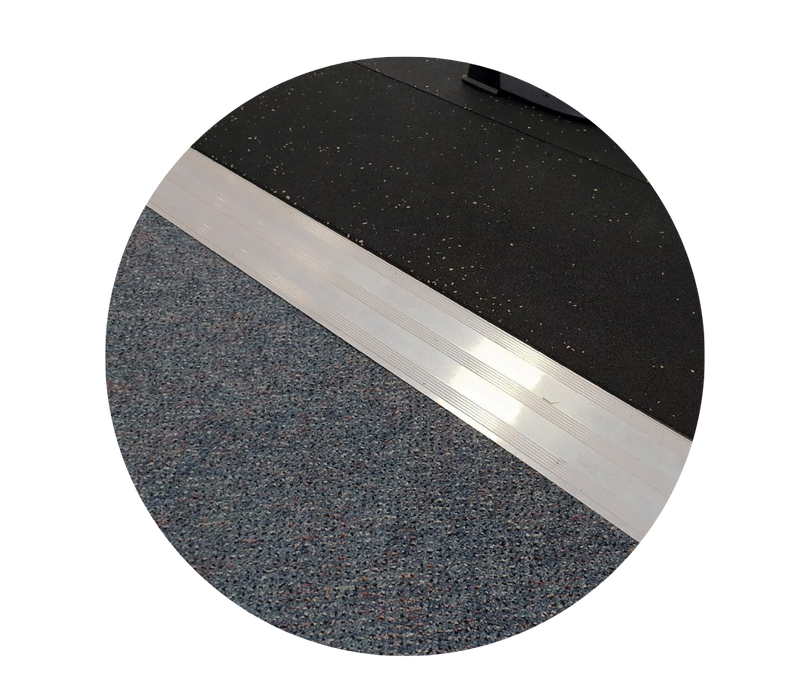
Finishing the edges of your flooring is critical for safety and aesthetics. Install edge trim strips or angle trims along the perimeter where your mats meet the wall or an unprotected edge. These aluminum or rubber trim pieces prevent mats from curling upward over time and eliminate tripping hazards.
At doorways, use a tapered edge trim that slopes gradually to meet the floor level of the adjacent room, preventing the mat edge from catching on door frames or shoes. Secure trim pieces with the adhesive recommended by the mat manufacturer or with small fasteners. Allow adhesive to cure fully (usually 24 hours) before placing equipment or training heavily on your new flooring. Most mats feel slightly spongy or compressible immediately after installation, but they stabilize after 48 hours of settling.
Shop Gym Mats at Dynamo Fitness
Dynamo Fitness stocks the full range of gym mats and gym flooring for home gyms, PT studios, and commercial facilities across Australia. Fast Australia-wide shipping is available on all orders. Visit a showroom in Sydney, Melbourne, Brisbane, Adelaide, Gold Coast or Perth to see the flooring range in person.
Shop gym flooring, jigsaw mats, gym flooring rolls, and synthetic turf to find the right solution for every zone in your gym.
Gym Mats - FAQs
For general home gym use with dumbbells, barbells, and cardio equipment, a 15-20 mm rubber mat or tile is sufficient. If you're doing Olympic lifting or regularly dropping heavy barbells from height, go with 40 mm or add a dedicated rubber deadlift platform on top of your base flooring.
Jigsaw mats are interlocking foam or rubber tiles that can be assembled and disassembled without tools. They're easy to cut and fit around irregular shapes. Rubber rolls are continuous sheets of dense rubber ideal for covering large floor areas without seams. Rolls are more durable under heavy equipment; jigsaw mats are easier to install and reconfigure.
Yes, but it's not ideal. Rubber mats on carpet tend to move, and the carpet compresses unevenly under heavy equipment. If you're placing mats on carpet, use the heaviest equipment mats available and consider placing a hard board layer between the carpet and mat for stability under racks or machines.
Yes, significantly. Thick rubber mats absorb impact and reduce the sound of weights hitting the floor and equipment vibration transmitting through to the floor below. This is especially important in apartments and multi-story homes. Rubber flooring rolls are particularly effective at damping vibration compared to foam tiles.
Rubber gym mats can be cleaned with a damp mop and mild detergent. Avoid harsh solvents or bleach, which can degrade the rubber. For routine cleaning, a microfibre mop with a diluted all-purpose cleaner is sufficient. Allow mats to dry thoroughly before heavy use to prevent surface slipperiness.
For deadlifts and Olympic lifting, use a 40 mm thick rubber tile or a stacked combination of rubber mats that reaches at least 40 mm total. This thickness absorbs the impact of a loaded barbell dropped from waist height without damaging the floor underneath. A dedicated horse stall mat or Olympic lifting platform is also an option for high-volume lifting zones.
For a standard single-car garage (approximately 20-25 sqm), you'll need enough flooring to cover the full floor area. Measure length by width and add 5-10% for waste and cuts. For a double garage (40-50 sqm), consider rubber rolls for the most cost-effective coverage. Most Dynamo Fitness rolls are sold by the metre so you can order exactly the amount you need.
Synthetic turf is excellent for functional training zones. It provides a low-impact surface for sled training, agility drills, loaded carries, and bodyweight work. It's not ideal for heavy weightlifting directly on the turf surface, so most setups use turf for a dedicated lane and rubber tiles or rolls for the weight training area.
Some rubber mats and synthetic turf options are suitable for outdoor use, but check the product specifications before buying. Indoor foam jigsaw mats are not UV-resistant and will degrade outdoors. Heavy-duty rubber tiles and outdoor synthetic turf are designed for weather exposure and can be used on patios, in outdoor gyms, or under pergolas.
For most home gym applications, no. Interlocking jigsaw mats and rubber tiles stay in place through their own weight and interlocking mechanism. Rubber rolls can be secured at the edges with double-sided tape or rubber adhesive if needed. Full glue-down installation is typically only necessary in commercial gyms with very high traffic or in areas where mats are regularly shifted by heavy equipment movement.
A dedicated equipment mat of 6-12 mm thick rubber is ideal under a treadmill. The mat should extend at least 30 cm beyond the treadmill on all sides to catch any foot placement off the belt. Equipment mats reduce vibration, protect the floor, and prevent the treadmill from sliding during use.