









Level Up Your Home Gym
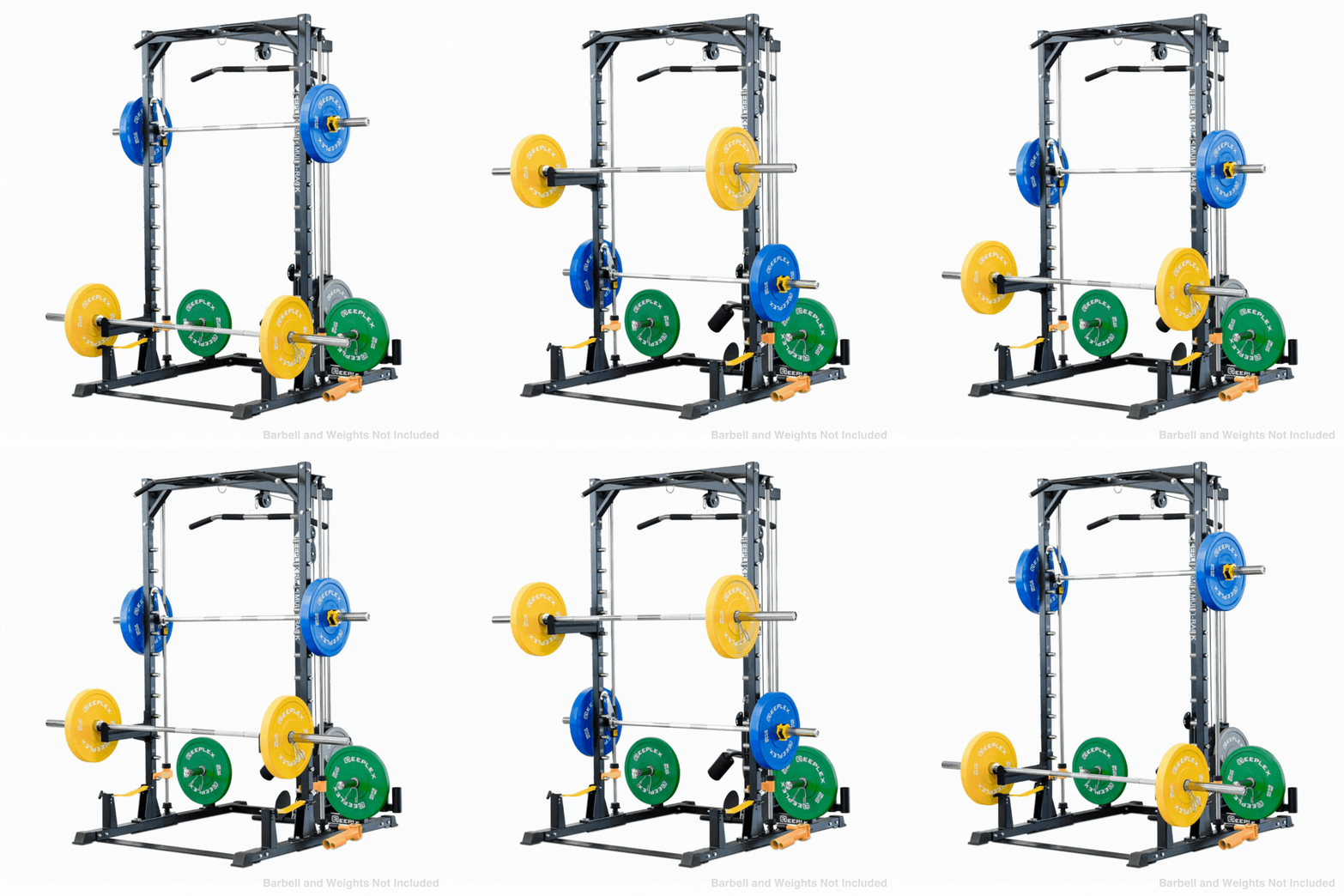
squat rack packages
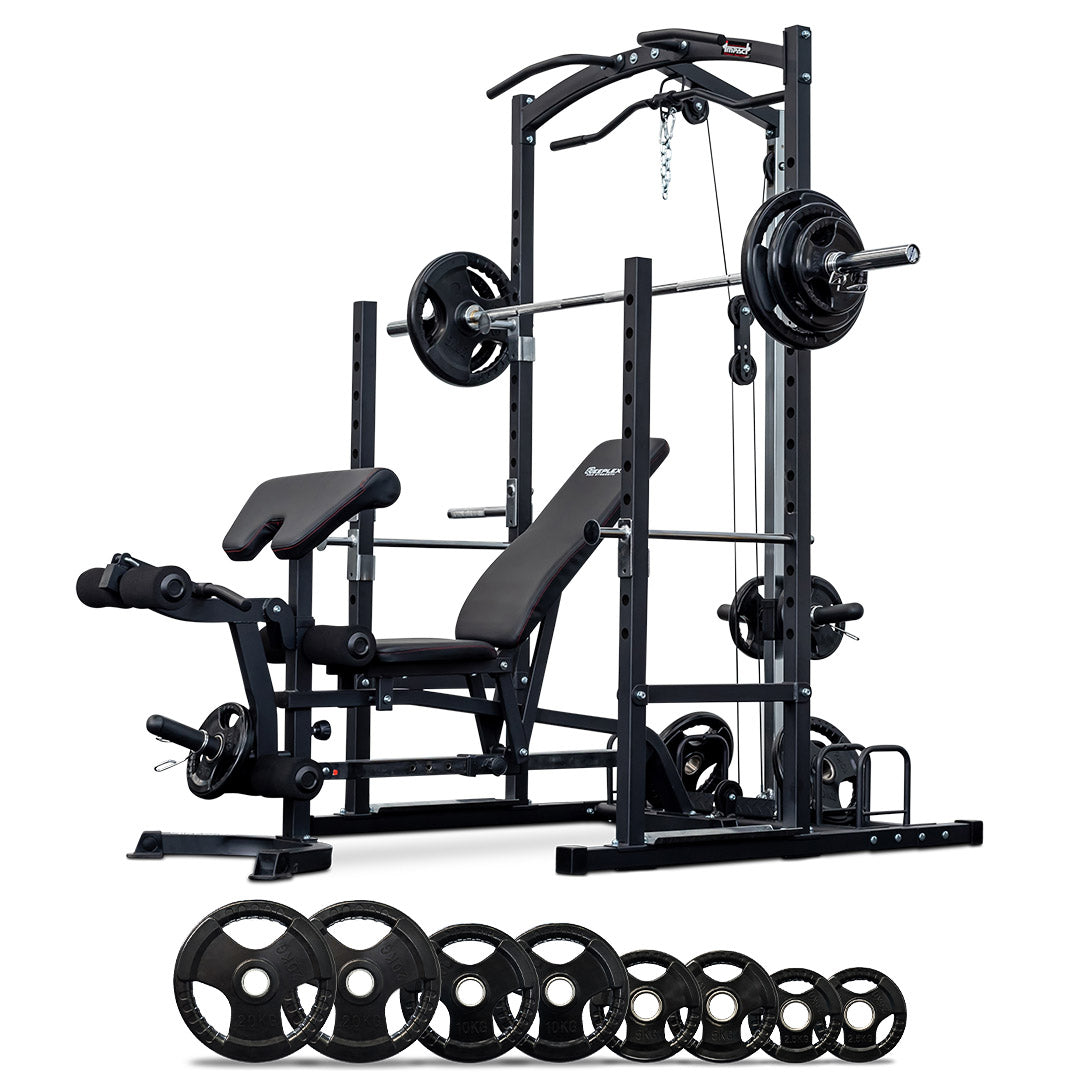
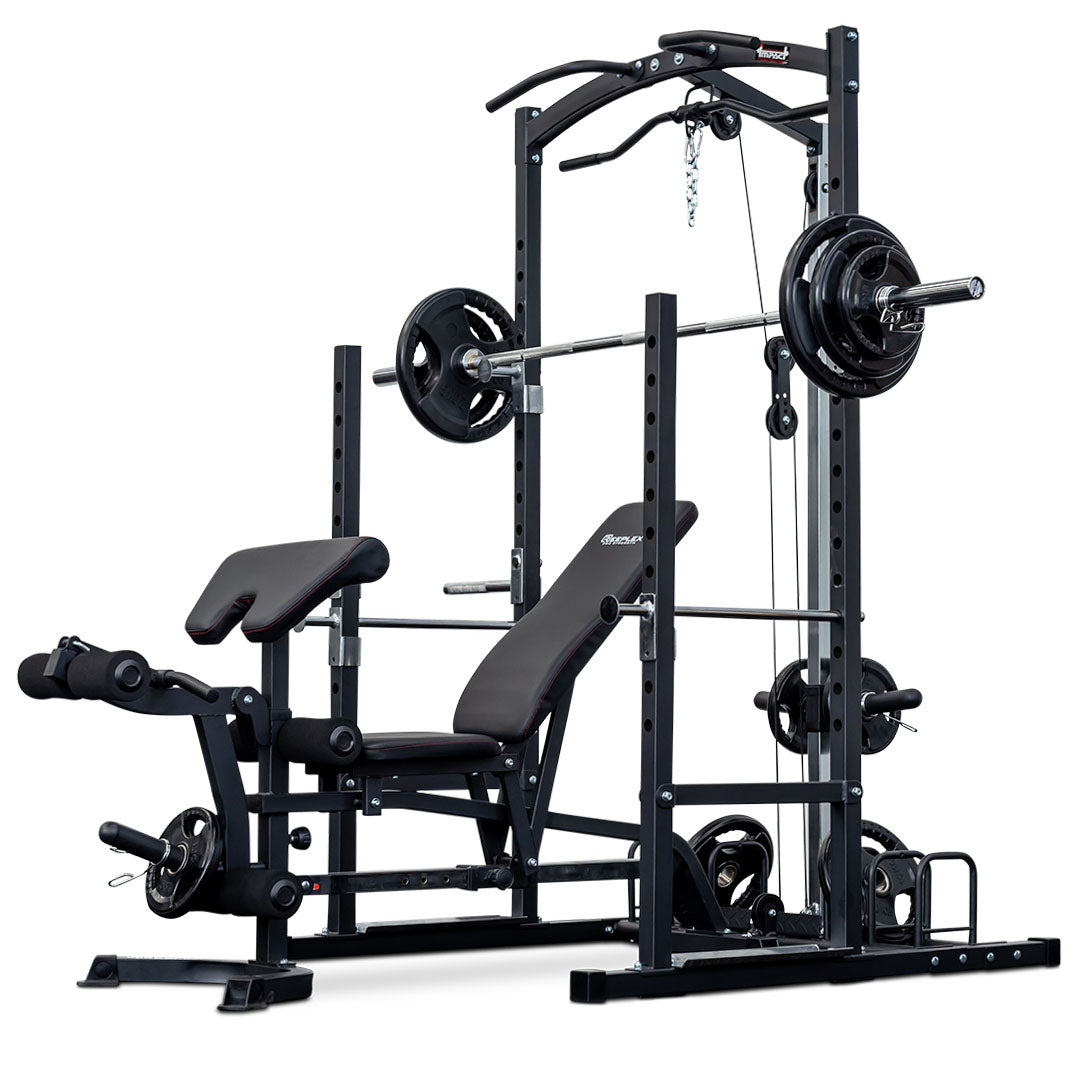
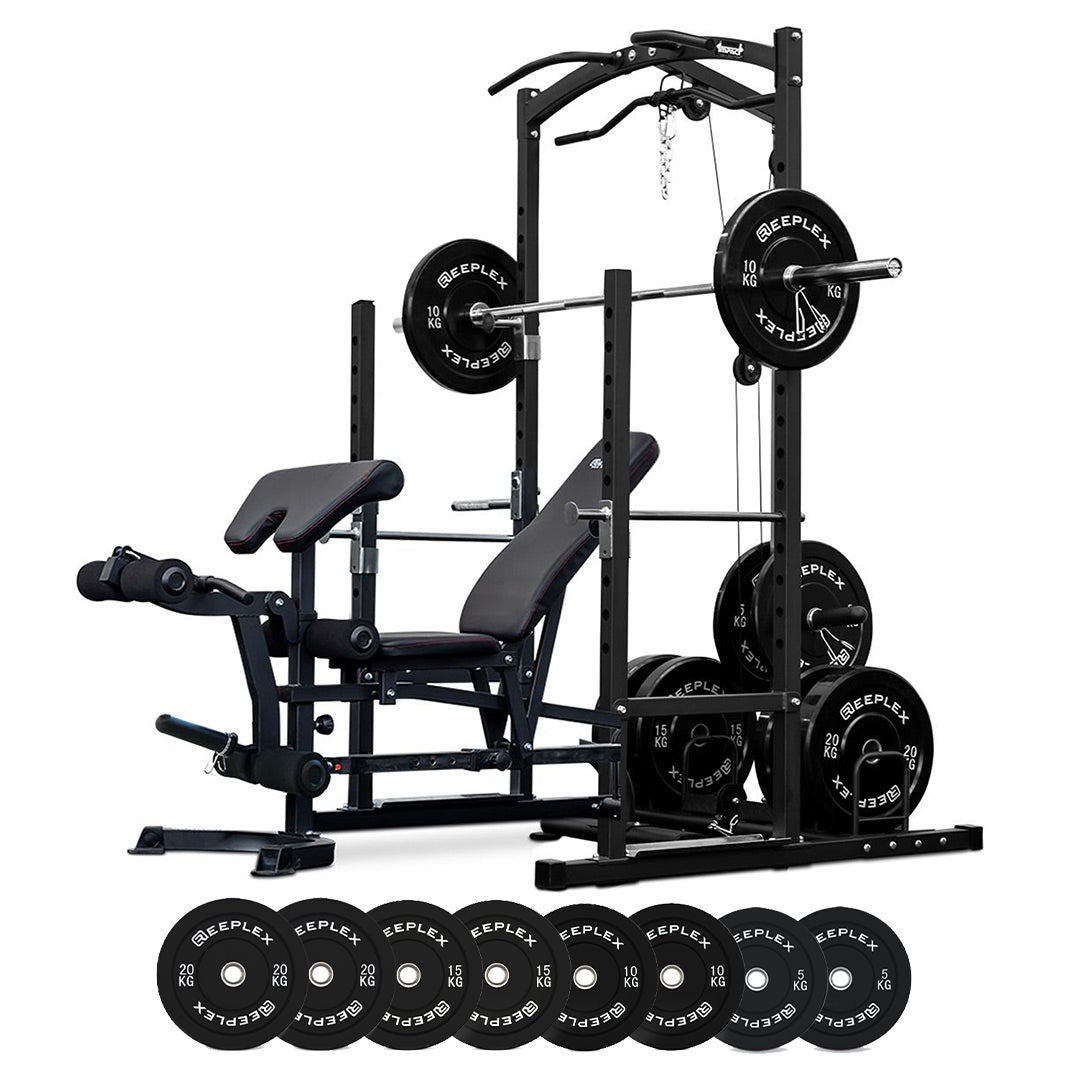
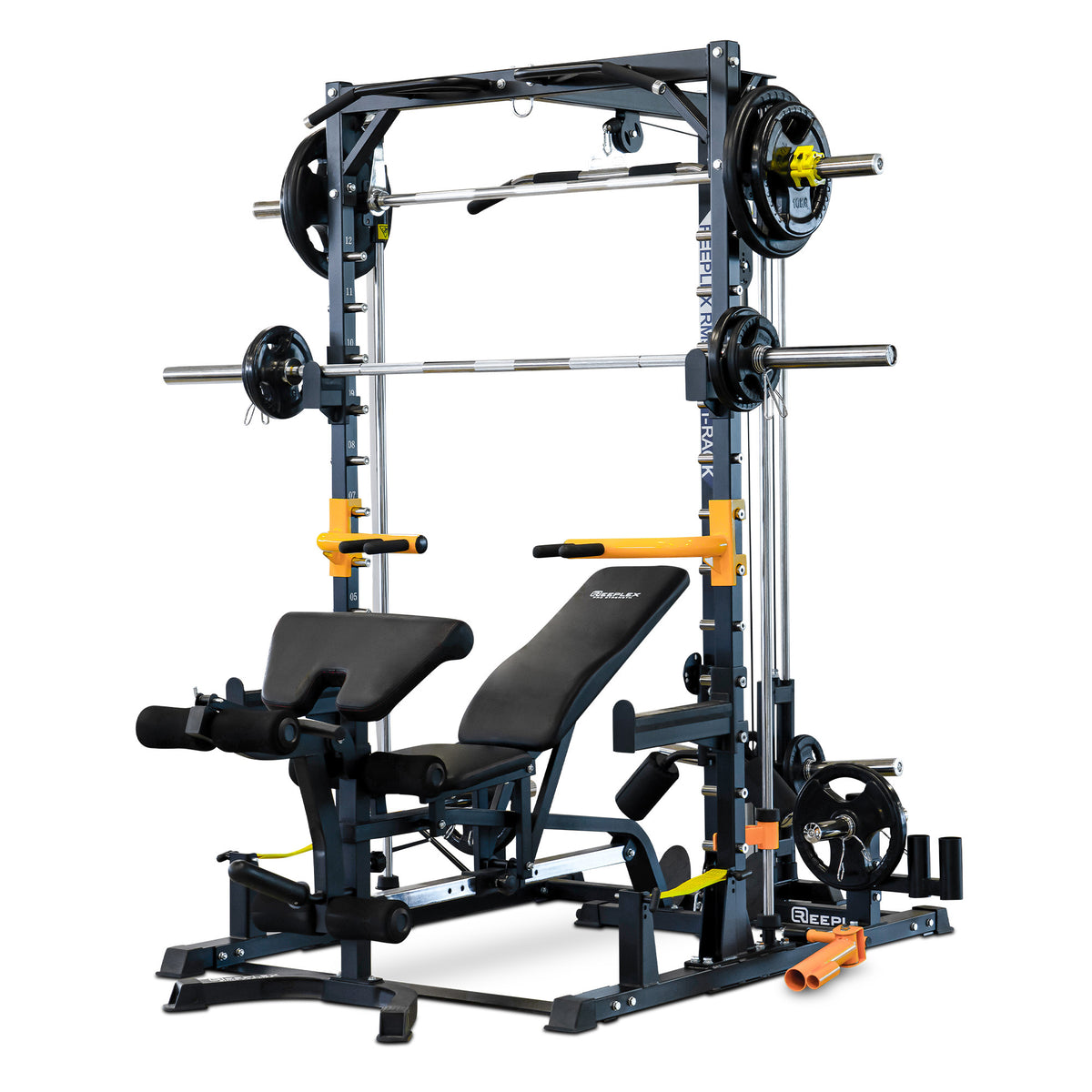
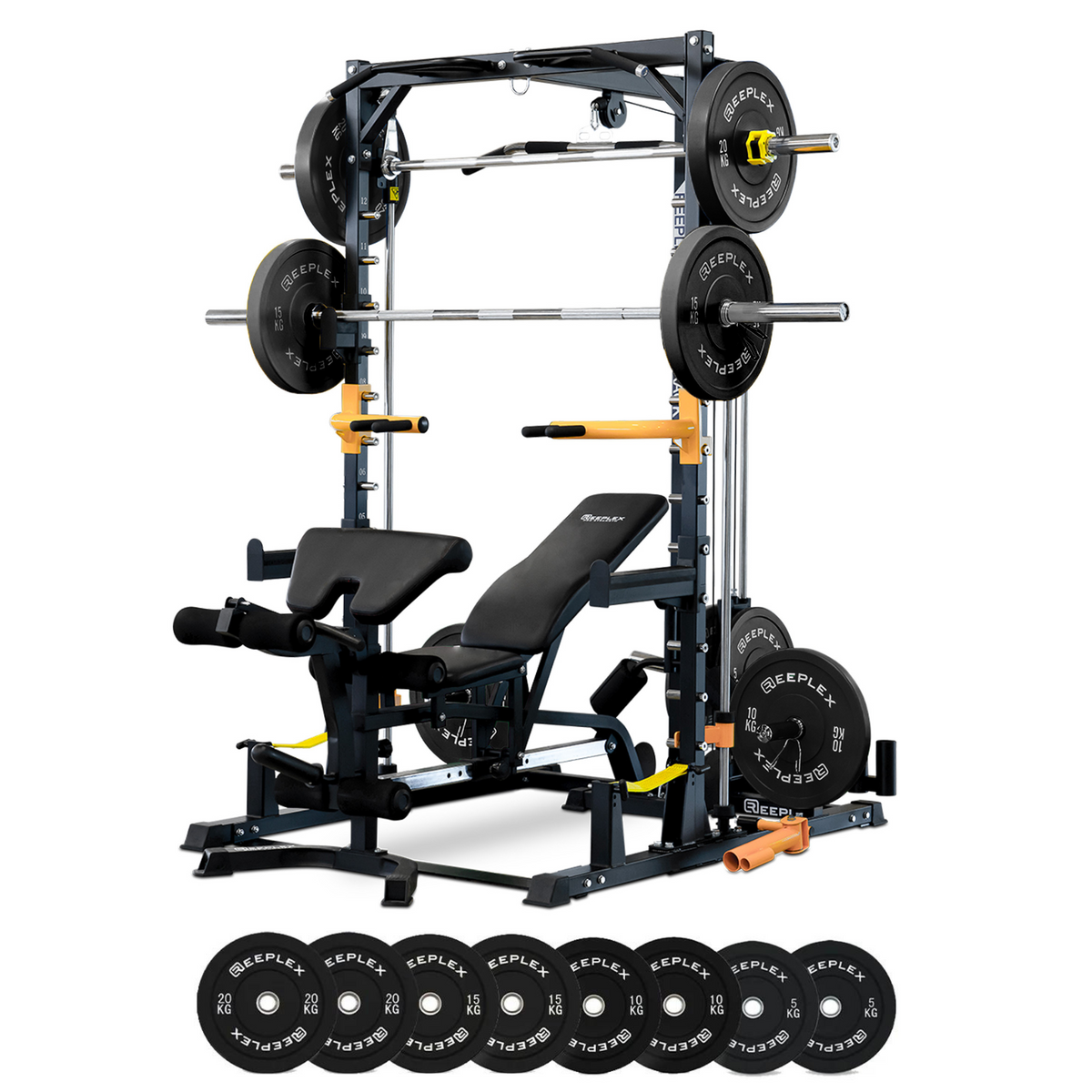
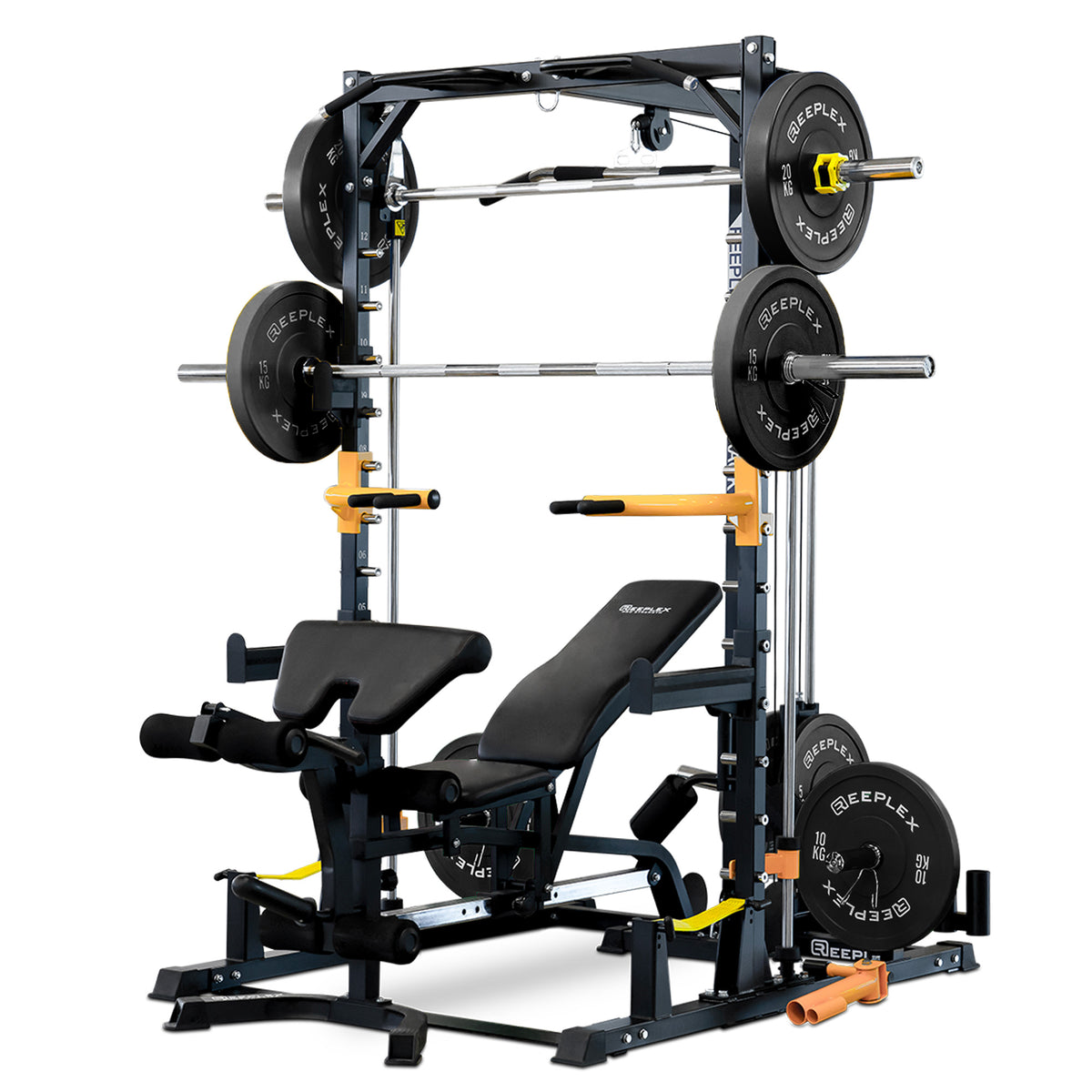
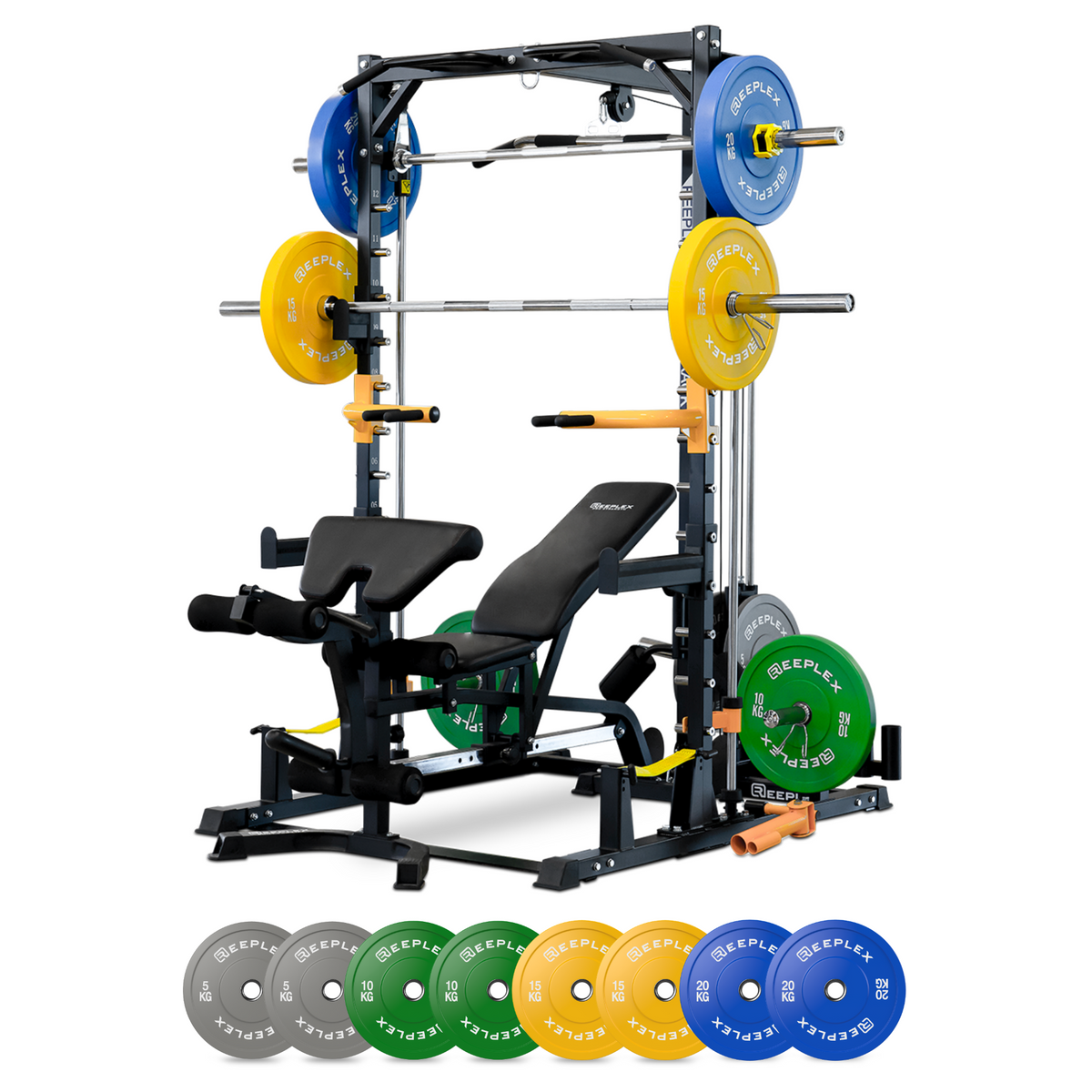
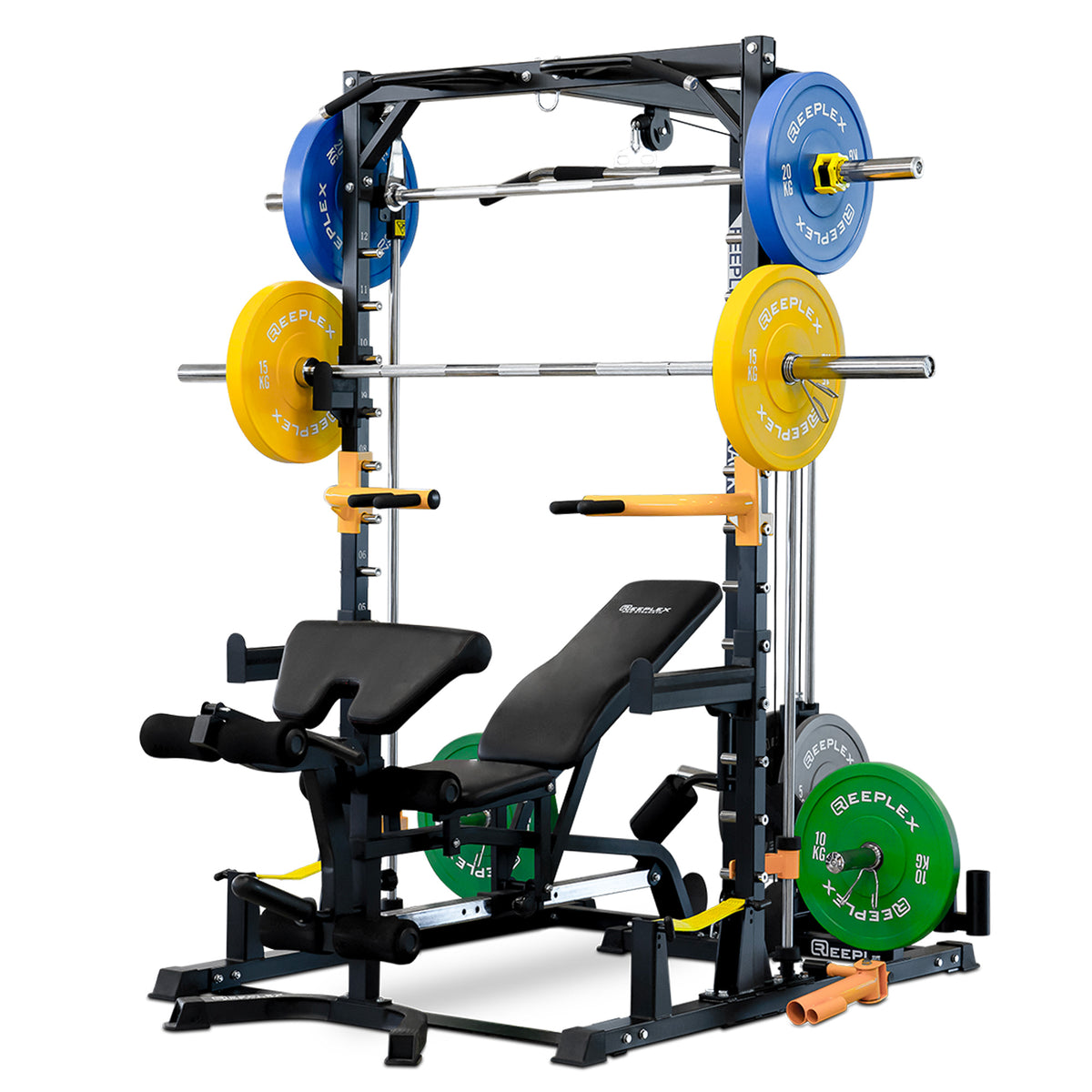
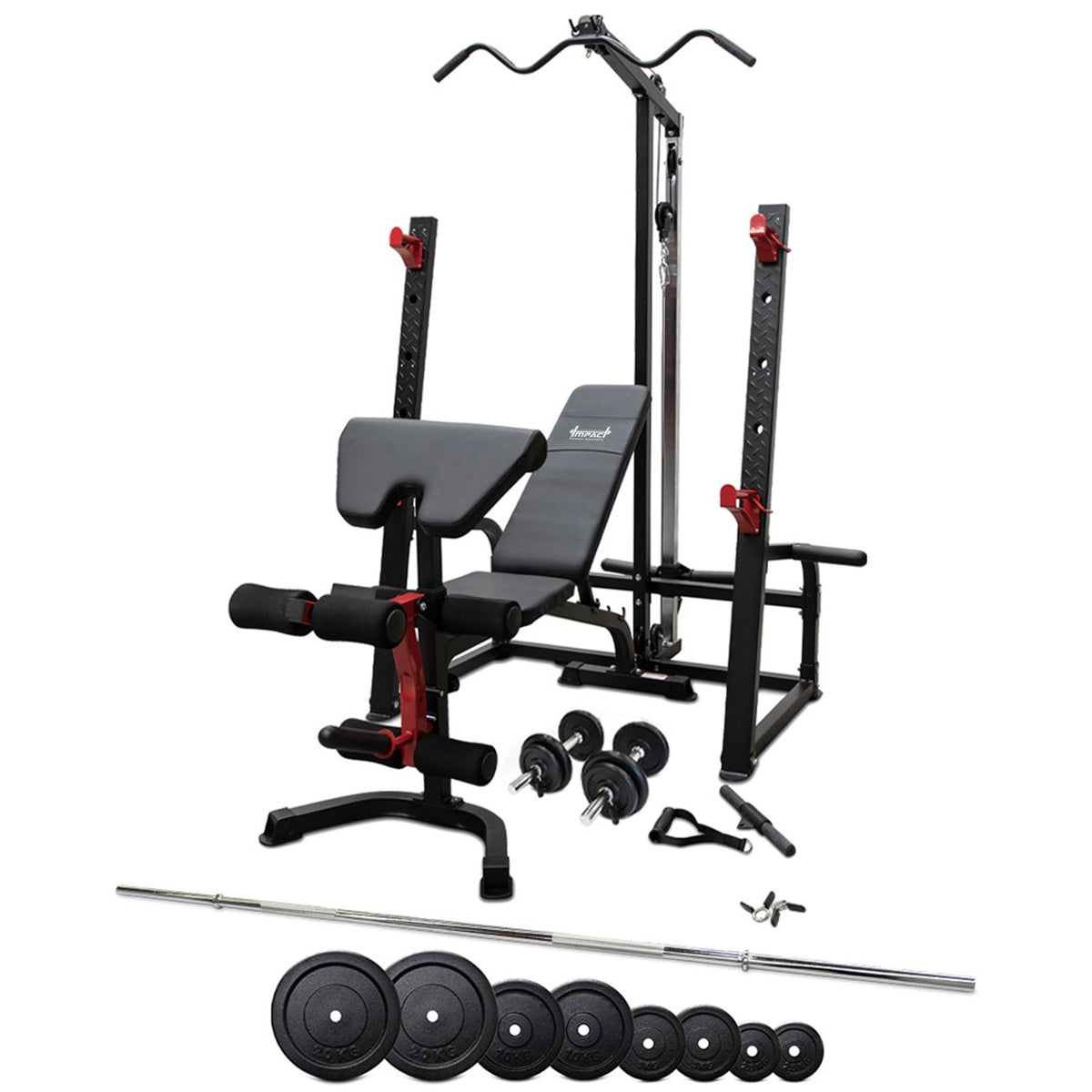
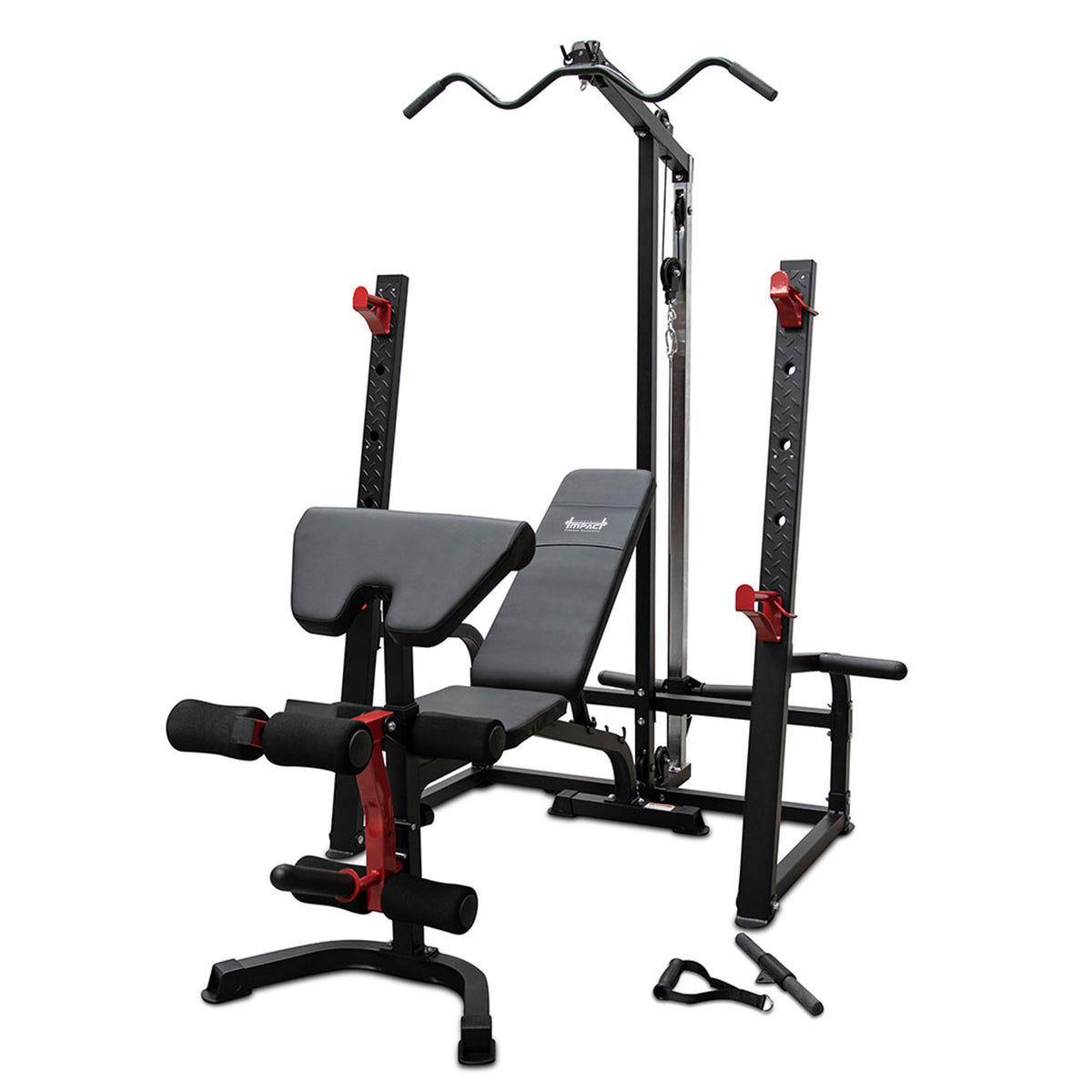
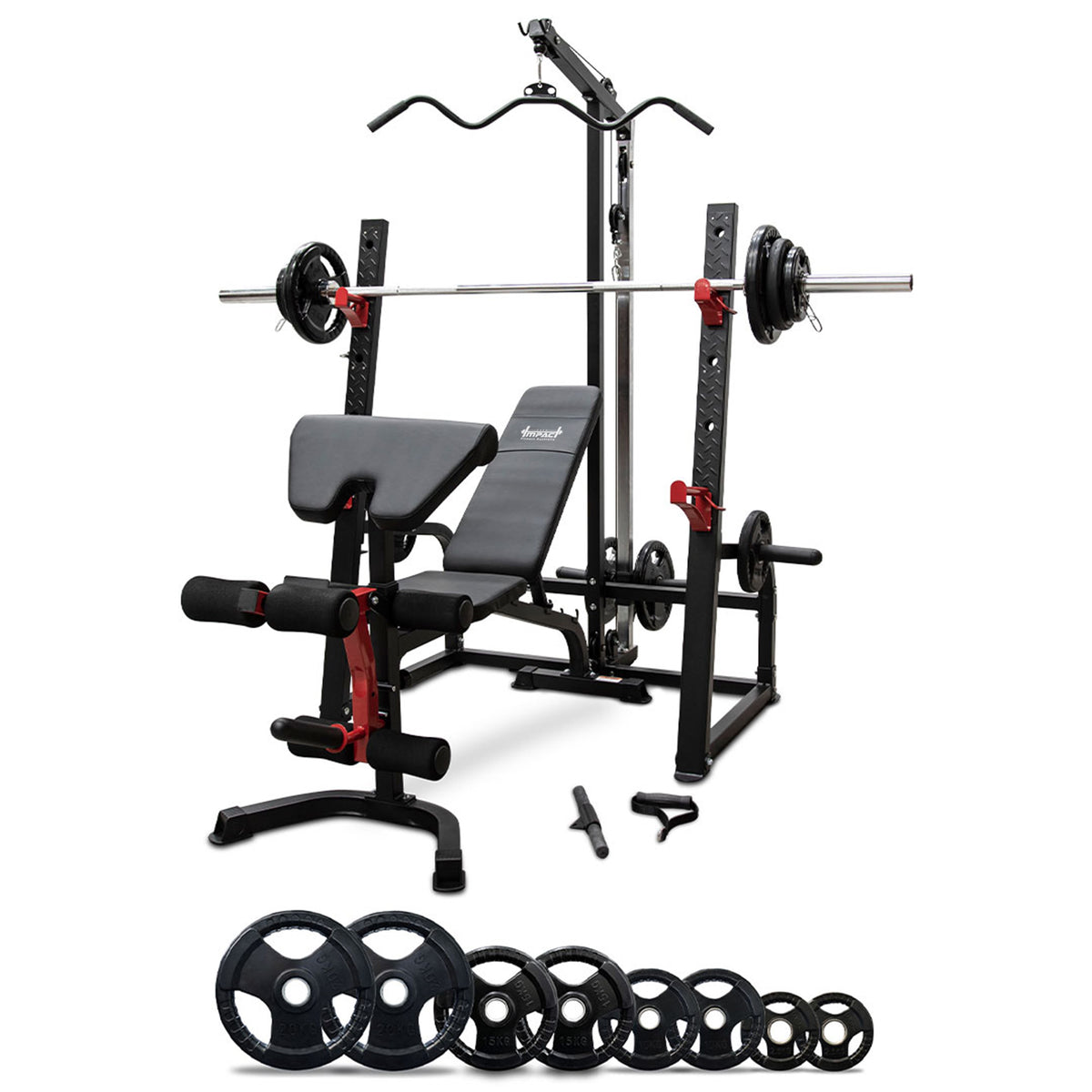
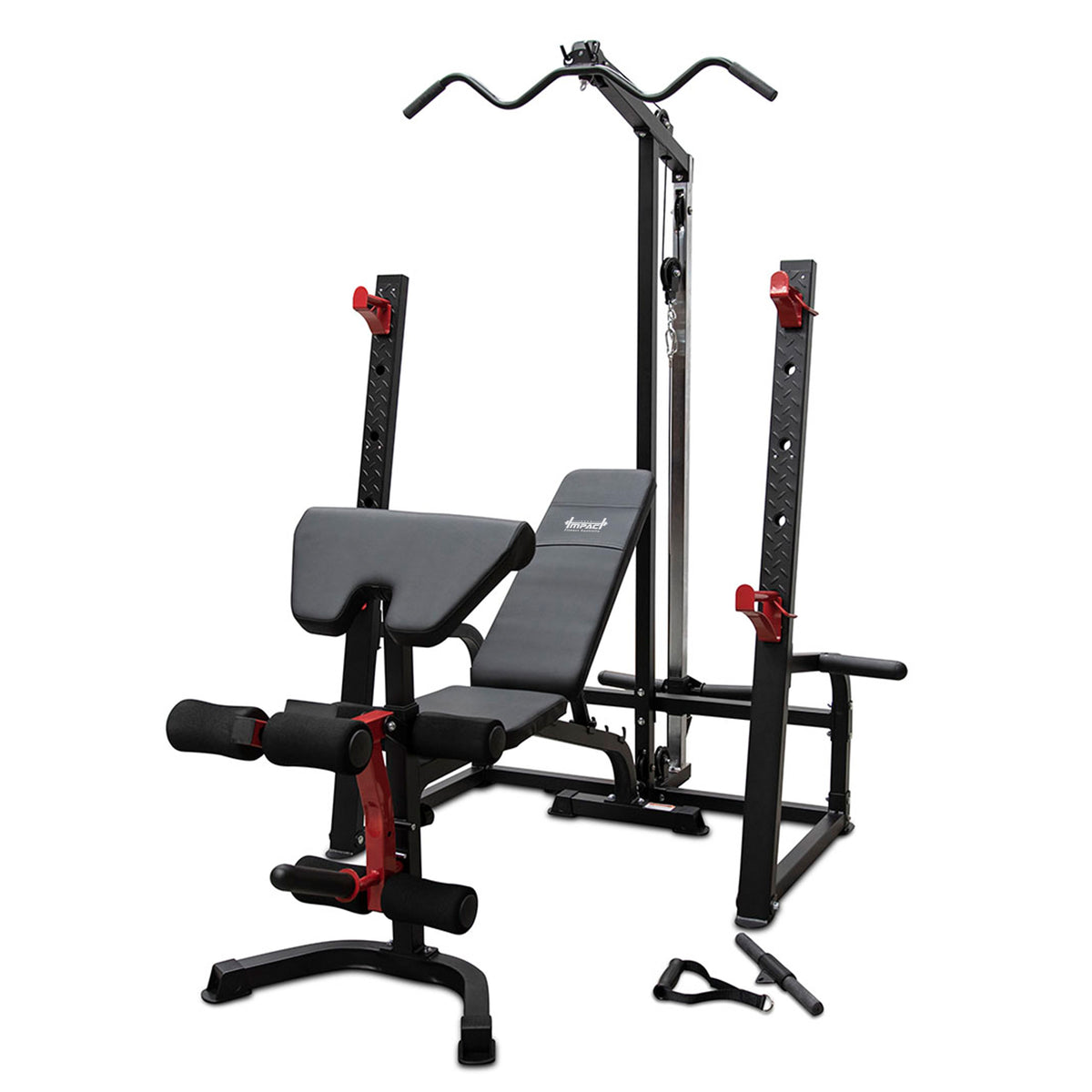
Shop Best Quality Half Racks in Australia
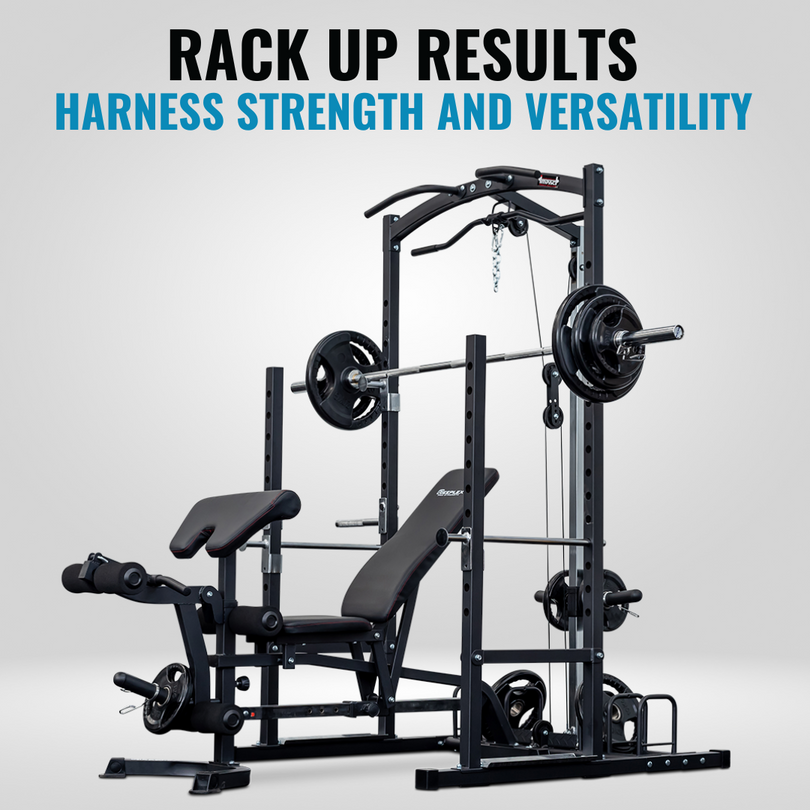
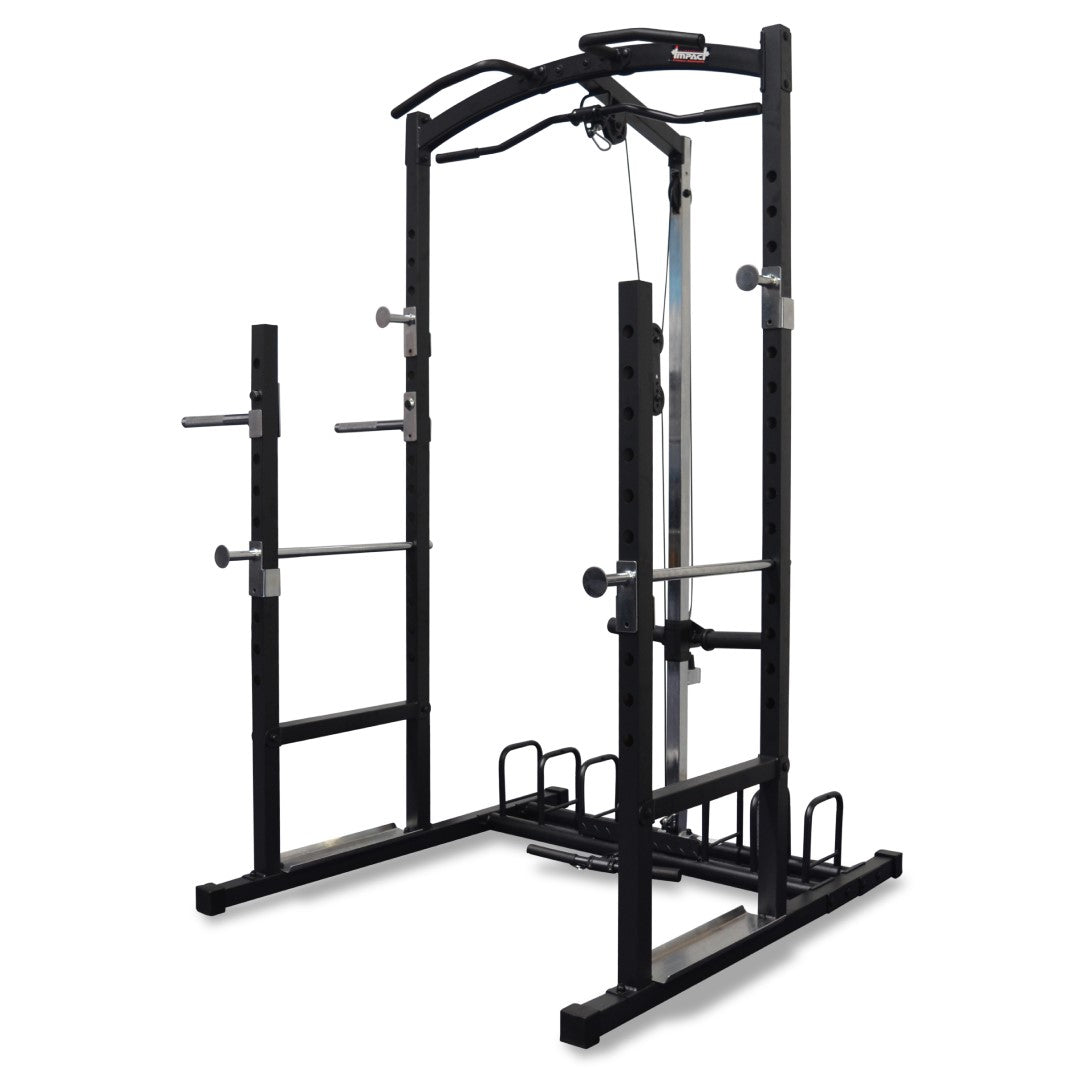
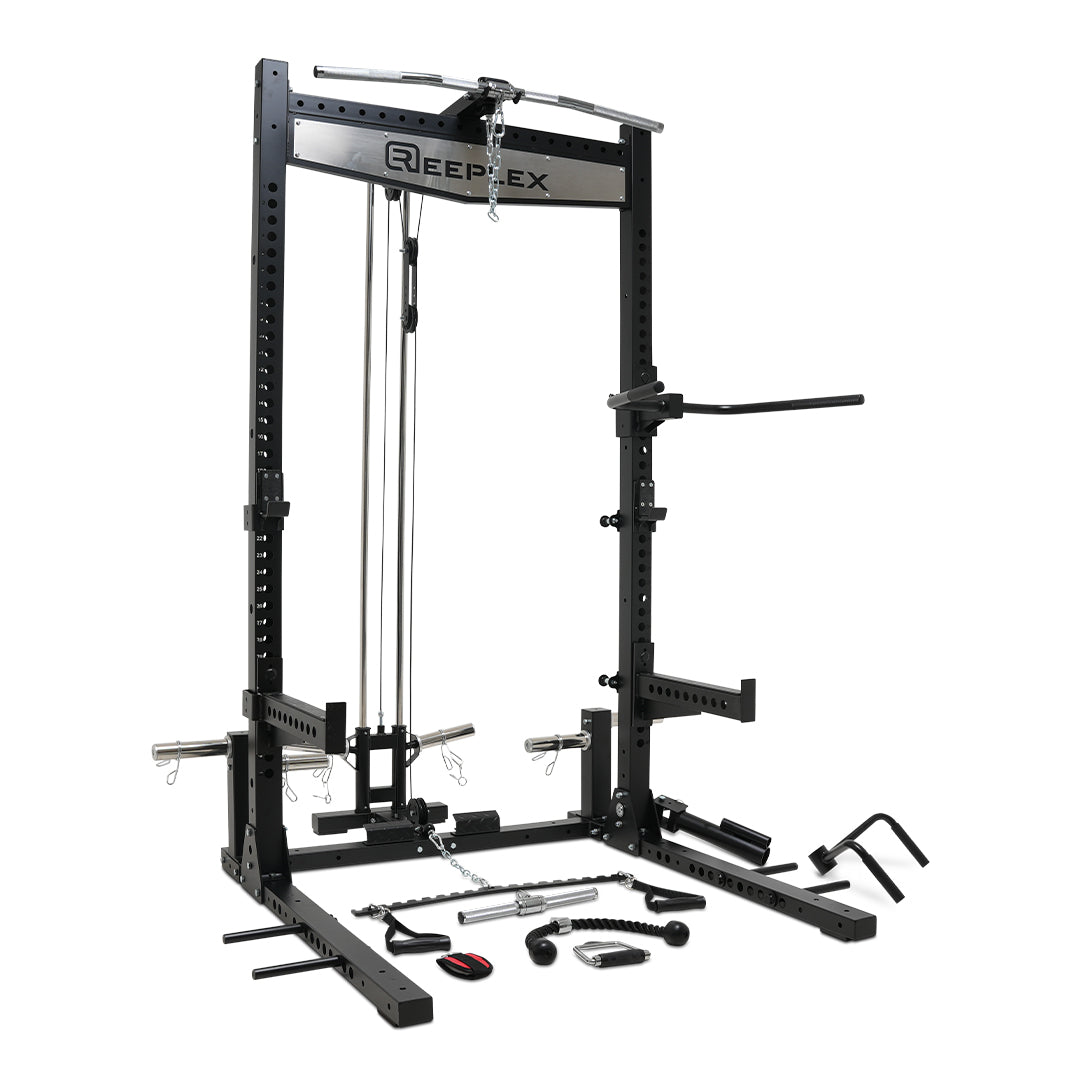
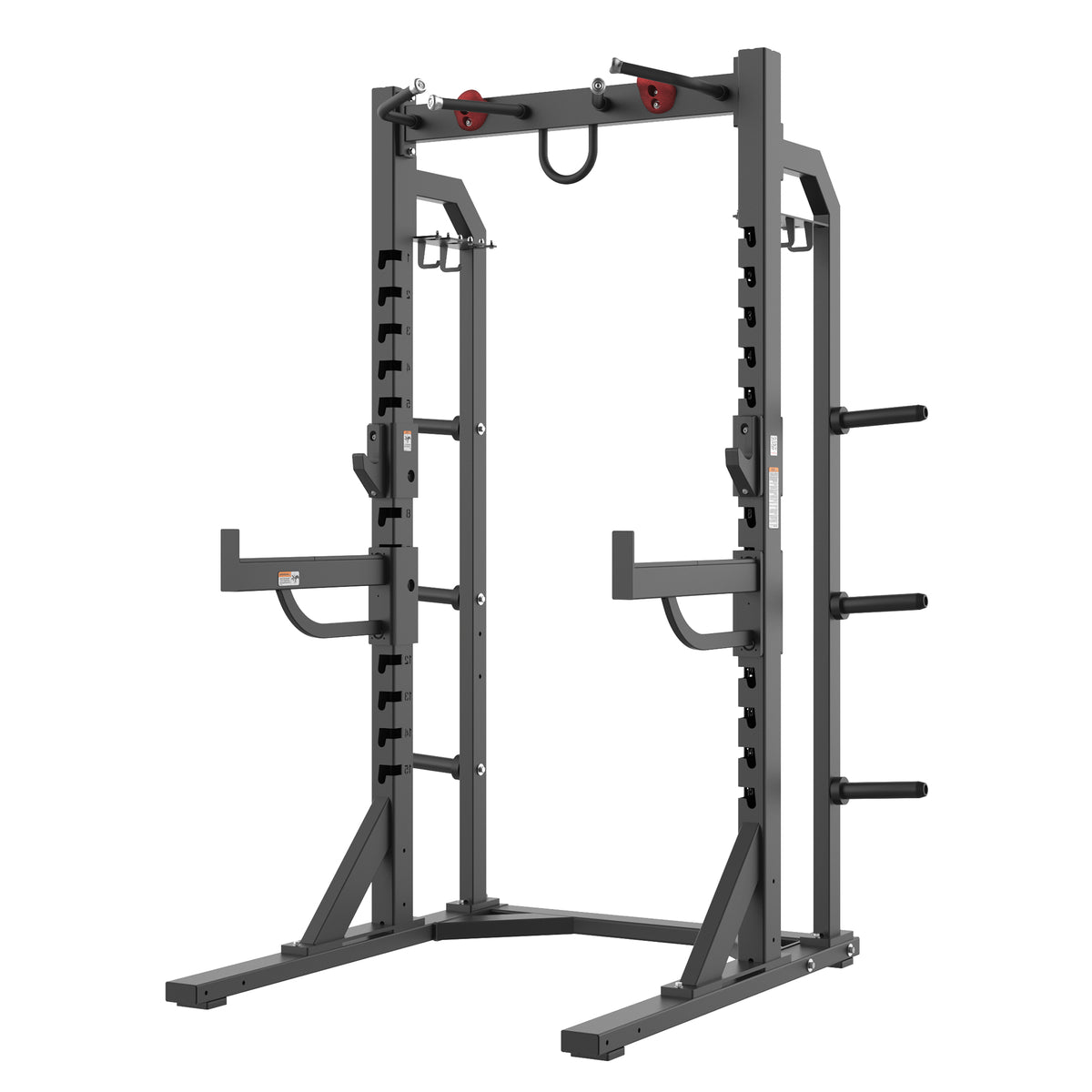
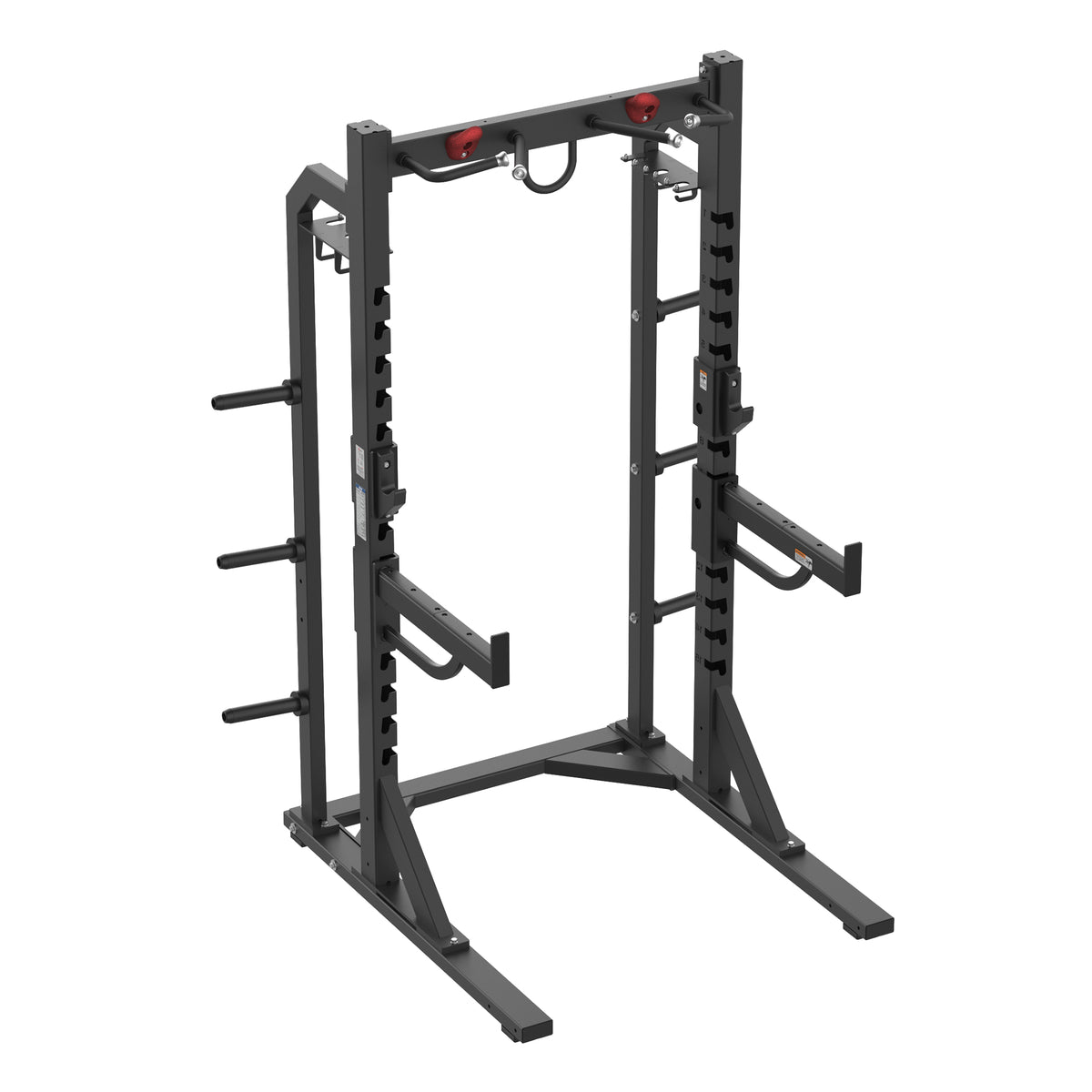
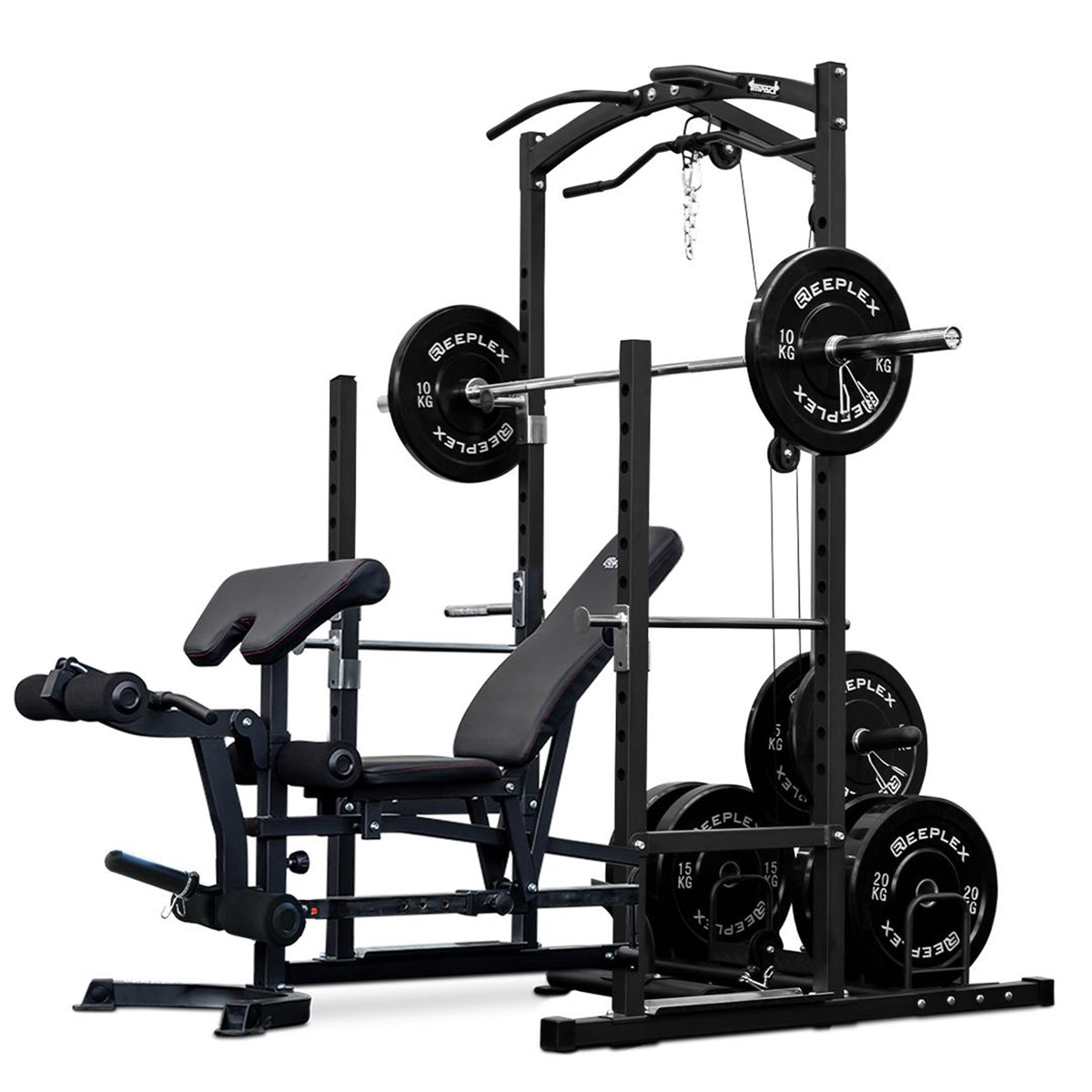
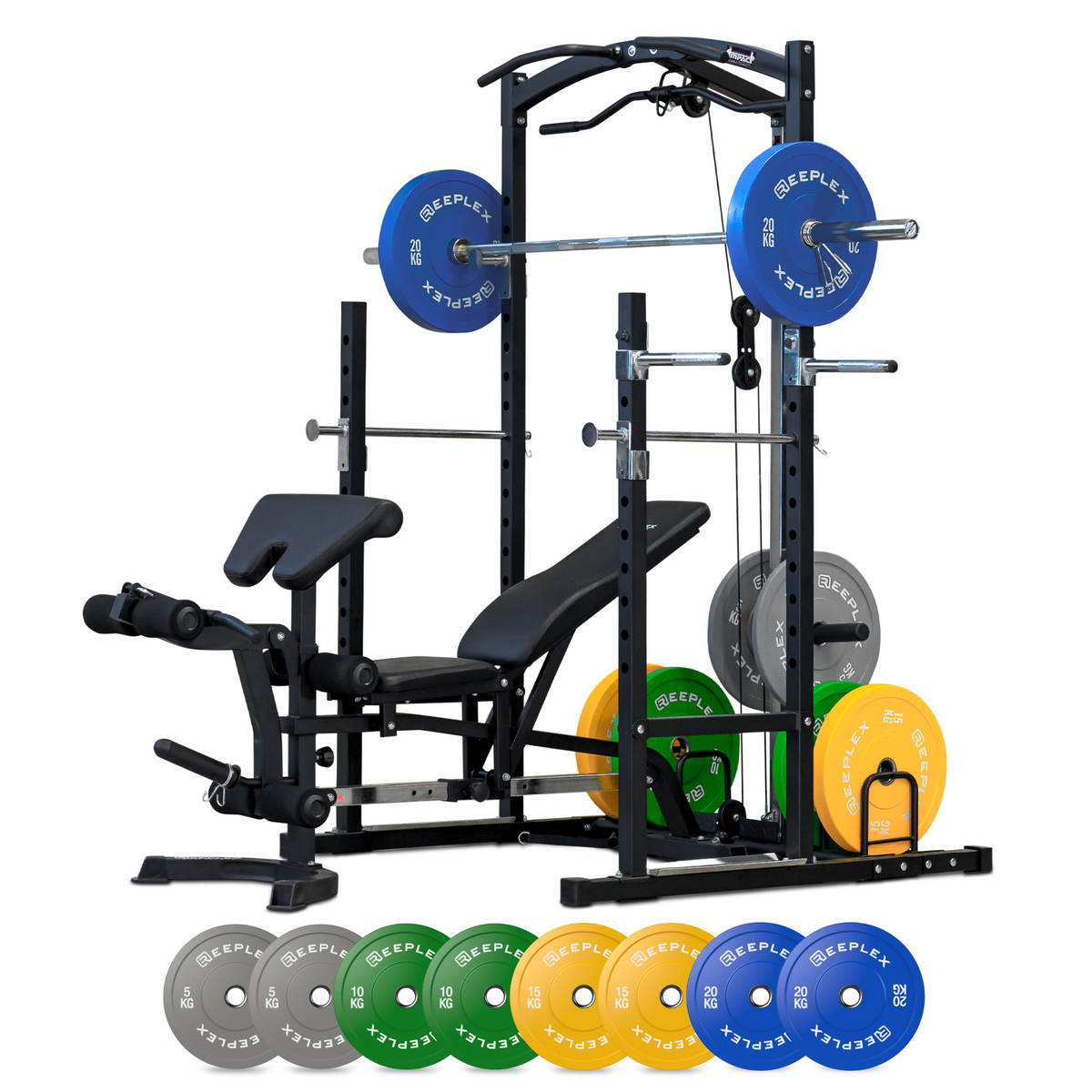
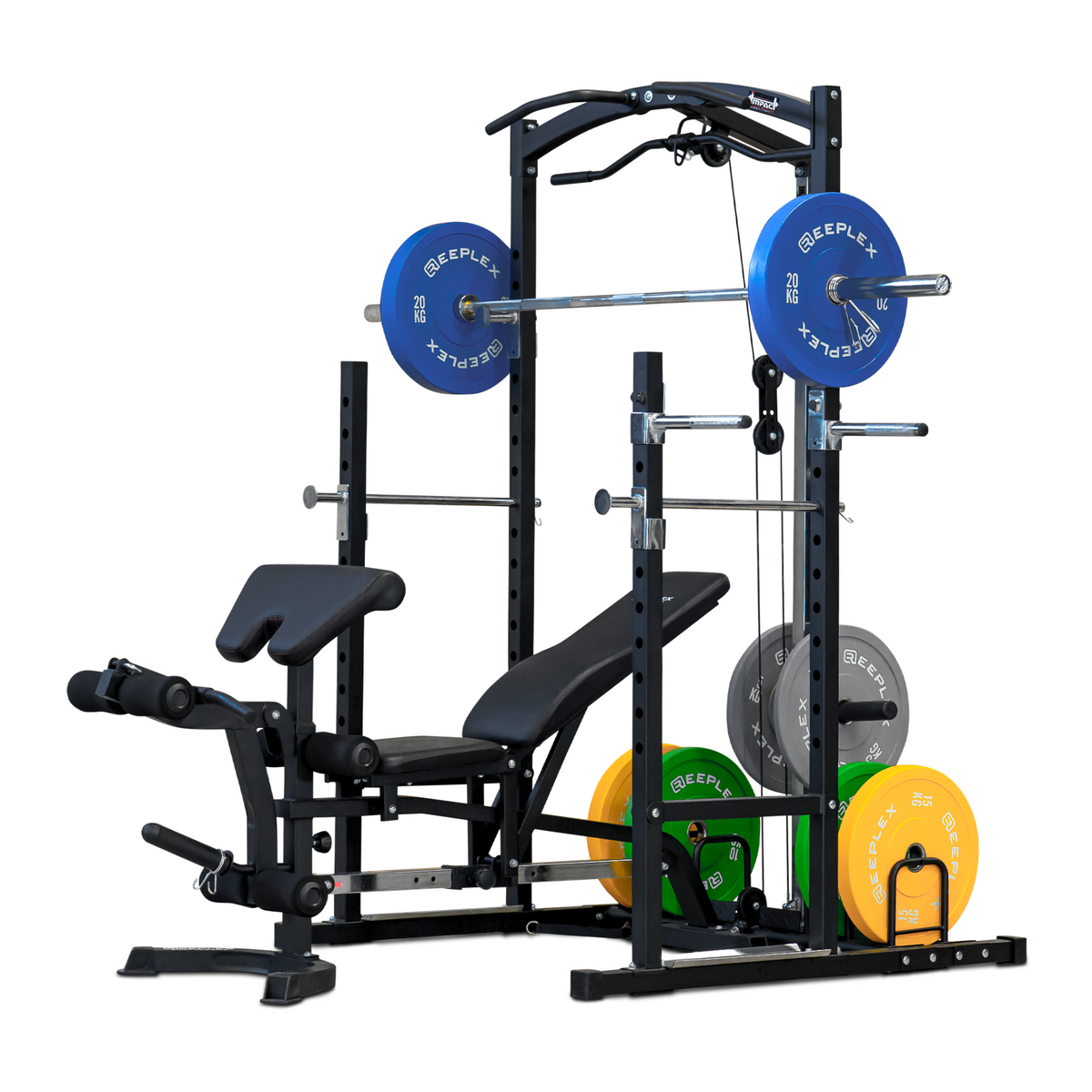
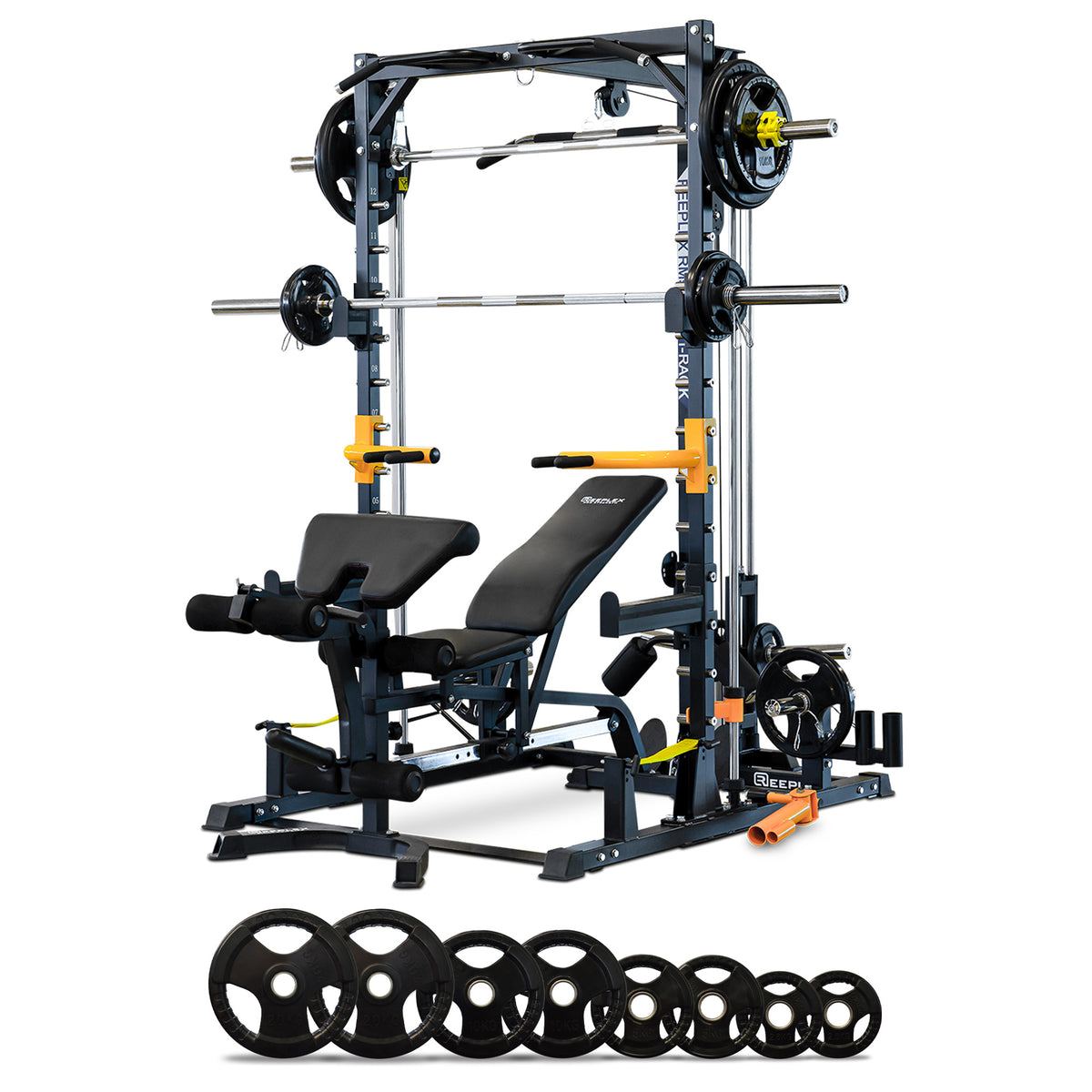
A half rack is a compact, open-front weightlifting station built around two heavy-duty steel uprights with J-hooks, adjustable safety arms, and typically a pull-up bar. Unlike a full power rack, it has no rear uprights, giving you a smaller footprint and more open access to the bar from all angles. Half racks support barbell squats, bench presses, overhead presses, deadlifts, and pull-ups, making them one of the most versatile pieces of strength equipment available for home and commercial gyms.
Key facts:
- Structure: two front uprights with J-hooks, safety arms, and pull-up bar (no rear uprights)
- Weight capacity: 200kg on entry-level models up to 500kg+ on commercial-grade racks
- Steel gauge: 11-gauge steel is the benchmark for durability and stability
- Hole spacing: standard (5cm) for most users; Westside spacing (2.5 to 5cm) for precision adjustment
- Footprint: approximately 120 to 150cm wide by 100 to 130cm deep, smaller than a full power rack
- Key exercises: squats, bench press, overhead press, deadlifts, pull-ups, dips
- Compatible with most standard and Olympic barbell sets
- Price range: $400 for entry-level to $1,500+ for heavy-duty commercial models
Shop Quality Half Racks in Australia
In strength training, having the right gym equipment isn’t just an advantage, it’s essential. Whether you’re a seasoned weightlifter or just starting your fitness journey, a Half Rack is an indispensable piece of gym equipment designed to empower your routines while ensuring utmost safety.
Half racks are ideal for a variety of locations, including home gyms, commercial gyms, garage gyms, and even specialized CrossFit boxes, making them a versatile choice for any training environment.
What is a Half Rack?
A half rack is a strength training station built around two vertical steel uprights anchored to a weighted or bolted base. J-hooks attach to the uprights at adjustable heights to hold the barbell between sets and at the start of each exercise. Safety arms extend from the uprights at a set height below the bar to catch the barbell if you fail a lift, giving you the confidence to train to full effort without needing a spotter.
The key structural difference between a half rack and a full power rack is the number of uprights. A power rack uses four uprights forming a cage around the lifter. A half rack uses two front uprights only, leaving the sides and rear completely open.
This open design reduces the floor footprint significantly and gives you more freedom of movement during exercises, particularly for movements like barbell rows, Romanian deadlifts, and dumbbell work performed near the rack.
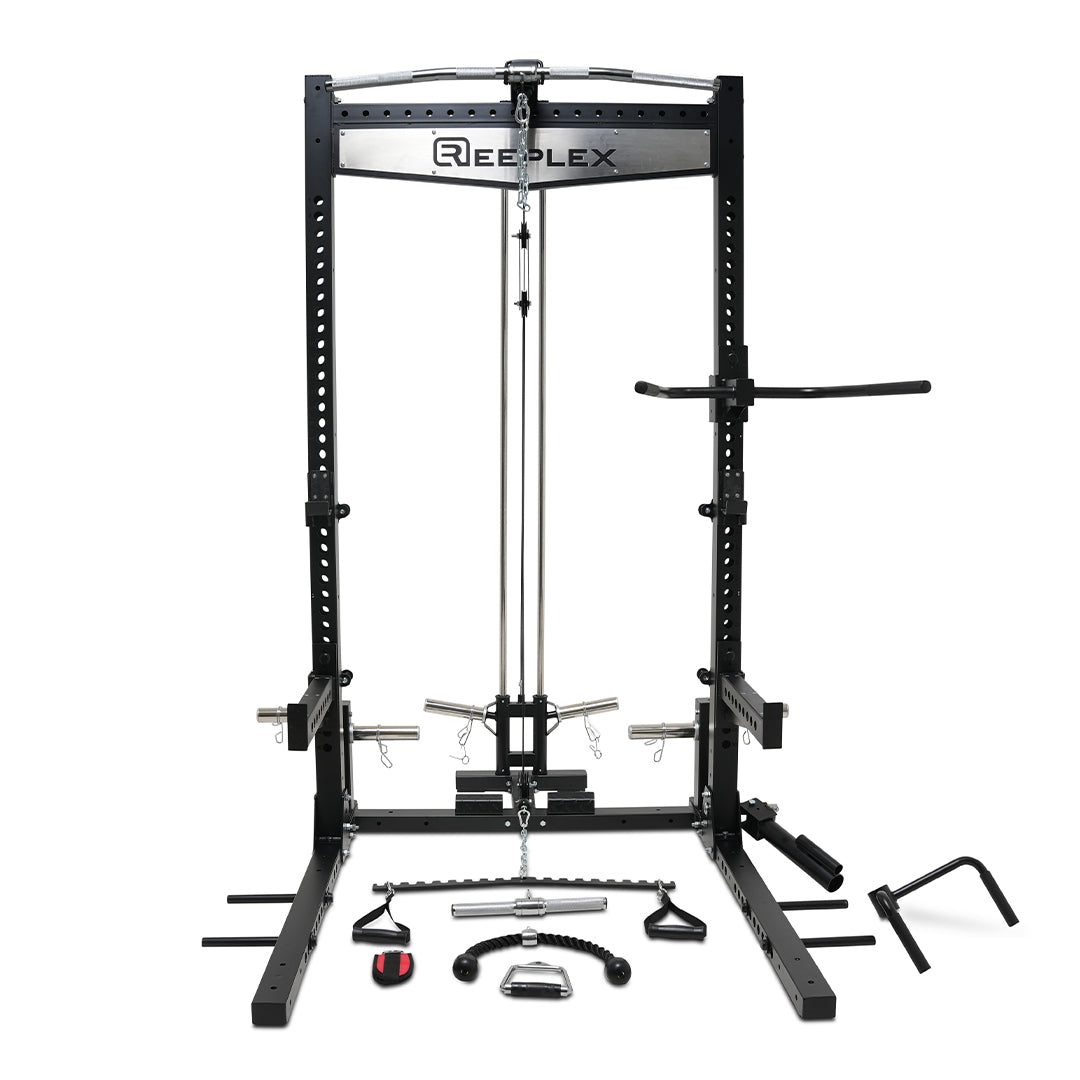
Most half racks include an integrated pull-up bar across the top of the uprights, making them a multi-function unit that supports upper body pulling work alongside barbell lifting. Many models can be fitted with optional accessories including dip handles, landmine attachments, plate storage pegs, and band pegs, turning the half rack into a comprehensive training station.
Standard half rack components:
- Two heavy-duty steel uprights with numbered holes for height reference
- Adjustable J-hooks (also called J-cups) to hold the barbell at the correct starting height
- Adjustable safety arms or spotter arms to catch the bar at a set depth
- Pull-up bar across the top for bodyweight upper body work
- Stabilizing base plate or feet, often weighted or floor-mounted for safety
- Optional: dip handles, plate storage pegs, landmine attachment, band pegs
Why a Half Rack Belongs in Your Home Gym
1. Safe For Solo Training
Safety arms catch the barbell at a set height if you fail a rep, eliminating the need for a spotter during squats, presses, and overhead work. This is the single most important benefit for home gym users who train alone.
2. Full Compound Movements
Squats, bench press, overhead press, rack pulls, deadlifts from pins, and barbell rows can all be performed at or near the rack, making it the hub of a complete strength training program.
3. Pull-up Bar Included
Most half racks include an integrated pull-up bar, giving you a built-in upper body pulling station at no additional cost or floor space.
4. Smaller than a Power Rack
The two-upright design reduces depth by 40 to 60cm compared to a full four-post power rack, making it practical for standard garage bays and smaller dedicated training rooms.
5. Fully Adjustable
Numbered hole spacing on the uprights lets you set J-hooks and safety arms to precise heights for each exercise and each user, making it a practical choice for households where multiple people train.
6. Accessory-ready
Compatible with a wide range of add-on attachments that expand training options over time without requiring additional floor space.
7. Built to Last
Quality half racks are manufactured from heavy-gauge steel with powder-coated finishes that resist rust and maintain appearance through years of consistent use.
8. Better Value than a Squat Stand
Safety arms make a half rack significantly safer than a basic squat stand, which offers no catch mechanism. The additional investment is worthwhile for anyone training at moderate to heavy loads.
Half Rack vs Power Rack vs Squat Stand vs Smith Machine
Choosing the right rack type depends on your training goals, available space, and how you prefer to train. Here is how the four main options compare.
| Half Rack | Power Rack | Squat Stand | Smith Machine | |
|---|---|---|---|---|
| Uprights | 2 (front only) | 4 (full cage) | 2 (minimal frame) | Fixed guided rail |
| Safety arms | Yes | Yes (full cage) | No | Built-in safeties |
| Pull-up bar | Usually included | Usually included | Rarely included | No |
| Footprint | Medium (compact) | Large | Small | Large |
| Barbell freedom | Full free bar | Full free bar | Full free bar | Fixed guided path |
| Exercise variety | High | Very high | Moderate | Moderate |
| Solo training safety | High | Very high | Low | High |
| Best for | Home gyms, space-conscious setups | Serious lifters, commercial gyms | Light training, budget setups | Machine-based training |
| Price range | $400 to $1,500+ | $800 to $3,000+ | $150 to $500 | $1,500 to $5,000+ |
For most home gym users training alone at moderate to heavy loads, the half rack delivers the best combination of safety, versatility, and space efficiency.
A full power rack is worth the extra footprint if you are lifting very heavy and want the additional security of a full cage structure. A squat stand works for lighter training budgets but lacks the safety infrastructure for serious solo lifting.
Durability + Construction: Key Features
Not all half racks are manufactured to the same standard. Here is what to evaluate before making your decision.
1. Steel Gauge + Frame Construction
Steel gauge is the most direct indicator of a rack's strength and long-term durability. Lower gauge numbers mean thicker steel. 11-gauge steel (approximately 3mm thick) is the standard for quality home and commercial racks and provides the combination of strength, weight, and weld integrity needed for heavy barbell work.
Some budget racks use 14-gauge (2mm) steel, which is adequate for lighter loads but may flex or show wear sooner under consistent heavy use.
Steel quality indicators:
- 11-gauge steel: benchmark for quality home gym and commercial half racks
- Powder-coated finish: protects against rust and maintains appearance over years of use
- Clean, reinforced welds at all load-bearing connection points
- Thick base plates or bolt-down feet for floor stability
- No visible flex in the uprights or crossbar during use
2. Weight Capacity
Weight capacity must comfortably exceed the total load you plan to lift. This means your body weight plus the barbell and plates combined for squats, or the barbell and plates alone for pressing movements.
For home gym users, a rack rated for 200 to 300kg covers most training needs. Serious lifters or those planning significant progression over time should look for racks rated at 400kg or above. Higher weight ratings also correlate with better overall construction quality.
3. Hole Spacing + J-Hook Adjustability
The holes running up the uprights determine how precisely you can set the J-hook and safety arm heights. Standard hole spacing of around 5cm works well for most exercises and most users. Westside spacing, which places holes at 2.5cm intervals in the bench and squat zones, allows finer adjustments that matter most when you need the bar at an exact height for competition-style movements or when training with multiple users of different heights.
- Standard spacing (5cm): practical for most home gym users and general training
- Westside spacing (2.5cm in key zones): valuable for precision height setting and multi-user households
- Numbered hole markings: simplify setup and make it easy to return to a saved position
- Laser-cut holes: cleaner edges, more consistent sizing, better J-hook fit compared to punched holes
J-Hooks
J-hooks are the brackets that hold the barbell on the rack between sets and at the start of each exercise. Quality J-hooks have a smooth, reinforced cradle that protects the barbell knurling, sits flush against the upright without wobble, and can be repositioned quickly between exercises. Some models include UHMW plastic or nylon lining inside the cradle to protect both the J-hook and the barbell from wear. This is a small detail that indicates a higher overall build standard.
Safety Arms
Safety arms are the feature that separates a half rack from a basic squat stand. They extend horizontally from the uprights at a set height and catch the barbell if you fail a lift. For squats, they are set just below parallel depth so the bar can be safely controlled to rest if you cannot complete the rep. For bench press, they sit just above chest level. Setting safety arms correctly before each session is the most important habit you can develop for safe solo training.
Look for safety arms that lock firmly at each position, have a wide enough cradle to reliably catch a rolling bar, and are rated for the full weight capacity of the rack. Some models use flip-down or pin-and-hole style safety arms that adjust quickly without tools.
Pull-Up Bar
The pull-up bar built across the top of most half racks adds a bodyweight upper body pulling station to your setup at no additional cost. The bar diameter, knurling pattern, and height all affect comfort and usability. A 28 to 32mm diameter bar suits most hand sizes for pull-ups and chin-ups. Some racks include multiple grip options: straight, neutral grip, and angled handles that allow varied hand positions and target slightly different areas of the back and arms.
Footprint + Ceiling Height
Half racks typically measure 120 to 150cm wide and 100 to 130cm deep. This is significantly smaller than a full power rack, which often runs 120 to 150cm wide and 150 to 180cm deep. The depth saving of 40 to 60cm can be the difference between a rack fitting a standard single garage bay or not. Ceiling height is equally important: most half racks stand 210 to 240cm tall, and you need additional clearance above the pull-up bar for comfortable use. A minimum ceiling height of 260 to 280cm is recommended for most models.
What Can You Train with a Half Rack?
A half rack supports the full compound movement library that forms the foundation of any effective strength training program. Here is a breakdown by muscle group and movement type.
Lower Body
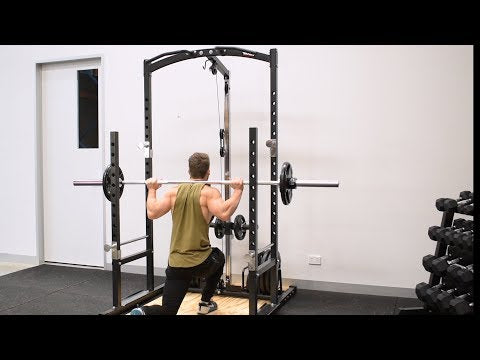
- Back squat: the primary lower body compound movement, performed with the bar across the upper back
- Front squat: bar positioned across the front deltoids and clavicles, emphasizing quads and upper back
- Box squat: using a box or bench placed inside the rack to squat to a defined depth
- Rack pull: a partial deadlift starting from the safety arms, useful for overloading the upper portion of the pull
- Bulgarian split squat: rear foot elevated on a bench positioned beside the rack, targeting quads and glutes
- Step-ups: using the safety arm height as a reference for a consistent step height
Upper Body Pushing
- Barbell bench press: bench positioned inside or in front of the rack, safety arms set at chest height for solo pressing
- Overhead press (OHP): pressing the barbell from shoulder height to lockout overhead
- Push press: using leg drive to initiate the bar overhead, building explosive shoulder strength
- Floor press: lying on the floor beneath the rack for a limited range of motion pressing variation
Upper Body Pulling
- Pull-ups: overhand grip on the pull-up bar, targeting the lats, rear deltoids, and biceps
- Chin-ups: underhand grip, shifting more emphasis to the biceps
- Neutral grip pull-ups: palms facing inward, easier on the wrists for many users
- Barbell rows: bent-over row with the bar taken from the J-hooks at hip height
Accessory Work
- Barbell bicep curl: bar taken from J-hooks at hip height
- Skull crushers: lying on a bench beneath the rack with bar at arm's-length from the J-hooks
- Good mornings: bar across the upper back, hinging at the hips to target the posterior chain
- Landmine press and rotation: if the rack includes a landmine attachment
- Dips: if the rack includes optional dip handle attachments
Half Racks: Perform a Wide Range of Workouts
With a Half Rack in your home gym or fitness center, you’re opening the doors to a myriad of muscle-building exercises:
- Squats: The cornerstone of leg development, safely perform squats by adjusting the J-cups to your desired height.
- Bench Presses: Train your chest, shoulders, and triceps by positioning a bench inside the rack.
- Pull-Ups: Enhance upper body strength with built-in pull-up bars. Target your back, biceps, and core.
- Deadlifts: Start your reps from the safety catches, eliminating the need to lift from the floor.
- Overhead Presses: Securely lift weights overhead, building powerful shoulders.
There are different sorts of racks available to suit various workout needs and spaces. If you start with a basic squat stand, you can upgrade to a squat rack, power rack, or half rack for enhanced functionality and versatility.
Half Racks: Key Benefits
The essence of a Half Rack is the assurance of a safe lifting environment. Adjustable J-cups and sturdy construction ensure the barbell is securely held, minimizing risks.
More than just a squat rack, the multifunctionality of a Half Rack supports a full-body workout regime, making the most of your training space. You can add optional accessories or attachments to customize your half rack for expanded functionality, depending on your available space and workout preferences.
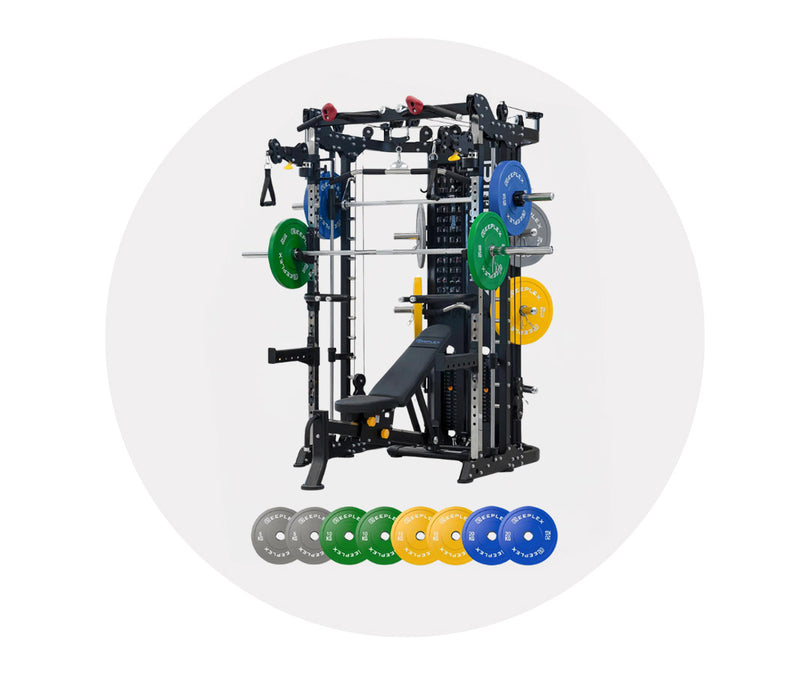
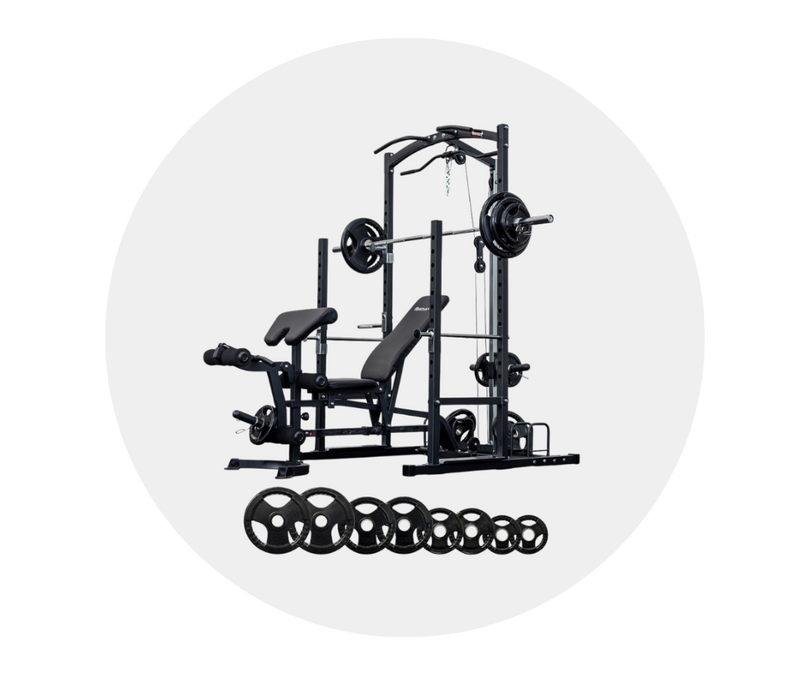
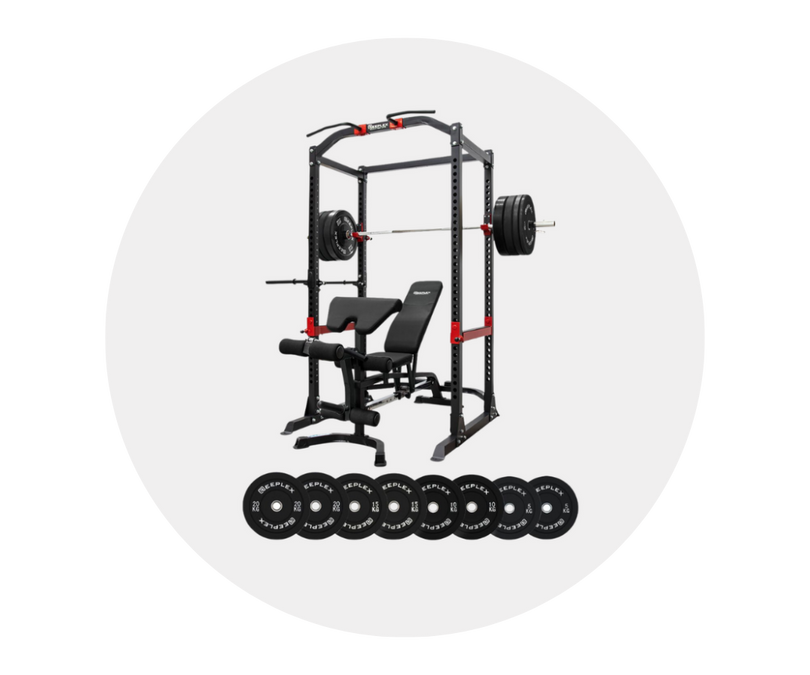
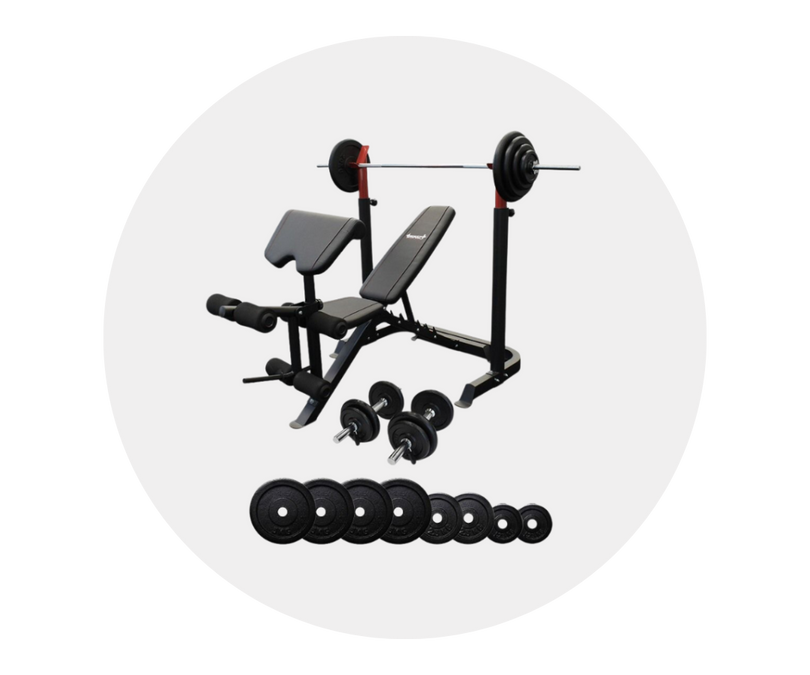
Ideal for home gyms or compact fitness areas, the Half Rack’s design maximizes utility while minimizing footprint. If you are looking for an all-in-one package, check our squat rack packages now, or consider one of our complete home gym packages to build a versatile training space.
Half Rack vs. Power Rack: Making the Right Choice
While both Half Racks and Power Racks serve weightlifting purposes, they cater to distinct needs. The Half Rack is compact, versatile, and embodies the fundamentals of weightlifting support. It is easy to set up and use, especially for those with limited space. The added advantage of pull-up bars and its space-efficient design makes it an optimal choice for those on a budget or with space constraints.
On the other hand, the Power Rack, being larger, boasts additional features such as safety spotter bars, offering a broader scope of exercise variations. However, it demands a more generous space allocation.
Half racks are often available for sale, making them an affordable and practical choice for building your gym setup, especially when paired with our wider range of home gym equipment.
Who Should Buy a Half Rack?
1.Home Gym Users
This is the primary audience for a half rack. If you train without a spotter, safety arms are not optional. A half rack gives you the infrastructure to push heavy compound lifts to failure safely, without relying on anyone else being present. This freedom to train at any time, without coordinating with a training partner, is one of the defining advantages of a home gym setup.
2. Garage + Compact Gym Setups
The reduced depth of a half rack compared to a power rack makes it a practical choice for standard single-car garage bays, spare bedrooms converted to training rooms, and anywhere that floor space is a genuine constraint. You retain the full exercise capability of a barbell rack without the cage footprint of a full power rack.
Typical space requirements:
- Rack footprint: 120 to 150cm wide by 100 to 130cm deep
- Minimum working area: 250 x 300cm including barbell clearance on both sides
- Ceiling height: minimum 260 to 280cm for comfortable pull-up use
- Floor: rubber gym flooring recommended for noise reduction and floor protection
3. Intermediate + Advanced Lifters
At heavier loads, the safety infrastructure of a half rack becomes non-negotiable. A squat stand with no catch mechanism is not appropriate for solo lifting above bodyweight loads. A half rack provides the security needed to train at genuine working weights across squats, presses, and overhead movements without compromising on safety.
4. Multi-User Households
Numbered hole markings and tool-free J-hook adjustment make it fast to reconfigure the rack between users of different heights. Most adjustments take under 60 seconds, which is practical when multiple household members share the same equipment.
Setup, Anchoring, + Space Planning
Setting up your half rack properly from day one protects your investment and sets your training space up for long-term performance. Here’s what to consider before it arrives.
Gym Flooring
Rubber gym flooring under and around the rack is strongly recommended. It protects the floor from barbell drops and plate contact, reduces noise during deadlifts and rack work, and provides grip for your feet during squats and presses. A minimum coverage area of 2 x 2m under the rack gives adequate protection. Interlocking rubber tiles in 15 to 20mm thickness are suitable for most home gym applications.
Anchoring
Most half racks include base plates with bolt-down holes designed for anchoring to a concrete floor. Anchoring is strongly recommended for any rack used with heavy loads, as it prevents the rack from shifting or tipping under eccentric forces during squats and overhead presses. Some models include a weighted base option as an alternative for setups where floor bolting is not practical. If you are setting up on a timber-framed floor rather than concrete, consult the manufacturer's guidance on load limits and anchoring recommendations before purchase.
Barbell Clearance
A standard Olympic barbell measures 220cm end to end. Ensure you have adequate wall clearance on both sides of the rack for the full bar length, plus additional space on each side to load and unload plates. A minimum of 30 to 40cm of clearance between each bar end and the nearest wall is recommended. If your space is tighter than this, measure carefully before ordering.
Maintenance + Long-Term Care
Half racks are low maintenance by nature, but a few regular habits will keep yours performing and looking its best for years.
- Wipe down the rack after sessions: Sweat and chalk residue accelerate corrosion on bare steel and degrade the powder coat finish over time. A dry cloth or mild cleaning solution takes 60 seconds and significantly extends the rack's appearance and lifespan.
- Inspect and tighten bolts monthly: Regular use vibration loosens fasteners over time. Check all connection points monthly and torque to the manufacturer's specification.
- Check J-hooks and safety arms: Inspect the UHMW liner inside J-hooks for wear and replace when worn. Verify safety arms lock securely at each position before every session.
- Lubricate adjustment points: Apply a light machine oil to the upright hole surfaces where J-hooks and safety arms slide to keep adjustments smooth and prevent galling on the steel.
- Check for frame flex or unusual noise: Any creaking, flex, or instability during use is a signal to inspect all connection points and anchoring before continuing training under load.
Why Choose Dynamo Fitness Equipment?
At Dynamo Fitness, we make it easy to get the right equipment, wherever you are in Australia. Our shipping is fast, reliable, and fully trackable, backed by a responsive support team that keeps everything running smoothly from order to arrival.
Prefer to see equipment in person? Visit your nearest showroom - we’ve got stores in;
You can explore a wide range of home and commercial gym equipment firsthand. Test the quality, compare options, and make confident decisions with expert guidance in-store.
We believe premium fitness equipment should be accessible. That’s why we offer competitive pricing, regular promotions, and exclusive deals, so you can invest in quality without overspending.
Flexible payment options, including Buy Now, Pay Later, give you even more control over how you upgrade your training space.
Take the Next Step in Your Fitness Journey
Strength, performance, and safety come together with our range of Half Racks. Whether you’re building a home gym or upgrading a commercial setup, Dynamo Fitness delivers the quality and reliability you need to train with confidence.
Upgrade your setup today and take your training further.
Get in touch with our team for expert advice or to find the right Half Rack for your space.
Take the Next Step in Your Fitness Journey!
Strength, endurance, and safety converge with our range of Half Racks. Whether you're building a home gym or upgrading your fitness center, trust Dynamo Fitness Equipment for quality, affordability, and unmatched service. Elevate your workouts and secure your Half Rack! Contact us now for more information and guidance.
Half Racks - FAQs
A half rack uses two front uprights with J-hooks, safety arms, and a pull-up bar. A power rack uses four uprights forming a complete cage around the lifter, with safety bars running across the full width of the cage on both sides. The power rack offers a more enclosed, fully protected lifting environment that is particularly useful for extremely heavy loads and maximum-effort attempts. The half rack reduces the floor depth by 40 to 60cm compared to a power rack, making it a more practical choice for standard home gym spaces. Both provide safety arm protection for solo lifting. For most home gym users, the half rack delivers everything needed at a smaller footprint and lower cost.
Yes. A half rack supports barbell bench pressing by positioning a bench inside or directly in front of the rack, with the J-hooks set at the correct unracking height. Safety arms are set just above chest level to catch the bar if you fail a rep. This is the recommended setup for safe solo bench pressing without a spotter. The open-front design of a half rack means you have good access to the bar from the bench and can set up quickly. Ensure your bench dimensions are compatible with the rack width before purchasing if you plan to use it inside the rack footprint.
Calculate your working load by adding your body weight to the maximum barbell and plate load you plan to lift. For squats, this means bodyweight plus total barbell weight. Choose a rack with a weight capacity rated at least 20 to 30 percent above your maximum combined load. For most home gym users training up to 150kg total load, a rack rated at 200 to 250kg is appropriate. Users training heavier or planning significant progression should look for racks rated at 400kg or above. Higher weight ratings also indicate better overall frame construction.
Floor anchoring is strongly recommended for any half rack used with moderate to heavy loads. Squats and overhead presses create lateral and rotational forces on the uprights that can cause an unanchored rack to shift, particularly during failed reps. Most half racks include bolt-down base plates with pre-drilled holes for concrete floor anchoring. If floor bolting is not possible in your setup, look for racks that offer a weighted base option or use floor mats and plate storage to add stability. Always follow the manufacturer's anchoring recommendations for your specific model.
Most half racks stand between 210 and 240cm tall. For comfortable pull-up use, you need additional clearance above the bar for arm extension and the movement range of pull-up repetitions. A minimum ceiling height of 260 to 280cm is recommended for most models. If your ceiling is lower than 260cm, measure the specific rack height before purchasing and check whether pull-up use is practical. Some shorter-profile racks are available for lower-ceiling spaces, though these may place the pull-up bar at a height that requires a bend in the knees rather than hanging at full extension.
Westside hole spacing refers to a hole pattern on the upright where holes are drilled at shorter intervals (typically 2.5cm) in the bench press and squat zones of the upright, rather than the standard 5cm spacing used across the full height of the rack. This tighter spacing allows more precise J-hook and safety arm height adjustments in the critical lifting zones, which matters most when fine-tuning the bar height for specific competition standards or when multiple users of different heights share the same rack. For general home gym use, standard spacing works well. Westside spacing is a useful feature for more precise setups.
Yes. A standard single-car garage in Australia measures approximately 300 x 550cm, and a half rack with a footprint of 120 to 150cm wide by 100 to 130cm deep fits comfortably with adequate working space around it. Allow at least 110cm on each side of the rack for the full Olympic barbell length, plus clearance for loading and unloading plates. A minimum working area of 250 x 300cm around the rack is recommended. Add rubber flooring under the rack footprint and extend it at least 60 to 80cm in front for barbell landing coverage. Most garage gym setups can accommodate a half rack, a bench, and a dumbbell storage area within a single-car bay.
A squat stand is a minimal two-post structure with J-hooks but no safety arms and no pull-up bar. It is compact and inexpensive, but it provides no catch mechanism if you fail a lift, making it unsuitable for solo training at genuine working loads. A half rack adds safety arms that catch the bar at a set depth, a pull-up bar for upper body work, and a more stable overall structure with greater weight capacity. The price difference between a quality squat stand and an entry-level half rack is modest, and the safety upgrade is significant. For most home gym users who train alone, a half rack is the minimum appropriate investment for safe barbell training.