





Kettlebells: Strength Training + Conditioning
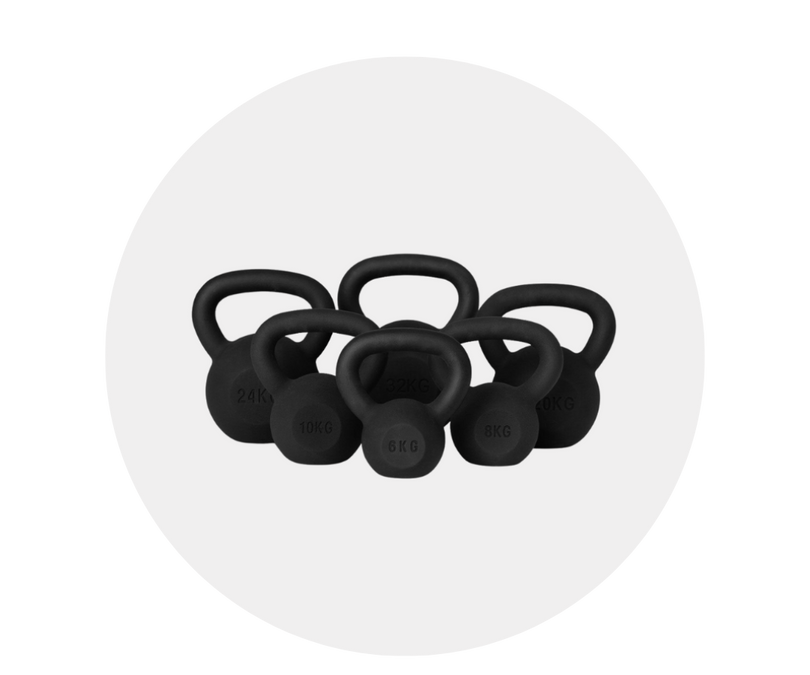
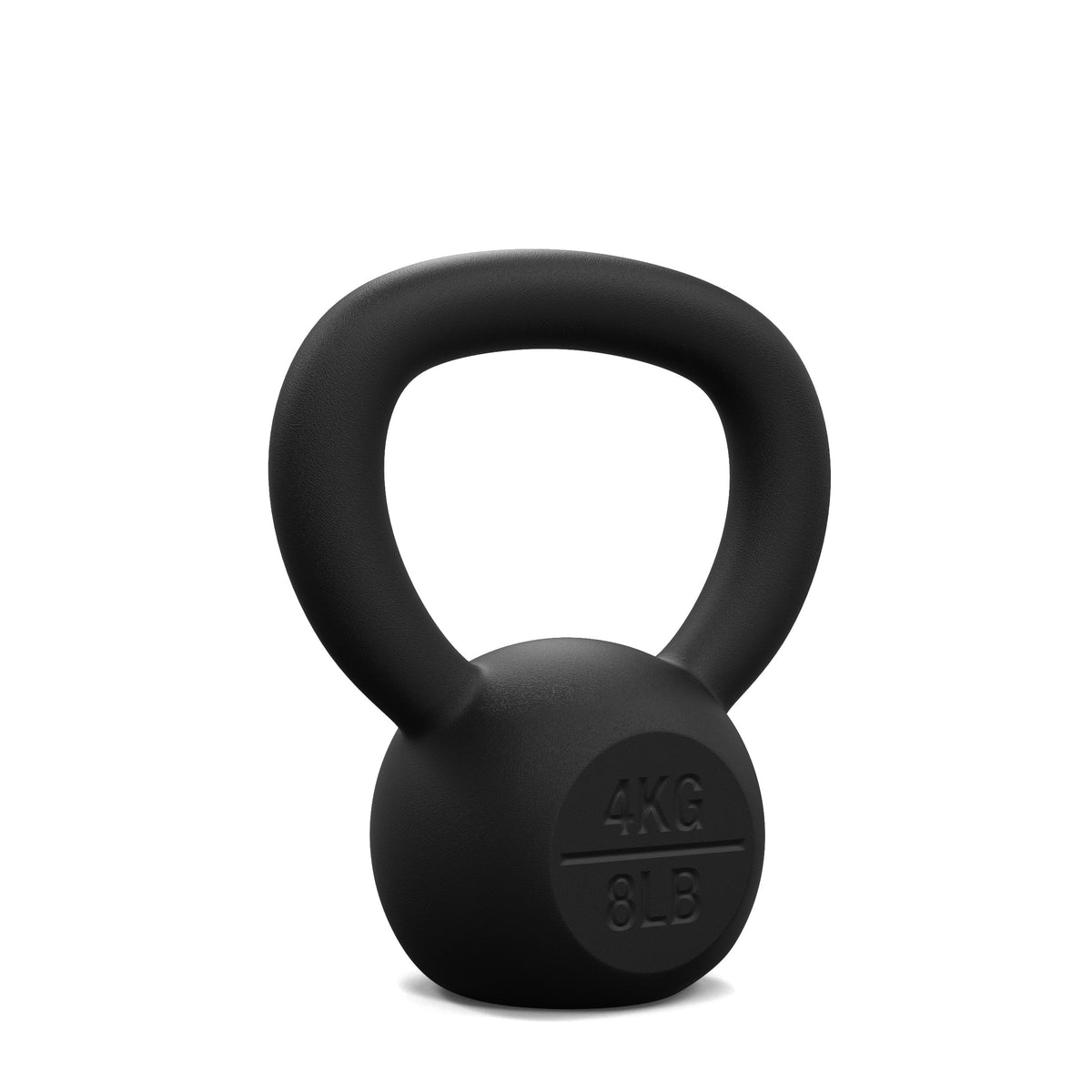
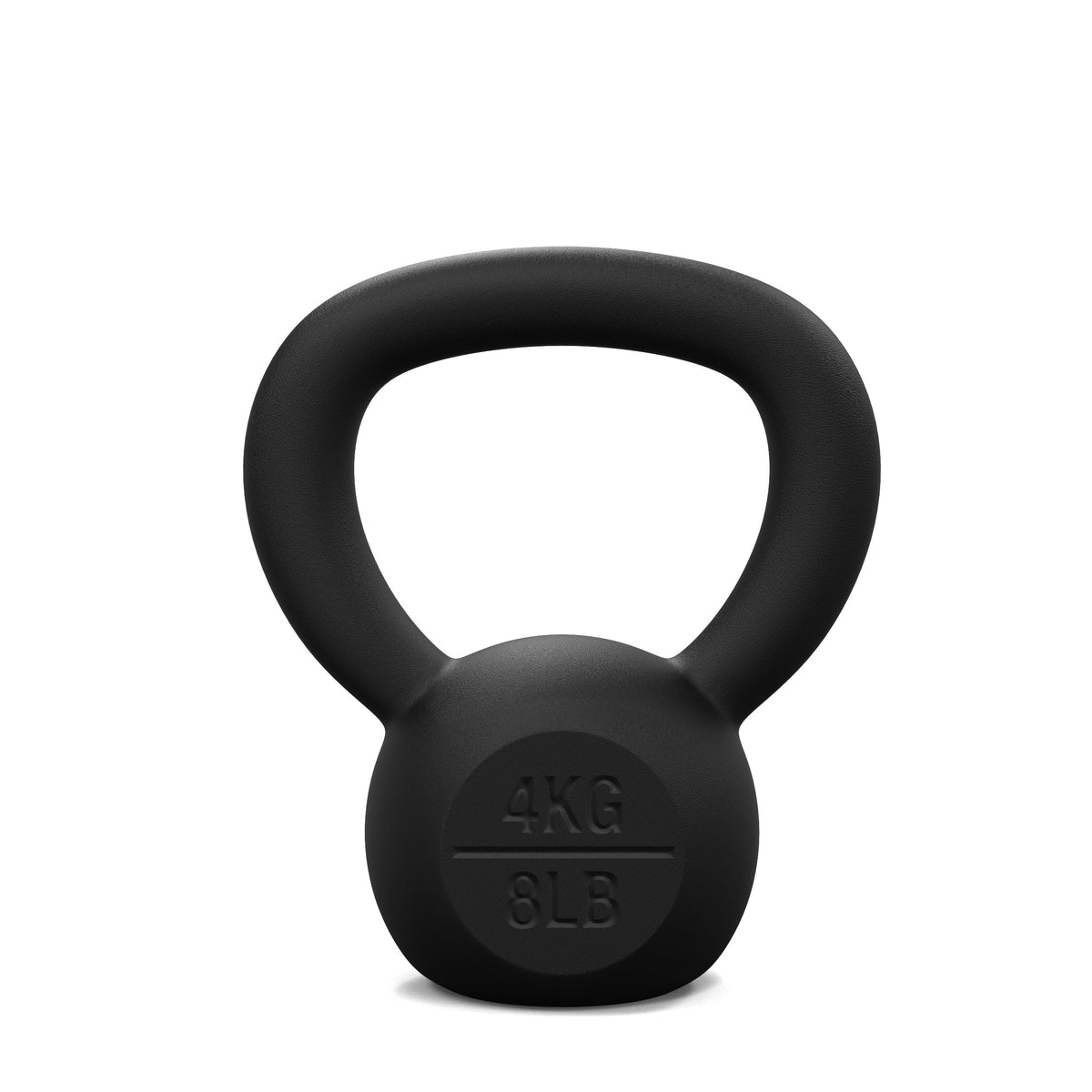
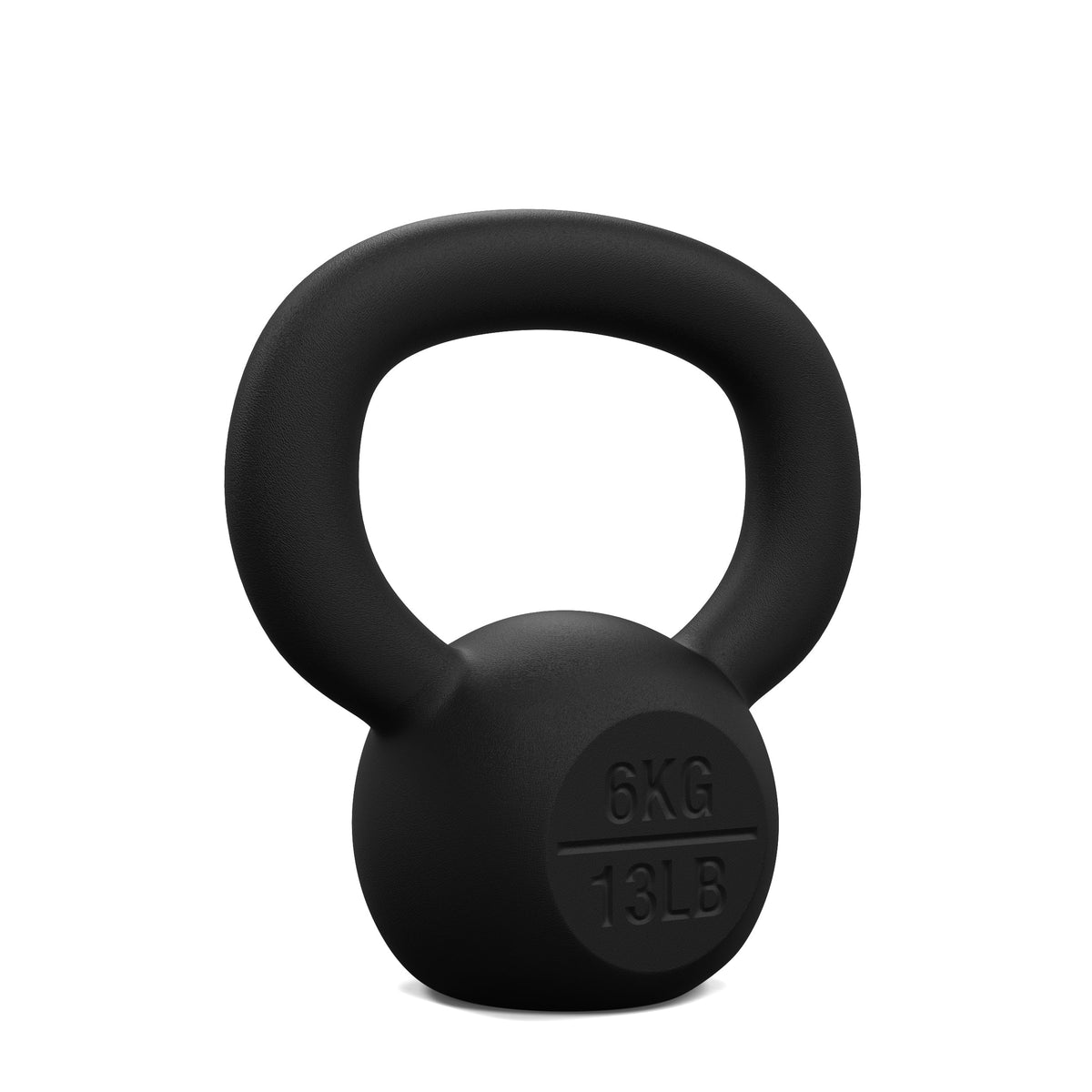
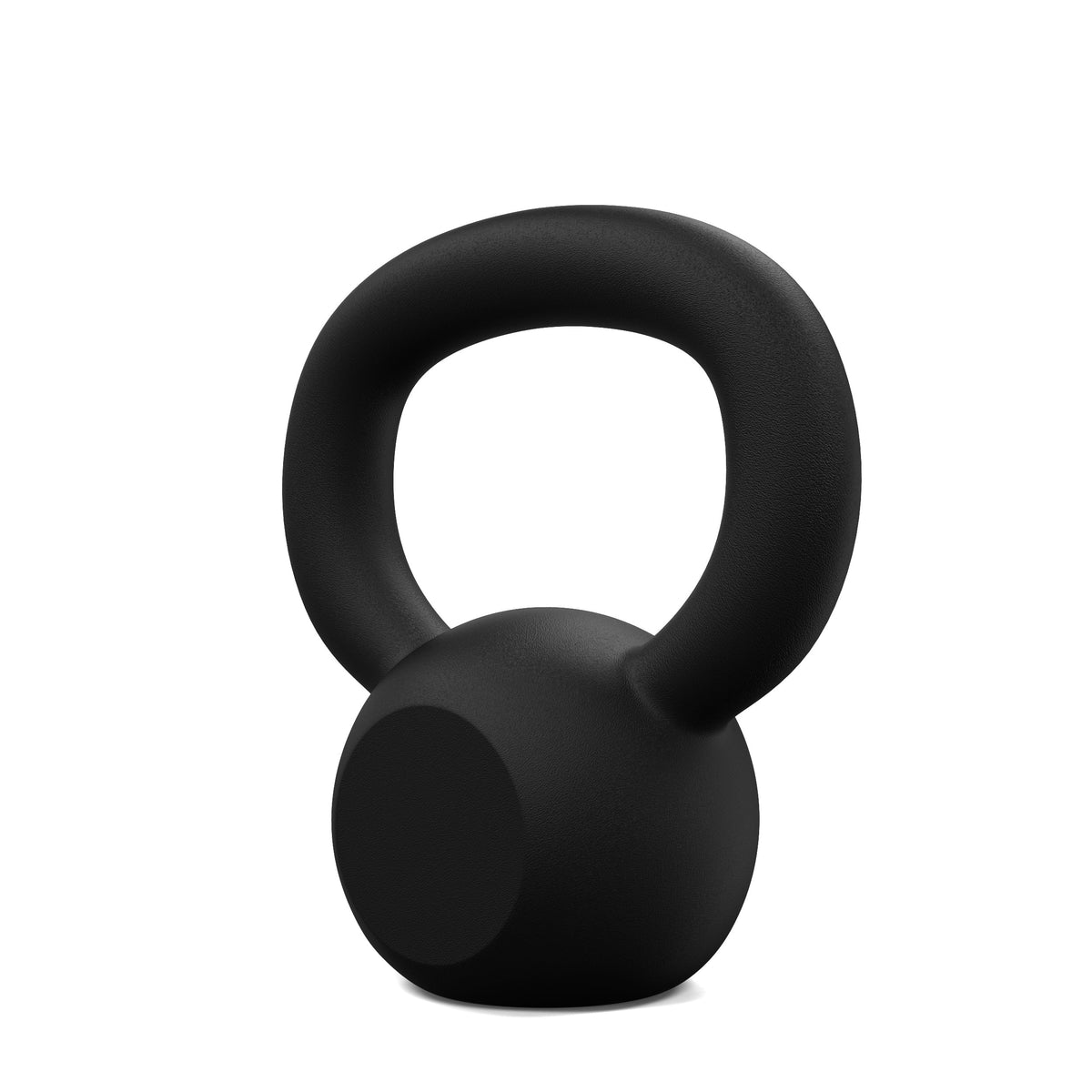
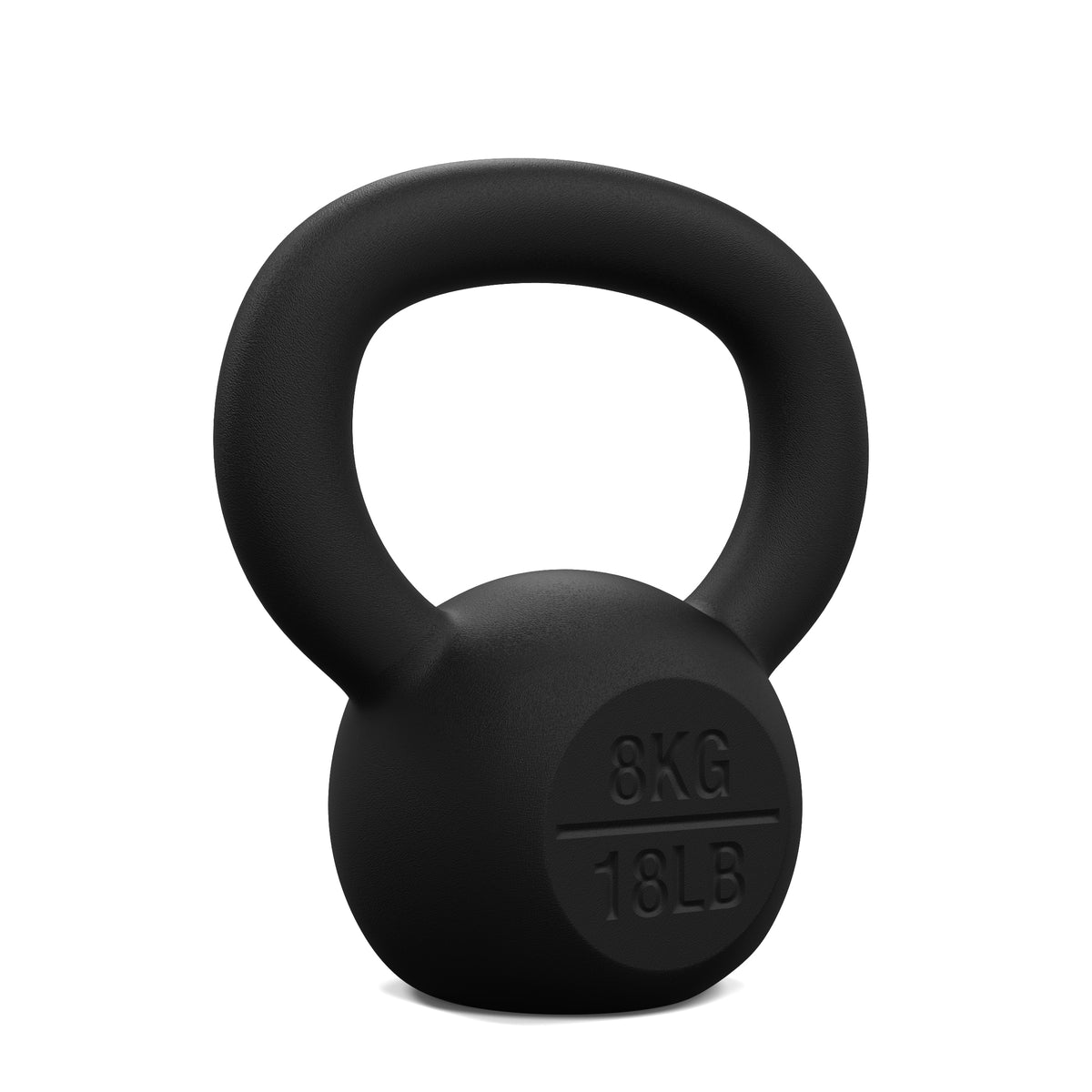
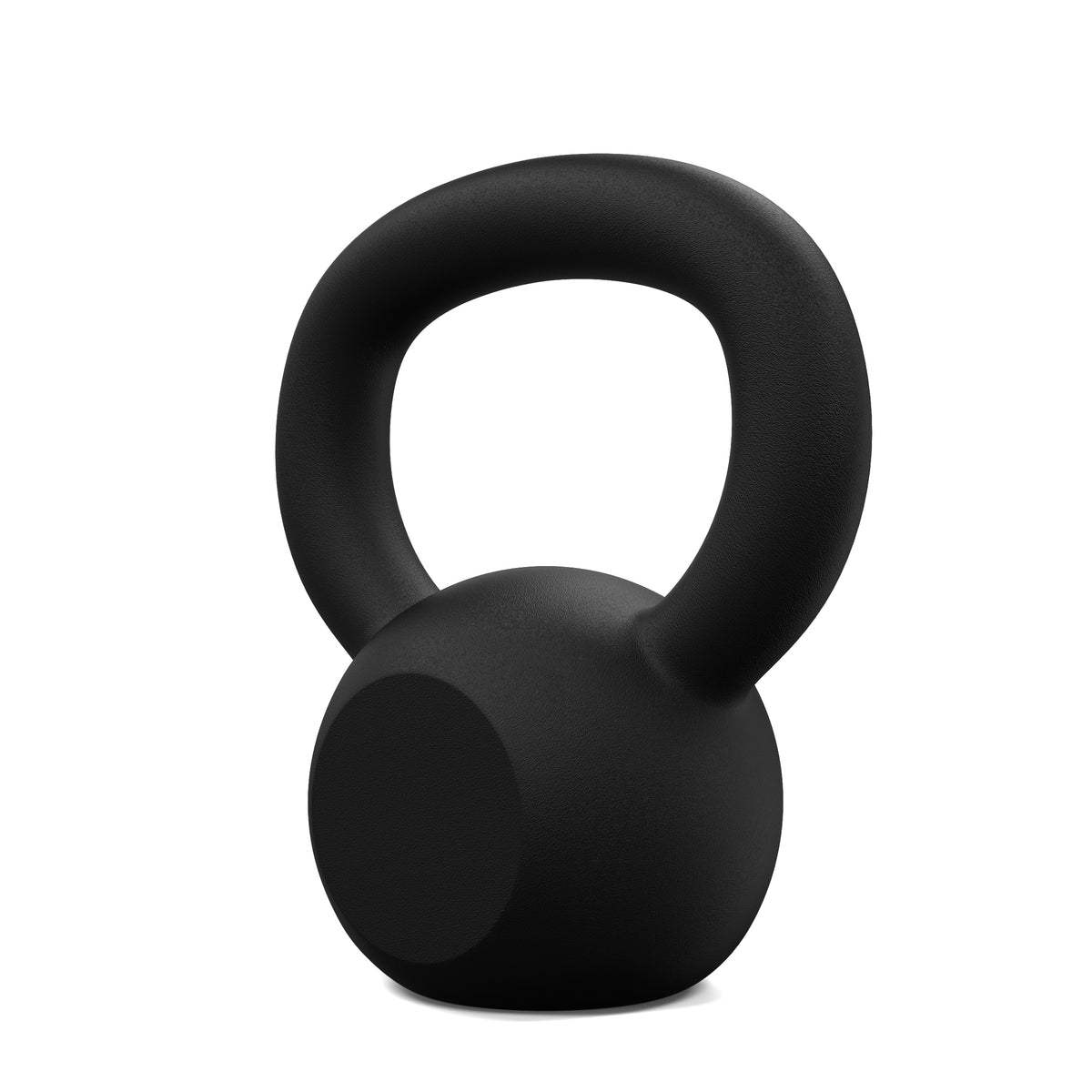
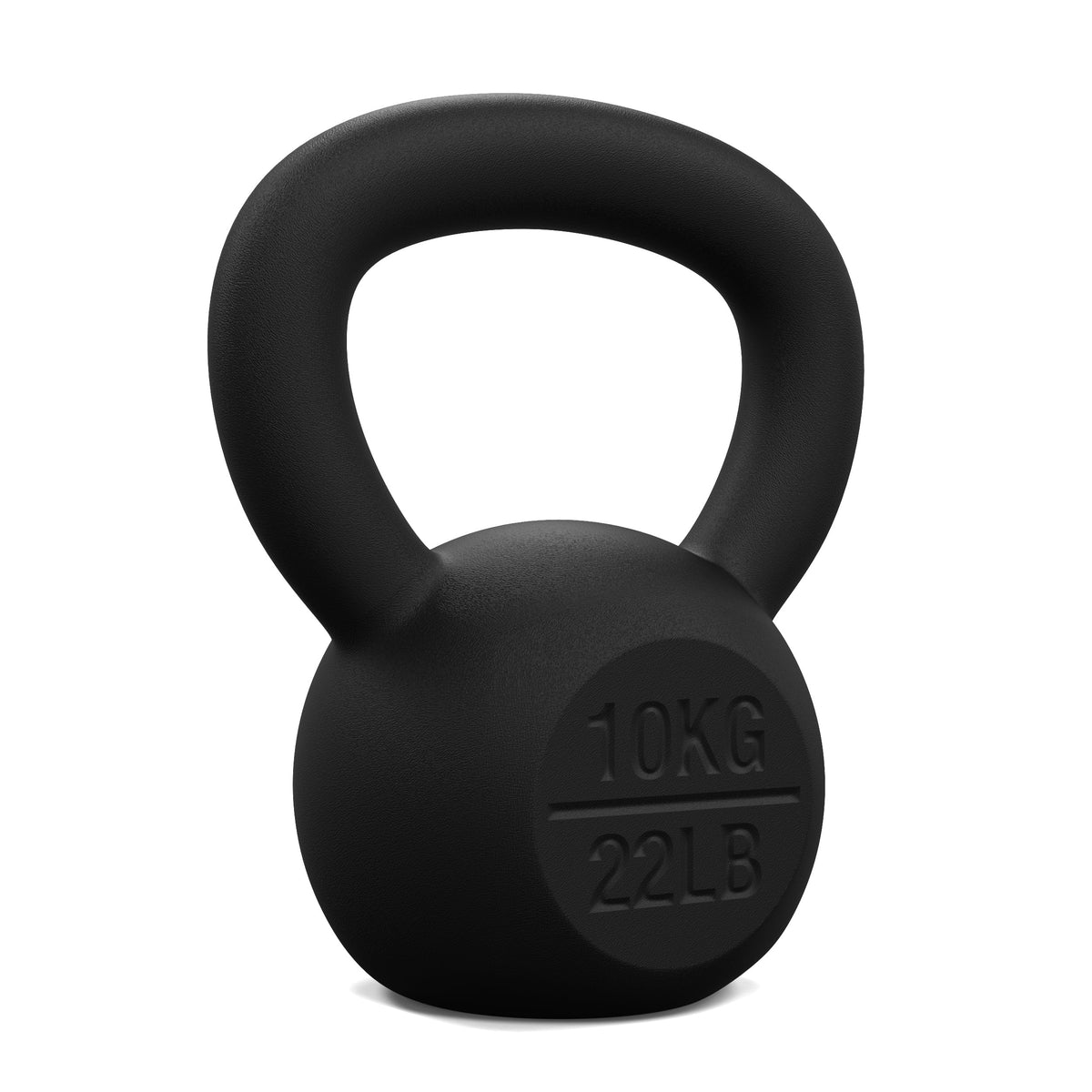
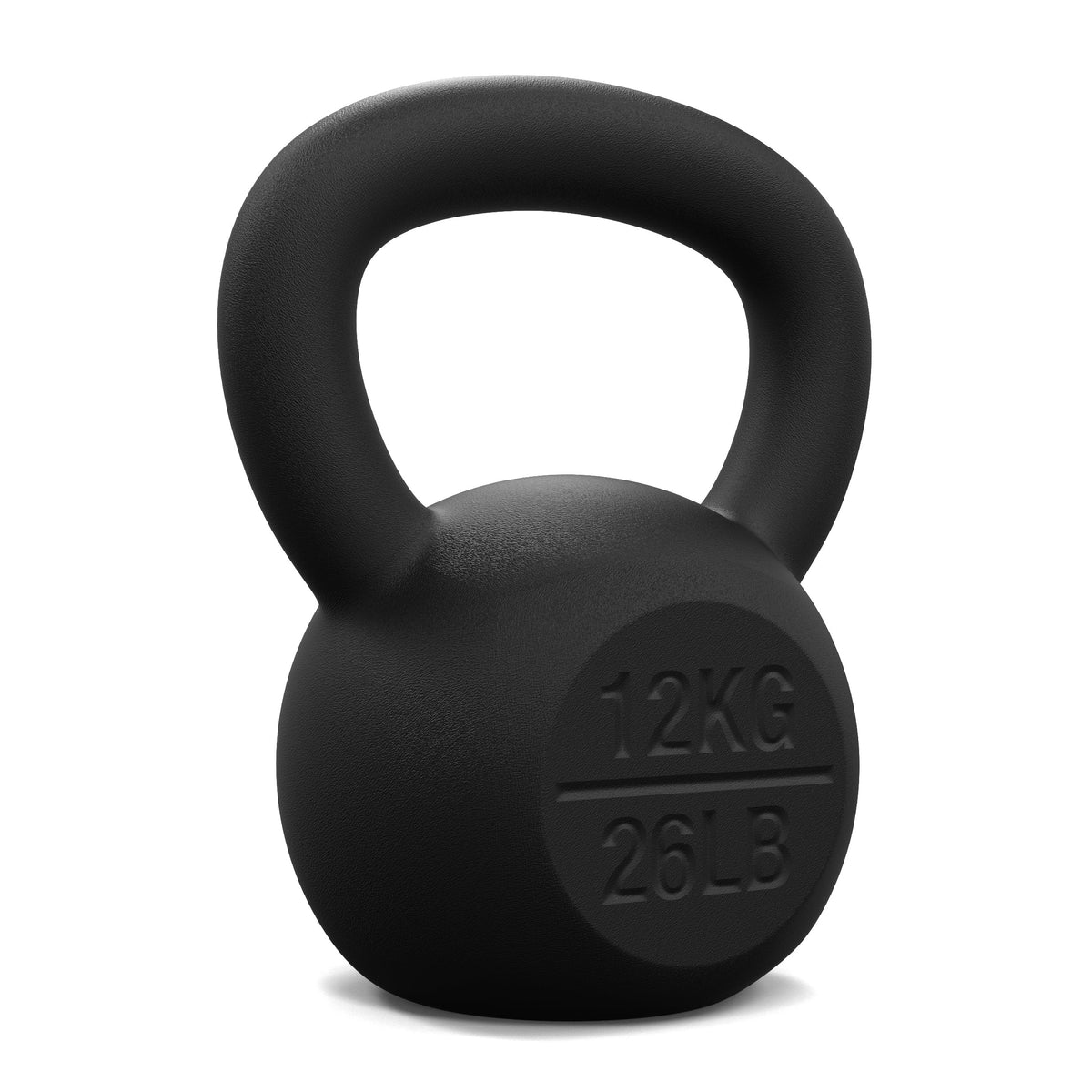
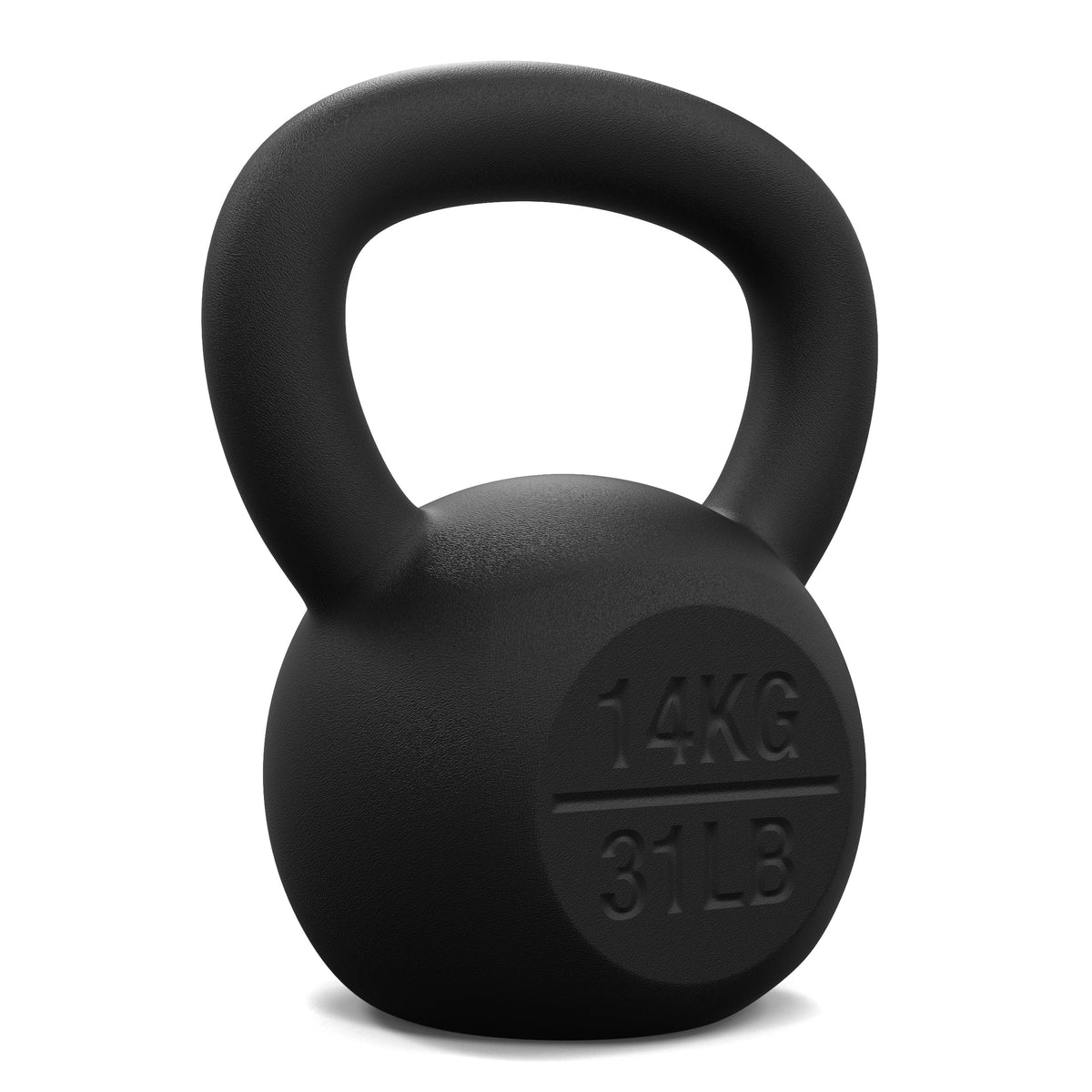
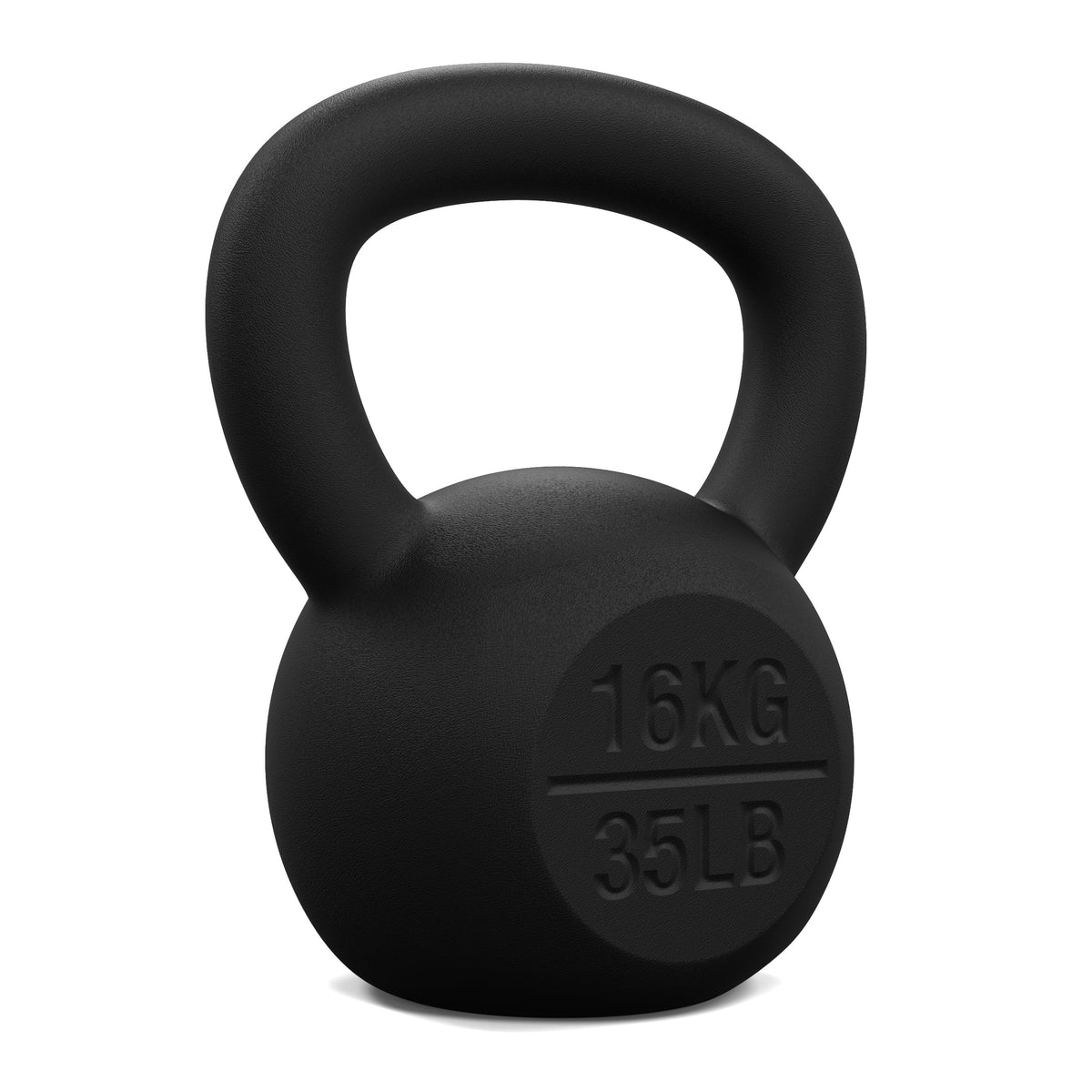
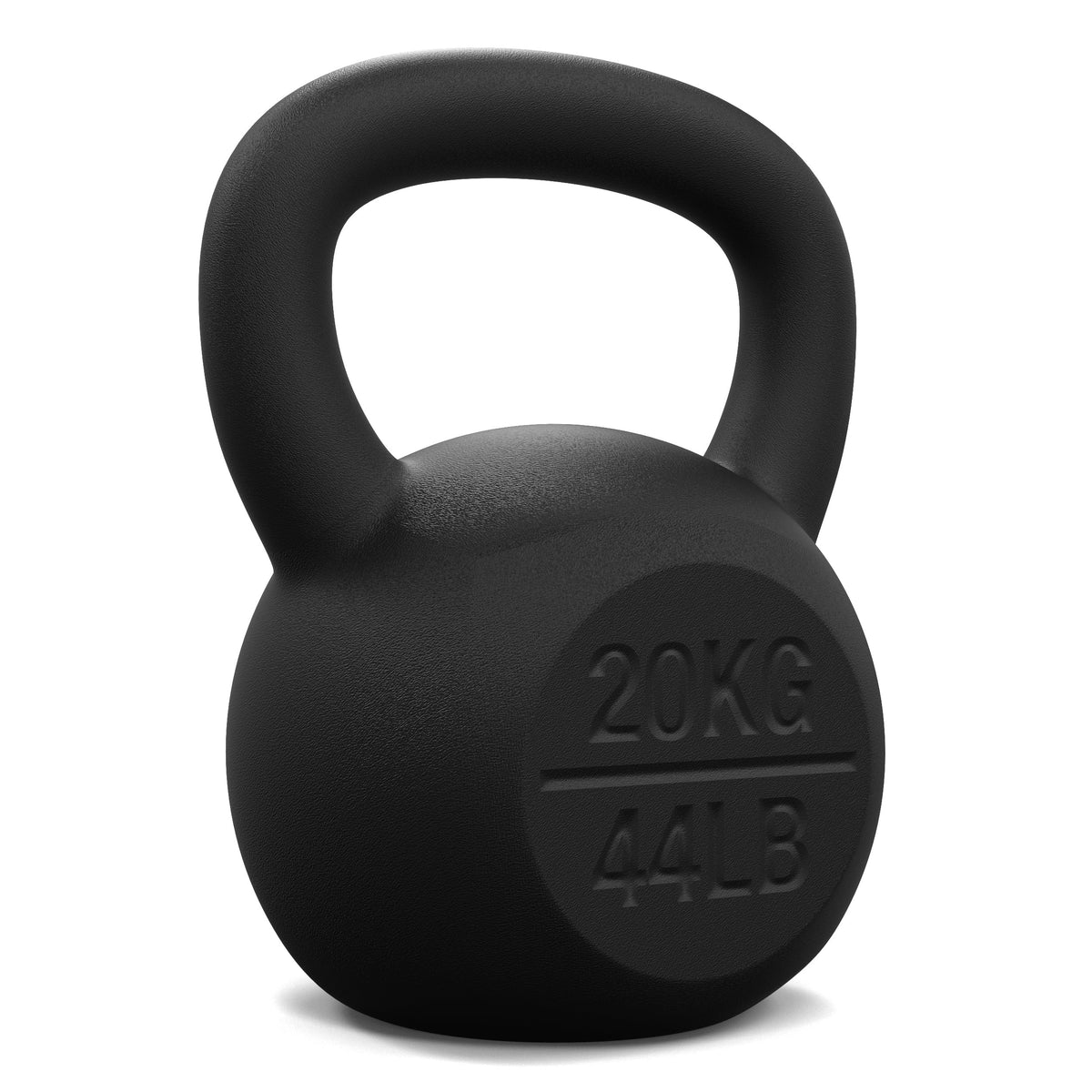
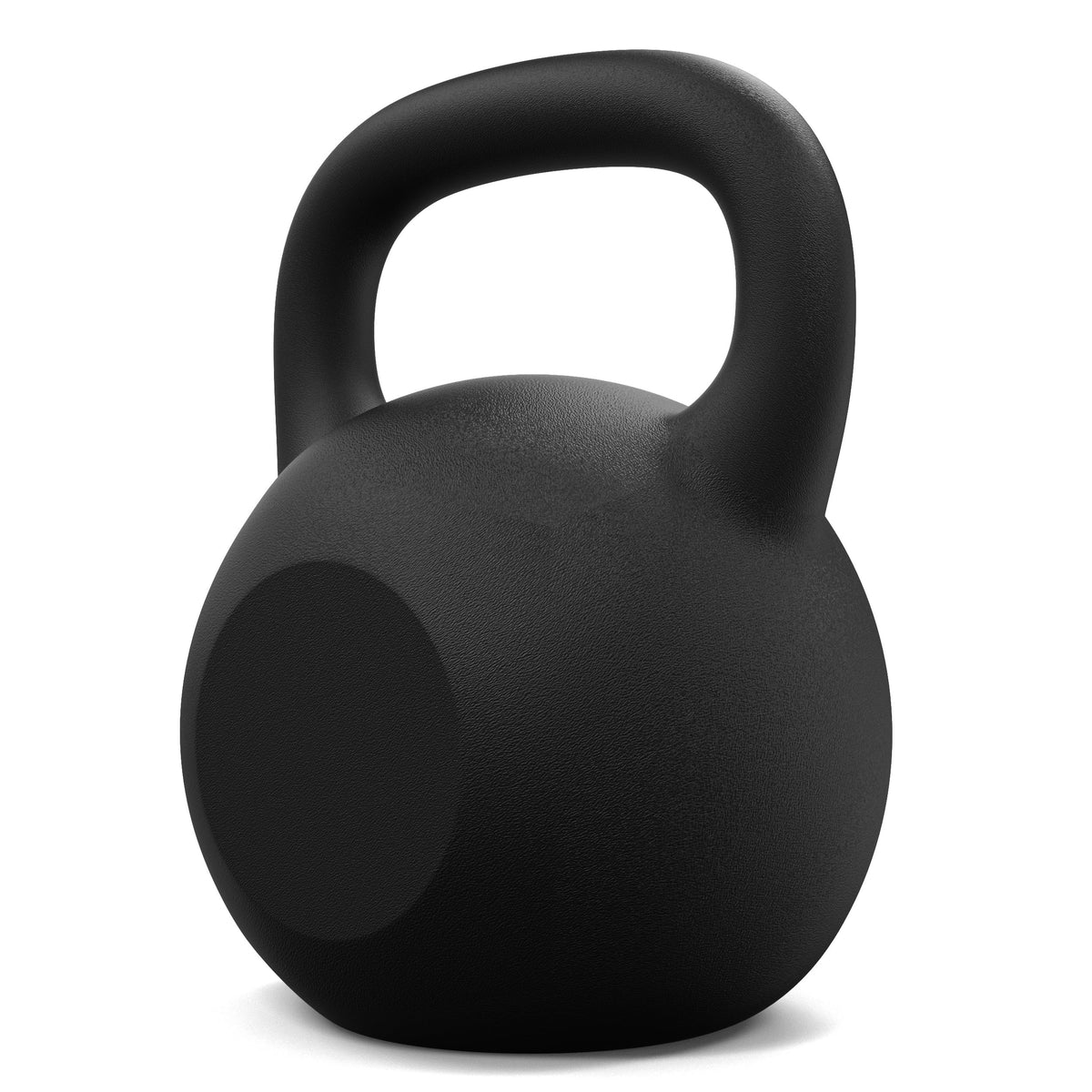
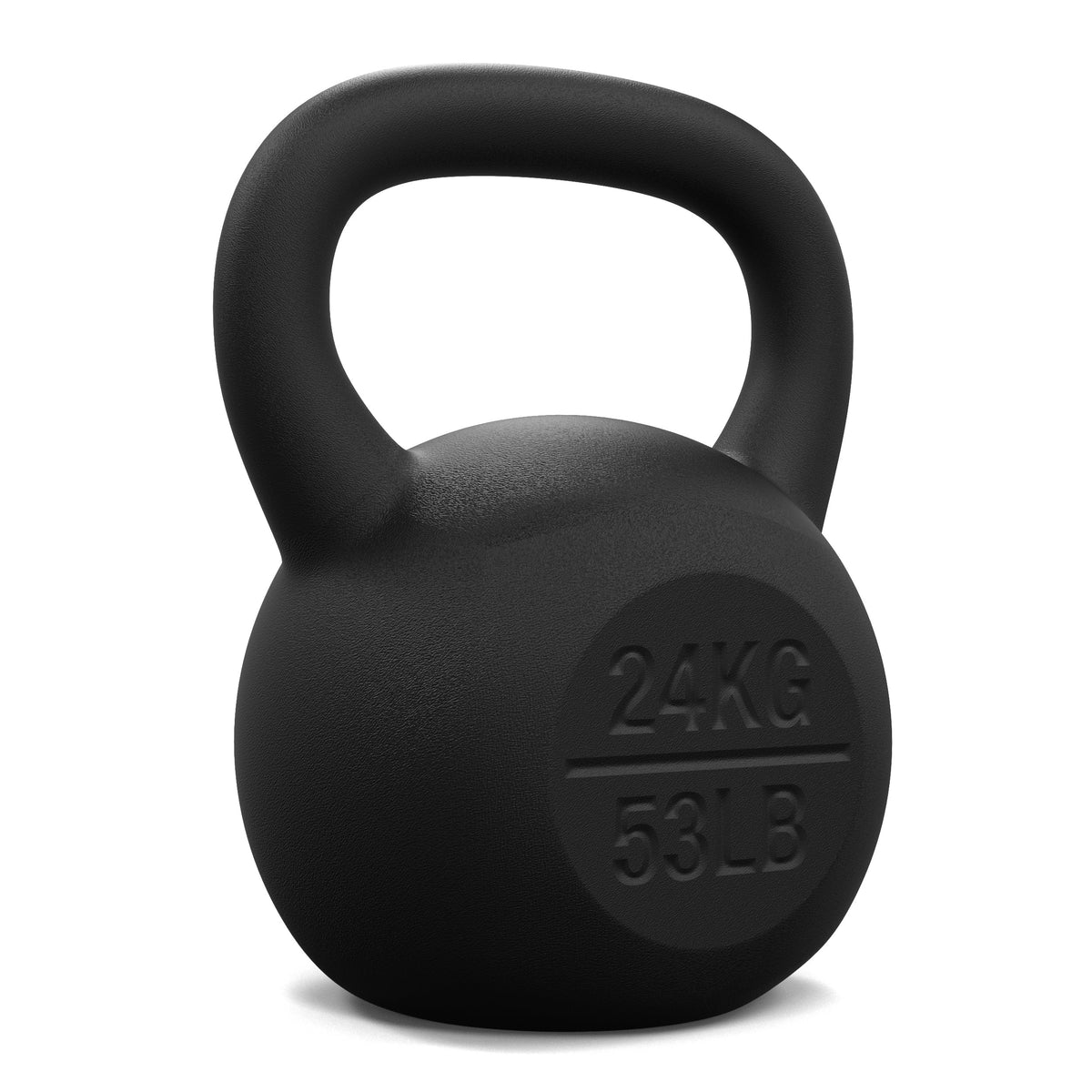
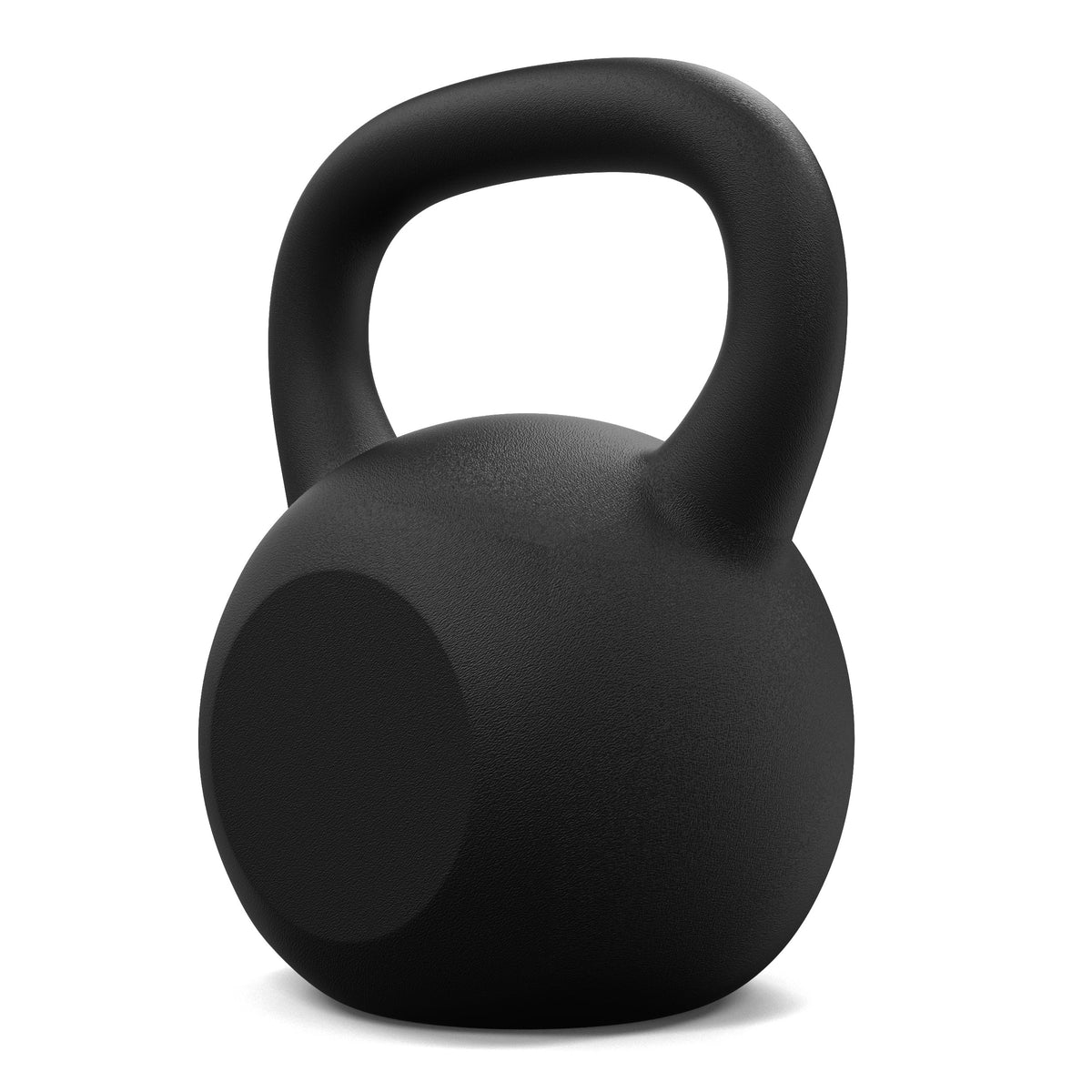
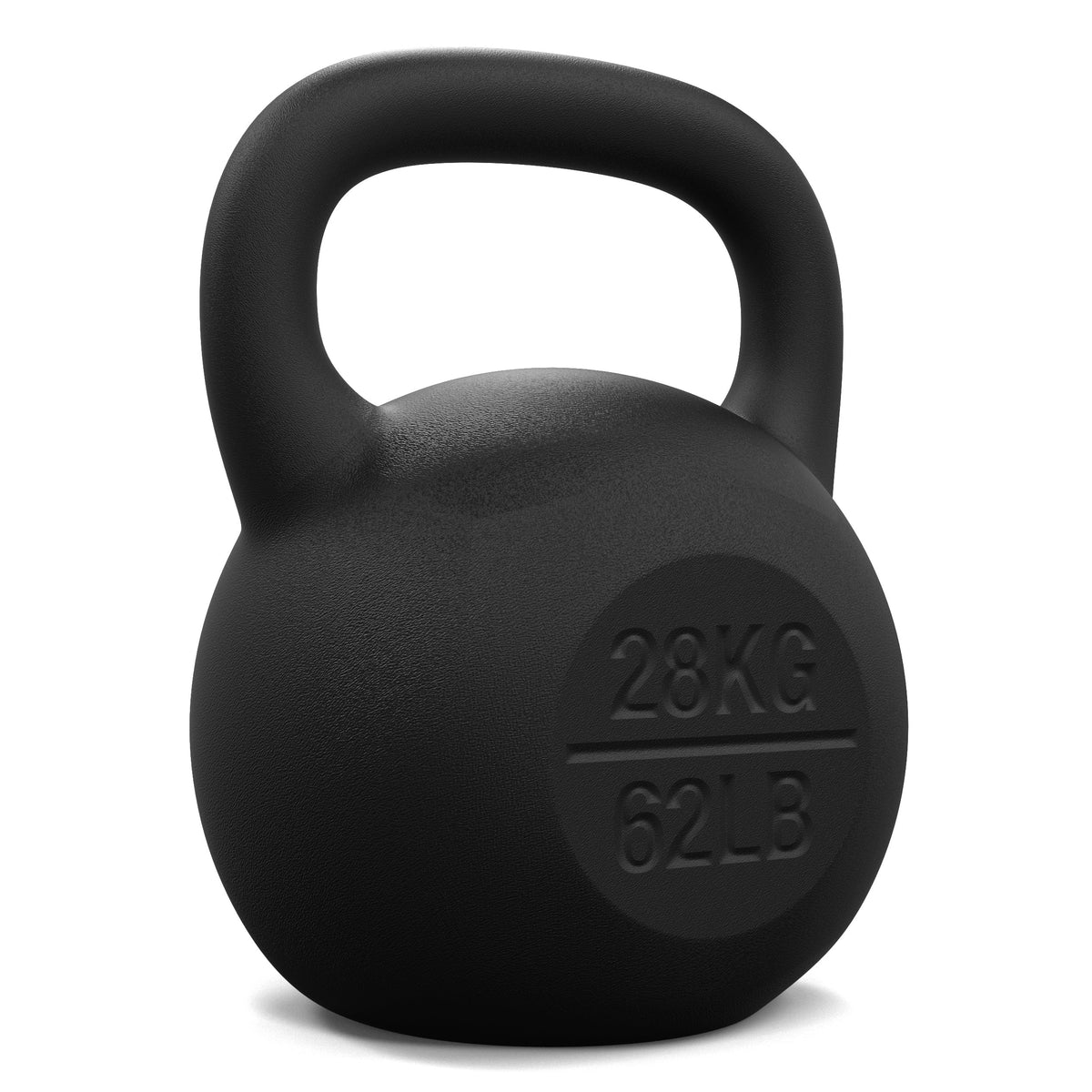
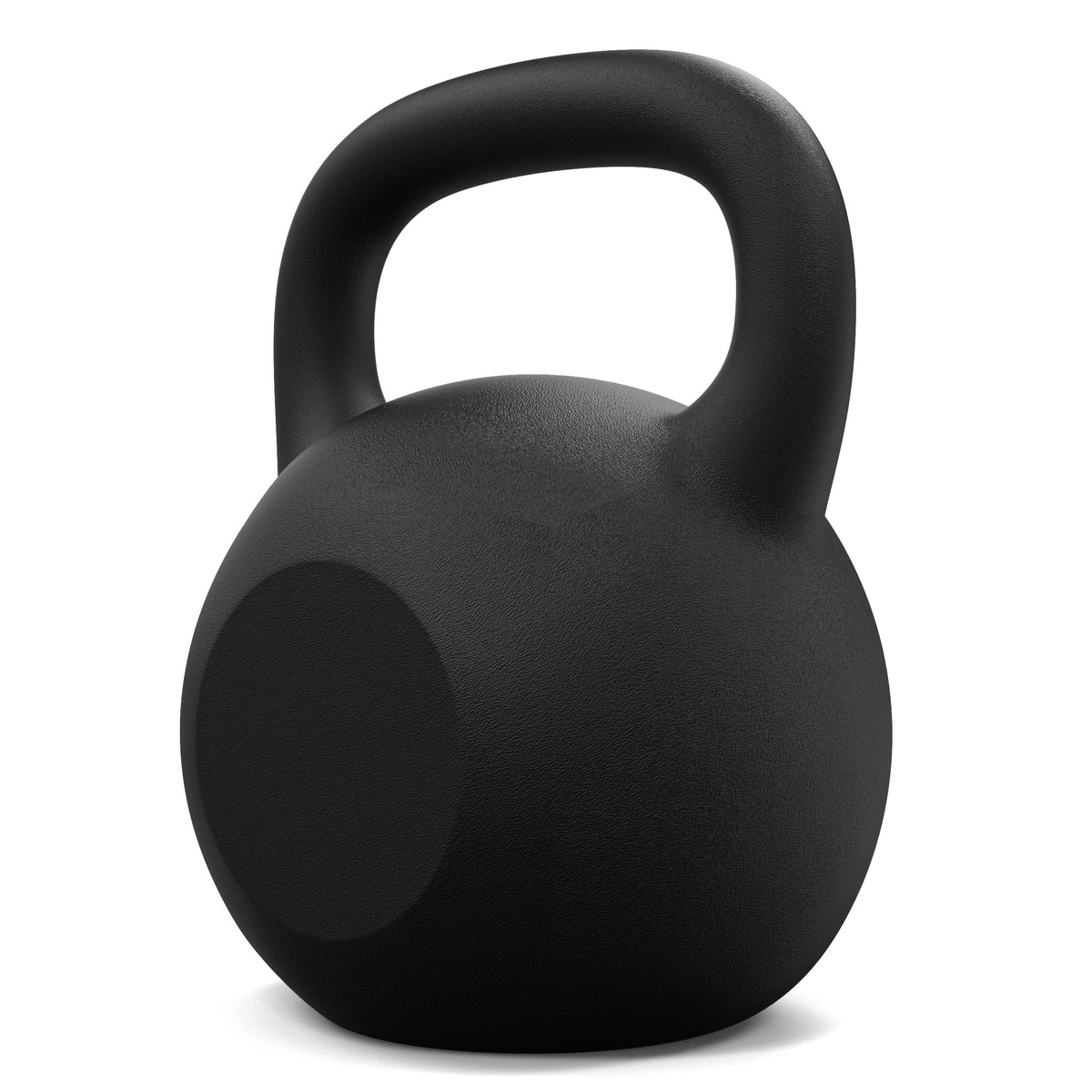
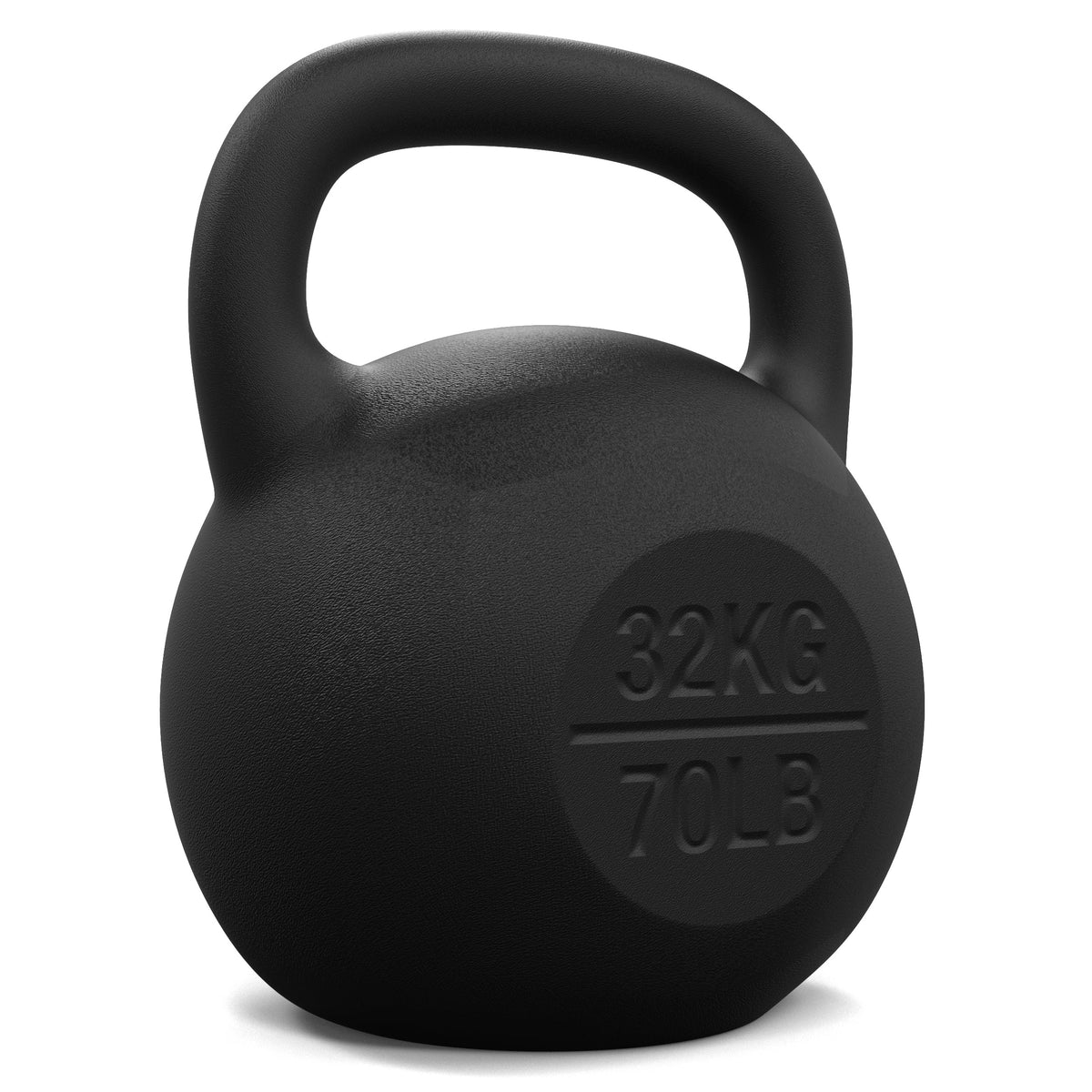
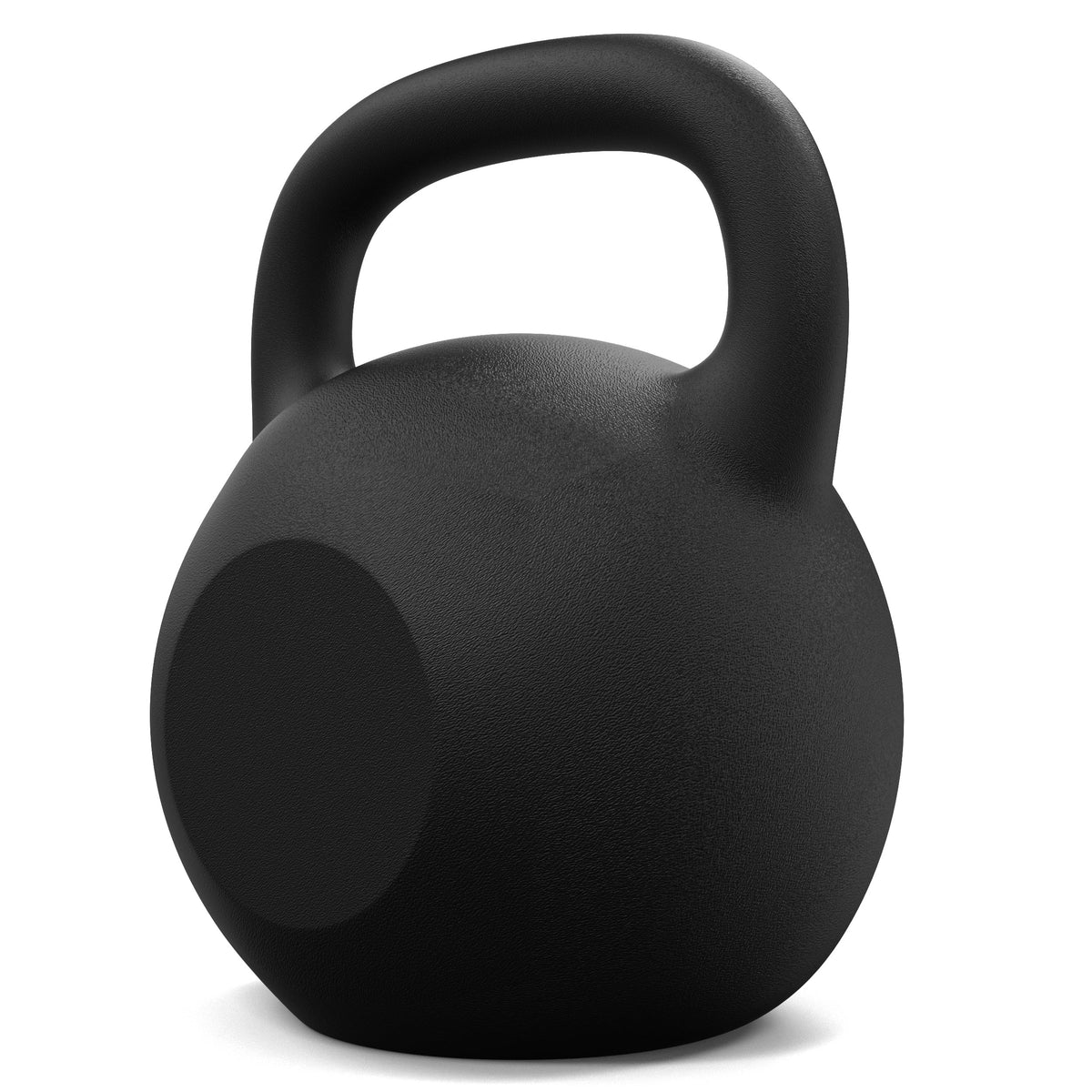
A kettlebell is a cast iron or steel weight with a flat base and a looped handle on top. Its offset center of gravity sets it apart from dumbbells and barbells: the weight hangs below the handle, which forces the body to stabilize and control the load through a wider range of motion. Kettlebells are used for strength training, cardiovascular conditioning, and mobility work, often all in the same session. They're one of the most space-efficient pieces of fitness equipment available, and they're effective for beginners and experienced athletes alike.
Key facts:
- Types: cast iron, vinyl-coated, competition (steel), and adjustable
- Weight range: 4kg through to 48kg and above for individual bells; adjustable models replace multiple fixed weights
- Offset center of gravity engages the core and stabilizing muscles more than traditional free weights
- Effective for strength, conditioning, HIIT, mobility, and rehabilitation work
- One to two kettlebells can deliver a complete full-body workout
- Compact footprint: a full kettlebell set takes up less space than a dumbbell rack
- Beginner-friendly starting weights: 8kg for women, 12 to 16kg for men
- Price range: $30 for light entry-level bells to $300+ for heavy competition models
Kettlebells: Compact, Versatile + Built for Real Results
If you're looking for a single piece of gym equipment that covers strength, cardio, and mobility without taking over your training space, kettlebells are it. They've been around in various forms for centuries, but the reason they're more popular than ever is simple: they work. A 20-minute kettlebell session can challenge your cardiovascular system, build functional muscle, and improve your movement quality in ways that machines and isolation exercises simply can't replicate.
What makes kettlebells different from a standard dumbbell is the physics. Because the weight sits below the handle rather than balanced on either side of it, every rep requires your core, stabilizers, and grip to actively control the load through its full arc of motion. That extra demand on your body is what makes kettlebell training so efficient.
At Dynamo Fitness, our kettlebell range covers everything from entry-level vinyl-coated bells for beginners through to cast iron sets and competition-grade steel bells for serious athletes. Whether you're building your first home gym or adding to an established setup, we've got the right option for your goals.
What Are Kettlebells?
A kettlebell is a weighted implement with a flat base and a rounded looped handle. Unlike a dumbbell, where the load is centered and balanced on either side of the grip, a kettlebell's mass sits in a single ball below the handle. This offset center of gravity is the defining feature that makes kettlebell training unique.
When you swing, press, or carry a kettlebell, the weight is constantly shifting its pull on your hand and wrist as it moves through its arc. Your core muscles, shoulder stabilizers, hips, and grip all have to work harder to control and redirect that force. This is why kettlebell exercises tend to recruit more muscle groups simultaneously than equivalent dumbbell movements, and why they're so effective for conditioning and functional strength.
The handle design also matters. A wide, smooth handle allows the bell to rotate freely in your hand during ballistic movements like swings and snatches, which is essential for correct technique. Competition kettlebells have a standardized handle diameter and bell size regardless of weight, which allows consistent technique as you progress. Cast iron bells vary in size as the weight increases, which is worth knowing when choosing between types.
Primary muscles targeted by kettlebell training:
- Posterior chain: glutes, hamstrings, and lower back through swings, deadlifts, and hinges
- Core: deep stabilizers and obliques engaged continuously throughout ballistic and press movements
- Shoulders and upper back: through presses, carries, and windmills
- Grip and forearms: developed through ballistic swings and overhead holds
- Legs: quads and glutes through goblet squats, lunges, and step-ups
- Cardiovascular system: through high-rep swings and circuits that push heart rate into conditioning zones
Why Kettlebells Are Worth the Investment
1. Complete Training
A single kettlebell can replace cardio equipment, dumbbells, and resistance bands for a full-body training session. Two kettlebells extend that capability dramatically.
2. Minimal Space Required
A set of kettlebells takes up a fraction of the floor space of a cable machine, treadmill, or even a dumbbell rack. They're ideal for home gyms, garage setups, and small training spaces.
3. Efficient Calorie Burn
Research consistently shows that high-rep kettlebell training burns more calories per minute than most traditional gym exercises, making it one of the most time-efficient workout formats available.
4. Builds Functional Strength
Kettlebell movements like swings, Turkish get-ups, and cleans train the body through natural movement patterns: hinging, rotating, carrying, and pressing. That strength transfers directly to everyday activities and sport.
5. Low Barrier to Entry
The basic movements, particularly the swing, can be learned quickly with proper instruction. Beginners can start building real fitness from day one without years of technical preparation.
6. Scales with Progression
As you get stronger, you increase the weight. As technique improves, you unlock more complex movements. Kettlebells accommodate progression from beginner through to advanced athlete without needing completely different equipment.
7. Improves Mobility + Stability
Movements like the windmill and Turkish get-up develop shoulder stability, hip mobility, and thoracic rotation simultaneously, making them useful for injury prevention and movement quality alongside strength work.
8. Durable + Long-lasting
A quality cast iron kettlebell doesn't have motors, cables, or electronics to wear out. It's essentially maintenance-free. A good bell purchased today should still be in perfect condition in 20 years.
Kettlebell vs Dumbbell vs Barbell: Which One Is Right for You?
Kettlebells aren’t a replacement for dumbbells or barbells. They’re a different training tool, each designed to serve a specific purpose depending on how you train.
Dumbbells
Ideal for controlled movements and isolation work, helping you target specific muscle groups with precision. Dumbbells are a staple in both home and commercial gyms for building balanced strength and improving muscle symmetry.
Barbells
Built for heavy compound lifts like squats, deadlifts, and bench presses. Barbells allow you to progressively overload with heavier weight, making them essential for serious strength and muscle development.
Kettlebells
These stand out for their versatility and dynamic movement patterns. Exercises like swings, cleans, and snatches engage multiple muscle groups at once, improving strength, coordination, and cardiovascular conditioning in a single workout.
Each tool plays a valuable role in a well-rounded training setup. The right choice comes down to your goals, whether that’s building maximum strength, improving muscle definition, or adding more functional, full-body training into your routine.
Here’s how the three compare, so you can choose the right equipment and get the most out of your training.
| Feature | Kettlebell | Dumbbell | Barbell |
|---|---|---|---|
| Movement type | Ballistic and grind | Grind | Grind and Olympic |
| Center of gravity | Offset (below handle) | Centered and balanced | Centered along bar |
| Core demand | High | Moderate | Moderate to high |
| Cardio potential | Very high | Low to moderate | Low |
| Exercise variety | High | Very high | High |
| Skill to start | Moderate | Low | Low to moderate |
| Space required | Minimal | Small | Needs rack or platform |
| Best for | Conditioning, functional strength, fat loss | Hypertrophy, isolation, beginners | Max strength, powerlifting, Olympic lifting |
If you're building a home gym from scratch and can only choose one free weight tool, kettlebells offer the broadest conditioning value. If you're focused on building muscle mass or lifting maximum loads, dumbbells and barbells are better suited to those goals. Most well-rounded home gyms use a combination of all three.
Types of Kettlebells: Which One's Right for You?
There are four main types of kettlebells available, and the right choice depends on your training goals, budget, and where you're working out. Here's a breakdown of each.
Cast Iron Kettlebells
Cast iron is the traditional material and still the most popular choice for home gym users and serious athletes. Cast iron bells are made from a single solid piece of iron, which makes them essentially indestructible under normal training conditions. The size of the bell increases as the weight goes up, which is a useful visual and tactile cue when you're grabbing different weights mid-session.
Best for:
- Home gym users who want a durable, no-fuss option that lasts indefinitely
- All skill levels from beginner through to advanced
- Swings, presses, squats, Turkish get-ups, and all standard kettlebell movements
- Anyone who trains regularly and needs equipment that holds up to heavy use
Vinyl-Coated Kettlebells
Vinyl-coated bells are cast iron bells with a rubber or vinyl outer layer. The coating protects your gym flooring from scuffs and scratches, reduces noise when the bell is set down, and provides a slightly more comfortable grip at lighter weights. They're a practical choice for home gym setups on timber or tile floors where uncoated iron would cause damage.
Best for:
- Home gyms on timber, tile, or vinyl flooring where floor protection matters
- Beginners starting with lighter weights who want a more forgiving grip
- Studio environments where noise reduction is a priority
- General fitness training at light to moderate weights
Competition Kettlebells
Competition kettlebells are made from a single piece of steel and designed to a standardized specification: every bell has the same handle diameter and the same overall dimensions regardless of weight. This is intentional.
Because the bell doesn't change size as the weight increases, your technique stays consistent as you progress from a 16kg to a 24kg to a 32kg bell. The handle sits inside the body of the bell rather than above it, which changes the balance point slightly.
Best for:
- Intermediate to advanced athletes who train kettlebell sport or high-level conditioning
- Anyone working toward technical proficiency where consistent handle dimensions matter
- Long-cycle, snatch, and jerk training where technique consistency across weights is essential
Adjustable Kettlebells
Adjustable kettlebells use a weight-change mechanism to let a single bell cover a range of loads. If you like the idea of adjustable free weights, our adjustable dumbbells work on the same principle and pair well with a set of kettlebells for a space-efficient free weight setup.
Best for:
- Home gym users with limited storage space who want multiple weight options in one unit
- Anyone who wants to try kettlebell training without committing to a full set
- Moderate-intensity training where the slight difference in feel from a traditional bell isn't an issue
Kettlebell Types
Here's a quick side-by-side to help you find the right type for your setup.
| Feature | Cast Iron | Vinyl-Coated | Competition Steel | Adjustable |
|---|---|---|---|---|
| Material | Solid cast iron | Cast iron + coating | Steel (hollow) | Mixed materials |
| Size as weight increases | Yes (gets bigger) | Yes (gets bigger) | No (fixed dimensions) | Fixed size |
| Floor protection | No | Yes | No | Moderate |
| Durability | Excellent | Good | Excellent | Moderate |
| Technique consistency | Varies by weight | Varies by weight | Consistent across weights | Fixed handle |
| Space efficiency | Standard | Standard | Standard | High |
| Best for | All levels, all movements | Beginners, home gyms | Intermediate to advanced | Space-limited setups |
| Price range | $40 to $200+ | $30 to $120 | $80 to $300+ | $150 to $350 |
For most home gym users, cast iron is the default choice. It's durable, widely available, and works well for every movement. If you're training on a surface that needs protection, add vinyl-coated bells for lighter weights. If you're a more experienced lifter focused on technique development and progression, competition steel is worth the investment.
How to Choose the Right Kettlebell Weight
This is one of the most common questions for anyone buying their first kettlebell, and it's worth getting right. Too light and you won't generate the training stimulus you need. Too heavy and technique breaks down, which reduces the effectiveness of the movement and increases injury risk.
The right starting weight varies depending on the exercise. Swings and deadlifts can handle heavier loads than presses and Turkish get-ups, because the hip hinge pattern recruits the body's largest muscle groups. Here's a practical starting guide.
Recommended starting weights for beginners:
- Women, swings and lower body work: 8 to 12kg
- Women, presses and upper body work: 6 to 8kg
- Men, swings and lower body work: 12 to 16kg
- Men, presses and upper body work: 10 to 12kg
Intermediate weight guide:
- Women: 12 to 20kg for most movements; 24kg as a strength target
- Men: 20 to 28kg for most movements; 32kg as a solid intermediate benchmark
The table below gives you a concrete reference for each of the main exercises. Use it as a starting point, not a rule: if the weight feels too heavy to maintain good form throughout the set, drop down.
| Exercise | Beginner Women | Intermediate Women | Beginner Men | Intermediate Men |
|---|---|---|---|---|
| Two-hand swing | 8 to 12kg | 14 to 20kg | 12 to 16kg | 20 to 28kg |
| Goblet squat | 8 to 12kg | 14 to 20kg | 12 to 16kg | 20 to 28kg |
| Overhead press | 6 to 8kg | 10 to 14kg | 8 to 12kg | 14 to 20kg |
| Bent-over row | 8 to 12kg | 14 to 20kg | 12 to 16kg | 20 to 28kg |
| Turkish get-up | 4 to 8kg | 8 to 12kg | 6 to 10kg | 12 to 16kg |
| Snatch | Not recommended | 10 to 14kg | Not recommended | 14 to 20kg |
If you're unsure where to start, err on the side of lighter rather than heavier. You can always add load once your technique is solid. It's much harder to unlearn movement patterns ingrained through poor form under excessive weight.
Buying a set of two or three bells at different weights is a practical approach for home gyms. This lets you use a heavier bell for lower body and hip hinge movements while switching to a lighter one for pressing, windmills, and get-ups.
A typical starting set for a home gym might be an 8kg, 12kg, and 16kg for women, or a 12kg, 16kg, and 24kg for men. If you're also building out a wider free weight collection, our dumbbell sets pair well with kettlebells to cover a broader range of exercises without doubling up on what you already have.
Essential Kettlebell Exercises
You don't need a dozen exercises to get results with kettlebells. Mastering a handful of fundamental movements delivers the majority of the training benefit. Here's a breakdown of the core movements, organized from foundational to more advanced.
The Kettlebell Swing
The swing is the foundational kettlebell movement, and for good reason. It trains the entire posterior chain through a powerful hip hinge, builds explosive strength in the glutes and hamstrings, and drives heart rate into conditioning zones quickly. Most people who learn kettlebells correctly start here.
What it works:
- Glutes and hamstrings: primary movers through the hip extension phase
- Lower back and spinal erectors: isometric control throughout the hinge
- Core: braced throughout to protect the lumbar spine
- Lats: engaged at the top of the swing to control the bell
- Cardiovascular system: 10 to 20 rep sets push heart rate significantly
Goblet Squat
Hold the bell by the horns of the handle at chest height and squat. It's one of the best teaching tools for squat mechanics because the counterbalance naturally encourages an upright torso and opens the hips. It's also a legitimate strength and conditioning exercise in its own right at heavier loads.
- Targets quads, glutes, and core simultaneously
- The counterbalance helps maintain an upright torso for users with mobility restrictions
- Works well as a warm-up squat pattern or as a loaded conditioning exercise
- Can be used with a single heavier bell or two bells held together
Turkish Get-Up
The Turkish get-up is a slow, deliberate movement that takes you from lying on the floor to standing upright while holding a kettlebell overhead, and then back down again. It sounds simple but it's one of the most comprehensive exercises in existence, training shoulder stability, hip mobility, core strength, and body awareness in a single rep.
- Excellent for shoulder health and stability under load
- Develops thoracic mobility and anti-rotation core strength
- Works as both a strength exercise and a corrective movement
- Start with a light bell (or no bell) until the movement pattern is solid
Kettlebell Press
The single-arm press with a kettlebell differs subtly from a dumbbell press due to the offset center of gravity. The weight hangs below the wrist rather than sitting balanced across the palm, which requires more shoulder stabilizer engagement throughout the press. It's an excellent shoulder strength builder that also trains the core through anti-lateral flexion.
Kettlebell Snatch
The snatch is a ballistic movement that takes the bell from between the legs to overhead in a single fluid motion. It's one of the most demanding kettlebell exercises and is not appropriate for beginners. When performed correctly at high reps, it's one of the most effective conditioning tools available, delivering strength, power, and cardiovascular output simultaneously.
Windmill
The windmill is a lateral flexion movement performed with the bell held overhead. It targets the obliques, develops hip mobility, and challenges shoulder stability in an unusual plane of movement. It's slower and more technical than swings and snatches, making it a useful complement to ballistic training for overall movement quality.
Match Your Training Goal to Your Kettlebell Program
Not sure how to structure your sessions? This table maps each training goal to the exercises, rep ranges, and weekly frequency that will get you there fastest.
| Goal | Key Exercises | Rep Range | Sessions/Week | Bell Weight |
|---|---|---|---|---|
| Fat loss & conditioning | High-rep swings, snatches, goblet squats, circuits | 15 to 20+ reps | 4 to 5x | Moderate |
| Muscle building | Press, front squat, single-arm row, deadlift | 6 to 12 reps | 3 to 4x | Heavy |
| Explosive strength | Swing, clean, snatch, push press | 3 to 6 reps | 3 to 4x | Heavy |
| Mobility & rehab | Turkish get-up, windmill, goblet squat, halo | 3 to 5 reps, slow | 3 to 5x | Light |
| General fitness | Swing, goblet squat, press, Turkish get-up | 8 to 15 reps | 3x | Light to moderate |
Most people fall into the general fitness or fat loss categories when they're starting out. If that's you, the two-hand swing and goblet squat are all you need for the first month. Build the habit before building the complexity.
Building a Kettlebell Training Routine
One of the things people love about kettlebells is that you don't need an elaborate program to see results. A well-structured session with two or three movements can deliver genuine strength and conditioning benefits in 20 to 30 minutes.
For Beginners: Master the Basics First
If you're new to kettlebell training, spend the first two to four weeks focused exclusively on the swing and goblet squat. These two movements teach the hip hinge and the squat pattern, which are the foundation for everything else. Don't rush to add complexity. Solid fundamentals will serve you for years.
Beginner starter session (3 times per week):
- Goblet squat: 3 sets of 8 to 10 reps
- Two-hand swing: 5 sets of 10 to 15 reps
- Single-arm press: 3 sets of 6 to 8 reps per side
- Rest: 60 to 90 seconds between sets
- Total session time: 20 to 25 minutes
For Intermediate Trainees: Add Complexity and Volume
Once the fundamentals are solid, you can start building in single-arm swings, Turkish get-ups, and the snatch. Increase training frequency to four sessions per week and vary the session focus between strength (heavier bells, lower reps) and conditioning (moderate bells, higher reps with shorter rest).
Intermediate session example:
- Turkish get-up: 5 reps per side with a light to moderate bell
- Single-arm swing: 5 sets of 10 per side
- Double kettlebell front squat: 4 sets of 5 reps
- Single-arm press: 4 sets of 5 per side
- Suitcase carry: 3 x 30 meters per side
For Conditioning Focus: Simple Density Work
Ladder and EMOM (every minute on the minute) formats work particularly well with kettlebells for conditioning goals. For example, an EMOM of 10 swings every minute for 20 minutes builds significant work capacity without requiring complex programming. Keep it simple and focus on maintaining form across every set.
Technique + Safety: What You Need to Know
Kettlebell training is safe and highly effective when performed with good technique. The vast majority of injuries come from using too much weight before the movement pattern is solid, or from fatigue-induced form breakdown late in a set. These habits protect you and keep your training productive.
1. Learn the hip hinge before you swing
The swing is a power hip hinge, not a squat. If you haven't practiced hinging the hips back while keeping the spine neutral, practice with a lighter bell or without a bell before loading the movement.
2. Brace your core on every rep
A braced core protects the lumbar spine and transfers force more efficiently through the hips. Think of it as tightening your midsection as if you're about to take a punch.
3. Let the bell float, don't muscle it
In ballistic movements like swings and snatches, the bell should feel like it's floating at the top due to hip power, not because you pulled it with your arms. Arm-dominant swings are less effective and harder on the shoulders.
4. Control the descent
On pressing movements, lower the bell slowly and with control. Don't let gravity do the work for you. The eccentric phase builds as much strength as the concentric.
5. Start lighter than you think you need to
This is the single most common mistake. A weight that feels easy for the first few reps will feel very different by rep 15. Use a weight you can complete with good form throughout the set.
6. Warm up your hips and shoulders
A few minutes of hip circles, shoulder rotations, and bodyweight squats before picking up a bell sets you up for a more effective and lower-risk session.
Ready to Add Kettlebells to Your Training?
Whether you're starting from scratch or adding to an existing setup, kettlebells are one of the smartest investments you can make in your home gym. They're compact, versatile, almost indestructible, and effective across a wider range of training goals than almost any other single piece of equipment.
At Dynamo Fitness, we stock cast iron, vinyl-coated, competition, and adjustable kettlebells across a full range of weights, all built to perform and built to last. Whatever your training level and budget, we've got the right bell for you.
- Fast, Australia-wide delivery available
- Buy Now, Pay Later options at checkout so you can build your setup now and spread the cost.
- Expert team available in-store and online seven days a week for advice on choosing the right weight and type.
- Showrooms in Perth, Sydney, Melbourne, Brisbane, Adelaide and Gold Coast where you can see and handle the bells before you buy.
Shop our full range of kettlebells online or visit your nearest Dynamo Fitness showroom today.
Kettlebells - FAQs
The right starting weight depends on your current fitness level and the movements you're learning. For women beginning kettlebell training, 8kg is a solid all-around starting weight for most exercises, with 6kg if you're completely new to resistance training. For men, 12 to 16kg is a good starting point for swings and lower body work, with 10 to 12kg for pressing movements. The most common beginner mistake is starting too heavy. It's better to nail your technique with a lighter bell and progress quickly than to ingrain poor habits under excessive load that you then have to spend months unlearning.
Cast iron kettlebells increase in size as the weight goes up: a 32kg cast iron bell is noticeably larger than a 16kg one. Competition kettlebells have the same handle diameter and overall dimensions regardless of weight, because competition rules require consistent form across all weight classes. This means that if you're developing technique on a 16kg competition bell and move up to a 24kg, your hand position and grip stay identical. For most home gym users, cast iron is perfectly adequate. Competition bells are worth the extra cost if you're training kettlebell sport or if technique consistency as you add weight is a priority. If you're also building out your free weight collection, our hex dumbbells are a great complement to kettlebells for exercises that suit a more balanced grip.
Yes, though the training approach matters. To build muscle with kettlebells, you need to train in rep ranges and load progressions that create sufficient mechanical tension and metabolic stress in the target muscles. This means using heavier bells, keeping reps in the 5 to 15 range for strength-focused movements, and progressively increasing the load over time. Movements like the press, front squat, and single-arm row are particularly effective for muscle building. High-rep swing circuits are excellent for conditioning and fat loss but are less effective for hypertrophy. Used correctly, kettlebells can absolutely support meaningful muscle development.
They're exceptional for cardiovascular conditioning. High-rep kettlebell swings push heart rate into the same zones as running or cycling, often faster, while simultaneously building strength in the posterior chain. Research has shown that 20 minutes of kettlebell intervals can burn as many calories as 20 minutes of moderate-paced running. The efficiency comes from the fact that kettlebell ballistic movements recruit large muscle groups across the full body simultaneously, which demands a high cardiovascular output. If you're short on time and want a workout that covers strength and cardio in one session, kettlebells are one of the best tools available.
You can get an effective full-body workout with a single kettlebell, which makes it one of the most accessible options for home gym setups. That said, having two or three bells at different weights significantly expands your training options. Most people find they need a lighter bell for pressing and upper body work and a heavier one for swings and lower body movements. A practical starter set for home gym use might be two bells: one at your pressing weight and one at your swinging weight. From there, you can add bells incrementally as you get stronger. A small set of three bells (light, moderate, and heavy) covers most home gym needs without requiring significant storage space.
The two-handed swing is the best starting point for most beginners. It's the foundational movement pattern that underpins almost every other kettlebell exercise, and it delivers real training benefit from day one. The hip hinge mechanics you develop through the swing translate directly to deadlifts, cleans, and snatches. Pair it with the goblet squat to cover both the hinge and squat patterns, and you've got a complete lower body and conditioning foundation. Once those two movements feel solid, adding the press and the Turkish get-up gives you a genuinely complete training program.
Cast iron kettlebells are about as low-maintenance as fitness equipment gets. Keep them dry to prevent rust: wipe them down after use if they're in a humid environment or stored in an unheated garage. If surface rust appears, a light sanding with fine-grit sandpaper followed by a thin coat of machine oil will clean it up and prevent further oxidation. The handle surface is important to maintain: a smooth handle that's free of burrs or cracks protects your skin during high-rep sets. Check the handle periodically, particularly on older bells, for any rough spots that could cause tearing. Beyond that, there's very little that can go wrong with a solid cast iron bell.