



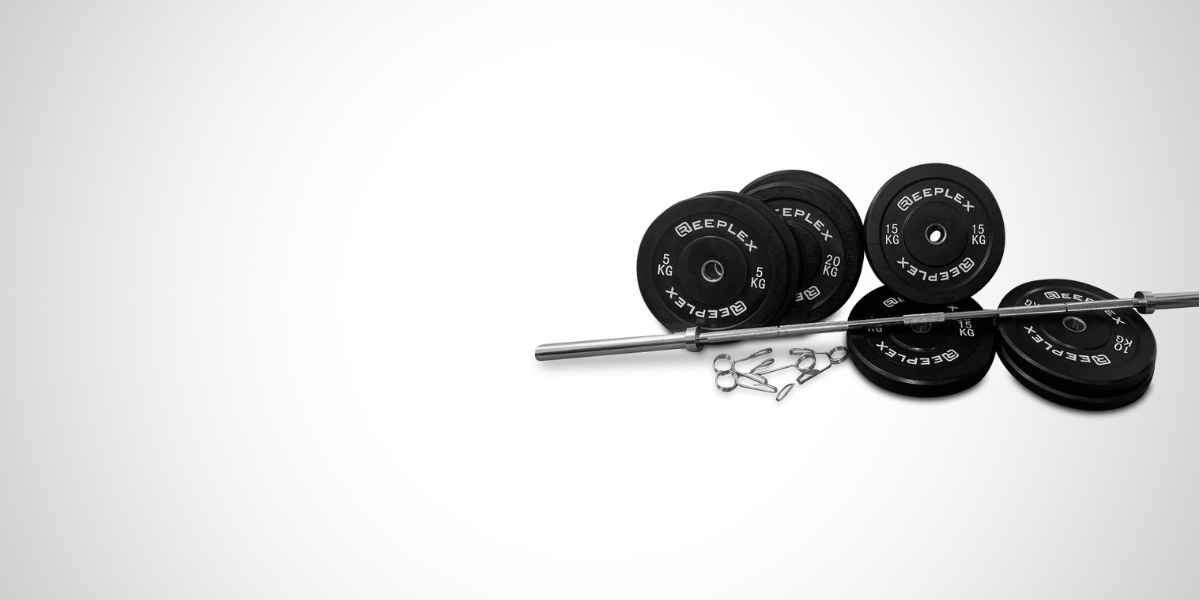
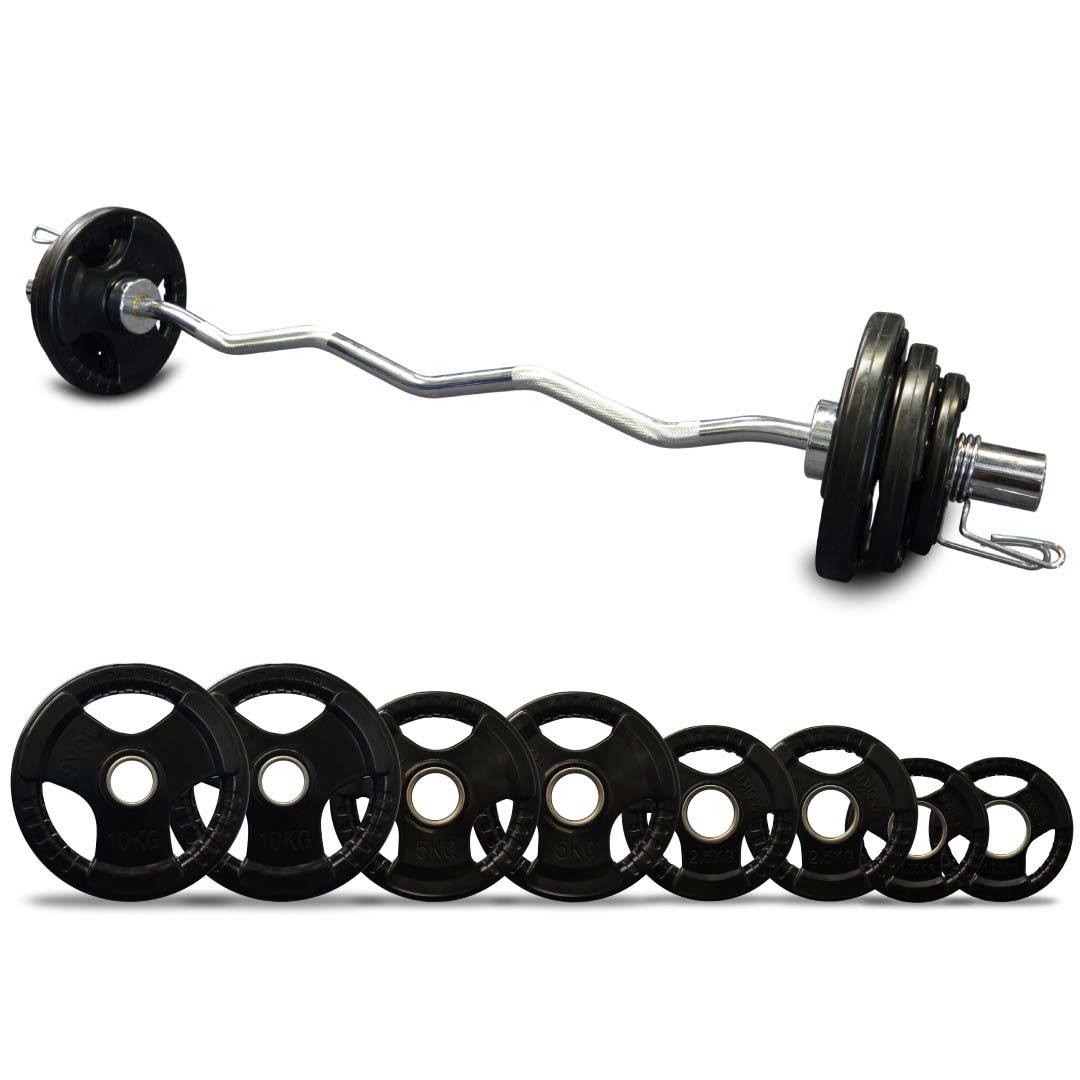
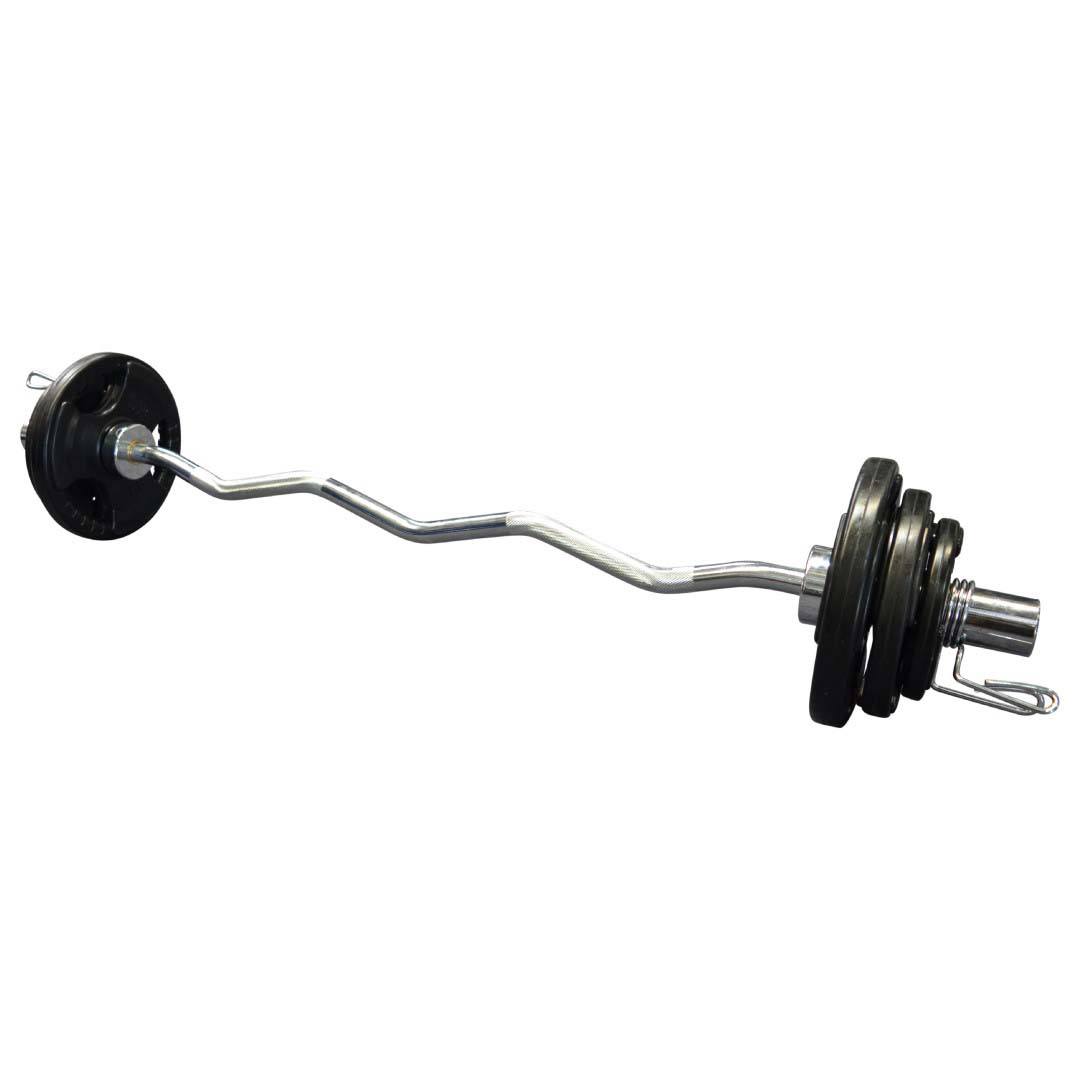
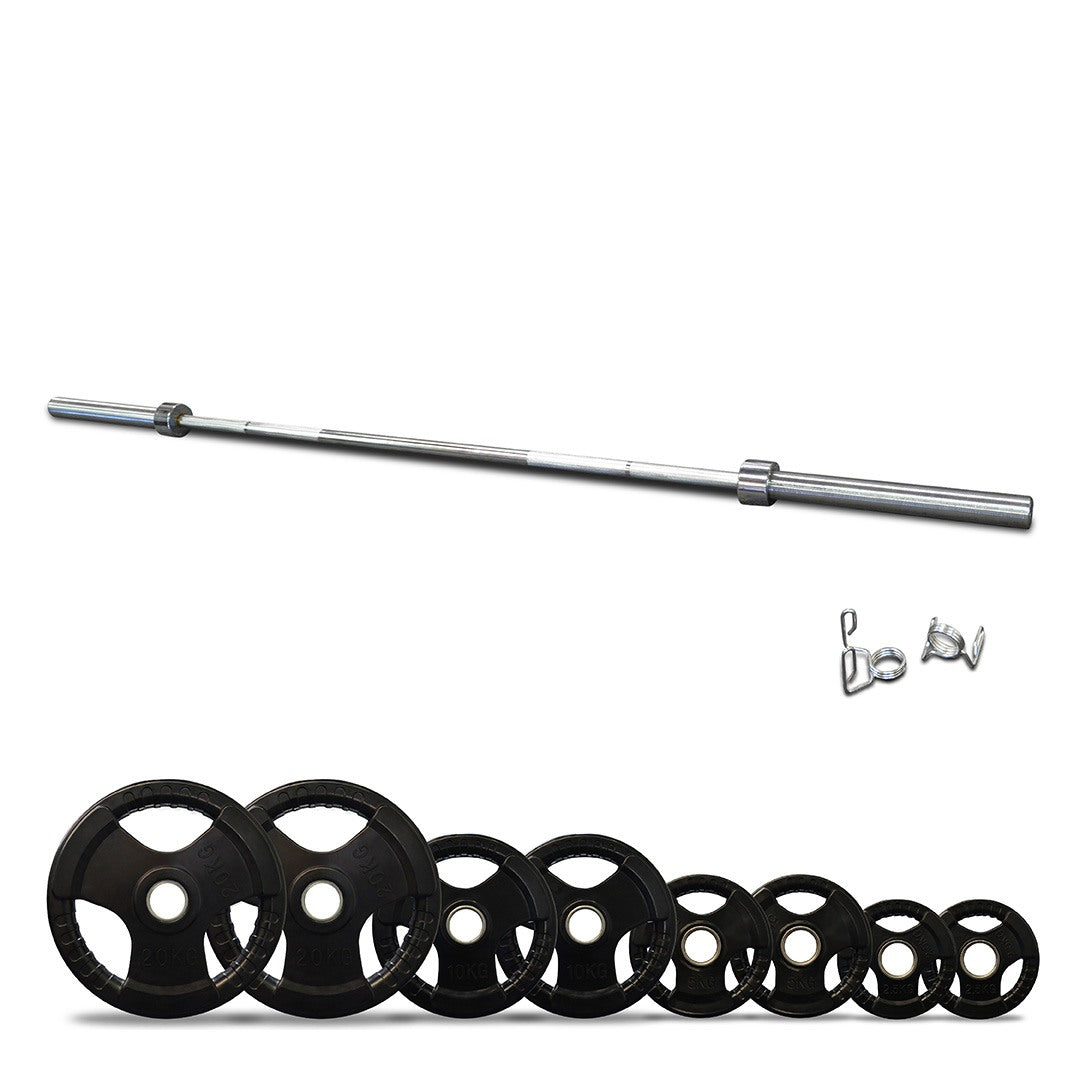
Olympic Barbell Sets: The Gold Standard of Strength Equipment
Olympic Barbell Key Facts:
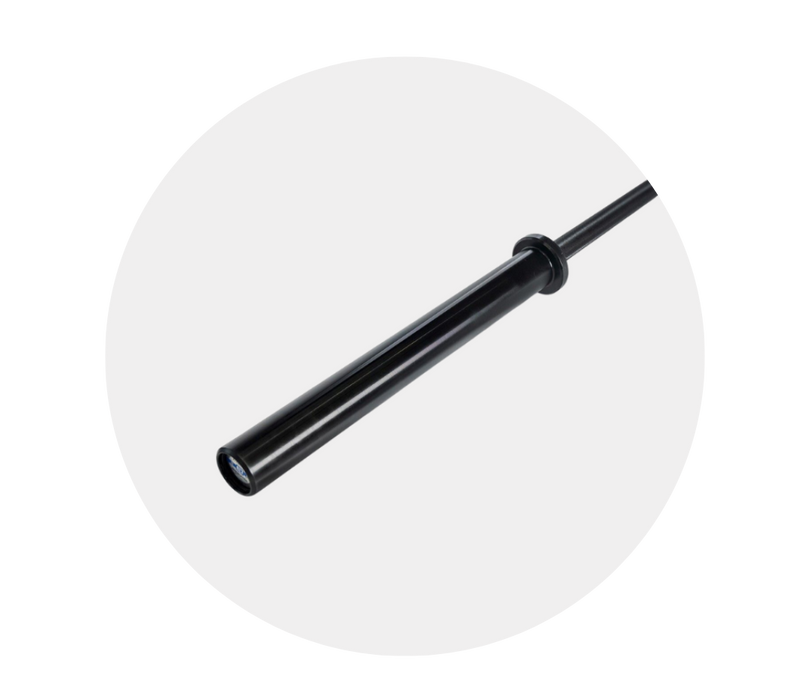
- Bigger sleeves: Olympic bars feature 50mm (2-inch) sleeves, accommodating heavier, larger-diameter plates.
- Serious capacity: Men's bars weigh 20kg and support 230-450kg+ depending on design, handling elite-level strength.
- Women's options: Women's Olympic bars weigh 15kg and spin faster for Olympic lifting movements and general training.
- Sport standard: These are the bars used in powerlifting, weightlifting, CrossFit, and all major strength sports.
- Long-term investment: Olympic setups cost more initially but outlast lifters' careers with decades of use.
Understanding Olympic Bar Types
Olympic barbells aren't one-size-fits-all. Three primary categories serve different training purposes, and choosing correctly ensures your equipment matches your goals.
Power bars are the most versatile choice for general strength training. They feature stiffer shafts with moderate whip, designed for squats, deadlifts, and bench presses. Most commercial gyms stock power bars because they work well for nearly every athlete and movement. Power bars excel when you're lifting serious weight and need stability.
Weightlifting bars are specialized tools for Olympic lifting: snatches and clean and jerks. They're more flexible (more whip) to absorb the explosive pull from the ground. The greater whip helps the lifter recover underneath heavy loads. If you're training Olympic movements specifically, a weightlifting bar is essential.
Multipurpose bars split the difference, offering moderate flexibility suitable for varied training. CrossFit boxes often use multipurpose bars because their athletes perform both powerlifting and Olympic movements. These bars are compromises that work reasonably well for multiple disciplines without excelling at any single one.
Understanding your primary training focus determines your optimal bar selection. Strength athletes want power bars. Olympic lifters need weightlifting bars. CrossFit athletes benefit from multipurpose bars. Choose accordingly.
Olympic Bar Specifications + Sleeve Types
|
Bar Type |
Weight & Specs |
Typical Users |
Key Advantage |
|---|---|---|---|
|
Power Bar (Men) |
20kg, 50mm sleeves, stiff |
Powerlifters, general lifters |
Stability and precision |
|
Weightlifting Bar (Men) |
20kg, 50mm sleeves, whippy |
Olympic weightlifters |
Flexibility for explosive pulls |
|
Women's Bar |
15kg, 50mm sleeves, varied whip |
Female athletes, lighter users |
Appropriate weight and grip |
|
Multi-Purpose Bar |
20kg, 50mm sleeves, moderate flex |
CrossFit, general athletes |
Versatility for mixed training |
Olympic Sets: Weight Ranges + Capacity
Olympic packages span an enormous range in total weight and price, serving everyone from intermediate lifters to competitive athletes. Understanding these tiers helps you select the right package for your current level and progression.
Entry-level: Benginner packages start around 90-115kg total weight and cost $600-800. These suit lifters transitioning from standard bars or beginners who want to start serious from day one. The lighter total weight doesn't limit strength development; it reflects fewer plates initially.
Mid-range: These sets contain 140-180kg and cost $1000-1400. This is the sweet spot for home gym enthusiasts and serious lifters. You'll have plates for nearly every lift, multiple training partners, and room to progress. Most people find this range perfect for long-term training.
Advanced: Sets aimed at competition-level lifters typically exceed 180kg and cost $1500-2500. These appeal to small gyms, CrossFit boxes, and advanced lifters who want competition-grade equipment and extensive plate options. Professional quality and premium materials command premium prices.
All Olympic sets can theoretically be expanded indefinitely by adding plates. Your current package is the starting point, not your limit. As strength increases, add more plates in increments that match your progression.
Completing Your Olympic Training Setup
To unlock an Olympic barbell sets’ full potential and train safely, you need supporting equipment that transforms the bar into a versatile training tool.
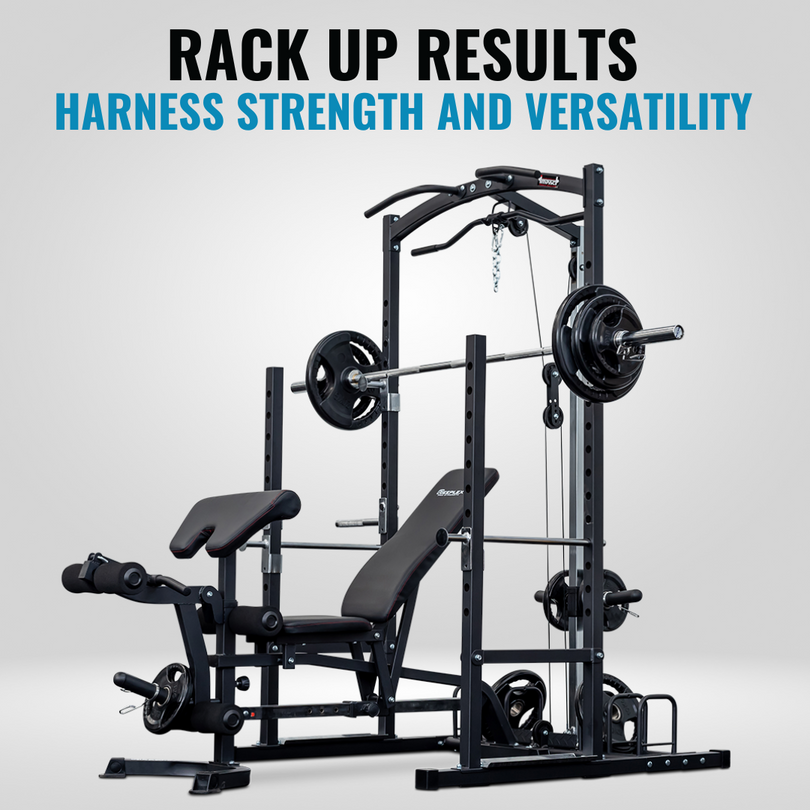
Power Racks
A power rack is arguably the most important addition. It provides safety arms for squats, bench pressing, and rowing. It creates a structured training environment and prevents catastrophic failures. Most serious lifters consider racks essential.
Squat Racks
Squat racks are lighter-duty alternatives if you primarily squat. They're cheaper and more compact than full power racks. Consider your available space and planned exercises when choosing between them.
Olympic Benches
Olympic benches work perfectly with your package. We offer dedicated olympic benches designed specifically for 50mm sleeves. Adjustable benches enable flat, incline, and decline pressing variations.
Weight Plates
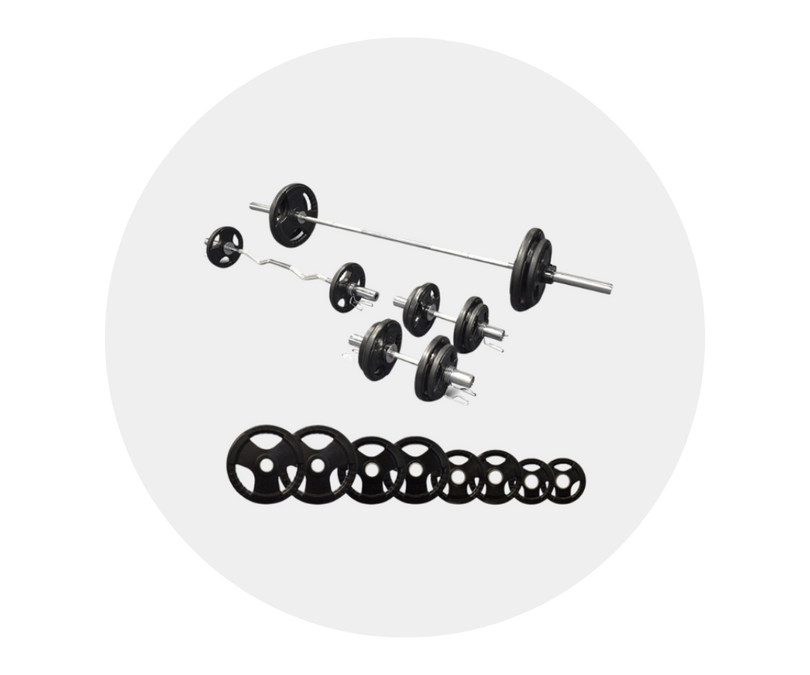
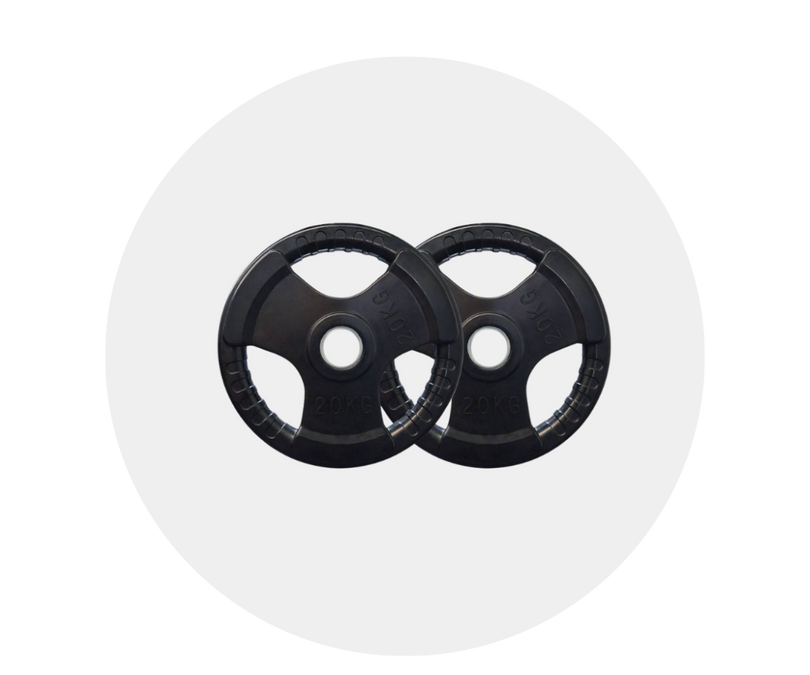
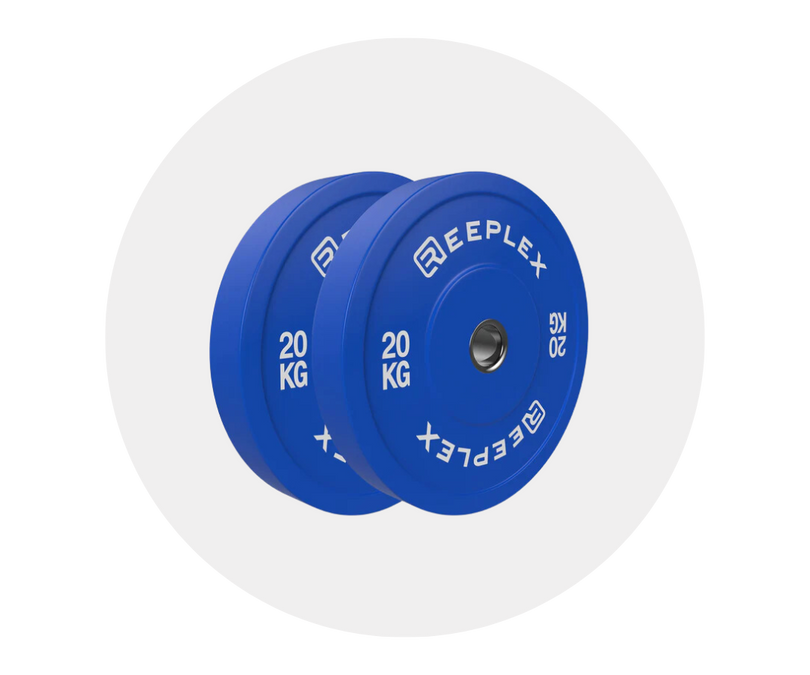
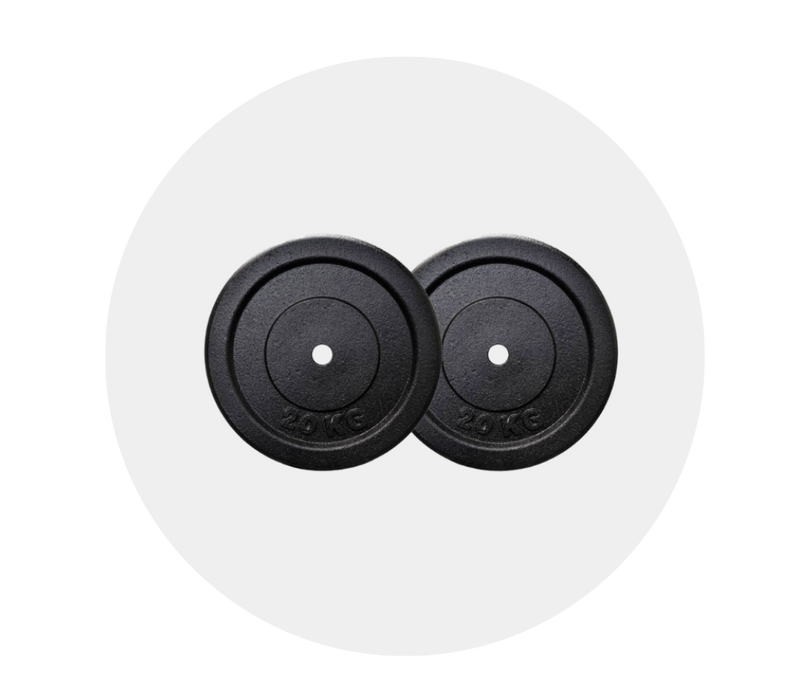
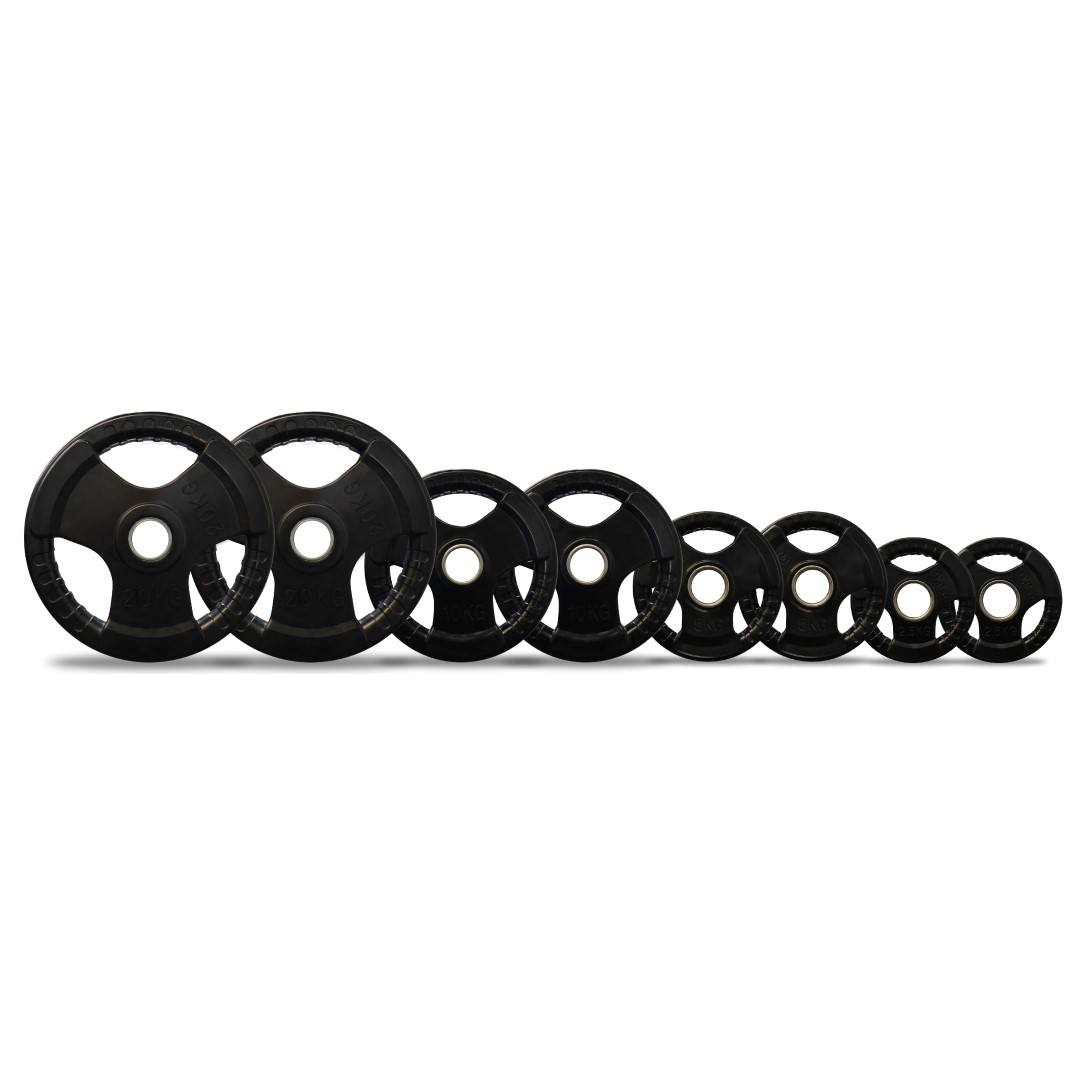
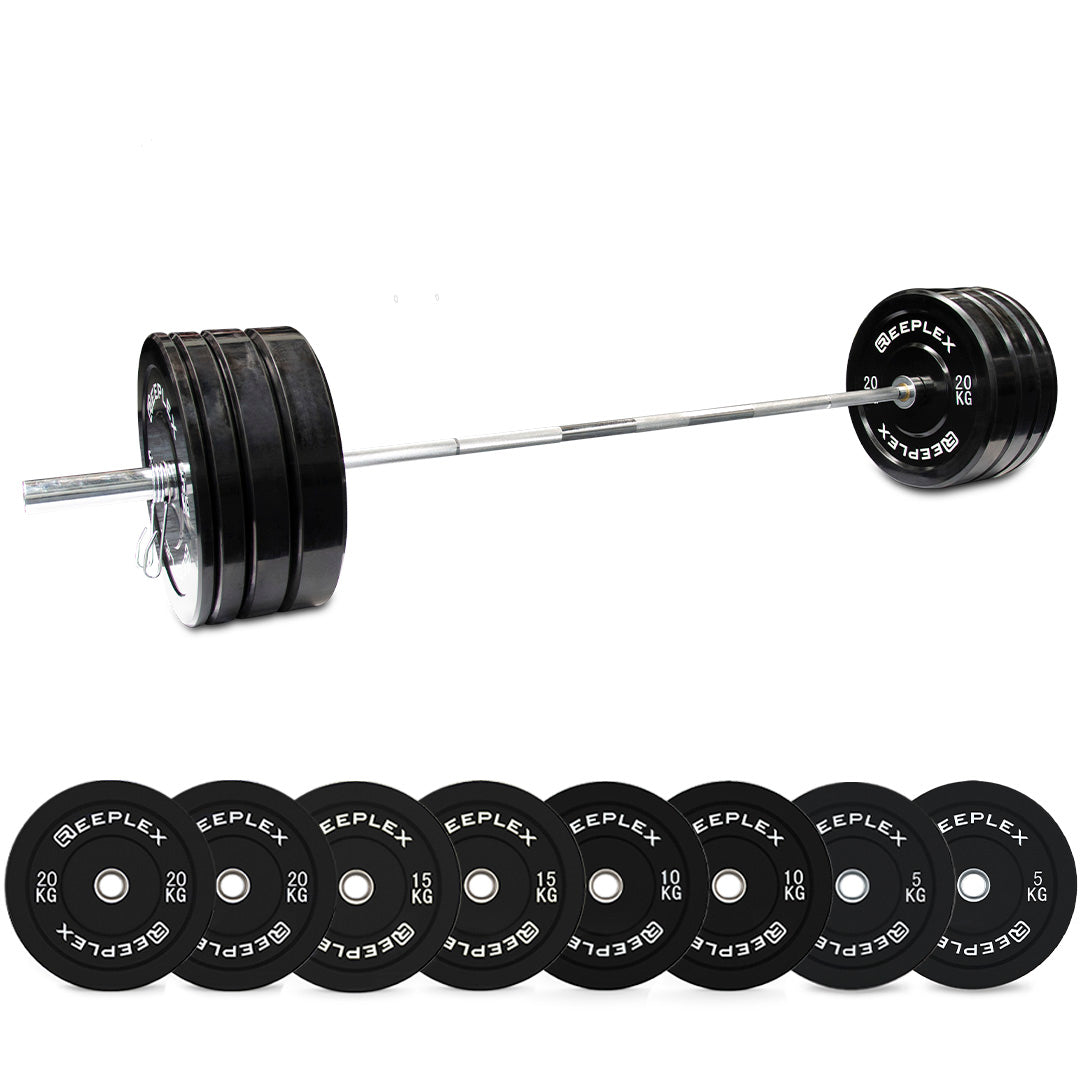
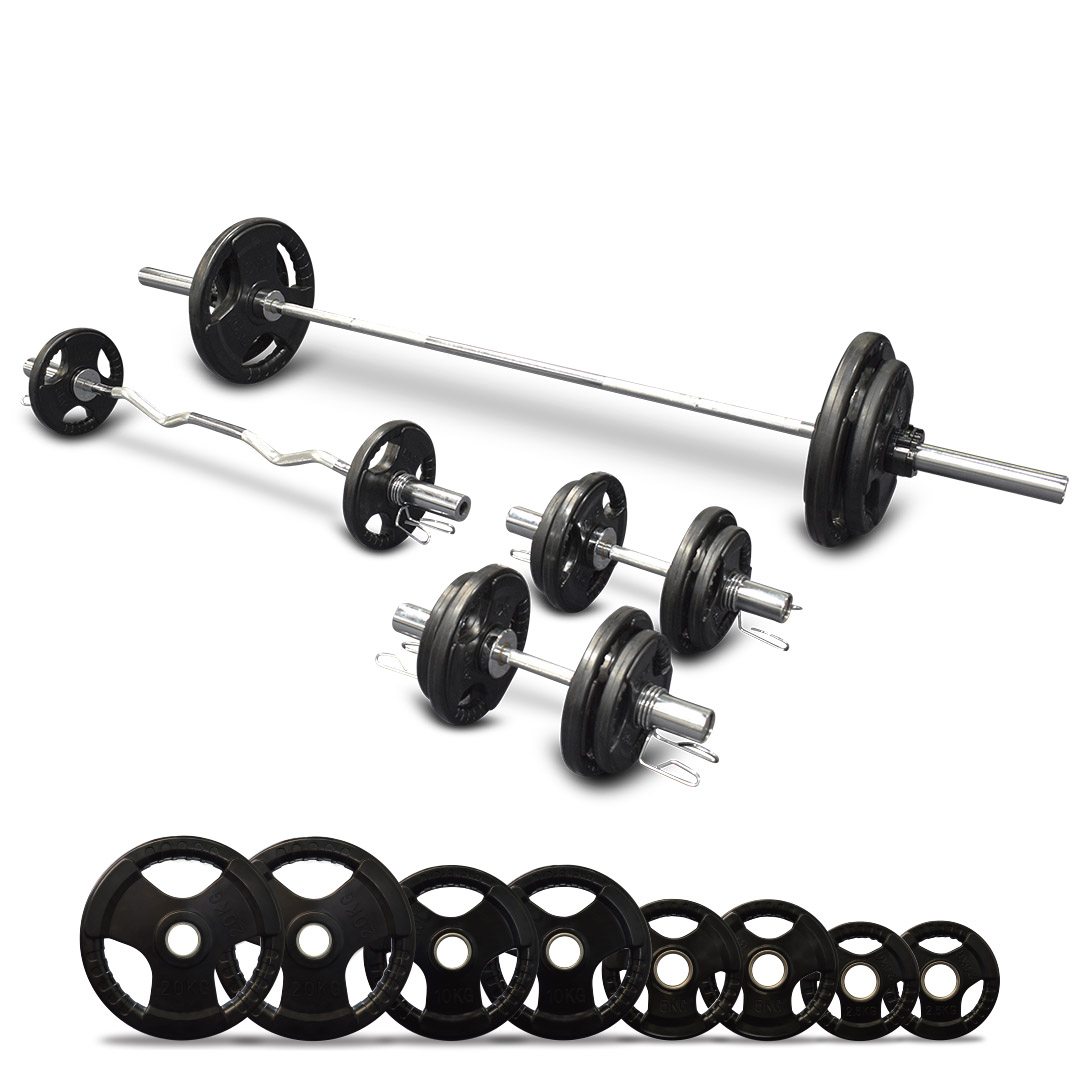
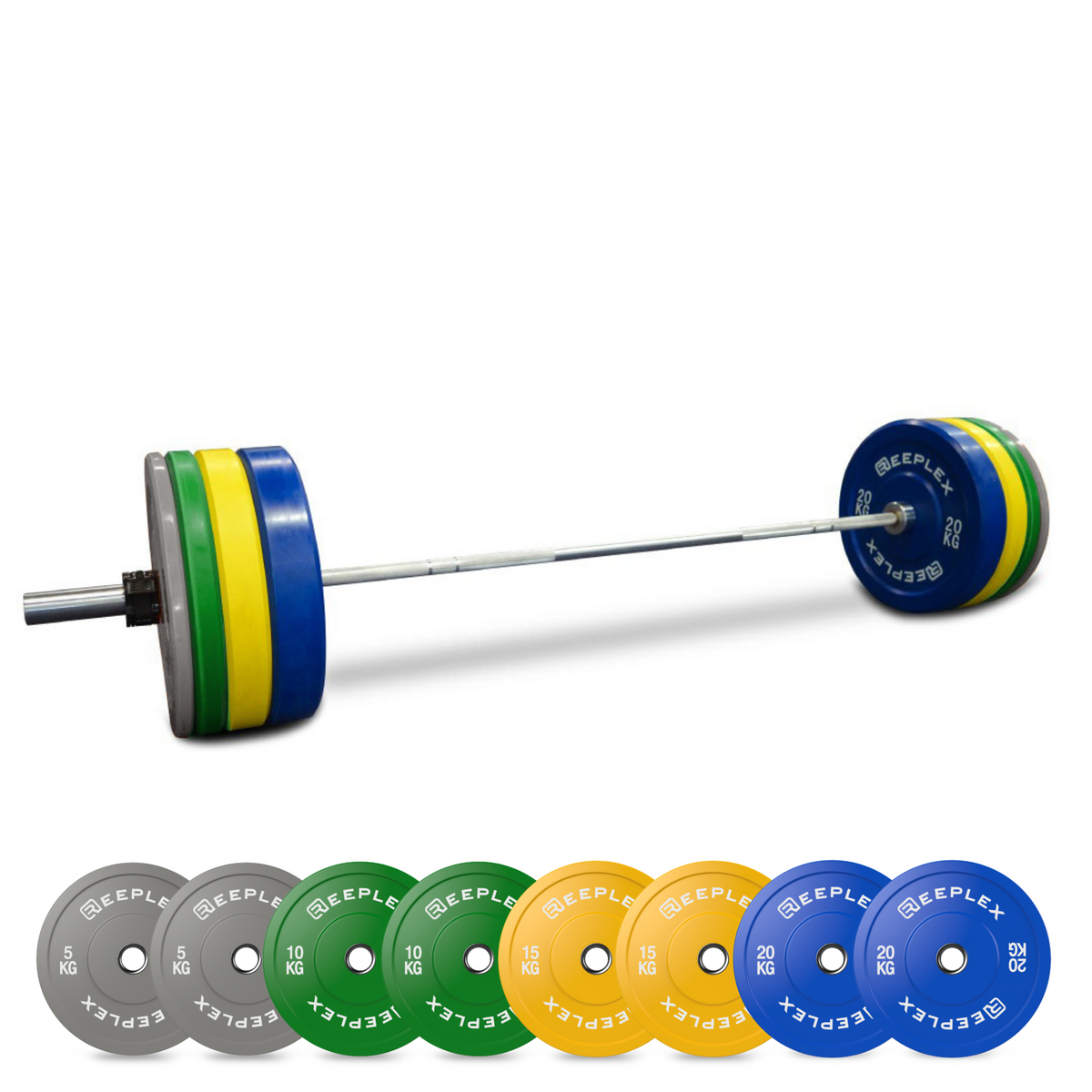
Weight plate selection matters tremendously. Iron plates are the standard for strength training. We stock olympic weight plates in multiple finishes. For Olympic lifting specifically, bumper plates are necessary because they're drop-safe and preserve equipment longevity.
Protective Flooring
Flooring protects your equipment and home. Olympic training is noisier and more impactful than standard barbell work. We stock a variety of gym flooring, to meet your training goals and space requirements
Dumbbells
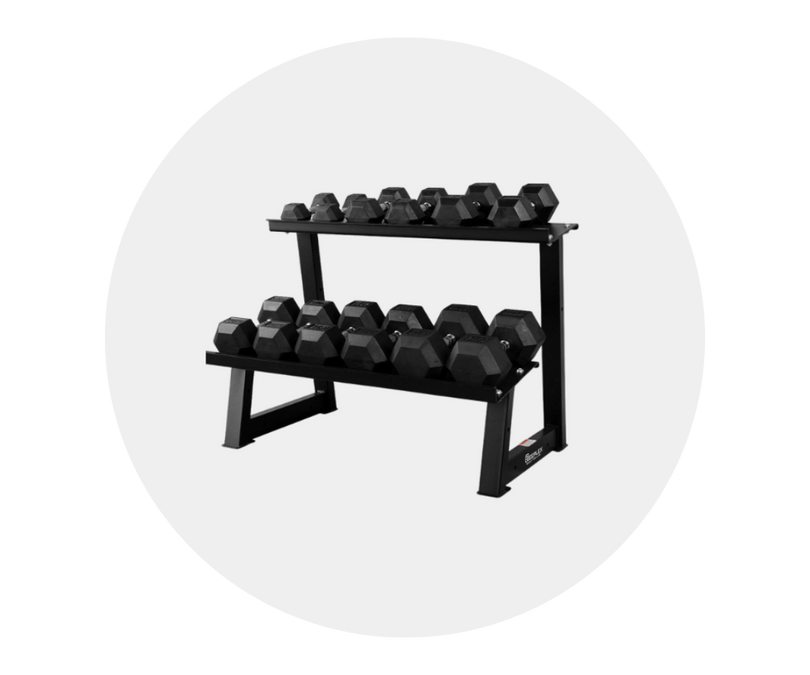
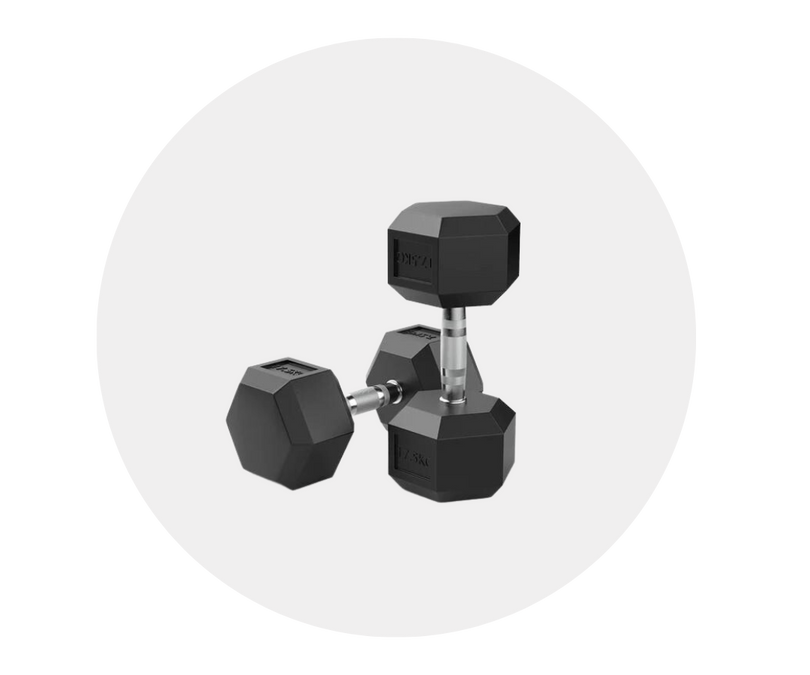
Finally, dumbbells complement barbell training beautifully for accessory work and unilateral development.
Olympic Plate Types: Standard vs Bumper Comparison
|
Plate Type |
Material |
Drop-Safe |
Best Uses |
|---|---|---|---|
|
Standard Plates |
Cast iron, raw or coated |
No, dent from drops |
Powerlifting, strength, home gyms |
|
Bumper Plates |
Rubber-coated iron core |
Yes, designed for impact |
Olympic lifting, CrossFit, commercial |
|
Calibrated Plates |
Precision-weighted iron |
No, premium competition grade |
Competition lifting, serious athletes |
|
Colored Plates |
Vinyl-coated iron, standard colors |
No, coated version |
Commercial gyms, easy identification |
Olympic Lifting vs Powerlifting Barbell: Key Differences
Olympic lifting and powerlifting are distinct sports with different demands. Barbells are engineered to excel at each discipline's specific requirements.
Olympic bars are designed for the snatch and clean and jerk. These movements require explosive power from the ground, meaning the bar must flex and return energy to the lifter. Olympic bars are whippier, allowing the bar to extend further during the pull before the lifter catches the load. The spin in the sleeves is faster and more responsive.
Powerlifting bars are optimized for maximal stability and loading in squats, benches, and deadlifts. These movements reward rigid stability over flexibility. Powerlifting bars are stiffer, with more deliberate knurling for aggressive grip, and stronger sleeves to accommodate heavy oscillation without slippage.
Many lifters use multipurpose bars that split the difference. These don't excel at either discipline but work reasonably for both. If you're serious about one sport specifically, choosing a sport-specific bar is optimal.
Olympic Package Assembly + Setup
-
Space requirement: Olympic bars and heavier plates require more space than standard setups. Plan for at least 2.5 meters of unobstructed floor length.
-
Flooring first: Install gym flooring before positioning your rack and equipment. Rearranging heavy loaded racks is strenuous and risky.
-
Rack positioning: Place your rack on level, stable flooring away from walls and obstacles. Ensure at least 1 meter clearance in front for movement and 0.5 meters on each side.
-
Safety setup: Adjust safety arms to mid-shin height for squats and bar-height for bench pressing. Test with an empty bar to ensure proper function.
-
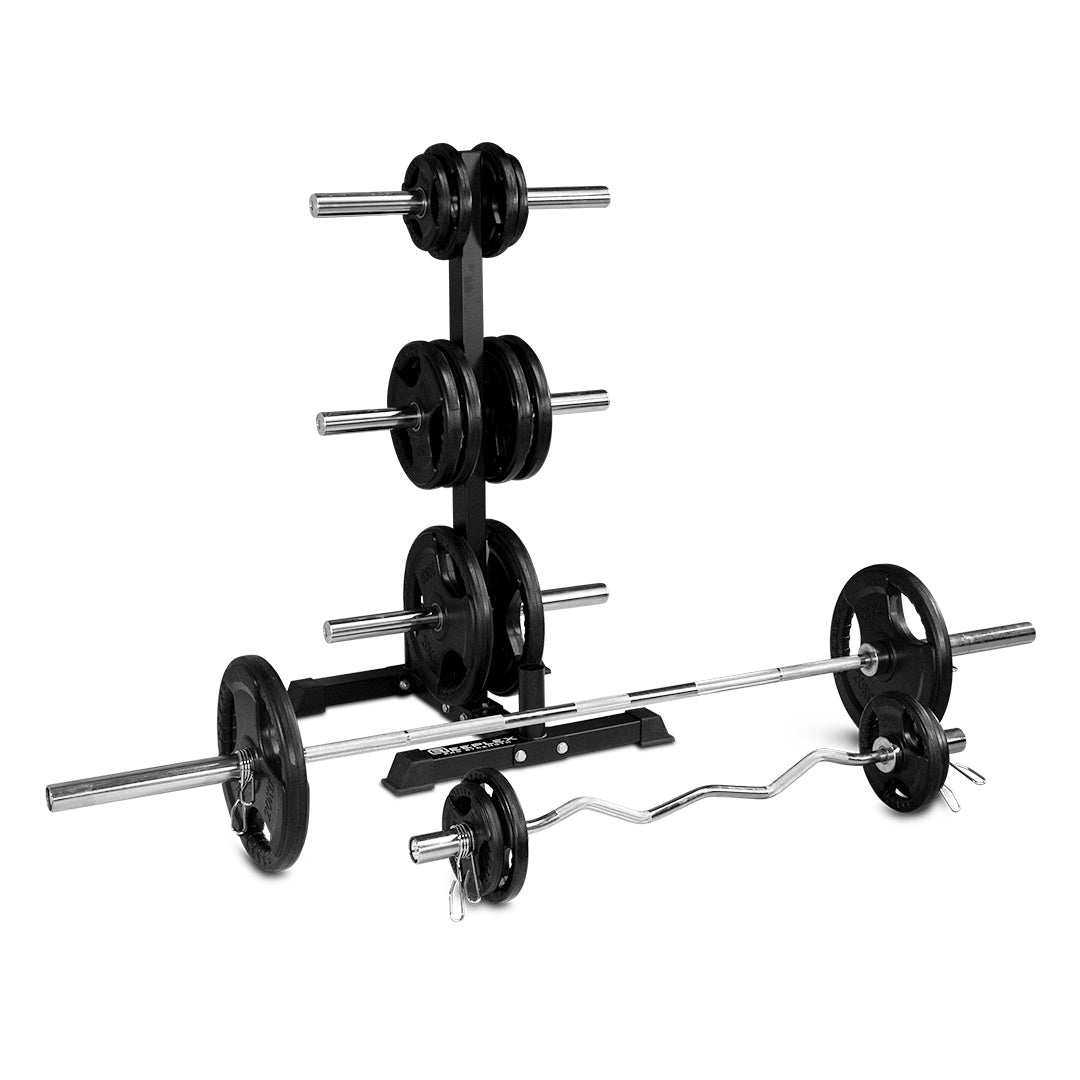
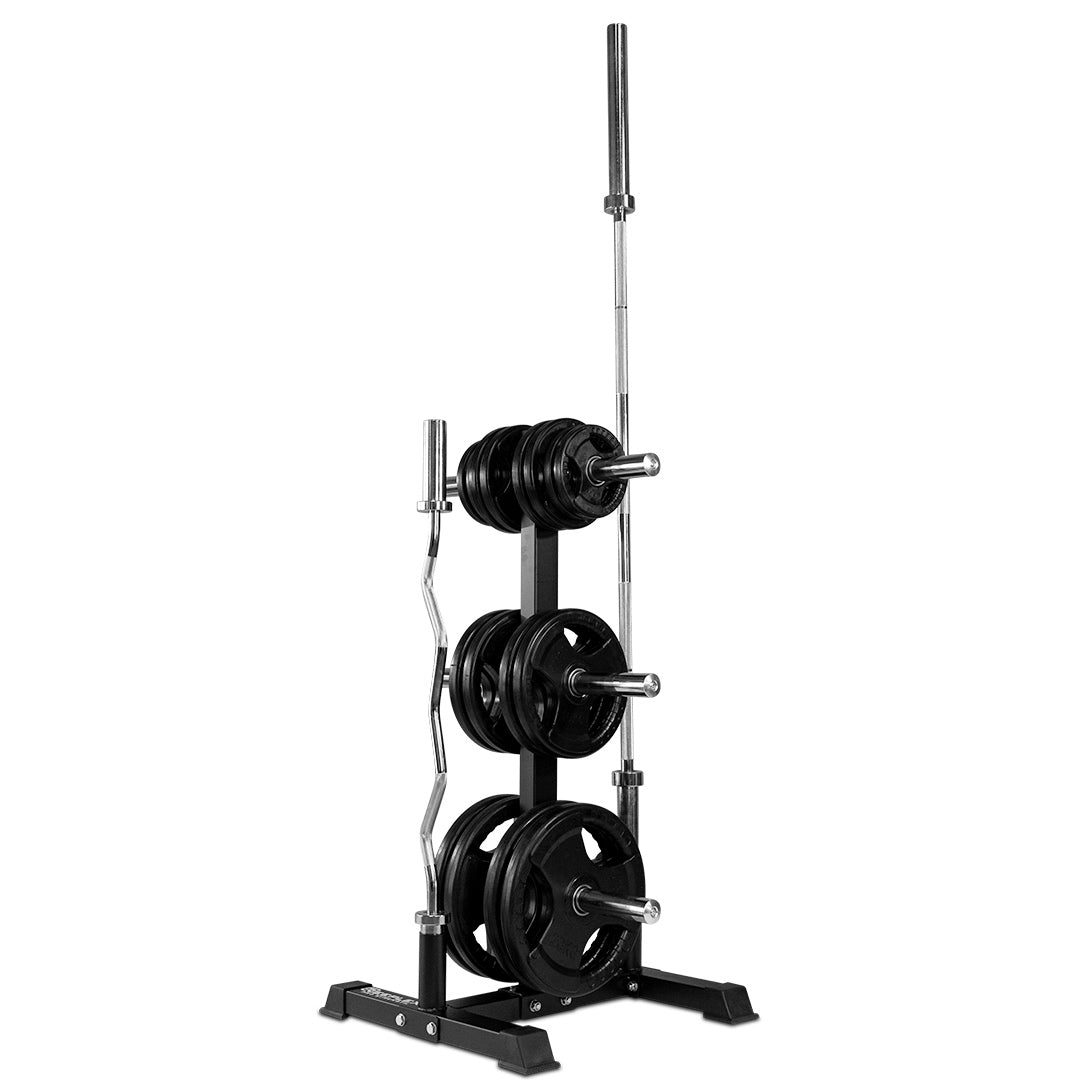
Plate organization: Arrange plates on a plate tree or wall storage, organized by denomination for quick loading. This speeds up training and creates an organized space.
Training Programs for Olympic Packages
|
Program Type |
Focus |
Experience Level |
Equipment Needs |
|---|---|---|---|
|
Powerlifting |
Squat, bench, deadlift |
Intermediate to advanced |
Power bar, rack, iron plates |
|
Olympic Lifting |
Snatch and clean and jerk |
Intermediate to advanced |
Weightlifting bar, bumpers, platform |
|
CrossFit |
Varied functional movements |
All levels |
Multi-purpose bar, bumpers, varied weights |
|
General Strength |
Compound lift progression |
All levels |
Power bar, rack, mixed plates |
Scaling Weight Plate Assortment for Progression
Your initial Olympic package contains a specific weight distribution of plates. As your strength increases, you'll need additional plates in certain denominations to maintain appropriate progression increments.
Early training typically uses 5kg (11 lb) jumps between workouts. This requires multiple 5kg plate pairs. As you get stronger, you'll progress in 2.5kg (5 lb) increments, requiring smaller denomination plates. Advanced lifters often use 1kg (2.2 lb) plates for micro-loading.
Plan your plate purchases strategically. Don't buy duplicate heavy plates when lighter plates better serve your current progress. Our olympic weight plate assortments provide guidance on complementary purchases that round out your package.
Olympic Bar: Maintenance + Longevity
- Coating protection: If your bar has a coating, protect it from moisture and excessive heat. Most commercial coatings last 10+ years with normal care.
- Sleeve care: The spinning sleeves require occasional attention. Remove dust monthly and lightly oil if movement becomes stiff.
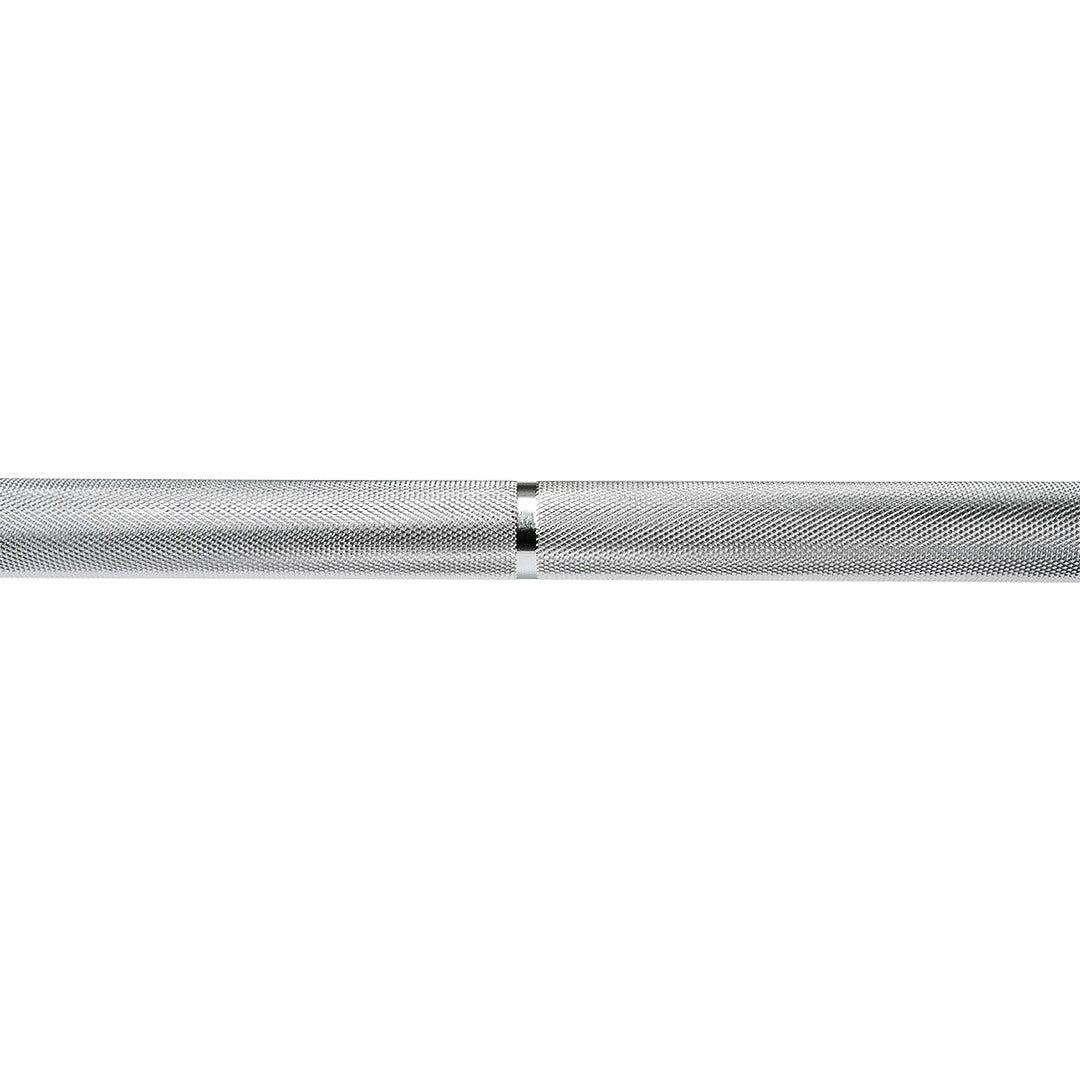
- Knurling maintenance: The textured grip will smooth over time. This doesn't affect functionality. Some lifters prefer the smoother feel.
- Storage: Store bars horizontally on stands rather than hanging from collars. This prevents sleeve damage and bar warping.
- Deep cleaning: An occasional deep clean with a wire brush removes dirt buildup. Avoid harsh chemicals that damage protective coatings.
Why Olympic Packages Offer Best Value
The higher upfront cost of Olympic packages often discourages buyers, but long-term value analysis tells a different story. Olympic bars and plates simply last longer, endure heavier loads, and maintain functionality across decades of training.
A quality Olympic bar costs more than a standard bar but will outlast it by many years. If you train consistently for five years and decide to sell, an Olympic bar still commands strong resale value. A worn-out standard bar becomes a storage problem.
Olympic plates are virtually indestructible. Iron plates don't degrade. You'll be using the same plates in 20 years that you start with today. Standard plates similarly last forever, but Olympic's compatibility with global equipment standards means your plates are always relevant.
The ecosystem of Olympic equipment ensures continuous compatibility. Any powerlifter in the world can train on your equipment. This universality prevents obsolescence. Standard equipment, while perfect when new, becomes isolated as your strength and goals evolve.
Commercial vs Home Olympic Setups
The same Olympic packages work for commercial gyms and home users. The primary difference is quantity and finishes rather than core equipment.
Home setups typically feature 90-180kg total weight, focusing on space efficiency and home gym aesthetics. Commercial gyms feature multiple racks, hundreds of kilograms of plates, and durable finishes designed for heavy daily use.
You can purchase an Olympic package for your home gym knowing the exact same equipment serves commercial facilities worldwide. This consistency means quality you can trust and compatibility with commercial training environments if you ever train elsewhere.
Choosing the Right Olympic Bar for Your Discipline
Olympic bar selection significantly impacts your training experience, force transfer, and long-term satisfaction with your equipment. While all Olympic bars share 50mm sleeves and accommodate Olympic plates identically, substantial differences in construction and design make the choice meaningful.
Knurling aggressiveness defines your bar's grip characteristics. Passive knurling features light, smooth texture, ideal for high-rep training where excessive grip aggression creates hand fatigue and callus buildup. Passive knurling suits bodybuilders and fitness athletes performing high-repetition work. Moderate knurling, the industry standard for powerlifting and general strength training, balances grip security with comfort.
Aggressive knurling cuts deeply into your palm, preferred by competitive powerlifters performing single heavy attempts where maximum grip is critical. This difference feels subtle until you're performing fifty deadlifts versus one maximum lift; then it becomes obvious why specific knurling suits specific goals.
Whip and flex characteristics determine how the bar responds to rapid loading and unloading. More flex is superior for Olympic lifting, where the bar's ability to absorb and return energy during explosive pulls assists heavy loading. Stiffer bars suit powerlifting, where stability and consistency matter more than energy return.
The difference is material and design: Olympic bars use more flexible steel, while power bars use stiffer shaft diameters and different wall thickness. If you're exclusively powerlifting, whip is irrelevant. If you're performing Olympic lifting, flexibility becomes critical for success.
Sleeve rotation characteristics reflect bearing type and seal design. Needle bearings, typically found in Olympic lifting bars, provide fast, responsive rotation ideal for rapid bar turnover during explosive movements. Bushings, found in powerlifting bars, provide slower, more deliberate rotation. This rotation speed matters during snatches and cleans where milliseconds of sleeve lag affects your position. For deadlifts and squats, rotation speed is irrelevant since the bar never changes hands during the lift.
Shaft diameter varies across Olympic bars, ranging from 28mm on dedicated weightlifting bars to 29mm multipurpose bars to 32mm power bars. This difference subtly affects the bar's feel in your hands: thinner bars feel lighter and faster while thicker bars feel denser and slower.
Additionally, thinner bars accommodate smaller hands more comfortably, benefiting lighter athletes and many women lifters. For your first Olympic bar purchase, a quality 28 or 29mm multipurpose bar covers nearly all training needs. You'll perform powerlifting, Olympic lifting, and CrossFit movements with zero compatibility concerns. As your specialization increases, you can explore sport-specific bars knowing you've built decades of strength on a versatile foundation.
Programming for Olympic Barbell Users
Intermediate strength programs are specifically designed around Olympic barbells and unlock higher performance than beginner protocols. Programs like 5-3-1, Texas Method, and GZCLP all assume 50mm Olympic bar availability and systematically progress heavy compound lifts over months and years.
A four-day training split utilizing upper-lower or push-pull-legs structure works excellently with Olympic packages. Upper-lower splits dedicate days to upper body pressing and pulling, then lower body pushing and pulling, allowing sufficient volume and recovery. Push-pull-legs splits organize work by movement pattern, typically pushing (chest, shoulders, triceps), pulling (back, biceps), and legs (quads, hamstrings, glutes).
Both structures allow three-to-four days weekly of structured training without excessive fatigue. These splits work perfectly because they leverage your Olympic package's versatility across dozens of movement variations and loading schemes.
Deload weeks are essential when training with Olympic sets at higher intensities. Every four to six weeks, reduce your total training volume by 40-50 percent while maintaining movement patterns and exercise selection. This allows nervous system recovery, connective tissue repair, and psychological reset. Lifters who ignore deloading eventually plateau and risk injury.
Those who systematically deload continue progressing for decades. This is professional-level programming, and your Olympic package enables you to execute it at the highest standard.
Accessory work complements your main lifts beautifully when you have an Olympic setup. After primary lift training, adding supplementary movements like barbell rows, dumbbell work, cable movements, and specialized exercises targets weaknesses and builds balanced strength.
Rows pair perfectly with pressing, maintaining shoulder health. Face pulls build rear shoulder stability. Core work using ab wheels and weighted movements directly strengthens your foundation for heavy squats and deadlifts. Your Olympic weight lifting set provides limitless accessory training possibilities through barbell variation alone.
Olympic packages supply everything needed to run these advanced programs indefinitely. Weight plates suffice for years of progressive loading. The barbell handles any variation from high-rep work to heavy singles. The collars secure plates safely across dynamic movements. Intermediate and advanced programming with
Olympic equipment creates a virtuous cycle: programming becomes more sophisticated, your body adapts and grows stronger, and your training experience deepens. This journey of progressive complexity and growth continues as long as you remain consistent and intelligent with programming.
Ready to Train at Championship Level?
Stop settling for equipment that limits your potential. Olympic packages aren't a luxury upgrade. They're the foundation of serious strength development used by athletes worldwide. Your training deserves equipment engineered for excellence.
Every top powerlifter, Olympic weightlifter, and CrossFit athlete started with an Olympic bar. You can too.
Our packages deliver competition-grade equipment at prices that make serious training accessible. You'll spend less on equipment than many spend on gym memberships.
Fast Australia-wide shipping means your championship-level training starts within days. Don't compromise with equipment you'll outgrow. Invest in an Olympic package today and join the global community of serious strength athletes. Your strongest future starts right now.
Olympic Barbell Packages - FAQs
No. Standard plates have 25mm holes and Olympic bars have 50mm sleeves. They're not compatible. Keep this in mind when planning your equipment's future, as upgrading bars requires replacing all your plates.
Standard barbells typically weigh around 6.8kg. This weight is included in all package total weights we list, so you know your exact loading capacity from day one.
This varies by person and training goals. Beginners typically train 6-18 months on standard packages before approaching weight capacity. Casual fitness lifters may never outgrow them. Competitive lifters usually transition to Olympic bars within months as their strength increases.
No. Safety depends on proper form, appropriate weight selection, and controlled movement. A standard bar in safe hands is equally safe as an Olympic bar. The difference is load capacity, not safety.
Absolutely. In fact, starting with a standard bar is ideal for beginners. The lighter bar encourages focus on proper form rather than heavy loading. Build strength first, perfect technique second, add weight third.
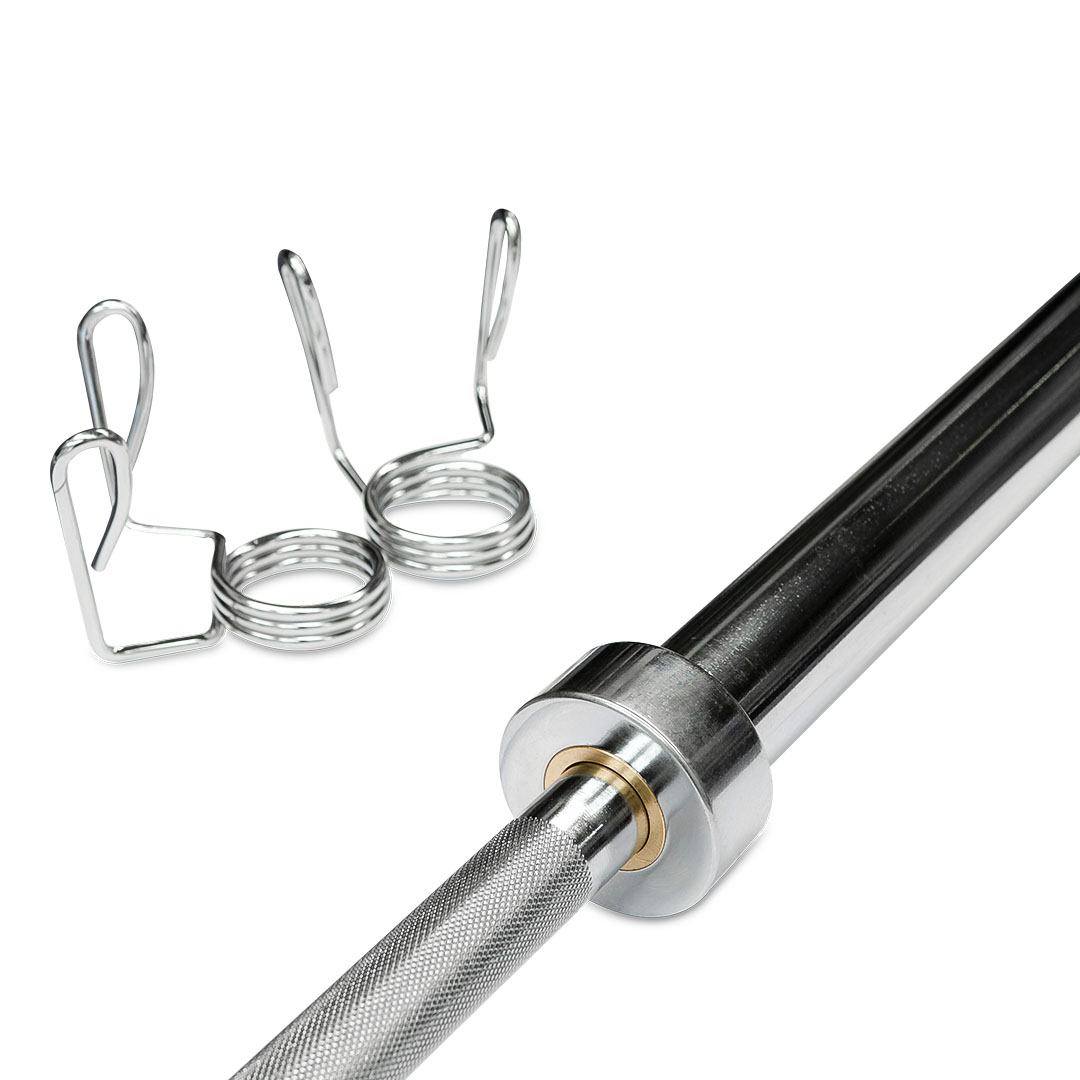
Yes. Our packages include spin-lock collars to secure plates during exercise. Some aftermarket collars are available if you prefer clamp-style collars, but standard spin-locks are reliable and included.
Most standard barbells safely support 90-160kg total weight. Some specialised standard bars handle up to 180kg. Always check your specific bar's specifications to know your limits.
Bumper plates are unnecessary for standard barbells. These rubber-coated plates are designed for Olympic lifting and dropping from overhead. Standard training doesn't require this feature, so standard cast iron plates are perfectly appropriate.
You can perform the main compound lifts: squats, deadlifts, bench presses, and rows. Adding dumbbells greatly expands exercise variety, but a barbell alone provides sufficient stimulus for whole-body strength gains.
A quality standard package starts around $300-400. Adding a bench, dumbbells, and flooring brings a complete home gym to $600-1000. This remains significantly cheaper than outfitting with Olympic equipment.
Standard bars work for strength development but don't accommodate Olympic lifting movements well. CrossFit gyms use Olympic bars for good reason. That said, you can develop excellent fitness using a standard bar and supplementary equipment.
Exceeding weight capacity risks bar failure and potential injury. The bar may bend, sleeves may separate, or failure could be dramatic. Always respect weight limits and upgrade equipment as your strength increases. This is a feature, not a bug, keeping you safe.