


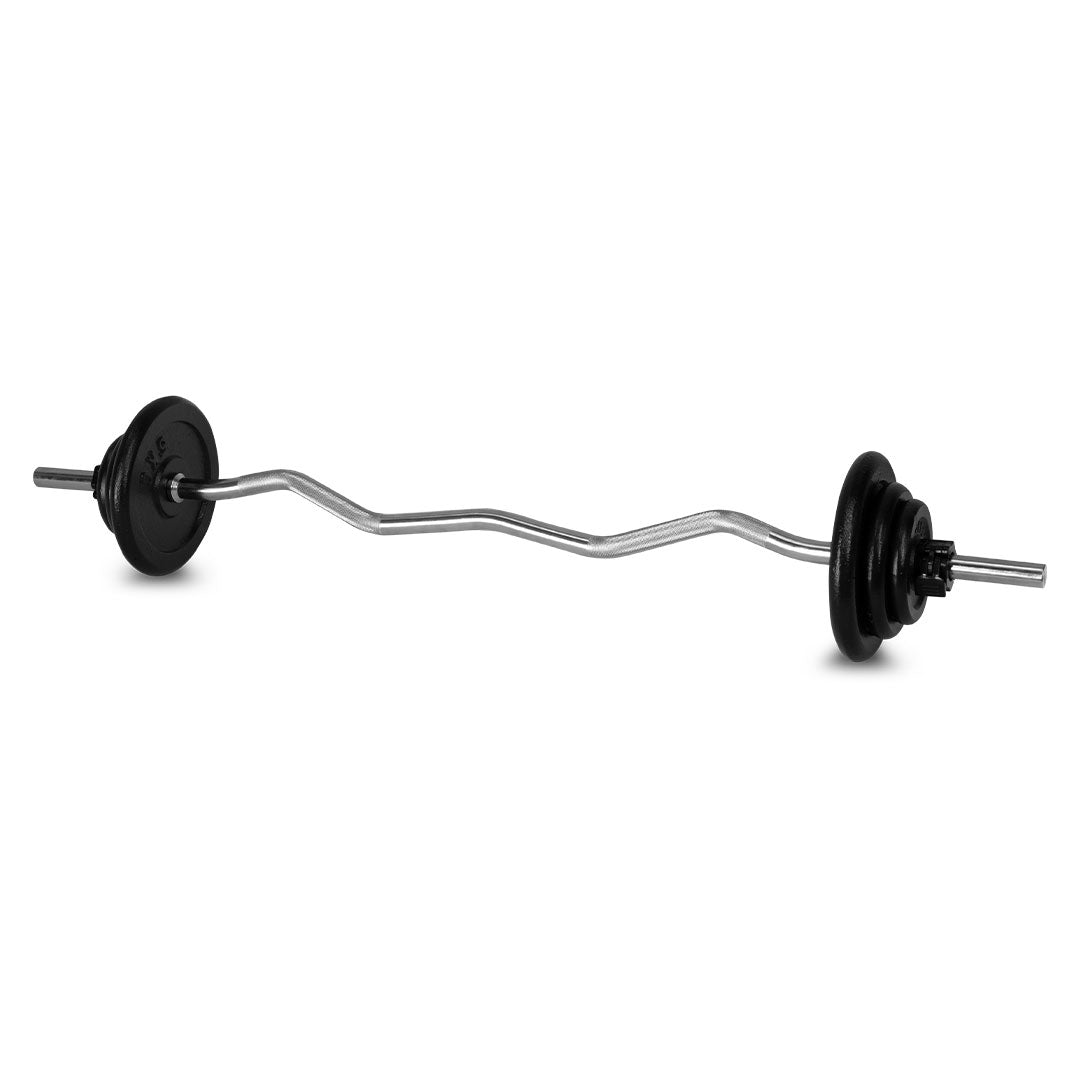
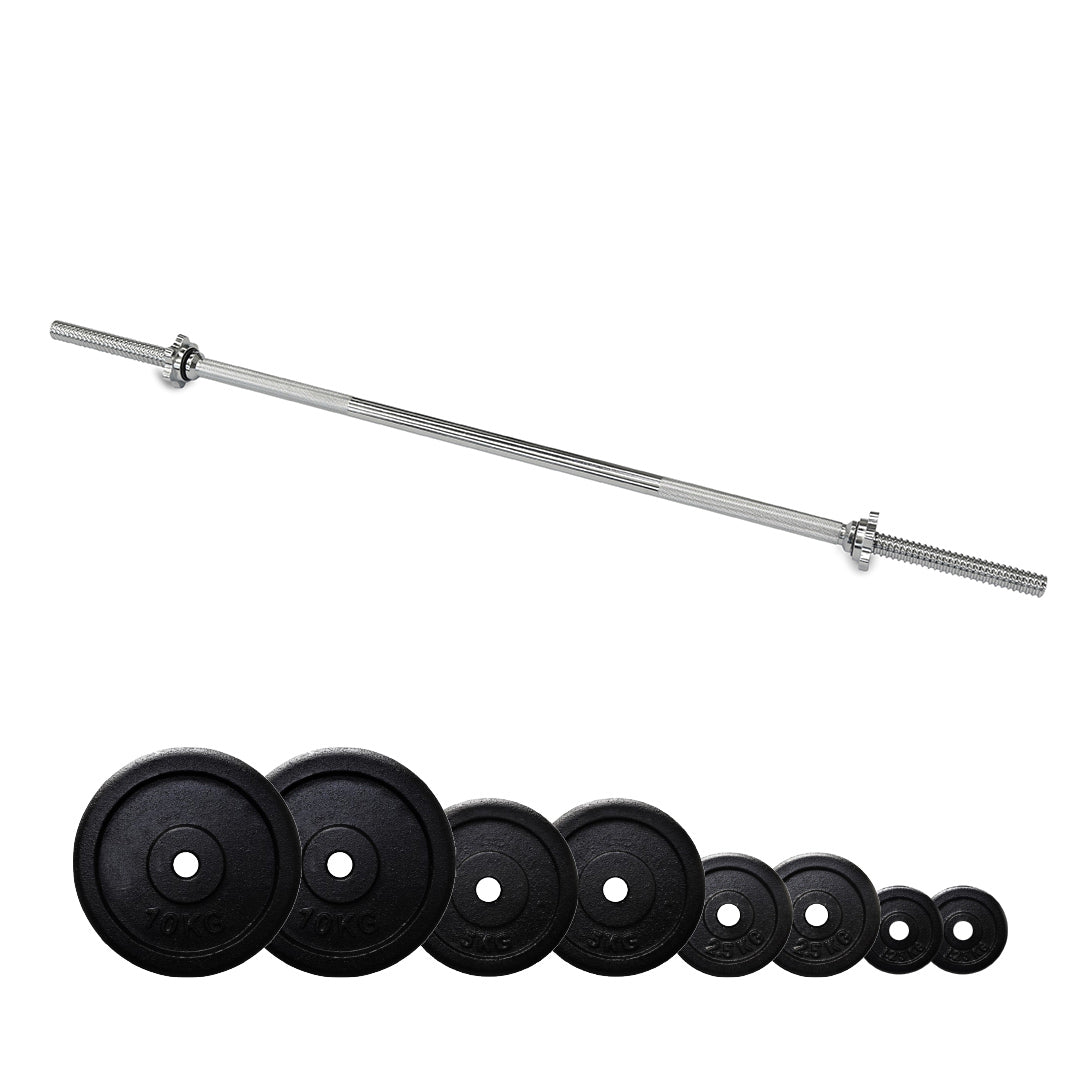
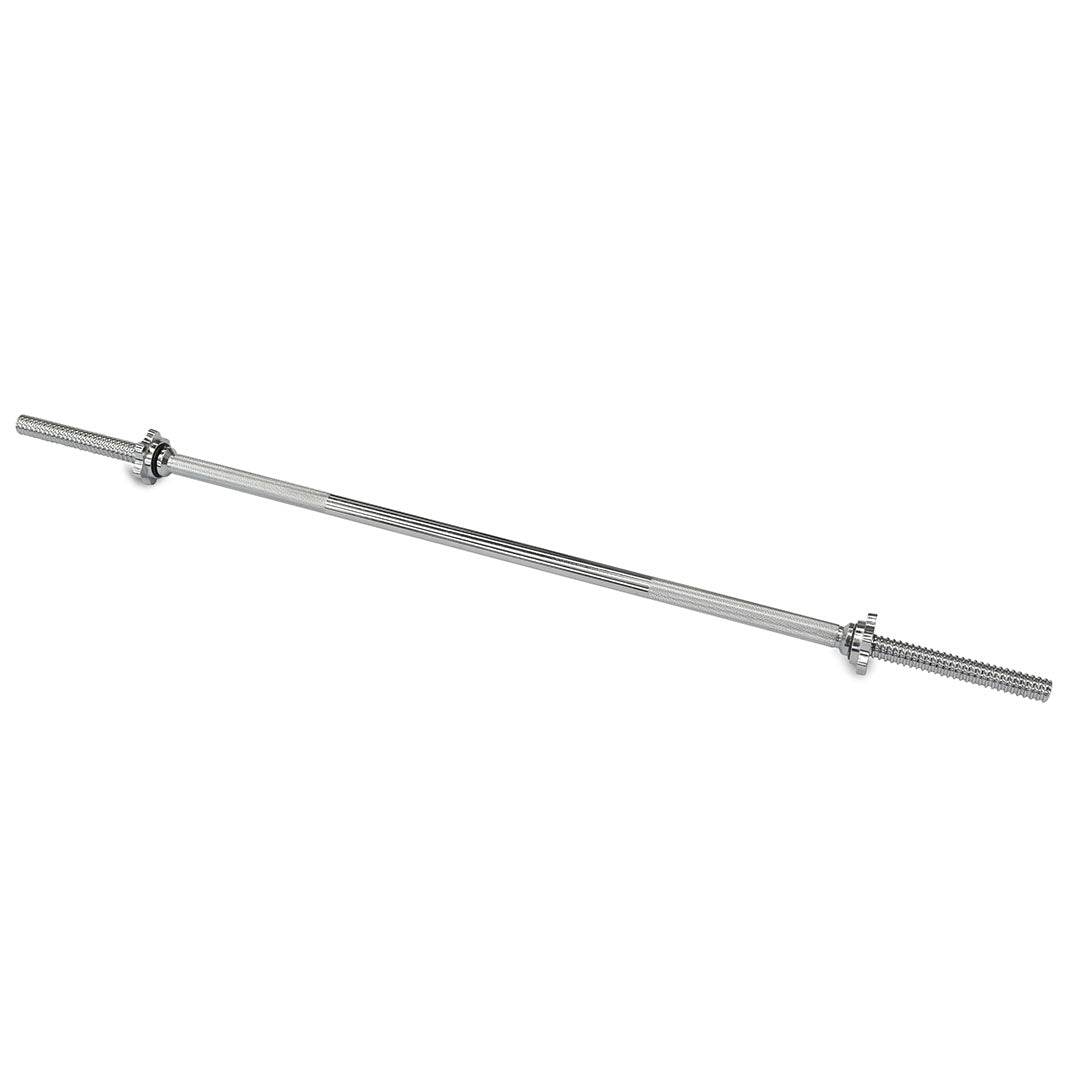
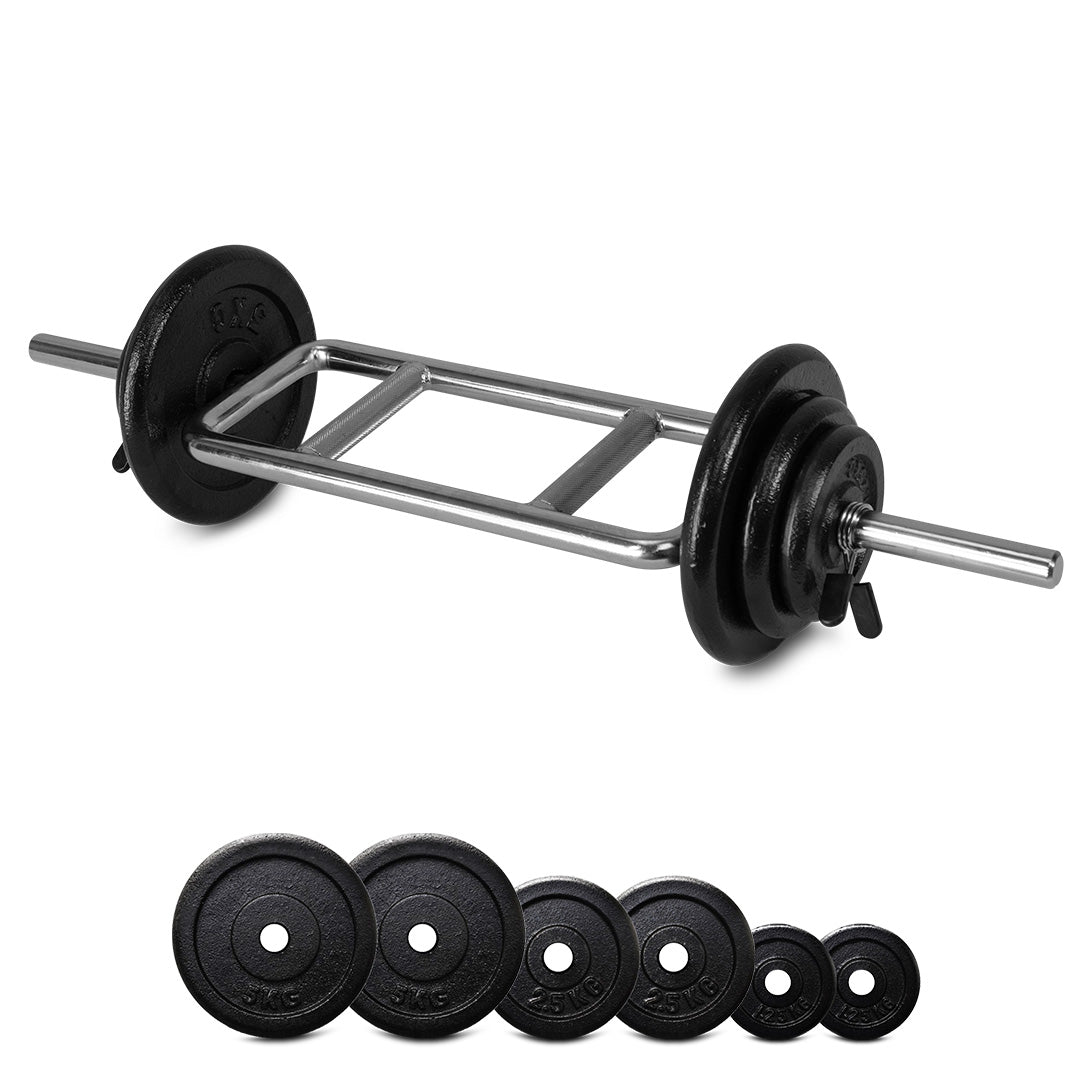
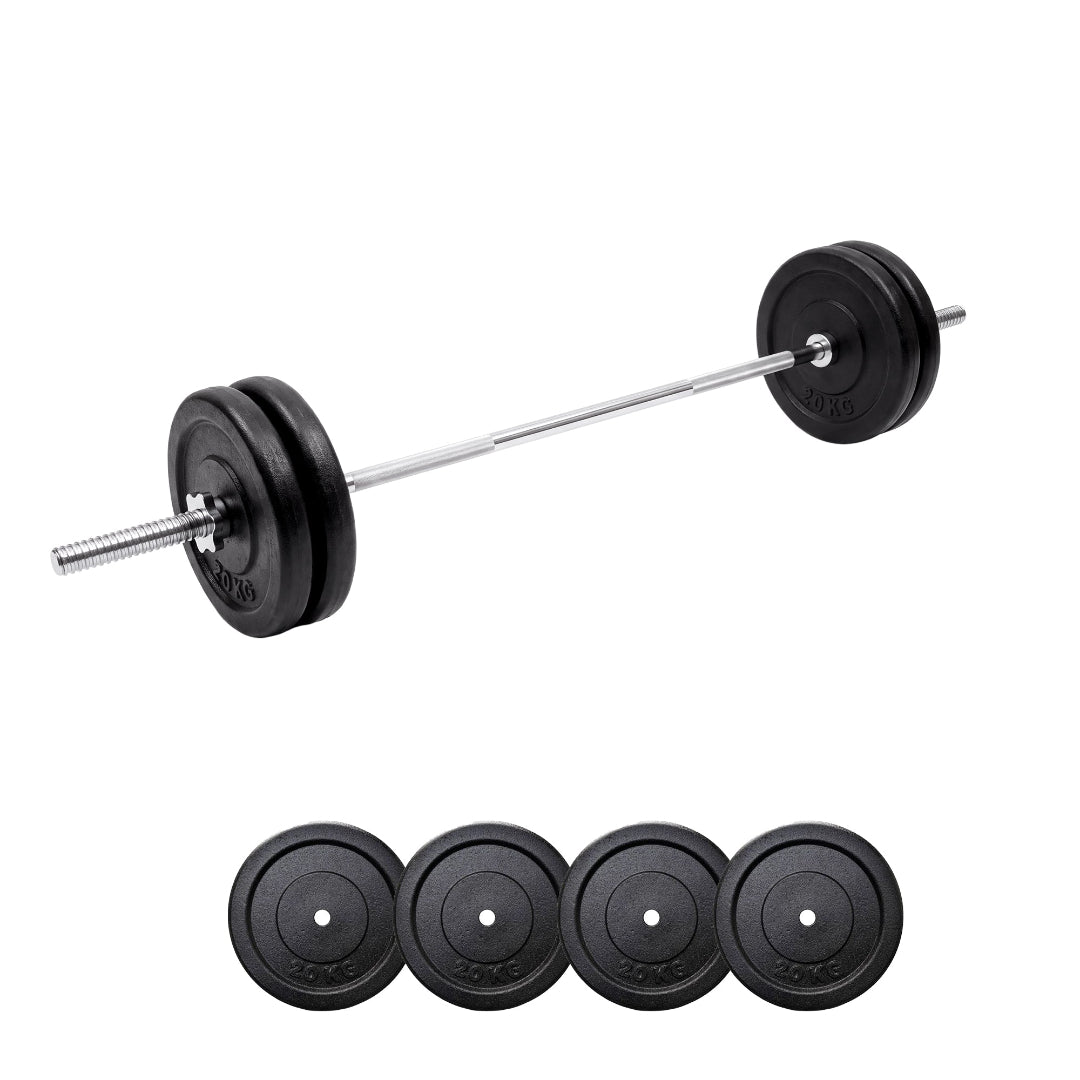
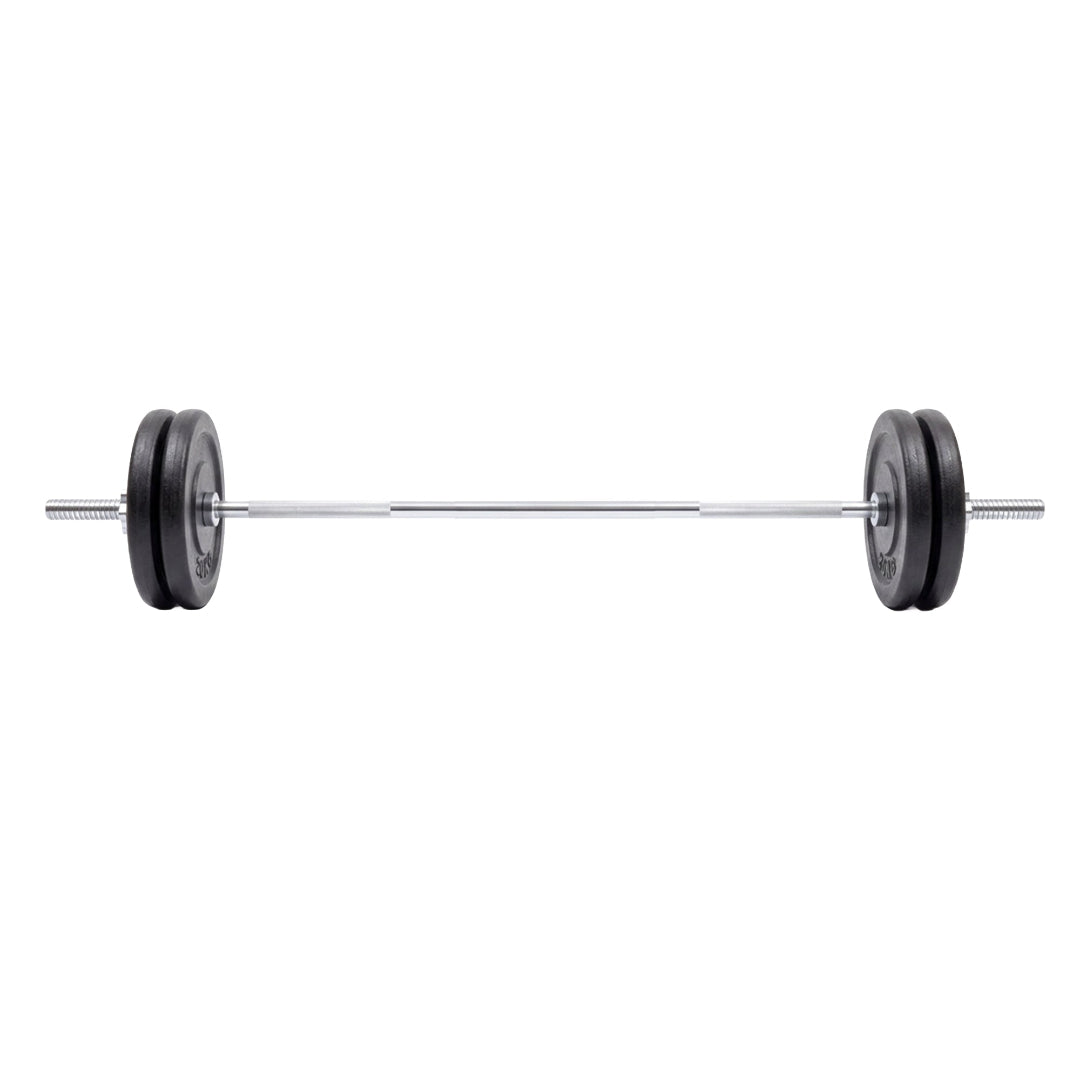
Standard Barbell Sets: The Key Starting Point for Strength Training
Standard Barbell Key Facts:
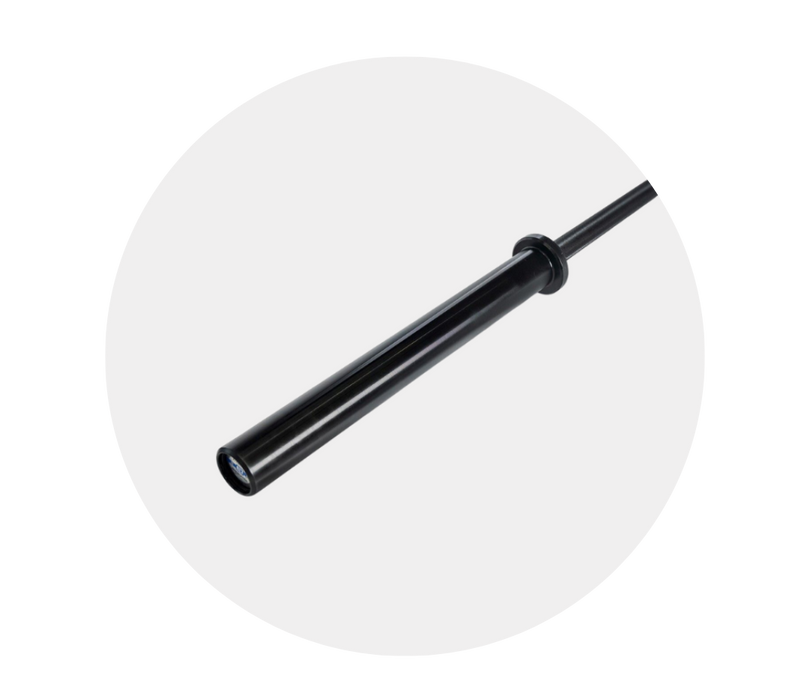
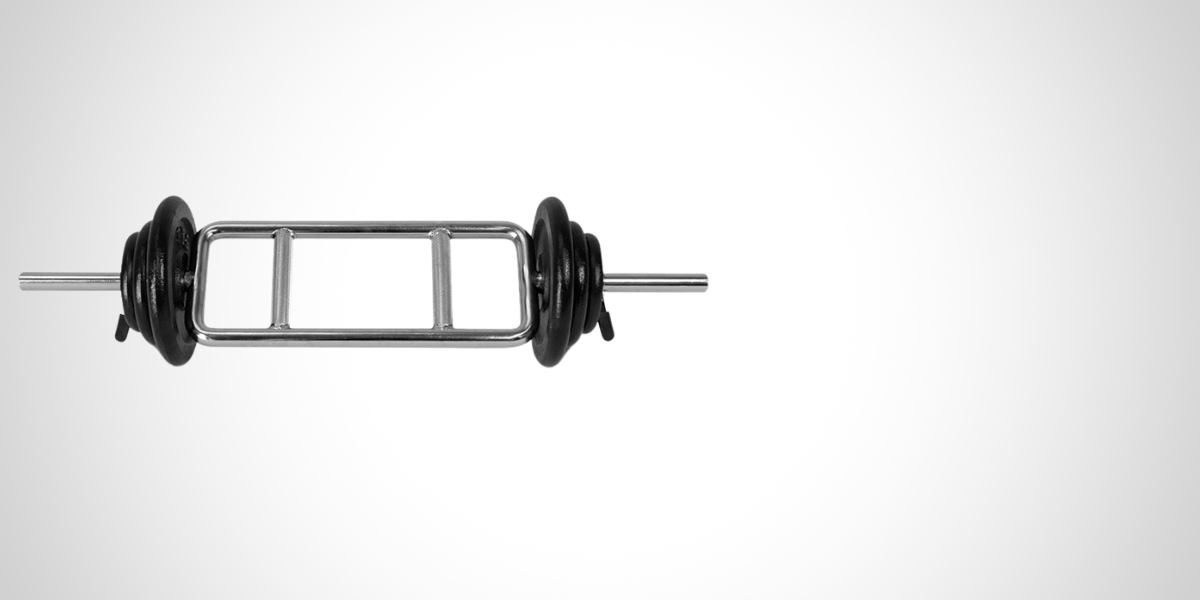
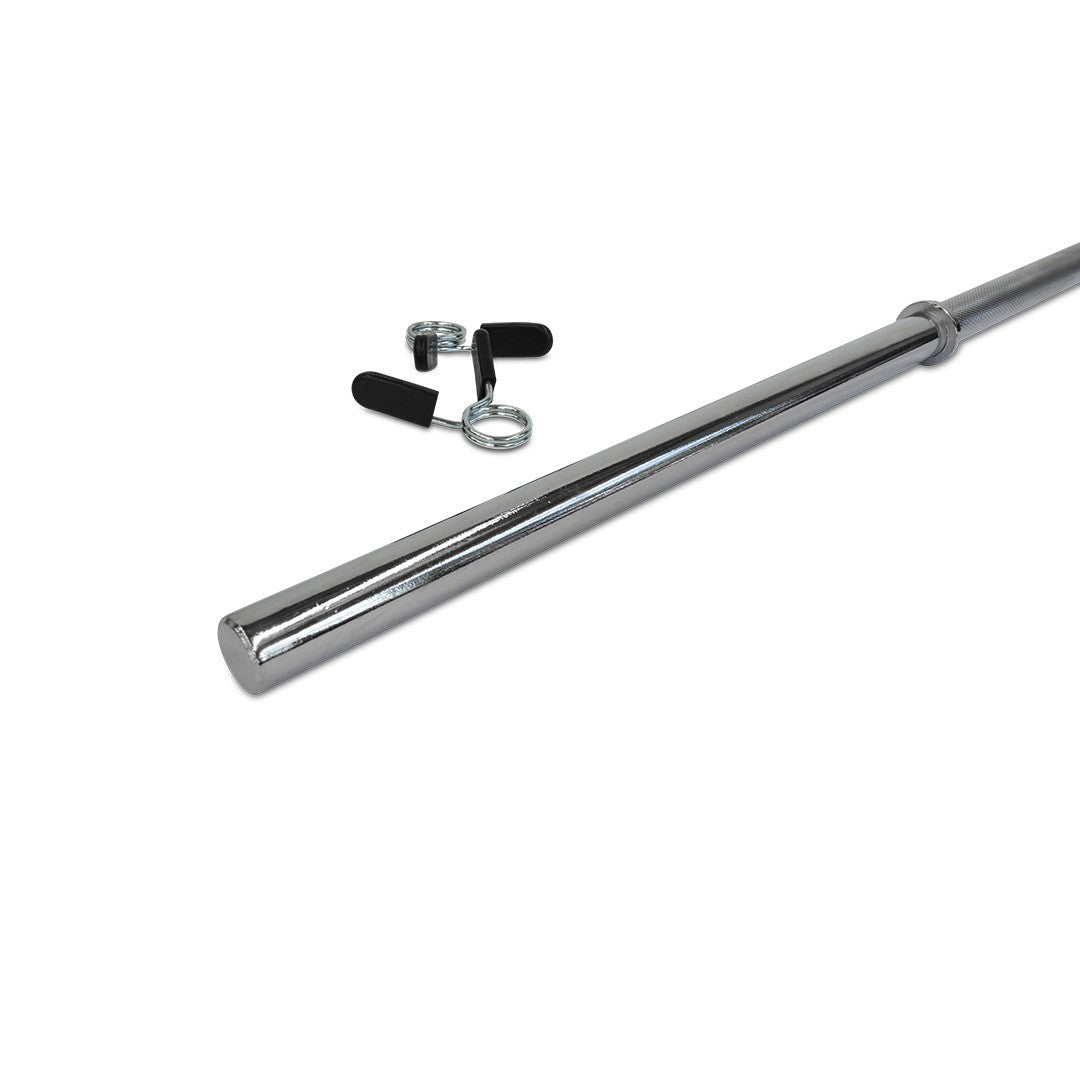
- Smaller sleeves: Standard barbells have 25mm (1-inch) sleeves instead of Olympic 50mm, making them narrower and lighter.
- Weight limit: These bars typically support 90-180kg total weight, perfect for beginners and intermediate lifters.
- Affordability: Standard packages start at $250, making them the most budget-friendly barbell investment.
- Home gym ideal: Compact design and lighter weight make standard bars excellent for apartments and home spaces.
- Plate incompatibility: Standard plates don't fit Olympic bars and vice versa, so plan your progression carefully.
Who Standard Barbell Packages Suit Best
Standard barbell packages are engineered for specific lifters and training contexts. They're not inferior to Olympic bars; they're simply different tools for different jobs. Understanding who benefits most from standard packages helps you make confident purchasing decisions.
Absolute beginners benefit enormously from standard packages. The 15kg bar is lighter and more manageable when you're learning the mechanics of squats, deadlifts, and bench presses. Proper form matters infinitely more than weight when you're starting out, and the lighter bar encourages this focus. As a beginner, you'll spend months progressing on a standard bar before approaching its weight capacity.
Budget-conscious gym builders choose standard packages to maximize their equipment investment. Starting with a $300-400 package allows you to add accessories like dumbbells, benches, and flooring later. Upgrading to Olympic equipment after months of consistent training is logical and financially sensible.
Home gym owners with space constraints love standard packages. A smaller bar and fewer, lighter plates require less floor area and storage. If you're squeezing a gym into a spare bedroom or garage, standard dimensions help you fit everything comfortably.
Lighter lifters, including many women and older adults, find standard packages perfect for their current and future training. The 15kg bar allows for appropriate progression without overwhelming the body during technique development. Many women lifters stay on standard bars indefinitely due to perfect weight balance and space efficiency.
Standard Barbells vs Olympic Barbells: Explained
The distinction between standard and Olympic barbells centers on several technical differences that affect use, pricing, and long-term viability. Understanding these differences prevents frustration and ensures you buy the right equipment.
Standard barbells feature 25mm (1-inch) diameter sleeves and 15kg bars. Olympic bars have 50mm (2-inch) sleeves and 20kg (men) or 15kg (women) bars. This single dimensional difference cascades across the entire ecosystem. Standard weight plates have 25mm center holes and won't fit Olympic bars. Olympic plates have 50mm holes and won't fit standard bars.
Weight capacity differs significantly. A solid standard bar handles 90-160kg safely. Olympic bars manage 230kg+ depending on design and quality. This matters less for beginners but becomes critical as you progress. Serious lifters inevitably outgrow standard packages.
Olympic bars are the global standard. Walk into any commercial gym worldwide and you'll find Olympic bars. This universality means if you ever want to train elsewhere, you're already familiar with the equipment. Standard bars are less common in commercial settings.
Cost reflects these differences. Standard packages cost 30-40% less than entry-level Olympic packages. For those committed to long-term strength training, Olympic equipment is the better investment despite higher initial cost. For casual lifters, standard packages provide excellent value.
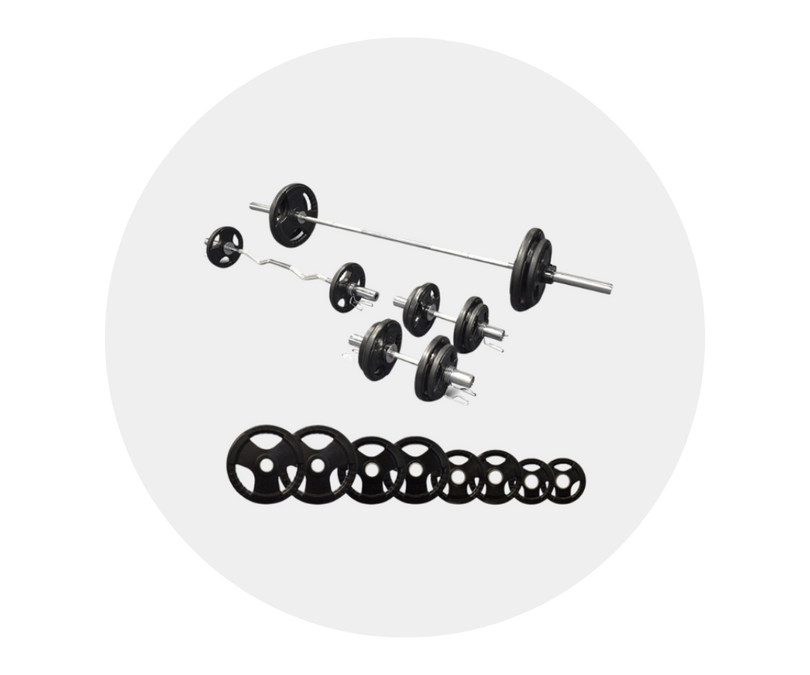
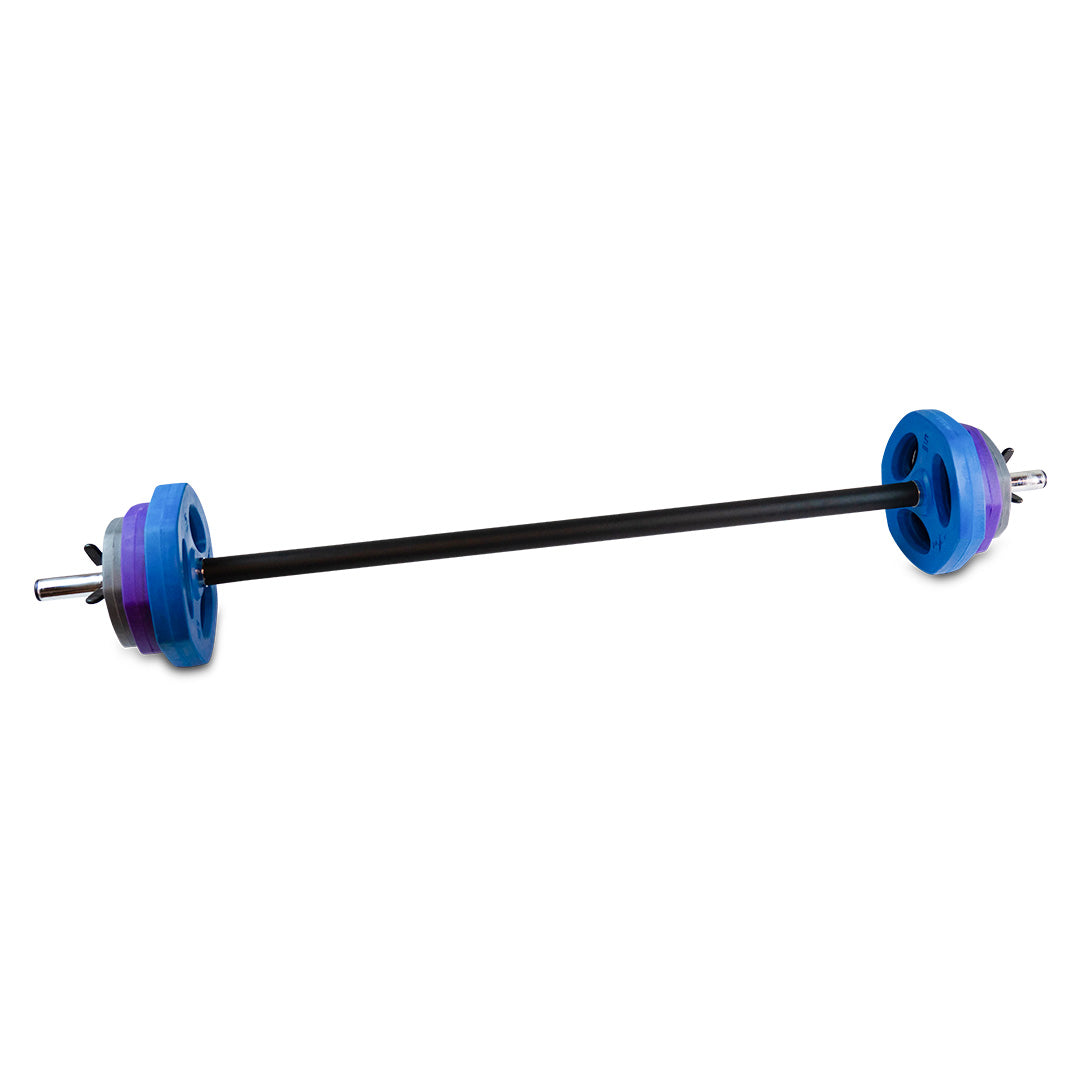
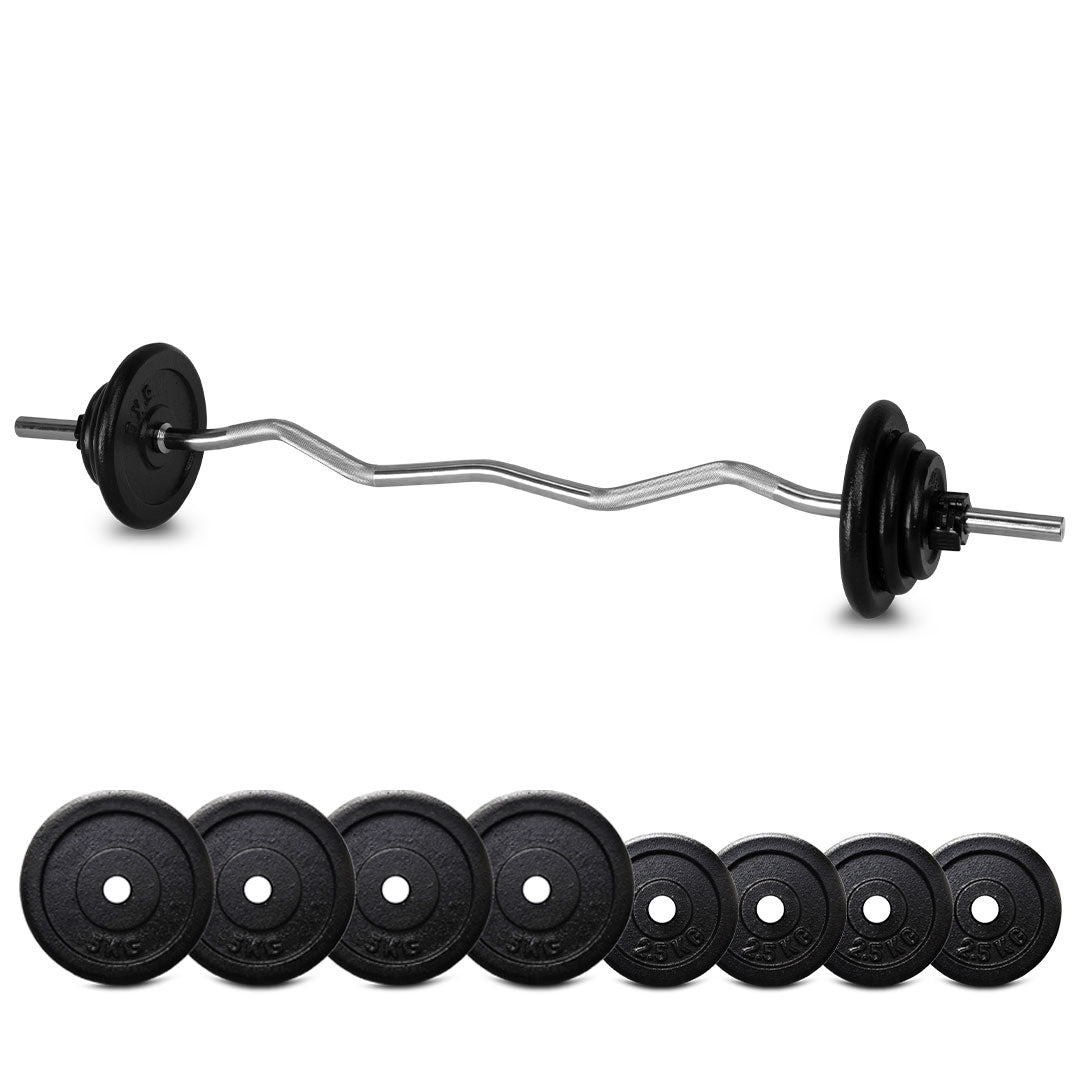
Standard Package: Equipment Specs
|
Component |
Specification |
Quantity |
Notes |
|---|---|---|---|
|
Barbell Bar |
25mm sleeves, 15kg |
1 |
Standard size, all packages include |
|
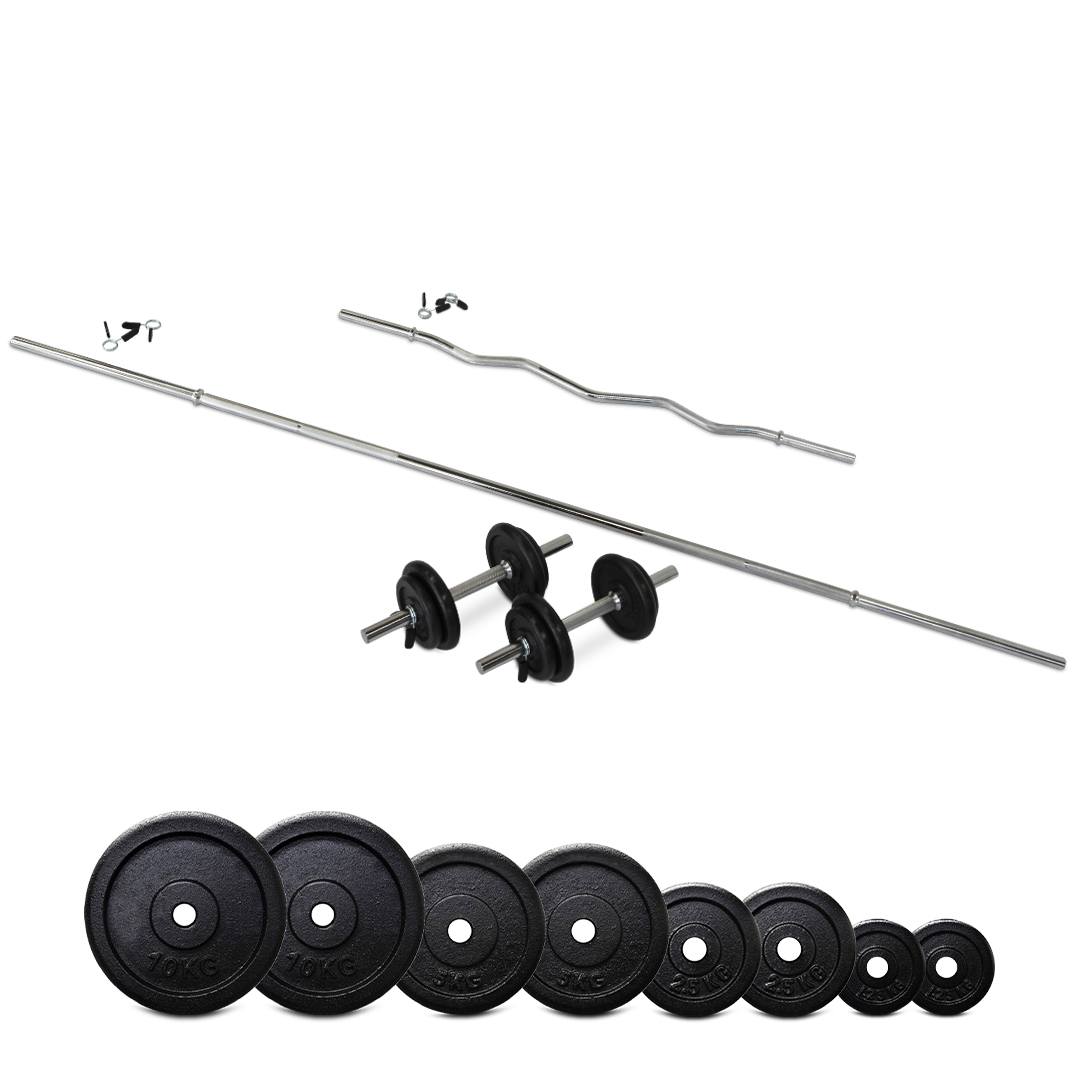
Weight Plates |
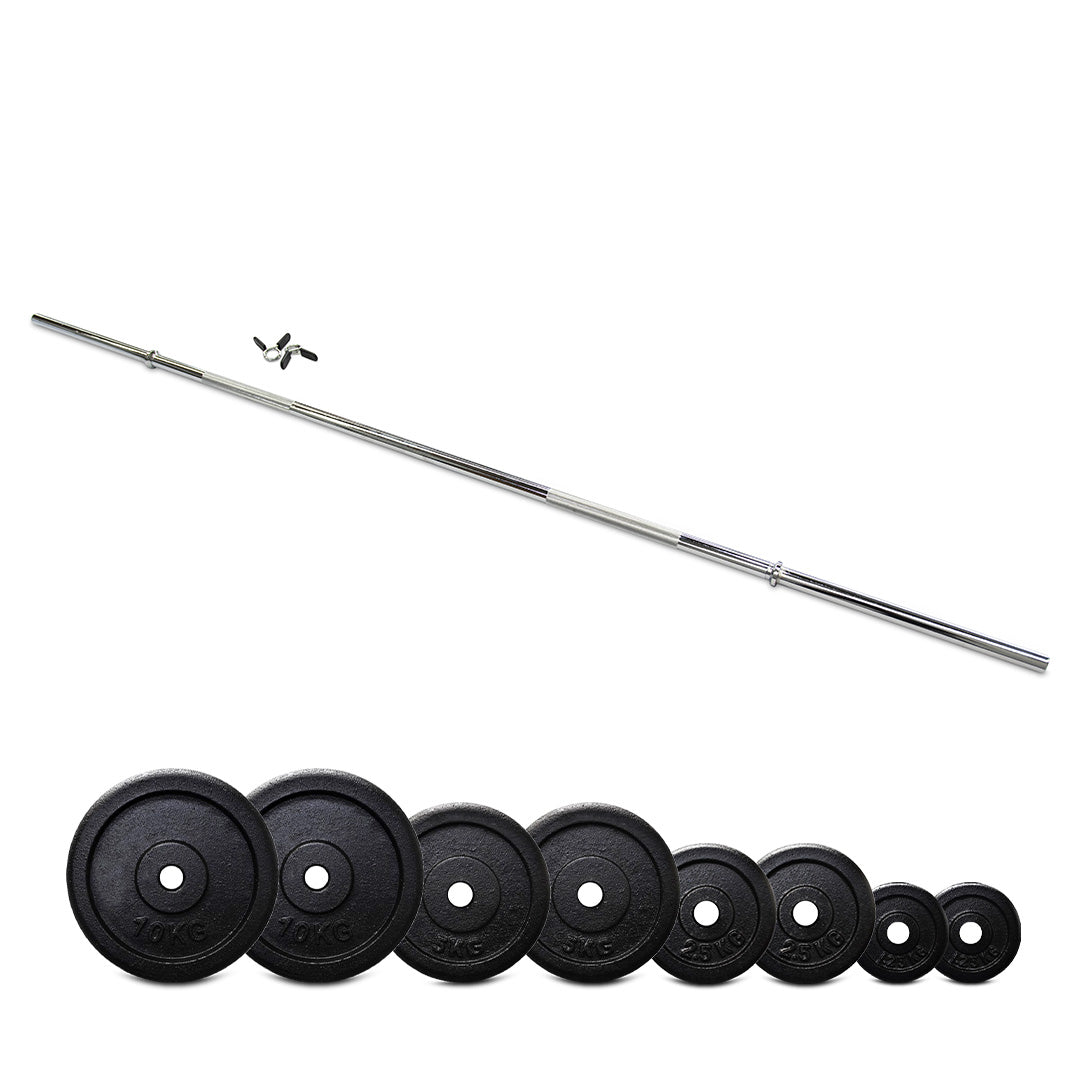
2.5kg, 5kg, 10kg |
Multiple pairs |
Exact assortment varies by package level |
|
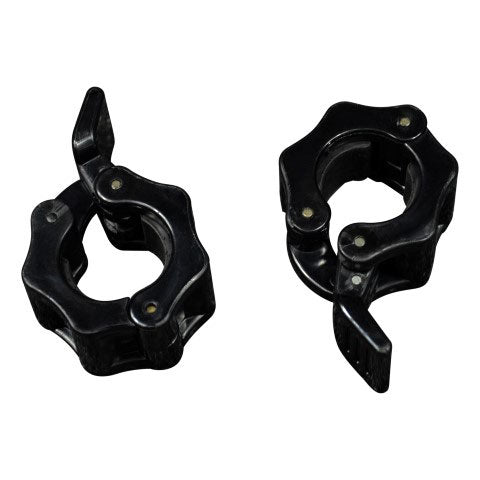
Spin-Lock Collars |
25mm fit, twist-on |
2 |
Secure plates, simple mechanism |
|
Floor Recommended |
Rubber matting optional |
As desired |
Protects floors and reduces noise |
Standard Vs Olympic: Cost + Value Comparison
Investment decisions should balance immediate affordability with long-term value. A $300 standard package seems attractive compared to a $700 Olympic package. However, consider the total cost of ownership over five years.
With a standard package, you'll eventually hit the weight capacity ceiling. At that point, you face a choice: stop progressing or buy completely new Olympic equipment. Many lifters find themselves reinvesting in Olympic plates and eventually an Olympic bar. The cumulative cost exceeds what they'd have paid buying Olympic from the start.
Conversely, some lifters never progress beyond standard package weight capacity. If you're training for general fitness, core strength, and functional movement rather than competitive strength sports, standard packages serve you indefinitely. You'll never need more weight or an Olympic setup.
Run the numbers: A standard package at $350 plus eventual Olympic upgrade at $600 equals $950. An Olympic package at $700 is cheaper and available immediately. But if you're a casual lifter, the standard package alone saves money with no upgrade necessary.
Standard Package: Progression Timeline
|
Training Month |
Body Weight Squat Multiple |
Bar Load Example |
Package Status |
|---|---|---|---|
|
Month 1 |
0.5x (warmup only) |
~30kg total |
Comfortable, building form |
|
Month 3 |
1x (body weight) |
80-85kg |
Progressing well, room remains |
|
Month 6 |
1.25x body weight |
95-105kg |
Approaching upper range |
|
Month 12+ |
1.5x+ body weight |
115kg+ needed |
May exceed package capacity |
Building a Home Gym with Standard Plates
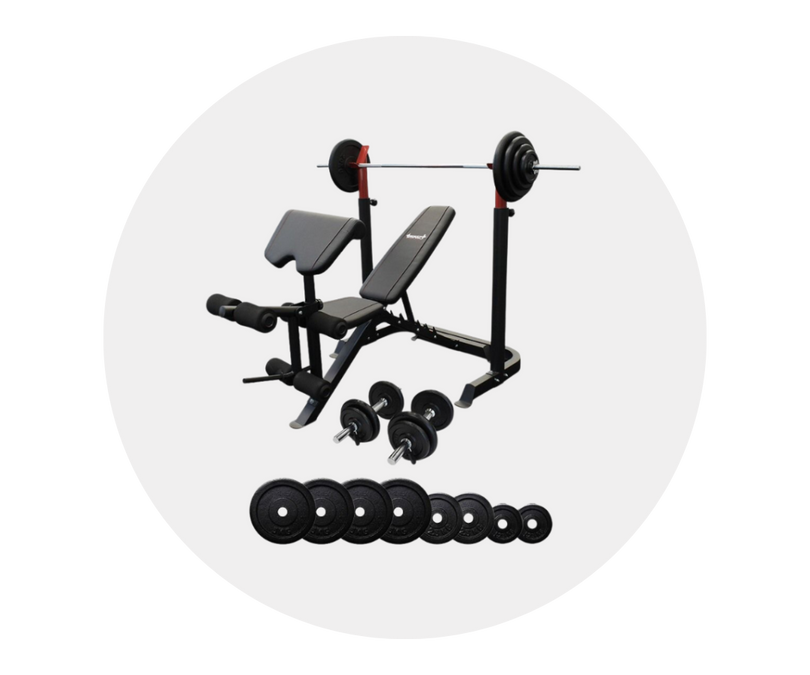
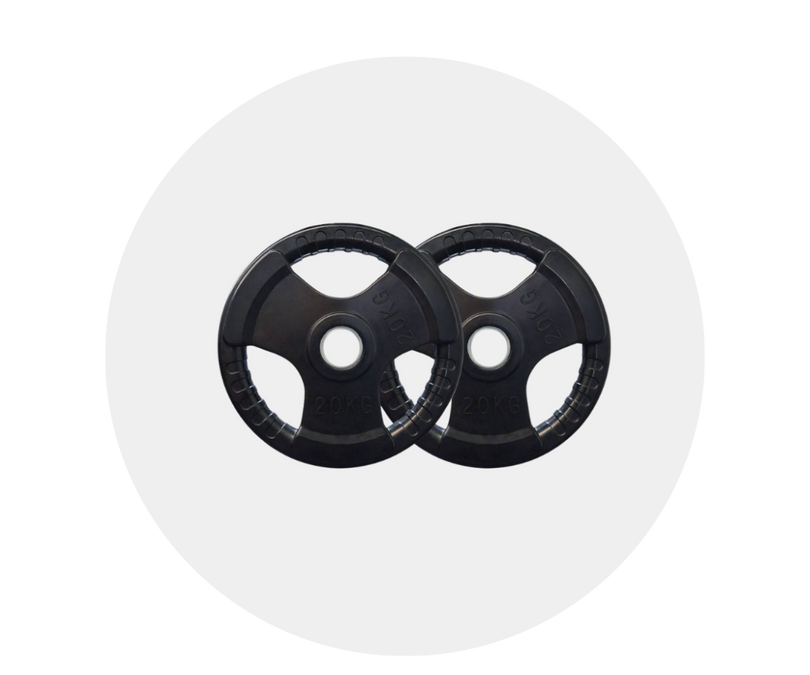
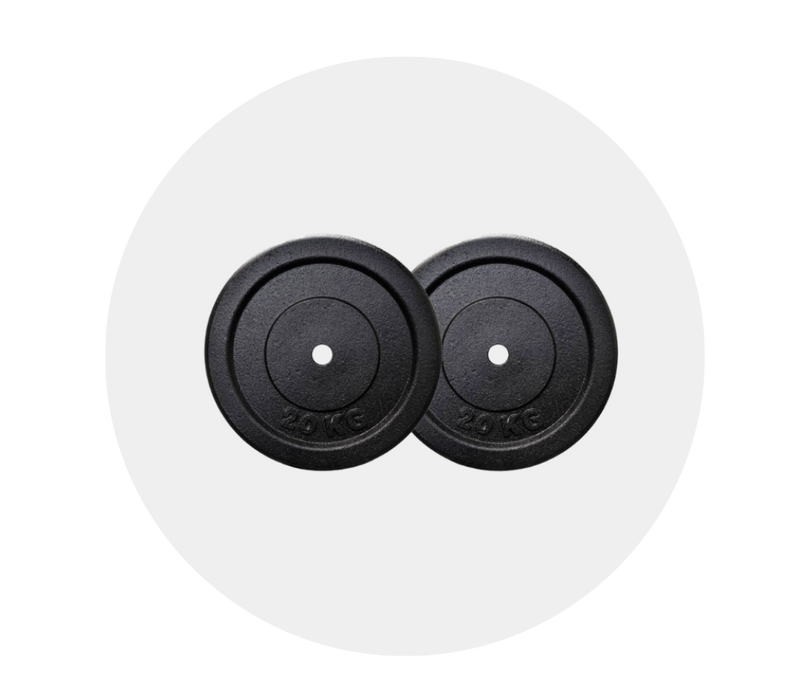
Start with: Our standard weight plates in 5, 10, and 15 lb denominations to begin training with proper progression.
Once you've committed to training, expand strategically. A quality weight bench (note: most benches accept both standard and Olympic bars with adapter sleeves) enables pressing movements from your standard bar. Flat benches support bench pressing, while adjustable benches add incline and decline options.
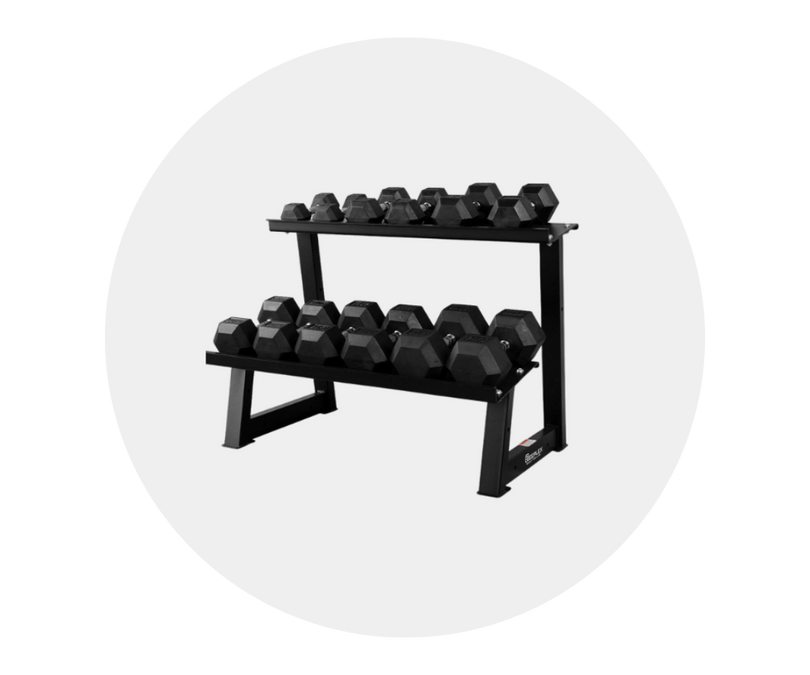
Next, dumbbells complement barbell training beautifully. They provide unilateral work, addressing strength imbalances and preventing injuries. Start with two pairs and gradually expand as your budget allows.
Consider squat racks for safety and exercise variety. Some racks accommodate standard bars; check before purchasing. A rack transforms squats and bench presses from standing movements into rack-based movements with safety arms.
Round out your space with gym flooring to protect your floors and reduce noise. This is often overlooked but dramatically improves your training experience, especially in shared living spaces or upper-floor apartments.
Expansion Plan for Standard Package Lifters
- Months 1-3: Learn proper form with your barbell and initial plates. Focus entirely on movement quality.
- Months 4-6: Add 5 and 10 lb plates to expand your loading options and continue progression.
- Months 7-12: Invest in dumbbells and a bench if planning longer-term training.
- Year 2: Evaluate whether you need Olympic equipment or remain satisfied with standard bar progression.
- Ongoing: Add accessories like floor mats, mirrors, and storage solutions based on available space and budget.
Standard Barbell Exercises + Movement Patterns
|
Exercise |
Movement Pattern |
Starting Weight |
Progression Path |
|---|---|---|---|
|
Squats |
Lower body bilateral |
Bar only: ~7kg |
Add 2.5-5kg per workout |
|
Deadlifts |
Hip hinge pattern |
Bar only: ~7kg |
Add 2.5-5kg every 1-2 weeks |
|
Bench Press |
Upper body push |
Bar only: ~7kg |
Progresses slower than lower body |
|
Rows |
Upper body pull |
30-40kg |
Match or exceed bench press gradually |
Space Requirements
Standard barbells demand significantly less space than Olympic bars due to smaller plate sizes and lighter overall weight. Most home spaces can accommodate a standard barbell gym with minimal layout planning.
For basic barbell work without a rack, you need approximately 2 meters of clear floor space. This allows safe squat movement in any direction. Add 0.5 meters on each side if you prefer additional safety margin. Bump a wall or equipment, and you're still training safely.
If you add a small squat rack or power rack to your standard setup, allocate approximately 1.5 by 2 meters for the structure itself, plus 1 meter clearance in front for jumping or stepping. This fits comfortably in most home gyms, spare bedrooms, or garage corners.
Plate storage requires minimal footprint. A standard plate tree or wall-mounted storage system occupies roughly 60cm by 30cm of floor space. Wall-mounted options save even more space, perfect for apartments or tight quarters.
Maintenance + Care
- Moisture protection: Standard bars are typically bare steel and susceptible to rust. Wipe your bar after training and store in a dry location.
- Collar care: Spin-lock collars occasionally need tightening. Check before each session to ensure plates won't slip during exercise.
- Plate inspection: Regularly check plates for cracks or damage. Damaged plates should be removed from service immediately.
- Knurling maintenance: The textured grip on your bar will darken and smooth over time. This is normal and doesn't affect functionality
- Sleeve movement: Sleeves should spin smoothly. If resistance increases, your bar may need light oil or cleaning to remove dust.
Training Programs for Standard Packages
Certain training methodologies align perfectly with standard barbell packages. These programs leverage the standard bar's strengths and work within its limitations.
Beginner Linear Progression programs like Starting Strength work wonderfully with standard packages. These programs emphasize three lifts: squats, deadlifts, and bench presses. You'll add small amounts of weight each session, and standard plates provide exactly the 5 and 10 lb increments these programs require.
General fitness programs focused on functional strength benefit from standard bars. If your goal is overall health, core stability, and movement quality rather than competitive strength metrics, standard packages support this perfectly.
Intermediate strength training programs work well until you approach the standard bar's weight capacity. At that point, you may want to consider Olympic equipment, but you'll have months or years of productive training first.
When to Upgrade from Standard to Olympic
Deciding whether to upgrade involves assessing your training trajectory, goals, and investment capacity. Several clear signals indicate upgrade timing.
First, if you're consistently lifting near or at your standard package's weight capacity, you've outgrown it. Hitting a weight ceiling prevents continued progression, and buying heavier plates for a standard bar becomes expensive and awkward.
Second, if your training goals have shifted toward strength sports like powerlifting or CrossFit, Olympic equipment is necessary. You'll want the Olympic bar for sport-specific practice and familiarity with competition equipment.
Third, if you're training with a partner who uses Olympic equipment or planning to train at a commercial gym, learning on Olympic bars now prevents future adjustment periods.
Finally, if your budget allows and you're confident in long-term training consistency, Olympic equipment is the superior long-term investment despite higher initial cost.
Standard Barbell Safety: Lifting Without a Rack
Most standard barbell package users begin training without a rack, utilizing their floor and body positioning for safety. Understanding how to safely perform major lifts without specialized equipment prevents injuries and builds confidence in your training setup. Floor-based training is completely legitimate and has produced countless strong lifters.
Deadlifts and rows present no special safety concerns from the floor. Deadlifts begin from the ground naturally, so no rack is needed or beneficial. Barbell rows from the floor safely when you maintain proper form: neutral spine, chest forward, and controlled descent. You won't drop the bar or accidentally fall backward. Both movements are floor-friendly and can be trained with maximum intensity immediately.
Experienced lifters often prefer floor-based deadlifts because the constant floor contact eliminates any bounce or rebound, requiring pure strength throughout the movement.
Barbell curls obviously benefit from floor training since the bar never goes above chest height. Tricep extensions using a standard barbell also work safely on the floor. Lying tricep extensions with a bar held behind your head, though risky without a spotter, can be performed safely on a flat bench or the floor by controlling the movement and using moderate weight.
The key principle is never training to true failure when you're alone without safety equipment. Train hard, stop before failure, and you eliminate 99 percent of potential problems.
Bench press without a rack requires either a bench or floor press variation. Floor press removes the bottom range of motion but provides complete safety when training alone. From a supine position on the floor, press the bar from chest level up to arm extension. Your elbows hit the floor if you fail, supporting your safety. Floor pressing is a legitimate variation used by powerlifters and entirely valid for strength development. The reduced range of motion trains strength in the lockout position, a highly transferable skill. If you have a bench, you can bench press from it safely if you keep weights moderate and don't attempt maximum efforts alone.
Squats without a rack require proper exit strategy if you fail. Front squats, where the bar rests on your shoulders and you step forward when fatigued, position you safely
If your legs fail during a front squat, you step forward and reset. Back squats are riskier without a rack if you attempt very heavy loads alone. The safest approach: keep back squats submaximal when training alone without safety equipment.
Perform sets of five to eight reps, stop one or two reps short of failure, and never attempt one-rep maxes without safety arms or a spotter. This isn't weakness; it's intelligence. Getting stuck under a heavy barbell with nobody present is a genuine emergency waiting to happen.
Beginner Programming for Standard Barbell Training
A three-day per week full-body training structure provides the perfect framework for standard barbell training. Monday, Wednesday, and Friday spacing gives your body two days between sessions for recovery, essential for beginners still developing work capacity and strength. This frequency exposes you to compound movements frequently enough to drive rapid strength gains without excessive fatigue.
The core lifts should form your foundation: back squat, deadlift, bench press, barbell row, and overhead press. Your Monday session might include squats and rows. Wednesday could feature deadlifts and bench press. Friday rounds out with squats again and overhead press. The specific arrangement matters less than hitting each movement regularly. This five-lift rotation develops balanced strength across your entire body while remaining manageable for beginners.
Progressive overload remains simple during early training. Every session, you add small weight increments if your lifts felt strong the previous session. For lower body movements, add 2.5kg to 5kg per workout. For upper body presses, add 2.5kg per session. For rows, match your bench press progression. Rows should eventually exceed your bench press due to mechanical advantage. When you miss reps or your form degrades, that's your deload signal. Reduce total volume by 10-20 percent, maintain intensity, and rest fully. Usually, one deload week every four to six weeks suffices for beginners.
Warm-up sets matter tremendously but don't require complex programming. Always begin with just the bar, performing five reps. Add approximately 20 to 30 percent of your working weight and perform five reps. If performing multiple work sets, add another 20-30 percent and do three reps. Then perform your main working sets at target weight. This ten-minute warm-up routine prevents injury, preps your nervous system, and accumulates beneficial volume without excessive fatigue.
Your standard barbell package provides everything needed to execute this program immediately. Five plates allow you to load, deload, and reload for different exercises across your session. The bar, plates, and collars are 100 percent sufficient for months of productive training. You'll see consistent strength gains, body composition improvements, and mental toughness development with zero additional equipment. Simplicity combined with consistency beats complexity every time.
Ready to Master the Fundamentals?
Stop overthinking. A standard barbell package is the perfect entry point for your strength training journey. You'll learn proper form, build foundational strength, and discover whether serious lifting aligns with your goals. No expensive Olympic setup required yet.
Our standard packages are complete solutions. Everything you need arrives ready to use. No compatibility questions. No hunting for matching plates. No technical assembly. Unbox, place on clean flooring, and start changing your body today.
Your future strong self started exactly here: with a basic barbell and the decision to begin. That decision was brave. The execution is simple. Order your standard barbell package right now and join thousands of Australians who've transformed their fitness with these proven, affordable tools. Fast shipping Australia-wide means you're training within days.
Olympic Barbell Packages - FAQs
No. Standard plates have 25mm holes and Olympic bars have 50mm sleeves. They're not compatible. Keep this in mind when planning your equipment's future, as upgrading bars requires replacing all your plates.
Standard barbells typically weigh around 6.8kg. This weight is included in all package total weights we list, so you know your exact loading capacity from day one.
This varies by person and training goals. Beginners typically train 6-18 months on standard packages before approaching weight capacity. Casual fitness lifters may never outgrow them. Competitive lifters usually transition to Olympic bars within months as their strength increases.
No. Safety depends on proper form, appropriate weight selection, and controlled movement. A standard bar in safe hands is equally safe as an Olympic bar. The difference is load capacity, not safety.
Absolutely. In fact, starting with a standard bar is ideal for beginners. The lighter bar encourages focus on proper form rather than heavy loading. Build strength first, perfect technique second, add weight third.
Yes. Our packages include spin-lock collars to secure plates during exercise. Some aftermarket collars are available if you prefer clamp-style collars, but standard spin-locks are reliable and included.
Most standard barbells safely support 90-160kg total weight. Some specialised standard bars handle up to 180kg. Always check your specific bar's specifications to know your limits.
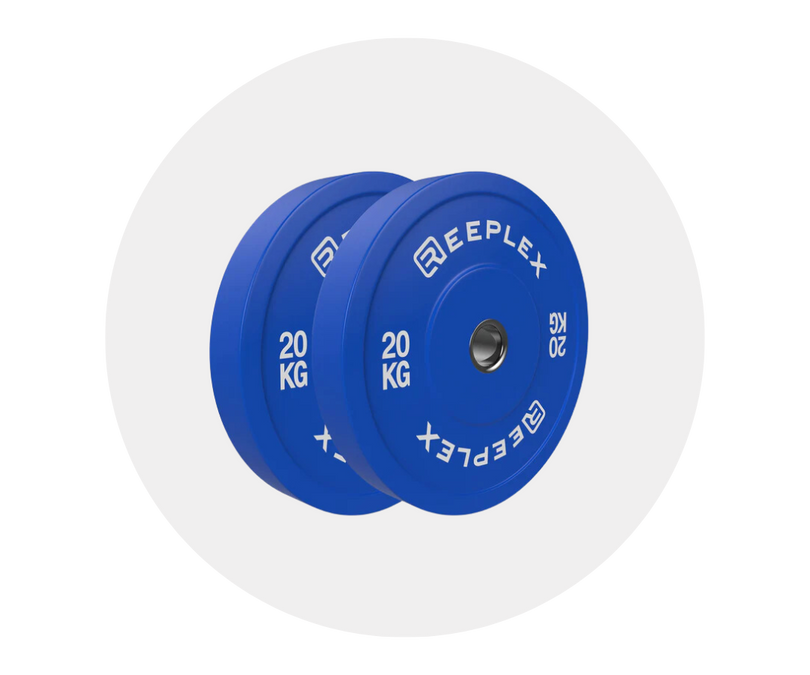
Bumper plates are unnecessary for standard barbells. These rubber-coated plates are designed for Olympic lifting and dropping from overhead. Standard training doesn't require this feature, so standard cast iron plates are perfectly appropriate.
You can perform the main compound lifts: squats, deadlifts, bench presses, and rows. Adding dumbbells greatly expands exercise variety, but a barbell alone provides sufficient stimulus for whole-body strength gains.
A quality standard package starts around $300-400. Adding a bench, dumbbells, and flooring brings a complete home gym to $600-1000. This remains significantly cheaper than outfitting with Olympic equipment.
Standard bars work for strength development but don't accommodate Olympic lifting movements well. CrossFit gyms use Olympic bars for good reason. That said, you can develop excellent fitness using a standard bar and supplementary equipment.
Exceeding weight capacity risks bar failure and potential injury. The bar may bend, sleeves may separate, or failure could be dramatic. Always respect weight limits and upgrade equipment as your strength increases. This is a feature, not a bug, keeping you safe.