





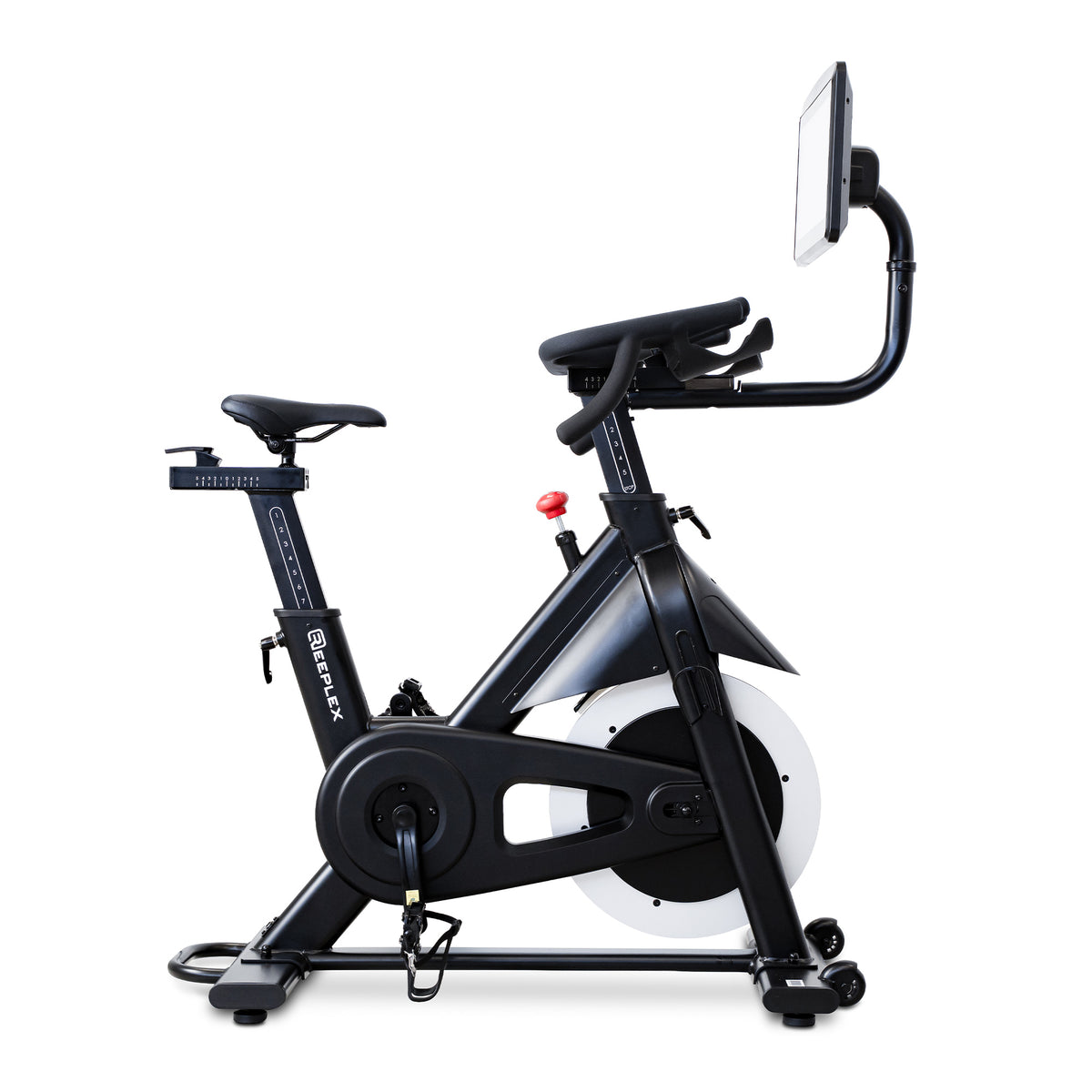
Spin Bikes: Built for Intensity
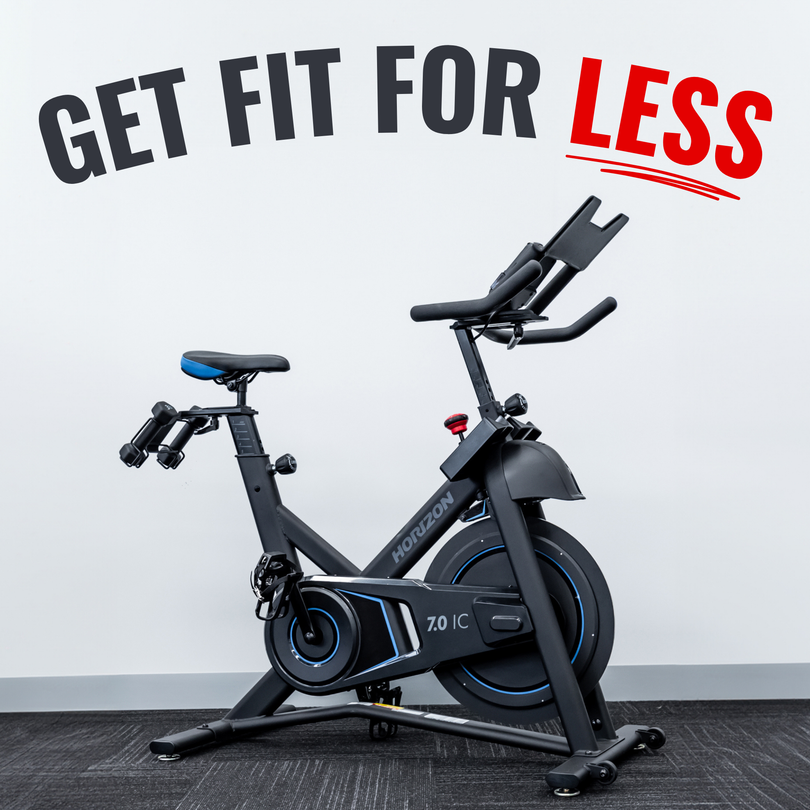
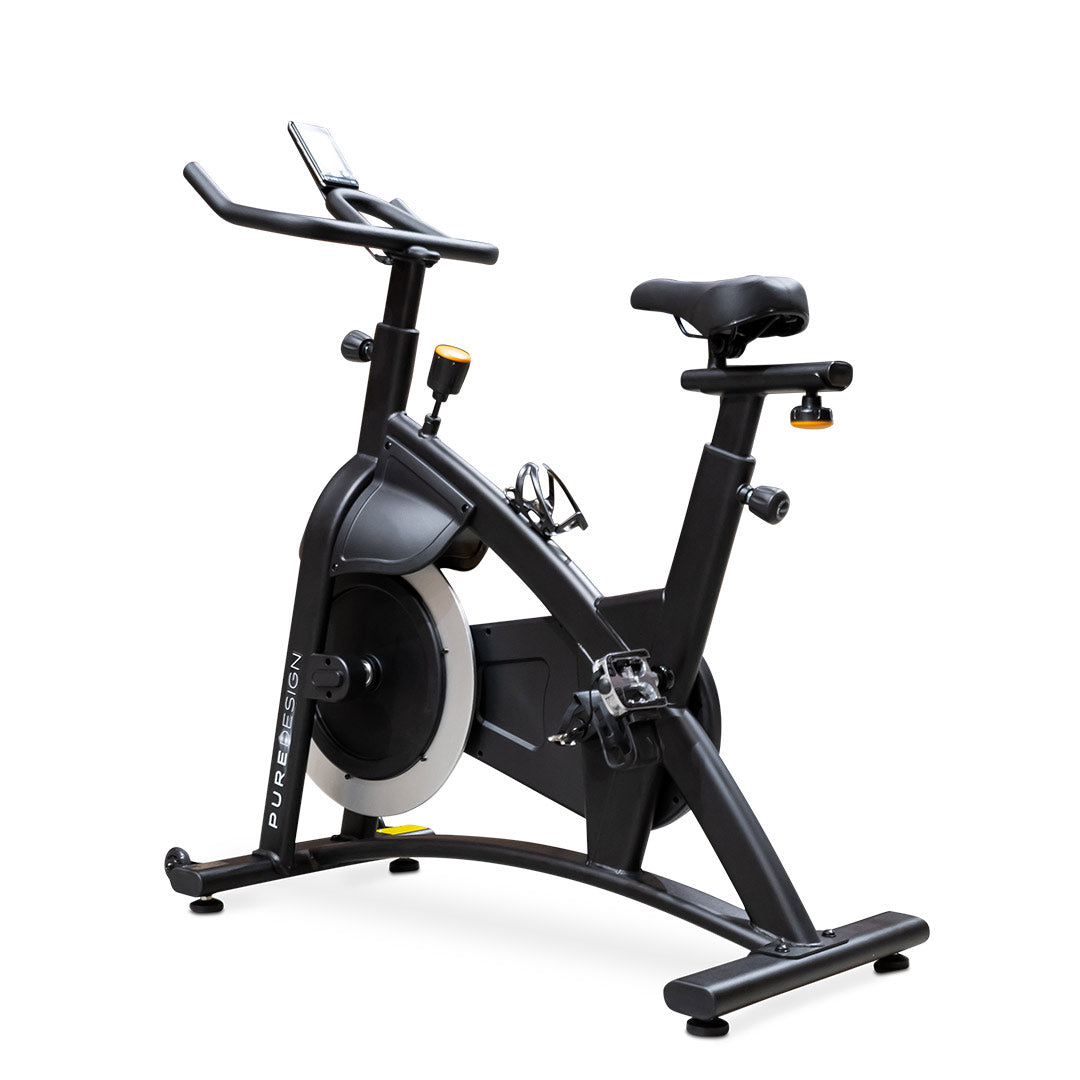
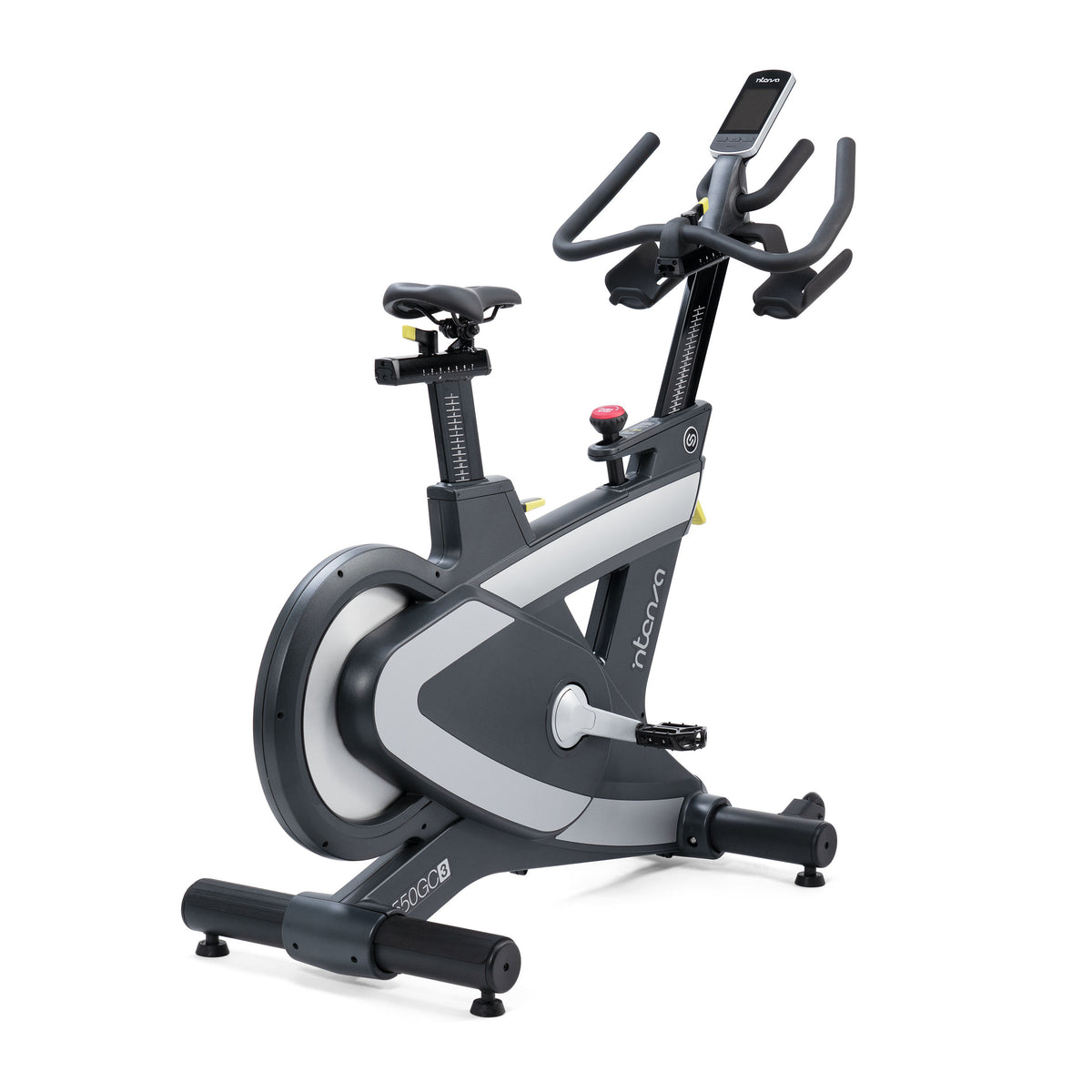
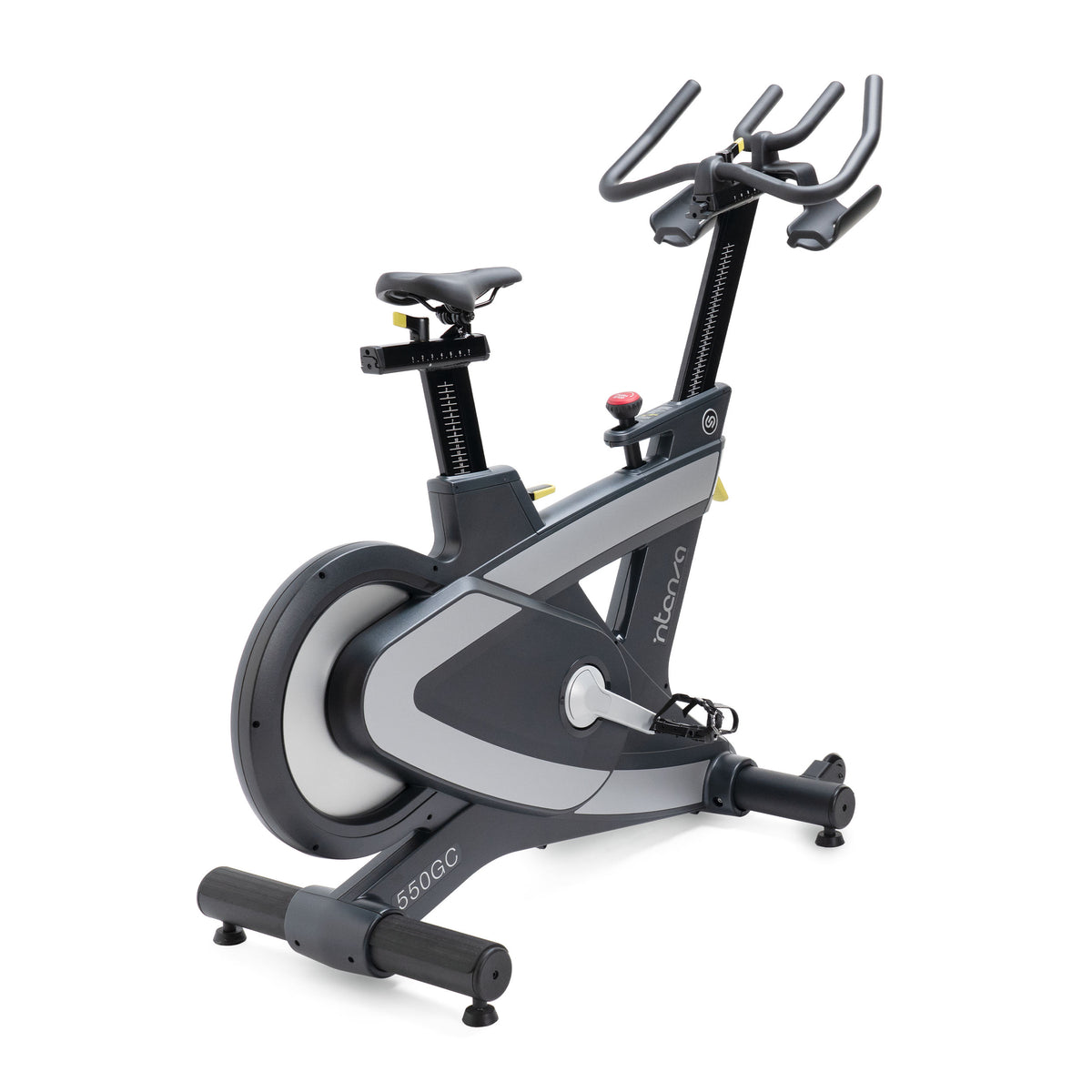
Spin bikes are indoor exercise bikes designed for high-intensity cardio training. Dynamo Fitness stocks a full range of spin bikes suited to home gyms, PT studios, and light commercial use, from entry-level belt-drive models to performance-grade magnetic resistance bikes.
Key facts:
- Resistance types: Magnetic (smooth and quiet) and friction (traditional feel) options available.
- Drive types: Belt drive is quieter and lower maintenance; chain drive gives a more authentic road feel.
- Flywheel weight: Heavier flywheels (15 kg+) deliver a smoother, more consistent pedal stroke.
- Best for: HIIT, endurance training, weight loss, and low-impact cardio for all fitness levels.
- Other bike types: Upright bikes, air bikes, and recumbent bikes also available for different training needs.
- Shipping: Fast Australia-wide shipping available on all orders.
Spin Bikes: Built for Intensity
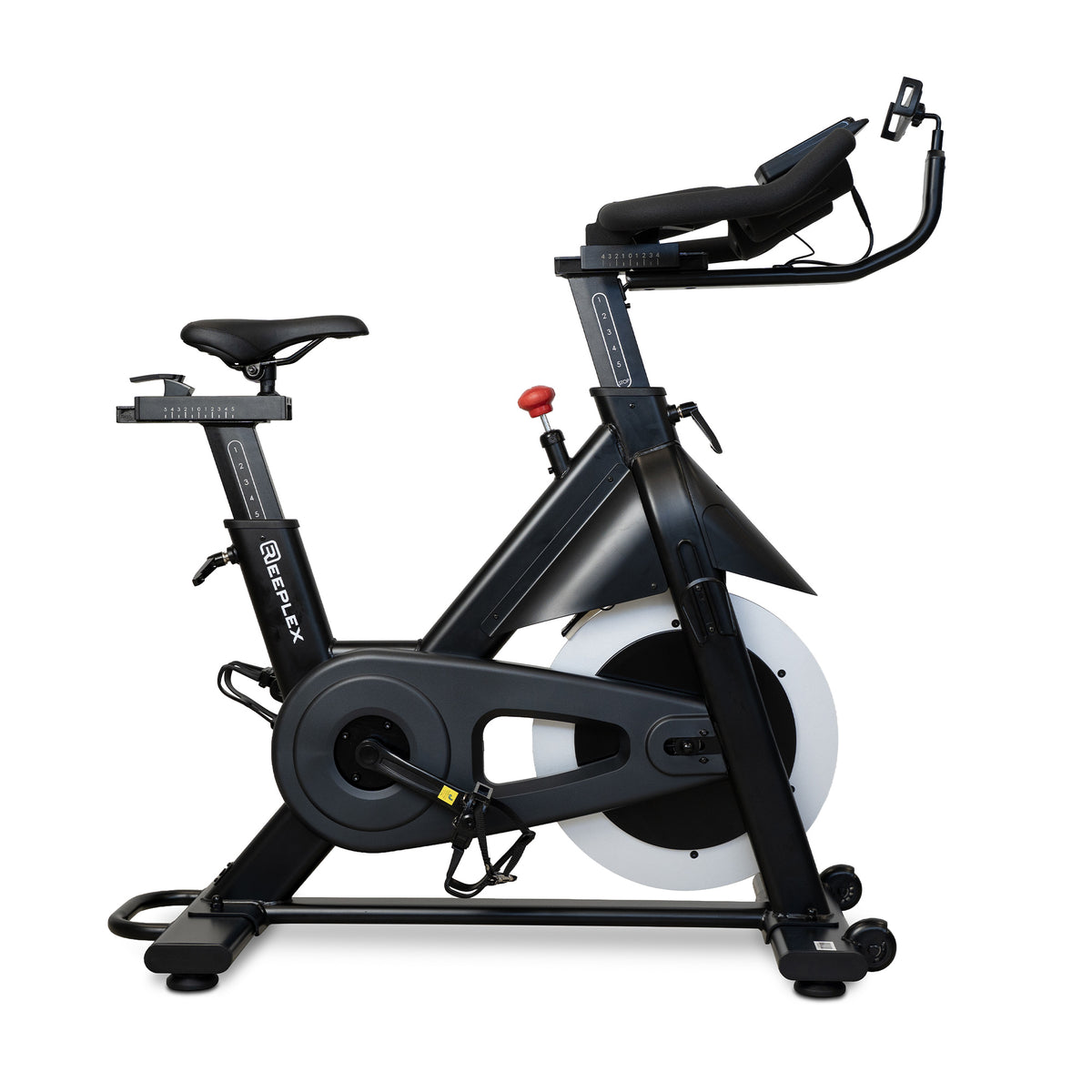
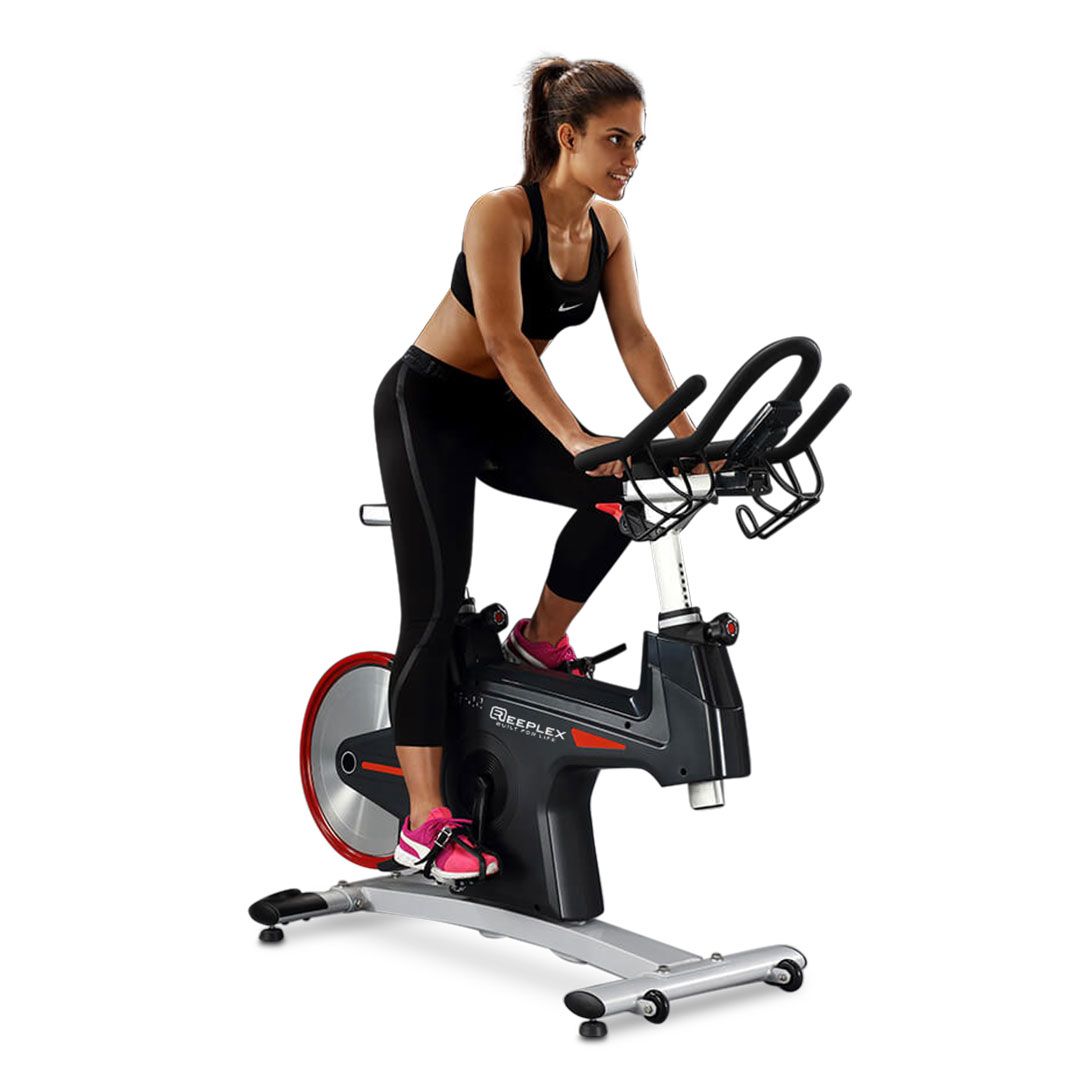
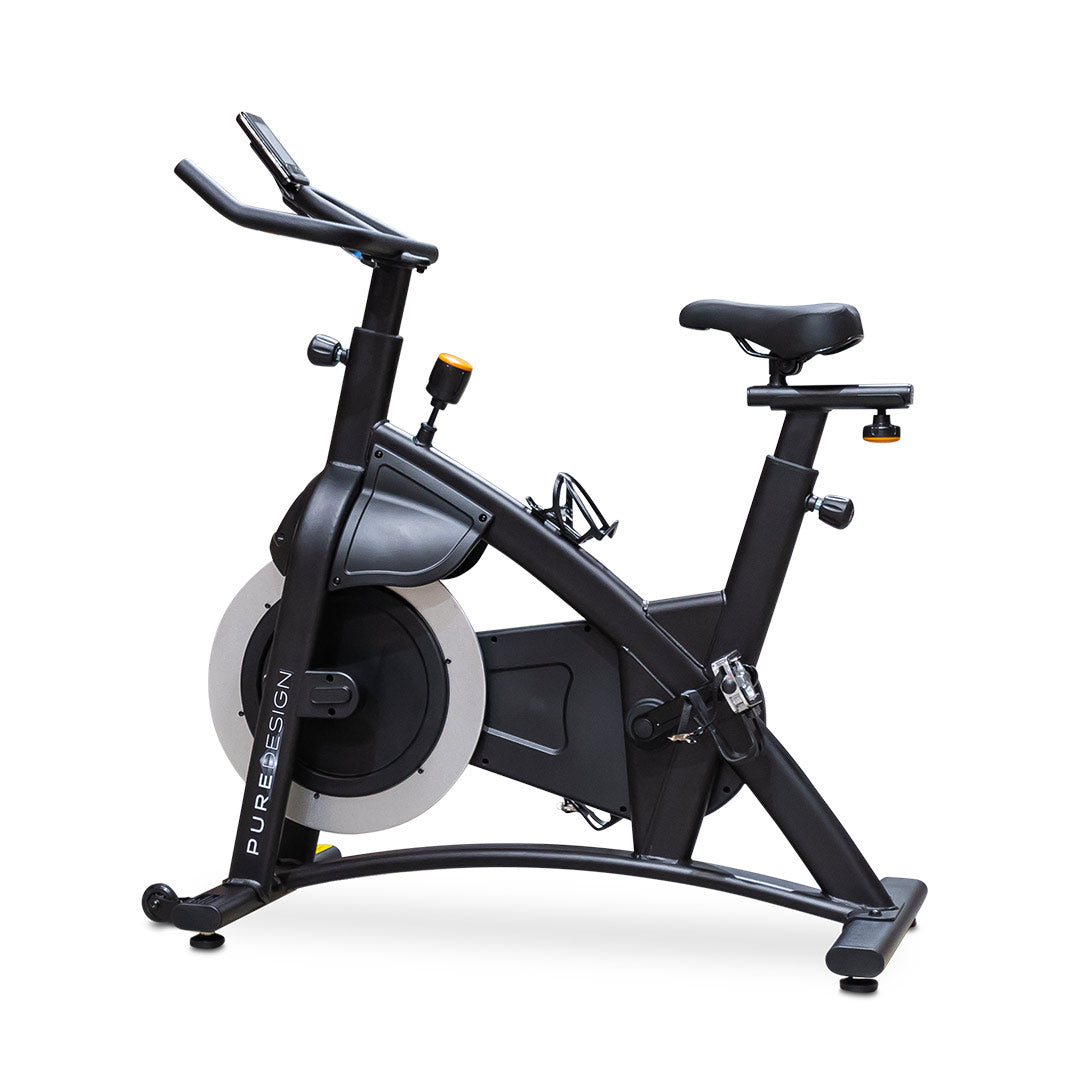
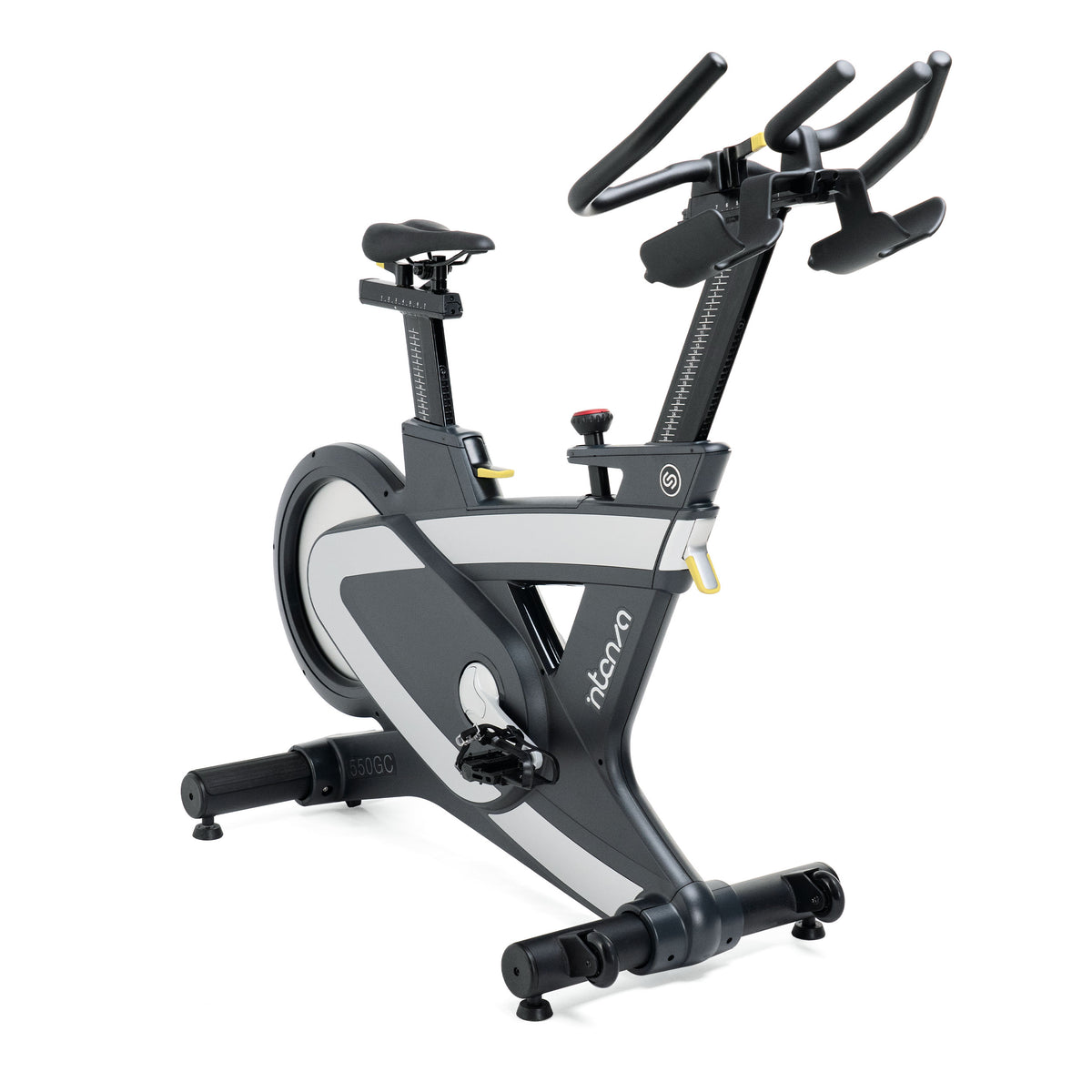
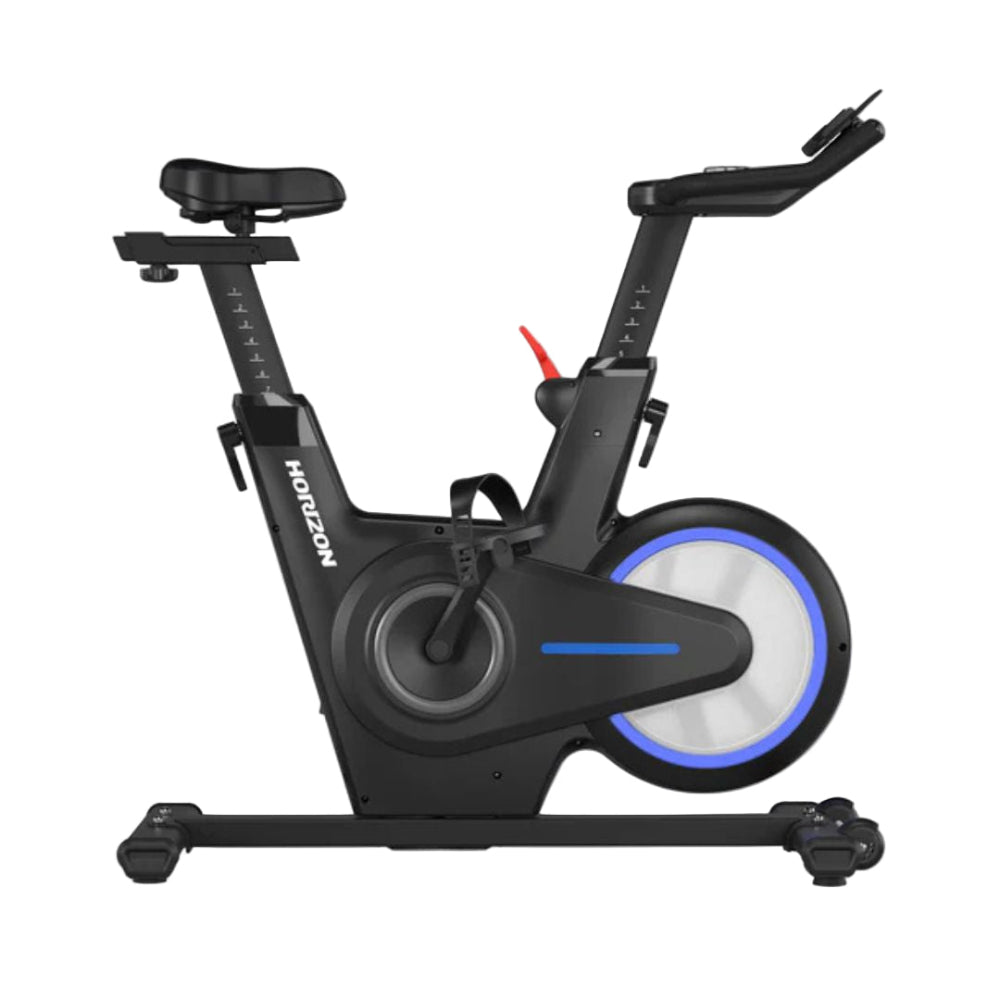
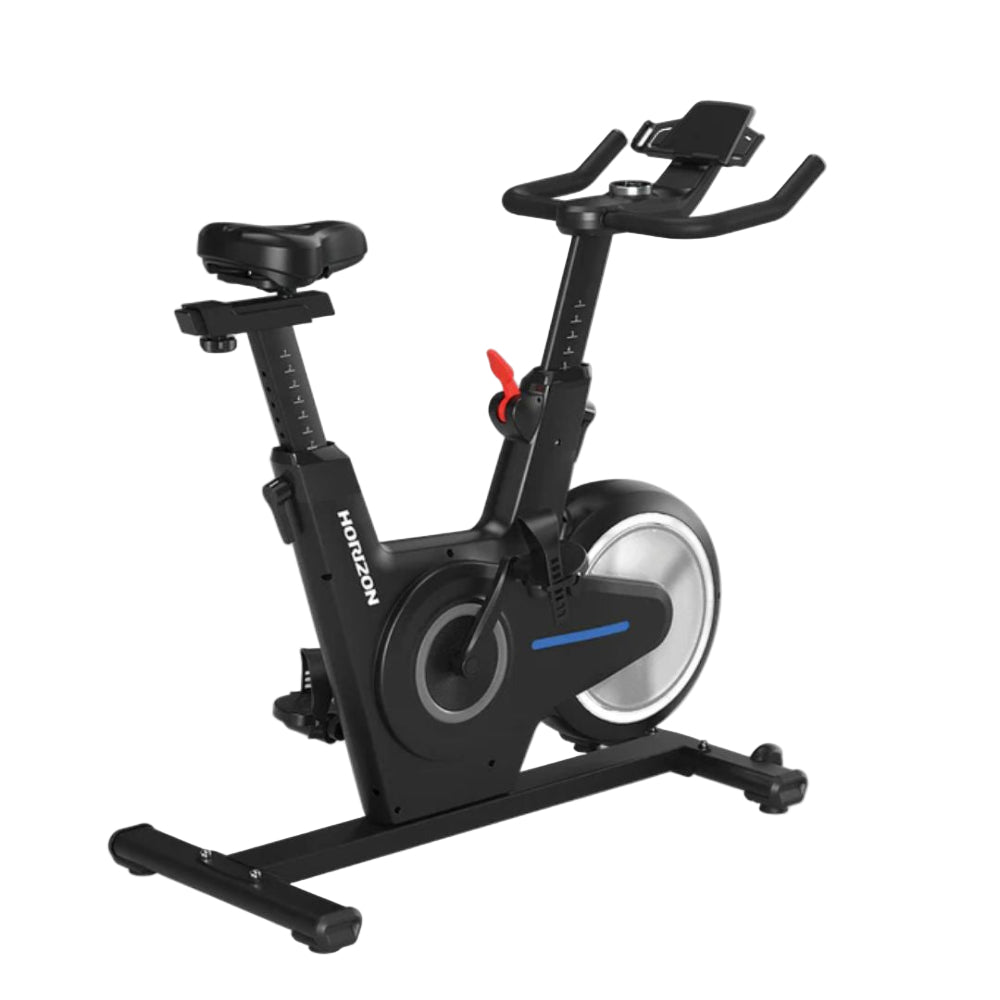
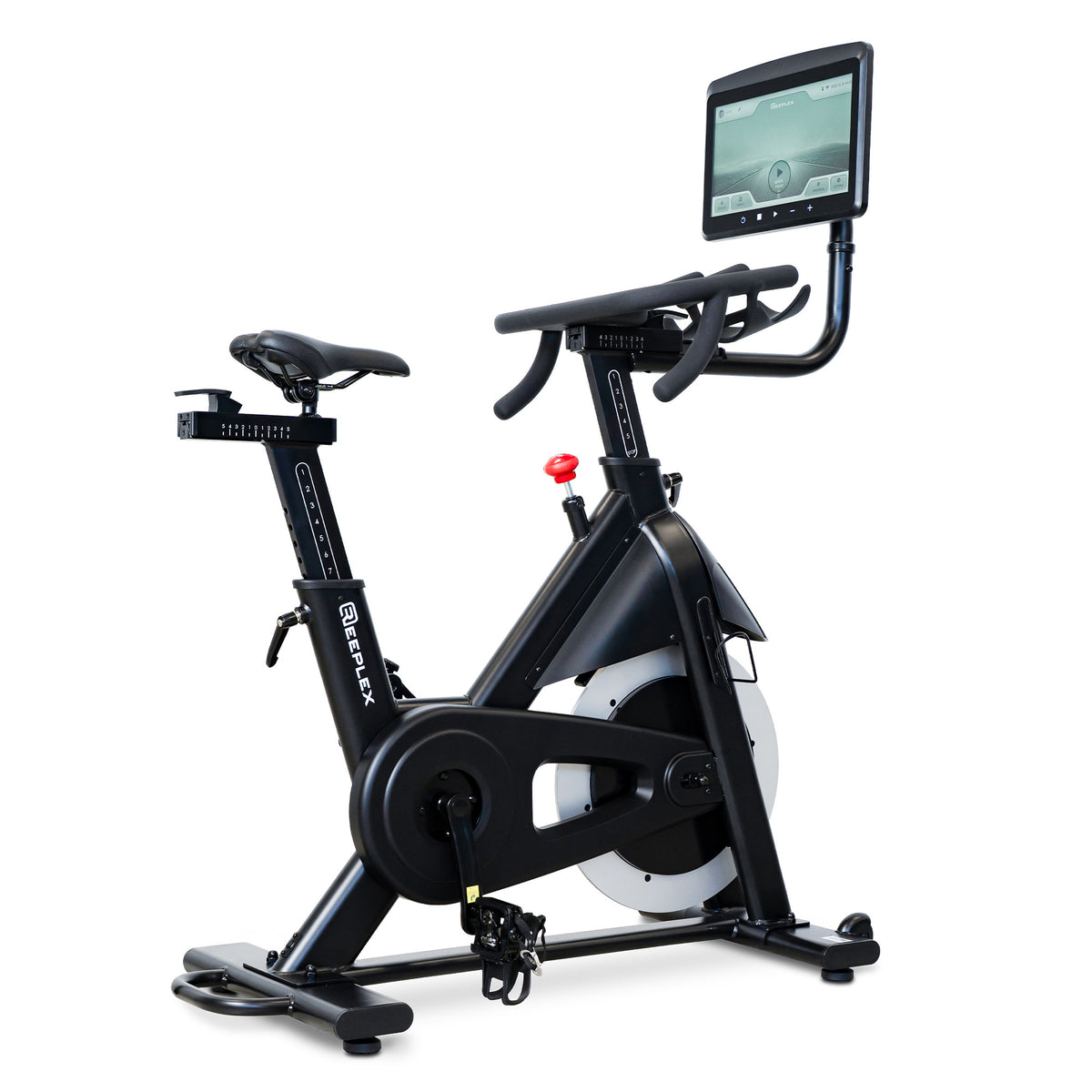
Spin bikes deliver one of the most effective cardio workouts available from a single piece of home gym equipment. Spin bikes are engineered for performance-focused training: they have a heavier flywheel, a more aggressive riding position, and resistance systems designed to handle high-intensity intervals as well as long steady-state rides.
The low-impact nature of cycling makes spin bikes suitable for users at every fitness level, from beginners working on cardiovascular health to competitive athletes maintaining training volume without the joint stress of running. You get a full lower-body workout, elevated heart rate, and serious calorie burn without high impact on your knees, hips, or ankles.
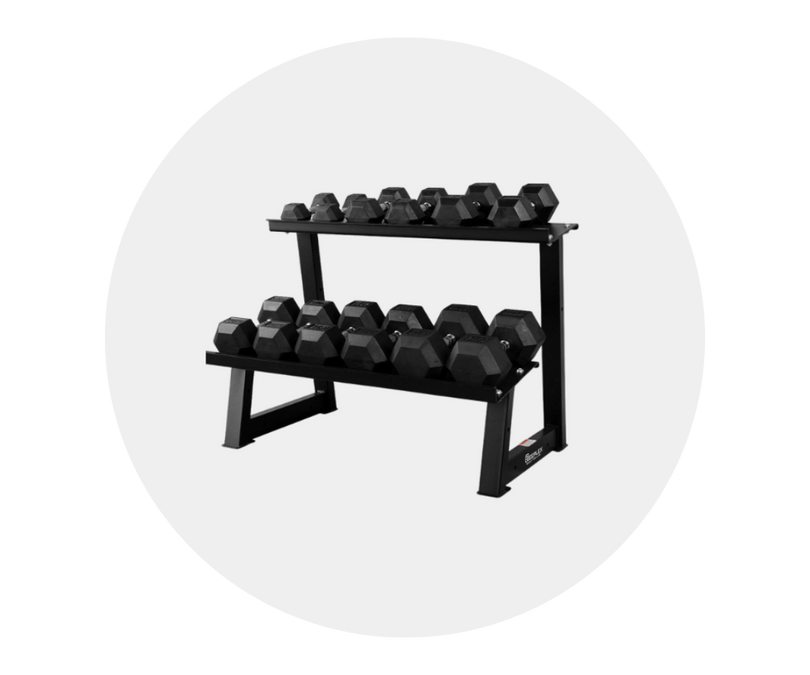
Pair a spin bike with a set of dumbbells and some gym flooring and you've got a compact cardio and strength setup that covers most training goals without taking over your entire space.
Indoor Exercise Bikes: The Different Types
Spin bikes are the core of the Dynamo Fitness indoor cycling range, but there are several other bike types available depending on your training goals, fitness level, and how you prefer to ride.
Spin Bikes
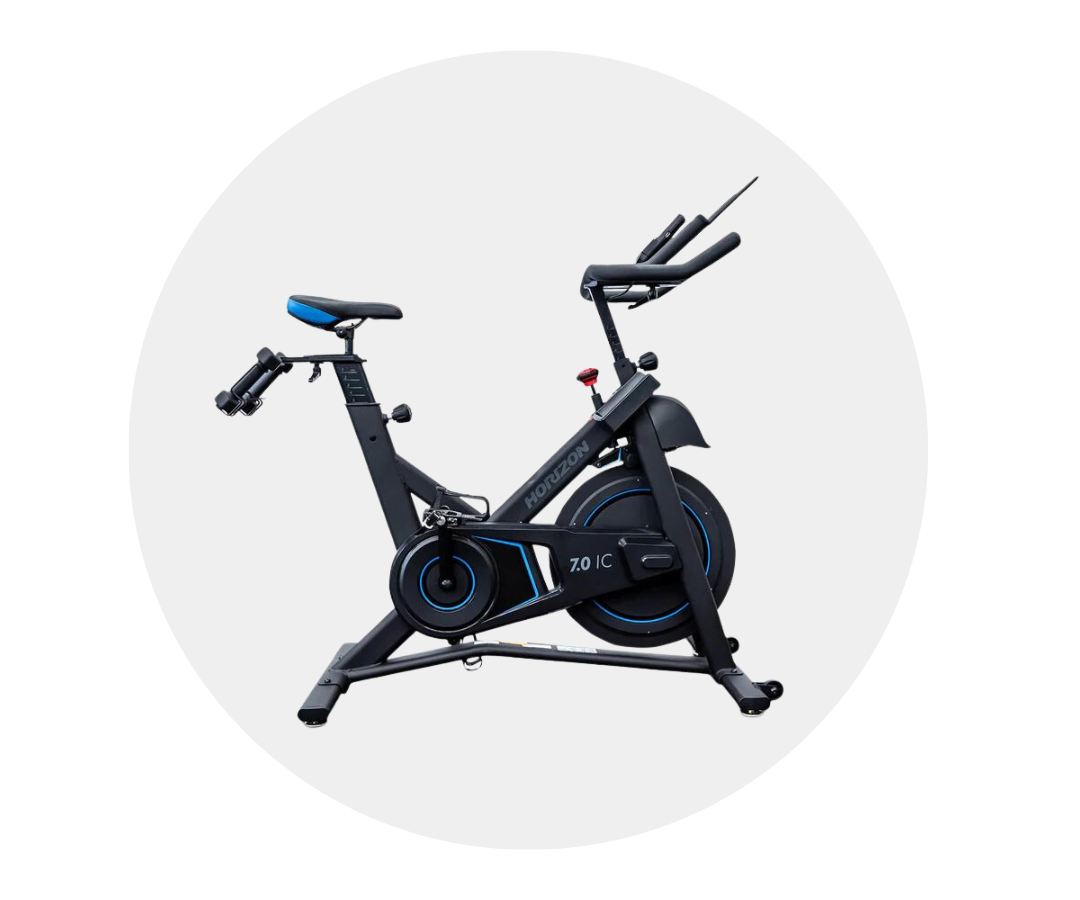
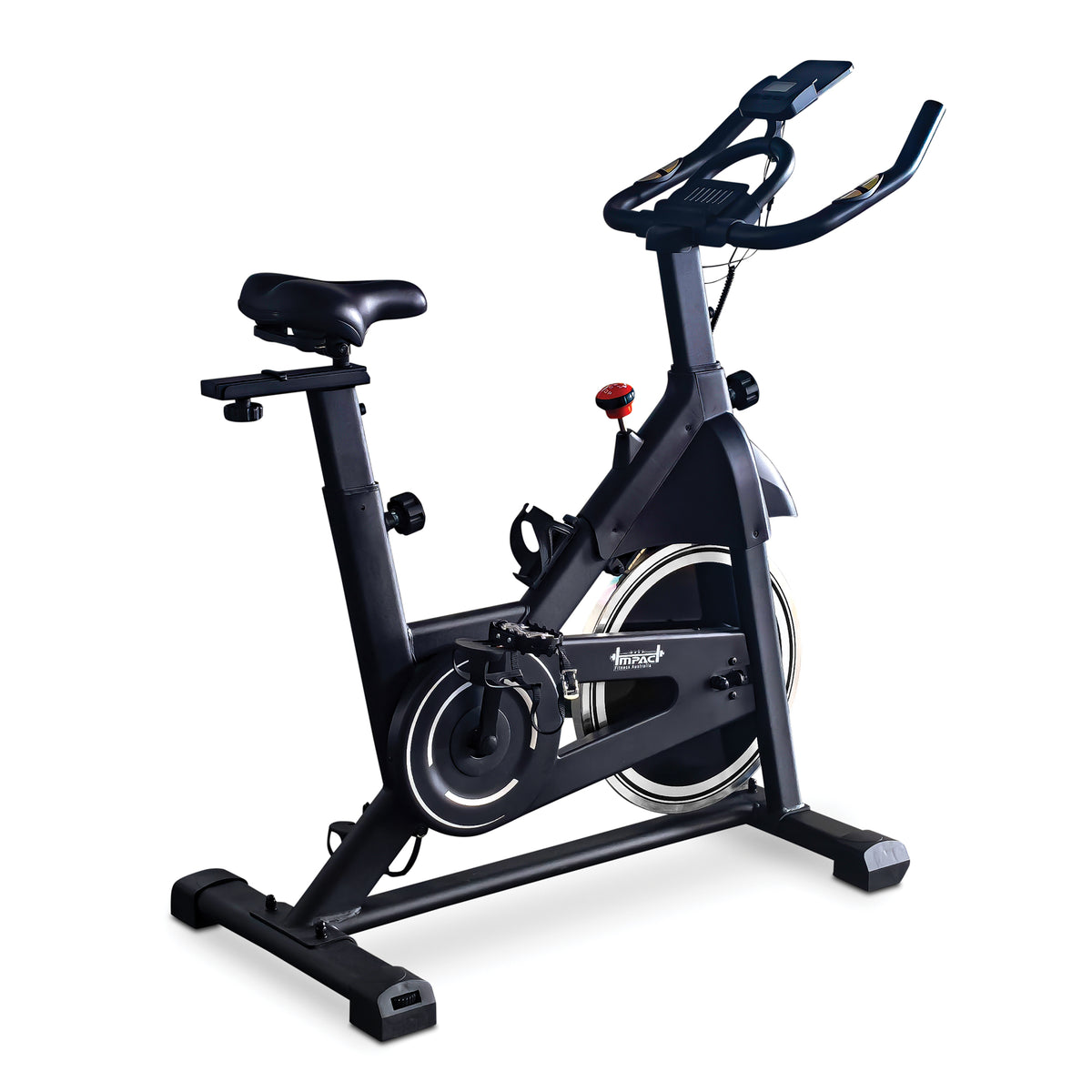
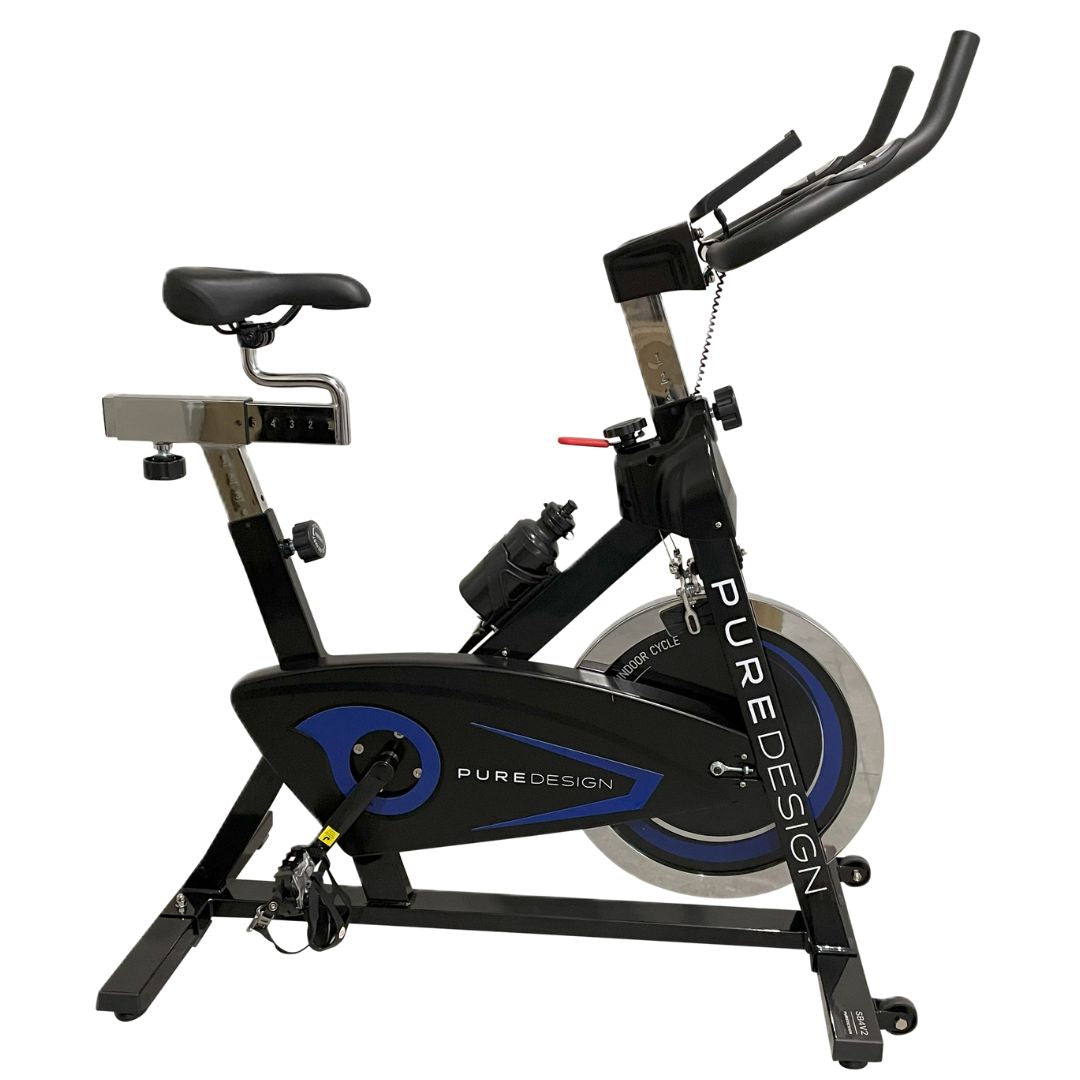
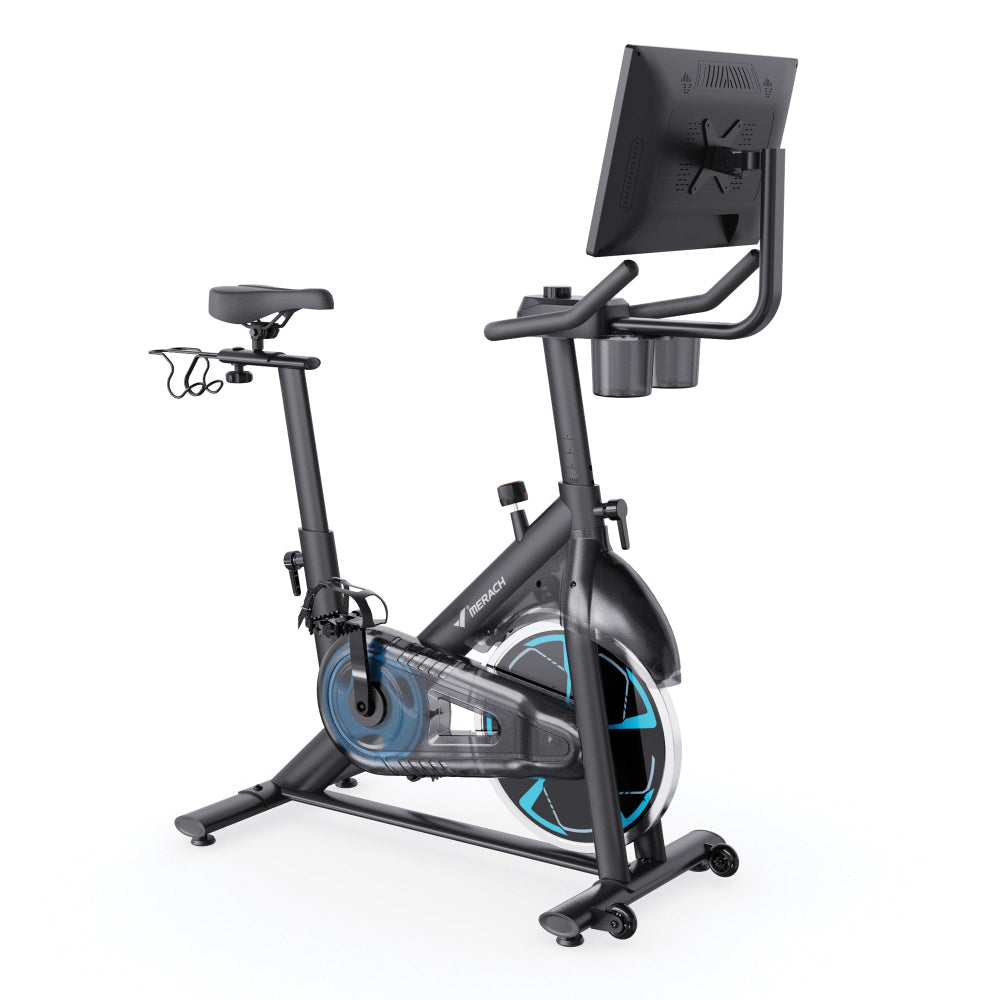
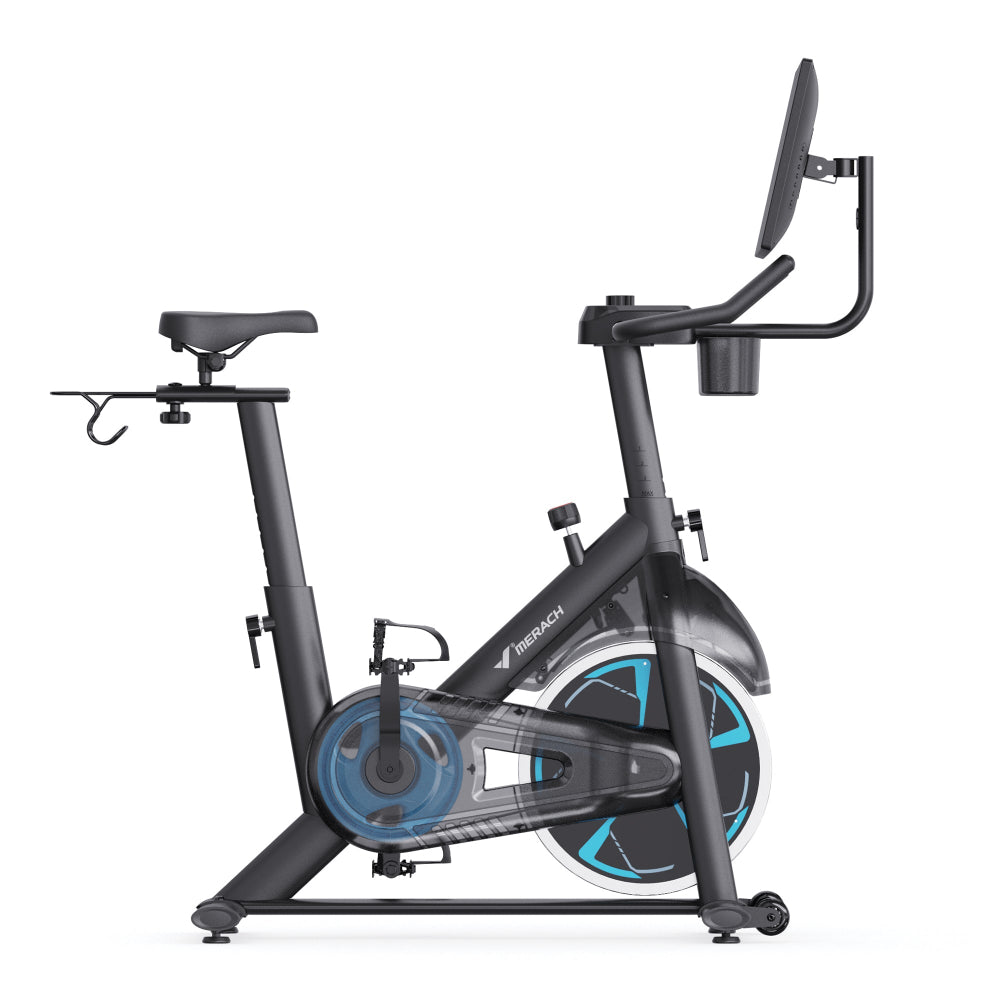
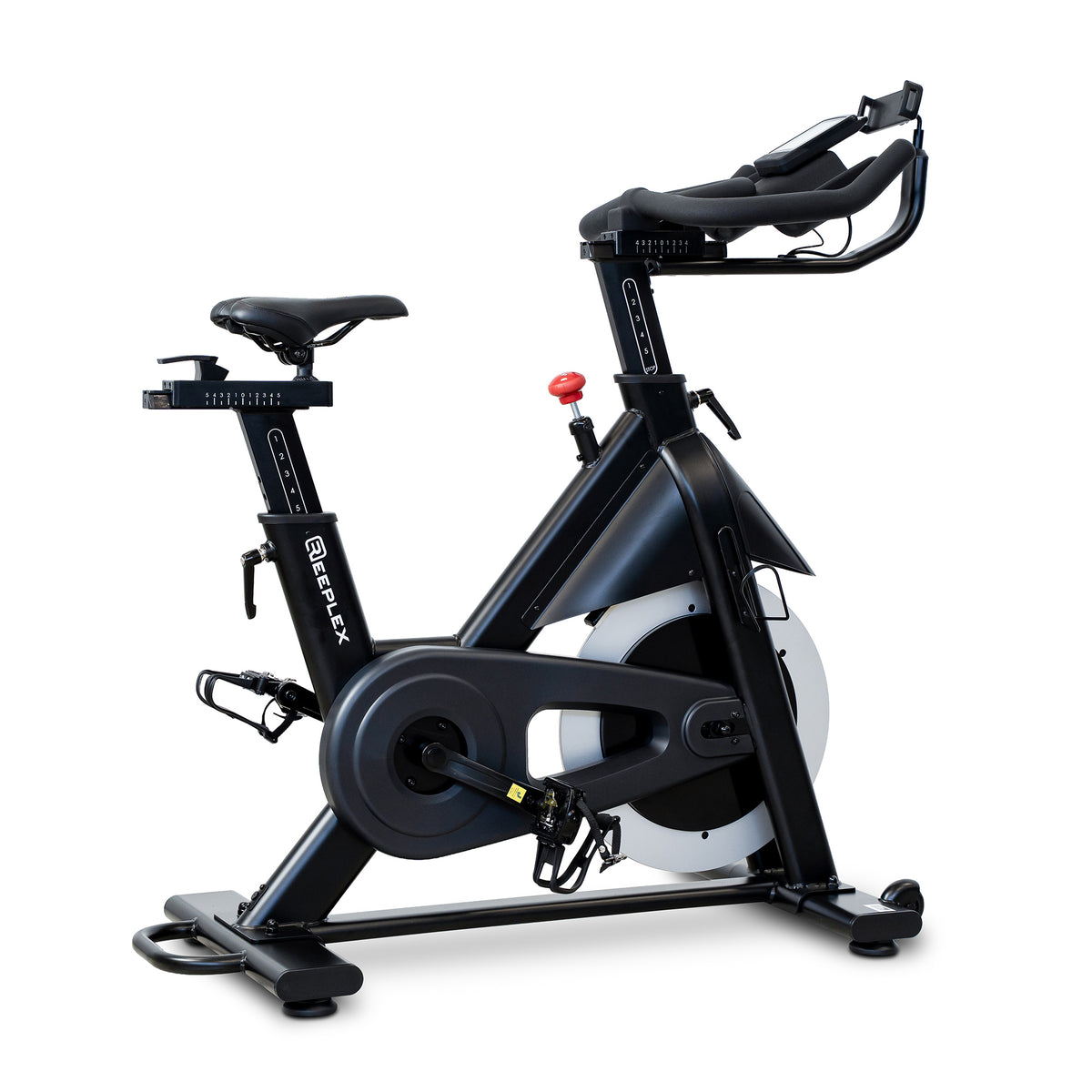
Spin bikes use a fixed flywheel connected directly to the pedals, which means the pedals keep moving even when you stop pedaling. This teaches a smooth, consistent pedal stroke and more closely replicates outdoor road cycling. They're the preferred choice for high-intensity interval training, endurance sessions, and cycling-specific conditioning work. Most models are adjustable for seat height, handlebar height, and fore-aft position to suit a range of rider heights.
Exercise Bikes
Our broader exercise bikes range covers all indoor cycling variants. Check this page if you're not sure which bike type fits your needs and want to compare across all available options.
Upright Bikes
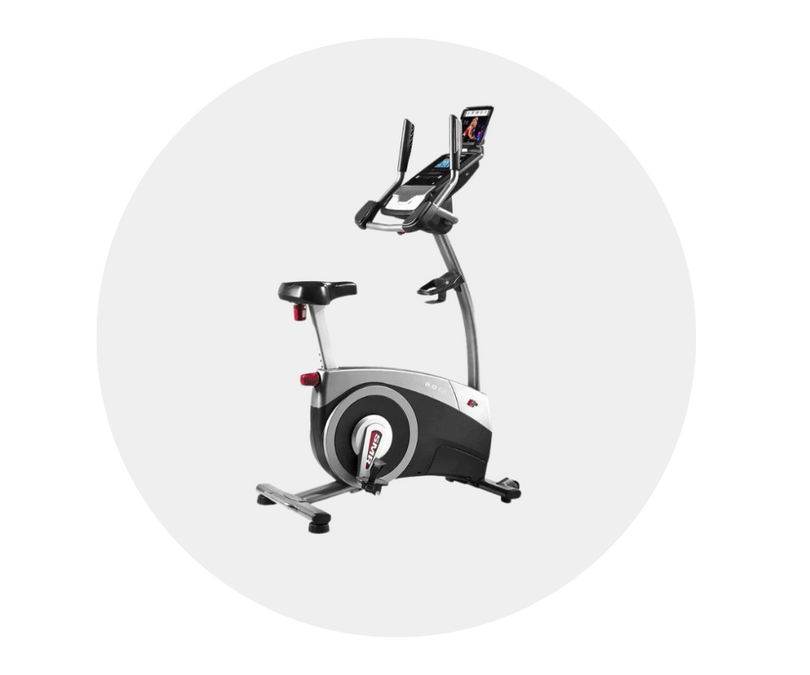
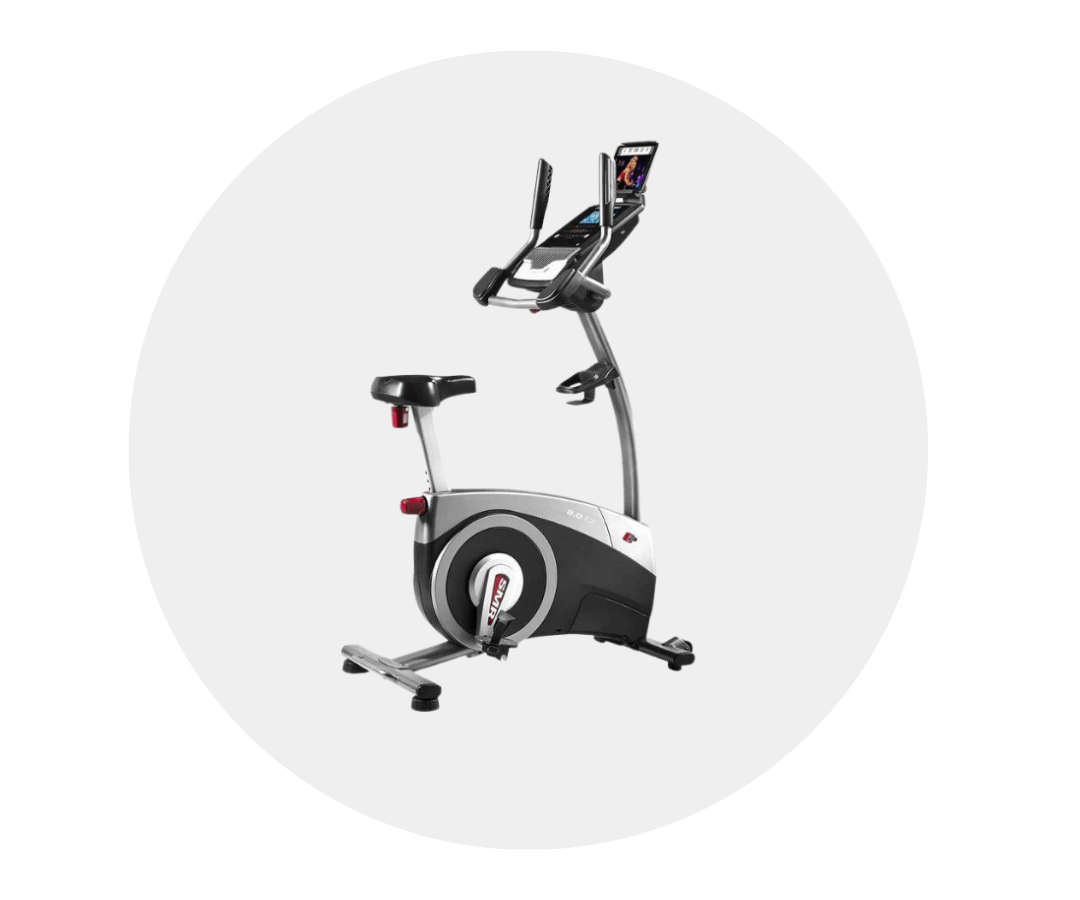
Upright bikes sit in a more traditional cycling position, similar to a standard bicycle. They're a popular choice for general cardio fitness and are typically more comfortable for casual use than a spin bike's forward-leaning position.
Air Bikes
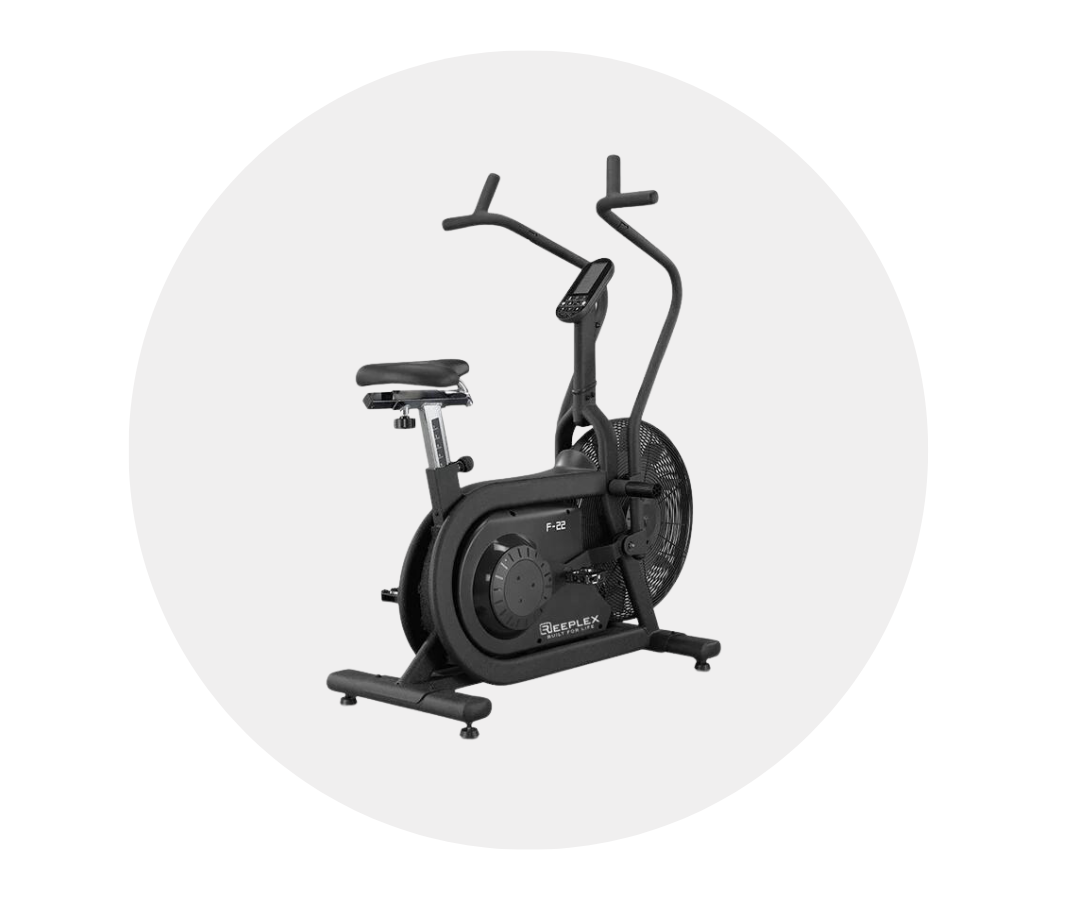
Air bikes use a large fan as resistance, meaning the harder you pedal, the greater the resistance. They also feature moving handlebars for a full upper-body workout. Air bikes are a staple in functional fitness and CrossFit-style training.
Recumbent Bikes
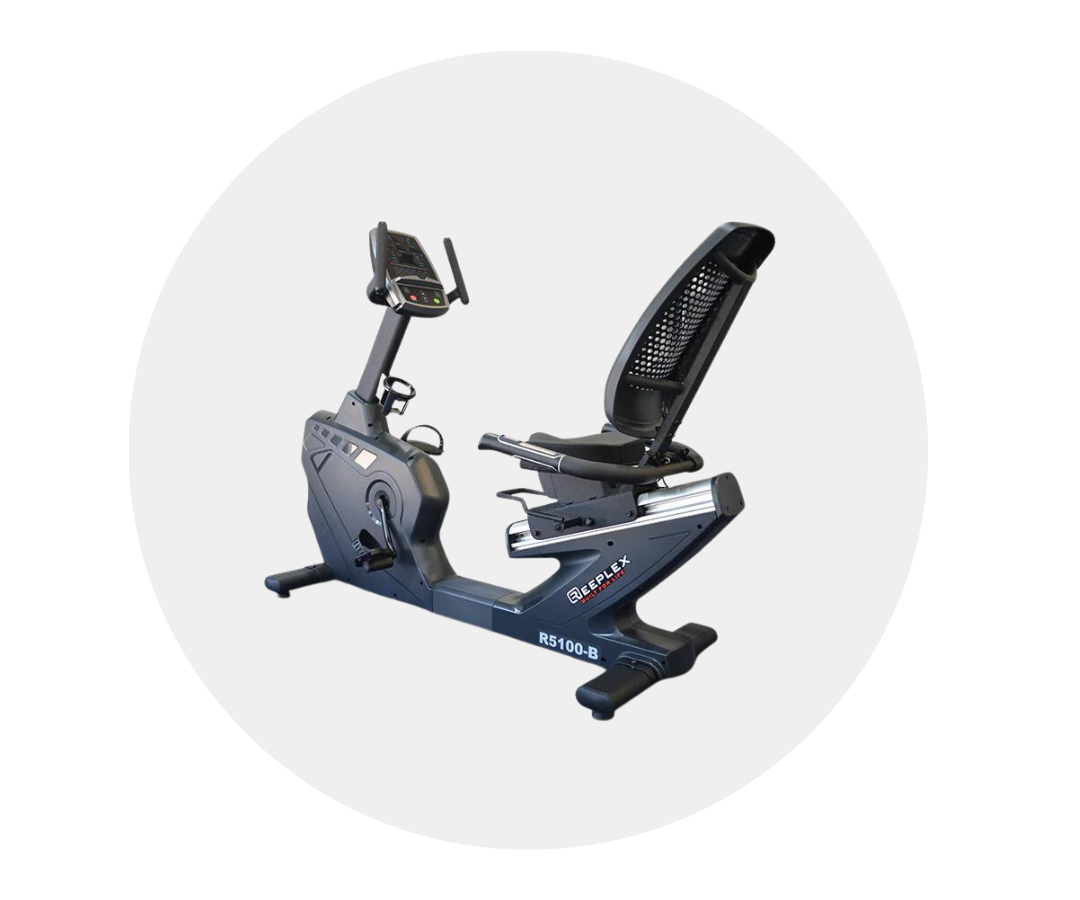
Recumbent bikes use a reclined, back-supported seat position that significantly reduces pressure on the lower back and joints. They're the best option for rehabilitation, older users, or anyone who needs a low-impact cardio option with full back support.
Indoor Bikes Comparison: Which Type Is Right for You?
Use this table to compare the four main indoor bike types side by side across the key buying criteria.
|
Bike Type |
Best For |
Resistance |
Riding Position |
|
Spin Bike |
HIIT, endurance, performance training |
Magnetic or friction |
Forward-leaning, road cycling position |
|
Upright Bike |
General cardio, casual use |
Magnetic |
Upright, traditional bicycle position |
|
Air Bike |
Functional fitness, full-body HIIT |
Fan (auto-resistance) |
Upright with moving arms |
|
Recumbent Bike |
Rehab, older users, low-impact cardio |
Magnetic |
Reclined, back-supported seat |
Spin Bike: Key Features
Spin bike specs can be overwhelming when you're shopping. Here's a breakdown of the features that genuinely affect your riding experience.
1. Flywheel Weight
The flywheel is the weighted disc that creates momentum as you ride. A heavier flywheel (15 kg and above) delivers a smoother, more consistent pedal stroke and better momentum through each revolution. Lighter flywheels (under 10 kg) can feel choppy at lower cadences. For serious training, look for 15 kg or more.
2. Resistance System
Magnetic resistance uses magnets to create drag without physical contact, which means it's virtually silent and requires almost no maintenance. Friction resistance uses a brake pad pressed against the flywheel, giving a more traditional feel but generating more noise and wear over time. For home gym use, magnetic resistance is generally the better choice.
3. Drive Type
Belt-drive spin bikes are quieter and smoother than chain-drive models, making them a better fit for home use where noise is a factor. Chain-drive bikes deliver a feel closer to outdoor road cycling, which some riders prefer. Both are durable; the choice comes down to personal preference and your tolerance for noise.
4. Adjustability
A quality spin bike should allow you to adjust the seat height, seat fore-aft position, and handlebar height independently. This is critical for fit: an improperly sized bike causes discomfort, reduces pedaling efficiency, and increases injury risk. Look for a bike that accommodates your inseam length with at least a few centimeters of adjustment range in each direction.
5. Pedals + Cleats
Most spin bikes come with dual-sided pedals: one side accepts SPD cycling cleats, the other has a toe cage for standard training shoes. If you're planning to use cycling shoes, check that the bike is compatible with your cleat system. Clipped-in pedaling is more efficient than riding in standard shoes because it engages both the push and pull phase of the pedal stroke.
Choose Your Spin Bike by Training Goal
Different training goals call for different bikes and setups. This table helps you match your goal to the right option.
|
Training Goal |
Bike Type |
Intensity |
Key Features to Look For |
|
Weight Loss / Calorie Burn |
Spin Bike |
Moderate to high |
Smooth resistance, comfortable seat, heart rate tracking |
|
HIIT Training |
Spin Bike or Air Bike |
High |
Heavy flywheel, responsive resistance, sturdy frame |
|
Endurance / Long Rides |
Spin Bike |
Low to moderate |
15 kg+ flywheel, belt drive, padded seat or saddle option |
|
General Cardio Fitness |
Upright Bike |
Low to moderate |
Comfortable seat, console with preset programs |
|
Rehabilitation / Low Impact |
Recumbent Bike |
Low |
Back support, step-through frame, adjustable seat |
|
Full-Body Conditioning |
Air Bike |
High |
Moving handlebars, fan resistance, wide seat |
|
Cycling-Specific Training |
Spin Bike |
Moderate to high |
SPD pedals, road-feel flywheel, adjustable fit |
Spin Bike: Budget Planner
Here's what your budget gets you across the spin bike range at Dynamo Fitness.
|
Budget Tier |
Resistance Type |
Key Features |
Best For |
|
Under $800 |
Friction or basic magnetic |
Manual resistance, cage pedals, adjustable seat |
Beginners, light use, casual cardio |
|
Mid ($800-$1,500) |
Magnetic |
Micro-adjustable resistance, dual pedals, LCD console |
Regular home training, weight loss, general fitness |
|
Premium ($1,500-$2,500+) |
Magnetic (heavy flywheel) |
Belt drive, 15 kg+ flywheel, Bluetooth, performance metrics |
Serious athletes, high-volume training, PT studios |
Building a Home Cardio Setup Around Your Spin Bike
A spin bike is a strong anchor for a home cardio setup. Here's how to build around it depending on what you want to achieve.
Cardio-Only Setup
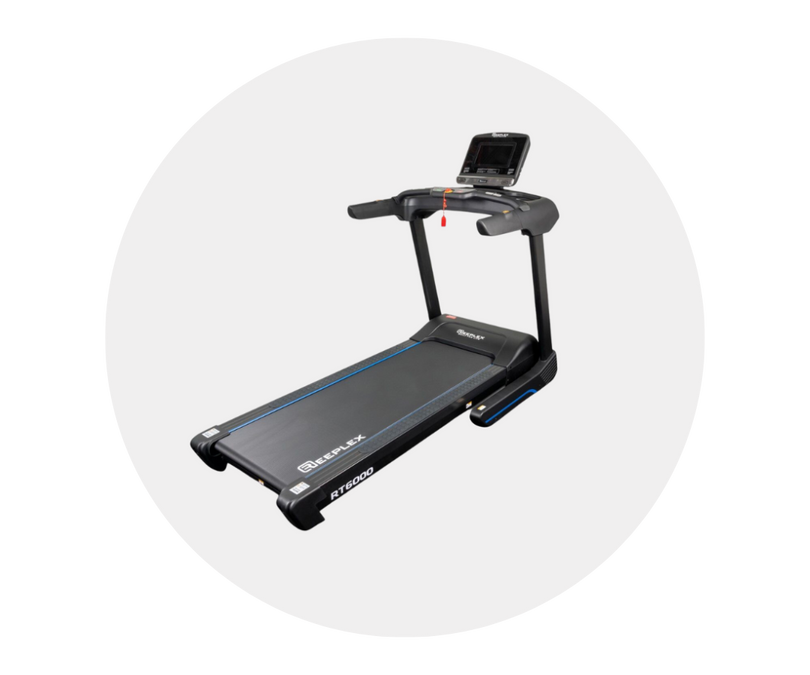
A spin bike plus a treadmill or cross trainer gives you two distinct cardio modalities: one lower-body focused and one full-body. Rotating between them reduces repetitive strain, maintains motivation, and allows you to keep training through minor lower-body fatigue.
Cardio + Strength
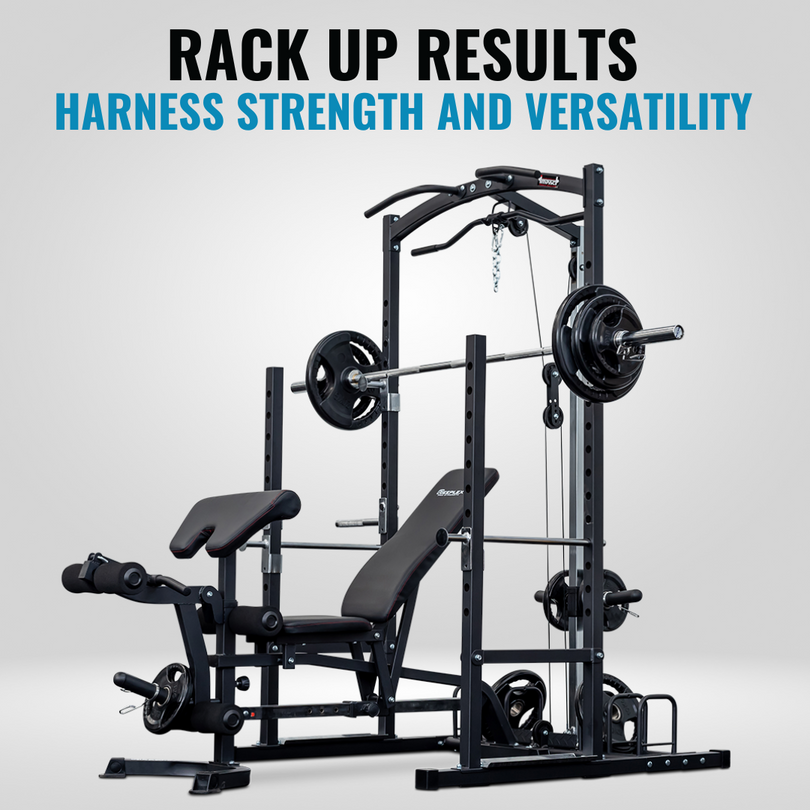
Pair your spin bike with a set of dumbbells and a home gym machine for a complete home training setup. Use the spin bike for your cardio blocks and the weights for strength work. This combination covers fat loss, cardiovascular fitness, and muscle building in a single home gym.
Space + Flooring
Spin bikes need a relatively small footprint but do generate vibration and can mark hard floors. Gym flooring under the bike protects your floor surface, reduces noise transmission to the room below, and provides a stable, level platform for the bike.
Buying a Spin Bike: What to Look
Spin bikes vary significantly in quality and suitability. Here are the key factors to check before you buy:
- Frame weight and stability: A heavier frame means less movement and wobble at high cadences. Look for a minimum frame weight of around 30 kg for stable high-intensity use.
- Flywheel weight: Aim for 15 kg or more for a smooth ride. Lighter flywheels are less consistent and don't sustain momentum as well between pedal strokes.
- Resistance range: You want enough resistance to challenge you at current fitness levels, with room to progress. Magnetic systems with micro-adjustable resistance give you the most control.
- Seat comfort and adjustability: The standard racing saddle on most spin bikes is narrow and firm. Check that the seat post and rail are adjustable and compatible with aftermarket saddles if comfort is a priority.
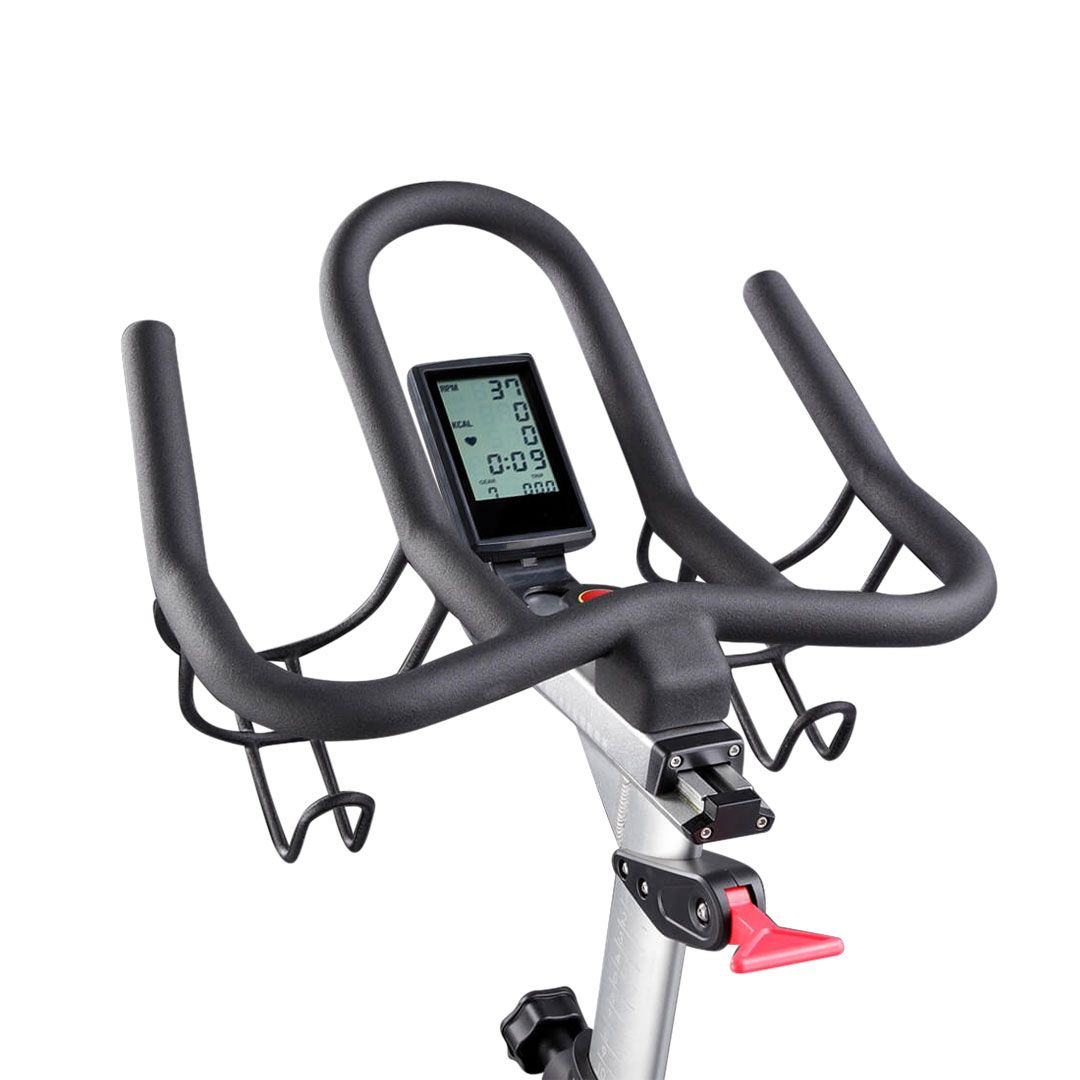
- Console features: Entry-level bikes have basic speed and distance readouts. Mid-to-premium models include cadence, watts, and heart rate tracking. Consider whether Bluetooth connectivity matters for connecting to training apps.
- Weight capacity: Check the manufacturer's specified user weight limit. Most quality spin bikes support up to 120-150 kg; some commercial-grade models go higher.
How to Get the Most from Your Spin Bike Training
Spin bikes deliver the best results when you structure your training with intention. Most beginners make the mistake of riding at moderate intensity every session, which leads to plateaus and boredom. The key is to vary your training stimulus throughout the week, mixing high-intensity interval work with steady-state rides and active recovery sessions. This variation builds both aerobic capacity and power output while reducing overuse injury risk.
Start by planning a weekly training structure that includes at least one high-intensity interval session, two to three steady-state rides at moderate intensity, and one low-intensity recovery ride. High-intensity sessions work best on days when you're well-rested and fuelled; reserve them for early in the week when your central nervous system is fresh.
Steady-state rides build an aerobic base and can be longer, ranging from 30 to 60 minutes. Recovery rides should feel easy, around 50-60% of your maximum effort, and help your body adapt to training stimulus without additional fatigue.
Cadence is critical to spin bike training. Your cadence (measured in revolutions per minute, or RPM) determines the feel of the ride and the muscle groups emphasized. During warm-up, aim for 80-90 RPM at low resistance to get your legs moving and your heart rate elevated gradually.
For high-intensity intervals, increase cadence to 95-110 RPM, which emphasizes your cardiovascular system and teaches a faster pedal stroke. For strength-building work at higher resistance, drop cadence to 70-80 RPM to develop power and muscular endurance. Recovery rides should sit around 80-90 RPM to promote blood flow without excessive metabolic stress.
Resistance progression is just as important as increasing speed. Many riders focus only on cadence and neglect resistance, but real progress comes from increasing the load on your legs. Every two to three weeks, deliberately add resistance to one or two of your steady-state sessions.
You should feel noticeably harder at the same RPM as the previous week. This resistance progression builds strength and power over time, which translates to faster, more efficient riding. Track your perceived effort and cadence together in each session so you can see improvement over weeks and months.
Always finish your spin bike session with a proper cool-down and stretching protocol. Ride at low resistance and cadence for 5-10 minutes after your main work to bring your heart rate down gradually and flush metabolic waste from your muscles. Follow this with 10-15 minutes of stretching focused on your hip flexors, hamstrings, glutes, and quadriceps.
These areas tighten from cycling and benefit from dedicated static stretching. Use the console metrics (distance, calories, average power) to track your session and monitor long-term progress. Most riders find that reviewing data from previous weeks is highly motivating and helps you set realistic targets for upcoming sessions.
Setting Up Your Spin Bike Correctly
Proper bike fit is the foundation of comfortable, efficient, and injury-free spin bike training. An incorrectly adjusted spin bike causes inefficiency, discomfort, and increases injury risk over time. The good news is that most adjustments are quick and use simple tools like an Allen key. Start with seat height, which is the most critical adjustment. Sit on the saddle and place one foot at the bottom of the pedal stroke (6 o'clock position). Your knee should have a slight bend of approximately 25-30 degrees. If your leg is too straight, raise the seat; if your knee bends too much, lower it. This position optimizes power transfer and reduces stress on your knee joints.
Handlebar height and reach affect your riding position and comfort. Higher handlebars create a more upright riding position, which is more comfortable for casual training and better for beginners. Lower handlebars create a more aggressive, forward-leaning position similar to road cycling, which engages your core more and is often preferred for high-intensity training.
Most spin bikes have adjustable handlebar posts that move both vertically and horizontally. Start with handlebars at approximately the same height as your seat, then adjust based on your comfort and riding goals. You should be able to reach the handlebars without fully extending your arms or rounding your lower back excessively.
Shoe and pedal setup directly affects your pedaling efficiency. Most quality spin bikes come with dual-sided pedals that accept SPD cycling cleats on one side and a toe cage for standard training shoes on the other. If you choose to use cycling shoes and cleats, invest in a pair compatible with your bike's pedal system and spend time practicing clipped-in riding before attempting high-intensity work. The clip-in connection allows you to engage both the push and pull phases of the pedal stroke, improving efficiency. If you prefer standard gym shoes, the toe cage provides sufficient support, though your power transfer won't be quite as efficient.
Proper cycling posture prevents injury and improves performance. Your core should be engaged throughout the ride, maintaining a stable platform for your legs to push against. Keep your shoulders relaxed and away from your ears, even during high-intensity efforts. Avoid excessive gripping of the handlebars, which creates tension in your upper body and wastes energy.
There should be a slight forward lean from your hips, not your lower back. Your head should remain neutral, aligned with your spine, and you should be looking at the console or ahead, not down at the pedals. This posture becomes more pronounced at lower resistance and higher cadence, and more upright at higher resistance where you're driving harder through the pedals.
Before every session, perform quick pre-ride checks to ensure your bike is safe and properly adjusted. Tighten the seat post and fore-aft rails to ensure they don't slip during riding. Test the resistance knob by adjusting it through its full range and back to zero to confirm smooth operation.
Check that both pedals are firmly attached and spin freely without grinding or clicking. Inspect the belt or chain for obvious wear or damage. These quick checks take 30 seconds and prevent mid-ride adjustments or mechanical issues from disrupting your training. After several weeks of regular use, re-check your seat height and handlebar position, as initial micro-adjustments settle over time.
Shop Spin Bikes at Dynamo Fitness
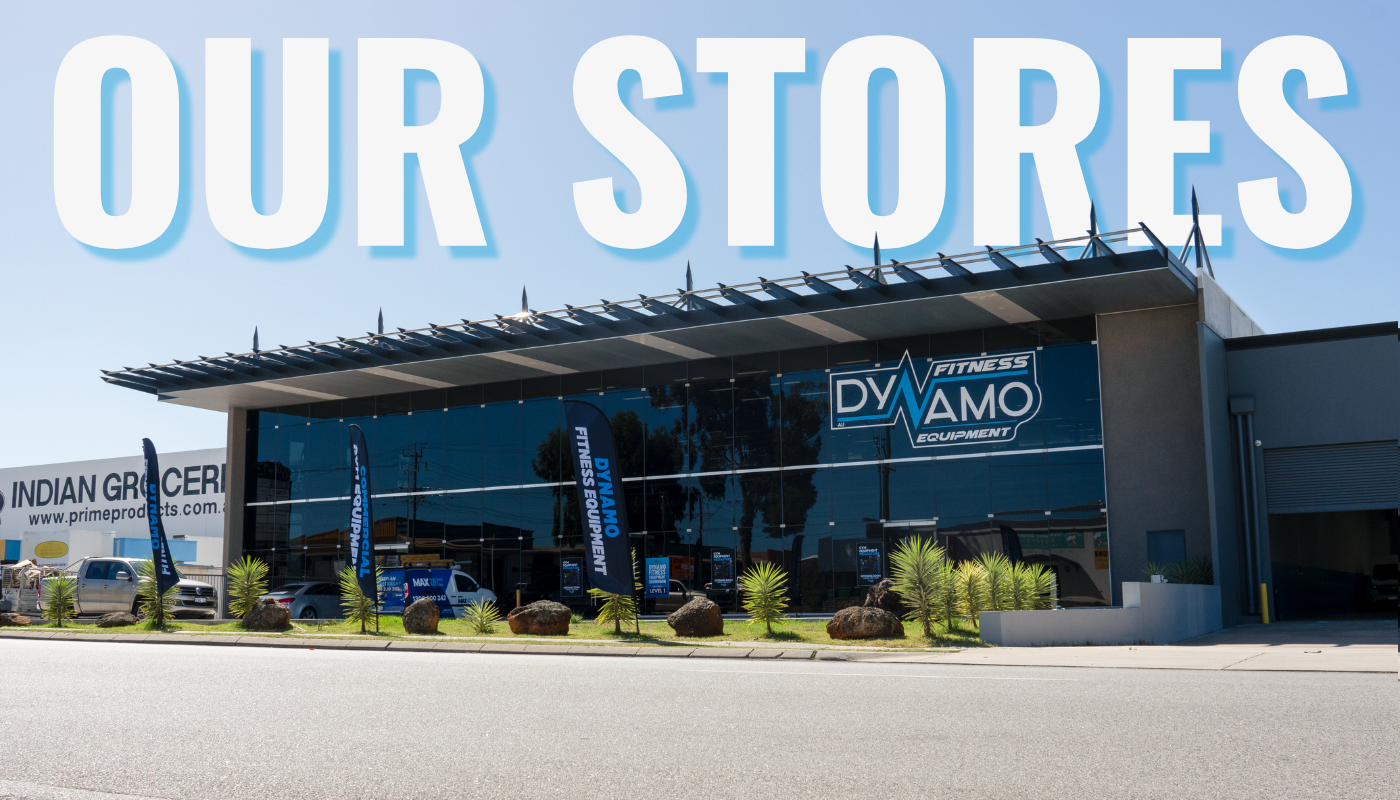
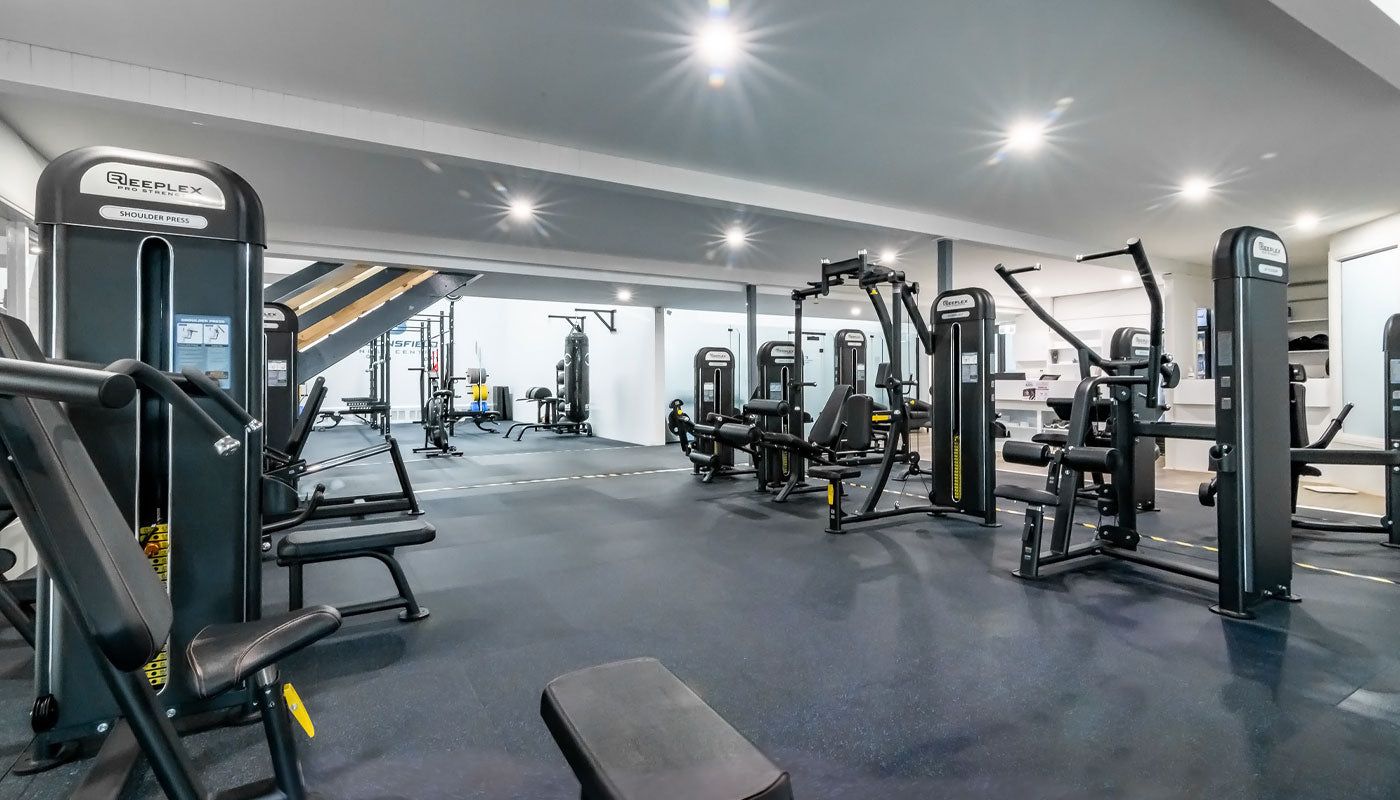
Dynamo Fitness stocks spin bikes for every level of training intensity and budget, from beginner-friendly home models to performance-grade bikes for serious athletes. Fast Australia-wide shipping is available on all orders, and you can visit the Dynamo Fitness showrooms in Sydney, Brisbane, Gold Coast, Melbourne, Adelaide or Perth to try the range in person.
Browse the full exercise bikes range, or shop specific types including upright bikes, air bikes, and recumbent bikes.
Spin Bikes - FAQs
Spin bikes use a weighted flywheel connected directly to the pedals, creating a fixed-gear cycling experience similar to road riding. Standard exercise bikes typically have a freewheel mechanism, allowing the pedals to stop independently of the flywheel. Spin bikes are better suited to high-intensity training; exercise bikes are generally more comfortable for casual cardio use.
Yes. Spin bikes are one of the most effective pieces of cardio equipment for calorie burn, particularly when used for interval training. A 30-minute high-intensity spin session can burn 400-600 calories depending on body weight and effort level. Consistent use combined with appropriate nutrition makes spin bikes a highly effective tool for fat loss.
For a smooth, consistent riding experience, look for a flywheel of 15 kg or more. Heavier flywheels maintain momentum better between pedal strokes and deliver a more road-like feel. Budget bikes often have flywheels of 6-10 kg, which can feel choppy at lower resistance levels.
Magnetic resistance uses magnets to create drag without physical contact with the flywheel. It's silent, smooth, and requires virtually no maintenance. Friction resistance uses a brake pad pressed directly against the flywheel. It creates slightly more noise, requires occasional pad replacement, and gives a more traditional feel. For home use, magnetic resistance is generally preferred.
No, but they help. Most spin bikes come with dual-sided pedals that accept both SPD cleats and standard training shoes via a toe cage. Cycling shoes clip directly into the pedal, which improves pedaling efficiency by allowing you to engage both the push and pull phases of the stroke. Standard gym shoes work fine for casual use.
Most spin bikes have a footprint of approximately 100-120 cm long by 50-55 cm wide. You'll also want at least 60 cm of clearance on each side and behind the bike for safe dismounting. In total, plan for a floor space of around 2 m x 1.5 m to use the bike comfortably.
Absolutely. Spin bikes have adjustable resistance, so you can start at a very light load and build intensity over time. The low-impact nature of cycling is also gentler on joints than running or high-impact exercise, making spin bikes a good entry point for people returning to fitness or starting from scratch.
Belt-drive spin bikes use a rubber belt to connect the pedals to the flywheel. They're quieter, smoother, and require almost no maintenance. Chain-drive bikes use a bicycle-style chain, which produces more noise and needs occasional lubrication but delivers a feel closer to riding an outdoor road bike. For home use, belt drive is usually the better choice.
Yes. Spin bikes are just as effective at low resistance for steady-state cardio as they are for high-intensity intervals. You can set the resistance to a comfortable level and ride for 30-60 minutes at a conversational pace. This type of session is excellent for active recovery, cardiovascular base building, and low-impact conditioning.
Start by setting the seat height so that your knee has a slight bend (approximately 25-30 degrees) at the bottom of the pedal stroke when your foot is flat. Adjust the fore-aft seat position so your knee is directly above the pedal axle when the cranks are horizontal. Set the handlebar height to a level that keeps your back relatively flat without excessive rounding. Most bikes have quick-release levers on each adjustment point.
Both deliver excellent cardiovascular conditioning. Spin bikes are lower impact, making them easier on knees, hips, and ankles, and they're generally quieter. Treadmills offer more functional carryover to everyday movement and running performance. Many home gym setups include both for variety and to allow training through minor injuries that might prevent running.
Yes. Dynamo Fitness offers fast shipping on all orders across Australia. You can also visit the showrooms in Sydney, Melbourne, Gold Coast, Adelaide, Perth and Brisbane to see the spin bike range in person and get advice on which model suits your training goals and budget.