

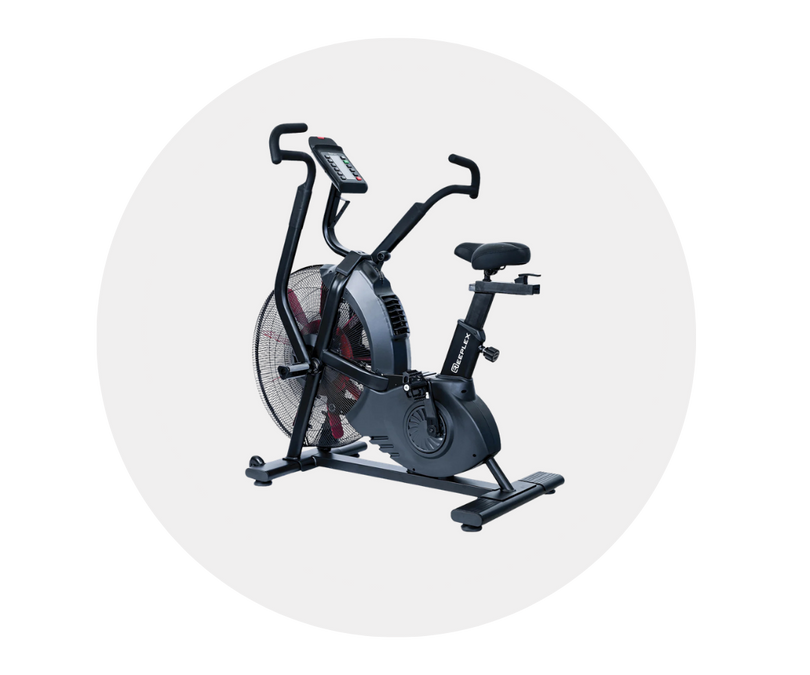
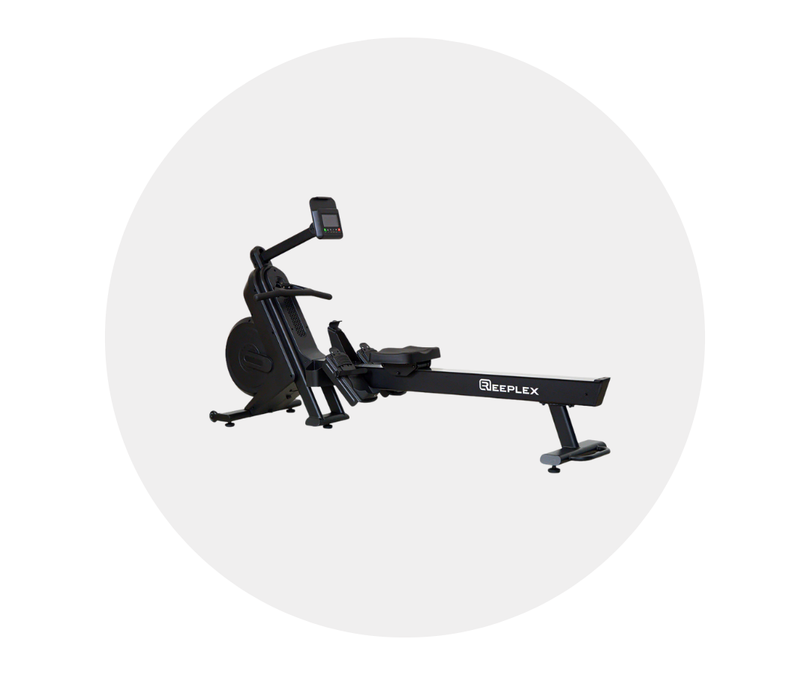
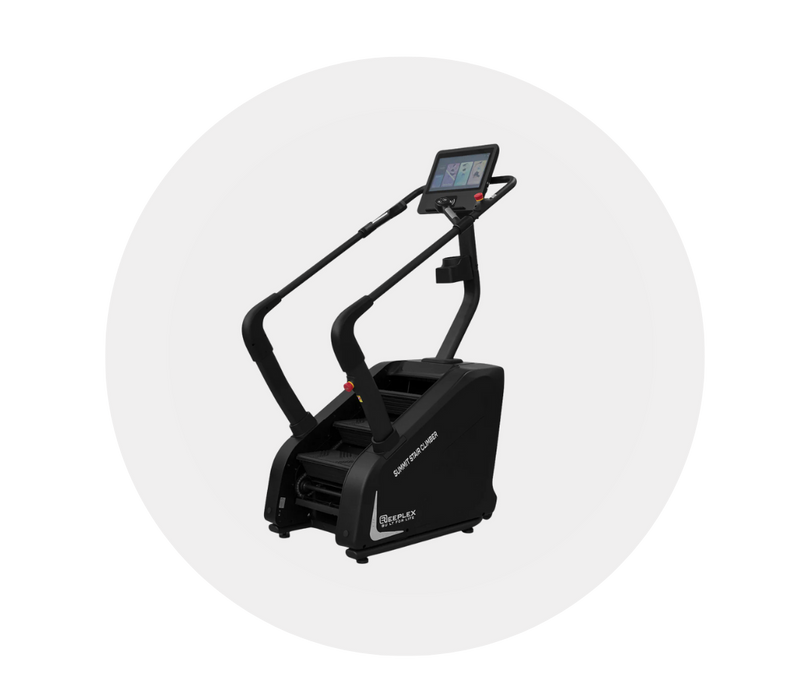
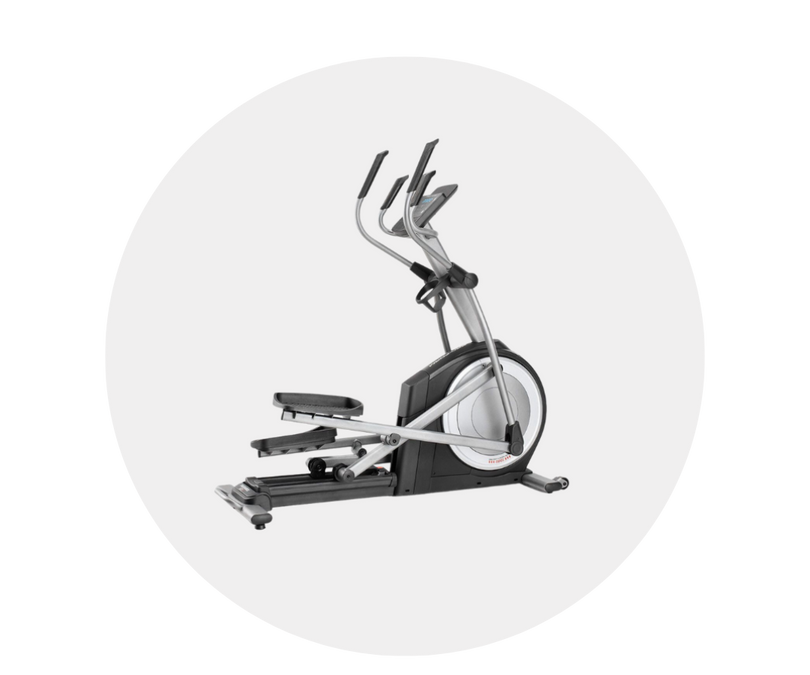
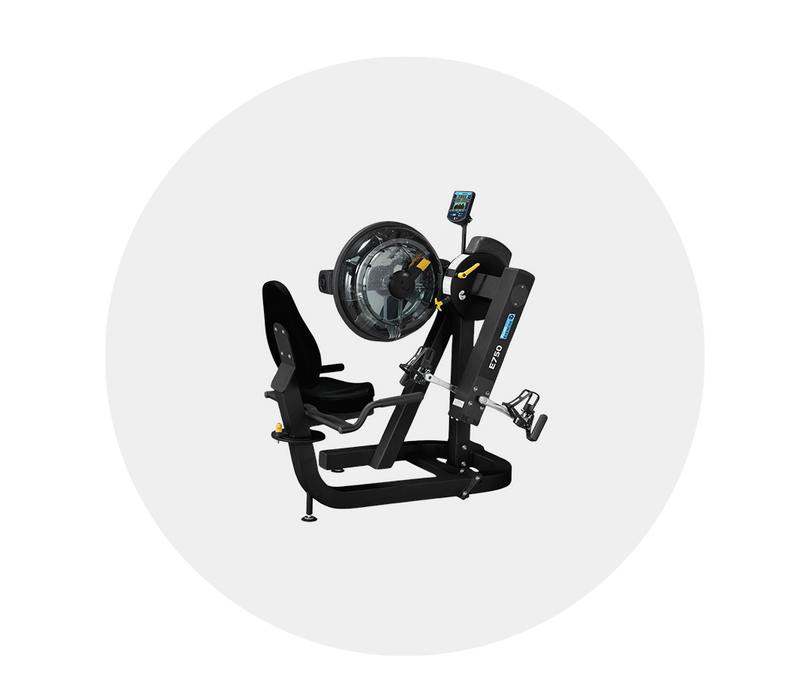
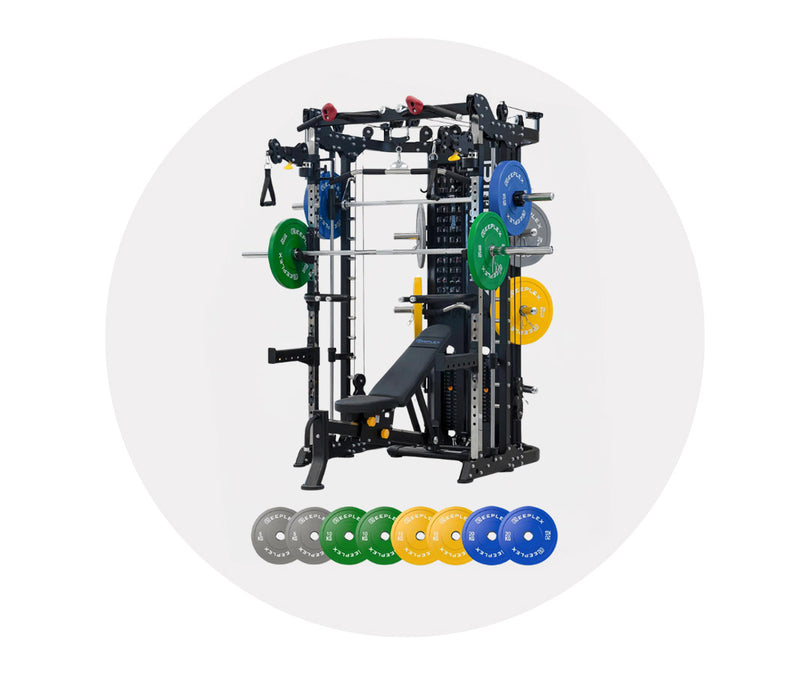
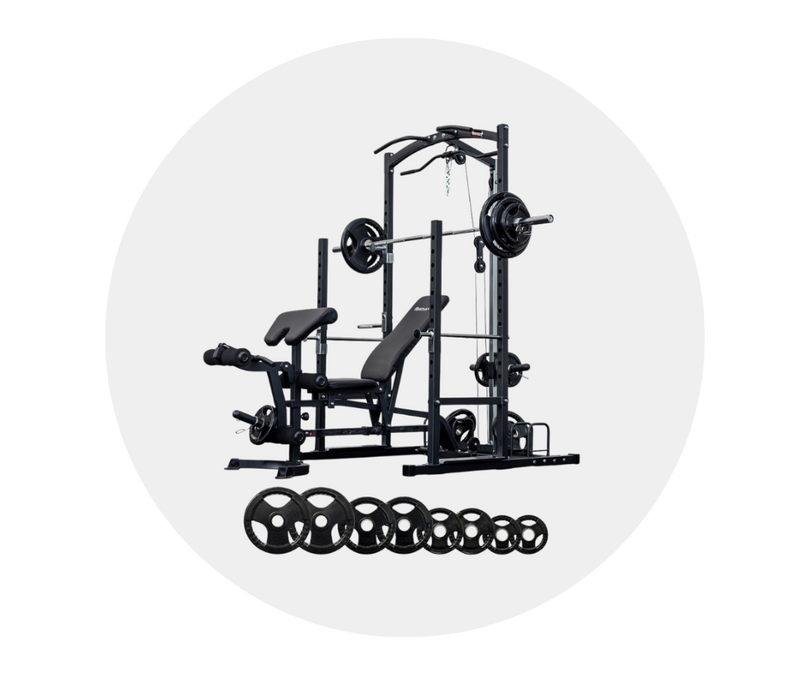
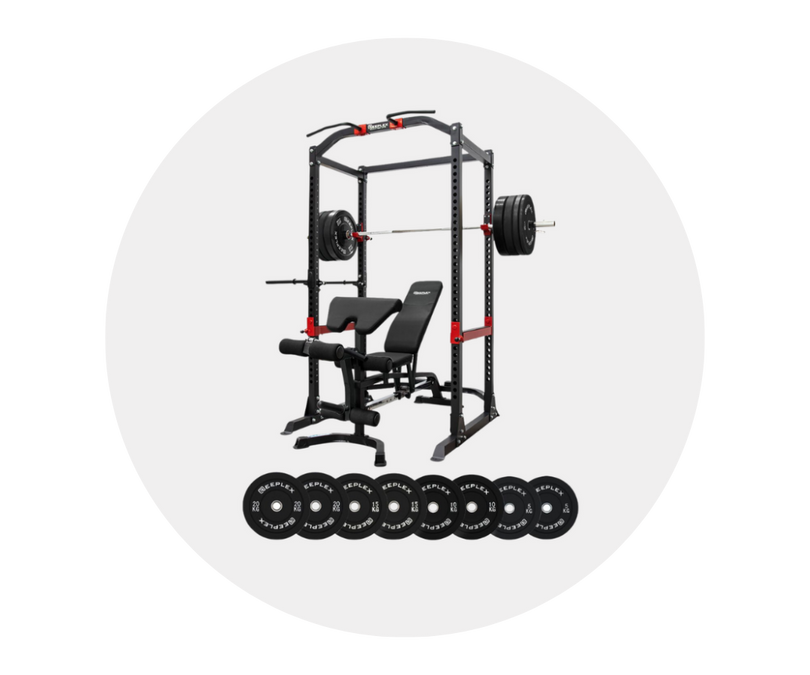
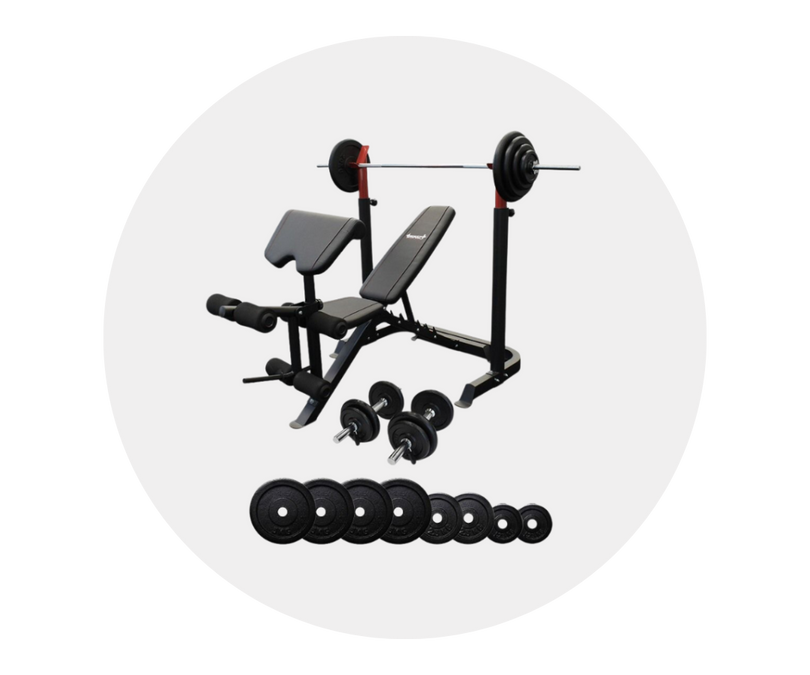
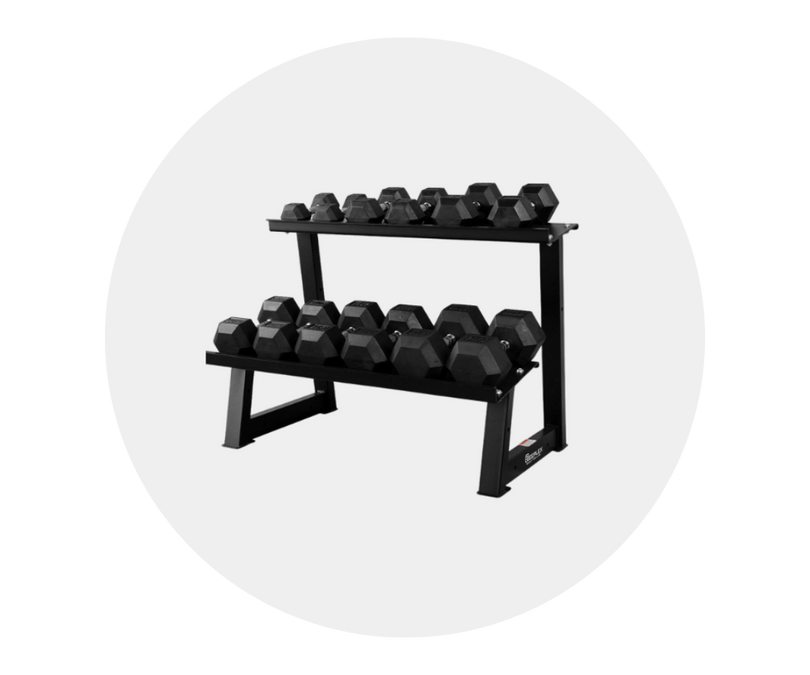
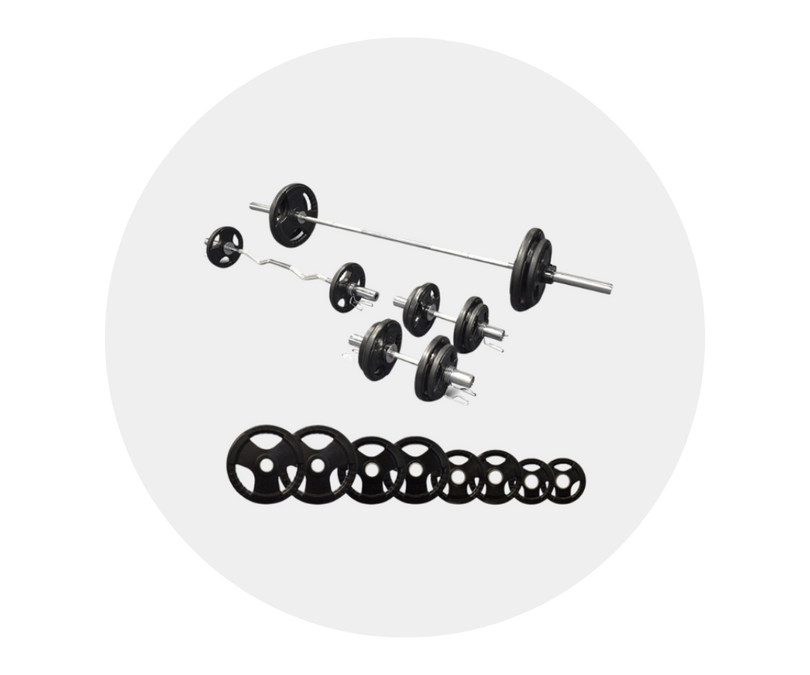


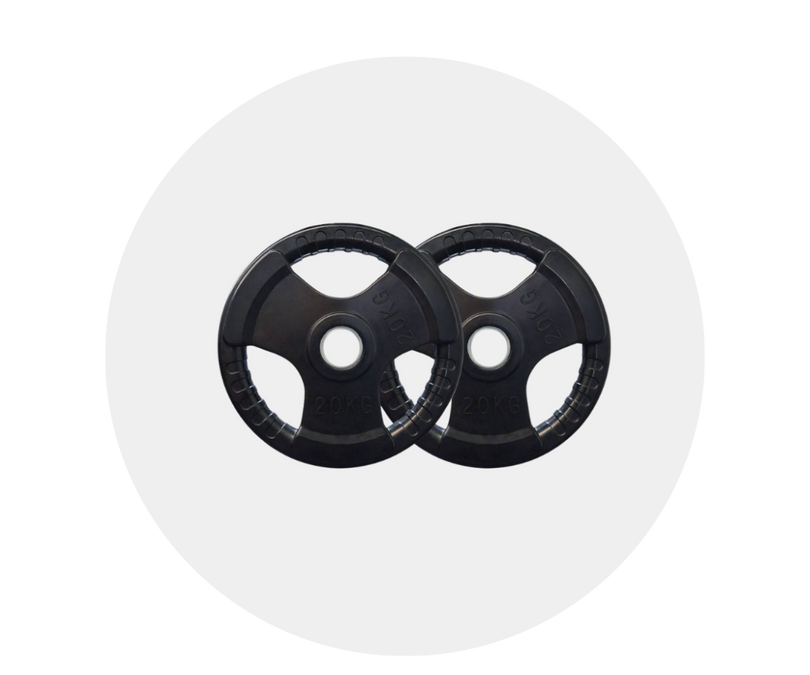
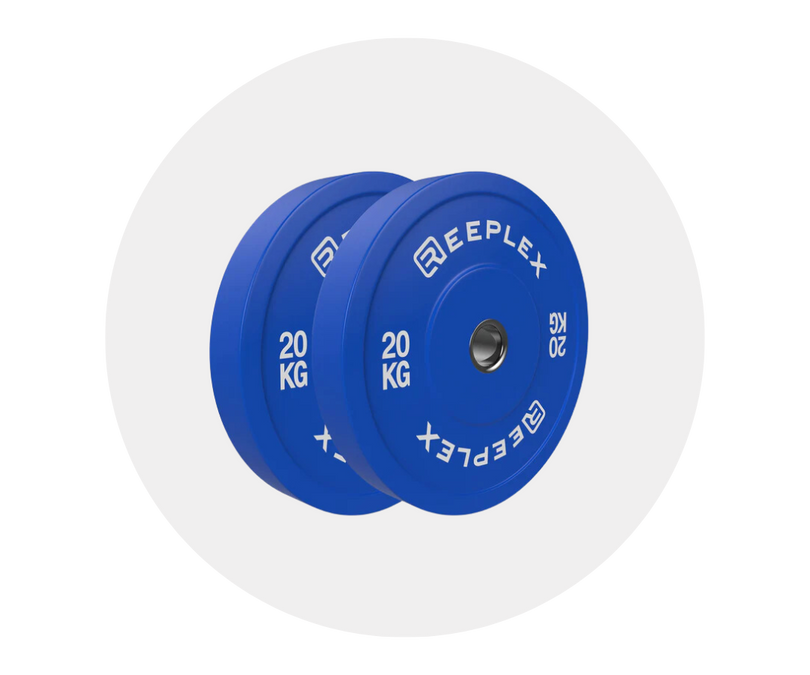
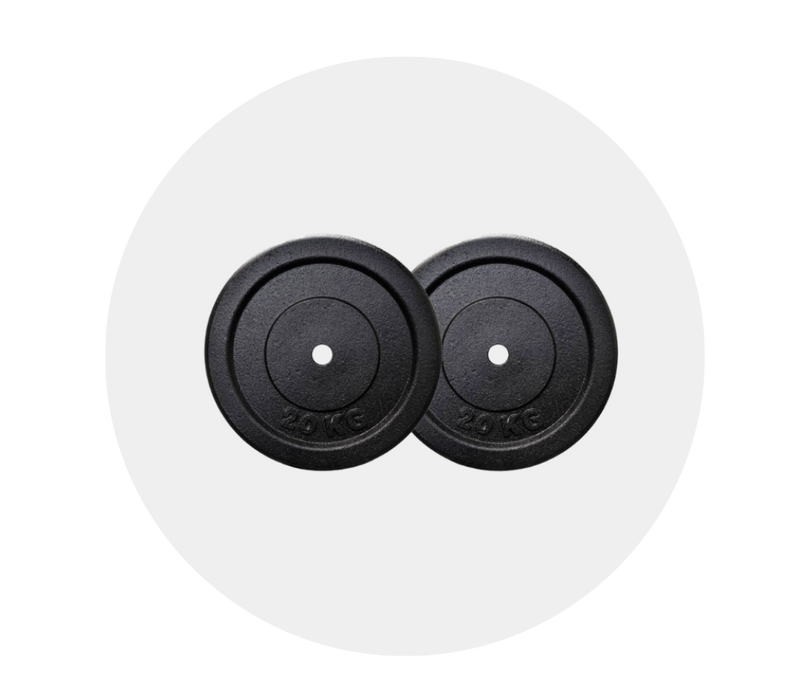
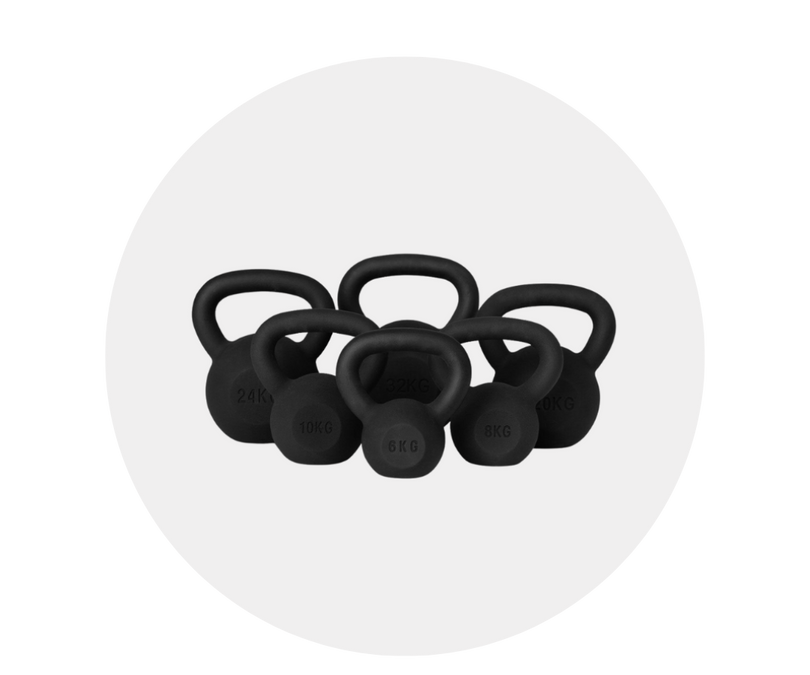
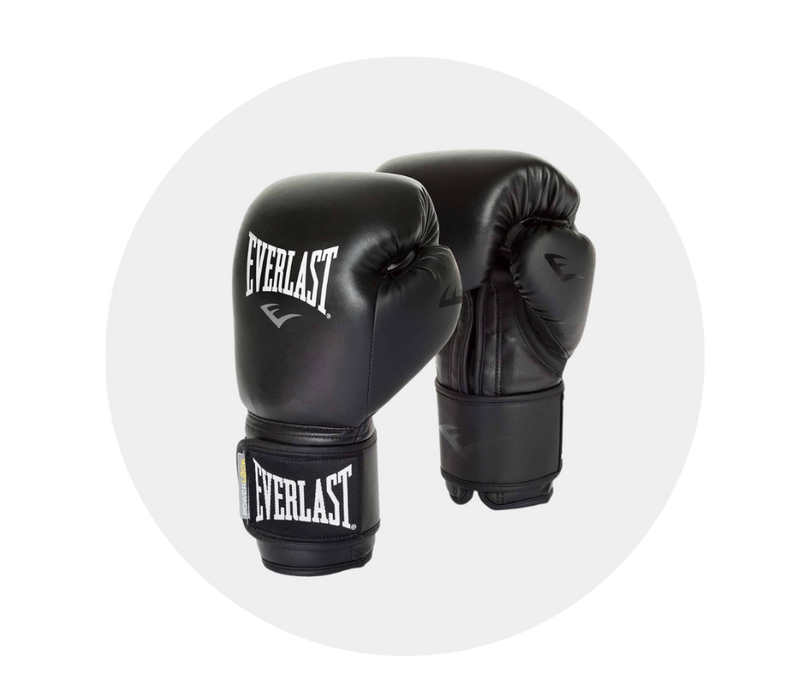
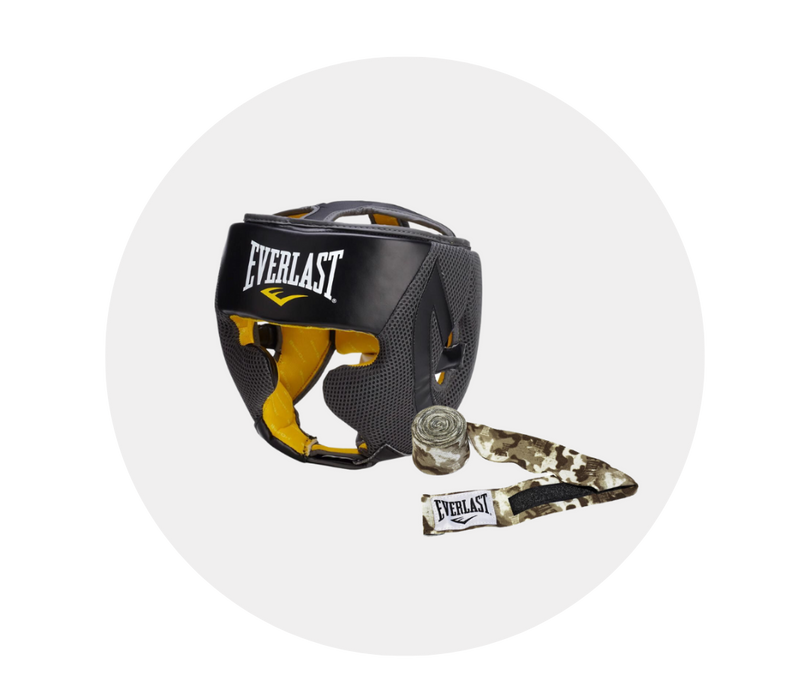

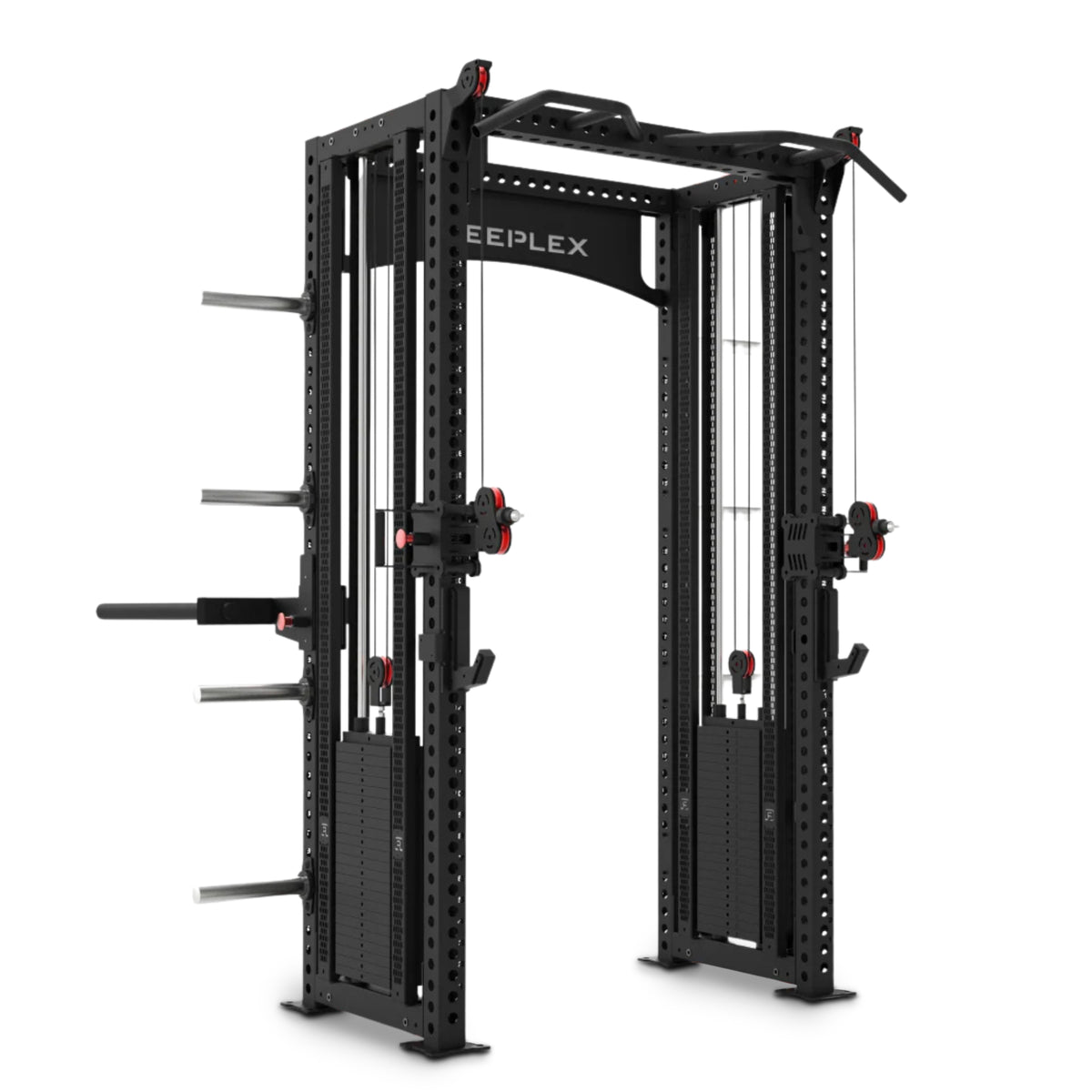
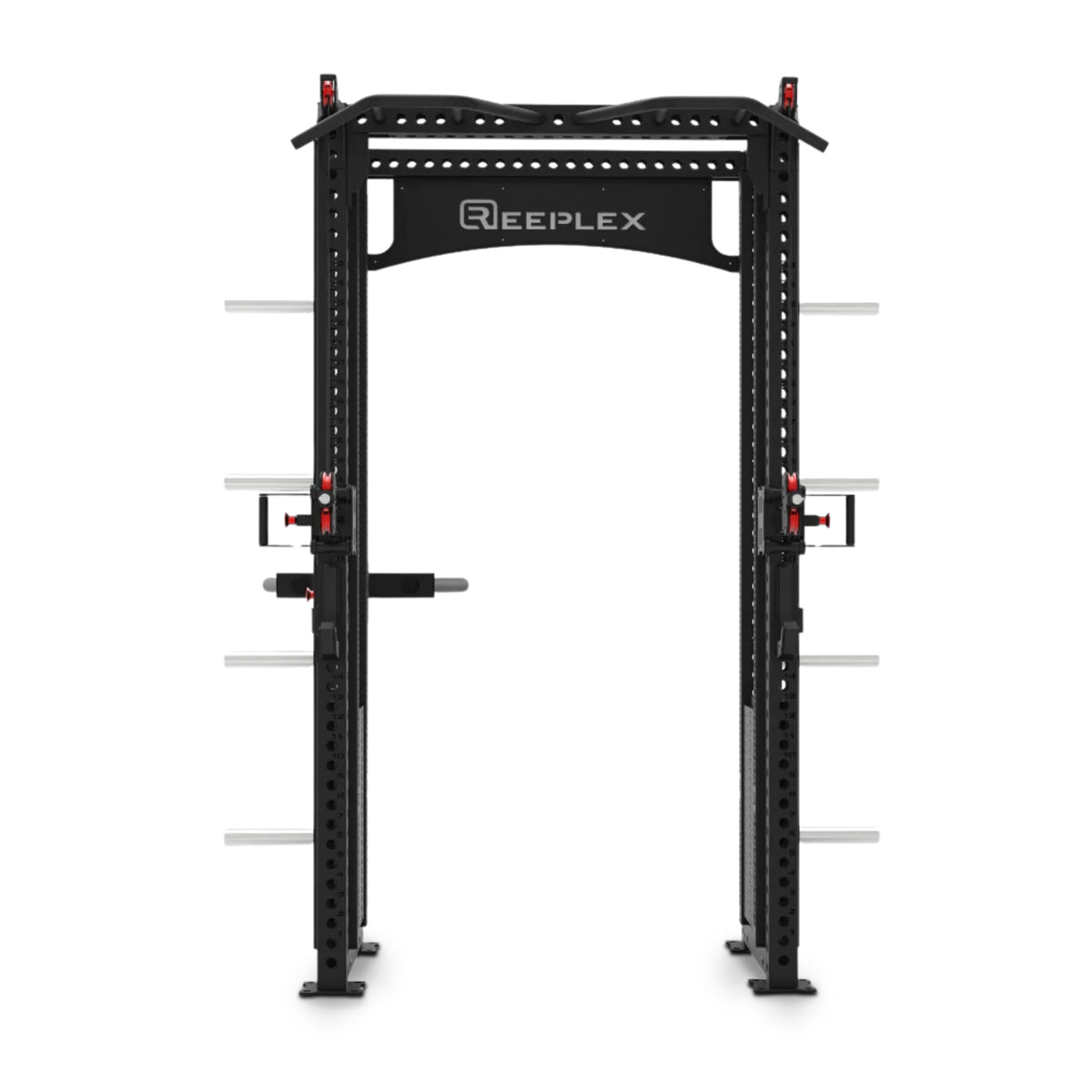
Elevate your workouts and maximise your results with our complete packages
Strength packages
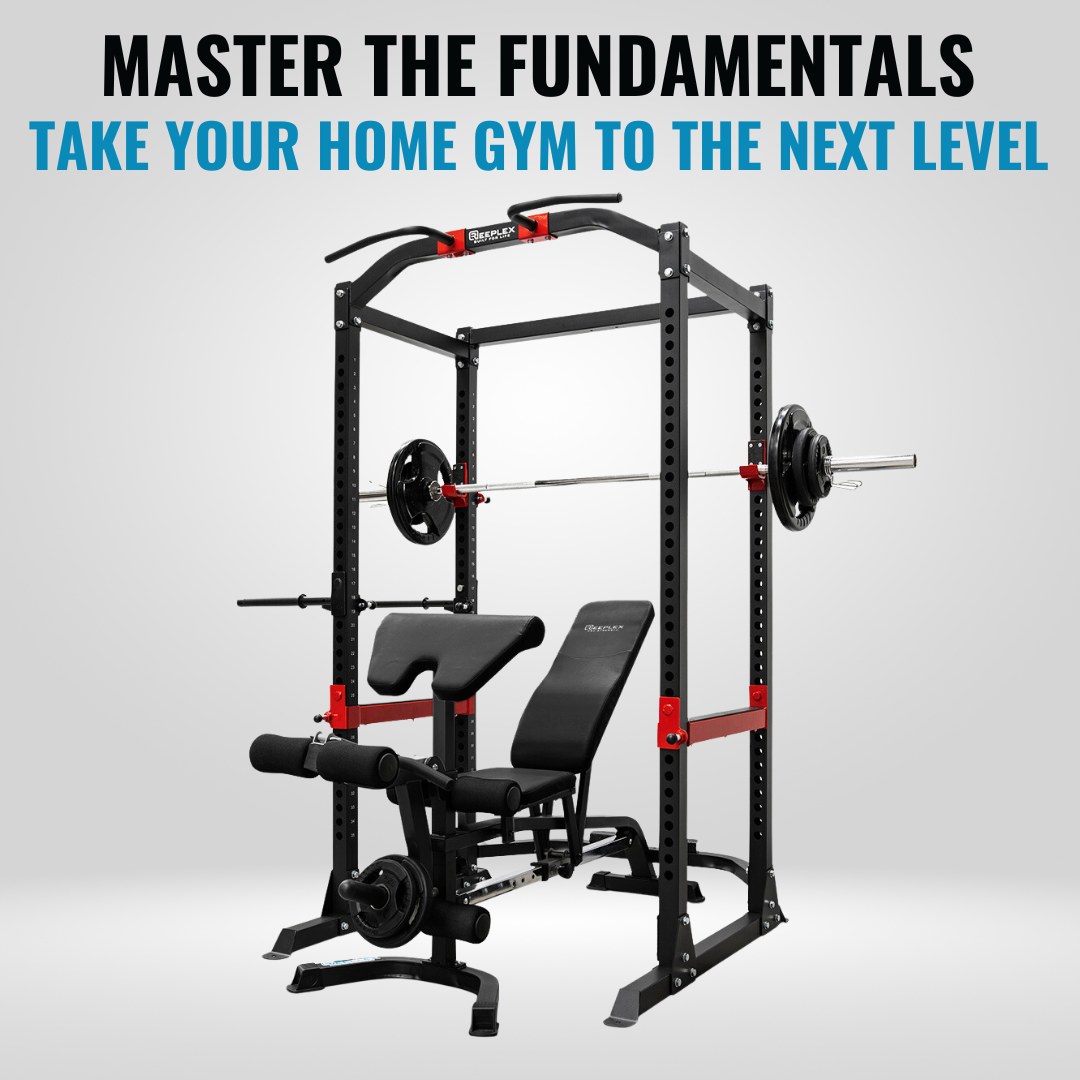
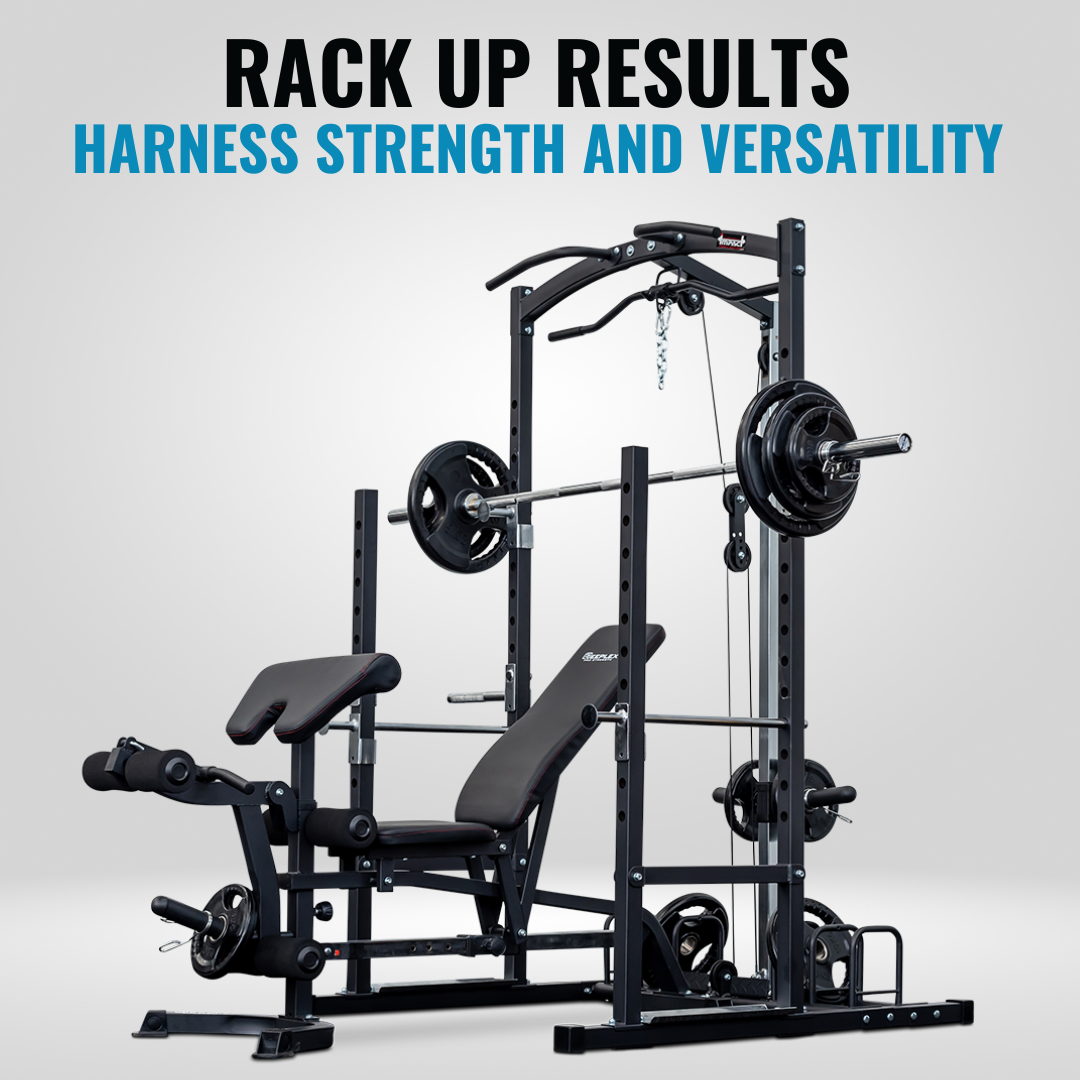
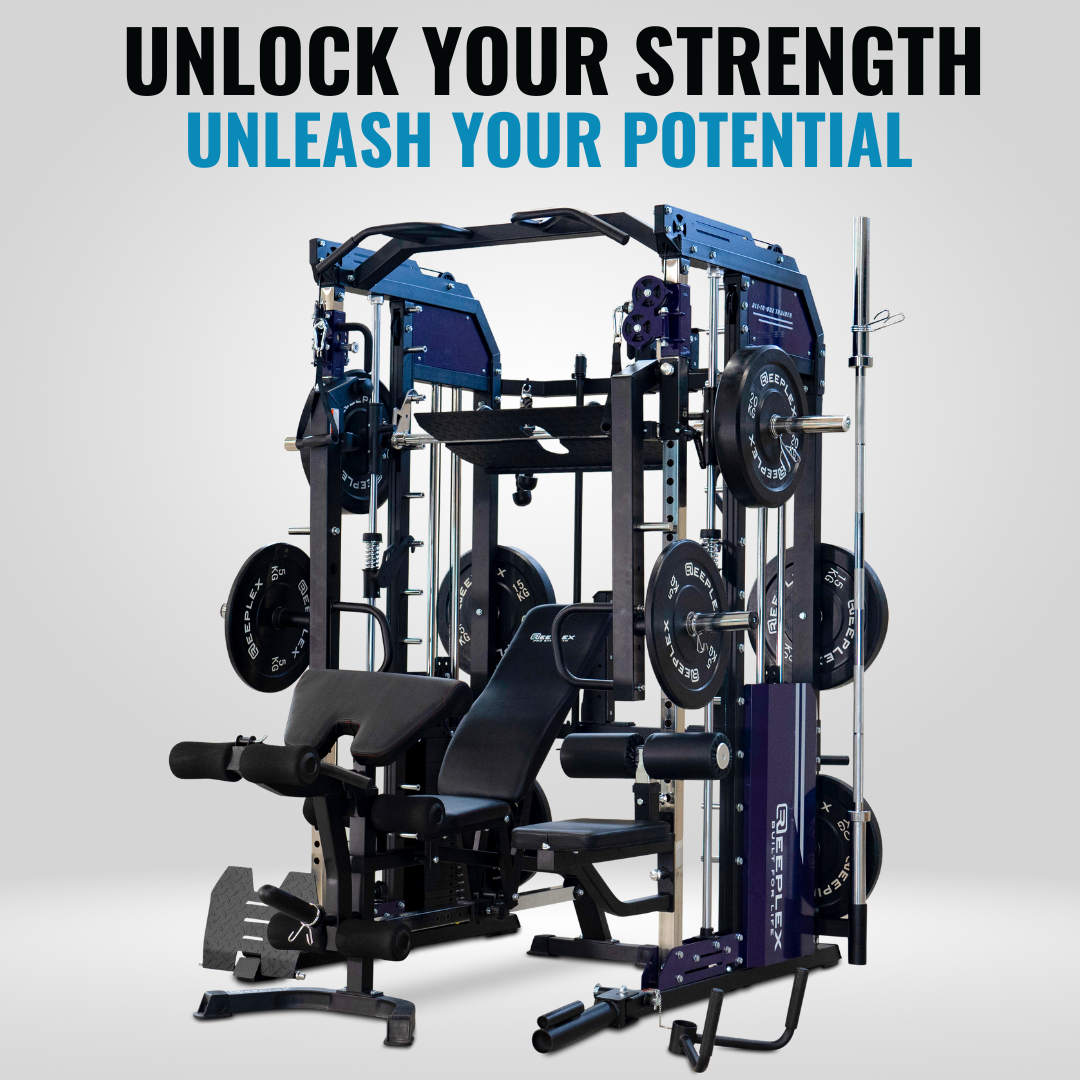
Power Racks at Dynamo Fitness
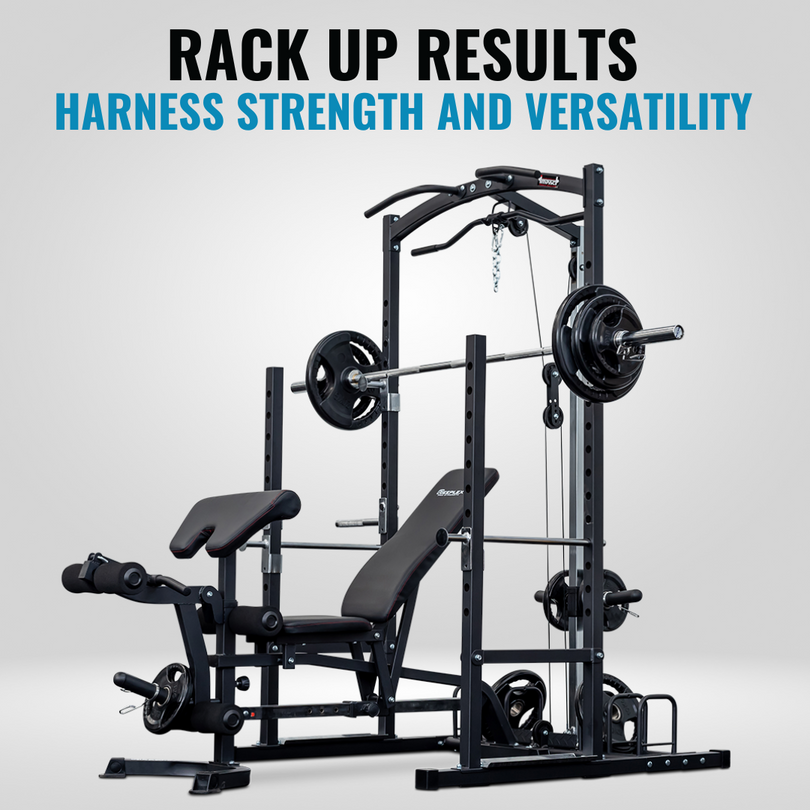
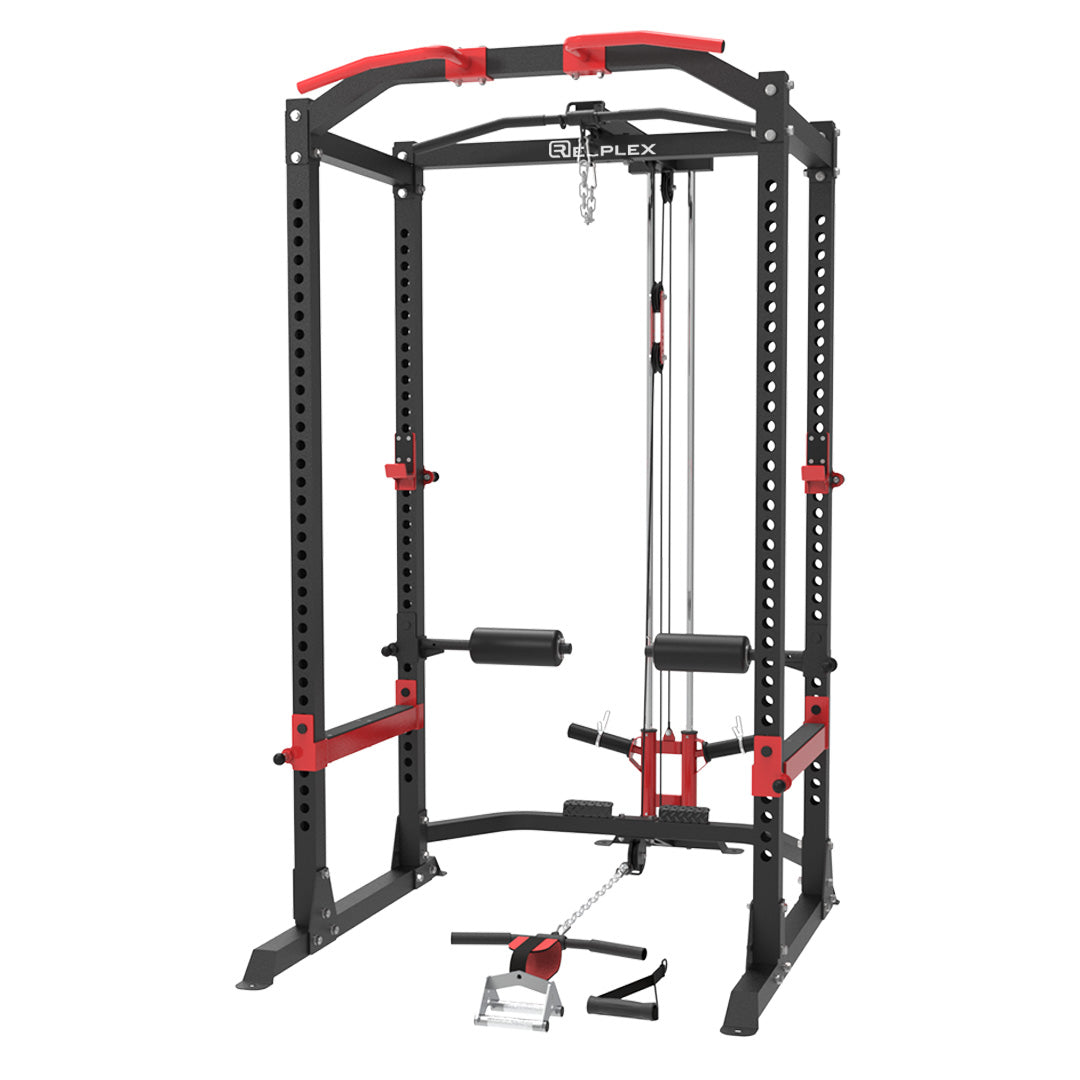
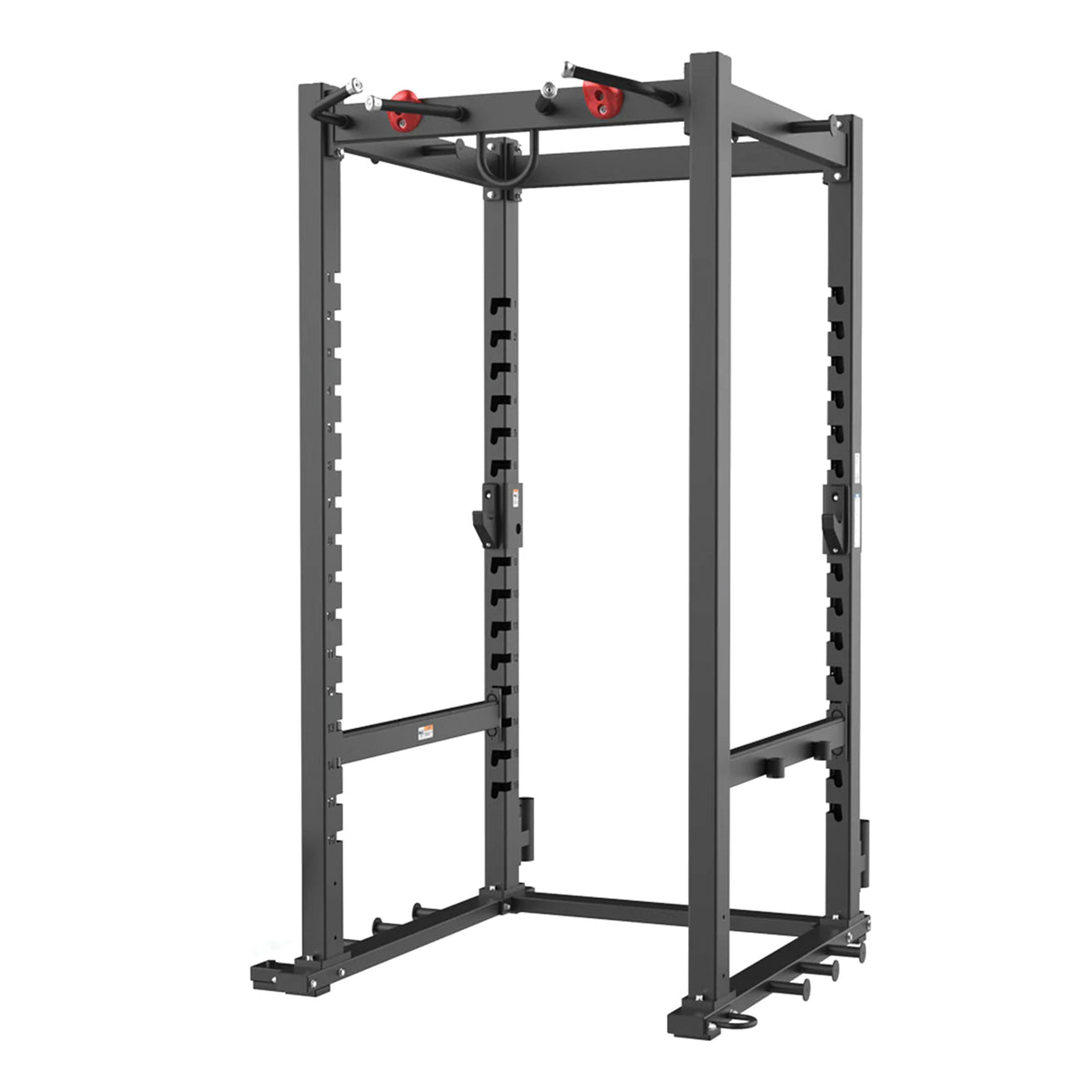
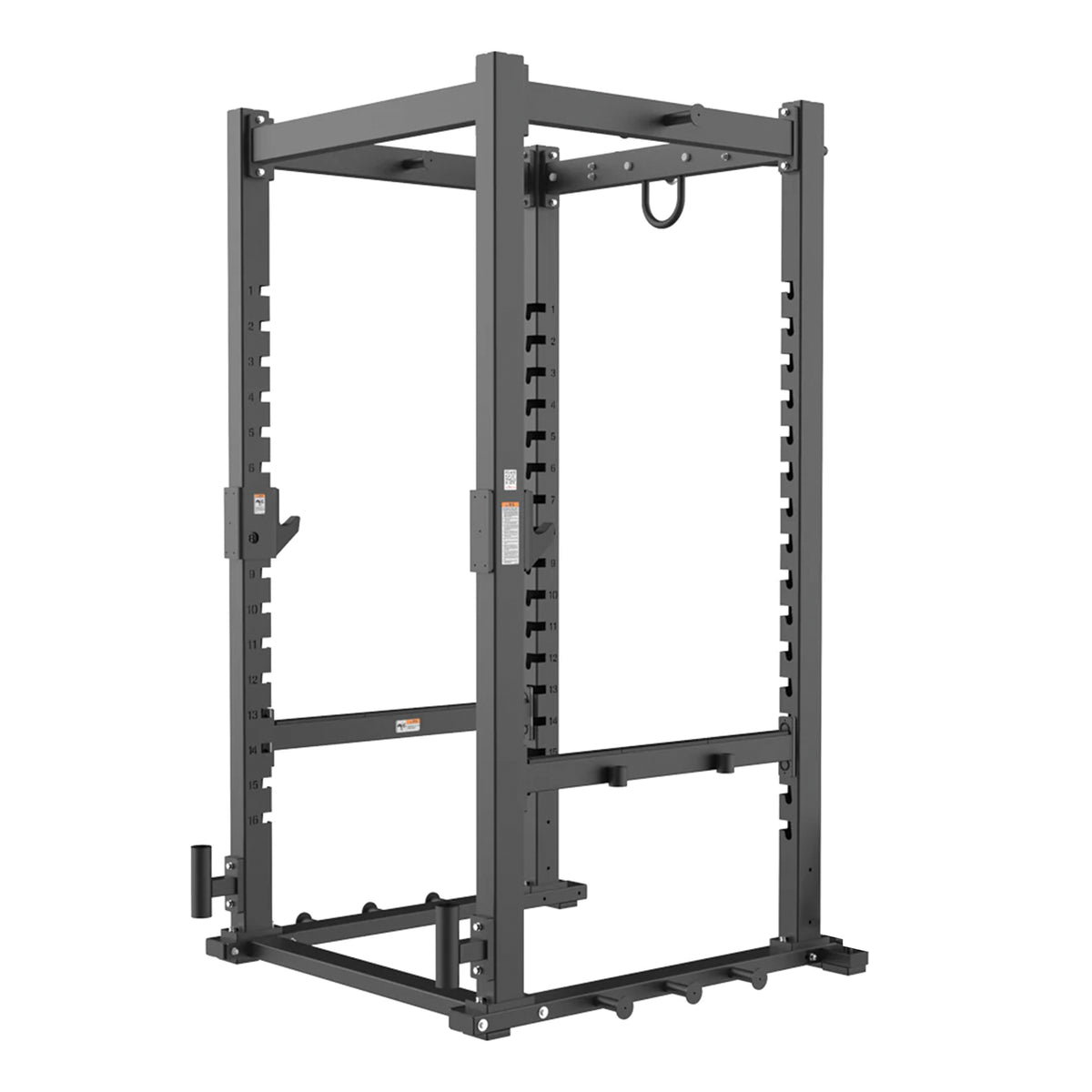
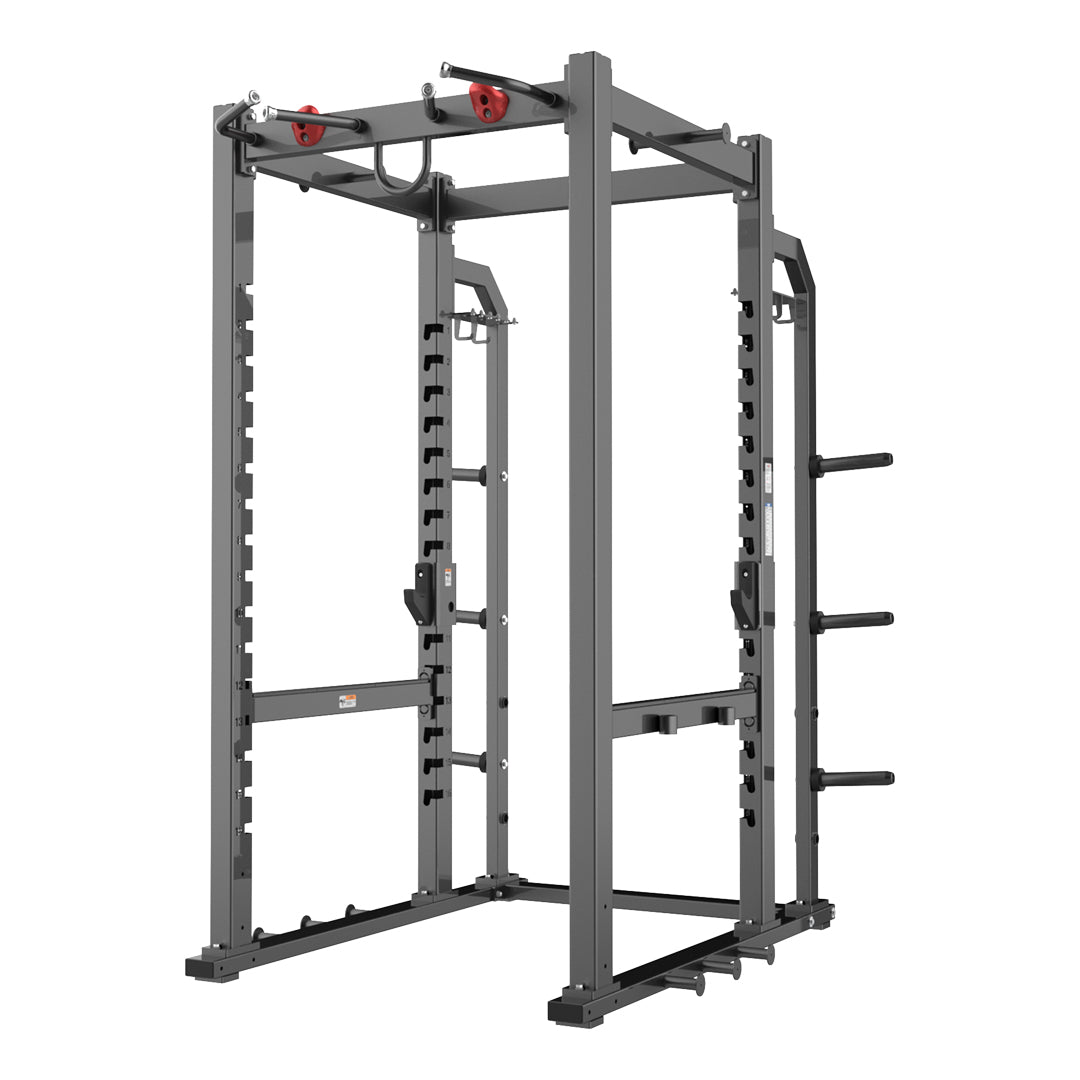
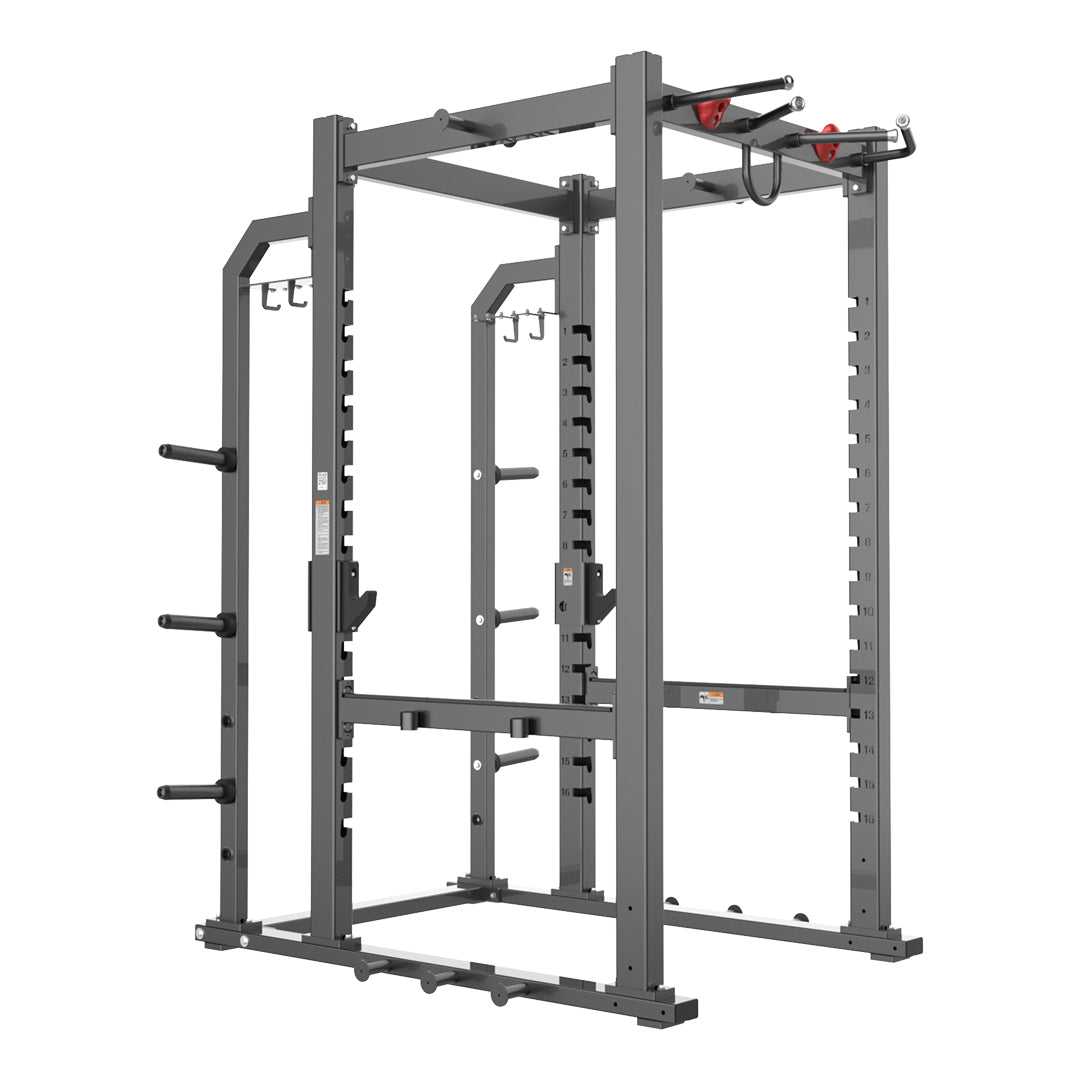
Power racks are the cornerstone of a home strength training setup, offering safety, versatility, and durability. Whether you’re training alone or building a complete home gym, a quality rack supports a wide range of exercises and long-term progress:
- Four-post steel frame with adjustable j-hooks and safety systems.
- Suitable for squats, bench presses, overhead presses, pull-ups, dips, and more.
- Freestanding or wall-mounted options to fit any space.
- Designed for home gyms, offering safety for solo lifting.
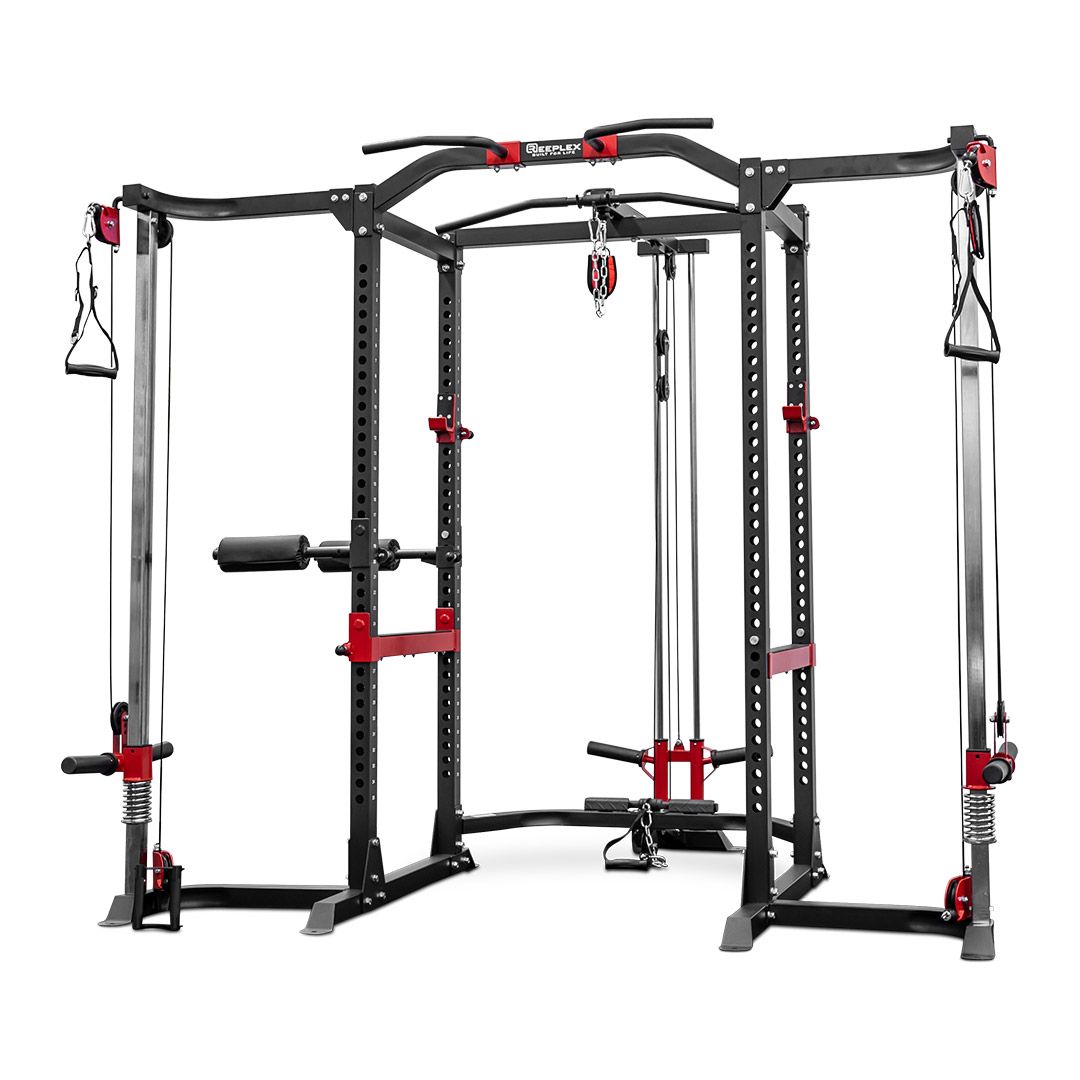
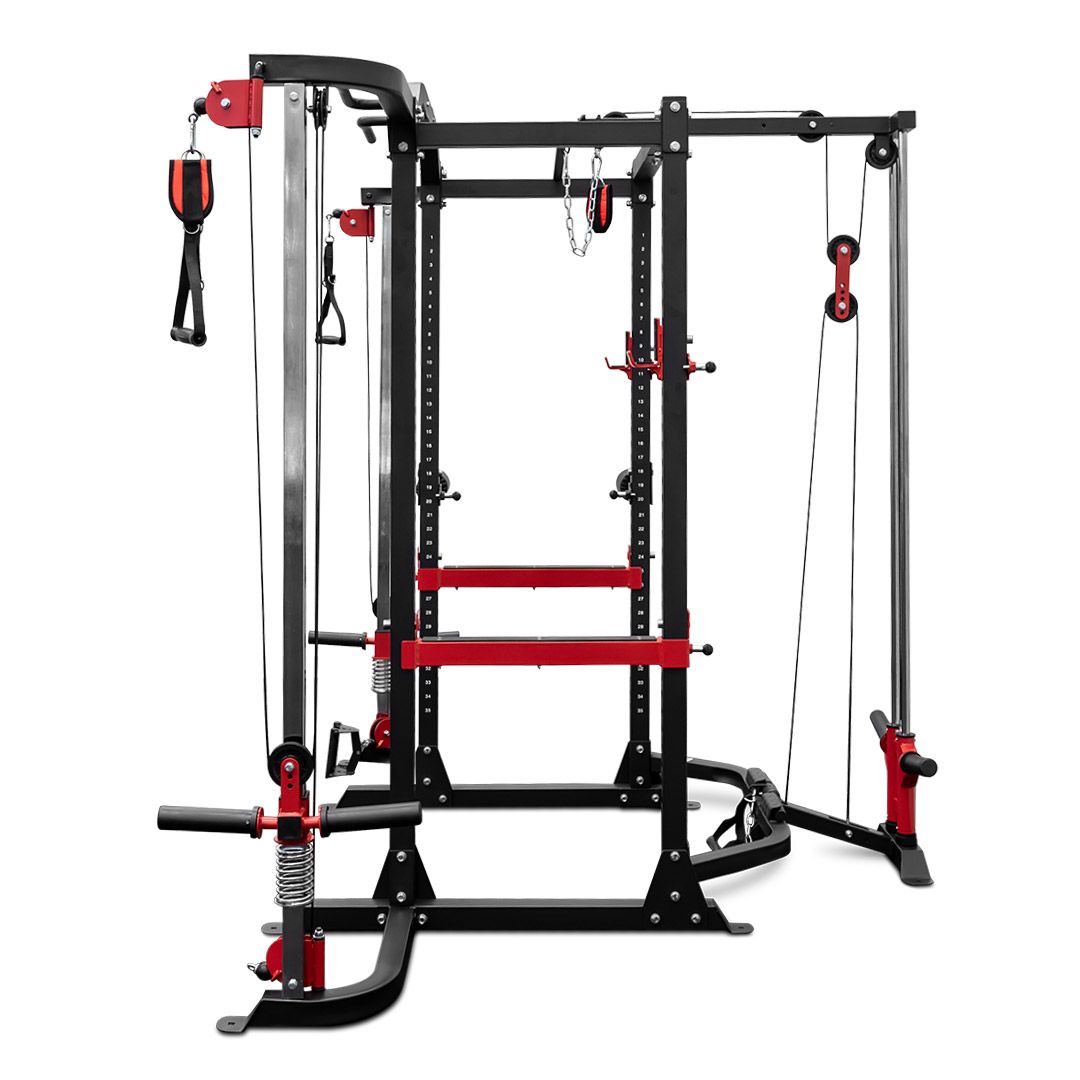
- Modular and expandable with attachments for lat pulldowns, dip handles, and landmines.
- Built to last 10-20 years with proper care and maintenance.
Power Racks for Home Gyms
Choosing the right power rack can feel overwhelming when you’re staring at dozens of options across the Australian market. Whether you’re setting up a home gym in your garage or a dedicated training space, the rack you buy will become the foundation of your strength training for years to come.
This guide breaks down everything you need to know before you buy a power rack, from specifications and safety features to realistic budgets and installation requirements.
How to Choose + Buy a Power Rack
If you’re ready to order now and just need the essentials, this section gives you the at-a-glance decisions. Read this, make your choice, and get lifting. For deeper explanations, continue to the full guide below.
The 5 Key Decisions You Need to Make
Decision
Options
Quick Recommendation
Rack type
Freestanding, wall-mounted, half rack
Freestanding full cage for solo heavy lifting
Use case
Home gym only
Match weight capacity to expected daily use
Budget range
AU$600-$2,000+
Mid-range AU$900-$1,800 offers best value
Space and ceiling height
2.3m minimum for most racks
Measure ceiling and floor space before buying
Must-have attachments
Pull-up bar, j-hooks, safeties, dip handles
Start with basics, expand later
If/Then Mini-Guide
- If you’re training heavy squats alone at home with a 2.4m ceiling, choose a full power cage around 210-220cm with safety spotter arms or safety straps.
- If you have smaller spaces or limited floor area, a half rack with front spotter arms saves about 30-50% floor space while retaining 85% of functionality.
- For serious home lifters, prioritise 11-gauge steel or thicker, 450kg+ load ratings, and a modular system with expansion options.
Power rack Prices
- Entry-level (AU$600-$900): Basic full racks with powder-coated finish, 300-400kg capacity, standard hole spacing, limited attachments included
- Mid-range (AU$900-$1,800): Heavier uprights (60x60mm or larger), Westside hole spacing in bench zone, better hardware, more attachment compatibility
- Elite home gym (AU$2,000+): Thick 75x75mm uprights, 500kg+ ratings, fully modular ecosystems, suited for dedicated home lifters
For detailed explanations of each specification, safety consideration, and buying tip, continue reading the complete guide below.
What Is a Power Rack + Why You Should Buy One
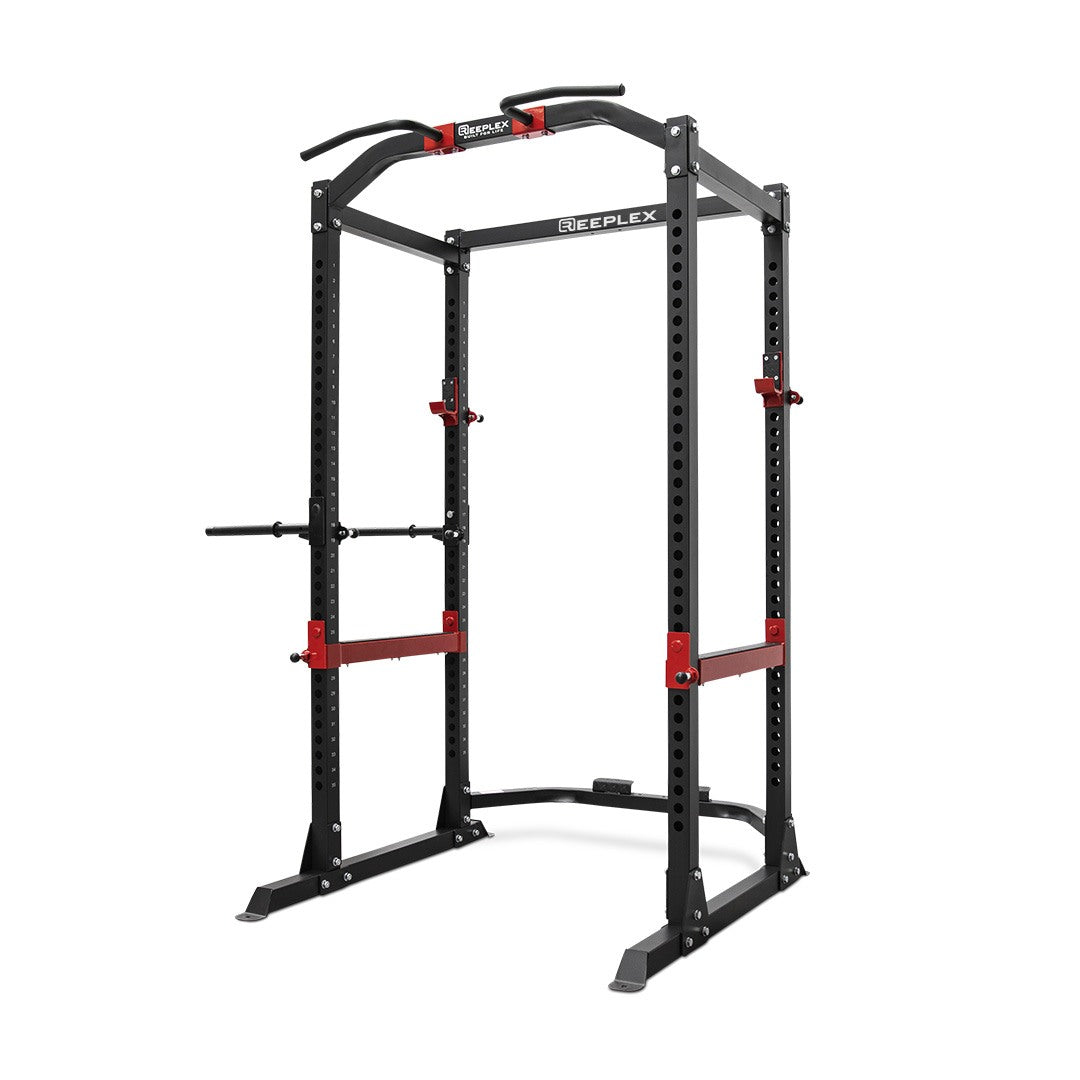
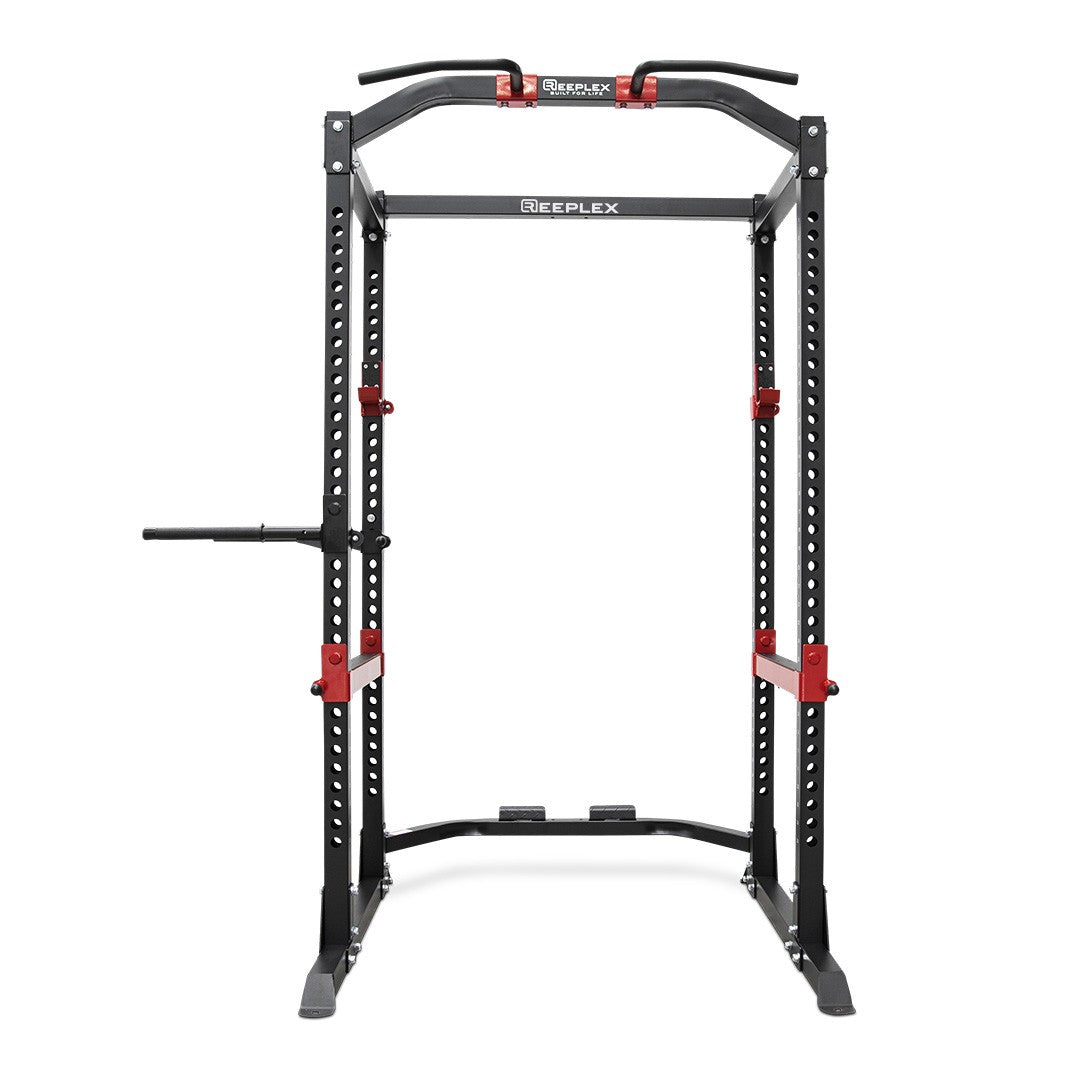
A power rack, also called a power cage, squat cage, or gym rack, is a four-post steel frame designed to hold a barbell at adjustable heights while providing safety mechanisms to catch the bar if a lift fails. The core structure consists of four upright vertical posts connected by horizontal crossmembers, with adjustable j-hooks for racking the bar and safety pins, arms, or straps positioned below.
This distinguishes a power rack from simpler squat racks or squat stands, which typically have only two posts and offer less protection during heavy lifts. A half rack sits between the two, open at the front with rear uprights and front safety arms, offering a compromise between space efficiency and safety.
What a Power Rack Lets You Do
- Squats with full safety coverage, set pins below your lowest depth to catch failed reps
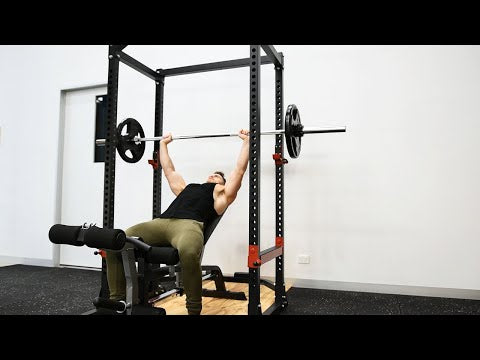
- Bench press inside the cage without needing a human spotter
- Shoulder press and overhead press with confidence
- Deadlifts and rack pulls from adjustable pin heights
- Pull ups and chin-ups via an integrated pull-up bar
- Dips using attachable dip handles
- Barbell rows, pin presses, and countless strength training variations
A power rack acts as the central station of a home gym, replacing multiple single-purpose machines and enabling a complete range of compound lifts in one footprint.
Who Benefits Most from Owning a Power Rack
- Home lifters who train alone and need reliable safety systems
- Powerlifters and strength athletes pushing heavy weights
- Personal trainers setting up home studios or garage gyms
- Anyone serious about bodybuilding or progressive overload training
For most serious lifters, the philosophy is simple: buy power rack once, cry once. It’s a long-term investment in safety, progression, and training quality that can last 10-20 years with proper care.
How to Decide What Power Rack to Buy
The Australian market offers everything from budget imports under AU$600 to heavy-duty elite cages exceeding AU$5,000. The variety can be paralysing, but the decision ultimately comes down to four pillars: training style, load capacity, available space, and future expandability, with many lifters comparing different squat racks, power racks, and half racks before deciding.
Training Goals
- General fitness and recreational lifting: A basic full rack with 300kg capacity handles most needs
- Powerlifting: Prioritise Westside hole spacing, thick uprights, and high load ratings (450kg+)
- CrossFit-style training: Look for pull-up bar variety, band pegs, and quick j-hook adjustment
- Bodybuilding: Cable attachments and lat pulldowns add isolation work to your compound lifts
Maximum Weight Considerations
Think about what you’ll realistically lift in the next 3-5 years, not just today. An 80kg lifter currently squatting 140kg might reach 200kg within a few years of consistent training. Buy a rack that handles your future strength, not your current numbers.
Safety Requirements
If you train alone, and most home gym users do, redundant safety features are non-negotiable. A set of safety straps or pins that can catch a failed 1 rep max is worth more than any accessory.
Example Personas
Lifter Profile
Recommended Rack Type
Key Specs
80kg lifter squatting 160kg at home in Brisbane
Mid-range full power cage
400kg capacity, 210cm height, Westside spacing
Beginner in Perth apartment with 2.3m ceiling
Compact half rack or foldable
300kg capacity, 200cm height, wall-mount option
Decision Checklist Before You Buy
- Defined training goals and exercise requirements
- Calculated maximum weight needs for next 3-5 years
- Measured ceiling height and floor space
- Listed must-have attachments (pull-up bar, safeties, dip handles)
- Set realistic budget including shipping and accessories
Power Racks: Key Specs
Upright Dimensions + Steel Gauge
Upright Size
Steel Gauge
Typical Use Case
50x50mm
14-gauge (2mm)
Entry-level home use, lighter loads
60x60mm
11-gauge (3mm)
Mid-range home use
75x75mm
11-gauge or 3mm+
Heavy-duty home gyms and serious lifters
Thicker uprights and heavier gauge steel translate to less flex under load and greater longevity. For home use, 60x60mm with 11-gauge steel offers an excellent balance of strength and cost.
Weight Ratings
- Minimum 300kg for home use with recreational lifting
- 400-450kg for serious home lifters and intermediate powerlifters
- 500kg+ for heavy-duty home gyms with frequent use
These ratings should be tested and published by the manufacturer, avoid racks that don’t specify load capacity.
Hole Spacing
Standard racks use 50mm (2-inch) hole spacing throughout. Better racks feature Westside spacing: 25mm (1-inch) increments through the bench press zone (typically between 30-60cm height), with 50mm spacing elsewhere. This closer spacing lets you set j-hooks and safeties at the correct height for bench press without compromising range of motion.
Footprint + Depth
- Compact racks: 120 x 120cm internal space, tight for movement, suits smaller spaces
- Standard racks: 120 x 150cm, comfortable for most lifters
- Deep racks: 140 x 180cm, ideal for walking out heavy squats, larger home gyms
A deeper rack provides more stability and room to move, but demands more floor space.
Coating + Hardware
Powder coating is standard and durable. Textured finishes on pull-up bars provide better grip. Zinc coatings resist rust in humid climates. Check bolt sizes (typically 16mm or 20mm) and weld quality, clean, consistent welds indicate manufacturing standards.
Power Rack Safety Features
The primary reason to buy a power rack is safety when lifting heavy alone. Everything else, attachments, aesthetics, brand prestige, is secondary to the rack’s ability to catch a failed rep and protect you from injury.
Types of Safety Systems
Safety Type
Pros
Cons
Best For
Pin-and-pipe
Simple, durable, no moving parts
Can damage bar knurling, fixed depth
Powerlifting, heavy squats
Flip-down spotter arms
Easy adjustment, protect bar
Require compatible upright design
General home training
Safety straps
Quiet, bar-friendly, adjustable
Slightly more setup time
Home gyms, bench press focus
Setting Safety Heights Correctly
- For squats, position safeties just below your lowest point in the lift, typically 2.5-5cm below parallel depth. This allows full range of motion while ensuring the bar won’t pin you if you fail.
- For bench press, set safeties so they catch the bar just above your chest when your back is flat on the bench. You should be able to re-rack the bar smoothly without the safeties interfering with your press.
Stability Considerations
- Floor-bolted racks offer maximum stability but require concrete anchors
- Freestanding racks with wide bases and plate storage horns add stability through weight distribution
- Heavier racks (80kg+ frame weight) resist tipping during dynamic movements
Real-World Safety Example:
Consider a 90kg lifter attempting a 180kg squat max. Without a power cage, a failed rep means dumping the bar backward (risking spinal injury) or collapsing forward under load. Inside a properly set up power cage, the safety pins catch the barbell, the lifter steps out unharmed, and training continues.
Avoid ultra-cheap, unbranded racks that don’t publish tested load ratings or steel specifications. A rack that flexes visibly under moderate load or has inconsistent weld quality is a liability.
Power Racks: Attachments, Upgrades + Future-Proofing
Modern power racks are modular systems, not static frames. Planning your attachments up-front saves money and ensures compatibility as your training evolves.
Popular Attachments
- Lat pulldown and low row: Adds vertical and horizontal pulling for complete back development
- Dip handles: Attach to uprights for weighted dips and upper body pressing variety
- Landmine attachment: Enables rotational work, single-arm presses, and rows
- Monolift arms: Allow unracking heavy squats without walking out
- Various pull-up bars: Standard, multi-grip, and fat bar options for different grips and calisthenics progressions
Compatibility Matters
Hole sizes vary between manufacturers. Common standards include 16mm (5/8”) and 20mm (3/4”). Before buying third-party attachments, confirm your rack’s hole diameter and spacing match. A mismatched attachment either won’t fit or creates unsafe play.
Expansion Example
- A lifter in Adelaide starts with a basic rack, pull-up bar, and safety straps
- Next, they add a lat pulldown attachment for lat pulldowns and cable rows
- Finally, dip handles and a landmine complete the setup
Initial Purchase Recommendations:
Start with essentials, pull-up bar, j-hooks, and safety system. Add one or two attachments based on immediate training needs and expand as your training evolves.
Installation Considerations
Measuring your room is crucial before buying a power rack online. A rack that doesn’t fit, or leaves no room for training, becomes an expensive coat hanger.
Footprint Recommendations
For comfortable training with a standard 20kg Olympic barbell (220cm length), plan for approximately 2.5m x 2.5m of clear floor space. This allows the barbell to extend beyond the rack on both sides with room for loading plates and moving around the equipment.
Ceiling Height Requirements
Ceiling Height
Suitable Rack Height
Considerations
2.3m
Up to 200cm
Limited overhead work, may need low pull-up bar
2.4m
210-215cm
Standard for Australian garages built after 2000
2.5m+
220-230cm
Full range of overhead movements possible
For strict presses and pull-ups, leave 20-30cm clearance above the pull-up bar.
Wall-Mounted vs Freestanding
- Wall-mounted and foldable racks: Save floor space but require structural wall mounting
- Freestanding racks: More attachment versatility and stability, ideal for permanent setups
Installation Details
- Basic tools: spanners (commonly 24mm), Allen keys, socket set
- Assembly time: 2-4 hours for two adults on a standard full rack
- Floor considerations: Concrete floors allow bolting; timber floors may require load distribution plates
- Recommended: Rubber flooring mats to protect both the floor and weights
Before purchasing, sketch or tape out the rack footprint and confirm clearances for doors, cars, and overhead obstructions.
Home Gym Power Racks: What You Need to Know
The demands of a private home gym differ from commercial settings. Understanding these differences helps you buy the right equipment.
Key Comparison Factors
Factor
Home Gym
Load capacity
300-450kg sufficient
Daily use cycles
1-2 sessions
Finish durability
Standard powder coat
Warranty
2-5 years residential
Price point
AU$600-$1,800
Concrete Scenarios
- A single lifter in a Sydney garage squatting 180kg needs a solid mid-range rack with 400kg capacity, quality safeties, and room for expansion. Price point: AU$900-$1,500.
When Robust Home Racks Are Enough
- Single or dual-user household
- Moderate to heavy lifting with occasional maxes
- Budget prioritizing value over prestige
- Space limitations favoring compact designs
Home buyers can focus on space efficiency, noise considerations, and family-friendly features.
Power Rack Cost Brackets
Price is a major factor, but bargains must never compromise safety. Understanding what each price tier offers helps you make informed decisions.
Power Rack Price Tiers
Entry-level (AU$600-$900):
- Basic full racks with powder-coated finish
- 300-400kg weight capacity
- Standard 50mm hole spacing
- Limited attachments
- Moderate gauge steel (12-14 gauge)
Mid-range (AU$900-$1,800):
- 60x60mm uprights with 11-gauge steel
- 400-500kg capacity
- Westside hole spacing in bench zone
- Better hardware, smoother j-hooks
- More attachment compatibility
Elite home gym (AU$2,000+):
- Thick 75x75mm uprights
- 500-1,000kg+ load ratings
- Fully modular ecosystems
- Extensive attachment range
Additional Costs to Budget For
- Shipping: AU$50-$200
- Rubber flooring: AU$100-$400
- Adjustable bench: AU$200-$600
- Olympic barbell: AU$200-$800
- Weight plates: AU$2-$4/kg
Spend Smarter Checklist
- Look for complete power rack packages to save cash
- Check barbell & plates packages for savings
- Never sacrifice steel quality or safety systems
- Cut back on cosmetics or non-essential accessories
- Compare long-term value: warranty, upgrade options, resale
- Factor in total cost including shipping and accessories
- Read reviews from buyers for real-world feedback
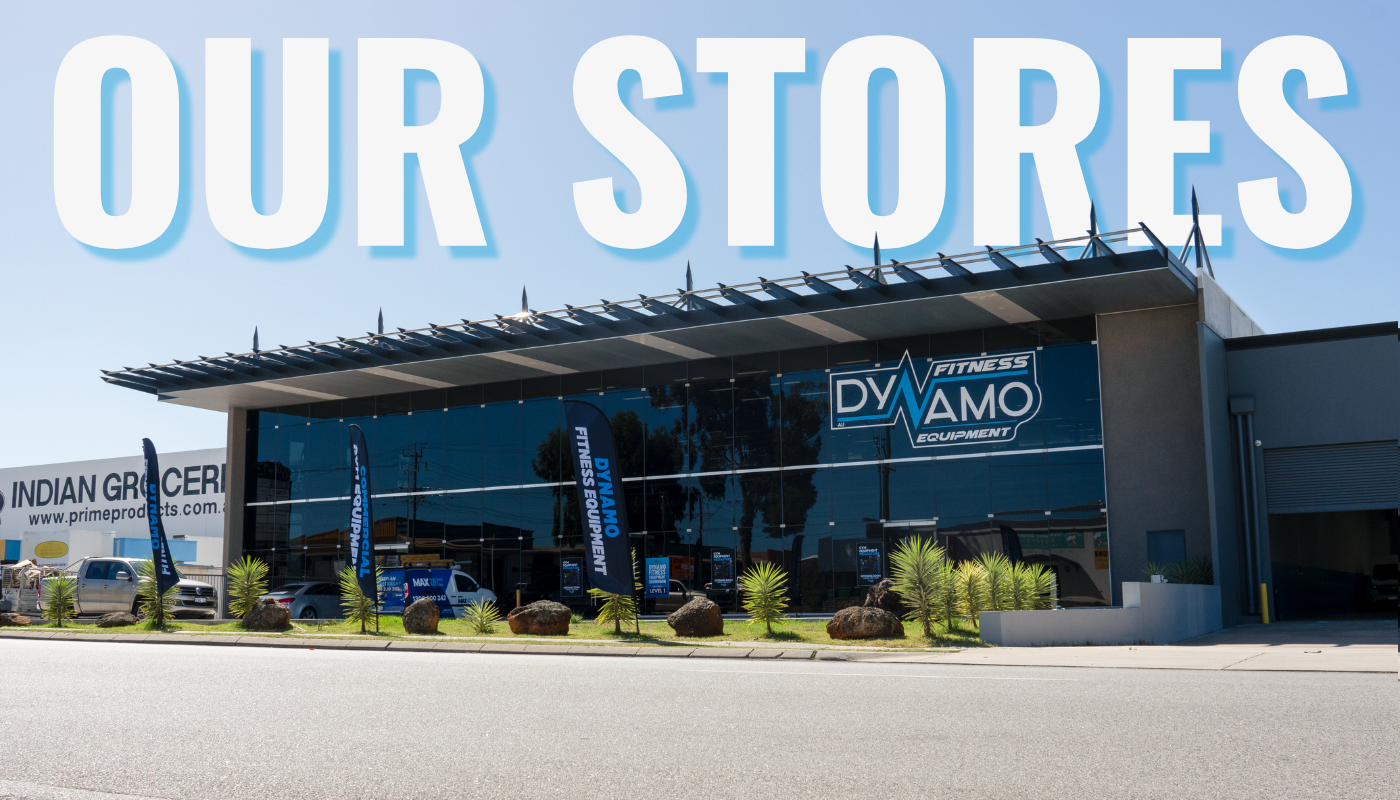
Visit Our Stores + Test Out Equipment
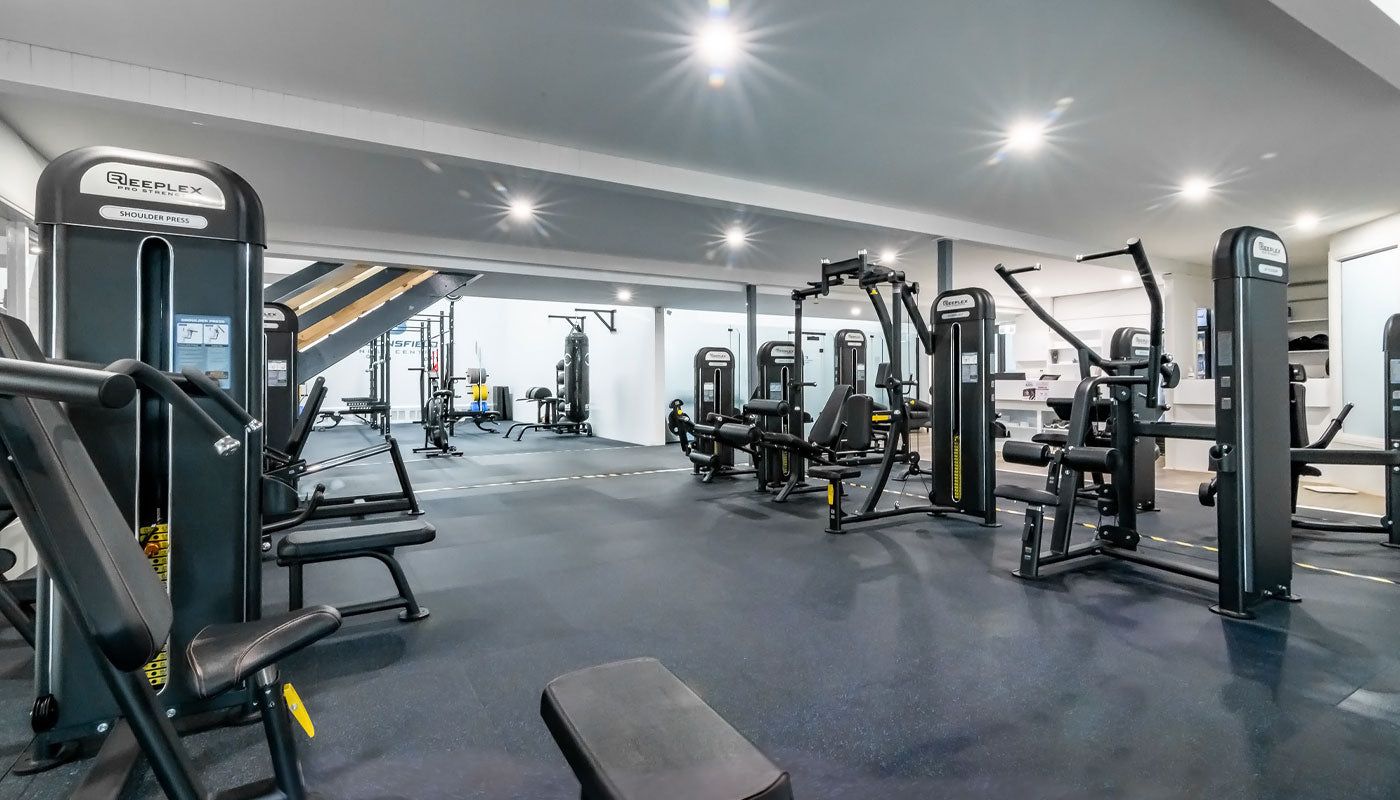
See, feel, and test the power racks and multi-station setups before you buy. Our friendly team can guide you through the features and help you choose the perfect rack for your home gym.
Dynamo Fitness Store Locations:
Find your nearest showroom and drop in to test out various power racks in person.
Ready to Buy Your Power Rack?
Invest in your strength safely and confidently with Dynamo Fitness. Our team is here to help you select the right rack for your home gym.
- Contact our team for personalised recommendations
- Buy now online or in-store and start training
- Flexible payment options available to suit your budget
- Delivery and setup guidance across Australia
A quality power rack is a one-time investment that transforms your strength training for years.
Measure your space, set a realistic budget, and choose a rack built to grow with your strength. Start with the essentials, prioritise safety, and expand your setup as your training evolves.
Don’t wait, your safest and most effective home lifting setup starts today.
Power Rack - FAQs
Choose a rack 200-215cm tall. Leaves 25-40cm clearance for pull-ups and overhead movements.
Yes. Set safety pins or straps above your chest to catch failed reps.
Not always. Freestanding racks with wide bases are stable, but bolting gives maximum stability.
Approximately 2.5m x 2.5m for a standard 220cm Olympic barbell.
Most ship in multiple boxes; delivery is usually required for full racks.
Power racks have four uprights and safety systems; squat racks typically have two posts with limited safety.