



Buy Home Gym Machines: Australia's Biggest Range
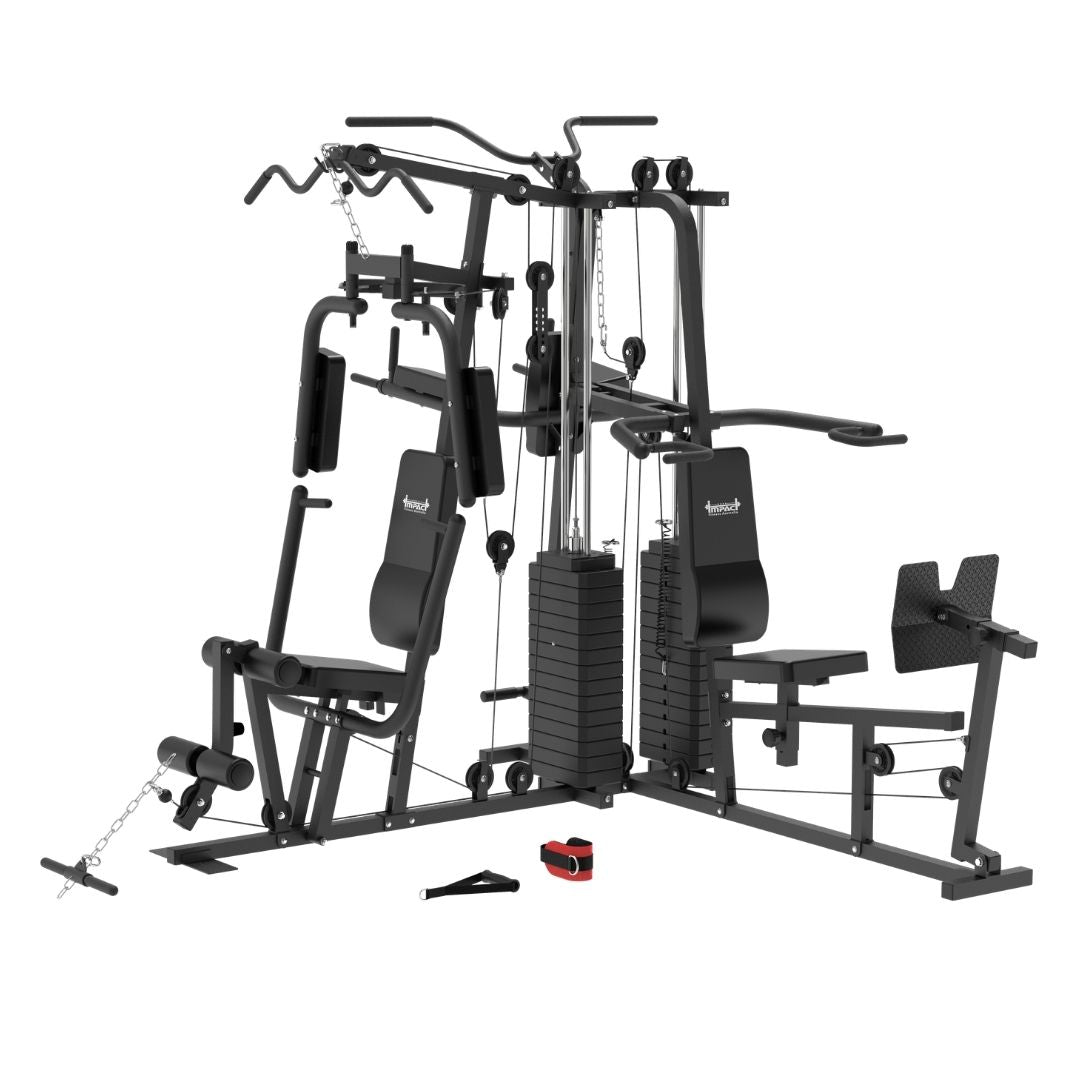
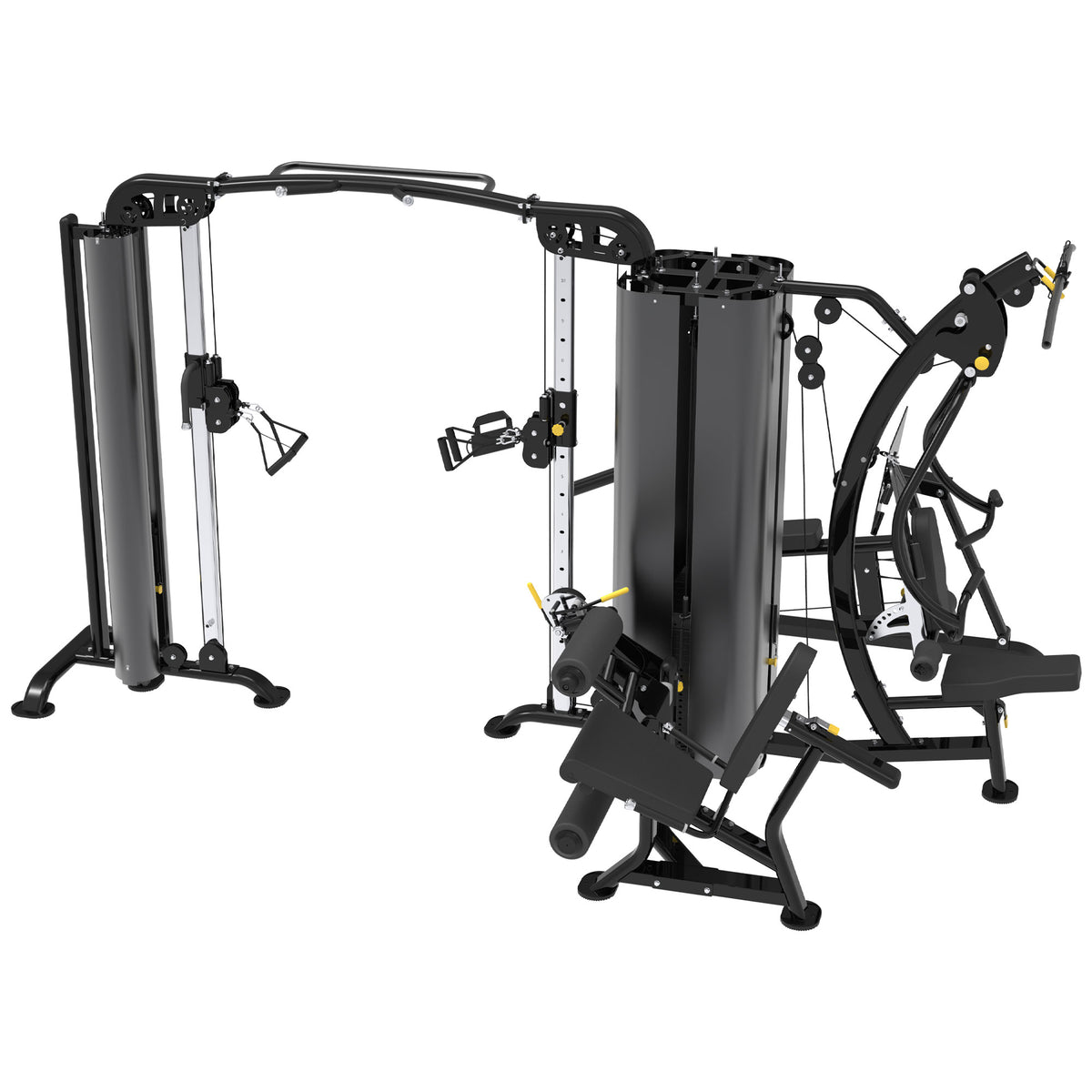
A home gym is any strength training machine designed for residential or personal training use. At Dynamo Fitness, our home gym machines include six types: multi-station gyms (multiple cable-and-weight-stack exercise stations in one unit), functional trainers (dual adjustable cable arms for a full range of movement patterns), smith machines (guided barbell on a fixed vertical track for safe heavy loading), cable machines (dedicated adjustable pulley stations), leg press machines (plate-loaded or selectorized lower body pressing), and pilates reformers (spring-resistance reformer systems for controlled pilates training).
Key facts:
- Multi-station gyms cover 6 to 12 exercises from one unit and are the most popular all-in-one solution for home use
- Most home gym machines require 1.5m x 2m to 2.5m x 3m of floor space depending on the type
- Cable-stack machines typically offer 60kg to 150kg of resistance; plate-loaded machines use your own plates with no fixed ceiling
- Functional trainers offer the widest cable movement range; smith machines are best for guided heavy barbell lifting alone
- All machine types work for home use without commercial gym infrastructure
- Ceiling height of at least 2.4m is required for overhead exercises on most home gym machines
- Complement strength machines with free weights and cardio equipment for a complete home training setup
Home Gym Machines: Build Your Complete Training Space
Getting the right strength machine for your goals, space, and training style is the decision that shapes everything else.
At Dynamo Fitness, our home gym machines cover every major type of strength system: multi-station gyms, functional trainers, smith machines, cable machines, leg press machines, and pilates reformers. Each serves a different purpose, and many of the best home gym setups combine two or more types. This guide covers what each type does, how they compare, and how to choose the right combination for your space and goals.
What Is a Multi-Station Home Gym?
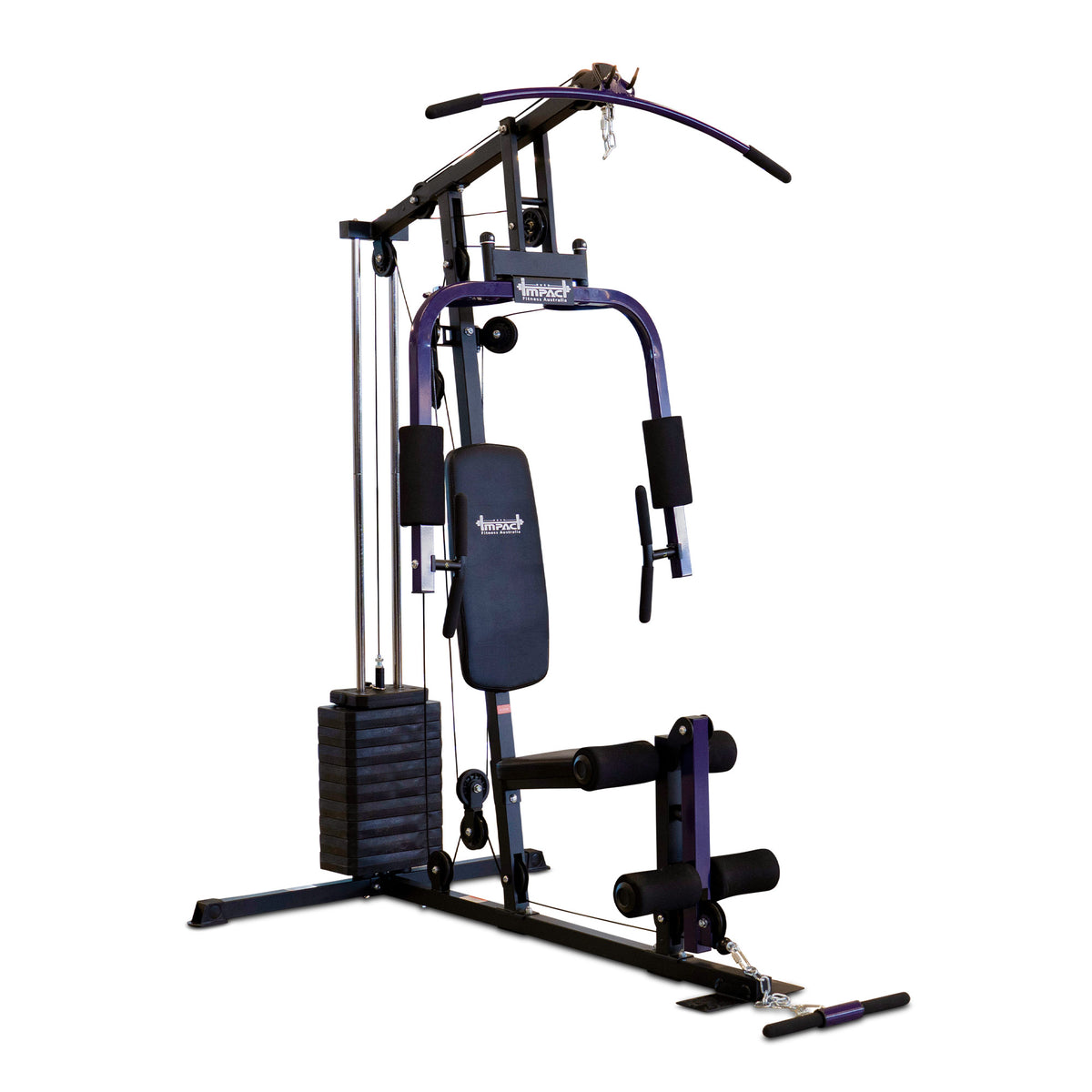
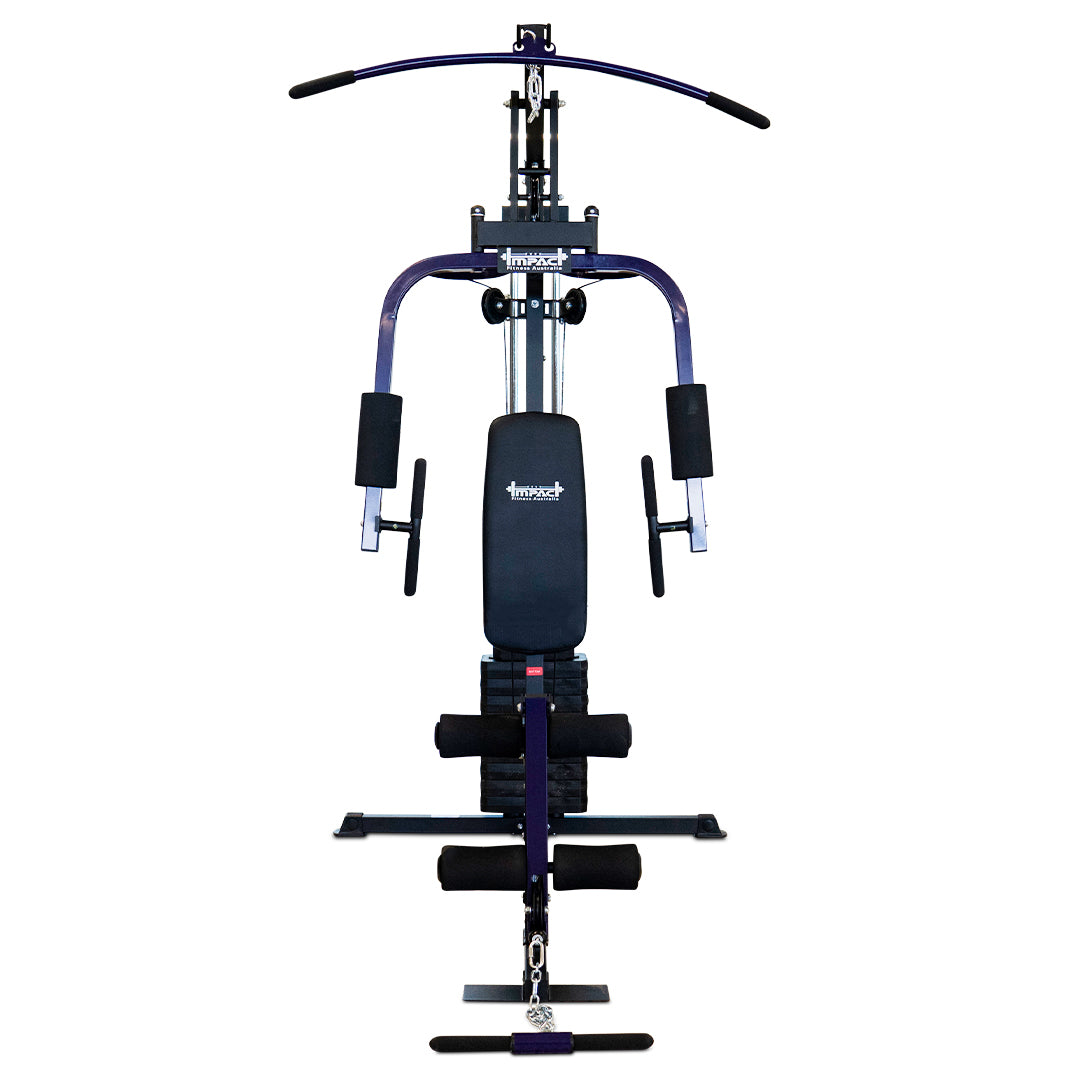
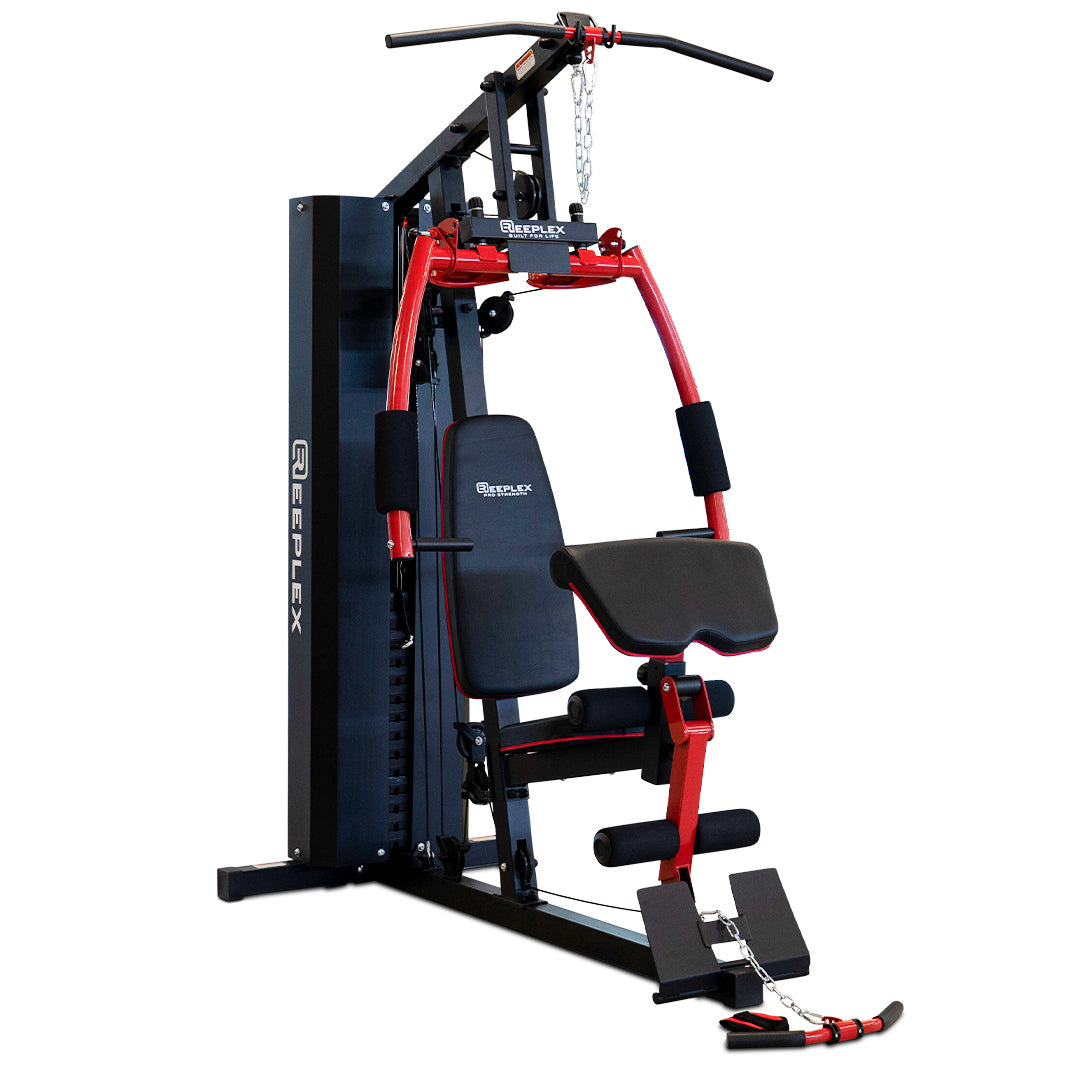
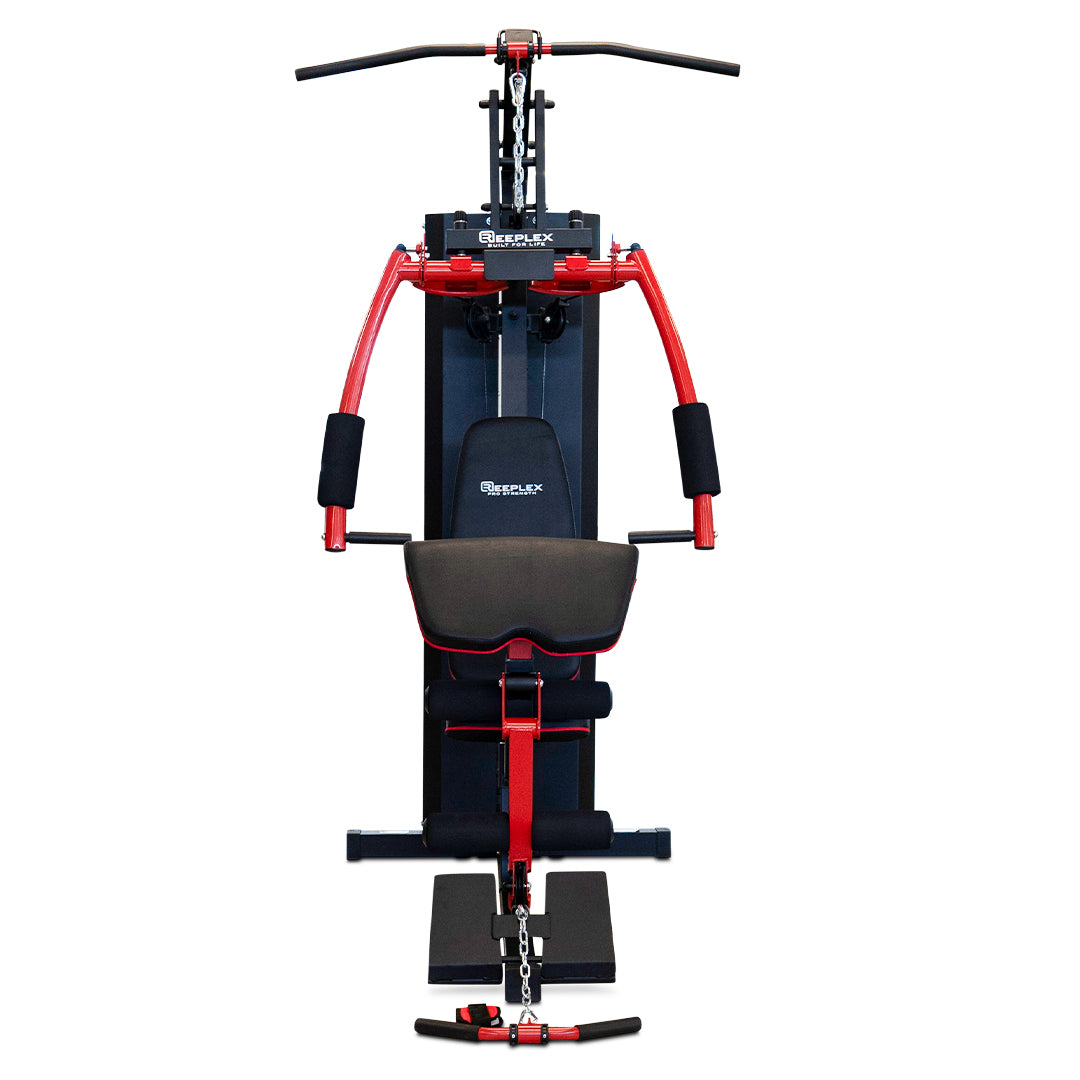
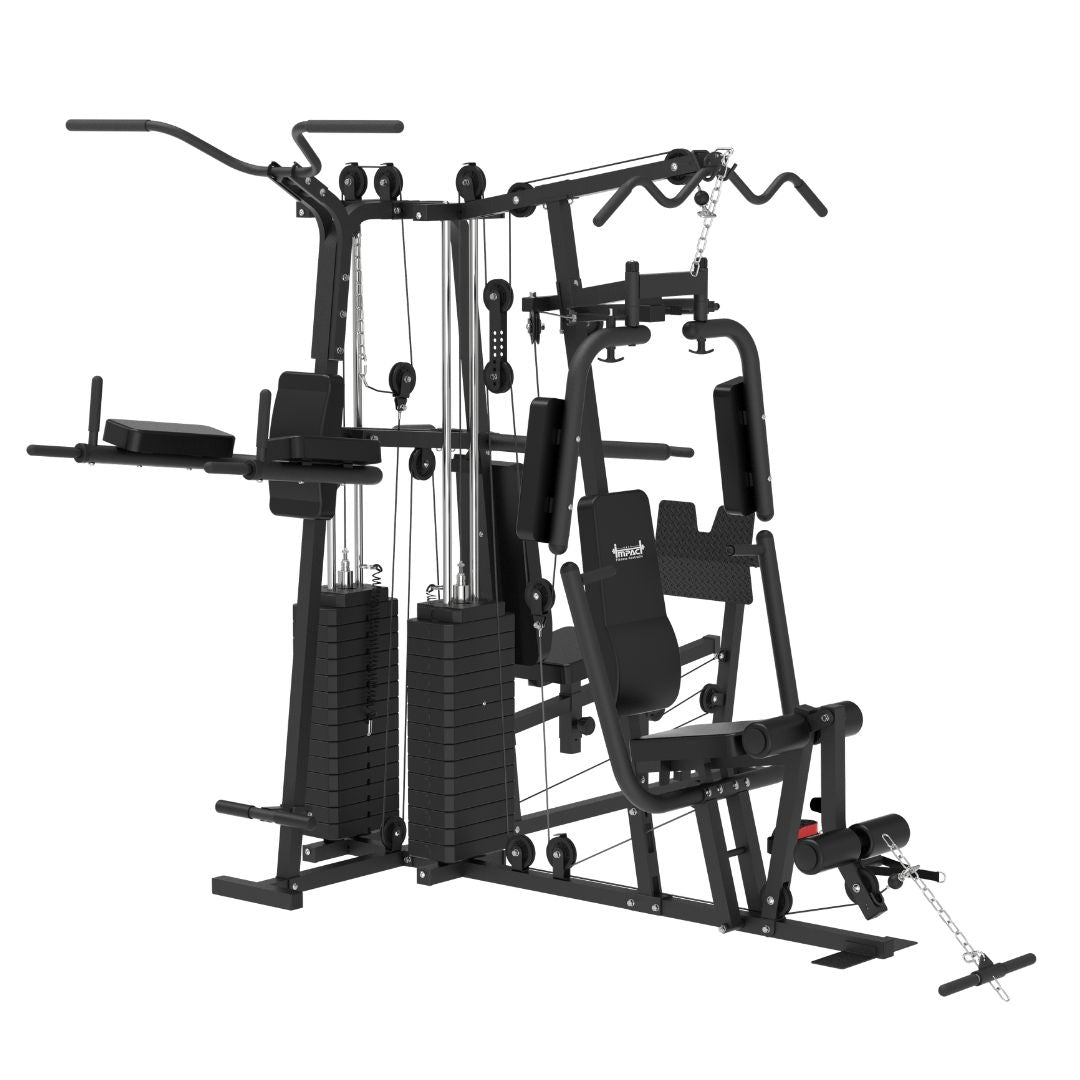
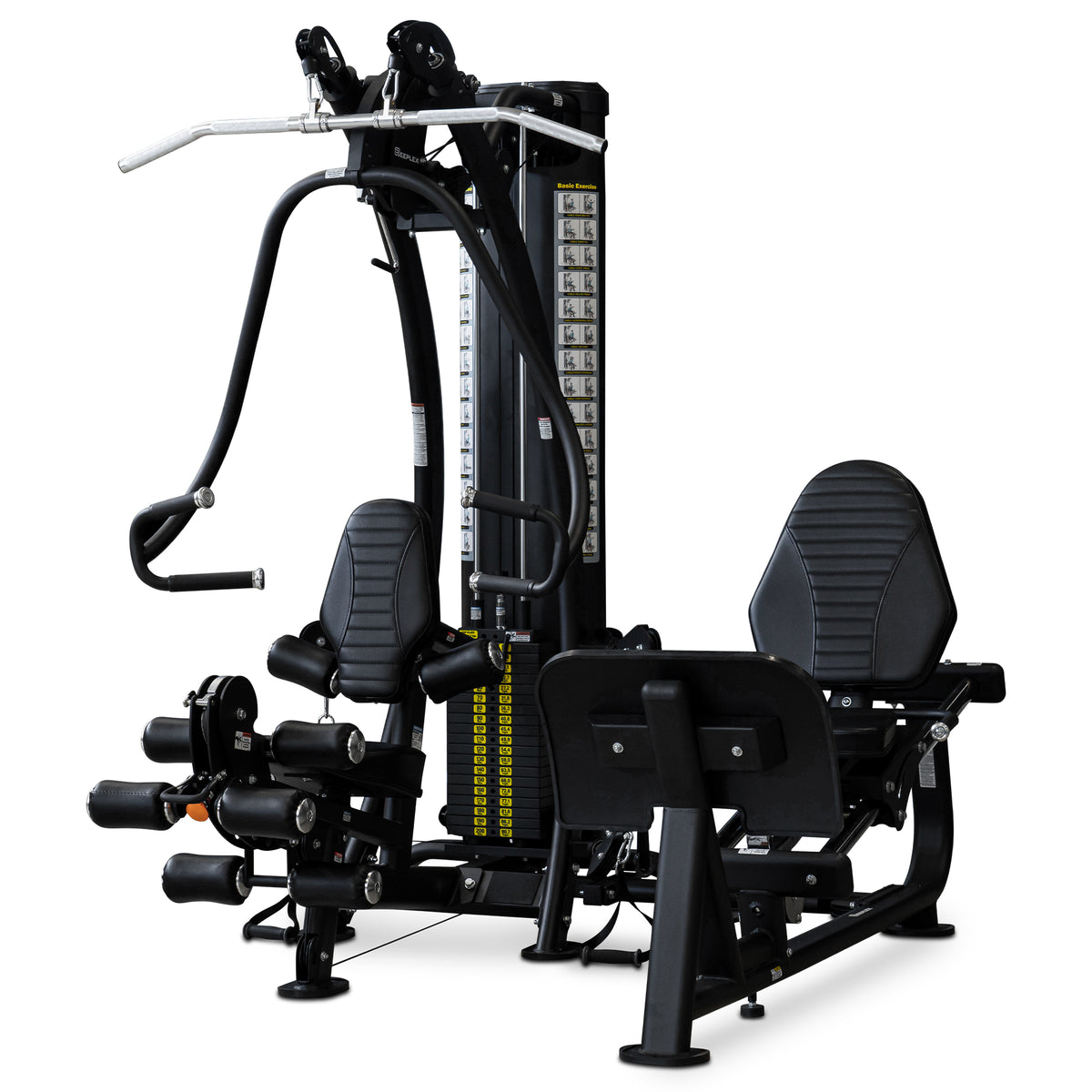
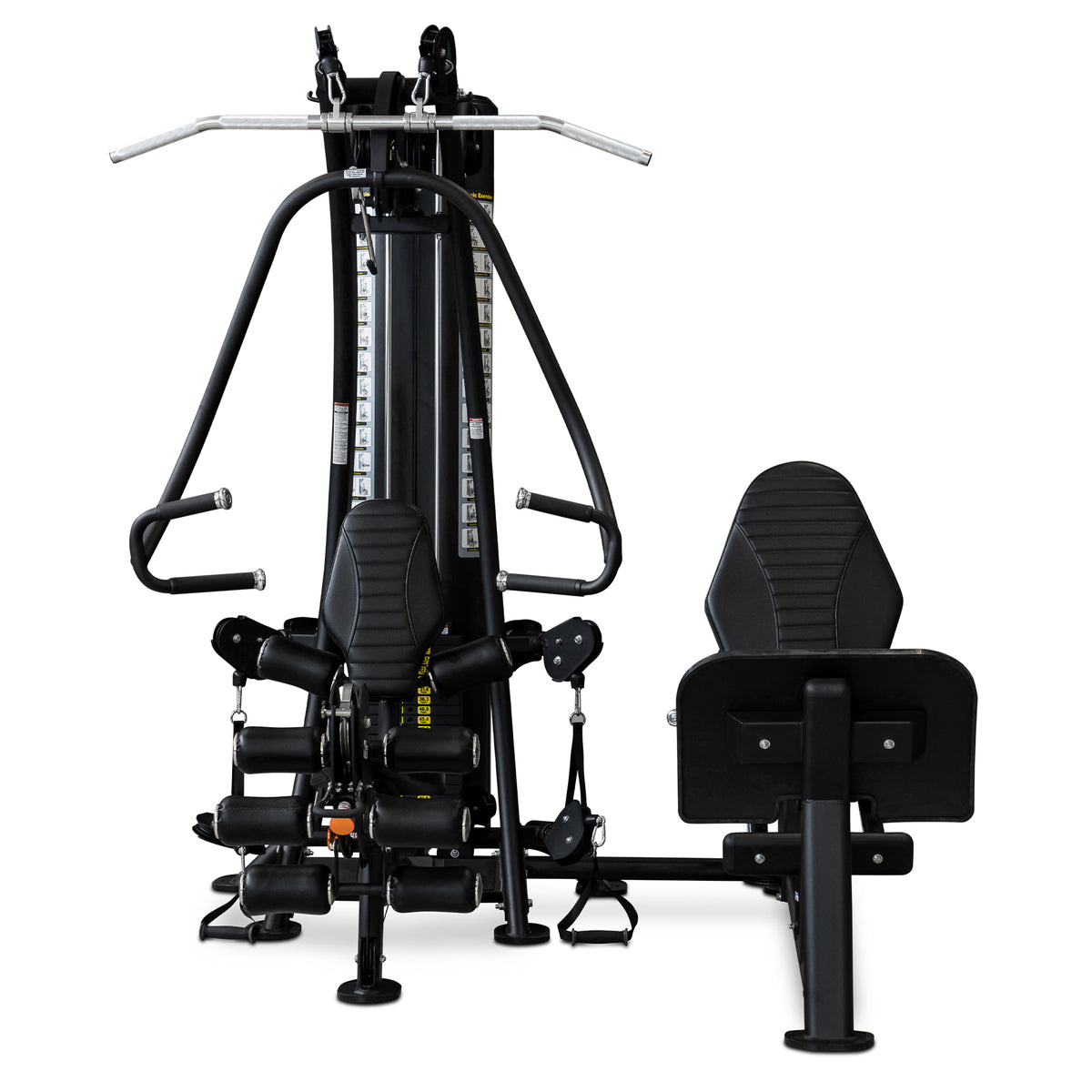
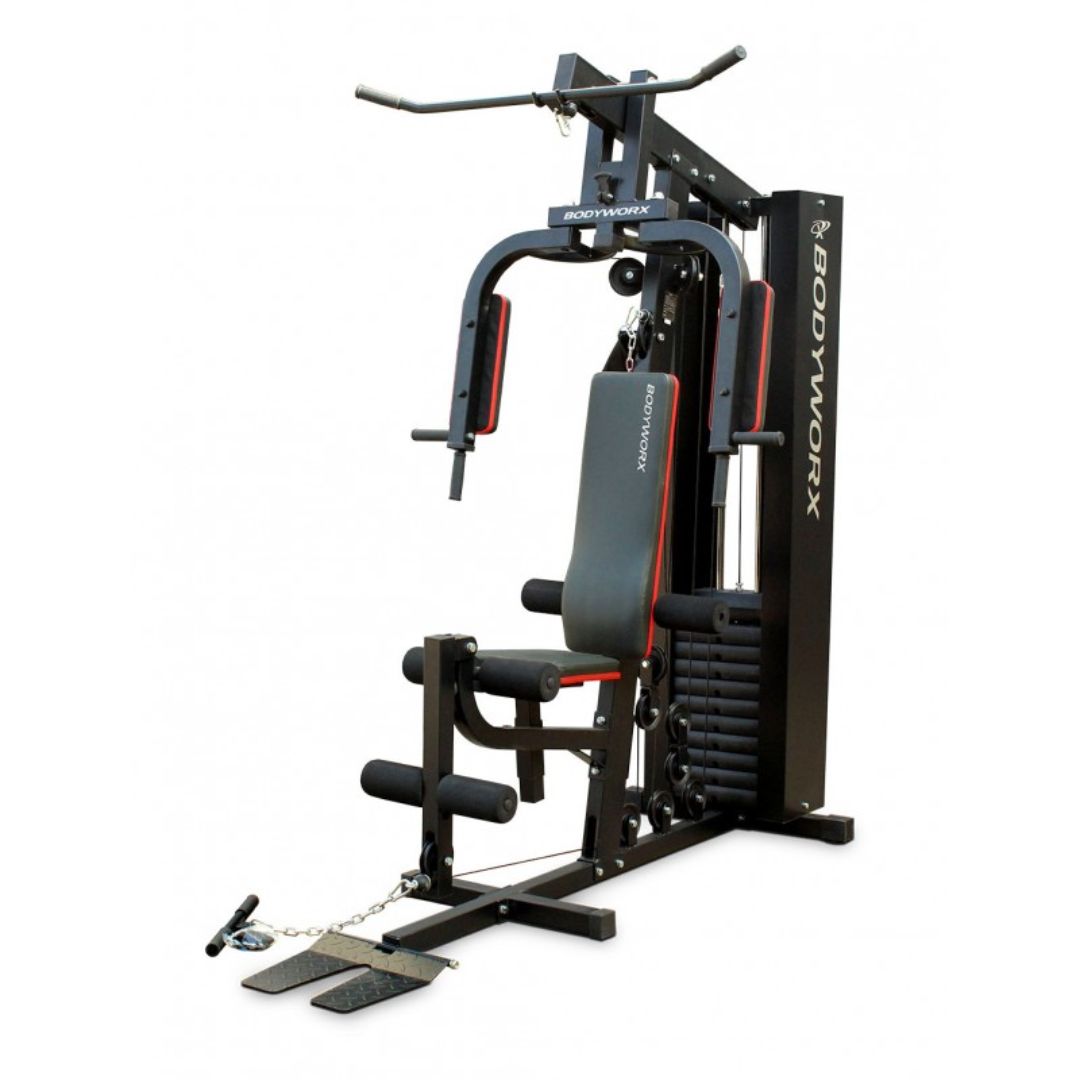
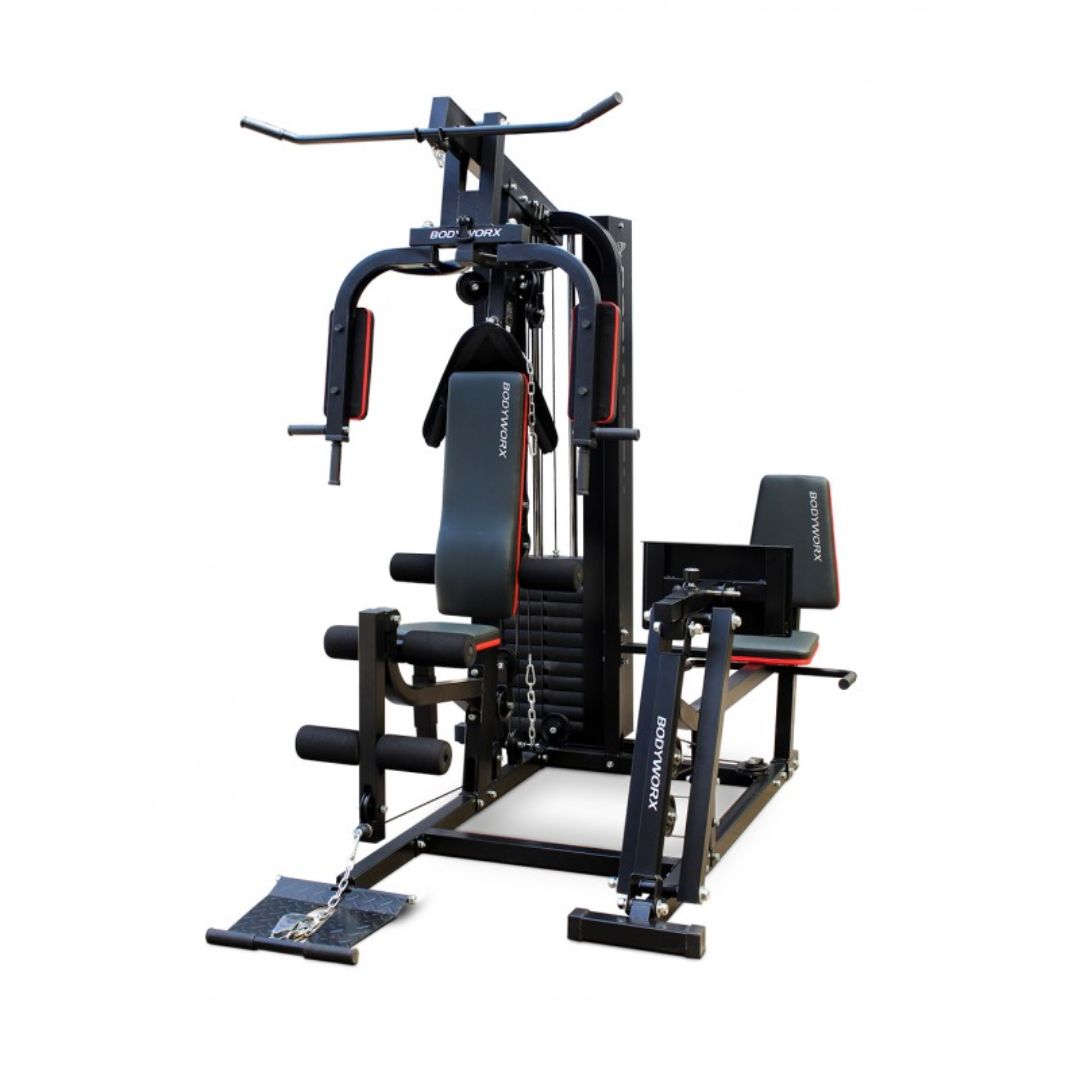
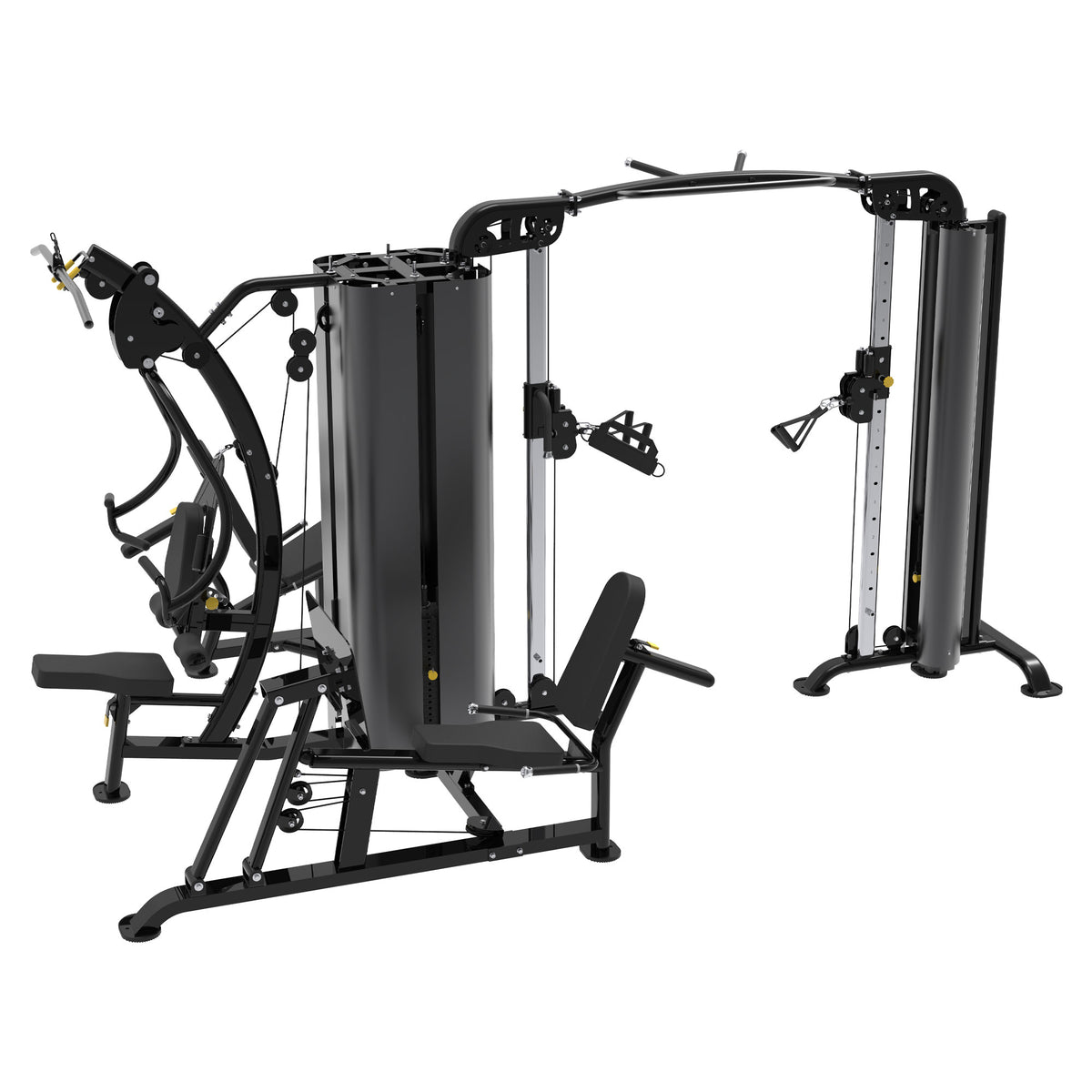
A multi-station home gym machine combines several exercise stations into a single integrated unit. Rather than buying separate machines for chest pressing, lat pulldowns, seated rows, and cable work, a multi-station gym handles all of these from one central piece of equipment. Resistance comes from an adjustable weight stack or plate-loading system, with cables and pulleys routing that resistance to each station.
The practical appeal for home use is straightforward: you get a complete strength training setup in the same footprint a single dedicated machine would normally occupy. Most multi-station gyms are built around 6 to 12 core exercises covering all major muscle groups, which gives you enough variety for a structured full-body strength program without needing additional machines.
Standard stations on most multi-gym machines:
- Chest press: cable or lever arm pressing movements targeting chest, shoulders, and triceps
- Lat pulldown: overhead pull station for upper back and bicep development
- Seated row: horizontal pull targeting mid-back muscles and improving pulling strength
- Leg extension and leg curl: isolation stations for quadriceps and hamstrings
- Adjustable cable pulley: handles bicep curls, tricep pushdowns, shoulder raises, and core cable exercises
Not all multi-station gyms are equal. Entry-level machines typically cover 6 to 8 exercises with a 60kg to 80kg weight stack. Mid-range models add stations, increase the weight stack to 100kg to 120kg, and improve build quality. Premium models approach commercial gym standard with heavier stacks, smoother cable paths, and commercial-grade upholstery.
Why Invest in a Home Gym?
The case for home gym equipment goes beyond convenience. For most people, a home gym pays for itself within one to two years of membership savings, and the training environment you build is always available exactly when you need it.
1. No waiting for equipment
Every station is available when you are. No queuing for the cable machine or rearranging your workout around what's free.
2. Train on your schedule
No commute, no gym hours, no lost sessions because you got home late. The machine is there whether it's 6am or 11pm.
3. Consistent progression
You're using the same machine every time, so you can track your exact weights and progressions without variables changing between sessions.
4. Long-term cost efficiency
A quality home gym machine replaces years of membership costs. Most Dynamo customers break even within 18 to 24 months compared to a commercial gym membership.
5. Multiple users, one machine
Adjustable weight stacks and seat positions mean the whole household can use the same equipment without any additional cost.
Home Gym Machines: Your Options
Beyond multi-station gyms, the Dynamo home gym range includes five specialized machine categories, each designed for a specific style of training. Here's what each type does and who it suits best.
1. Functional Trainers
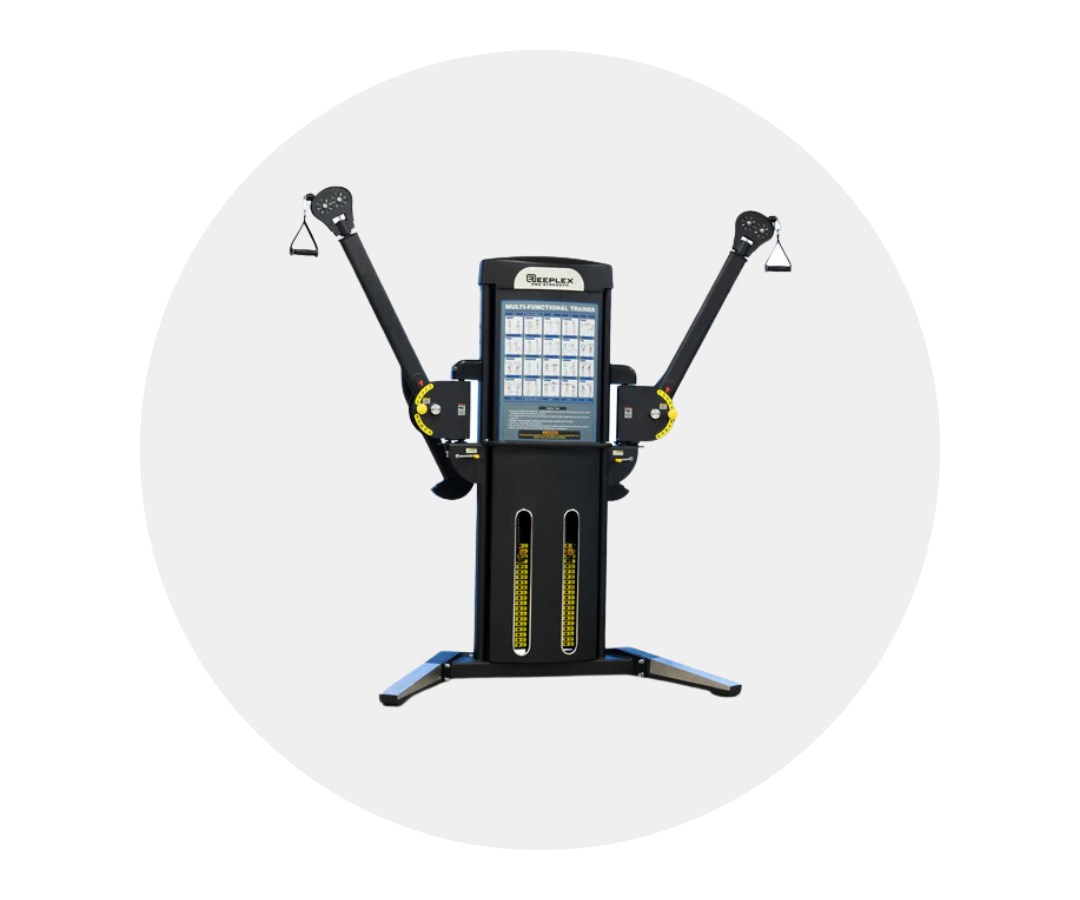
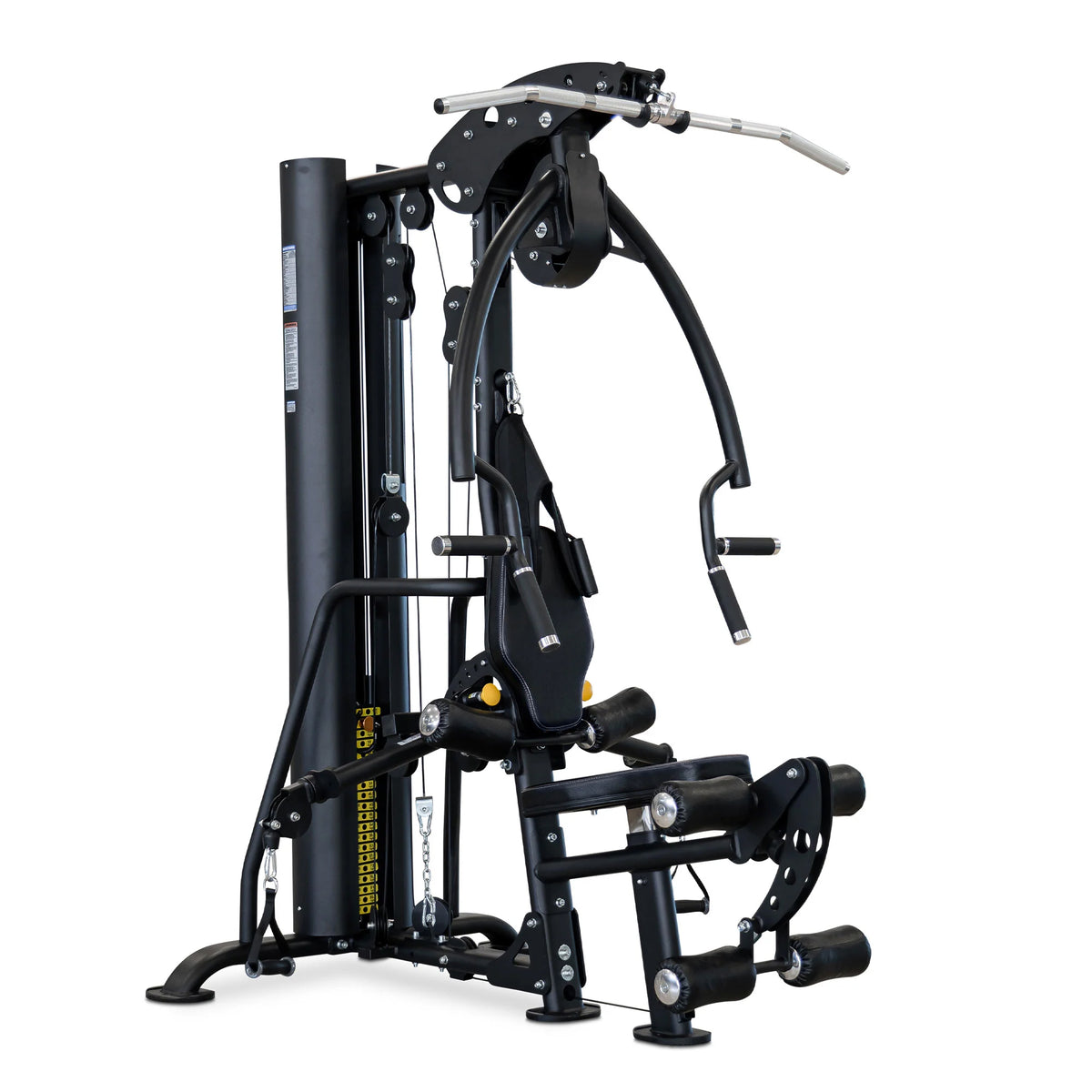
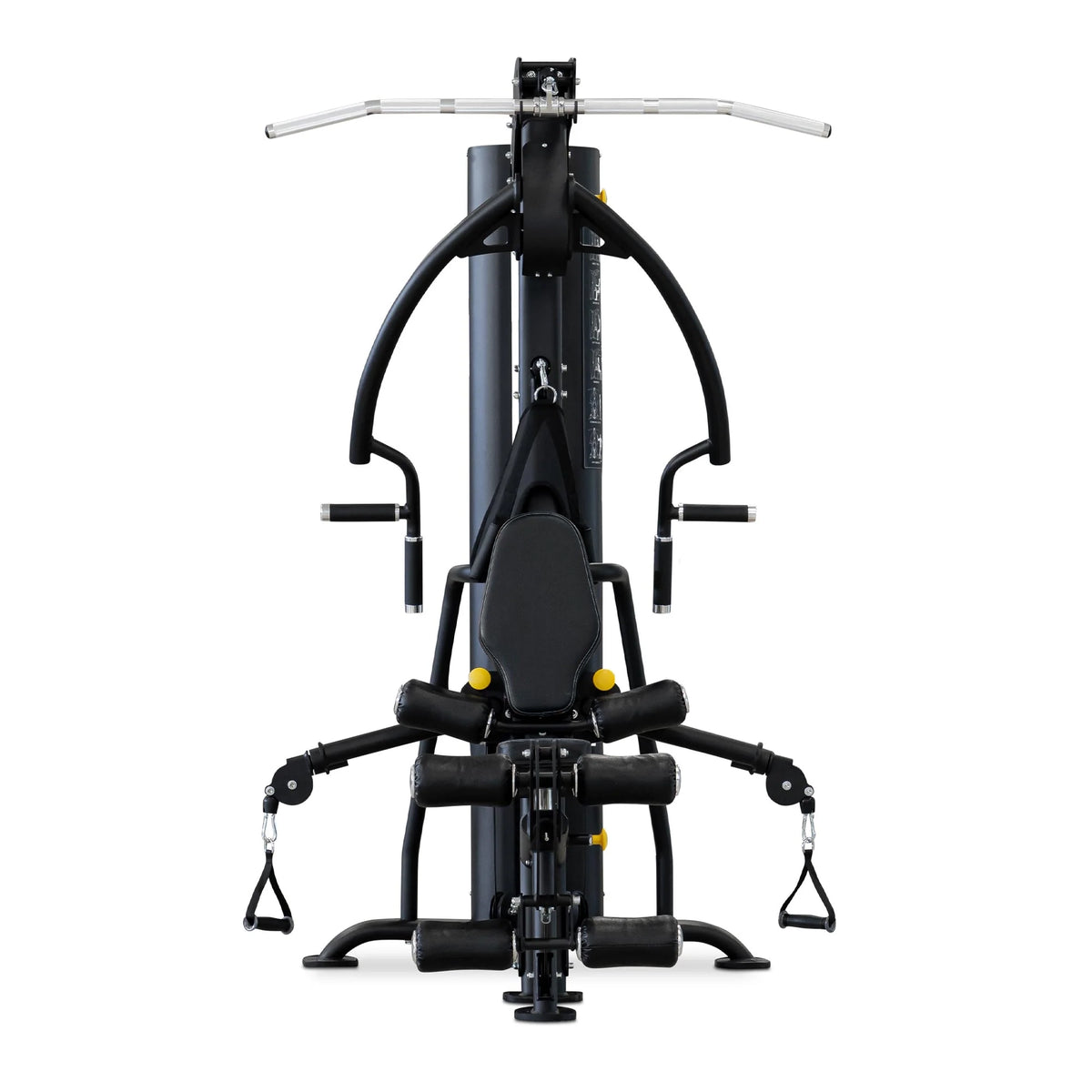
A functional trainer uses two independently adjustable cable arms that move through a full range of heights on a vertical track. This gives you significantly more movement freedom than a fixed cable station, including pulling, pushing, and rotational exercises from low, mid, and high cable positions. Functional trainers are excellent for upper-body strength, core training, and athletic conditioning movements that multi-station gyms can't replicate.
2. Smith Machines
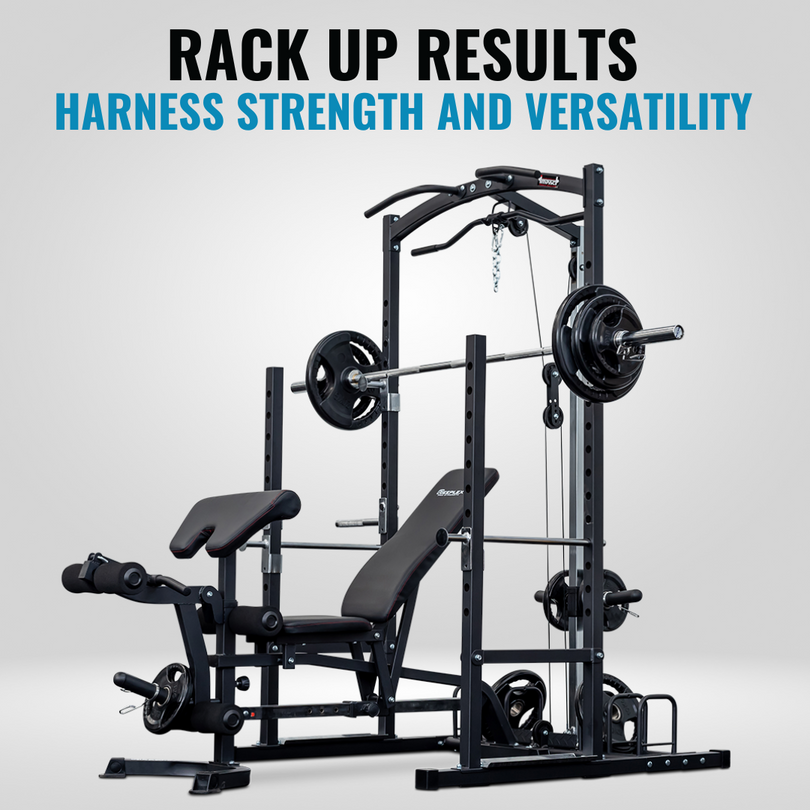
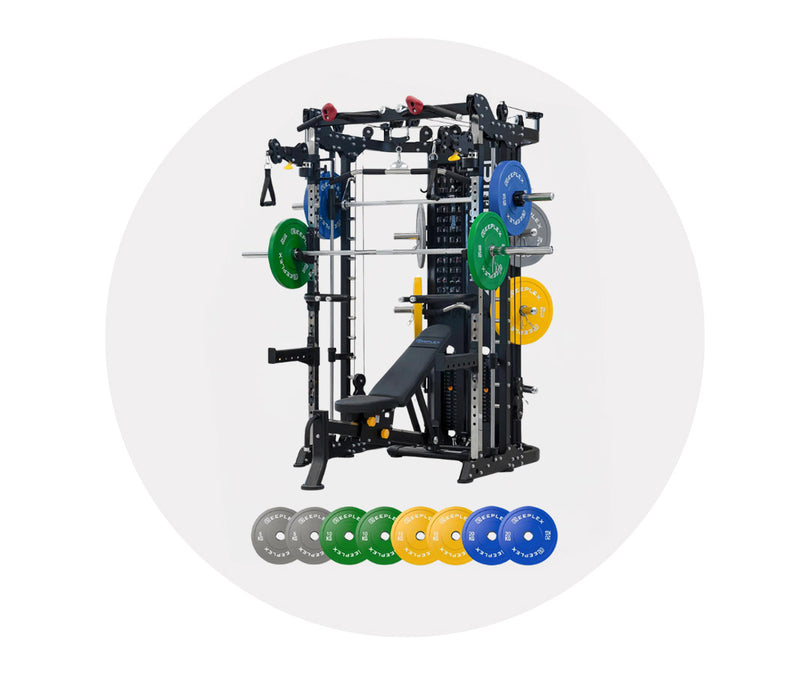
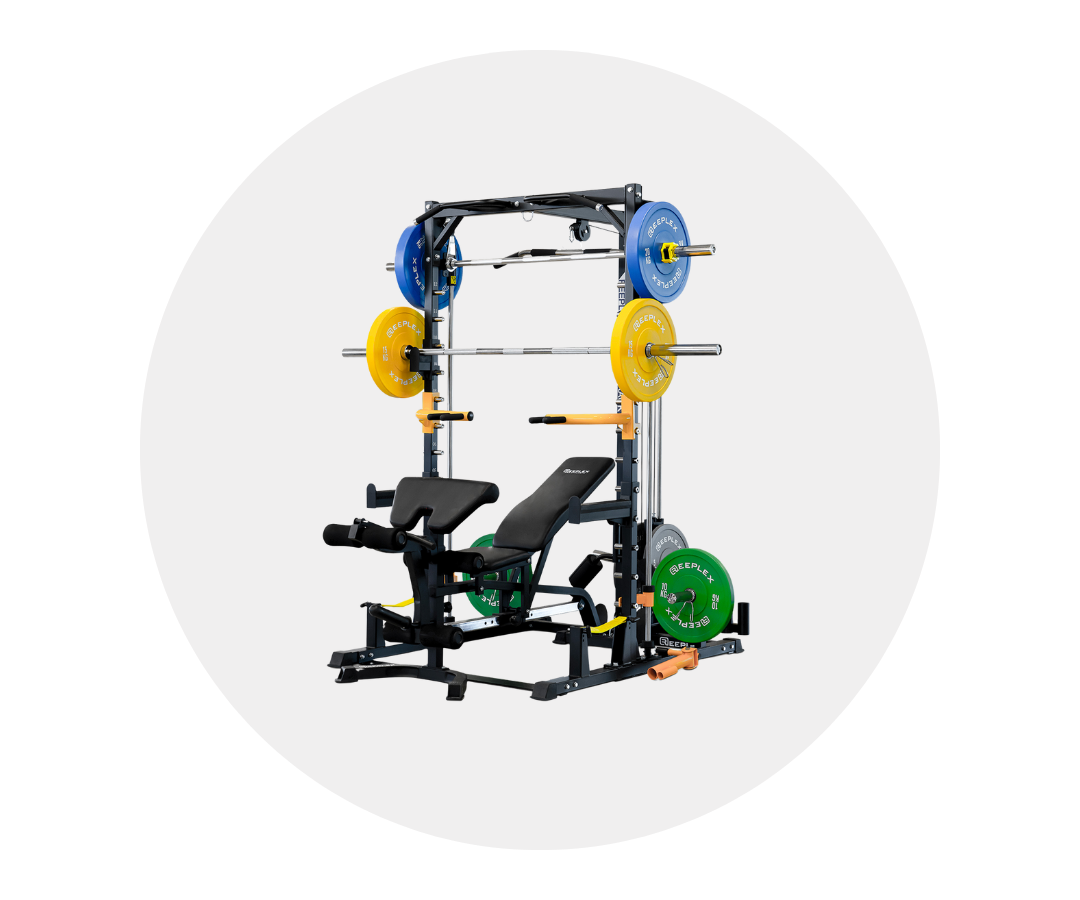
A smith machine mounts a barbell on a guided vertical track with built-in safety catches at multiple height positions. You can perform squats, bench press, shoulder press, and other barbell movements without a spotter, which makes it a practical choice for home gym users who train alone. Many models also include a cable pulley station integrated into the frame, adding cable exercise capability alongside barbell training.
3. Cable Machines
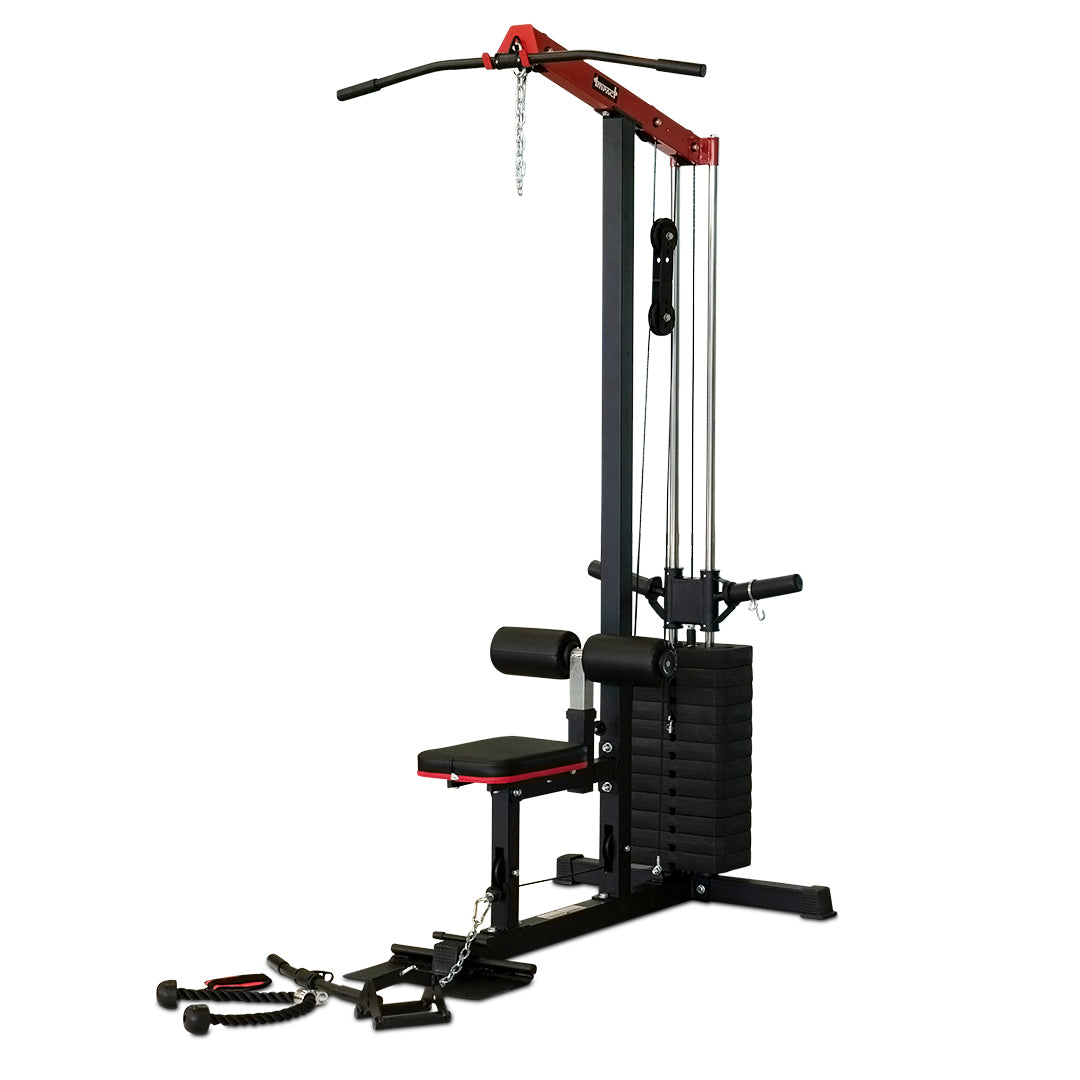
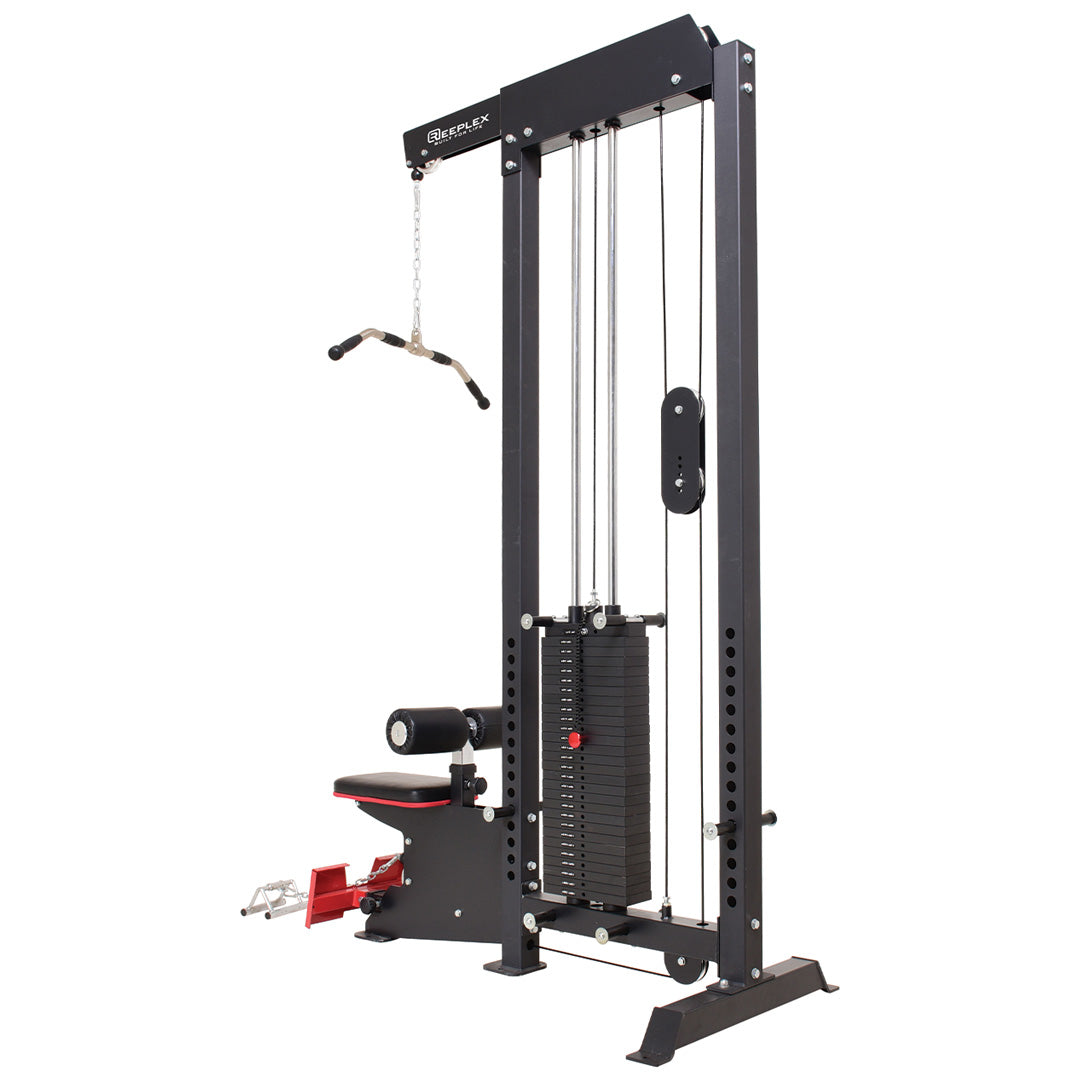
Standalone cable machines provide a dedicated adjustable pulley system for cable-based training. Unlike the cable station on a multi-gym, a standalone cable machine typically offers a taller column and a wider pulley height range, giving you more exercise options per session. They're well suited to users who do a lot of cable isolation work and want a dedicated machine for it rather than sharing cable access with other stations.
4. Leg Press Machines
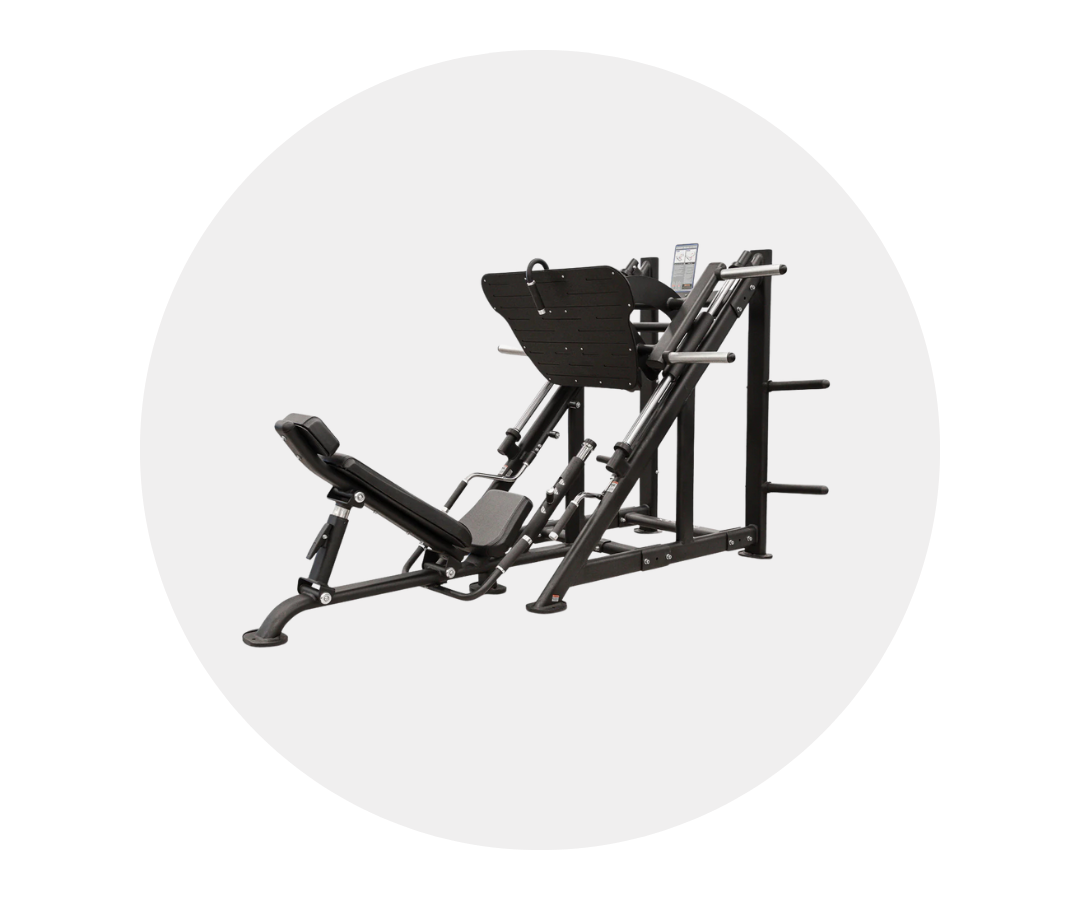
A dedicated leg press machine provides a specialized lower body pressing station that supports significantly heavier loading than a standard multi-gym leg station. Plate-loaded models use your existing Olympic plates; selectorized models use a cable weight stack. Either way, a dedicated leg press gives your lower body training a loading capacity and range of variation that an all-in-one gym machine can't match.
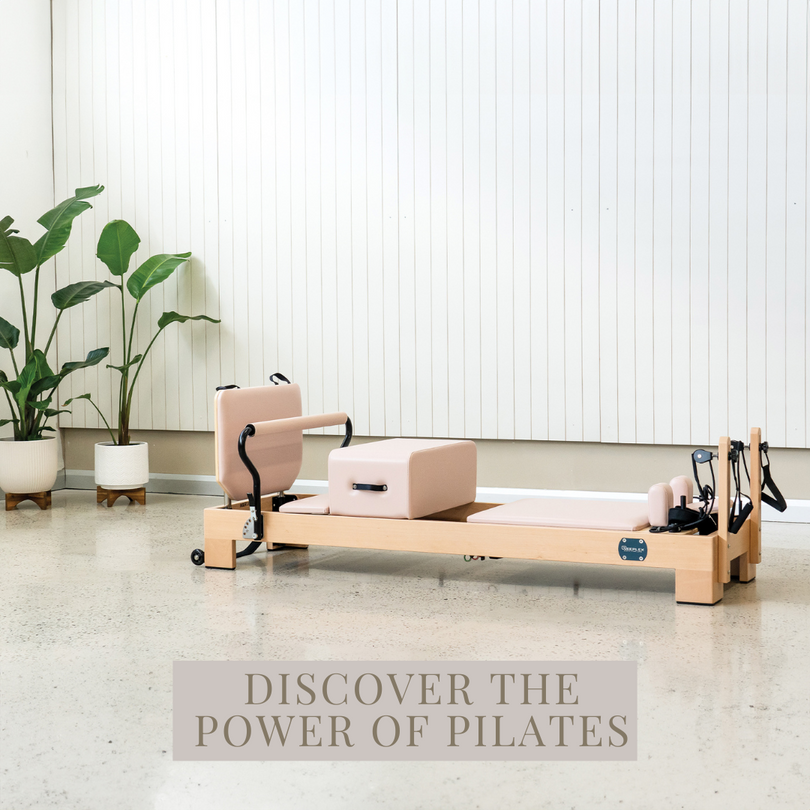
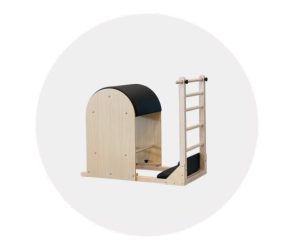
5. Pilates Reformers
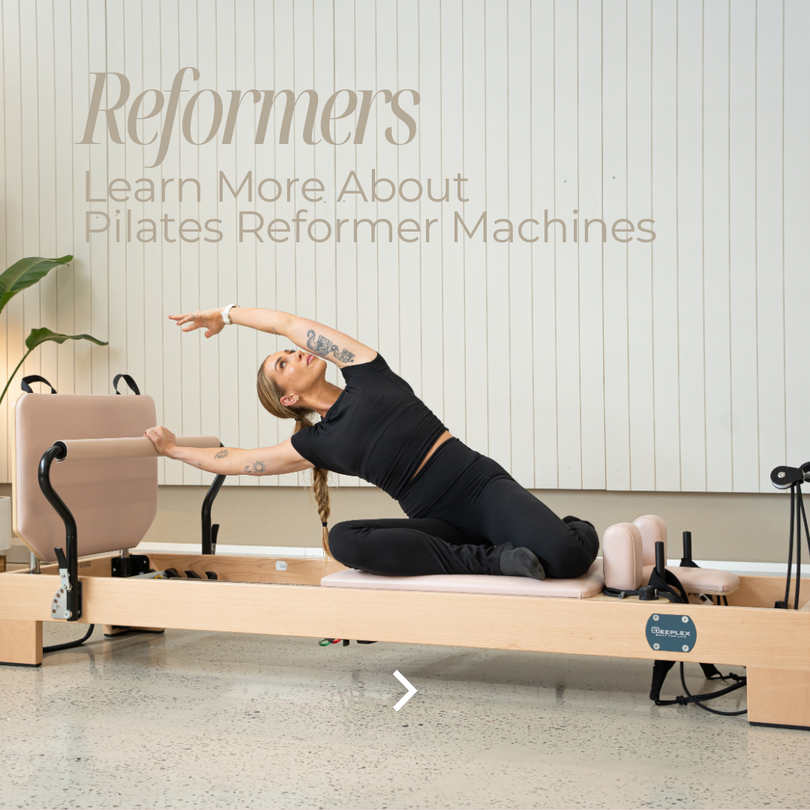
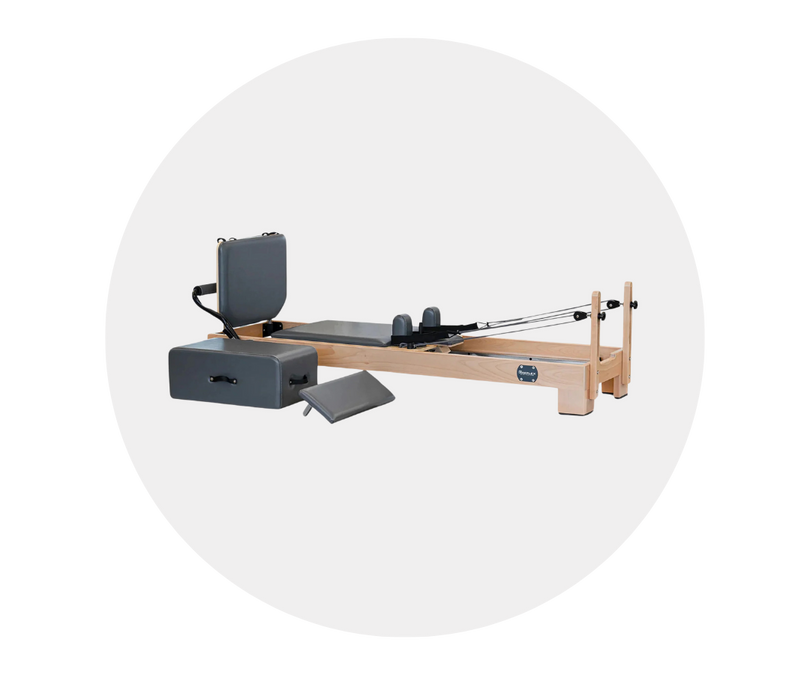
A pilates reformer is a spring-resistance training system used for pilates exercises. Unlike the other home gym machines, reformers use spring resistance and a sliding carriage to support controlled, low-impact movements targeting core strength, mobility, flexibility, and muscle tone. They're a popular choice for users who want a dedicated pilates practice at home, either alongside conventional strength training or as their primary training modality.
Home Gym Machines: A Comparison
Most setups combine a primary strength machine with one or two specialist additions based on training goals and available space.
| Feature | Multi-Station Gym | Functional Trainer | Smith Machine | Cable Machine | Leg Press |
|---|---|---|---|---|---|
| Best for | All-in-one home training | Cable variety and athleticism | Safe solo barbell lifting | Dedicated cable work | Heavy lower body pressing |
| Resistance type | Weight stack or plate-loaded | Weight stack or plate-loaded | Barbell plus optional cable | Weight stack | Plate-loaded or selectorized |
| Exercise range | 6 to 12 per station setup | 80+ cable variations | 15+ barbell and cable | 20+ cable exercises | Leg press and foot placement variations |
| Beginner friendly | Yes: guided stations | Yes: adjustable for all levels | Yes: safety catches included | Moderate: form knowledge needed | Yes: simple and intuitive |
| Space required | Medium: 2m x 3m typical | Compact: 1.5m x 2m typical | Medium: 2m x 2.5m typical | Small: 1m x 2m typical | Small: 1m x 2m typical |
| Multi-user | Yes: adjustable weight and seating | Yes: easily adjustable | Yes: adjustable safety catches | Yes | Yes: easy weight changes |
| Pairs well with | Free weights, cardio machine | Smith machine or power rack | Functional trainer or cable machine | Power rack or smith machine | Any upper body machine |
Choosing Your Home Gym Machine by Training Goal
Your primary training goal should drive which machine type you prioritize. Here's how each machine type maps to common training objectives.
| Training Goal | Multi-Station | Functional Trainer | Smith Machine | Cable Machine | Leg Press |
|---|---|---|---|---|---|
| Strength building | Good | Good | Best: heavy compound lifts | Supplementary | Best: heavy leg loading |
| Muscle toning | Best: full-body coverage | Best: cable isolation work | Good | Best: isolation exercises | Good: leg definition |
| Athletic conditioning | Good | Best: dynamic cable movements | Good | Good | Good: functional leg strength |
| Rehabilitation | Good: controlled range | Best: adjustable, low-impact | Good: guided movement path | Good: light resistance work | Good: controlled leg loading |
| General fitness | Best: all-in-one solution | Good | Good | Good | Supplementary |
| First home gym | Best: structured and self-guided | Good | Best: safety catches help beginners | Moderate | Good: easy to learn |
Home Gym Budgets: What You Get at Every Price Point
Home gym machines range from entry-level single-station setups to premium commercial-grade systems. Here's what to expect at three budget levels, from a first machine through to a fully equipped training space.
| Entry Level | Mid-Range | Premium | |
|---|---|---|---|
| Budget range | $500 to $1,500 | $1,500 to $4,000 | $4,000 to $10,000+ |
| Primary machine | Entry multi-station gym or compact cable machine | Mid-range multi-station gym or functional trainer | Premium functional trainer, smith machine, or commercial-grade multi-gym |
| Weight resistance | 60kg to 80kg cable stack | 80kg to 120kg cable stack | 120kg to 150kg+ stack or plate-loaded |
| Exercise range | 6 to 8 core exercises | 8 to 12 exercises plus accessories | 15+ exercises plus full cable and free weight range |
| Best for | Beginners, casual users, tight space budgets | Regular trainers, intermediate lifters, multi-user households | Serious athletes, advanced lifters, dedicated gym rooms |
| Typical lifespan | 5 to 10 years with maintenance | 10 to 15 years with maintenance | 15 to 20+ years |
Entry-level machines cover most beginner and intermediate training needs and are a practical starting point. The jump to mid-range is worth making if you train more than three times per week or if multiple household members will use the equipment. Premium systems are built to near-commercial standards and are the right choice for serious athletes or anyone building a permanent setup they won't outgrow.
Home Gyms: Key Features
When comparing home gym machines, a few specifications have an outsized impact on whether the machine suits your training long term.
1. Weight Stack vs Plate-Loaded
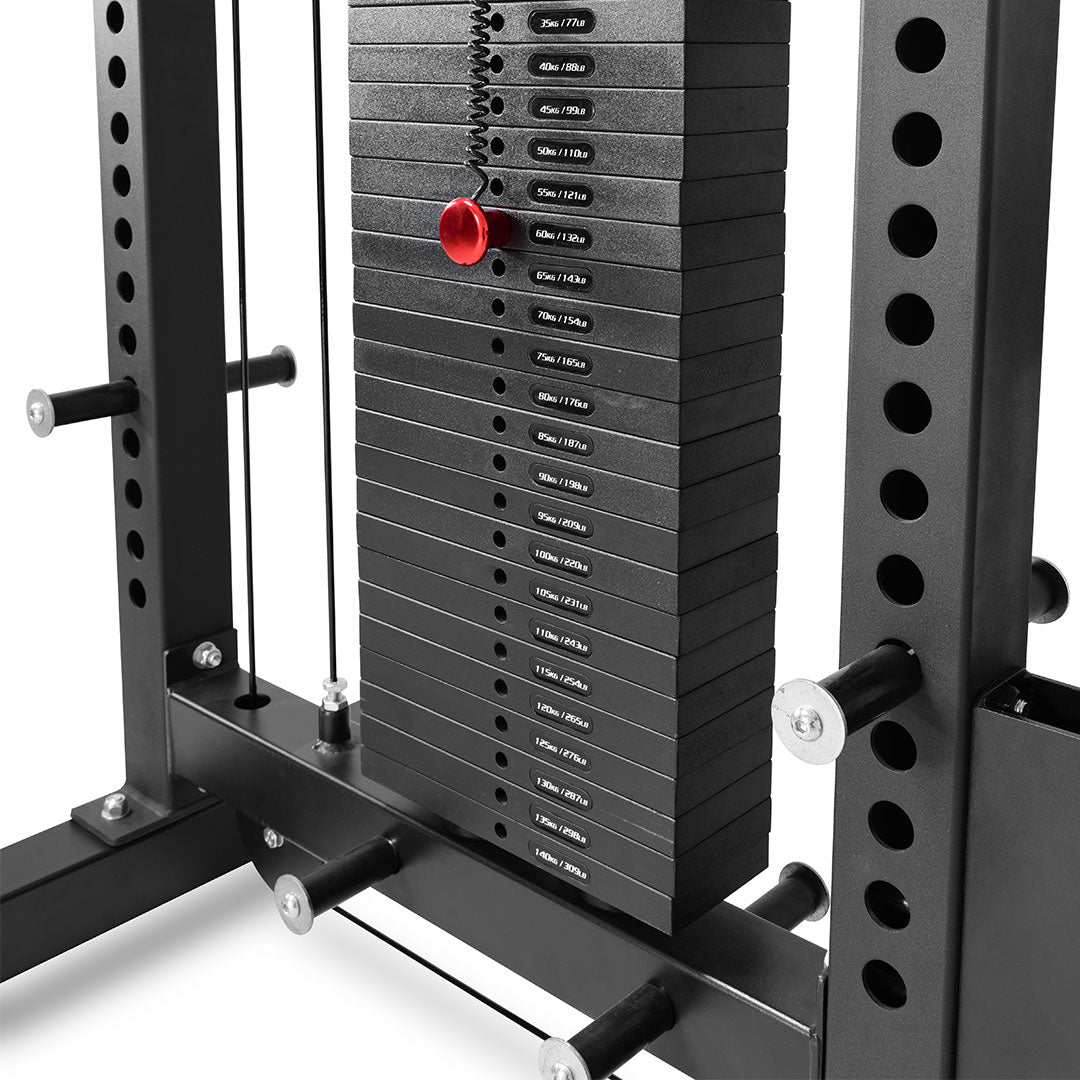
Cable-stack machines come with a fixed weight stack measured in kilograms. Entry-level machines typically provide 60kg to 80kg, which suits most beginners and intermediate users focused on toning. Users who want to continue building strength over time should look for 100kg to 120kg stacks minimum. More advanced lifters or those training primarily for strength may want 150kg+ or choose plate-loaded machines where the resistance ceiling is defined by how many plates you own.
Plate-loaded machines offer uncapped progression but require you to own a plate collection and manage plate changes between exercises. Selectorized stacks are faster to adjust and more beginner-friendly, but cap out at whatever the maximum stack weight is.
2. Frame Construction + Cable Quality
The frame quality determines both stability under load and longevity. Heavy-gauge steel construction is the standard for quality home gym machines. On cable-based machines, check the cable itself: steel-reinforced nylon cables outlast basic cable significantly and feel smoother throughout their life. A rough or sticky cable path at light loads only gets worse under heavy resistance over time.
3. Adjustability + Ease of Use
Adjustability determines how many users the machine suits and how many exercises you can perform. Key adjustable elements include seat height, back pad angle, and cable anchor height. Machines that require tools for adjustments slow down your workout significantly, while those with quick-release levers or pop-pin systems let you move between exercises or users in seconds. For home gym use, the faster the adjustment, the more the machine gets used.
4. Footprint + Ceiling Clearance
Most home gym machines require a minimum of 2.4m ceiling height for overhead exercises like lat pulldowns and shoulder press. The floor footprint ranges from around 1m x 2m for compact cable machines and leg press units to 2.5m x 3m for larger multi-station systems. Always plan for at least 0.5m to 1m of clearance on all sides of the machine for safe movement during exercises and access to weight stacks.
Building a Complete Home Gym
A home gym machine covers your resistance training needs, but a complete setup includes complementary equipment that addresses free weight training and cardio alongside your primary machine.
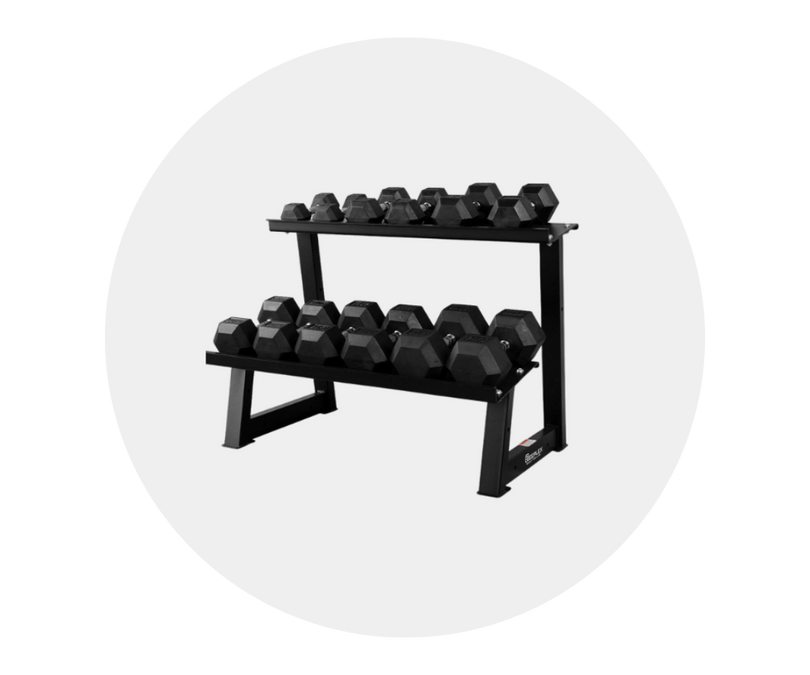
Free weights are the most versatile addition to any machine-based home gym. A set of dumbbells covers exercises that machines can't replicate, particularly unilateral work where each side trains independently. For space-conscious setups, adjustable dumbbells replace a full dumbbell rack in a fraction of the floor space.
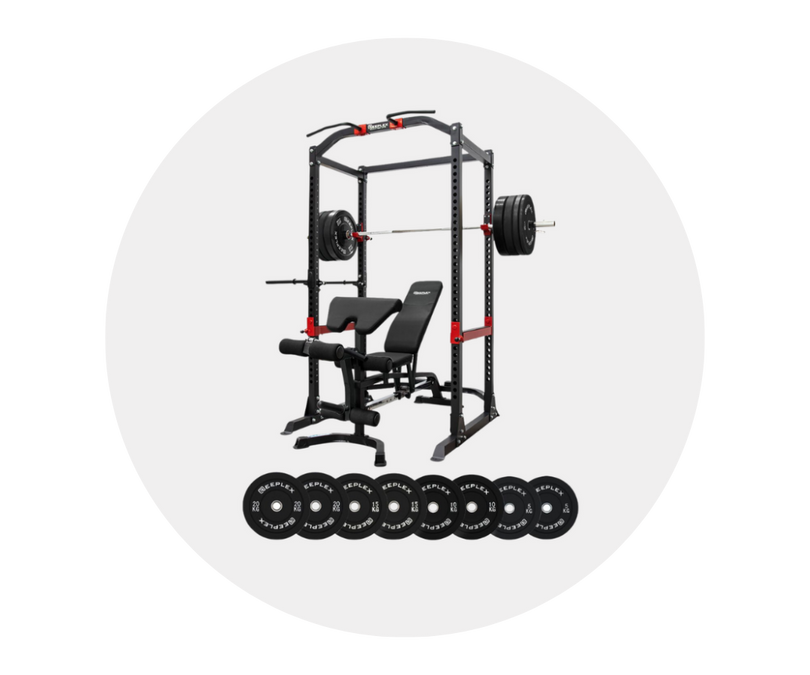
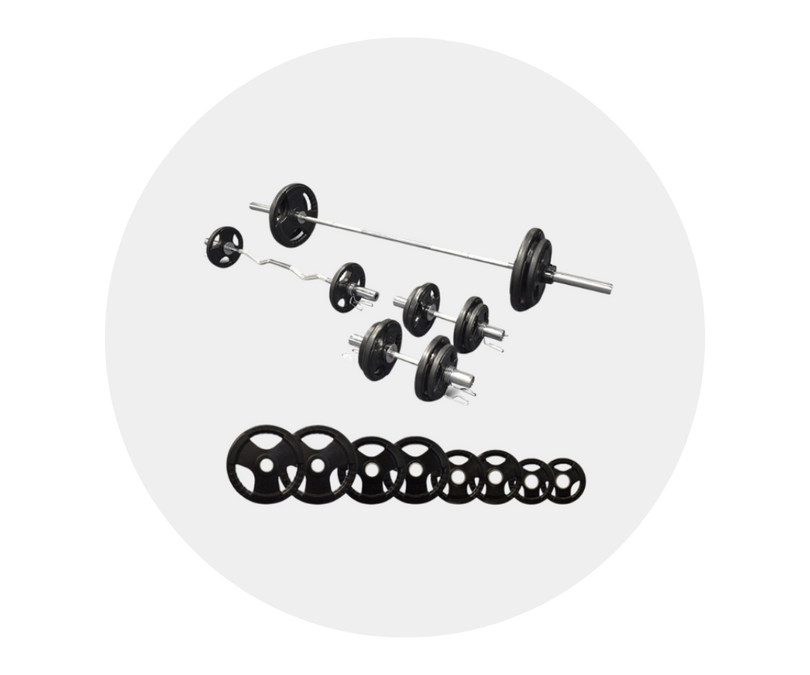
For barbell training beyond what a smith machine provides, a squat rack or power rack paired with a barbell and a dumbbell set completes the free weight side of your setup. A rack gives you the safety to squat and press heavy without a spotter.
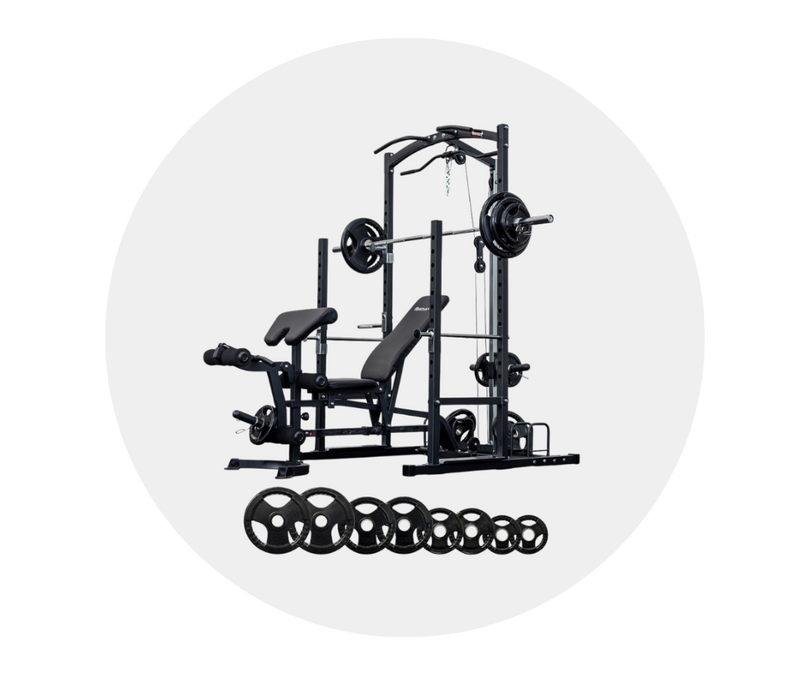
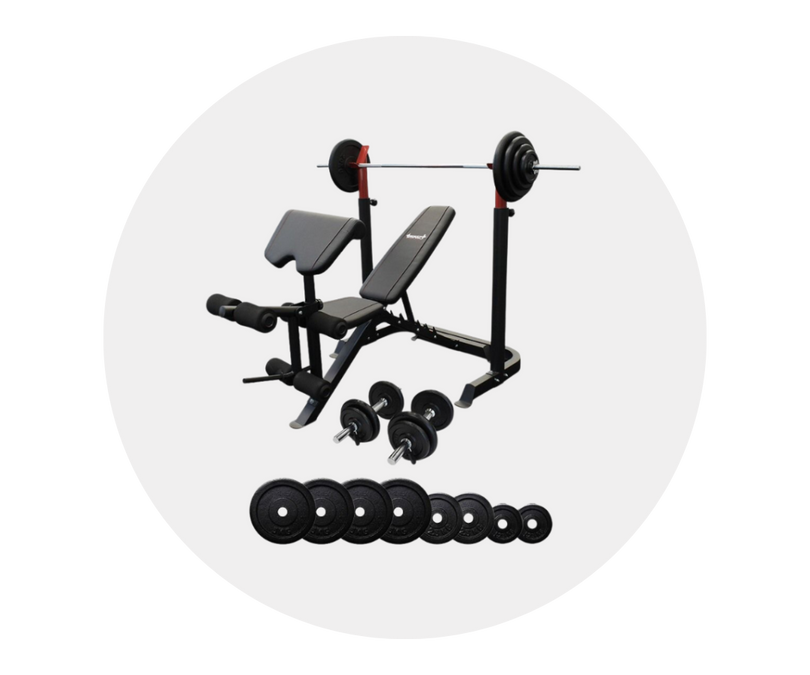
A weight bench is a worthwhile addition to most setups. An adjustable bench expands pressing, rowing, and incline exercise options on both cable machines and free weights. For a dedicated pressing station, bench press sets bundle a bench with a barbell rack optimized for chest pressing.
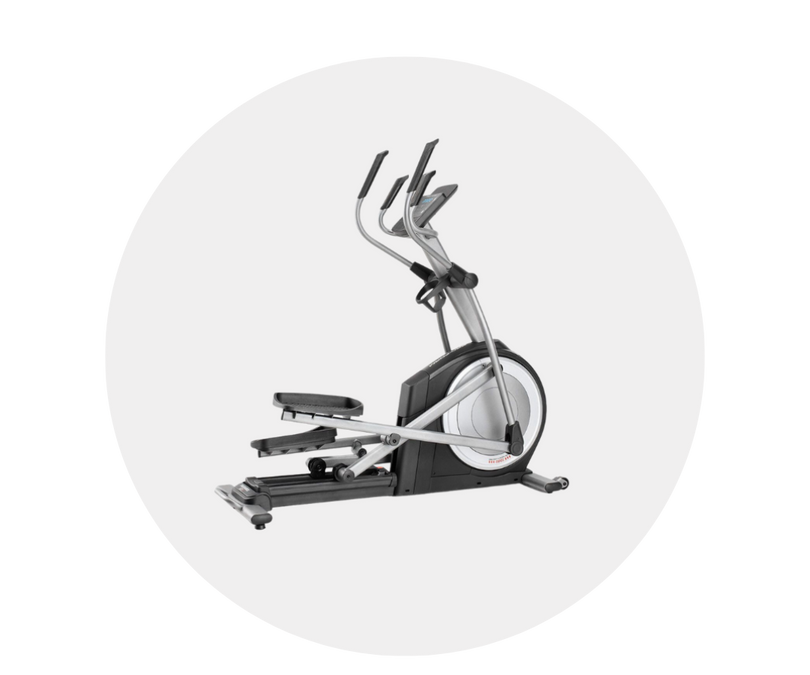
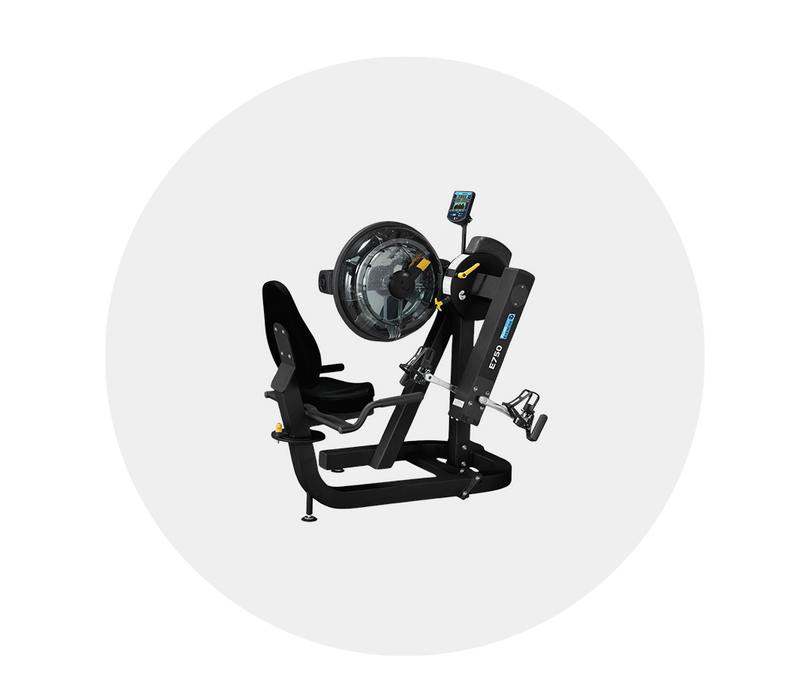
For cardio, cross trainers are a low-impact complement to strength machines that train the whole body aerobically without joint stress. Paired with your primary strength machine, a cross trainer gives you a complete gym session without leaving home.
Space + Setup Requirements
Planning your space before you buy is one of the most important steps in building a home gym. Most setup problems come down to not accounting for clearance space or ceiling height.
Space planning checklist:
- Measure ceiling height: most home gym machines need at least 2.4m for overhead movements with full range of motion
- Add clearance: allow 0.5m to 1m of clear space on all sides of the machine for safe movement
- Mark the floor footprint before purchasing: use tape to visualize the machine dimensions in your space
- Check door access: larger machines need to be assembled in place or require wide doorways for delivery
- Consider assembly: multi-station gyms typically require 2 to 4 hours for assembly and sometimes a second person for frame sections
Installing appropriate gym flooring under and around your machines reduces vibration, protects the floor from weight stack impacts, and provides a non-slip surface during exercises. Most home gym machines benefit from at least a 10mm rubber mat under the unit. For spaces where you'll also be doing free weight work, 15mm to 20mm mats offer better impact protection and are more comfortable underfoot.
Home Gym Space Planner by Room Type
The right machine for your training goals has to fit your space. Here's a practical guide to which machines and combinations work in common home gym setups, from a spare bedroom to a dedicated gym room.
| Room Type | Typical Size | Best Single Machine | Possible Combination | Key Consideration |
|---|---|---|---|---|
| Small spare bedroom | 2.5m x 3m | Compact cable machine or leg press | Cable machine plus adjustable dumbbells | Measure carefully: clearance is tight |
| Medium spare bedroom | 3m x 4m | Entry multi-station gym or functional trainer | Multi-station gym plus adjustable dumbbells and bench | Check ceiling height for lat pulldowns |
| Single garage | 3m x 5m | Mid-range multi-station gym or smith machine | Smith machine plus cable machine plus free weights | Ventilation and rubber flooring recommended |
| Double garage | 5.5m x 5.5m | Premium functional trainer or full multi-gym | Functional trainer plus smith machine plus leg press plus cardio | Enough space for a near-complete setup |
| Dedicated gym room | 4m x 6m+ | Any machine type | Full multi-machine setup with cardio and free weights | Plan the layout before buying to optimize traffic flow |
For any room under 3m x 4m, mark out the machine footprint on the floor with tape before purchasing. Machines that look compact in a product image can feel significantly larger in a smaller room once clearance space is factored in on all sides.
Maintenance + Care
Home gym machines are low maintenance by design, but regular upkeep keeps the cable movement smooth, the upholstery lasting, and the machine safe under heavy loads.
- Cables and pulleys: inspect cables monthly for fraying or kinking, especially at pulley contact points. A cable showing visible wear should be replaced before it fails under load.
- Upholstery: wipe down seat pads and back pads after every session. Sweat that sits in vinyl upholstery accelerates deterioration significantly faster than regular use alone.
- Frame and guide rods: wipe metal components with a dry cloth after use. Apply a light silicone spray to chrome guide rods on the schedule the manufacturer recommends. Dry guide rods create jerky resistance movement and wear the rod surface over time.
- Bolts and fittings: check and tighten all structural bolts every three months. Vibration from regular use gradually loosens hardware, and a loose structural bolt under load is a genuine safety issue.
- Weight stack: keep the weight stack guides clean and lightly lubricated. Grit and dust in the guide system creates uneven resistance through the lift and wears the guide rods faster.
Popular Home Gym Combinations
Most home gym setups evolve to include more than one type of machine or equipment. Here are four combinations that work well together, covering different budgets, spaces, and training priorities.
General Fitness: Multi-Station Gym + Treadmill
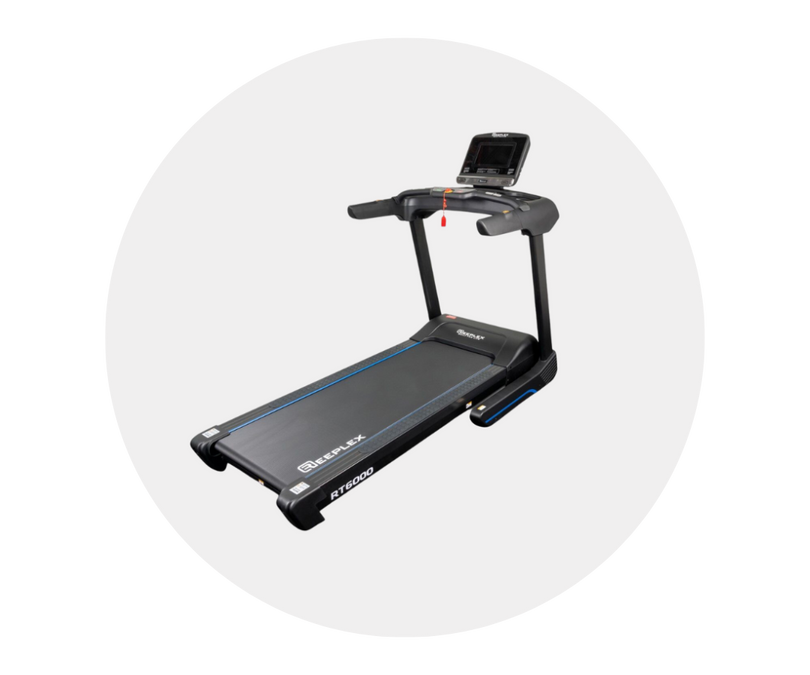
The most popular home gym combination. A multi-station gym handles all your strength training across upper body, lower body, and core. A treadmill covers cardio. Together they replicate the two main training zones of a commercial gym in a single home setup. This combination works well in a spare bedroom or single garage and suits beginners through to intermediate users who want a complete fitness routine without multiple specialized machines.
Strength Focus: Smith Machine + Cable Machine + Free Weights
The combination for users who want to train hard on compound barbell movements alongside isolation cable work. The smith machine handles squats, bench press, and overhead press with built-in safety catches for solo training. A standalone cable machine adds pulling, curling, and rotational movements. A set of dumbbells and an adjustable bench rounds it out. This setup suits intermediate to advanced lifters who prioritize progressive strength gains and want barbell training without needing a dedicated spotter.
Athletic Performance: Functional Trainer + Squat Rack
The go-to combination for sport performance training or CrossFit-style conditioning. The functional trainer provides a wide range of dynamic cable movements including rotational core work, unilateral exercises, and conditioning circuits that fixed-station machines can't replicate. A squat rack with a barbell adds heavy compound lifting on top of that. This setup covers strength, power, and athletic movement patterns in a relatively compact footprint and works particularly well in a single or double garage.
Complete Setup: Functional Trainer + Smith Machine + Leg Press + Cardio
A near-commercial setup for users who don't want to compromise. The functional trainer covers cable and upper body work. The smith machine adds guided barbell movements for heavy lifting alone. The leg press provides dedicated lower body loading at intensities the cable machines can't match. A treadmill or cross trainer handles cardio. This combination fills a double garage or dedicated gym room and represents a long-term investment that most users won't outgrow regardless of how their training evolves.
Shop Home Gym Machines at Dynamo Fitness
Dynamo Fitness stocks a complete range of home gym machines across all major machine types. Whether you're buying your first machine or expanding an established home setup, our range covers every training style and budget, from entry-level multi-station gyms to professional-grade functional trainers and smith machines.
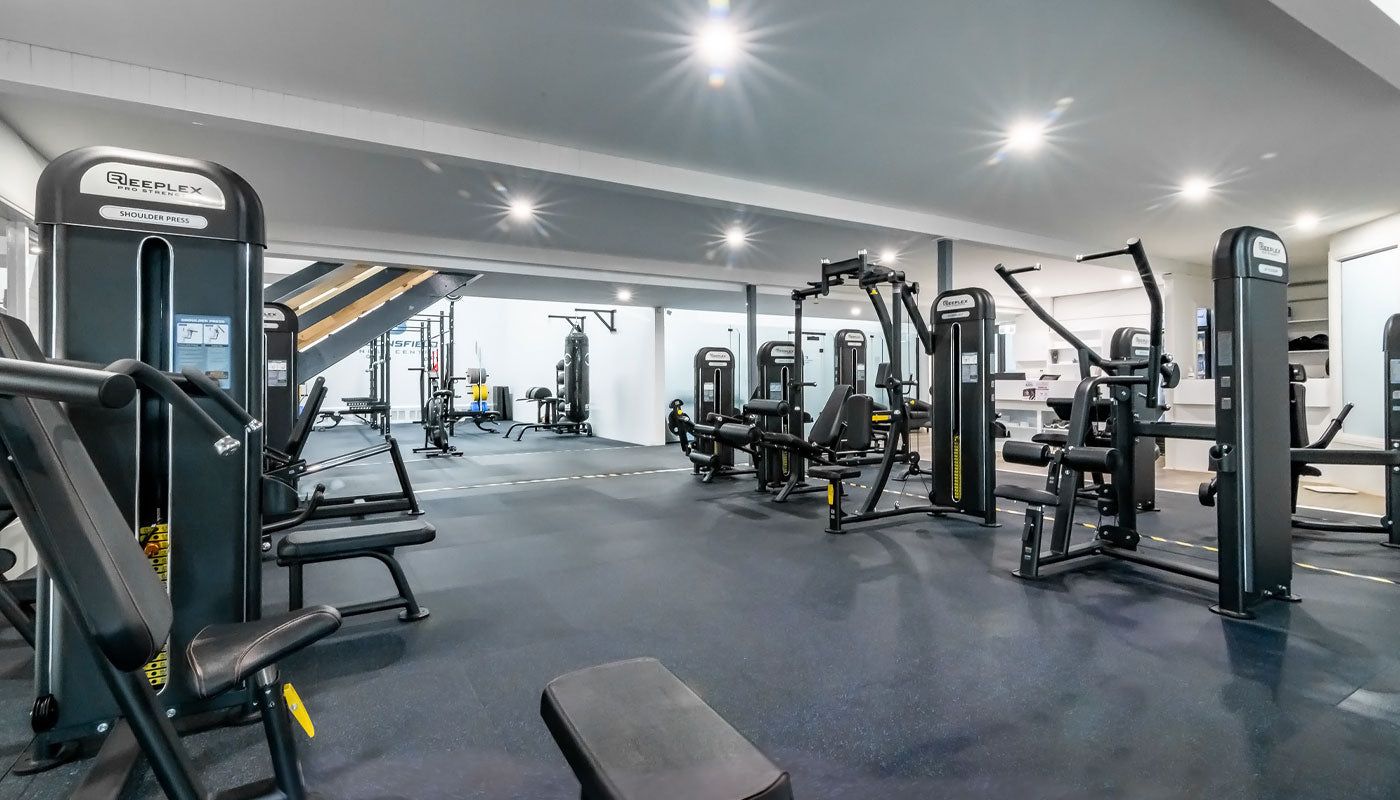
Every major machine type is available to test in person at our Australian showrooms. Testing the cable feel, adjusting the seat, and understanding the actual footprint of a machine before you buy is the kind of information you can't get from a product listing. Our team is on the floor to walk you through the options.
- Fast Australia-wide shipping available on all orders.
- Buy Now, Pay Later options at checkout.
- Expert team available in-store and online seven days a week
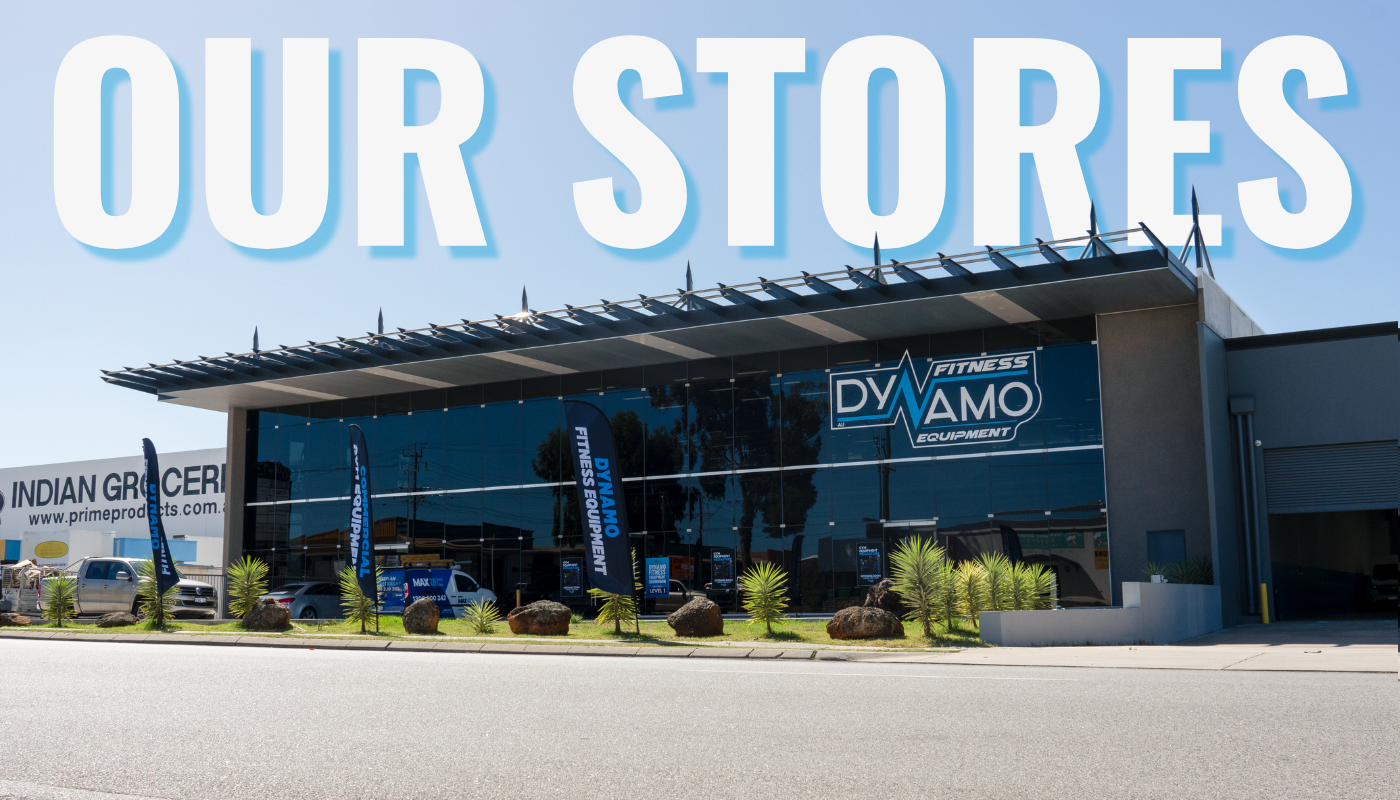
- Showrooms in Perth, Sydney, Melbourne, Brisbane, Adelaide and Gold Coast where you can try every machine type in person.
- Complete home gym bundles available combining machines, free weights, benches, and flooring.
Shop home gym machines or visit your nearest Dynamo Fitness showroom today.
Home Gym Machines - FAQs
A multi-station home gym is an all-in-one unit with several fixed exercise stations, each designed for a specific movement: a chest press station, a lat pulldown station, a seated row station, and so on. The cable paths and seat positions are preset, which makes the machine self-guided and easy to use but limits how much movement variety is possible. A functional trainer has two independently adjustable cable arms that slide up and down a vertical column to any height. This gives you far more movement options and allows exercises that can't be replicated on a fixed station machine. The trade-off is that a functional trainer requires more exercise knowledge to use effectively, while a multi-gym is more intuitive from day one.
Space requirements vary by machine type. Multi-station gyms typically need around 2m x 3m of floor space. Functional trainers are generally more compact at around 1.5m x 2m. Smith machines need approximately 2m x 2.5m, and standalone cable machines and leg press units can fit in as little as 1m x 2m. These are footprint dimensions only. You should add at least 0.5m to 1m of clearance on all sides for safe movement during exercises. Ceiling height also matters: most overhead exercises like lat pulldowns and shoulder press require a minimum of 2.4m clearance. Always check the exact product dimensions and measure your space with those clearances factored in before purchasing.
Yes. Multi-gym machines are among the most beginner-friendly pieces of strength training equipment available. The guided cable systems and fixed movement paths help you learn correct exercise form without prior lifting experience. Adjustable weight stacks let you start light and increase resistance progressively. Built-in seating and support pads keep your body positioned correctly during exercises, which reduces the risk of poor form under fatigue. For beginners who want to train at home without a coach or training partner, a multi-station gym is generally the most accessible starting point.
Yes. Multi-station gyms are designed to cover all major muscle groups: chest, back, shoulders, arms, and legs. Most units include enough stations for a complete upper and lower body routine. Functional trainers and cable machines add further variety for upper body, core, and athletic movements. Where home gym machines have limitations is in heavy compound lower body work like barbell squats and conventional deadlifts, which are better served by a power rack or smith machine with a free barbell. For most users training for general strength and fitness, a multi-station gym covers everything needed for a complete program.
The right stack depends on your current strength level and training goals. A 60kg to 80kg stack is sufficient for most beginners and those focused on conditioning and muscle toning. Intermediate users training at moderate to heavy intensities should look for 100kg to 120kg stacks to avoid outgrowing the machine within 12 to 18 months. Advanced lifters or those focused primarily on strength building should look for 150kg+ stacks or plate-loaded machines. If you're uncertain, go larger. Unused headroom is far less frustrating than hitting the top of a weight stack and needing to replace the machine.
It depends on whether you want to train with a barbell. A multi-gym machine uses cable resistance, which doesn't replicate the feel, movement pattern, or loading of barbell exercises. If your program includes squats, bench press, deadlifts, or overhead press with a barbell, a smith machine adds that barbell capability alongside your existing cable setup. Many serious home gym users run both: a multi-gym or functional trainer for cable and isolation work, and a smith machine for barbell compound lifts. The smith machine's integrated safety catches make it particularly suited to training alone where spotters aren't available.
Yes. Most home gym machines include adjustable seats, adjustable cable anchor points, and quick-select weight stacks that make switching between users straightforward. For multi-user households, check that the seat height adjustment covers the full height range your users need, and that the minimum weight stack setting is light enough for all users, including those who are newer to training. Some machines have a minimum loaded weight that's too heavy for lighter or less experienced users, which is worth confirming with the product specifications before purchasing.
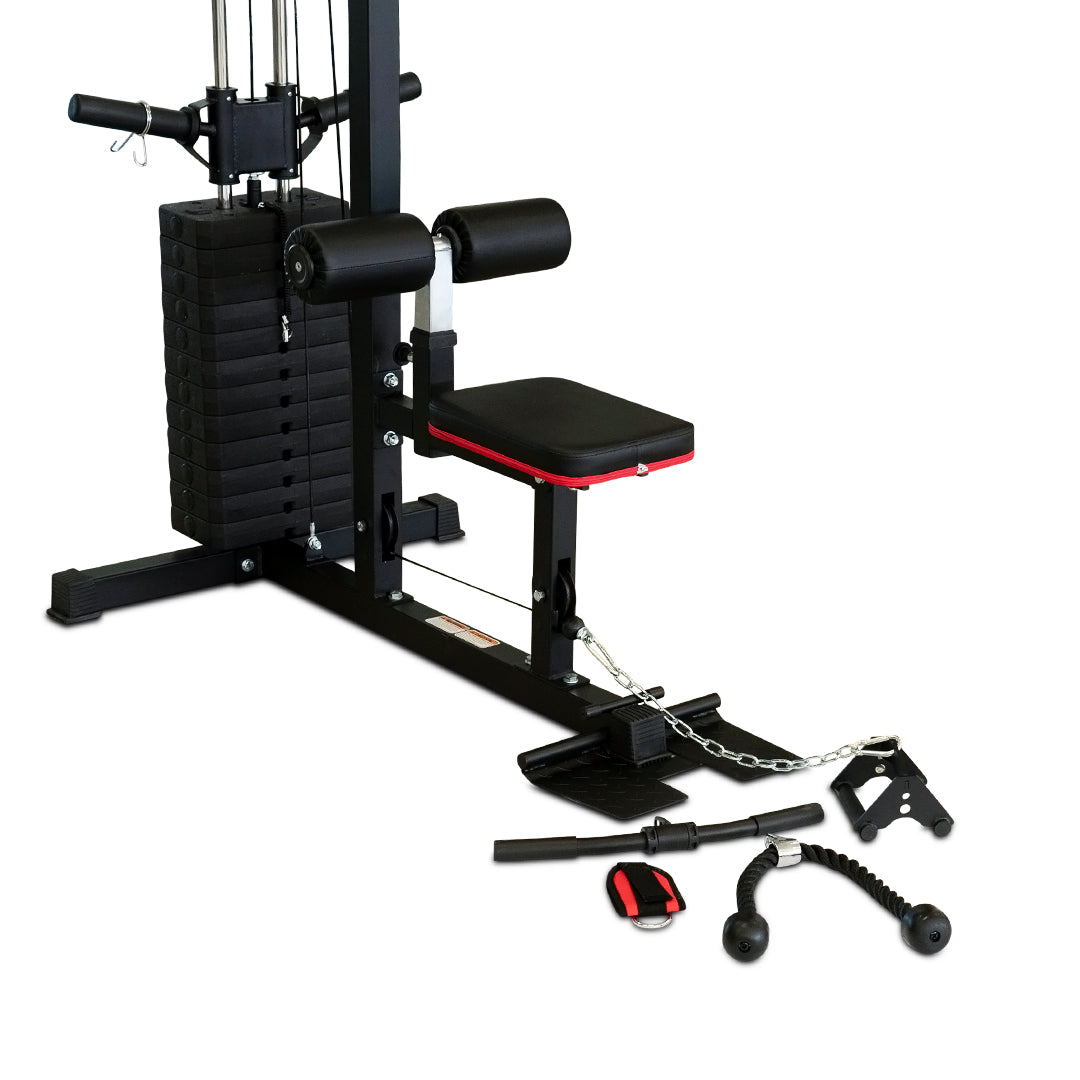
Most home gym machines include a basic attachment kit: a lat bar, a cable handle, and sometimes a rope. Additional handles, ankle straps, and specialized bars expand your exercise options and are worth adding. Beyond attachments, rubber gym flooring under the machine protects your floor and reduces noise. A set of hex dumbbells alongside your cable machine covers the exercises where fixed-weight dumbbells beat cables, completing a well-rounded home gym without much additional floor space.
A single-car garage is typically around 3m x 5m to 3m x 6m, which gives enough floor space for most mid-range home gym machines. The most practical options for this space are a functional trainer (compact footprint, wide exercise range), a mid-range multi-station gym, or a smith machine. Ceiling height in garages varies, so measure before purchasing: you need at least 2.4m for overhead exercises like lat pulldowns and shoulder press. If you're in a climate with temperature extremes, an uninsulated garage can affect training comfort significantly. Rubber flooring is particularly useful on concrete garage floors for equipment protection, noise reduction, and underfoot comfort.
Yes, and it's often the most practical approach. Starting with one quality machine that covers your primary training needs and adding to it over time spreads the cost and lets you identify what your setup is actually missing before committing to additional purchases. A typical progression starts with a multi-station gym or functional trainer as the foundation, then adds free weights and a bench, then a dedicated lower body machine or cardio equipment as training develops. Most equipment from a consistent brand range is compatible with additional accessories, so you're not locked into replacing the whole setup to expand it.
A well-maintained quality home gym machine typically lasts 10 to 20 years. The frame and weight stack are the most durable components and rarely need replacement under normal home use. Cables are the most commonly serviced part and typically last 5 to 10 years depending on use frequency, maintenance, and whether they're kept clean and correctly tensioned. Upholstery wears faster in humid environments but can be replaced at low cost. The biggest factors in lifespan are build quality at purchase, regular maintenance including cable inspection and guide rod lubrication, and storage conditions if the machine is in an uninsulated or unheated space.
A weight stack machine uses a selectorized stack of numbered plates loaded by inserting a pin at your chosen weight. It's fast to adjust between exercises and between users, and resistance is fixed in set increments. A plate-loaded machine uses standard Olympic weight plates that you load yourself. There's no fixed resistance ceiling: you can load as much as the machine's frame rating allows. Plate-loaded machines are slower to adjust between exercises but suit advanced lifters who need resistance beyond what a standard weight stack offers, and home gym users who already own a plate collection and want to share those plates across multiple pieces of equipment rather than paying for a separate weight system on each machine.